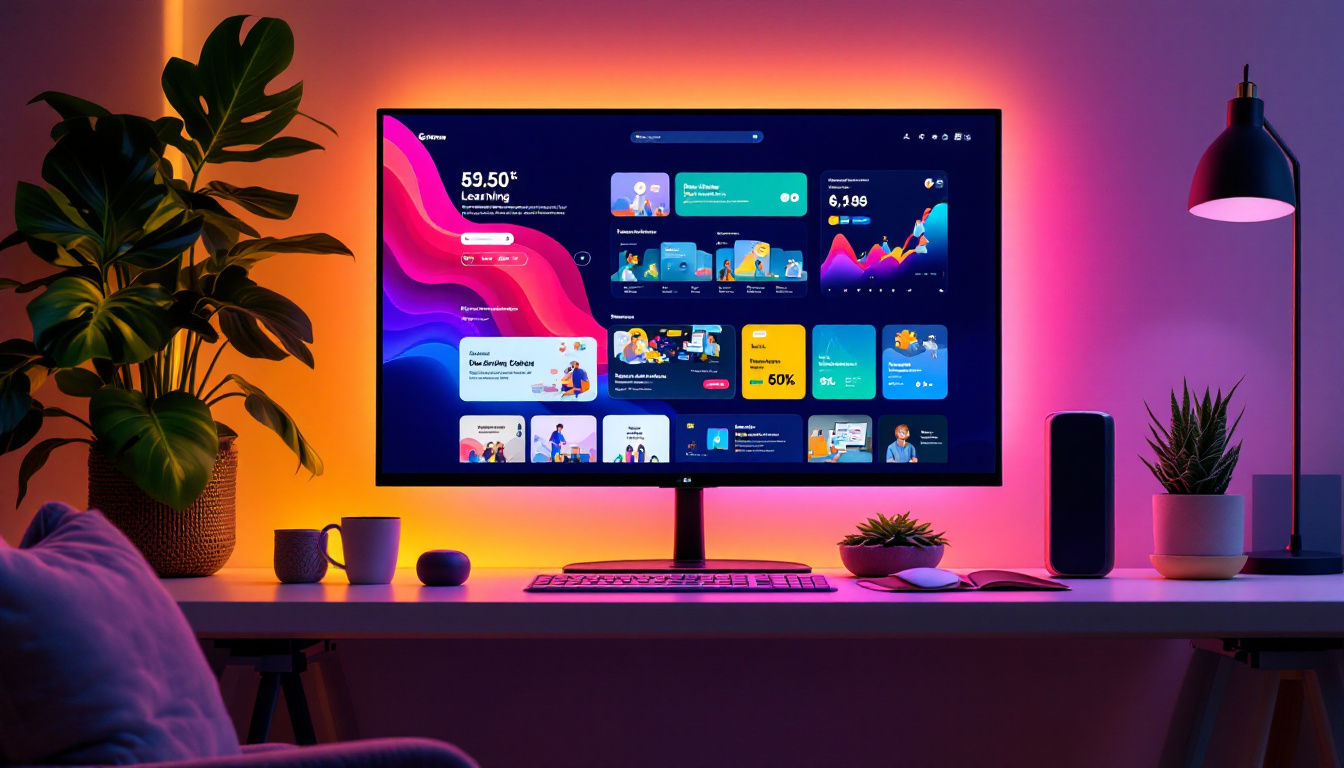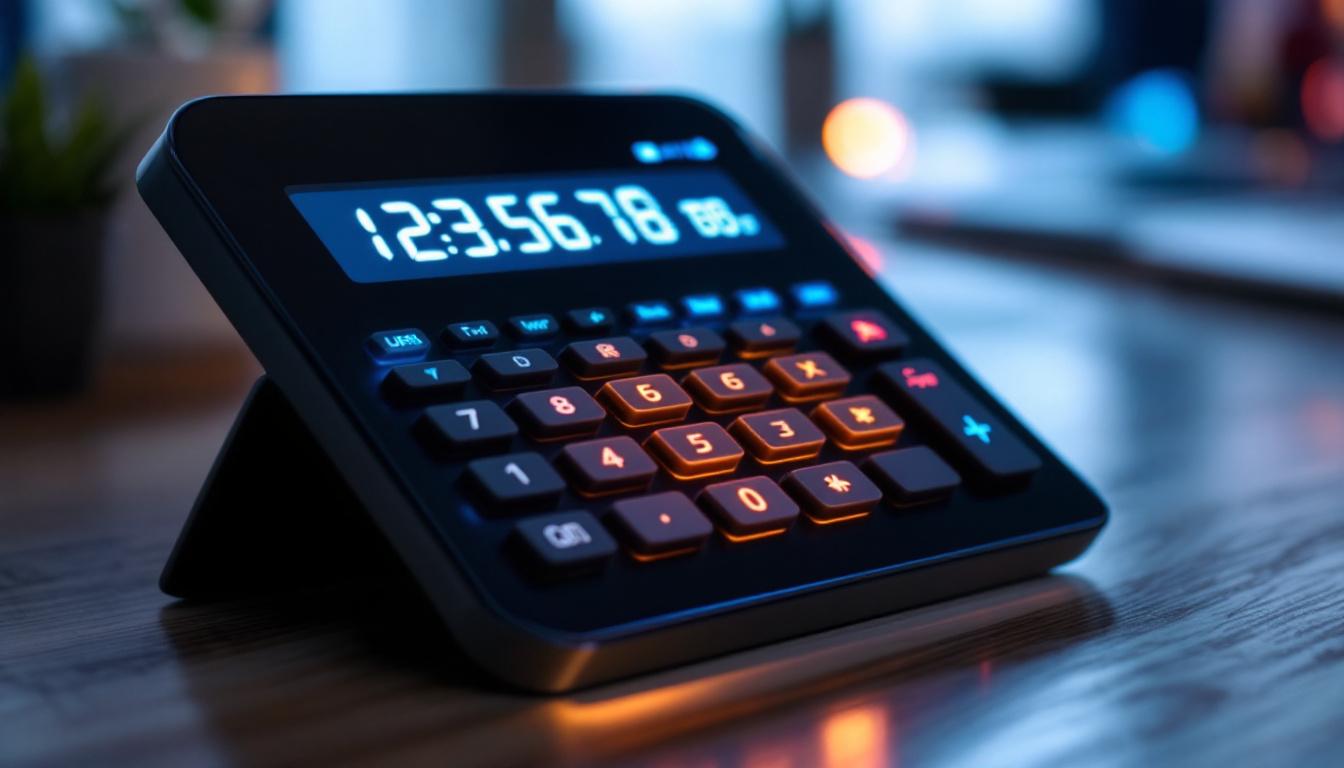
In today’s digital age, calculators have evolved far beyond the simple devices many remember from school days. The integration of touchscreen technology with LED displays represents a significant leap in usability, functionality, and design. This article delves into the intricacies of touchscreen calculators, with a particular focus on the LED display technology that powers their vibrant, intuitive interfaces.
Understanding the Basics: What is a Touchscreen Calculator?
A touchscreen calculator combines the traditional calculator’s computational capabilities with a touchscreen interface, allowing users to input data and commands directly on the display. Unlike physical buttons, the touchscreen enables more dynamic interaction, including gestures, multi-touch inputs, and customizable layouts.
These devices are particularly popular in professional and educational settings where complex calculations and data visualization are necessary. The touchscreen interface simplifies navigation through menus, formula inputs, and even graph plotting, making the calculator far more versatile than its button-based predecessors.
Why Touchscreen Calculators Matter
The rise of touchscreen calculators aligns with broader trends in technology towards more interactive and user-friendly devices. For students, engineers, scientists, and financial analysts, the ability to quickly switch between functions and input methods enhances productivity and reduces errors.
Moreover, touchscreen calculators often support software updates and app integrations, allowing them to adapt to evolving needs. This adaptability is crucial in fields where new formulas, constants, or computational methods emerge regularly.
In addition to their functional advantages, touchscreen calculators often come equipped with features such as voice recognition and handwriting input, further streamlining the user experience. These features cater to a diverse range of users, including those who may find traditional input methods cumbersome. For instance, a student can write out equations directly on the screen, and the calculator can interpret and solve them, making learning more intuitive and engaging.
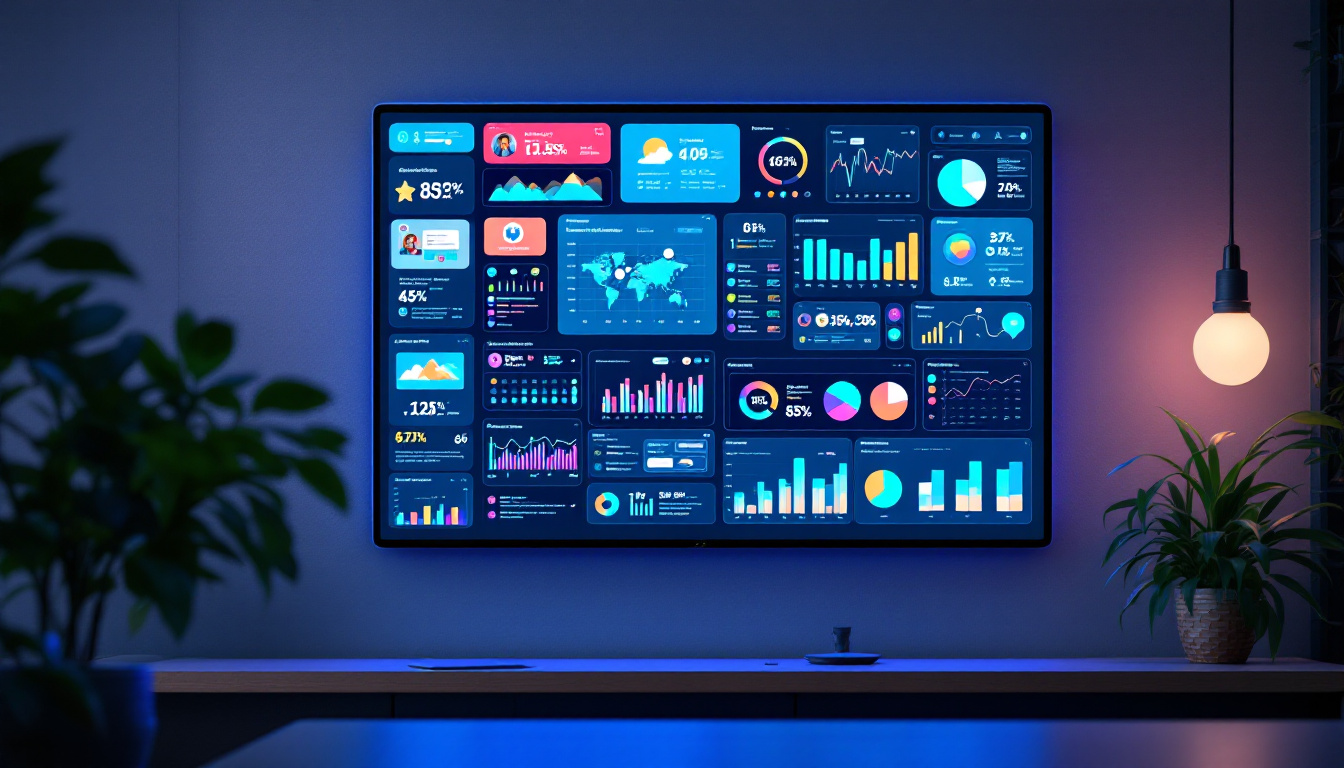
Furthermore, the visual capabilities of touchscreen calculators enhance understanding through graphical representations of data. Users can create and manipulate graphs with a simple swipe or pinch, allowing for a more interactive exploration of mathematical concepts. This visual feedback not only aids in comprehension but also fosters a deeper appreciation for the relationships between variables, which is particularly beneficial in subjects like calculus and statistics.
LED Display Technology: The Heart of Modern Touchscreen Calculators
At the core of a touchscreen calculator’s interface is its display technology. While several types of screens exist, LED (Light Emitting Diode) displays have become the preferred choice due to their brightness, energy efficiency, and clarity.
How LED Displays Work
LED displays function by using an array of light-emitting diodes to produce images. Each pixel on the screen consists of tiny LEDs that emit light when an electric current passes through them. This direct emission of light allows LED screens to achieve higher brightness and contrast compared to traditional LCDs, which rely on backlighting.
In touchscreen calculators, LED displays provide crisp, clear numbers and symbols that are easy to read in various lighting conditions. This is especially important for professionals working in bright environments or on the go. The rapid response time of LED displays also ensures that calculations are displayed almost instantaneously, enhancing the user experience by allowing for quick input and feedback.
Types of LED Displays in Calculators
Two main types of LED display technologies are commonly used in touchscreen calculators:
- OLED (Organic LED): These displays use organic compounds that emit light when electrically stimulated. OLEDs offer superior color accuracy, deeper blacks, and wider viewing angles. They are increasingly popular in high-end calculators due to their thinness and flexibility.
- LED-backlit LCD: While technically an LCD, these displays use LED backlighting to enhance brightness and energy efficiency. They are more cost-effective and widely used in mid-range touchscreen calculators.
Choosing between these display types depends on factors like budget, desired display quality, and power consumption considerations. Furthermore, the choice can also influence the overall design and portability of the calculator, as thinner displays can lead to sleeker, more modern designs that appeal to tech-savvy users.
In addition to display types, the resolution of the LED screens plays a crucial role in the user experience. Higher resolution displays allow for more detailed graphics and clearer text, which can be particularly beneficial for complex calculations or graphing functions. As technology advances, we are likely to see even more innovations in LED display technology, such as improved energy efficiency and enhanced durability, making calculators not only smarter but also more reliable tools in various professional fields.
Advantages of LED Displays in Touchscreen Calculators
The integration of LED displays in touchscreen calculators offers several distinct advantages that improve user experience and device performance.
Enhanced Visibility and Readability
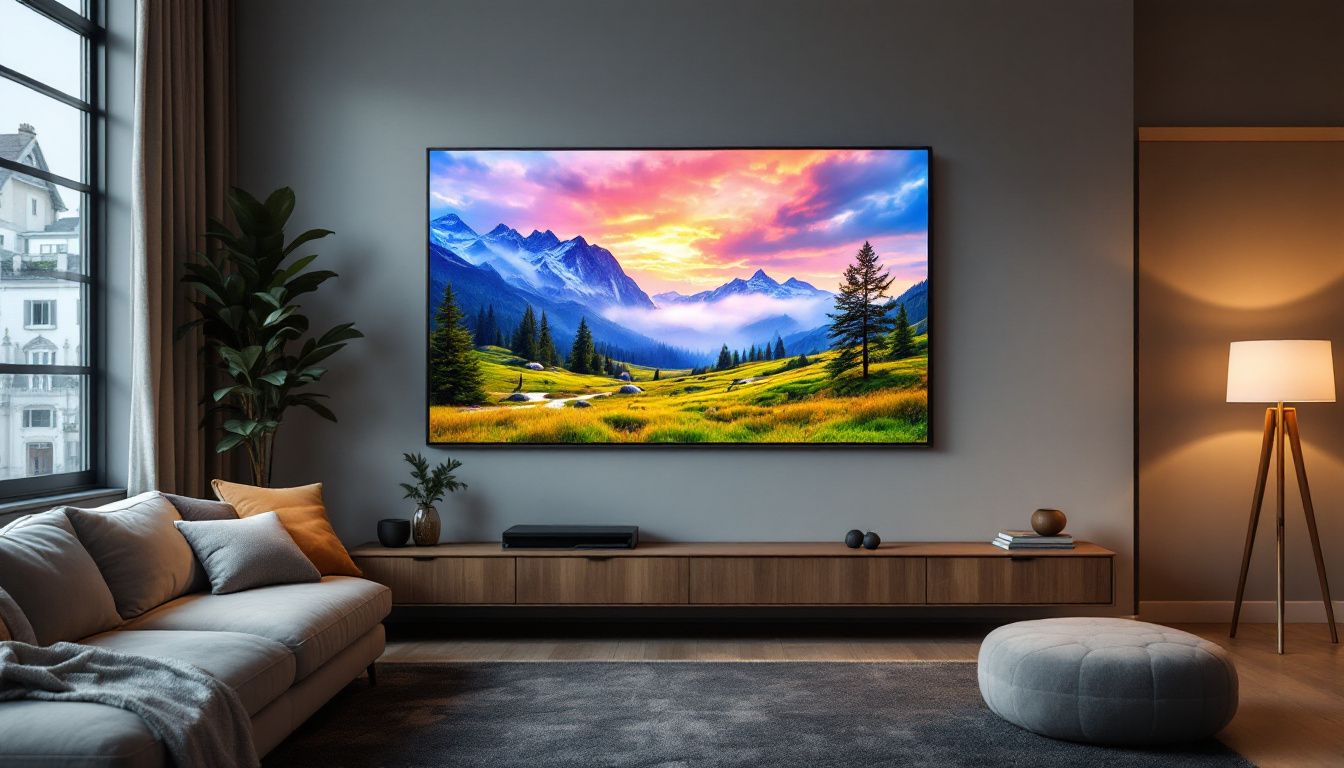
LED displays deliver high brightness levels, which significantly improve visibility in various lighting environments. Whether under direct sunlight or in dimly lit rooms, users can easily read numbers and symbols without straining their eyes.
Additionally, the high contrast ratio of LED screens ensures sharp differentiation between digits and backgrounds, reducing input errors and enhancing overall accuracy. This clarity is particularly beneficial for users engaged in complex calculations, where every digit counts, and even a minor misinterpretation can lead to significant errors. Furthermore, the vibrant colors often associated with LED displays can be utilized to highlight important functions or alerts, making it easier for users to navigate through various features quickly.
Energy Efficiency and Battery Life
Energy consumption is a critical factor for portable devices like calculators. LED technology is more energy-efficient than older display technologies, contributing to longer battery life. This efficiency is especially valuable for professionals who rely on calculators throughout the day without frequent access to charging.
Moreover, the reduced energy consumption not only prolongs the life of the device but also minimizes environmental impact, aligning with the growing trend towards sustainability in technology. Users can benefit from the peace of mind that comes with knowing their device is not only efficient but also eco-friendly. This aspect is increasingly important as more consumers seek out products that contribute to a greener planet, making LED-equipped calculators a smart choice for the environmentally conscious user.
Durability and Longevity
LED displays tend to have longer lifespans and better durability compared to traditional LCDs. They are less susceptible to issues like screen burn-in and color degradation, ensuring that touchscreen calculators maintain their display quality over extended periods.
This durability extends beyond just the display itself; many LED calculators are designed with robust materials that can withstand daily wear and tear. Whether dropped, bumped, or exposed to varying temperatures, these calculators are built to last, making them ideal for students, engineers, and professionals who need reliable tools in demanding environments. Additionally, the resilience of LED technology means that users can enjoy a consistent performance without the need for frequent replacements, ultimately saving time and money in the long run.
Touchscreen Integration: How LED Displays Enhance Interaction
The synergy between touchscreen technology and LED displays creates a seamless user interface that is both responsive and visually appealing.
Responsive Touch Sensitivity
Modern touchscreen calculators often employ capacitive touchscreens layered over LED displays. This combination allows for highly sensitive and accurate touch detection, enabling users to input commands quickly and precisely.
Such responsiveness is crucial when dealing with complex calculations or when navigating through multiple functions and menus.
Visual Feedback and User Interface Design
LED displays support vibrant colors and dynamic visuals, which enhance the calculator’s user interface. Buttons can change color when pressed, error messages can be highlighted clearly, and graphs or charts can be rendered with clarity.
This visual feedback helps users understand their inputs and outputs more intuitively, reducing mistakes and improving overall efficiency.
Real-World Applications and Examples
Touchscreen calculators with LED displays are widely used across various industries and educational fields, each benefiting from the technology’s unique features.
Education Sector
In classrooms, touchscreen calculators equipped with LED displays help students engage more interactively with mathematical concepts. Features like graph plotting, formula editing, and step-by-step problem solving are enhanced by the clear, bright display and responsive touchscreen.
Many standardized tests now allow or require calculators with specific display capabilities, making LED touchscreen models a preferred choice for students preparing for exams.
Engineering and Scientific Research
Engineers and scientists often handle complex equations and data sets that require precise calculation and visualization. Touchscreen calculators with OLED displays provide the clarity and responsiveness needed for these tasks, allowing for quick adjustments and detailed graphing functions.
Some advanced models even support connectivity with other devices, enabling data transfer and real-time collaboration.
Financial and Business Use
Financial analysts and business professionals benefit from touchscreen calculators with LED displays for rapid data entry, currency conversions, and financial modeling. The bright display ensures readability in various office environments, while the touchscreen interface streamlines workflow.
Future Trends in Touchscreen Calculators and LED Displays
As technology continues to evolve, touchscreen calculators and LED display technology are poised for further innovation.
Flexible and Foldable Displays
Emerging flexible OLED technology may soon allow calculators with foldable or bendable screens, increasing portability without sacrificing screen size or functionality. This advancement could redefine how calculators are carried and used in the field.
Integration with AI and Cloud Computing
Future touchscreen calculators might leverage AI to assist with problem-solving, error detection, and predictive calculations. Coupled with LED displays, these devices could offer interactive tutorials and real-time data updates through cloud connectivity.
Improved Energy Harvesting
Advances in energy harvesting, such as solar-powered LED displays, could further extend battery life or eliminate the need for batteries altogether in some models, enhancing sustainability and convenience.
Conclusion
The combination of touchscreen technology and LED displays has transformed calculators from simple arithmetic tools into sophisticated, multifunctional devices. LED displays provide the brightness, clarity, and energy efficiency essential for modern touchscreen calculators to perform effectively across diverse environments and applications.
As these technologies continue to advance, users can expect even more intuitive, powerful, and versatile calculators that meet the evolving demands of education, science, engineering, and business.
Understanding the role of LED displays in touchscreen calculators not only highlights the technological progress but also underscores the importance of choosing the right device to maximize productivity and accuracy in various professional and academic contexts.
Discover the Future of LED Displays with LumenMatrix
Ready to experience the ultimate in LED display technology? LumenMatrix is at the forefront of innovation, offering a wide range of LED display solutions that bring your visual communications to life. Whether you need an Indoor LED Wall Display for a corporate event, an Outdoor LED Wall Display for advertising, or any of our specialized displays like Vehicle, Sports, or Floor LED Displays, LumenMatrix has the cutting-edge technology to elevate your brand’s presence. Embrace the future of sophisticated, energy-efficient, and dynamic visual experiences with LumenMatrix. Check out LumenMatrix LED Display Solutions today and transform the way you share your message.