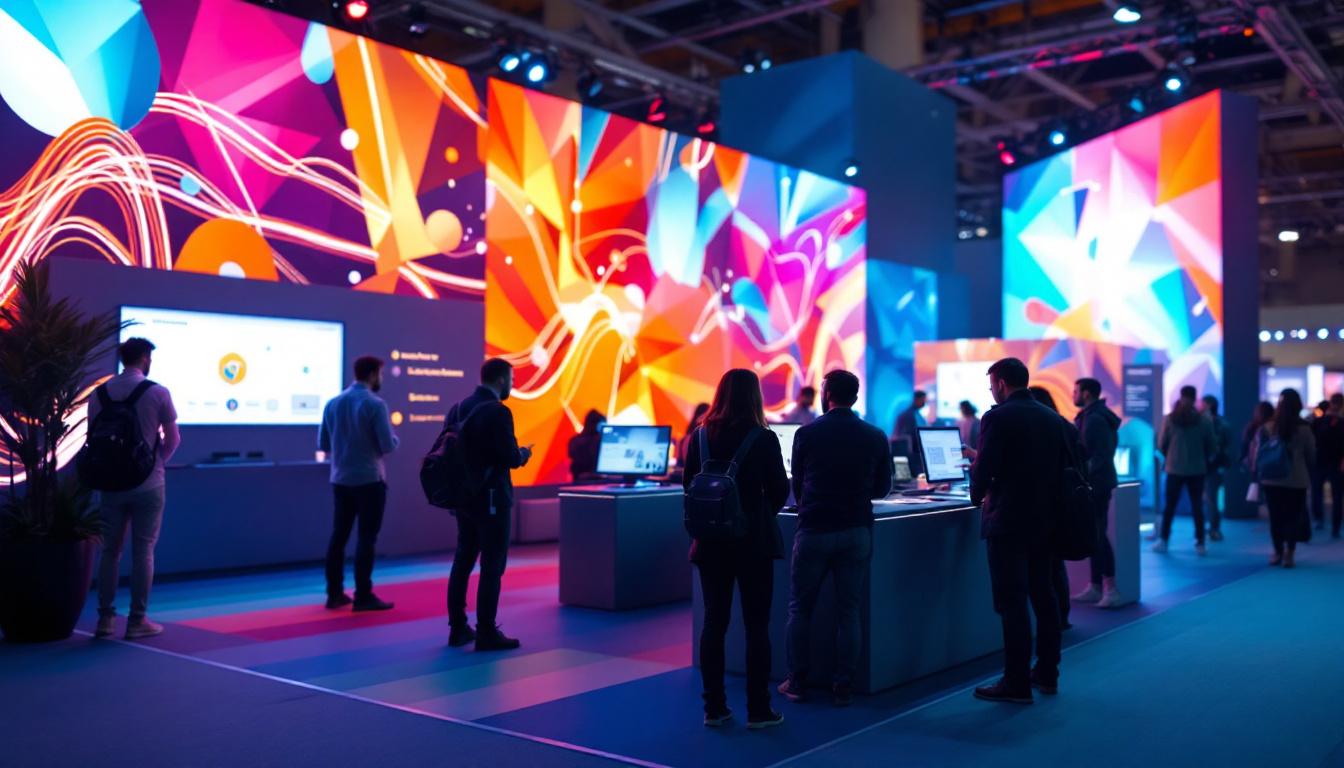
Trade shows are pivotal events for businesses aiming to showcase their products, engage with potential clients, and build brand awareness. In these bustling environments, capturing attention is paramount. One of the most effective tools for achieving this is the LED display. This article delves into the world of LED displays within trade show booth setups, explaining their benefits, types, and how to maximize their impact for a successful event.
Understanding LED Displays in Trade Shows
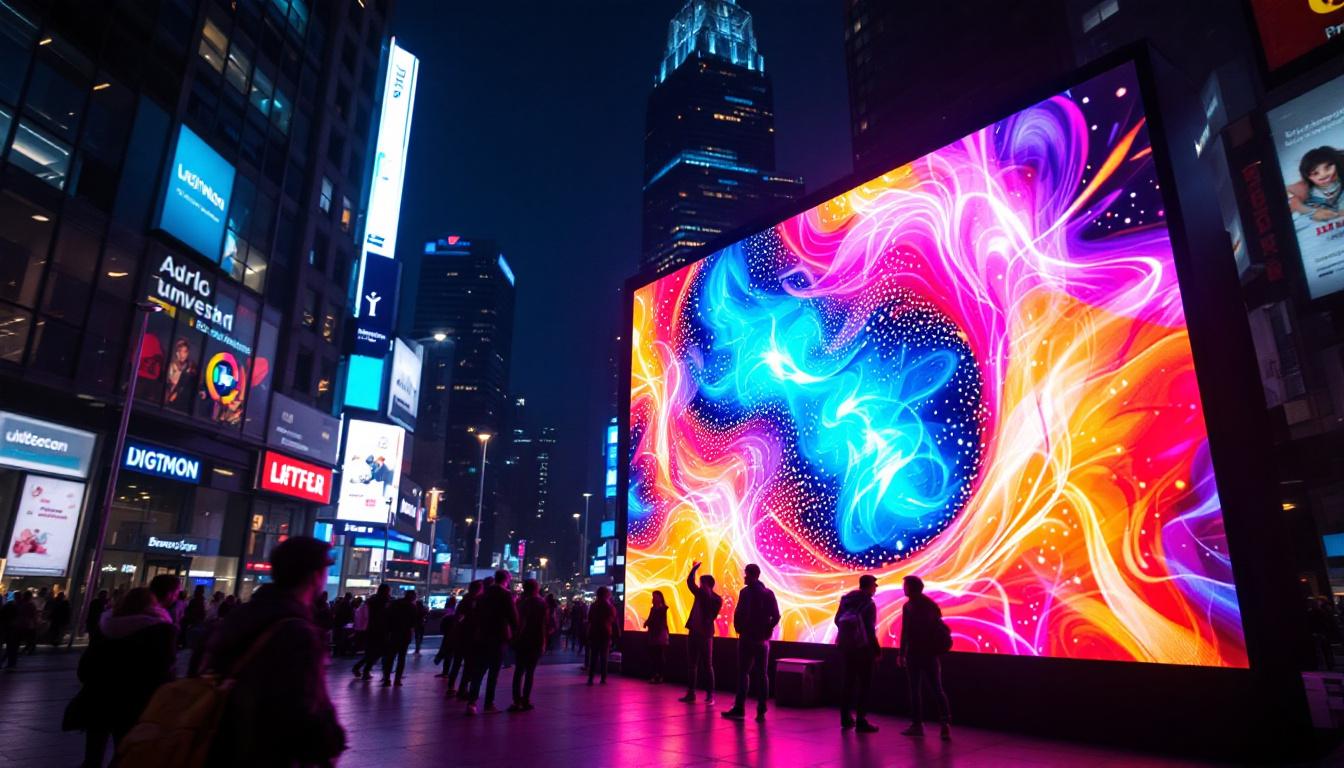
LED, or Light Emitting Diode, displays have revolutionized visual communication in trade shows. Unlike traditional screens, LED displays use a matrix of tiny light-emitting diodes to produce bright, vibrant images and videos. This technology offers superior brightness and clarity, making it ideal for environments with high ambient light, such as convention centers and exhibition halls.
Trade show attendees are often bombarded with information, so having a display that stands out visually can make a significant difference. LED displays can deliver dynamic content, including videos, animations, and interactive presentations, which are far more engaging than static banners or printed materials.
Why Choose LED Displays Over Other Options?
Compared to LCD or projection screens, LED displays provide several advantages:
- Brightness: LED displays can reach brightness levels of 1,000 nits or more, ensuring visibility even in well-lit environments.
- Durability: LEDs are robust and can withstand the rigors of frequent trade show setups and teardowns.
- Energy Efficiency: LEDs consume less power than traditional lighting or projection systems, reducing operational costs.
- Customization: LED panels can be configured into various shapes and sizes, allowing for creative booth designs.
- Longevity: With an average lifespan exceeding 50,000 hours, LED displays are a long-term investment.
These benefits make LED displays a smart choice for exhibitors looking to make a lasting impression.
Types of LED Displays for Trade Show Booths
Not all LED displays are created equal. Understanding the different types available helps exhibitors select the best option for their specific needs and budget.
1. Indoor LED Displays
Indoor LED displays are designed for controlled environments like trade show booths. They typically feature a pixel pitch ranging from 1.2mm to 4mm, which refers to the distance between individual LEDs. A smaller pixel pitch means higher resolution and sharper images, ideal for close viewing distances common at trade shows.
These displays are lightweight and easy to assemble, often coming in modular panels that can be combined to create large video walls or custom shapes. Indoor LEDs are perfect for showcasing high-definition videos, product demos, and interactive content.
2. Outdoor LED Displays
While less common inside trade show booths, outdoor LED displays are sometimes used for exterior booth signage or events held in open-air venues. These displays have higher brightness levels (up to 7,000 nits) and are weather-resistant. Their pixel pitch is usually larger (around 6mm to 20mm), as they are designed to be viewed from greater distances.
3. Transparent LED Displays
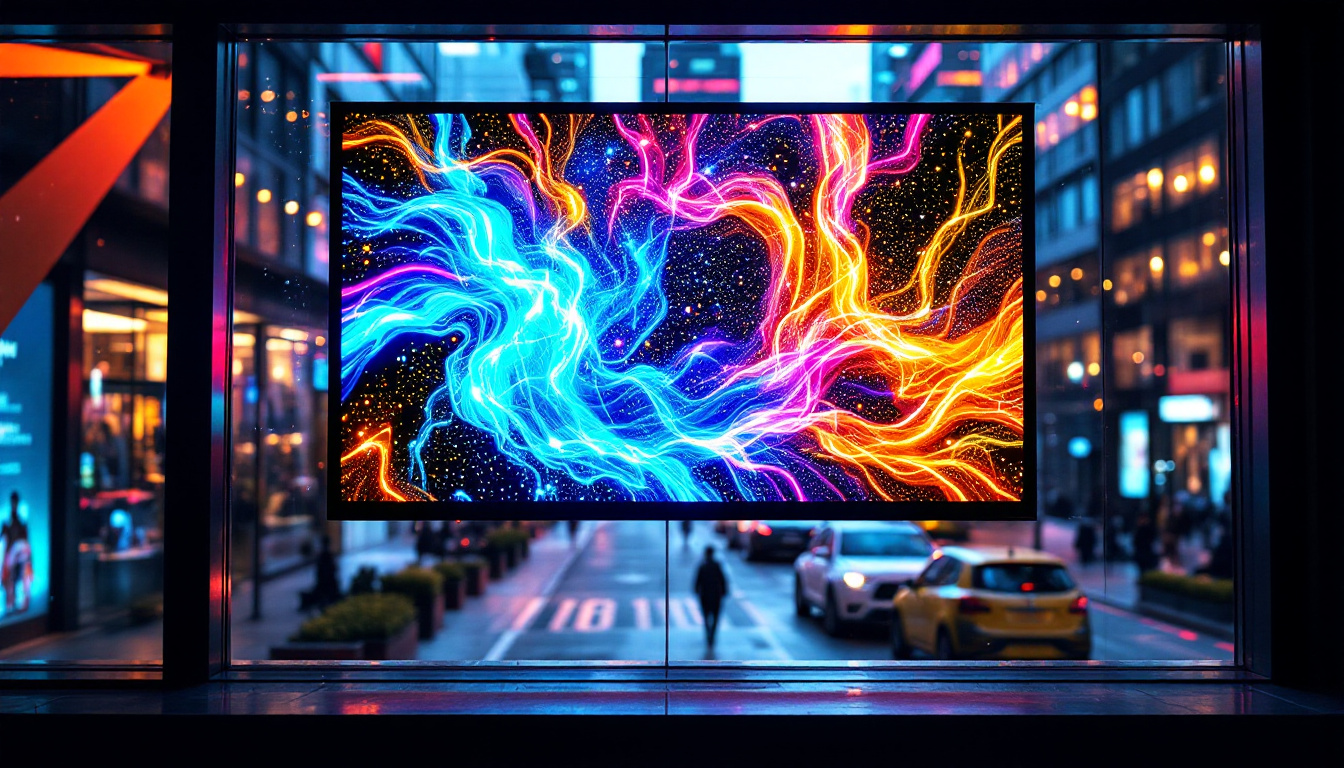
Transparent LED displays are an innovative option that combines visibility with transparency. These displays allow light to pass through, making them ideal for glass walls or windows within a booth. They provide a futuristic aesthetic and can display dynamic content without obstructing the view behind the screen.
This type of display is gaining popularity for luxury brands and tech companies aiming to create a sleek, modern booth design.
4. Flexible and Curved LED Displays
Flexible LED panels can be bent or curved, offering creative freedom in booth design. These displays can wrap around pillars, create wave-like walls, or form custom shapes, enhancing the visual appeal and uniqueness of a booth.
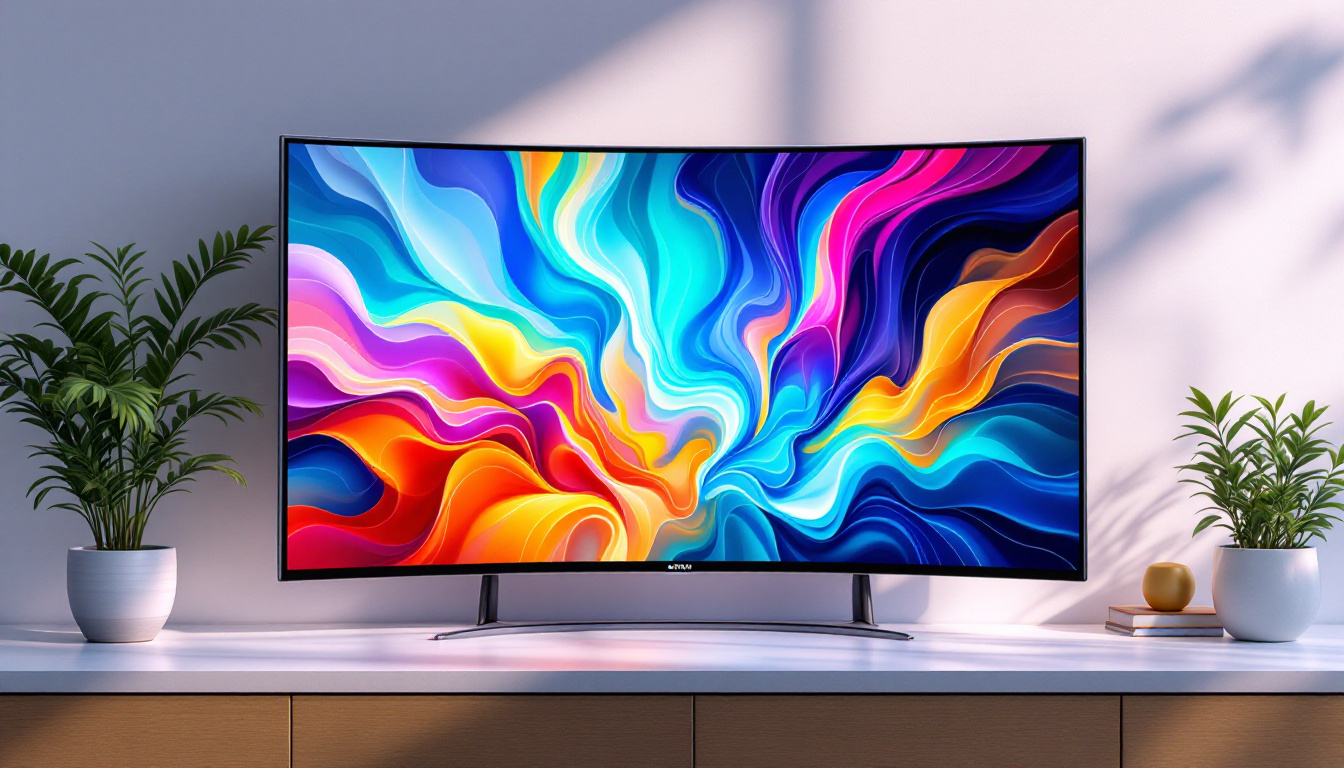
Curved LED displays also improve viewing angles, ensuring content is visible from multiple perspectives within the trade show floor.
Key Benefits of Using LED Displays at Trade Shows
Incorporating LED displays into a trade show booth offers numerous advantages beyond just visual appeal.
Enhanced Engagement and Interaction
LED displays can showcase interactive content, such as touchscreens or motion-activated presentations, encouraging attendees to engage directly with the brand. Interactive experiences increase dwell time at the booth and improve information retention.
For example, a technology company might use an LED touchscreen display to allow visitors to explore product features or customize solutions in real-time, creating a memorable experience.
Improved Brand Visibility
Trade shows are competitive environments with dozens or hundreds of exhibitors. LED displays help brands stand out by delivering bright, eye-catching visuals that attract foot traffic. Dynamic content such as looping videos, animations, and live social media feeds can continuously draw attention throughout the event.
Flexibility in Content Delivery
Unlike printed banners or posters, LED displays allow for quick content updates. Exhibitors can tailor their messaging for different audiences or time slots, showcasing new products or promotions instantly without additional printing costs.
This flexibility is especially valuable for multi-day trade shows where messaging needs to evolve or adapt based on attendee feedback.
Cost-Effectiveness Over Time
While the upfront investment in LED displays can be higher than traditional signage, the long-term benefits often justify the cost. The durability and energy efficiency of LEDs reduce maintenance and operational expenses. Additionally, the ability to reuse and update content digitally eliminates recurring printing costs.
Planning and Implementing LED Displays in Your Booth
To maximize the impact of an LED display at a trade show, careful planning and execution are essential.
Assess Your Booth Space and Layout
Start by evaluating the size and configuration of your booth. Consider where the LED display will be most visible and how it integrates with other elements like product demos, seating areas, and signage. The display should complement, not overwhelm, the overall booth design.
For example, a 10×10-foot booth might benefit from a single high-resolution LED wall behind the main counter, while a larger 20×20-foot space could accommodate multiple displays or a wrap-around video wall.
Choose the Right Pixel Pitch
Pixel pitch directly affects image clarity and viewing distance. For trade shows, where attendees are often close to the display, a pixel pitch between 1.5mm and 3mm is recommended. This ensures crisp visuals without excessive cost.
Lower pixel pitch displays are more expensive but provide superior image quality, which can be crucial for detailed product visuals or fine text.
Content Strategy and Design
Compelling content is the heart of any LED display. Work with professional designers to create visually appealing videos, animations, and graphics that align with your brand identity and messaging. Ensure content is concise and easy to understand at a glance.
Incorporate calls-to-action, such as invitations to visit the booth, scan QR codes, or participate in contests. Use motion and color strategically to guide viewer attention.
Technical Setup and Support
Coordinate with your LED display provider and the trade show organizers to ensure smooth installation and operation. Verify power requirements, connectivity options, and any venue restrictions ahead of time.
Having on-site technical support during the event can prevent downtime and quickly address any issues that arise.
Case Studies: Successful Use of LED Displays at Trade Shows
Examining real-world examples highlights how LED displays can elevate trade show presence.
Case Study 1: Consumer Electronics Expo
A leading smartphone manufacturer utilized a 4K indoor LED video wall measuring 12 feet wide by 7 feet tall as the centerpiece of their booth. The display showcased product launch videos, live social media streams, and interactive touchpoints for visitors to explore device features.
The result was a 30% increase in booth traffic compared to previous years, with attendees spending an average of 45% more time engaging with the brand.
Case Study 2: Automotive Industry Trade Show
An electric vehicle company employed curved LED displays wrapped around support pillars to create an immersive environment. The flexible LED panels displayed dynamic animations of vehicle performance and environmental benefits, reinforcing the brand’s innovative image.
This creative use of LED technology helped the company win the “Best Booth Design” award and generated significant media coverage.
Case Study 3: Health and Wellness Expo
A fitness equipment manufacturer integrated transparent LED displays into glass walls, allowing passersby to see both the products and vibrant promotional content simultaneously. This approach maintained an open and inviting booth atmosphere while delivering impactful messaging.
The booth saw a 25% uptick in qualified leads, attributed largely to the engaging visual presentation.
Future Trends in LED Displays for Trade Shows
As LED technology continues to evolve, trade show exhibitors can expect new opportunities to enhance their booth experiences.
Mini-LED and Micro-LED Innovations
Emerging display technologies like Mini-LED and Micro-LED offer even higher resolutions, improved contrast ratios, and better energy efficiency. These advancements will enable more detailed and vibrant visuals in compact form factors, ideal for trade show environments.
Integration with Augmented Reality (AR)
Combining LED displays with AR technology can create immersive, interactive experiences. For instance, attendees might use AR glasses or mobile apps to interact with content displayed on LED walls, blending digital and physical elements seamlessly.
Increased Use of AI for Content Personalization
Artificial intelligence can analyze attendee behavior and preferences in real-time, adjusting LED display content dynamically to suit different audience segments. This personalization enhances engagement and conversion rates.
Conclusion
LED displays have become indispensable tools for trade show exhibitors seeking to captivate audiences and communicate their brand message effectively. Their brightness, flexibility, and dynamic capabilities make them superior to traditional signage and other digital options.
By understanding the types of LED displays available, planning strategically, and investing in compelling content, businesses can significantly boost their trade show success. As technology advances, LED displays will continue to offer innovative ways to engage attendees and create memorable brand experiences.
For companies aiming to stand out in the competitive trade show arena, embracing LED display technology is not just an option—it’s a necessity.
Discover LumenMatrix LED Display Solutions
Ready to elevate your trade show presence and captivate your audience with unparalleled visual experiences? Explore LumenMatrix’s comprehensive range of innovative LED display technologies. From Indoor and Outdoor LED Wall Displays to specialized solutions like Vehicle, Sports, and Floor LED Displays, LumenMatrix offers customized options to fit your unique needs. Embrace the future of visual communication with our All-in-One and Transparent LED Displays, designed to make your brand stand out. Check out LumenMatrix LED Display Solutions today and transform your trade show booth into a dynamic, engaging, and memorable highlight.