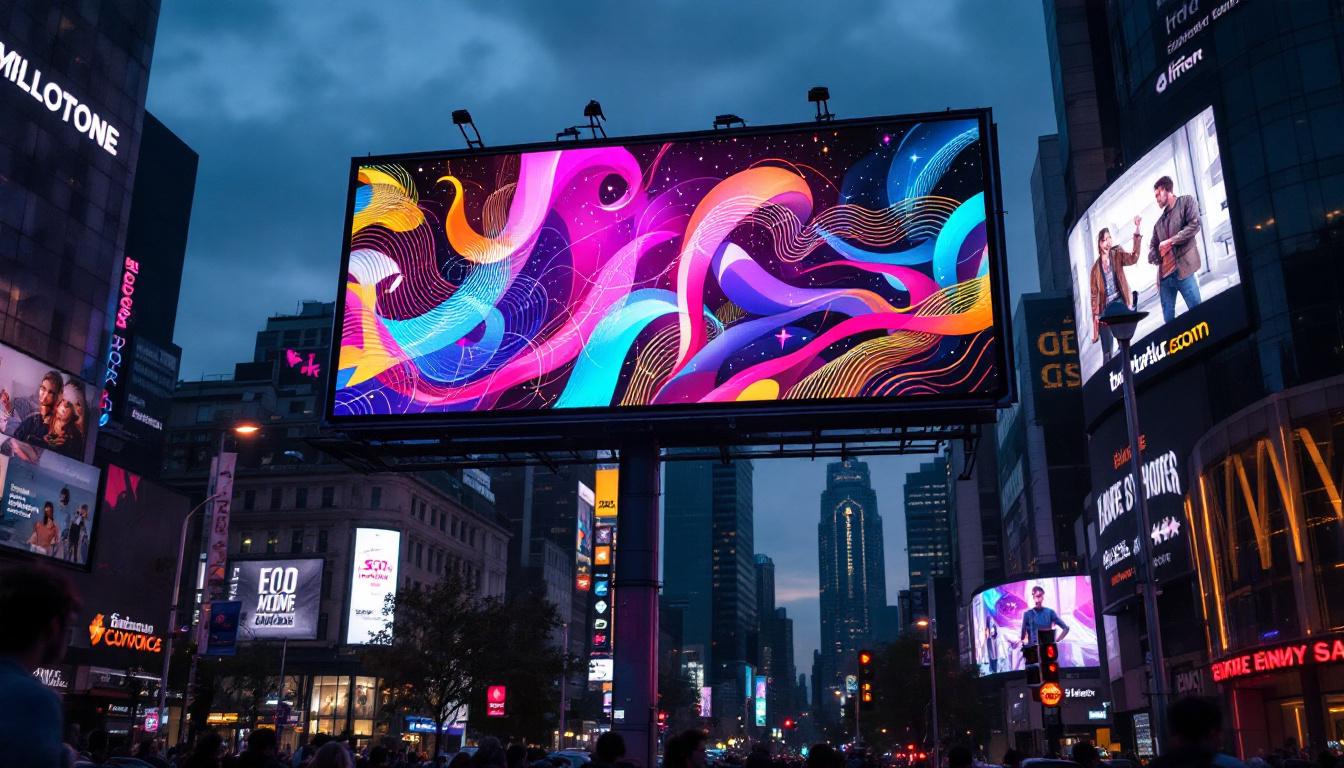
Transparent LCD Screen: LED Display Explained
In the rapidly evolving world of display technology, transparent LCD screens have emerged as a fascinating innovation that blends functionality with futuristic aesthetics. These displays, often combined with LED backlighting, are transforming the way information is presented in retail, automotive, architecture, and other industries. This article delves into the technology behind transparent LCD screens, explains how LED displays enhance their performance, and explores their practical applications and future potential.
Understanding Transparent LCD Technology
Transparent LCD (Liquid Crystal Display) technology is a variation of traditional LCD screens that allows light to pass through the display, rendering it see-through when not in use or displaying content while maintaining transparency. Unlike conventional LCDs, which use opaque backlights, transparent LCDs rely on a specialized arrangement of liquid crystals and polarizers that control light transmission effectively.
How Transparent LCDs Work
At the core of a transparent LCD is the liquid crystal layer sandwiched between two glass substrates embedded with transparent electrodes. When an electric current passes through these electrodes, the liquid crystals align in a way that modulates light passing through the panel. This modulation can either block or allow light, creating images or text on the screen.
What differentiates transparent LCDs from standard LCDs is the absence of a traditional backlight layer. Instead, they use ambient light or external light sources to illuminate the display. This design enables the screen to remain see-through when displaying content, creating a holographic or augmented reality effect.
Key Components and Materials
Transparent LCDs incorporate several specialized materials to maintain clarity and performance. The glass substrates are treated to be highly transparent and durable. The electrodes are typically made from indium tin oxide (ITO), a transparent conductive material. Polarizing films are carefully engineered to maintain light polarization while allowing maximum transparency. The liquid crystals themselves are optimized for fast response times and high contrast ratios in varying lighting conditions.
The Role of LED Displays in Transparent Screens
While traditional transparent LCDs rely heavily on ambient light, integrating LED (Light Emitting Diode) technology significantly enhances their brightness, color vibrancy, and overall visibility. LED displays, known for their energy efficiency and luminous intensity, complement transparent LCDs by providing controlled illumination without sacrificing transparency.
LED Backlighting vs. Transparent LED Displays
It is important to distinguish between LED backlighting used in LCDs and transparent LED displays. In transparent LCDs, LEDs can be used as backlights or edge lights to enhance brightness. However, because traditional backlighting can block transparency, many transparent LCDs employ edge-lit LED technology, where LEDs are positioned along the edges of the panel to distribute light evenly without obstructing the see-through effect.
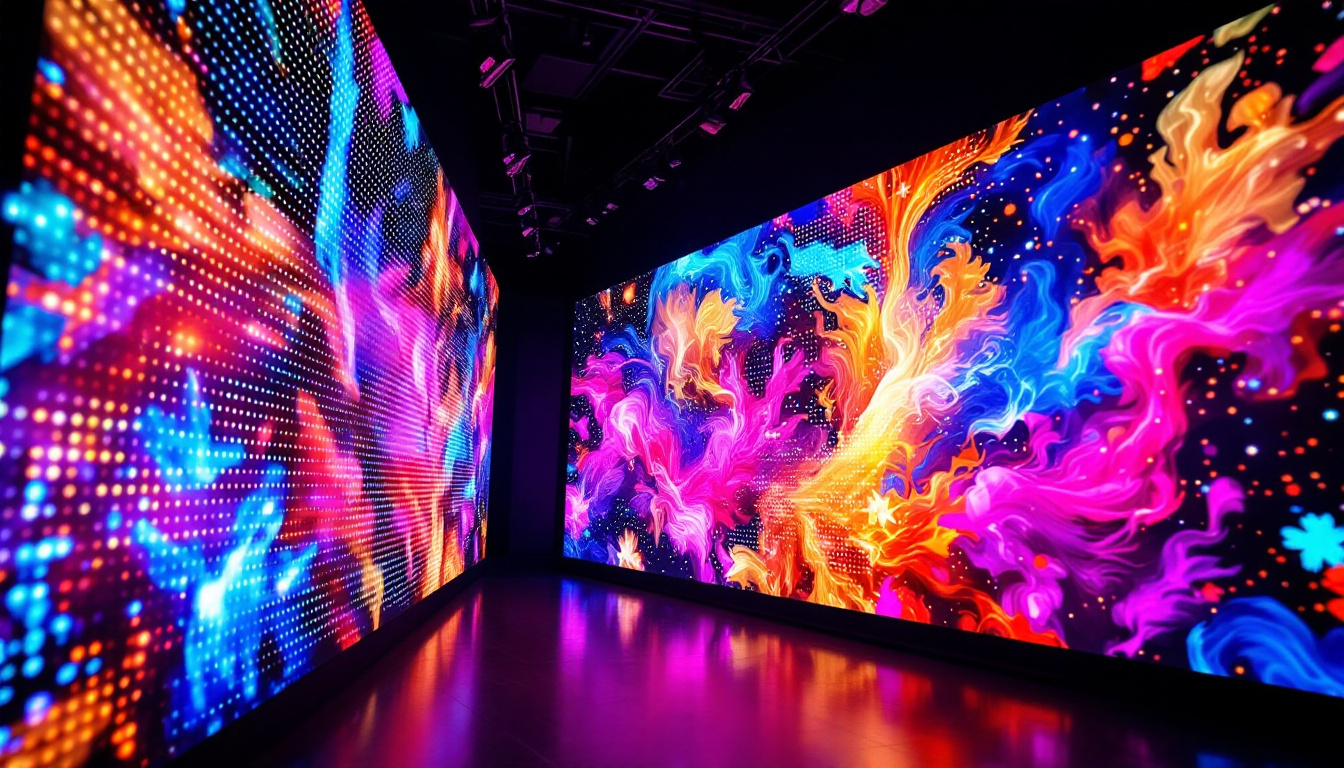
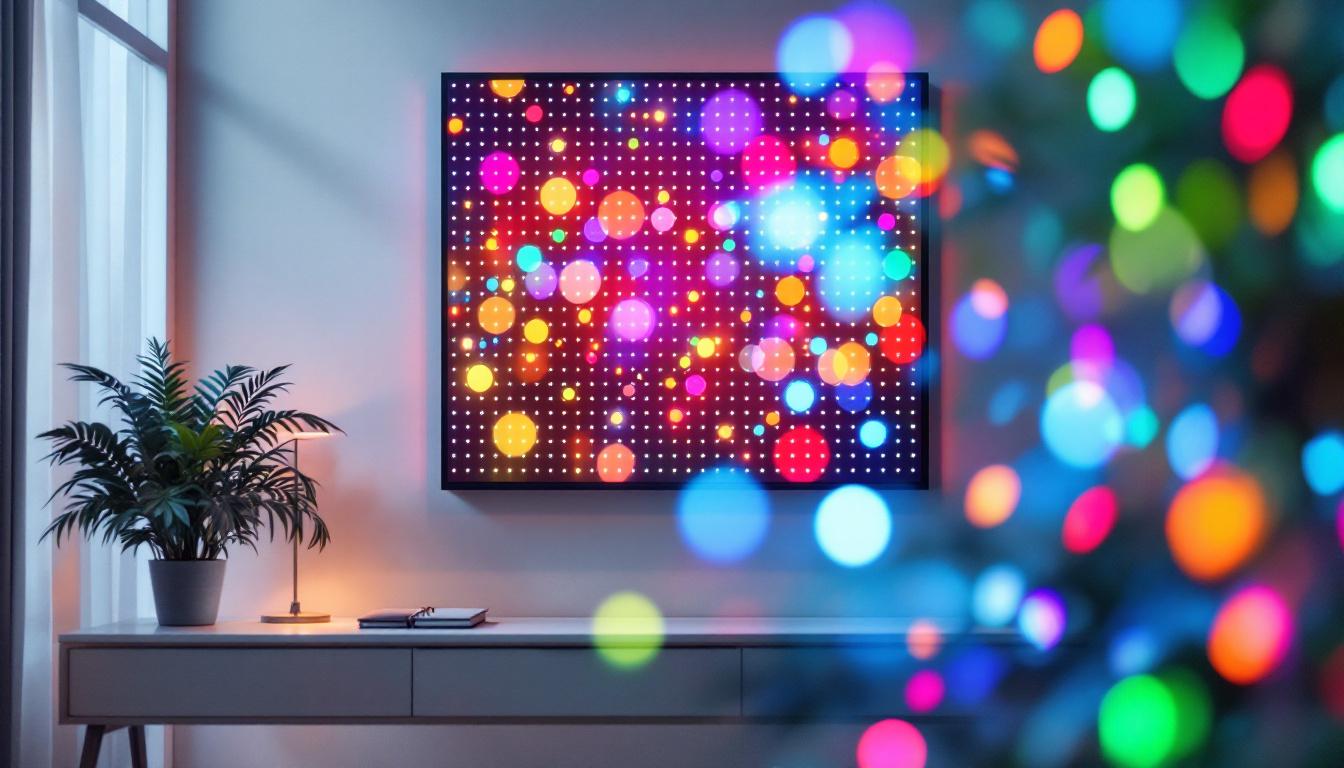
On the other hand, transparent LED displays consist of a mesh or grid of LEDs spaced apart, allowing light to pass through the gaps. These displays are inherently transparent and are often used in large-scale advertising or architectural installations. While both technologies offer transparency, transparent LCDs tend to provide higher resolution and better color accuracy, whereas transparent LED displays excel in brightness and outdoor visibility.
Advantages of Combining Transparent LCDs with LED Technology
Integrating LED technology into transparent LCDs offers several benefits:
- Enhanced Brightness: LEDs provide consistent and controllable illumination, improving visibility in various lighting environments, including bright outdoor settings.
- Energy Efficiency: LED lighting consumes less power compared to traditional fluorescent or incandescent backlights, making the displays more environmentally friendly and cost-effective.
- Thin and Lightweight Design: LED components are compact, allowing for slimmer display profiles that are easier to integrate into modern design aesthetics.
- Improved Color Reproduction: LEDs enable a wider color gamut and better contrast ratios, resulting in more vivid and engaging visuals.
Applications of Transparent LCD and LED Displays
The unique properties of transparent LCD and LED displays have unlocked a wide range of innovative applications across various industries. Their ability to present digital content without obstructing the view of objects behind the screen makes them ideal for blending the physical and digital worlds.
Retail and Advertising
One of the most prominent uses of transparent LCD screens is in retail environments. Storefront windows equipped with transparent displays can showcase dynamic advertisements, product information, or promotional videos while allowing customers to see the merchandise behind the glass. This dual functionality increases customer engagement and creates a futuristic shopping experience.
For example, luxury brands often use transparent displays in their flagship stores to highlight new collections or limited-edition products, combining elegance with cutting-edge technology. According to a 2023 report by MarketsandMarkets, the global digital signage market, which includes transparent displays, is projected to grow at a CAGR of 7.5% through 2028, reflecting increasing adoption in retail and advertising sectors.
Automotive and Transportation
Transparent LCD screens are gaining traction in automotive applications, particularly in heads-up displays (HUDs) and smart windows. HUDs project critical driving information such as speed, navigation, and safety alerts directly onto the windshield, allowing drivers to stay informed without diverting their attention from the road.
Smart windows equipped with transparent displays can adjust opacity or display relevant information, such as weather updates or entertainment content, enhancing passenger experience. Major automotive manufacturers are investing heavily in this technology to improve safety and comfort, with transparent LCD HUDs expected to become standard in many vehicle models by 2026.
Architecture and Interior Design
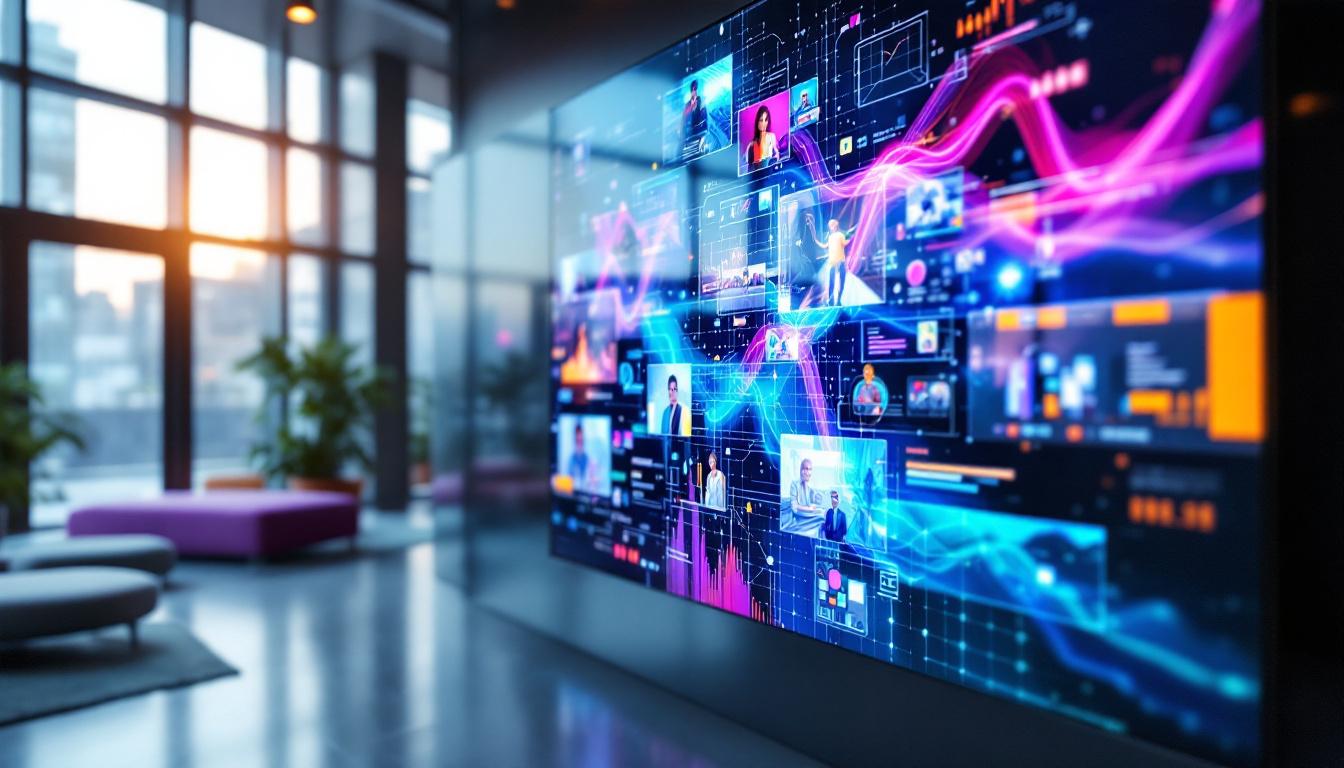
In architecture, transparent LCD and LED displays are used to create interactive glass walls, partitions, and windows that can transform spaces dynamically. These displays enable buildings to switch between transparent and opaque states, displaying information, artwork, or branding as needed.
For instance, conference rooms in modern office buildings may use transparent displays to provide privacy during meetings while maintaining an open feel when not in use. Similarly, museums and galleries utilize transparent screens to overlay digital content on exhibits, enriching visitor engagement without detracting from the physical artifacts.
Healthcare and Medical Devices
Transparent displays are also making inroads into healthcare, where they can be integrated into medical equipment, surgical displays, and patient monitoring systems. Transparent LCD screens allow medical professionals to view vital data without obstructing their view of patients or instruments, facilitating more efficient workflows and improved patient care.
Challenges and Limitations of Transparent LCD and LED Displays
Despite their impressive capabilities, transparent LCD and LED displays face several technical and practical challenges that affect their widespread adoption.
Brightness and Contrast Limitations
One of the primary challenges is achieving sufficient brightness and contrast, especially in brightly lit environments or direct sunlight. Since transparent LCDs rely on ambient or edge lighting, their luminance is inherently lower than traditional opaque displays. Although LED integration helps, it cannot fully compensate for the light passing through the screen, which dilutes image intensity.
Viewing Angle and Color Accuracy
Transparent displays may exhibit limited viewing angles compared to conventional LCDs, causing color shifts or reduced clarity when viewed from extreme angles. This limitation is particularly critical in public installations or retail windows where viewers approach from multiple directions.
Cost and Manufacturing Complexity
The production of transparent LCD and LED displays involves complex manufacturing processes and expensive materials such as indium tin oxide and specialized polarizers. As a result, these displays tend to be more costly than traditional screens, which can be a barrier for small businesses or cost-sensitive applications.
Durability and Maintenance
Transparent displays, especially those integrated into glass surfaces, require careful handling and maintenance to prevent damage or degradation. Exposure to environmental factors like moisture, dust, and temperature fluctuations can impact performance and lifespan.
The Future of Transparent Display Technology
Advancements in materials science, nanotechnology, and display engineering are poised to address many of the current limitations of transparent LCD and LED displays. Researchers are exploring new liquid crystal formulations, organic LEDs (OLEDs), and microLED technologies that promise higher transparency, better brightness, and lower power consumption.
Emerging Technologies and Innovations
MicroLED transparent displays, for example, offer the potential for ultra-high brightness and contrast with excellent energy efficiency. Unlike traditional LEDs, microLEDs are microscopic in size and can be arranged in dense arrays to create seamless transparent panels with superior image quality.
Additionally, developments in flexible transparent displays could revolutionize wearable technology, smart glasses, and foldable devices, enabling new forms of human-computer interaction.
Integration with Augmented Reality (AR) and Smart Environments
Transparent displays are expected to play a crucial role in the integration of augmented reality into everyday environments. By overlaying digital content directly onto transparent surfaces, these displays can create immersive experiences in retail, education, entertainment, and industrial settings.
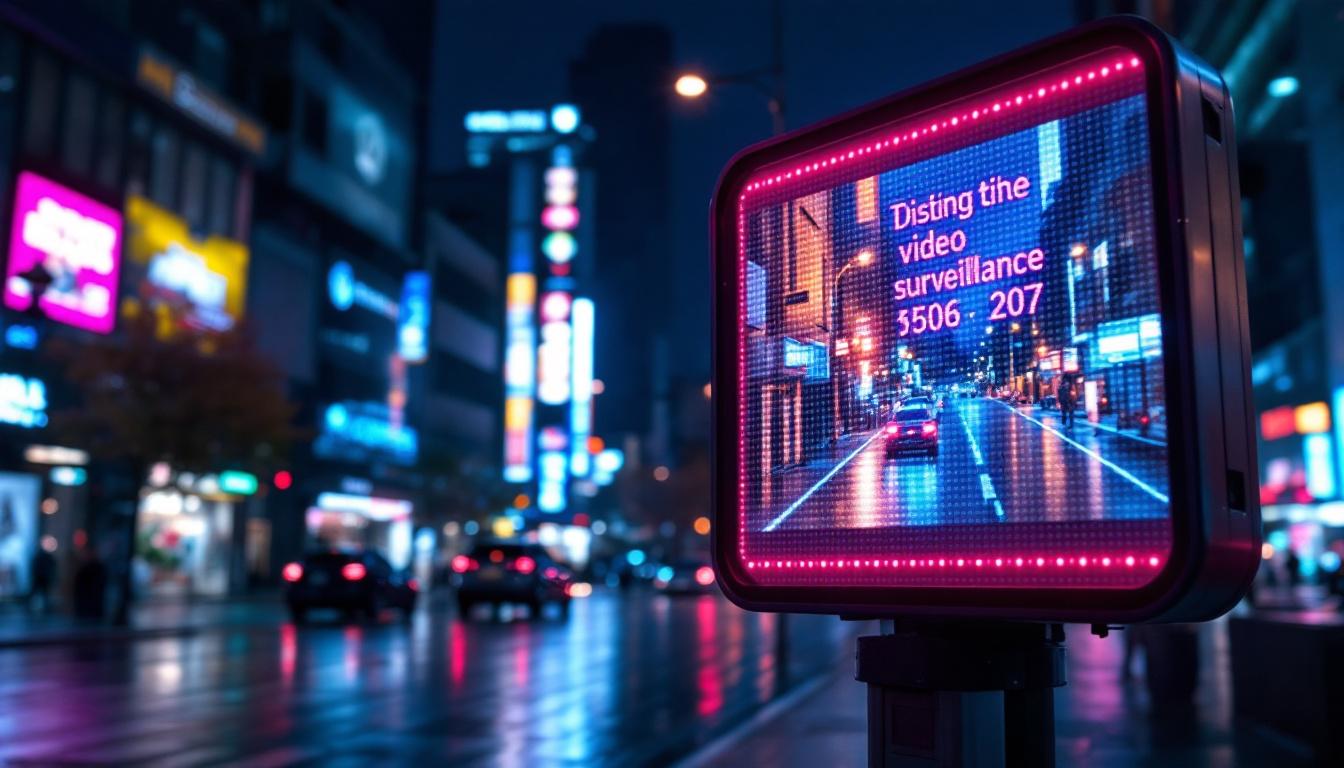
Smart cities and connected buildings may incorporate transparent displays into windows, public transport, and street furniture to provide real-time information, navigation assistance, and interactive advertising, enhancing urban living.
Conclusion
Transparent LCD screens combined with LED display technology represent a significant leap forward in display innovation, offering unique capabilities that blend the digital and physical worlds. Their applications across retail, automotive, architecture, healthcare, and beyond underscore their versatility and transformative potential.
While challenges such as brightness, cost, and durability remain, ongoing research and technological advancements are steadily overcoming these barriers. As transparent display technology matures, it is set to become an integral part of modern visual communication, enriching user experiences and enabling new forms of interaction.
For businesses and designers looking to create impactful, futuristic displays, understanding the nuances of transparent LCD and LED technology is essential. With continued innovation, these displays will undoubtedly shape the future of how information is presented and perceived.
Discover the Future of Display Technology with LumenMatrix
Ready to elevate your visual communication and create immersive experiences that captivate your audience? Explore LumenMatrix’s comprehensive range of LED display solutions, from indoor and outdoor walls to innovative transparent displays. Embrace the future with our cutting-edge technology designed to enhance engagement and bring your brand’s message to life. Check out LumenMatrix LED Display Solutions today and join the revolution in digital signage.