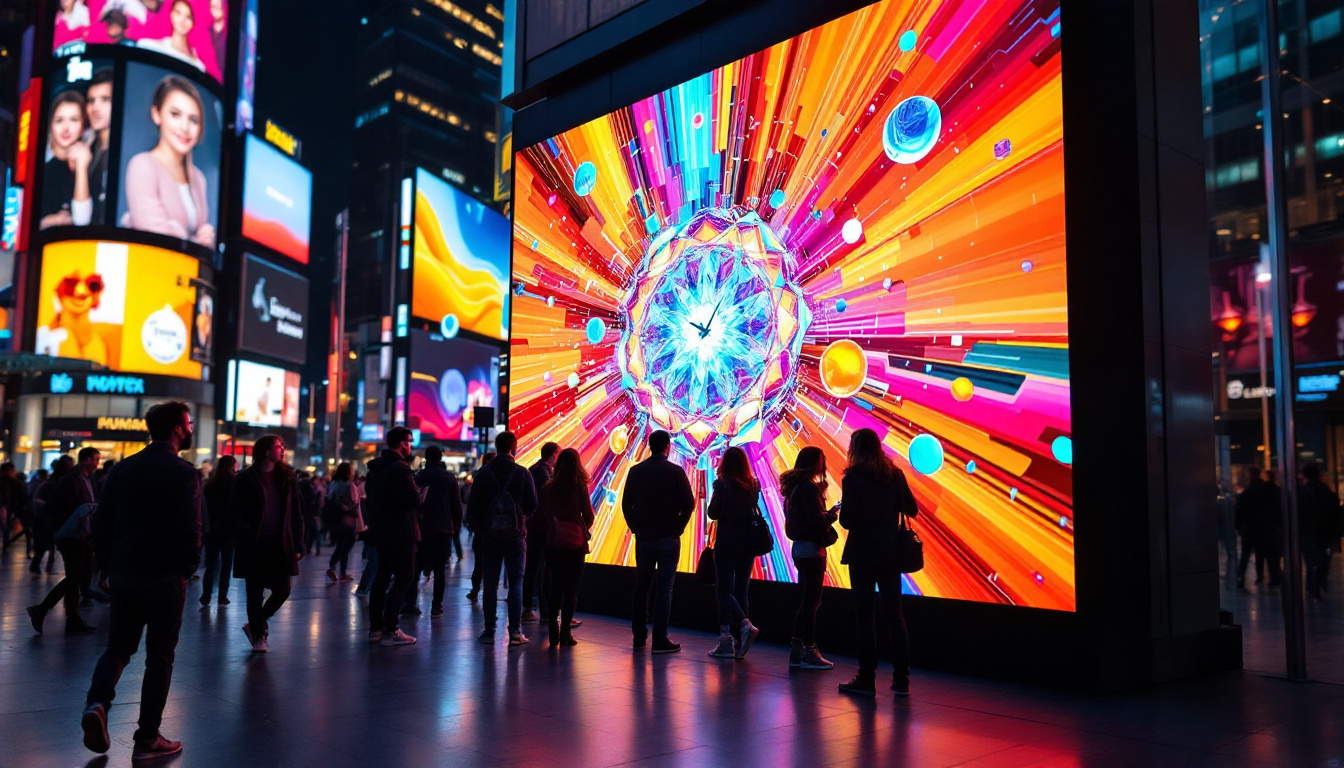
The world of digital displays is evolving rapidly, with innovations that blend technology seamlessly into everyday environments. Among these advancements, transparent LED film screens stand out as a revolutionary solution for advertising, retail, architecture, and entertainment industries. These displays combine the vibrant visual impact of LED technology with the subtlety of transparency, enabling dynamic content to be showcased without obstructing the view behind the screen.
This article delves into the technology behind transparent LED film screens, exploring how they work, their benefits, applications, and what sets them apart from traditional LED displays. Whether you are a business owner, architect, or technology enthusiast, understanding this cutting-edge display technology can open new possibilities for creative and functional digital signage.
What Is a Transparent LED Film Screen?
Transparent LED film screens are ultra-thin, flexible display panels embedded with tiny LED lights that emit bright, colorful images while allowing light to pass through. Unlike conventional LED screens, which are typically opaque and bulky, transparent LED films maintain high transparency, often exceeding 70%, making them ideal for glass surfaces such as windows, storefronts, and building facades.
These screens are composed of a transparent substrate—usually PET (polyethylene terephthalate) or similar flexible material—onto which LED diodes are mounted in a grid pattern. The result is a lightweight, see-through display capable of producing vivid visuals without blocking natural light or the view behind it. This innovative design not only enhances aesthetic appeal but also provides businesses with a unique way to engage customers and convey messages without compromising the architectural integrity of their spaces.
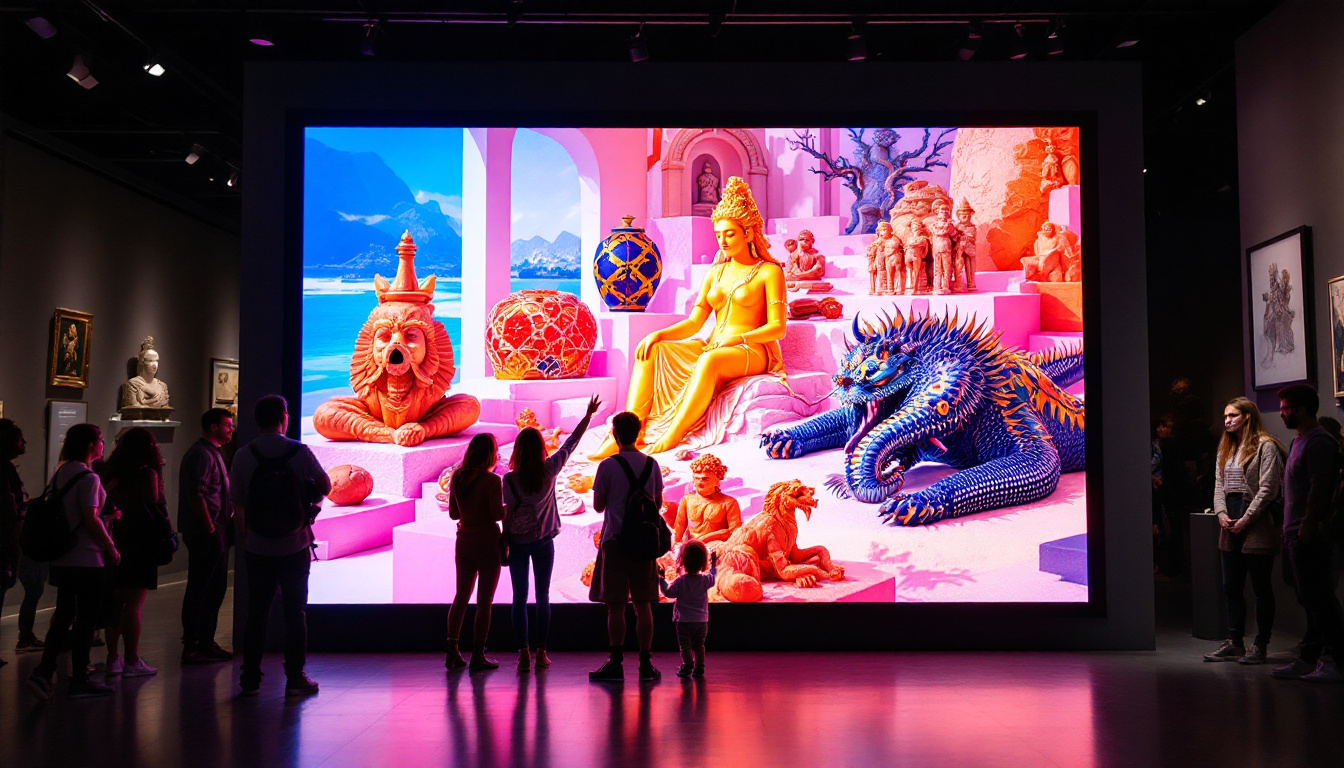
Moreover, the versatility of transparent LED film screens extends beyond commercial applications. They can be utilized in various settings, including museums, exhibitions, and even residential spaces, where they can serve as eye-catching art installations or functional displays. The ability to blend digital content seamlessly with the physical environment opens up a myriad of creative possibilities for designers and marketers alike.
How Does Transparent LED Film Technology Work?
The core principle behind transparent LED film screens is the integration of micro-LEDs on a transparent base. Each LED acts as a pixel that can be individually controlled to display images or videos. Because the LEDs are spaced apart and the substrate is clear, the screen allows ambient light to pass through the gaps, preserving transparency.
Control systems manage the brightness and color of each LED, enabling dynamic content to be shown with high contrast and clarity. The technology also supports a wide viewing angle, ensuring that visuals are visible from multiple perspectives without distortion. This feature is particularly advantageous in retail environments, where customers may approach displays from various angles, allowing for an immersive experience that captures attention and drives engagement.
Key Features of Transparent LED Films
- High Transparency: Typically between 60% and 90%, allowing natural light and visibility.
- Lightweight and Flexible: Easy to install on curved or flat glass surfaces.
- Energy Efficient: Uses less power compared to traditional LED panels due to fewer LEDs per square meter.
- Brightness and Color Vibrancy: Capable of producing bright images even in daylight.
- Durability: Resistant to weather and UV exposure, suitable for indoor and outdoor use.
In addition to these features, transparent LED films are also designed to be user-friendly, often equipped with intuitive software that allows for easy content management and updates. This capability is crucial for businesses that need to change advertisements frequently or adapt their messaging to seasonal promotions. Furthermore, the lightweight nature of these screens simplifies installation, reducing labor costs and time, which is a significant advantage for busy commercial environments.
As technology continues to evolve, the applications for transparent LED film screens are likely to expand even further. Innovations in pixel density and color accuracy promise to enhance the viewing experience, while advancements in manufacturing processes may lead to even more cost-effective solutions. This ongoing development positions transparent LED films as a key player in the future of display technology, merging functionality with cutting-edge design.
Advantages of Transparent LED Film Screens
Transparent LED film screens offer several compelling benefits that make them attractive for a variety of applications. Their unique combination of transparency and display capability provides solutions that traditional screens cannot match.
Unobstructed Visibility and Natural Light
One of the most significant advantages is that these screens do not block the view or reduce natural light. This is particularly important for retail stores and commercial buildings where maintaining an open, inviting atmosphere is crucial. Transparent LED films allow businesses to display promotional content directly on their windows without sacrificing the connection between indoor and outdoor spaces.
Innovative Advertising Opportunities
For advertisers, transparent LED films open new creative avenues. Brands can engage customers with eye-catching visuals that appear to float on glass surfaces, creating a futuristic and memorable experience. This technology is especially effective in high-traffic urban areas where storefronts compete for attention.
Space-Saving and Versatile Installation
Because the films are thin and flexible, they can be applied to existing glass surfaces without the need for bulky fixtures or structural modifications. This makes installation faster, less expensive, and less disruptive. Additionally, the ability to conform to curved or irregular surfaces expands design possibilities.
Energy Efficiency and Sustainability
Compared to traditional LED displays, transparent LED films consume less power due to the sparse placement of LEDs and the use of energy-efficient components. This contributes to lower operational costs and aligns with growing sustainability goals in commercial and public spaces.
Applications of Transparent LED Film Screens
The versatility of transparent LED film technology has led to its adoption across diverse sectors. Below are some of the most prominent applications where this technology is making a significant impact.
Retail and Storefront Displays
Retailers use transparent LED films to transform their windows into dynamic advertising platforms. These displays can showcase product launches, promotions, or brand storytelling without obstructing the view inside the store. This enhances customer engagement and drives foot traffic.
For example, luxury brands in major shopping districts have installed transparent LED films to create captivating window displays that blend digital content with physical products, elevating the overall shopping experience.
Architectural Integration
Architects and designers incorporate transparent LED films into building facades and interior glass partitions to add a layer of digital interaction. This can include displaying informational content, ambient visuals, or interactive elements that enhance the aesthetic and functional qualities of a space.
In smart buildings, transparent LED films contribute to the integration of technology and design, supporting environments that are both visually appealing and highly functional.
Transportation Hubs and Public Spaces
Airports, train stations, and other transit centers utilize transparent LED films for wayfinding, advertising, and real-time information displays. The transparency ensures that the screens do not obstruct architectural features or natural light, maintaining an open and welcoming environment for travelers.
Event and Exhibition Displays
Event organizers and exhibitors leverage transparent LED films to create immersive experiences. These screens can be used to display branded content, interactive graphics, or live feeds while maintaining visibility through glass walls or partitions, enhancing the spatial dynamics of exhibitions and trade shows.
Comparing Transparent LED Film Screens with Traditional LED Displays
Understanding how transparent LED films differ from conventional LED screens helps clarify their unique value proposition and appropriate use cases.
Transparency and Aesthetics
Traditional LED displays are typically opaque, requiring dedicated mounting structures and often blocking views or natural light. Transparent LED films, by contrast, allow light and visibility to pass through, preserving the aesthetics of the installation environment.
Installation and Flexibility
Conventional LED panels are rigid and heavy, necessitating robust support frameworks. Transparent LED films are lightweight and flexible, enabling installation on curved surfaces and existing glass without additional support.
Brightness and Viewing Conditions
Traditional LED screens generally offer higher pixel density and brightness, making them suitable for large outdoor displays where visibility in direct sunlight is critical. Transparent LED films have slightly lower pixel density but still provide sufficient brightness for most indoor and semi-outdoor applications, especially where transparency is a priority.
Cost Considerations
Transparent LED films can be more cost-effective in applications where installation complexity and structural modifications would be expensive. However, for large-scale outdoor advertising requiring maximum brightness and resolution, traditional LED displays may still be preferred.
Technical Considerations and Installation Tips
Successful deployment of transparent LED film screens requires attention to several technical and practical factors.
Pixel Pitch and Resolution
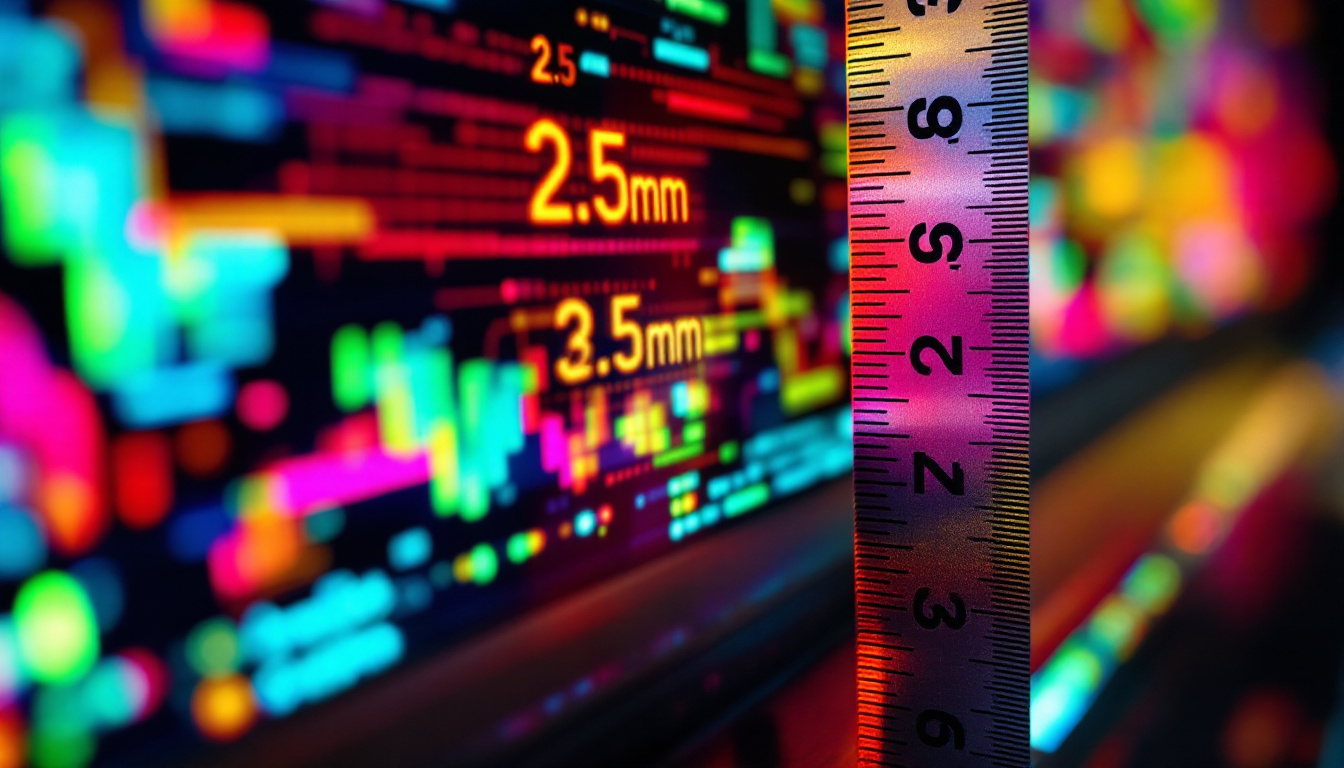
Pixel pitch—the distance between individual LEDs—affects image clarity and transparency. Smaller pixel pitches yield higher resolution but reduce transparency. Selecting the right balance depends on the viewing distance and application requirements.
Power Supply and Control Systems
Transparent LED films require compatible power supplies and control units to manage content playback and LED brightness. Modern systems support remote management and integration with existing digital signage networks.
Surface Preparation and Adhesion
Proper cleaning and preparation of the glass surface are critical to ensure strong adhesion and optimal display performance. Many transparent LED films use static cling or adhesive backing designed for easy application and removal.
Maintenance and Durability
While transparent LED films are generally durable, regular maintenance such as cleaning with non-abrasive materials helps preserve image quality and longevity. Outdoor installations should consider weatherproofing and UV protection.
The Future of Transparent LED Film Screens
Transparent LED film technology continues to advance rapidly, driven by improvements in LED miniaturization, energy efficiency, and smart control systems. Emerging trends suggest even greater integration with augmented reality (AR), interactive touch capabilities, and IoT connectivity.
As cities and buildings become smarter and more connected, transparent LED films are poised to play a key role in creating interactive, visually stunning environments that engage people in new ways. Their ability to merge digital content with physical spaces makes them a powerful tool for communication, branding, and environmental design.
Conclusion
Transparent LED film screens represent a significant leap forward in display technology, offering a unique combination of visibility, flexibility, and visual impact. By understanding how they work and their diverse applications, businesses and designers can harness this technology to create innovative, eye-catching displays that do not compromise on aesthetics or functionality.
Whether enhancing retail storefronts, integrating digital art into architecture, or delivering dynamic information in public spaces, transparent LED films provide a versatile and future-proof solution. As the technology matures, its adoption is expected to grow, transforming how digital content is presented in transparent and interactive formats.
Discover LumenMatrix’s Innovative LED Display Solutions
Ready to elevate your space with the latest in LED display technology? LumenMatrix offers a wide array of cutting-edge solutions, from Indoor and Outdoor LED Wall Displays to specialized options like Vehicle, Sports, and Floor LED Displays. Embrace the future of visual communication with our Custom, All-in-One, and LED Transparent Displays, designed to captivate your audience and amplify your message. Check out LumenMatrix LED Display Solutions today and transform your brand’s visibility with unparalleled clarity and impact.