In the competitive hospitality industry, creating an inviting and dynamic atmosphere is crucial for attracting and retaining customers. One of the most effective tools for achieving this is the strategic use of TVs and digital displays within restaurant spaces. Among the various display technologies available, LED displays have emerged as a popular choice due to their versatility, brightness, and energy efficiency. This article explores the role of LED TVs in restaurants, detailing their benefits, technical aspects, and best practices for implementation.
Understanding LED Display Technology
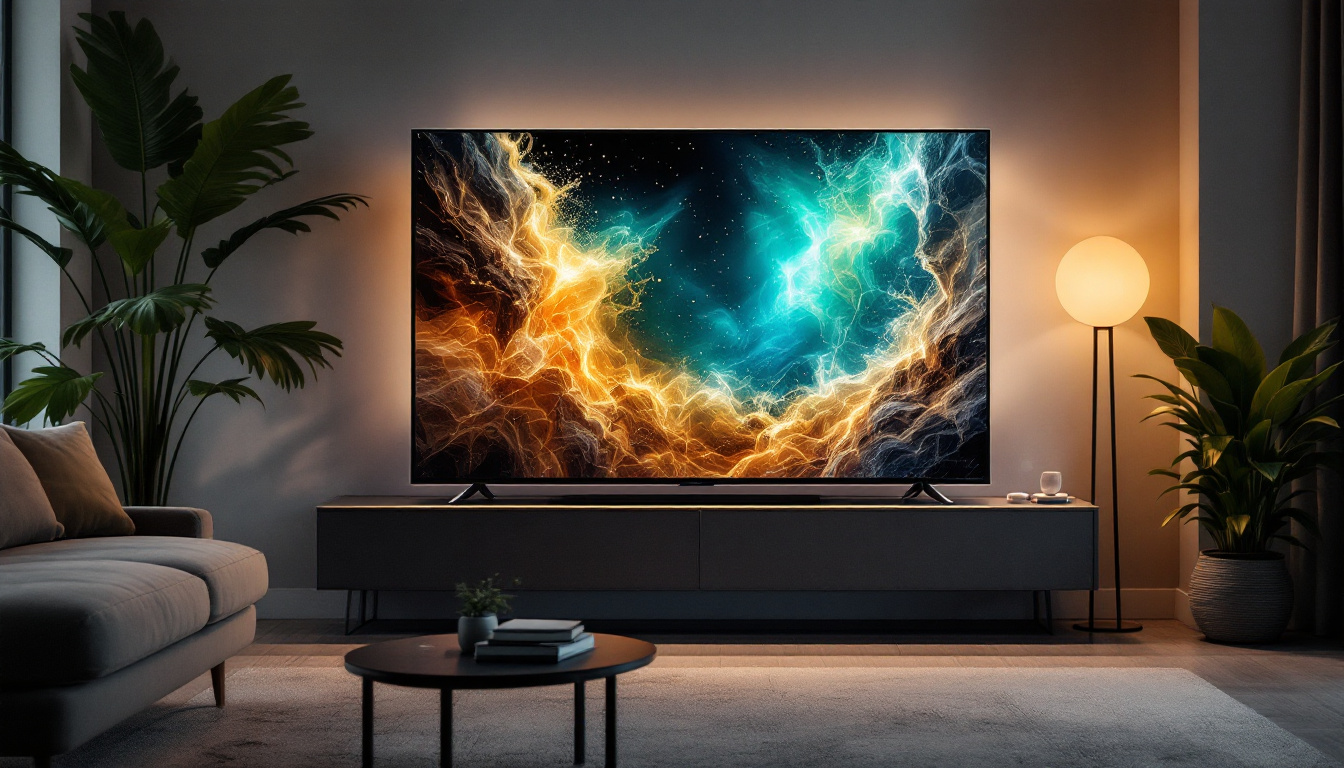
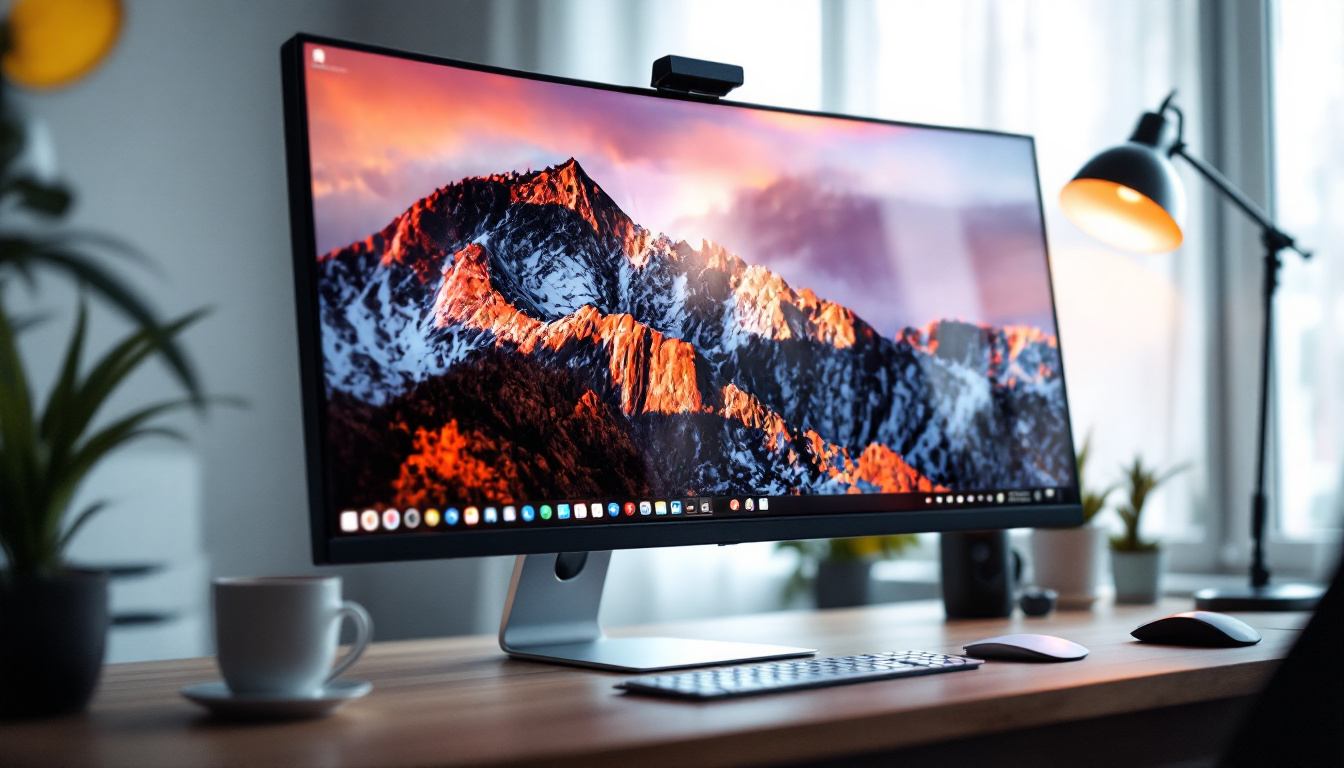
LED, or Light Emitting Diode, technology has revolutionized the way visual content is presented in commercial environments. Unlike traditional LCD screens that use fluorescent backlighting, LED displays utilize an array of tiny light-emitting diodes to produce images. This fundamental difference results in several advantages that make LED TVs particularly suitable for restaurant settings.
LED displays come in two main types: edge-lit and direct-lit (or full-array). Edge-lit LEDs position the diodes around the edges of the screen, allowing for thinner designs and lower costs. Direct-lit LEDs, on the other hand, place diodes directly behind the screen, offering better brightness and contrast but often at a higher price point. For restaurants, choosing the right type depends on the specific use case and budget.
Key Advantages of LED Displays in Restaurants
Restaurants benefit from LED displays primarily because of their superior brightness, energy efficiency, and longevity. LED TVs can deliver vivid colors and high contrast ratios, making menus, promotional content, and entertainment visually appealing even in brightly lit environments. This is particularly important in dining areas with large windows or outdoor seating where ambient light can wash out less bright screens.
Energy efficiency is another critical factor. According to the U.S. Department of Energy, LED displays consume up to 30-50% less power compared to traditional LCDs with fluorescent backlighting. This reduction in energy usage translates into lower operational costs, a significant consideration for businesses operating multiple screens throughout their premises. Moreover, the longevity of LED displays, often exceeding 50,000 hours, means that restaurants can enjoy years of reliable service without the frequent need for replacements, further enhancing their cost-effectiveness.
In addition to these practical benefits, LED displays also offer remarkable versatility in terms of content management. Many modern LED screens come equipped with smart technology, allowing restaurant owners to easily update menus, showcase special promotions, or even stream live events directly from their devices. This capability not only keeps the content fresh and engaging for customers but also provides a dynamic way to communicate with patrons. For instance, displaying customer reviews or social media posts can create a sense of community and encourage interaction, making the dining experience more memorable.
Applications of LED TVs in Restaurant Environments
LED TVs serve multiple functions in restaurants, from enhancing customer experience to streamlining operations. Understanding these applications helps restaurant owners and managers maximize the return on their investment in LED technology.
Digital Menu Boards
One of the most common uses of LED TVs in restaurants is for digital menu boards. Digital menus offer flexibility that traditional printed menus cannot match. Content can be updated instantly to reflect changes in pricing, specials, or availability, reducing printing costs and waste. Additionally, dynamic visuals and animations can highlight featured items or promotions, increasing customer engagement and potentially boosting sales.
Studies have shown that digital menu boards can increase sales by up to 5-10% by influencing customer choices through appealing visuals and strategic placement of high-margin items. For fast-casual and quick-service restaurants, where speed and clarity are paramount, LED displays ensure that menus remain readable and attractive throughout the day.
Entertainment and Ambiance
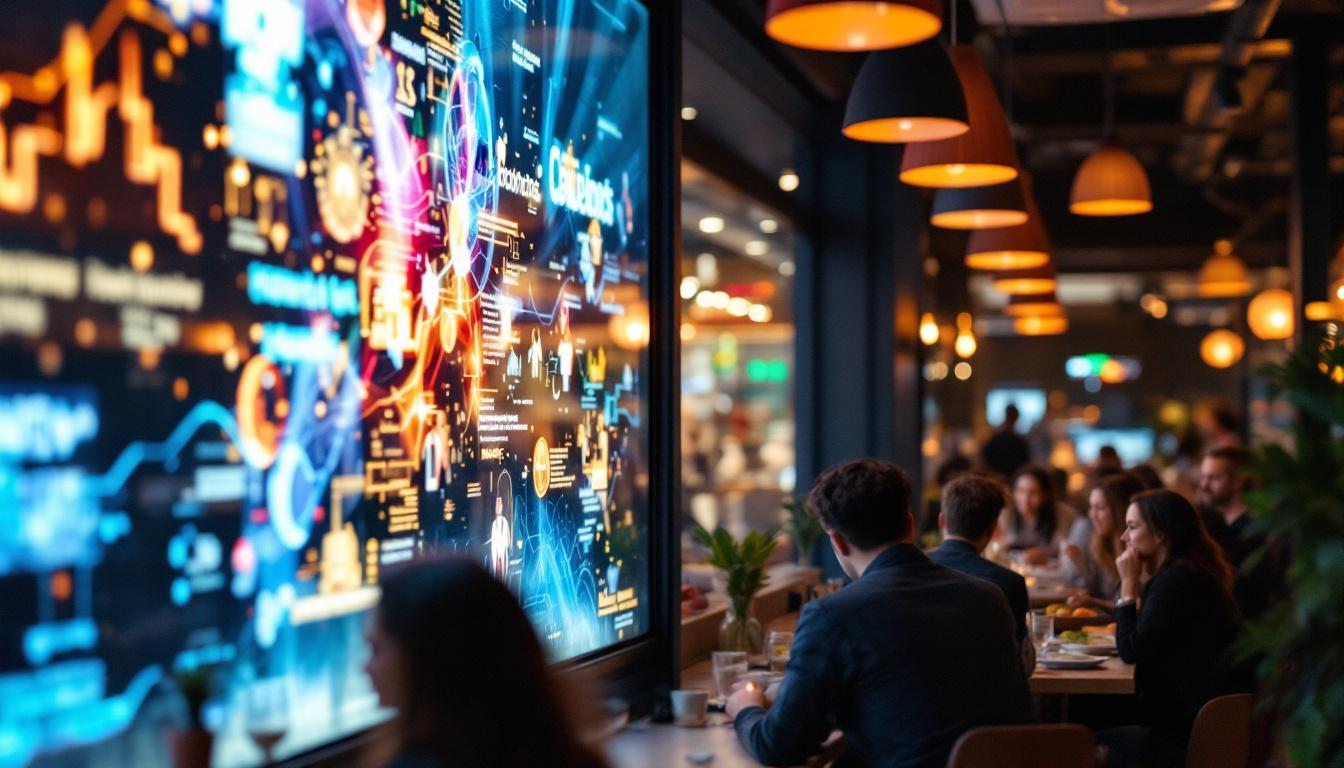
Beyond menus, LED TVs contribute significantly to the ambiance of a restaurant. Many establishments use them to broadcast sports events, music videos, or curated content that aligns with the restaurant’s theme. The high brightness and color accuracy of LED displays ensure that the content remains clear and engaging from various seating positions.
Creating the right atmosphere can increase the average time customers spend in the restaurant, which often correlates with higher spending. For example, sports bars rely heavily on multiple LED screens to create an immersive viewing experience, encouraging patrons to stay longer and order more food and beverages.
Advertising and Promotions
Restaurants can also use LED TVs to showcase in-house promotions, upcoming events, or partnerships with local businesses. Digital signage allows for targeted messaging that can be tailored by time of day or customer demographics. For instance, breakfast specials can be displayed in the morning, while happy hour deals appear in the late afternoon and evening.
Integrating LED displays with point-of-sale systems or customer loyalty programs can further enhance marketing efforts by providing personalized offers or interactive content, driving repeat business and customer satisfaction.
Technical Considerations for Installing LED TVs in Restaurants
Choosing and installing LED TVs in a restaurant requires careful planning to ensure optimal performance and durability. Several technical factors must be considered to meet the unique demands of a hospitality environment.
Screen Size and Resolution
The size of the LED TV should correspond to the viewing distance and the layout of the dining area. Larger screens are better suited for spacious venues or areas where customers are seated far from the display. Conversely, smaller screens may be appropriate for intimate settings or table-side displays.
Resolution is equally important. Full HD (1080p) is typically sufficient for most restaurant applications, but 4K displays are becoming more affordable and offer sharper images, especially for larger screens. Higher resolution can enhance the clarity of text and images, reducing eye strain and improving the overall customer experience.
Brightness and Viewing Angles
Brightness levels are critical in environments with variable lighting conditions. LED TVs with a brightness rating of at least 500 nits are recommended for indoor restaurant use, ensuring visibility even in well-lit spaces. For outdoor or semi-outdoor dining areas, screens with 1,000 nits or more may be necessary to combat sunlight glare.
Viewing angles determine how well the screen can be seen from different positions. Restaurants often require displays that maintain color accuracy and brightness across wide angles to accommodate multiple seating arrangements. IPS (In-Plane Switching) panels are known for superior viewing angles and are commonly used in commercial LED TVs.
Durability and Maintenance
Restaurants are busy environments where screens may be exposed to heat, humidity, and accidental contact. Choosing commercial-grade LED TVs designed for continuous operation and enhanced durability is essential. These models often feature reinforced glass, anti-reflective coatings, and sealed enclosures to protect internal components.
Regular maintenance, including cleaning and software updates, helps prolong the lifespan of LED displays. Additionally, mounting solutions should be secure and flexible, allowing for easy adjustments and minimizing the risk of damage.
Cost and ROI of LED TVs in Restaurants
Investing in LED display technology involves upfront costs that can vary widely depending on screen size, resolution, and additional features such as touch capability or network connectivity. However, the long-term benefits often justify the initial expenditure.
Initial Investment vs. Operational Savings
While LED TVs may have a higher purchase price compared to standard LCDs, their energy efficiency and durability reduce operating costs over time. For example, a restaurant running multiple screens 12 hours a day can save hundreds of dollars annually on electricity bills by switching to LED technology.
Moreover, the ability to update digital content remotely eliminates printing and labor costs associated with traditional signage, contributing to further savings.
Measuring Return on Investment
ROI can be quantified not only in cost savings but also in increased revenue. Enhanced menu visibility and dynamic promotions have been shown to boost average ticket sizes and customer throughput. According to a report by Digital Signage Today, restaurants using digital menu boards and promotional screens saw an average sales increase of 6-8% within the first year of implementation.
Additionally, improved customer experience and ambiance can lead to higher customer retention rates and positive word-of-mouth, which are invaluable for long-term success.
Best Practices for Maximizing the Impact of LED TVs in Restaurants
To fully leverage the advantages of LED displays, restaurants should adopt strategic approaches in content design, placement, and technology integration.
Content Strategy and Design
Effective content is clear, concise, and visually appealing. Using high-contrast colors, legible fonts, and simple layouts ensures readability. Incorporating high-quality images and videos can capture attention, but it is important to avoid clutter that may overwhelm customers.
Regularly updating content keeps the experience fresh and relevant. Seasonal themes, limited-time offers, and customer testimonials can create a sense of engagement and urgency.
Optimal Placement and Installation
Positioning LED TVs at eye level and in areas with high foot traffic maximizes visibility. Consider the flow of customers and seating arrangements to avoid obstructed views. In multi-screen setups, synchronizing content can create immersive environments, especially in larger venues.
For outdoor or semi-outdoor areas, weatherproof enclosures and anti-glare screens are essential to maintain performance and longevity.
Integration with Other Technologies
Integrating LED displays with POS systems, reservation platforms, and social media feeds can enhance interactivity and operational efficiency. For example, displaying real-time wait times or social media posts encourages customer participation and improves transparency.
Automation tools allow for scheduling content changes based on time of day, special events, or customer demographics, ensuring that messaging is always relevant and timely.
Conclusion
LED TVs have become indispensable tools for modern restaurants aiming to enhance customer experience, streamline operations, and increase revenue. Their superior brightness, energy efficiency, and versatility make them ideal for a variety of applications, from digital menu boards to entertainment and advertising.
By carefully considering technical specifications, installation environments, and content strategies, restaurant owners can maximize the benefits of LED displays. As technology continues to evolve, staying informed about the latest innovations will help businesses maintain a competitive edge and create memorable dining experiences.
Discover the Future of Restaurant Displays with LumenMatrix
Ready to elevate your restaurant’s atmosphere and customer engagement? Explore LumenMatrix’s advanced LED display solutions tailored for the hospitality industry. From vibrant Indoor LED Wall Displays to eye-catching Outdoor LED Wall Displays, and even Custom LED Displays that fit your unique space, LumenMatrix is at the forefront of creating immersive visual experiences. Embrace the power of LED technology and transform your restaurant with displays that captivate your audience and amplify your message. Check out LumenMatrix LED Display Solutions today and step into a world where every meal is served with a side of visual innovation.