In today’s world of digital entertainment and professional displays, LED technology has become the cornerstone of modern TV and monitor screens. Whether you’re shopping for a new television, upgrading your computer monitor, or simply curious about how LED displays work, understanding the fundamentals of LED screen technology is essential. This comprehensive guide will explore the intricacies of LED displays, their advantages, variations, and what makes them a preferred choice in the display market.
Understanding LED Display Technology
LED stands for Light Emitting Diode, a semiconductor device that emits light when an electric current passes through it. In the context of TV and monitor screens, LEDs serve as the light source that illuminates the display panel, producing the images viewers see.
Unlike older display technologies such as CCFL (Cold Cathode Fluorescent Lamp) backlighting used in LCDs, LED displays use these tiny diodes to provide more efficient, brighter, and more vibrant illumination. This shift has revolutionized screen quality, energy consumption, and design flexibility. The advancements in LED technology have also led to the development of various applications beyond televisions and monitors, including digital signage, automotive displays, and architectural lighting, showcasing the versatility and impact of this technology in our daily lives.
How LED Displays Work
Most modern LED TVs and monitors are actually LCD panels that use LED backlighting. The LCD (Liquid Crystal Display) panel itself doesn’t emit light; instead, it modulates light passing through it to create images. The LEDs positioned behind or around the screen provide the necessary illumination.
There are two primary types of LED backlighting:
- Edge-lit LED: LEDs are placed around the edges of the screen, and light is distributed across the panel via light guides. This design allows for thinner screens but can sometimes lead to uneven brightness.
- Direct-lit or Full-array LED: LEDs are placed directly behind the screen in a grid pattern. This setup enables more precise control over brightness zones, improving contrast and black levels.
Furthermore, some advanced direct-lit LED displays incorporate local dimming technology, which allows specific zones of the screen to dim or brighten independently. This capability enhances the viewing experience by providing deeper blacks in dark scenes while maintaining brightness in lighter areas, making it particularly beneficial for watching movies or playing video games.
OLED vs. LED: Clearing the Confusion
It’s common to see OLED and LED terms used interchangeably, but they represent different technologies. OLED (Organic Light Emitting Diode) screens do not require a backlight because each pixel emits its own light. This allows for perfect blacks and exceptional contrast ratios.
In contrast, traditional LED screens rely on backlighting behind an LCD panel. While OLEDs generally offer superior picture quality, LED displays remain popular due to their affordability, brightness, and longevity. Additionally, LED technology has evolved to include Quantum Dot displays, which enhance color accuracy and brightness by using nanometer-sized semiconductor particles. This innovation further blurs the lines between LED and OLED technologies, as manufacturers strive to deliver the best possible viewing experience across various price points and applications.
Advantages of LED Displays for TVs and Monitors
LED displays have become the dominant technology in the TV and monitor market for several compelling reasons. Their benefits extend beyond just image quality, impacting user experience, energy efficiency, and design.
Improved Energy Efficiency
One of the most significant advantages of LED displays is their energy efficiency. LEDs consume far less power than CCFL backlights and other older technologies. According to the U.S. Department of Energy, LED-backlit TVs can use up to 40% less power than CCFL-backlit models.
This efficiency not only reduces electricity bills but also contributes to a smaller environmental footprint, making LED displays an eco-friendlier choice for consumers and businesses alike.
Enhanced Picture Quality
LED technology enables brighter screens with higher contrast ratios. Full-array LED displays with local dimming can selectively dim parts of the screen, producing deeper blacks and more vivid colors. This is especially noticeable in HDR (High Dynamic Range) content, where the range between the darkest and brightest parts of the image is dramatically expanded.
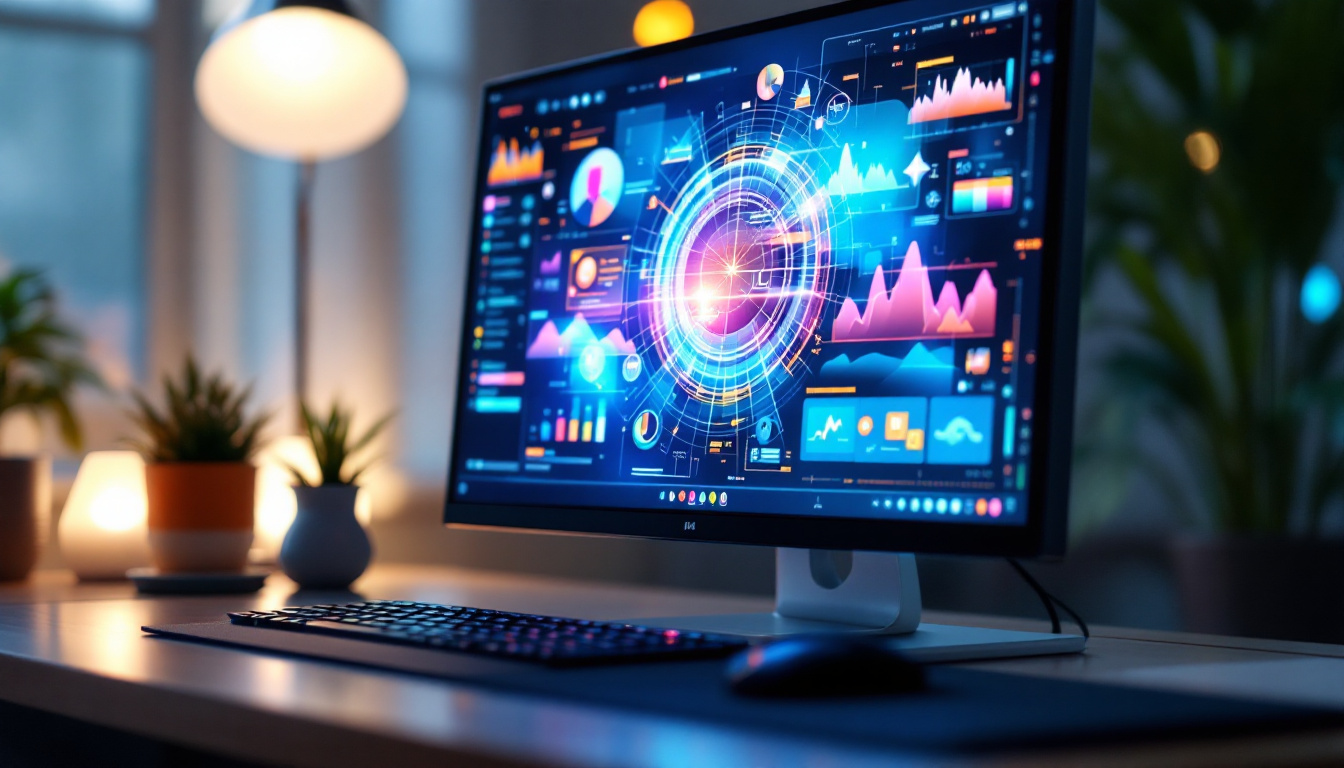
For gamers and professionals who require accurate color reproduction, LED monitors often come with advanced calibration options and wide color gamut support, ensuring images appear as intended.
Slim and Lightweight Designs
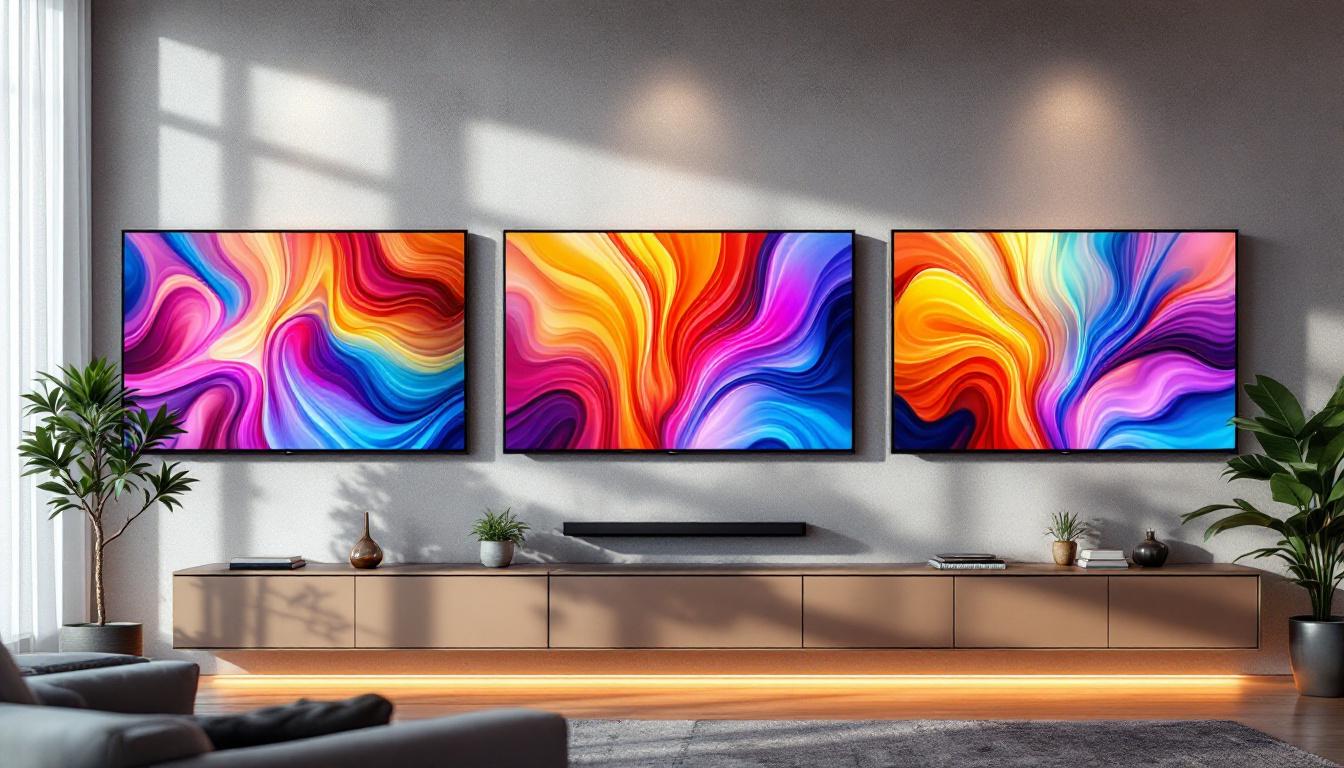
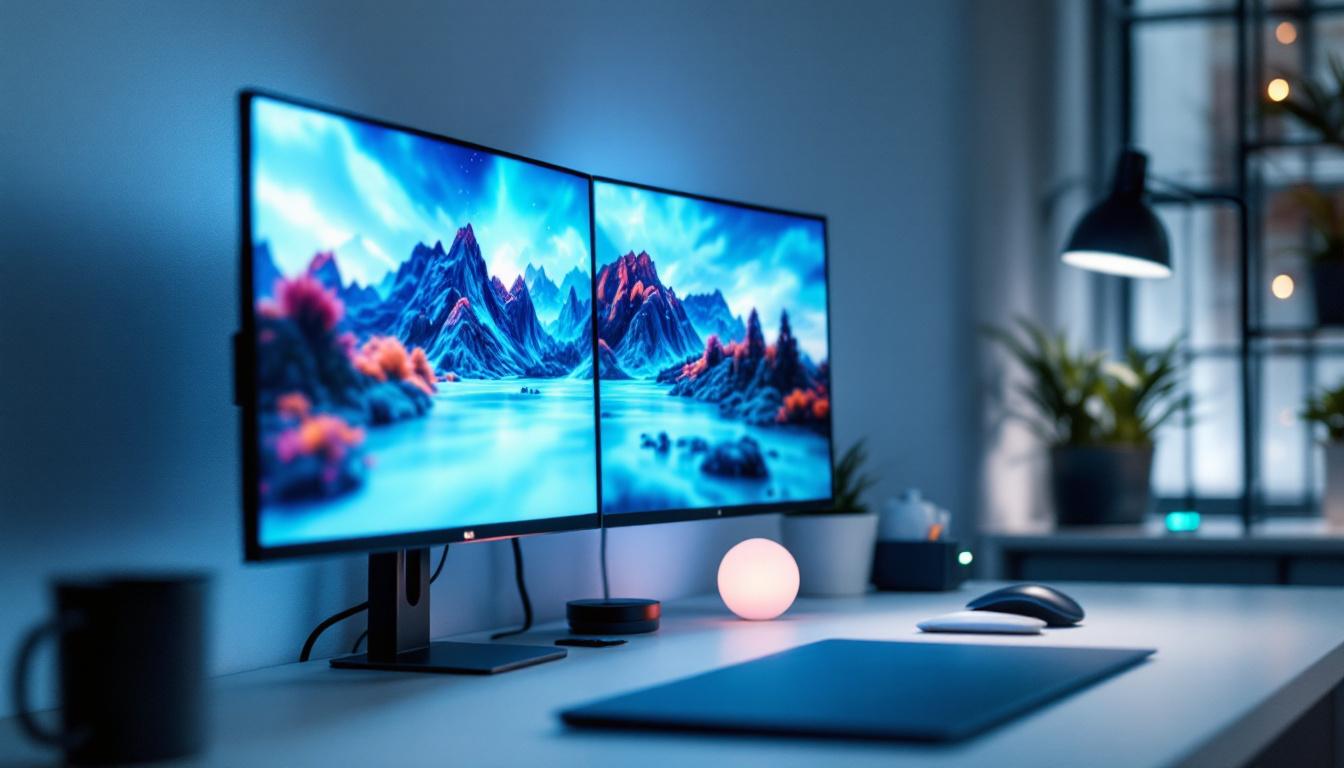
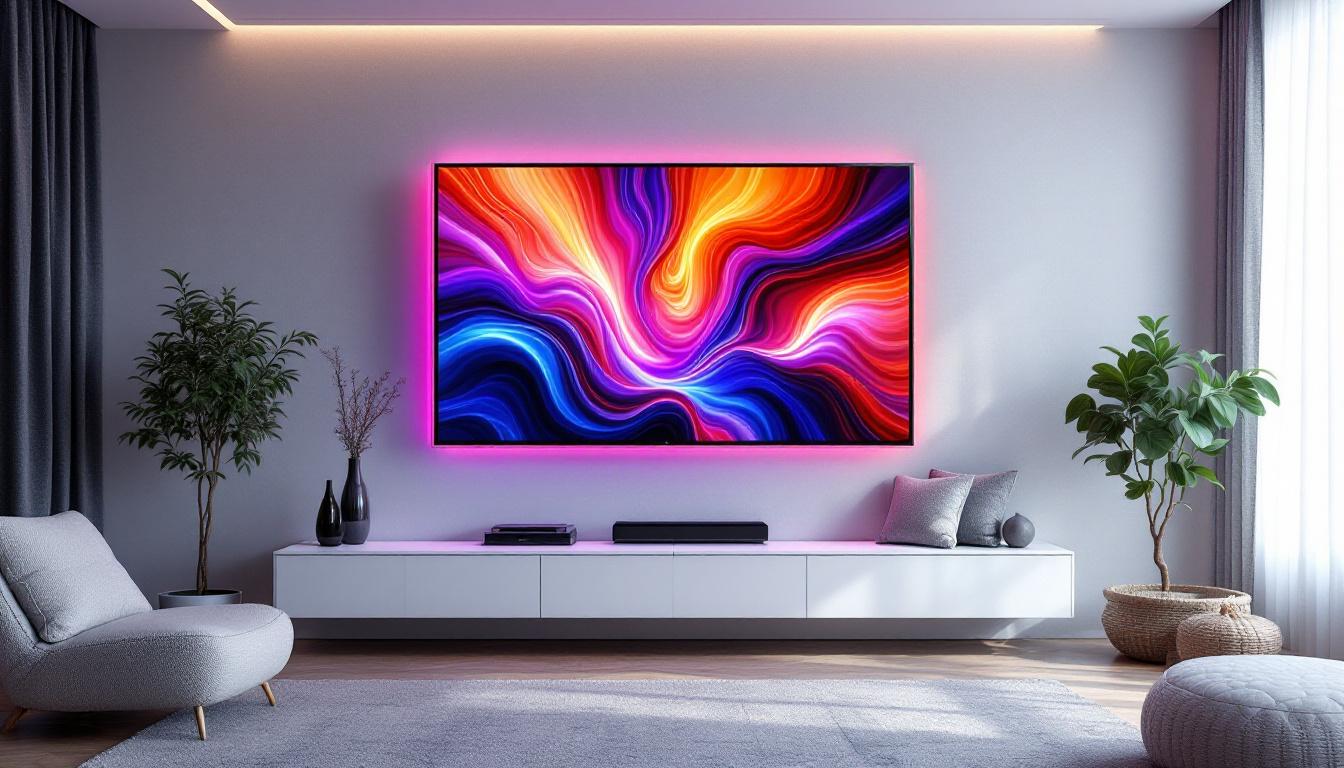
Because LEDs are compact and efficient, manufacturers can create thinner and lighter screens. Edge-lit LED TVs and monitors can be just a few millimeters thick, making them ideal for wall mounting and sleek desktop setups.
This design flexibility also allows for innovative form factors, such as curved screens and ultra-wide monitors, enhancing immersion and productivity.
Types of LED Displays and Their Applications
LED display technology is not one-size-fits-all. Different types of LED screens serve various purposes, from consumer entertainment to professional and industrial applications.
Standard LED-backlit LCD TVs and Monitors
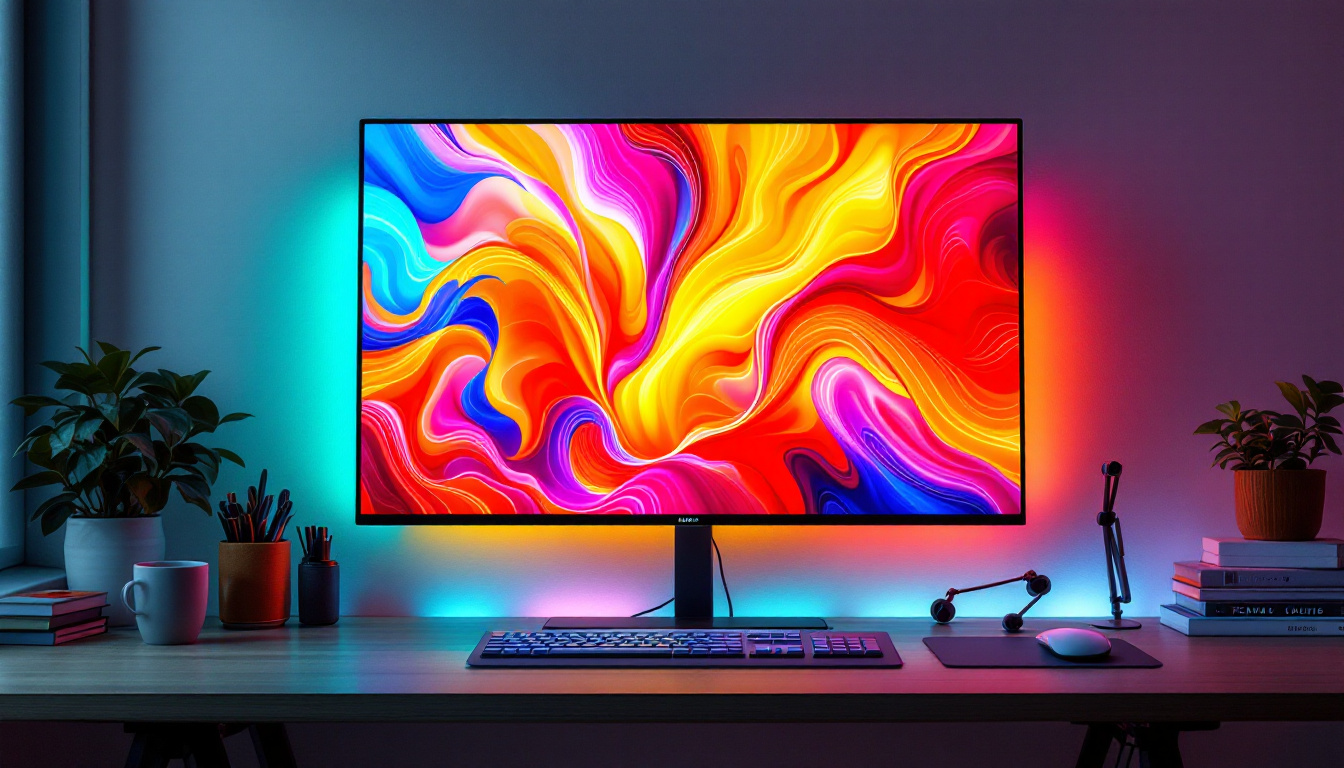
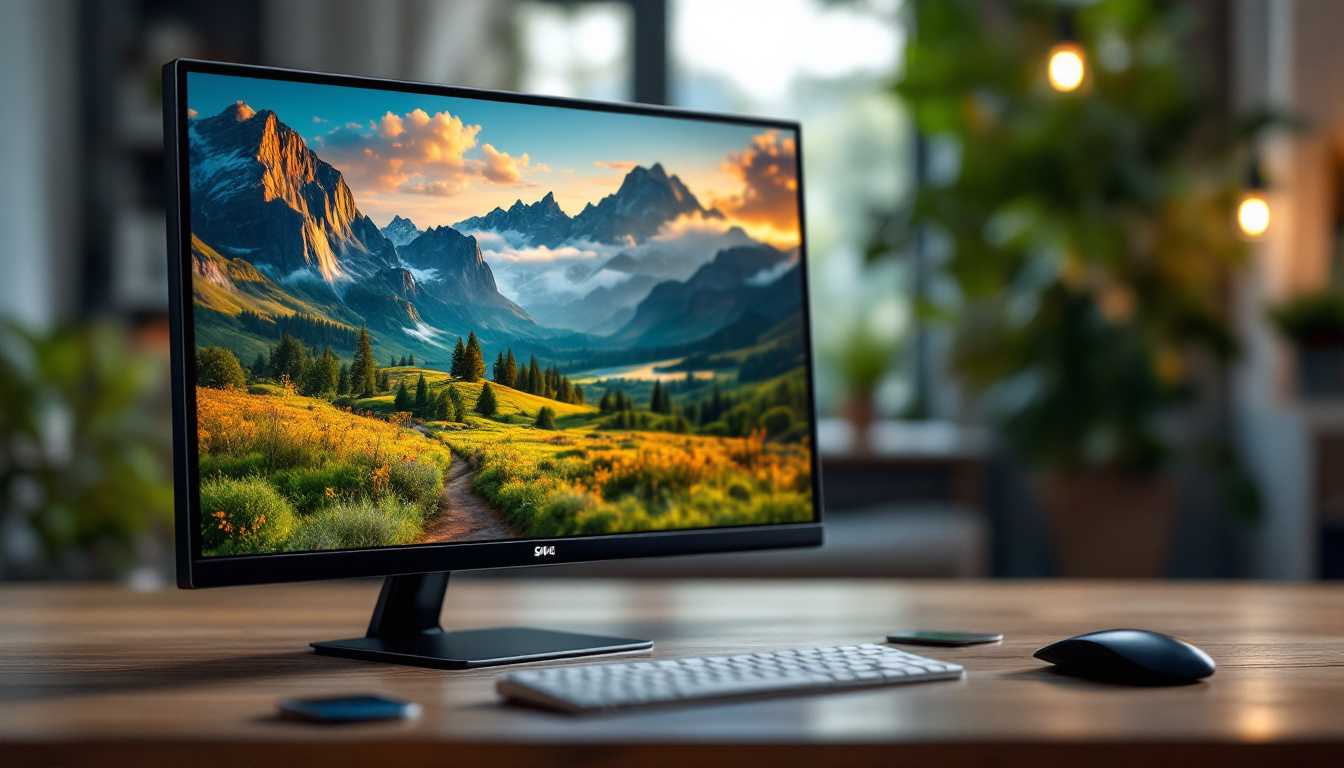
The most common type found in homes and offices is the LED-backlit LCD. These displays balance cost and performance, offering good brightness and color accuracy for everyday use. They are suitable for watching movies, browsing, gaming, and general productivity tasks.
Brands like Samsung, LG, Sony, and Dell dominate this market segment, providing a wide range of sizes and resolutions to fit different needs and budgets.
Mini-LED and Micro-LED Displays
Recent innovations have introduced Mini-LED and Micro-LED technologies, which use smaller LEDs to achieve even finer control over backlighting. Mini-LEDs can have thousands of tiny LEDs behind the screen, enabling more precise local dimming and better HDR performance.
Micro-LEDs take this further by using microscopic LEDs that act as individual pixels, similar to OLEDs but with higher brightness and longer lifespan. While still emerging, Micro-LED displays promise to combine the best qualities of LED and OLED technologies.
Outdoor and Commercial LED Screens
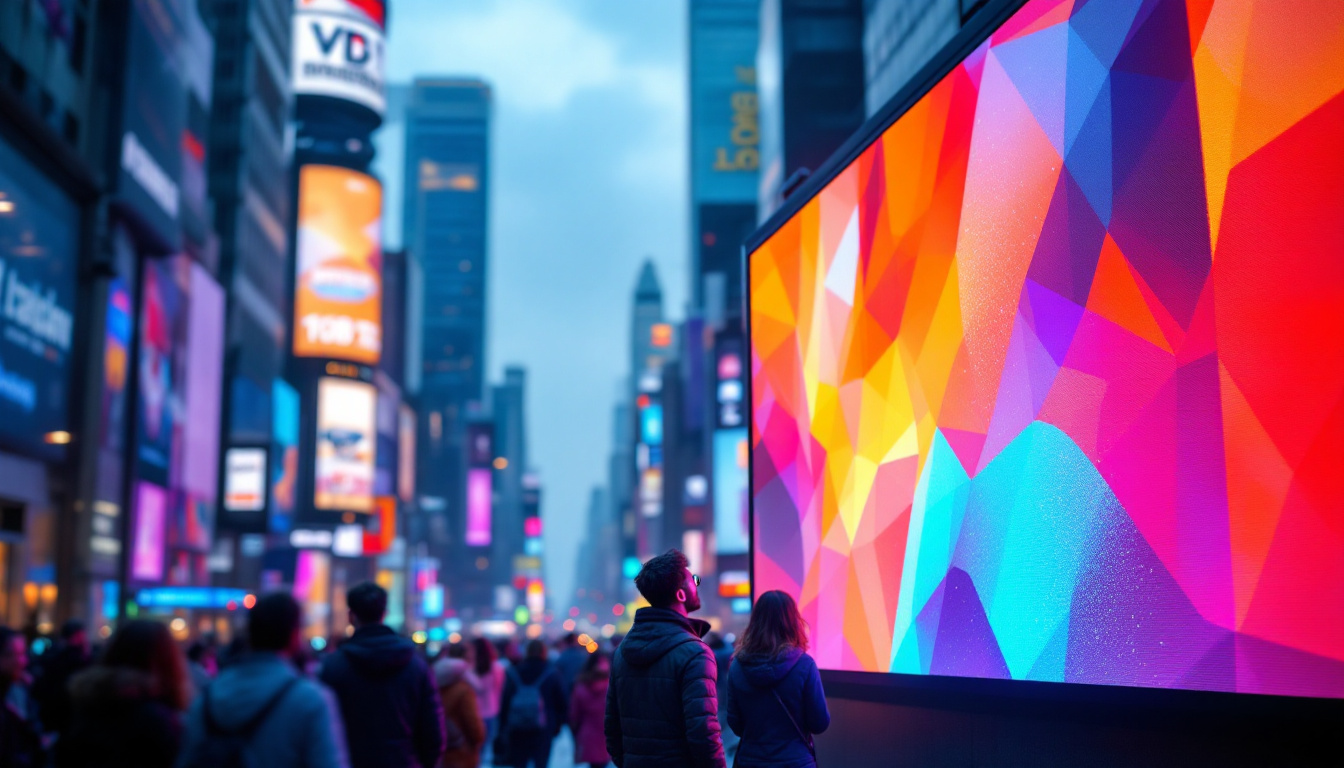
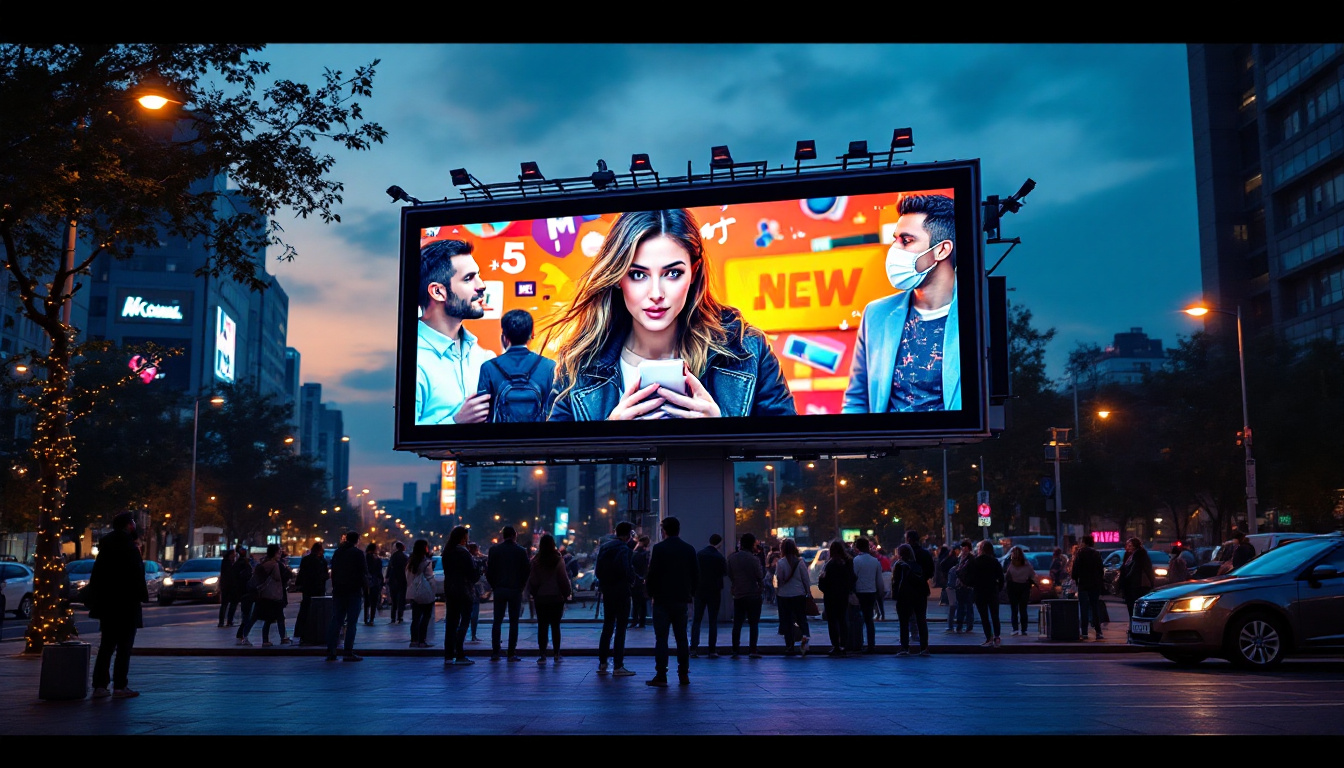
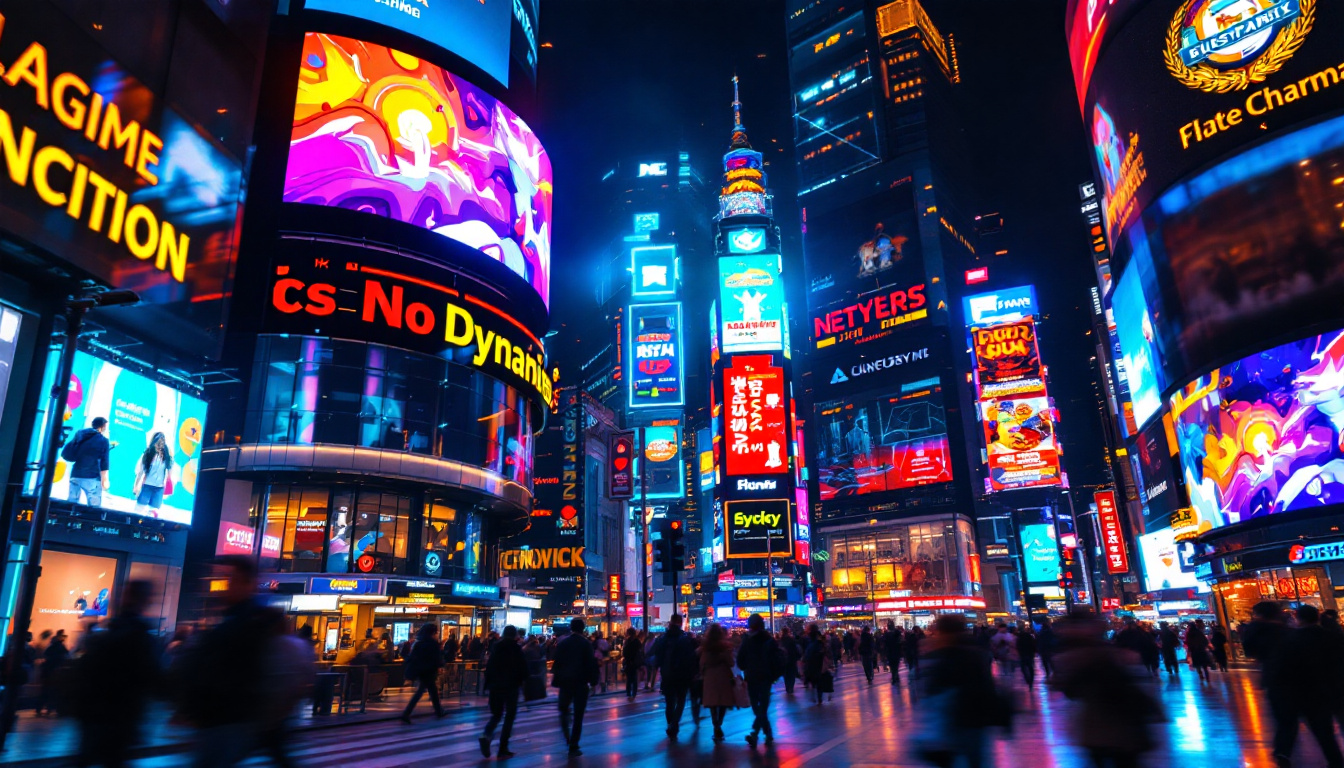
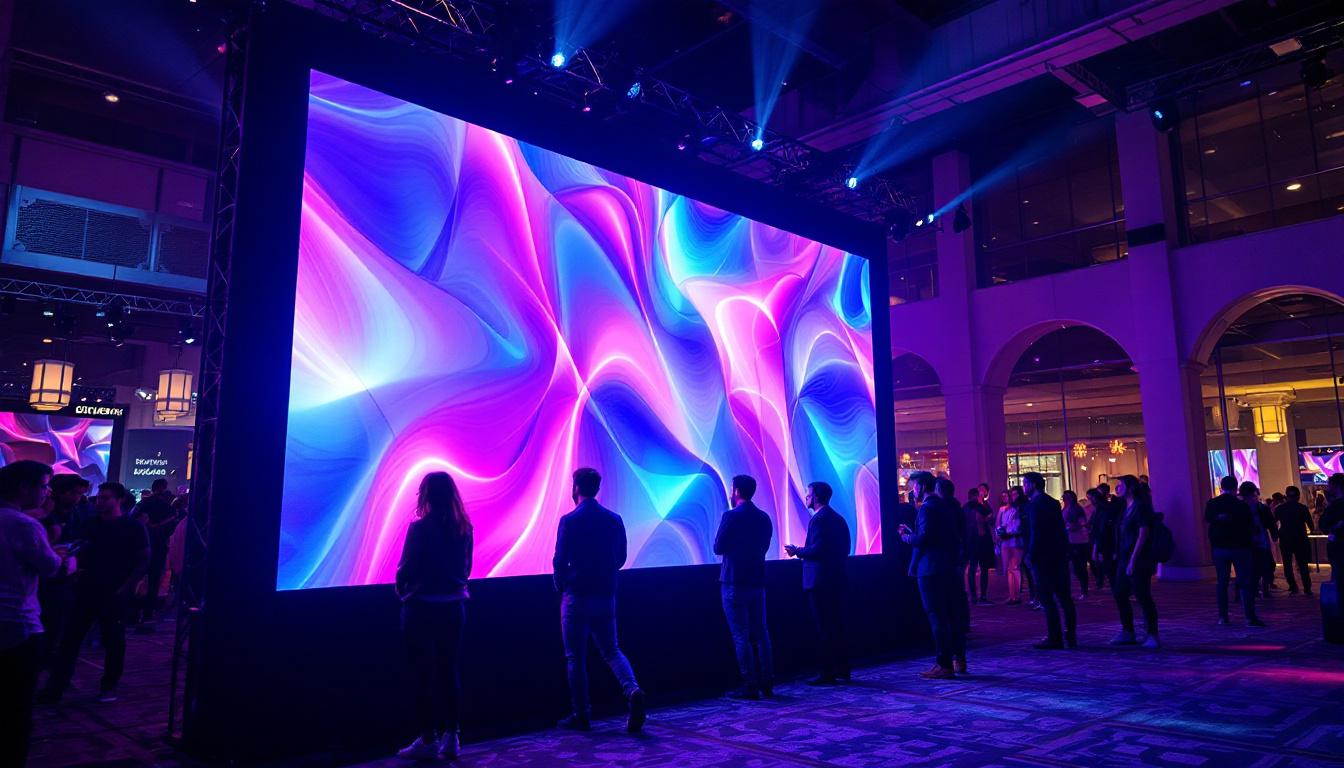
Beyond TVs and monitors, LED technology is widely used in large-format displays such as digital billboards, stadium screens, and outdoor advertising. These LED panels are designed to be extremely bright and weather-resistant, ensuring visibility even in direct sunlight.
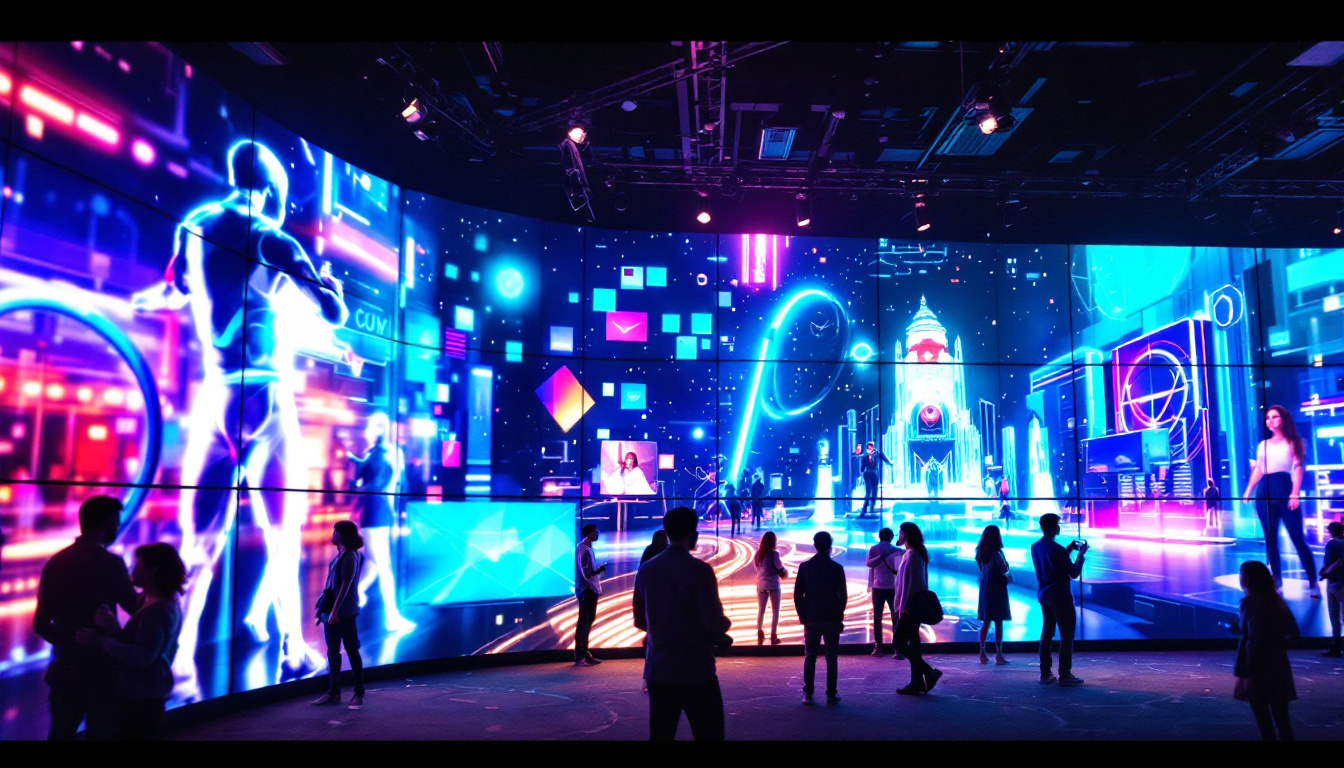
For indoor commercial use, LED video walls provide scalable, high-resolution displays for events, retail environments, and control rooms.
Key Factors to Consider When Choosing an LED TV or Monitor
Selecting the right LED display depends on several factors that affect your viewing experience and device longevity. Understanding these elements helps consumers make informed decisions.
Resolution and Screen Size
Resolution determines the clarity and detail of the image. Common resolutions include Full HD (1920×1080), 4K UHD (3840×2160), and increasingly, 8K UHD (7680×4320). Larger screens benefit from higher resolutions to maintain sharpness, especially when sitting close.
Screen size should be chosen based on viewing distance and space. For example, a 55-inch 4K TV is ideal for living rooms where viewers sit several feet away, while a 27-inch 1440p monitor suits desktop use.
Refresh Rate and Response Time
For gaming and fast-paced video, refresh rate and response time are critical. Refresh rate, measured in hertz (Hz), indicates how many times the screen updates per second. Higher refresh rates (120Hz, 144Hz, or more) result in smoother motion.
Response time measures how quickly a pixel changes color. Lower response times reduce motion blur and ghosting, enhancing clarity during action scenes or gameplay.
Color Accuracy and HDR Support
Color accuracy is essential for photo editing, video production, and content creation. Look for displays that cover a wide color gamut (such as Adobe RGB or DCI-P3) and offer factory calibration.
HDR support enhances dynamic range, making images more lifelike. Popular HDR formats include HDR10, Dolby Vision, and HLG. An LED display with good HDR capabilities will have sufficient brightness and local dimming zones to showcase this content effectively.
Connectivity and Smart Features
Modern LED TVs often come with smart platforms that support streaming apps, voice control, and internet browsing. Monitors may offer USB-C, DisplayPort, and HDMI ports for versatile connectivity.
Consider the number and type of inputs you need for your devices, such as gaming consoles, PCs, or media players.
Maintaining and Caring for Your LED Display
Proper maintenance prolongs the lifespan and performance of LED TVs and monitors. Although LEDs are durable, certain practices help avoid common issues.
Preventing Burn-in and Image Retention
While LED-backlit LCDs are less susceptible to burn-in than OLEDs, static images displayed for extended periods can cause temporary image retention. Avoid leaving static logos or UI elements on screen for hours without change.
Cleaning and Handling
Use a soft microfiber cloth to clean the screen gently. Avoid harsh chemicals or abrasive materials that can damage the surface. Always power off and unplug the device before cleaning.
Optimal Settings and Calibration
Adjust brightness and contrast to comfortable levels to reduce eye strain and conserve energy. For professional use, consider regular calibration with colorimeters to maintain color accuracy.
The Future of LED Display Technology
LED display technology continues to evolve rapidly. Innovations such as Quantum Dot LEDs (QLED) enhance color performance by using nanocrystals to emit purer colors. This technology is already mainstream in premium TVs, offering a middle ground between traditional LED and OLED displays.
Additionally, flexible and transparent LED displays are emerging, opening new possibilities for design and application in automotive, retail, and wearable devices.
As production costs decrease and manufacturing techniques improve, expect LED displays to become even more accessible and versatile in the coming years.
Conclusion
LED displays have transformed how people experience visual content, combining efficiency, performance, and design elegance. Understanding the technology behind LED screens empowers consumers and professionals to select the best display for their needs, whether for entertainment, work, or commercial use.
From the basics of LED backlighting to advanced innovations like Mini-LED and Quantum Dots, LED technology remains at the forefront of display evolution. As the market continues to grow and diversify, staying informed about these developments ensures you get the most out of your TV or monitor investment.
Discover LumenMatrix’s Innovative LED Displays
As you consider upgrading your visual experience, whether for dynamic advertising, immersive entertainment, or professional applications, LumenMatrix stands at the cutting edge of LED display technology. With a diverse range of solutions including Indoor and Outdoor LED Wall Displays, Vehicle LED Displays, and specialized options like LED Sports and Floor Displays, LumenMatrix is committed to revolutionizing visual communication. Elevate your brand’s presence and create unforgettable visual experiences by exploring LumenMatrix LED Display Solutions today.