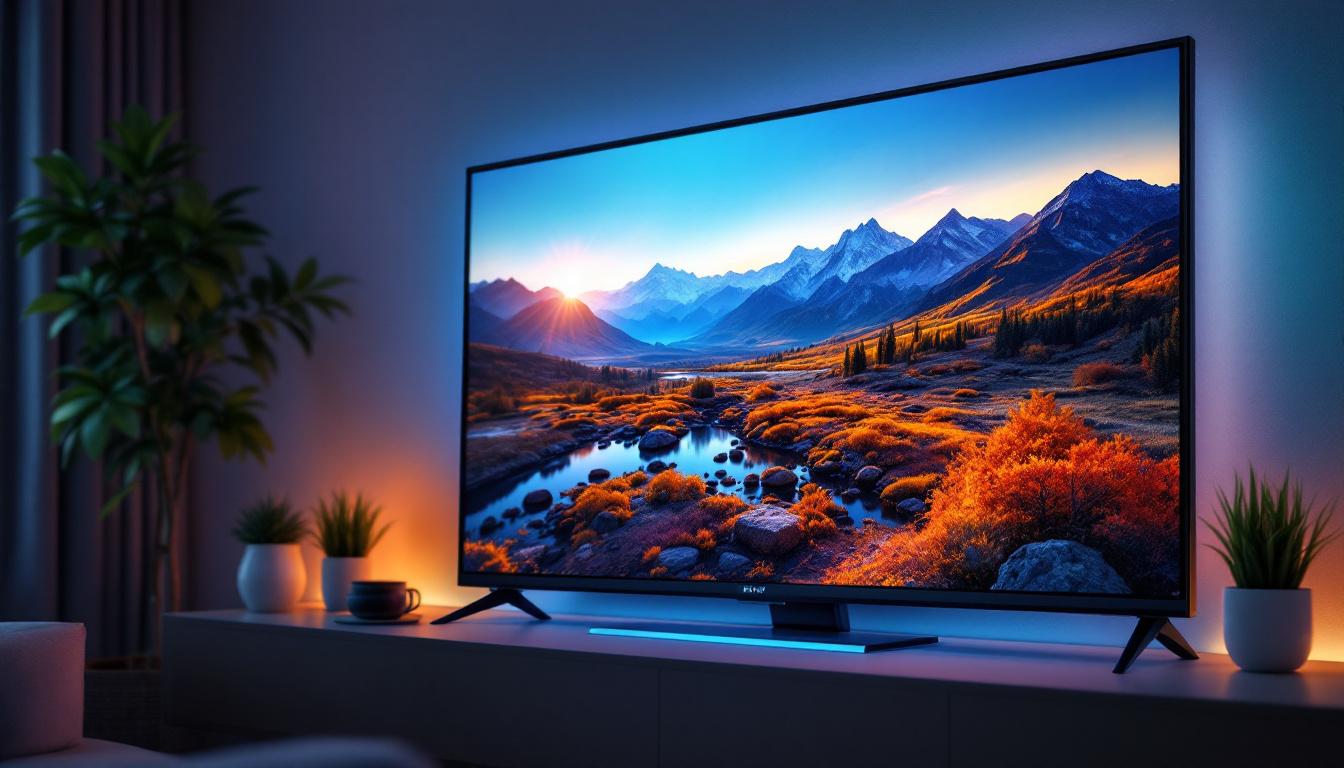
Tv Monitor: LED Display Explained
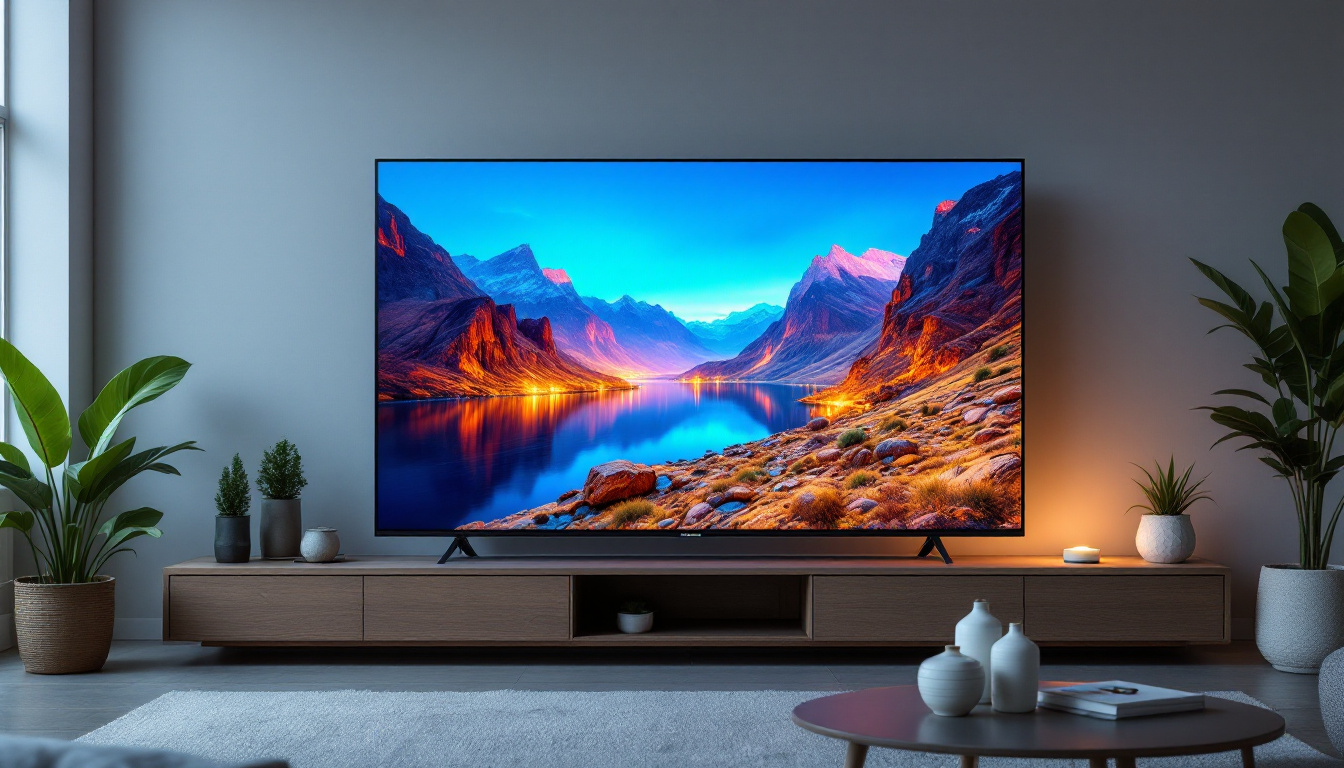
In today’s fast-evolving world of television technology, LED displays have become the standard for most consumers seeking high-quality visuals combined with energy efficiency. Whether you’re upgrading your home entertainment system or selecting a display for professional use, understanding how LED technology works and what sets it apart from other display types can help you make an informed decision. This article delves deep into the world of LED TV monitors, exploring their technology, benefits, types, and key considerations for buyers.
Understanding LED Display Technology
What is an LED Display?
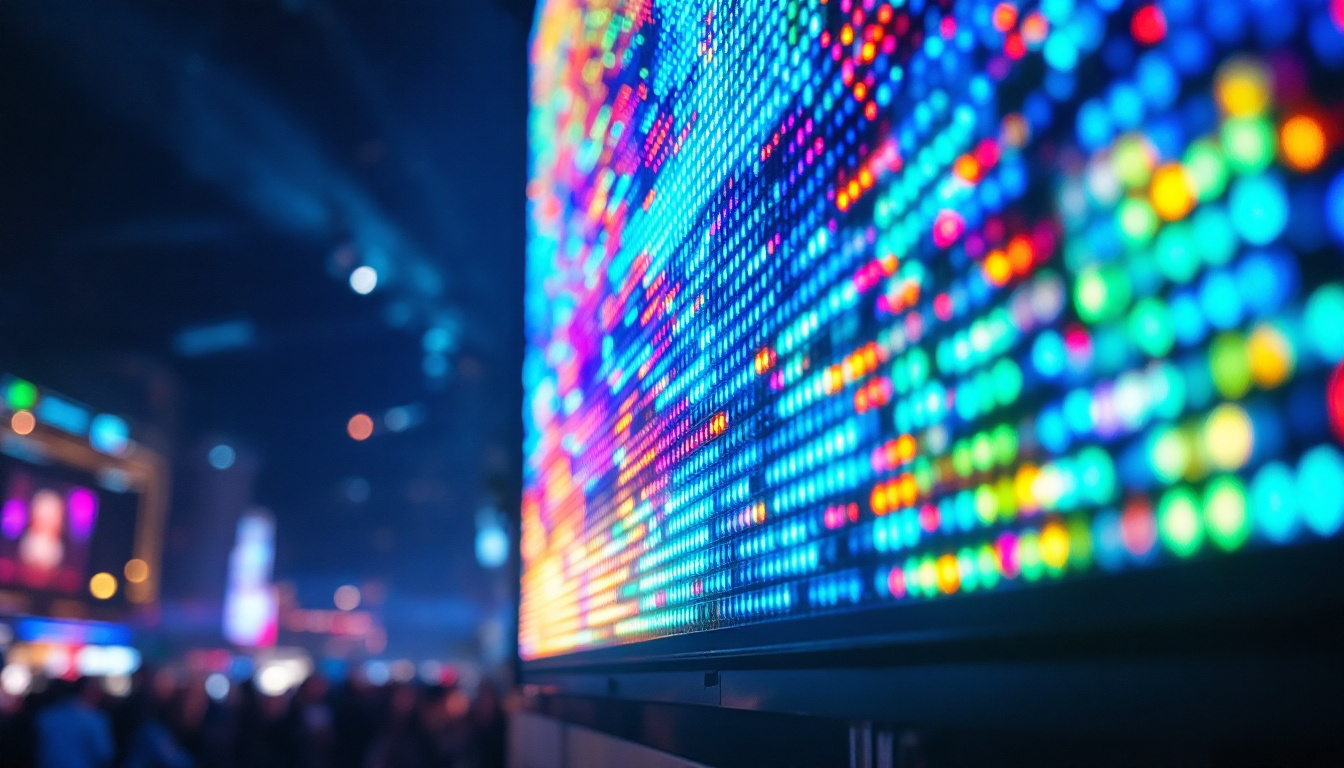
LED stands for Light Emitting Diode, a semiconductor device that emits light when an electric current passes through it. In the context of TV monitors, an LED display uses thousands of these tiny diodes to produce images. Unlike traditional LCD (Liquid Crystal Display) screens that rely on fluorescent backlighting, LED displays use light-emitting diodes for backlighting, which improves brightness, contrast, and energy efficiency.
LED displays are essentially a type of LCD screen that uses LEDs as the light source. This distinction is important because while the display panel itself is still liquid crystal-based, the method of illumination is what differentiates LED TVs from older LCD TVs. The result is a thinner, brighter, and more energy-efficient screen. Additionally, the advancements in LED technology have allowed for various types of displays, such as OLED (Organic LED) and QLED (Quantum Dot LED), each offering unique benefits in terms of color accuracy and viewing angles. These innovations have made LED displays a popular choice for consumers seeking high-quality visual experiences.
How Does an LED TV Monitor Work?
At the core of an LED TV monitor is the LCD panel, which contains liquid crystals that manipulate light to create images. The LEDs serve as the backlight behind this panel. When the TV is powered on, the LEDs emit light, which passes through the liquid crystals. These crystals adjust their alignment to control how much light passes through each pixel, forming the images you see on screen.
Modern LED TVs often use advanced techniques such as local dimming, where specific zones of LEDs can be dimmed or brightened independently. This enhances contrast ratios and produces deeper blacks and more vivid colors, significantly improving picture quality. Furthermore, many LED displays now incorporate HDR (High Dynamic Range) technology, which expands the range of colors and brightness levels that can be displayed. This results in a more lifelike image, capturing the nuances of light and shadow in a way that was previously unattainable in standard displays. As a result, viewers can enjoy a more immersive experience, whether they’re watching movies, playing video games, or streaming their favorite shows.
Types of LED Displays in TV Monitors
Edge-Lit LED Displays
Edge-lit LED displays position the LEDs along the edges of the screen, directing light across the panel using light guides. This design allows for ultra-thin TV profiles and is commonly found in many consumer-grade LED TVs. However, because the light source is limited to the edges, uniformity of brightness can sometimes be less consistent, and local dimming capabilities are often limited.
Full-Array LED Displays
Full-array LED displays feature a grid of LEDs placed directly behind the entire screen. This configuration enables more precise control of brightness and contrast through local dimming zones. Full-array LED TVs typically offer better picture quality, especially in dark scenes, by reducing halo effects and improving black levels.
Mini-LED and Micro-LED: The Next Generation
Recent advancements have introduced Mini-LED and Micro-LED technologies. Mini-LED TVs use much smaller LEDs than traditional full-array models, allowing for thousands of dimming zones and even finer control over brightness and contrast. This results in sharper images and enhanced HDR (High Dynamic Range) performance.
Micro-LED technology takes this further by using microscopic LEDs as individual pixels, eliminating the need for a separate LCD panel. This technology promises exceptional brightness, contrast, and color accuracy, rivaling OLED displays, though it remains expensive and less common in consumer markets as of 2024.
Advantages of LED TV Monitors
Energy Efficiency
One of the most significant benefits of LED displays is their energy efficiency. Compared to older CCFL-backlit LCD TVs, LED TVs consume up to 40% less power. This not only reduces electricity bills but also contributes to environmental sustainability by lowering overall energy consumption.
Improved Picture Quality
LED TVs offer enhanced brightness and contrast, making them ideal for viewing in brightly lit rooms. The ability to implement local dimming means that LED TVs can produce deeper blacks and more vibrant colors, which translates to a more immersive viewing experience. Many LED TVs also support HDR formats like HDR10 and Dolby Vision, further enhancing dynamic range and color reproduction.
Thin and Lightweight Design
The use of LEDs for backlighting allows manufacturers to create thinner and lighter TV monitors. This makes LED TVs easier to mount on walls and more aesthetically appealing in modern living spaces. The slim profile also contributes to better heat dissipation, potentially extending the lifespan of the device.
Longevity and Durability
LEDs have a longer lifespan compared to other lighting technologies used in displays. Typical LED TV monitors can last between 60,000 to 100,000 hours of use, which translates to many years of viewing without significant degradation in picture quality.
Key Considerations When Choosing an LED TV Monitor
Screen Size and Resolution
Choosing the right screen size depends on your viewing distance and room size. For example, a 55-inch LED TV is ideal for a living room where viewers sit about 7 to 10 feet away. Resolution is equally important; 4K UHD (3840 x 2160 pixels) has become the standard for most mid-to-high-end LED TVs, offering four times the detail of Full HD (1080p) displays.
Refresh Rate and Response Time
For users interested in gaming or watching fast-paced sports, refresh rate and response time are critical. A higher refresh rate (120Hz or more) ensures smoother motion, while a low response time reduces motion blur. Many LED TVs now support variable refresh rate (VRR) technology, which synchronizes the display with the content source for an even better experience.
HDR Support
High Dynamic Range (HDR) enhances the contrast and color range of the display, making images look more lifelike. When shopping for an LED TV monitor, look for support for HDR10, HDR10+, Dolby Vision, or HLG formats. HDR-capable LED TVs generally produce brighter highlights and more detailed shadows.
Connectivity Options
Modern LED TVs come equipped with multiple HDMI ports, USB inputs, and sometimes USB-C ports. Smart TV functionality is also common, allowing access to streaming services and apps directly from the monitor. Evaluate your connectivity needs based on the devices you plan to connect, such as gaming consoles, Blu-ray players, or soundbars.
Viewing Angles
LED TVs traditionally have narrower viewing angles compared to OLED displays. This means that picture quality can degrade when viewed from the side. Some premium LED models use IPS (In-Plane Switching) panels to improve viewing angles, making them better suited for wider seating arrangements.
LED Display vs. Other TV Technologies
LED vs. OLED
OLED (Organic Light Emitting Diode) TVs differ fundamentally from LED TVs. OLED pixels emit their own light and can turn off completely, producing perfect blacks and infinite contrast ratios. LED TVs rely on backlighting, which can sometimes cause light bleed and less precise blacks.
However, OLEDs tend to be more expensive and may have concerns about burn-in with static images. LED TVs, especially those with Mini-LED technology, offer a compelling balance between price, brightness, and durability.
LED vs. QLED
QLED (Quantum Dot LED) is a marketing term used by some manufacturers for LED TVs that incorporate quantum dot technology. Quantum dots are tiny semiconductor particles that enhance color accuracy and brightness. Essentially, QLEDs are a type of LED TV with improved color performance, making them a strong choice for vibrant and bright displays.
LED vs. Plasma
Plasma TVs, once popular for their excellent color and black levels, have largely been phased out. LED TVs consume less power, are thinner, and do not suffer from screen burn-in as plasma displays did. The LED technology offers better overall longevity and is more suitable for modern content consumption.
Maintaining and Optimizing Your LED TV Monitor
Proper Placement and Lighting
To get the best picture quality from your LED TV, place it in a location where ambient light can be controlled. Avoid placing the TV opposite large windows or bright light sources to minimize glare. Many LED TVs include anti-reflective coatings to help, but room lighting still plays a significant role in viewing comfort.
Regular Firmware Updates
Smart LED TVs often receive firmware updates that improve performance, add features, or fix bugs. Keeping your TV’s software up to date ensures optimal functionality and access to the latest streaming apps and security patches.
Cleaning and Care
Clean your LED TV screen gently using a microfiber cloth and avoid harsh chemicals. Dust and fingerprints can degrade picture quality, but aggressive cleaning can damage the screen. Power off the TV before cleaning and never spray liquids directly onto the screen.
Conclusion
LED TV monitors represent a mature, versatile, and widely accessible technology that balances quality, efficiency, and affordability. Understanding the nuances of LED display technology—from the types of backlighting to key features like HDR support and refresh rates—empowers consumers to select the best TV for their needs. Whether for casual viewing, gaming, or professional applications, LED TVs offer compelling performance that continues to evolve with innovations like Mini-LED and quantum dot enhancements.
As the market advances, staying informed about the latest developments ensures that your investment in an LED TV monitor delivers years of immersive and satisfying viewing experiences.
Explore Cutting-Edge LED Displays with LumenMatrix
Ready to elevate your visual experience with the latest in LED technology? LumenMatrix is at the forefront of LED display innovation, offering a wide array of solutions tailored to meet your needs. From captivating Indoor LED Wall Displays to dynamic Outdoor LED Wall Displays, and from versatile Vehicle LED Displays to sleek LED Poster Displays, our products are designed to make a lasting impression. Discover the full potential of LED Sports Displays, interactive Floor LED Displays, and the revolutionary All-in-One LED Display. Experience the future of visual communication with our LED Transparent Display and Custom LED Display options. Don’t miss out on the opportunity to transform your space—check out LumenMatrix LED Display Solutions today and join the revolution in digital signage and display technology.