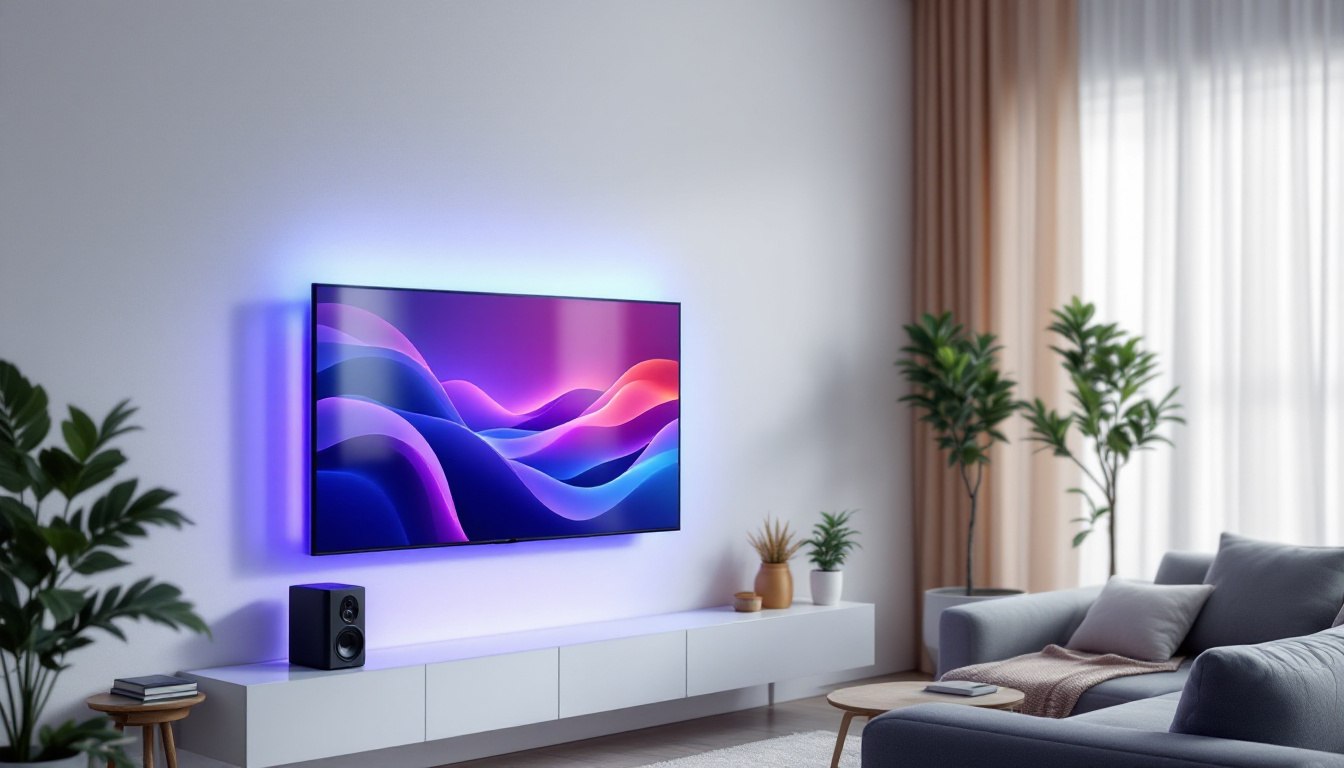
In today’s world of advanced television technology, LED displays have become the standard for delivering vibrant visuals and immersive viewing experiences. Whether you’re watching your favorite movie, streaming a live sports event, or gaming, the quality of the TV screen background plays a crucial role in how content is perceived. This article delves deep into the technology behind LED displays, explaining how they work, their advantages, and what sets them apart from other display technologies.
Understanding LED Display Technology
What Is an LED Display?
LED stands for Light Emitting Diode, a semiconductor device that emits light when an electric current passes through it. In the context of television screens, LED displays use these tiny diodes as the primary light source to illuminate the pixels on the screen. Unlike older technologies such as LCDs that rely on fluorescent backlights, LED TVs use LEDs to provide backlighting, which enhances brightness, contrast, and energy efficiency.
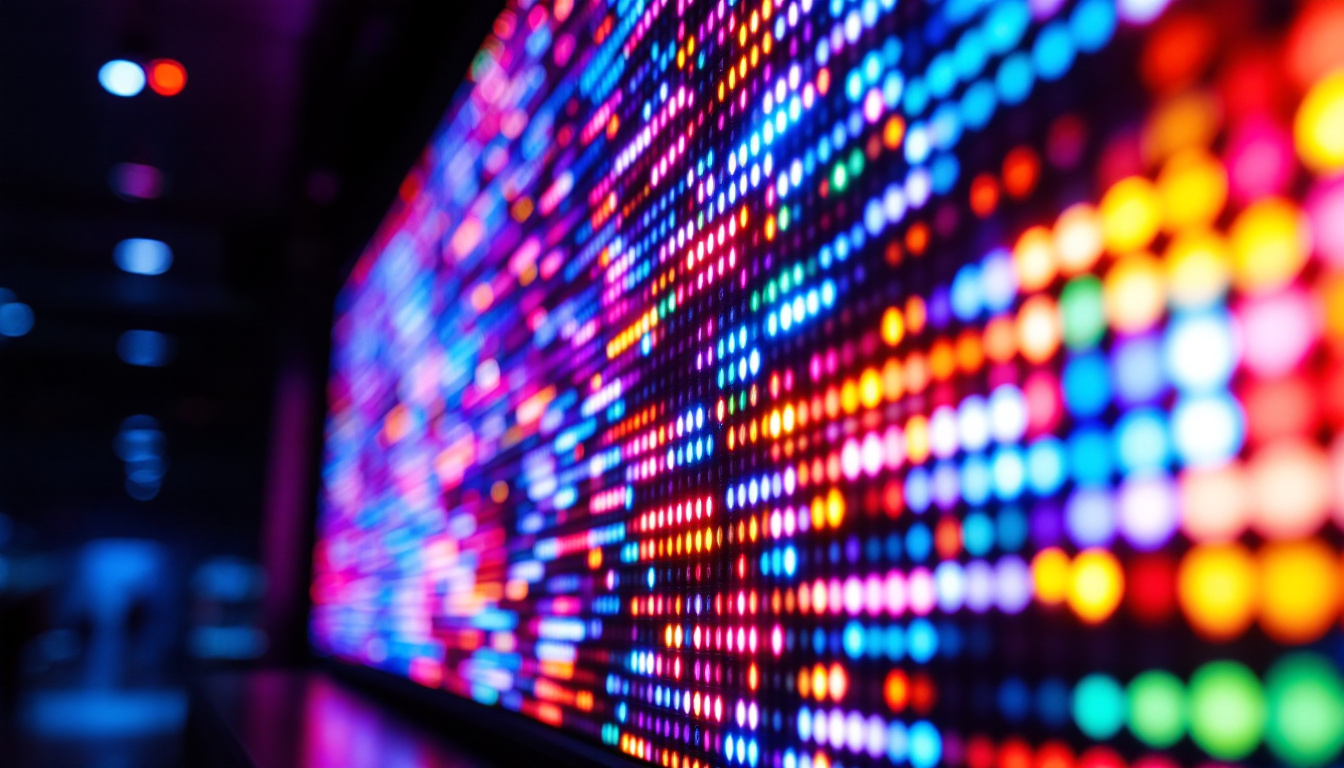
There are two main types of LED displays used in TVs: edge-lit and full-array. Edge-lit LED TVs position LEDs along the edges of the screen, using light guides to distribute light evenly across the display. Full-array LED TVs, on the other hand, place LEDs directly behind the screen in a grid pattern, allowing for more precise control of brightness and contrast through a process called local dimming. This technology not only improves the viewing experience but also allows for thinner designs, making LED TVs more aesthetically pleasing and easier to integrate into modern living spaces.
Moreover, the versatility of LED displays extends beyond televisions; they are also widely used in commercial signage, smartphones, and computer monitors. The ability to create vibrant colors and high-definition images has made LED technology a popular choice in various applications, from advertising billboards to digital art installations. As technology continues to evolve, manufacturers are constantly innovating to improve the efficiency and performance of LED displays, paving the way for even more advanced applications in the future.
How Does LED Backlighting Work?
In an LED TV, the screen itself is composed of millions of pixels, each made up of red, green, and blue subpixels. These pixels create the colors and images you see on the screen. However, pixels do not emit light on their own; they require a light source behind them. This is where LED backlighting comes into play.
The LEDs emit light that passes through layers of liquid crystal cells, which modulate the light to form images. By adjusting the intensity of the backlight and the alignment of the liquid crystals, the TV can produce a wide range of colors and shades. Full-array LED TVs with local dimming can turn off specific zones of LEDs to achieve deeper blacks and more vivid contrast, enhancing the overall picture quality. This capability is particularly beneficial for watching movies or playing video games, where dark scenes can be rendered with stunning detail, bringing out nuances that would otherwise be lost.
Furthermore, advancements in LED technology have led to the development of Quantum Dot displays, which enhance color accuracy and brightness even further. Quantum Dots are tiny semiconductor particles that emit specific colors when illuminated by the LED backlight. This technology allows for a broader color spectrum and improved energy efficiency, making the viewing experience even more immersive. As competition in the display market intensifies, manufacturers are exploring new ways to integrate these technologies into their products, promising consumers an ever-evolving landscape of visual entertainment options.
Advantages of LED Displays for TV Screens
Superior Picture Quality
One of the most significant benefits of LED displays is their ability to deliver superior picture quality. LED backlighting allows for higher brightness levels compared to traditional LCDs with fluorescent backlights. This increased brightness is particularly beneficial in well-lit rooms, where glare and ambient light can wash out the image.
Additionally, LED TVs with full-array local dimming offer improved contrast ratios by dimming or turning off LEDs in dark areas of the screen. This technology results in deeper blacks and more vibrant colors, making the viewing experience more immersive. According to a 2023 study by DisplayMate, the top-tier LED TVs now achieve contrast ratios exceeding 1,000,000:1, rivaling even some OLED panels.
Energy Efficiency and Longevity
LED technology is known for its energy efficiency. LEDs consume less power than traditional fluorescent backlights, contributing to lower electricity bills and a reduced environmental footprint. This efficiency also means that LED TVs generate less heat, which can extend the lifespan of internal components.
Moreover, LEDs have a longer operational life compared to other light sources. Typical LED backlights can last upwards of 50,000 hours, translating to many years of use without significant degradation in brightness or color accuracy. This longevity makes LED TVs a cost-effective choice for consumers looking for durable and reliable displays.
Thin and Lightweight Designs
The compact size of LEDs allows manufacturers to produce thinner and lighter TV panels. This design flexibility has led to the sleek, modern aesthetics seen in today’s high-end TVs. Thin displays are not only visually appealing but also easier to mount on walls or fit into entertainment centers, enhancing the overall user experience.
Types of LED Displays in TVs
Edge-Lit LED TVs
Edge-lit LED TVs position the LEDs along the edges of the screen, using light guides to spread the light evenly across the display. This design is cost-effective and allows for very slim TV profiles. However, edge-lit models sometimes struggle with uniform brightness and contrast, especially in scenes with high dynamic range.
Despite these limitations, edge-lit LED TVs remain popular due to their affordability and sleek design. Many mid-range models use this technology, making it accessible to a broad audience.
Full-Array LED TVs with Local Dimming
Full-array LED TVs feature a grid of LEDs placed directly behind the screen. This arrangement enables local dimming, where individual zones of LEDs can be dimmed or turned off independently. The result is enhanced contrast and deeper blacks, which significantly improve picture quality, especially in dark scenes.
This technology is commonly found in premium LED TVs and is often marketed as “Full-Array Local Dimming” (FALD). It is a key differentiator for consumers seeking the best possible image quality without moving to OLED or QLED technologies.
Mini-LED and Micro-LED: The Next Evolution
Recent advancements have introduced Mini-LED and Micro-LED technologies, which use much smaller LEDs to provide even finer control over backlighting. Mini-LED TVs can have thousands of dimming zones, producing exceptional contrast and brightness levels.
Micro-LED takes this a step further by using microscopic LEDs as individual pixels, eliminating the need for a separate backlight. While Micro-LED TVs are still emerging in the consumer market and tend to be expensive, they promise superior brightness, color accuracy, and lifespan, potentially surpassing OLED technology.
Comparing LED Displays to Other TV Technologies
LED vs. OLED
OLED (Organic Light Emitting Diode) TVs differ fundamentally from LED TVs. Each pixel in an OLED screen emits its own light, allowing for perfect blacks and infinite contrast ratios. This technology is praised for its superior picture quality, especially in dark environments.
However, OLED TVs are generally more expensive and can suffer from burn-in issues if static images are displayed for extended periods. LED TVs, particularly those with full-array local dimming, offer a more affordable alternative with excellent brightness and durability, making them suitable for bright rooms and varied content.
LED vs. QLED
QLED (Quantum Dot LED) is a marketing term used by some manufacturers to describe LED TVs enhanced with quantum dot technology. Quantum dots are tiny semiconductor particles that improve color accuracy and brightness by converting light into pure, saturated colors.
QLED TVs are essentially LED TVs with advanced color enhancement. They tend to offer brighter displays and better color volume than standard LED TVs, making them ideal for HDR content. When shopping for a TV, understanding that QLED is a subset of LED technology helps clarify the options available.
Choosing the Right LED TV for Your Needs
Consider Your Viewing Environment
The environment where the TV will be placed plays a significant role in determining the best LED display type. For bright rooms with lots of natural light, an LED TV with high brightness levels, such as a full-array or QLED model, is preferable. These TVs combat glare effectively and maintain image clarity.
In darker rooms, where deep blacks and contrast are more noticeable, a full-array LED TV with local dimming or an OLED TV might be the better choice. Understanding your viewing habits and environment helps ensure the TV you select delivers the best performance.
Screen Size and Resolution
Screen size is another important factor. Larger screens benefit more from advanced backlighting technologies to maintain uniform brightness and contrast across the entire display. Additionally, resolution matters—4K TVs have become the standard, offering four times the pixels of 1080p displays for sharper images.
Many LED TVs now also support 8K resolution, although content availability remains limited. For most users, a high-quality 4K LED TV with good backlighting will provide an excellent viewing experience without the premium price of 8K models.
Budget and Brand Considerations
LED TVs come in a wide price range, from budget-friendly models to premium flagship devices. While more expensive models typically offer better backlighting, color accuracy, and build quality, there are excellent mid-range options that deliver solid performance for everyday use.
Reputable brands often provide better customer support and longer warranties, which can be important for a long-term investment like a television. Reading reviews and comparing specifications can help narrow down choices based on individual needs and budget constraints.
Conclusion: The Future of LED TV Screens
LED display technology has revolutionized the way we experience television, offering bright, vibrant visuals with energy-efficient designs. As innovations like Mini-LED and Micro-LED continue to evolve, the gap between LED and other premium display technologies is narrowing, promising even more impressive picture quality in the near future.
For consumers, understanding the nuances of LED displays—from backlighting methods to local dimming and quantum dot enhancements—empowers informed decisions when purchasing a TV. Whether prioritizing brightness, contrast, or budget, LED TVs remain a versatile and popular choice for delivering stunning screen backgrounds and immersive entertainment.
Explore Cutting-Edge LED Displays with LumenMatrix
Ready to elevate your visual experience with the latest in LED display technology? LumenMatrix is at the forefront of innovation, offering a wide array of LED display solutions tailored to meet your needs. From captivating Indoor LED Wall Displays to dynamic Outdoor LED Wall Displays, and from versatile Vehicle LED Displays to sleek LED Poster Displays, our products are designed to enhance brand visibility and engage audiences. Discover the transformative power of LED Sports Displays, interactive Floor LED Displays, and the sheer brilliance of Custom LED Displays and All-in-One LED Displays. Embrace transparency with our LED Transparent Displays and revolutionize your visual communication. Don’t miss out on the opportunity to captivate and inspire with LumenMatrix. Check out LumenMatrix LED Display Solutions today and witness how we can empower your business to shine.