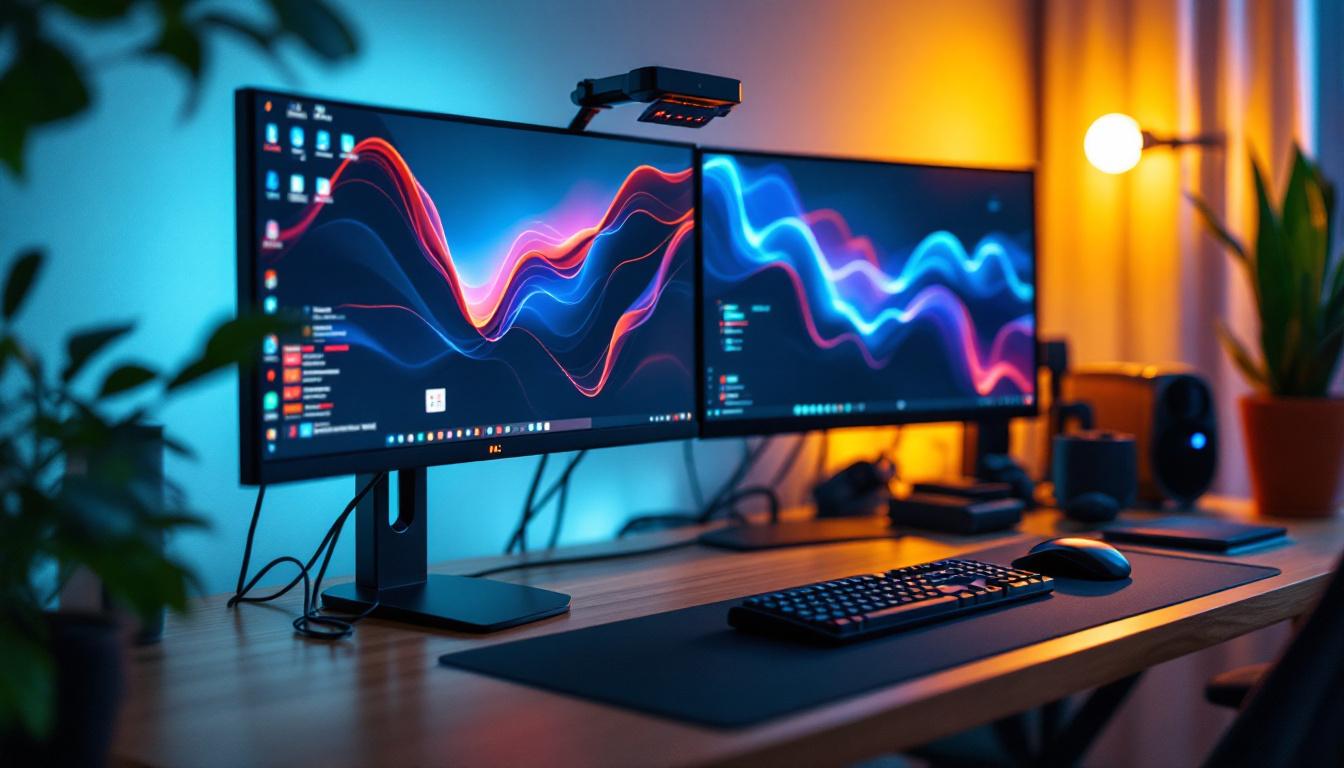
In today’s fast-paced digital world, the demand for efficient and ergonomic workspace setups has never been higher. Dual monitor setups are increasingly common among professionals, gamers, and creatives alike, offering enhanced productivity and a more immersive experience. Central to this setup is the two computer monitor stand, a device designed to hold and position two LED displays side by side or stacked, optimizing desk space and improving ergonomics. This article delves into the intricacies of two computer monitor stands, focusing on their compatibility with LED displays, benefits, and key considerations for selecting the right stand.
Understanding LED Displays in Dual Monitor Setups
What Are LED Displays?
LED (Light Emitting Diode) displays have become the standard in computer monitors due to their superior brightness, energy efficiency, and slim profiles. Unlike older LCD monitors that use CCFL backlighting, LED displays use tiny diodes to illuminate the screen, resulting in better color accuracy and contrast ratios. This technology is especially valuable in dual monitor setups where consistent image quality across both screens is crucial for seamless workflow. Moreover, the longevity of LED displays is another significant advantage, as they typically last longer than traditional LCDs, reducing the need for frequent replacements and thus lowering overall costs in the long run.
Why Choose LED Monitors for Dual Setups?
LED monitors offer several advantages that make them ideal for dual monitor configurations. Their thin bezels minimize the gap between screens, creating a near-seamless visual experience. Additionally, LED displays consume less power and generate less heat, which is beneficial when two monitors are running simultaneously for extended periods. The enhanced color precision and faster response times also cater to professionals in design, video editing, and gaming, where visual fidelity and speed are paramount. Furthermore, many LED monitors come equipped with advanced features such as adjustable stands, VESA compatibility, and multiple connectivity options, including HDMI and DisplayPort, making it easier to set up and customize your workspace according to your needs. This adaptability is particularly useful in dynamic environments where users may frequently switch between tasks or require different orientations for their monitors.
The Role of Two Computer Monitor Stands
What Is a Two Monitor Stand?
A two computer monitor stand is a mounting solution designed to hold two monitors securely in place, allowing users to position their screens ergonomically and efficiently. These stands come in various designs, including freestanding bases, clamp mounts, and wall mounts. The primary goal is to free up desk space, reduce clutter, and provide adjustable viewing angles to reduce neck and eye strain.
Benefits of Using a Dual Monitor Stand
Using a dedicated stand for dual monitors offers multiple benefits:
- Improved Ergonomics: Adjustable height, tilt, and swivel options help align monitors at eye level, promoting better posture and reducing musculoskeletal issues.
- Space Optimization: By elevating monitors off the desk, stands free up valuable workspace for other essentials.
- Enhanced Aesthetics: A clean, organized desk setup not only looks professional but also fosters a more focused work environment.
- Flexibility: Monitor stands allow easy repositioning and rotation, enabling users to switch between landscape and portrait modes or share screens effortlessly.
Key Features to Consider When Choosing a Two Monitor Stand for LED Displays
Weight and Size Compatibility
LED monitors vary widely in size and weight, typically ranging from 21 inches to 32 inches or more. When selecting a dual monitor stand, it’s crucial to verify the weight capacity and VESA (Video Electronics Standards Association) compatibility. Most modern LED monitors support VESA mounting patterns (usually 75×75 mm or 100×100 mm), which must match the stand’s mounting brackets. Exceeding the weight limit can compromise stability and safety.
Adjustability and Ergonomics
Ergonomic adjustability is a cornerstone of any quality monitor stand. Look for stands that offer height adjustment, tilt (usually between -15° to +15°), swivel (up to 180°), and rotation capabilities. These features allow users to customize their viewing experience, reducing eye strain and neck pain. Some advanced stands also include gas spring mechanisms for smooth and effortless adjustments.
Build Quality and Material
Durability is essential, especially for heavier LED displays. High-quality stands are typically constructed from steel or aluminum, providing a sturdy and stable base. Plastic components may be present but should be minimal to ensure longevity. Additionally, consider the finish and design aesthetics to complement your workspace.
Mounting Options and Desk Compatibility
Two monitor stands come with different mounting mechanisms:
- Clamp Mounts: Attach to the edge of the desk, saving space but requiring a suitable desk thickness.
- Grommet Mounts: Secure through a hole in the desk, offering a very stable setup but requiring pre-existing or drilled holes.
- Freestanding Bases: Sit on the desk surface, easy to install but take up more space.
- Wall Mounts: Free up desk space entirely but require wall installation and compatible wall structure.
Choosing the right mounting option depends on your desk setup, space availability, and personal preferences.
Popular Two Monitor Stand Designs and Their Applications
Freestanding Dual Monitor Stands
Freestanding stands are the most straightforward solution, featuring a heavy base that supports two adjustable arms. They are ideal for users who want a simple, no-drill installation and have ample desk space. These stands often include cable management systems to keep wires organized.
Clamp and Grommet Mount Stands
Clamp and grommet mounts are preferred for maximizing desk space. Clamp mounts attach securely to the desk edge without permanent modifications, while grommet mounts require a hole in the desk for installation, offering superior stability. Both types provide excellent adjustability and are favored in professional environments where desk space is at a premium.
Wall-Mounted Dual Monitor Stands
Wall mounts completely free up desk space and provide a clean, minimalist look. They are especially useful in small workspaces or where desk surface area is limited. Installation requires a sturdy wall and precise mounting, which might be less convenient but offers excellent flexibility in positioning.
Setting Up Your Two LED Monitors on a Dual Stand
Step-by-Step Installation Guide
Setting up dual LED monitors on a two monitor stand involves several key steps:
- Check Compatibility: Confirm that your monitors have VESA mounting holes and that the stand supports their size and weight.
- Prepare the Workspace: Clear your desk and gather necessary tools, such as a screwdriver and possibly a drill for grommet mounts.
- Attach Mounting Brackets: Secure the VESA brackets to the back of each LED monitor using the screws provided.
- Install the Stand: Depending on the mounting type, clamp the stand to the desk edge, insert the grommet mount, or secure the wall mount.
- Mount the Monitors: Carefully attach each monitor to the stand’s arms, ensuring they lock into place.
- Adjust Positioning: Set the height, tilt, and swivel to your preferred ergonomic position.
- Manage Cables: Use built-in cable management features to route power and data cables neatly.
Tips for Optimal Ergonomics
Position the top of the monitors at or slightly below eye level to prevent neck strain. Maintain a viewing distance of approximately 20 to 30 inches (50 to 75 cm) from the eyes. Align the monitors so that the primary screen is directly in front, with the secondary monitor angled slightly inward for comfortable viewing. Adjust brightness and color settings to reduce eye fatigue during prolonged use.
Common Challenges and How to Overcome Them
Dealing with Different Monitor Sizes and Models
Many users mix and match monitors of different sizes or brands, which can complicate mounting and alignment. Choosing a stand with independent arms that allow for height and angle adjustments helps accommodate these differences. Additionally, monitor risers or adjustable feet can assist in fine-tuning screen height.
Cable Management Issues
Dual monitors mean double the cables, which can lead to clutter and tangling. Investing in stands with integrated cable management channels or using external cable organizers can keep your workspace tidy and safe.
Ensuring Stability and Safety
Improper installation or exceeding weight limits can cause stands to wobble or collapse. Always follow manufacturer guidelines, double-check weight ratings, and secure all screws and clamps tightly. For heavier LED monitors, wall mounts or grommet mounts often provide the most stability.
The Future of Dual Monitor Stands and LED Displays
Emerging Trends in Monitor Stand Technology
With the rise of ultrawide and curved LED monitors, dual monitor stands are evolving to accommodate these new form factors. Modular designs with flexible arms and increased load capacities are becoming standard. Additionally, integration with USB hubs, wireless charging pads, and smart cable management systems are enhancing functionality.
Impact of LED Display Advancements
Advancements in LED technology, such as mini-LED and micro-LED, promise even thinner, brighter, and more energy-efficient displays. These improvements will influence monitor stand designs, potentially requiring lighter materials and more precise adjustment mechanisms to support ultra-thin panels without sacrificing stability.
Conclusion
Two computer monitor stands play a pivotal role in optimizing dual LED display setups, enhancing both productivity and comfort. Understanding the nuances of LED technology, ergonomic principles, and mounting options is essential for selecting the right stand. Whether for professional work, gaming, or creative pursuits, investing in a quality dual monitor stand tailored to your LED displays can transform your workspace into a more efficient and enjoyable environment.
As LED technology and monitor stand designs continue to advance, users can expect even more versatile, ergonomic, and aesthetically pleasing solutions to meet the demands of modern computing.
Discover the Future of LED Display Technology with LumenMatrix
Ready to elevate your workspace and experience the ultimate in visual clarity and ergonomic design? LumenMatrix is at the forefront of LED display innovation, offering a wide array of solutions that cater to every need—be it for a professional, gaming, or creative environment. From Indoor and Outdoor LED Wall Displays to specialized options like Vehicle, Sports, and Floor LED Displays, LumenMatrix has you covered. Embrace the future of digital signage with our Custom, All-in-One, and Transparent LED Displays, designed to captivate and engage. Check out LumenMatrix LED Display Solutions today and transform your visual communication with cutting-edge technology.