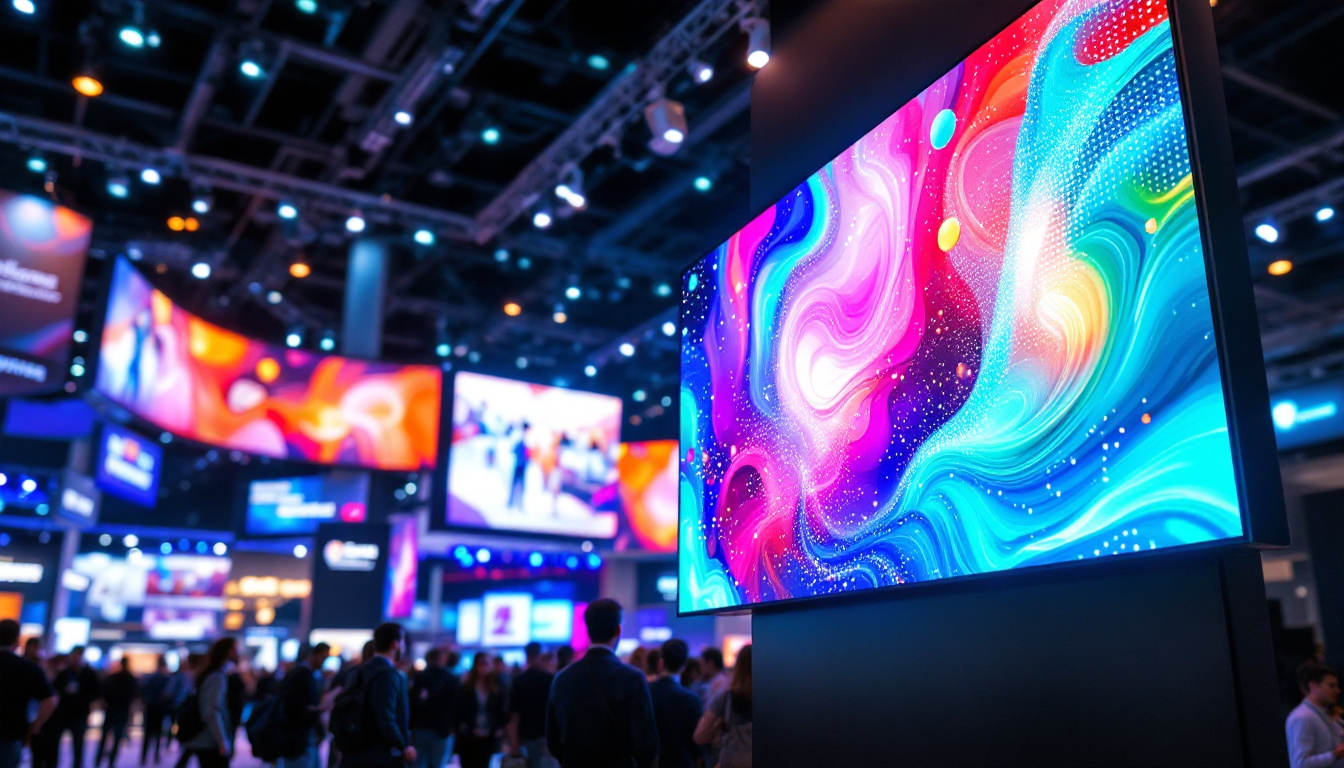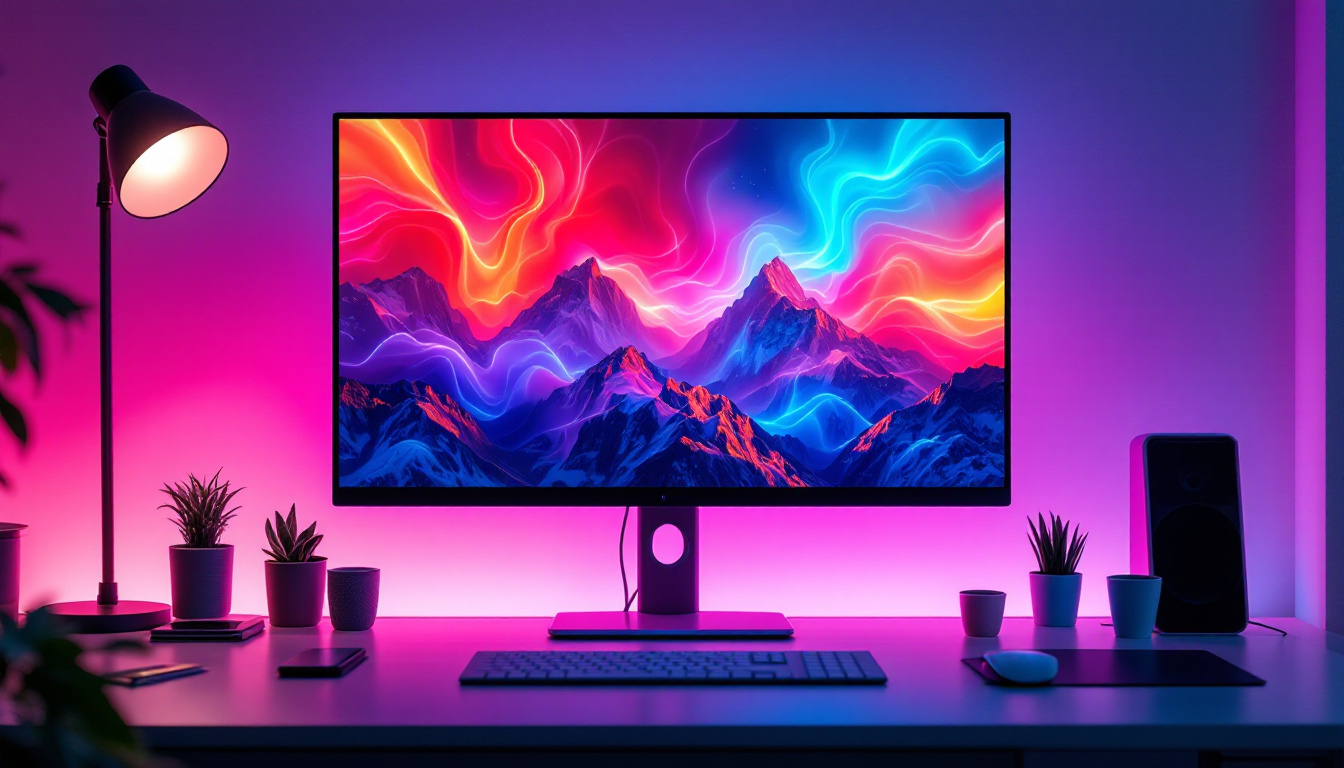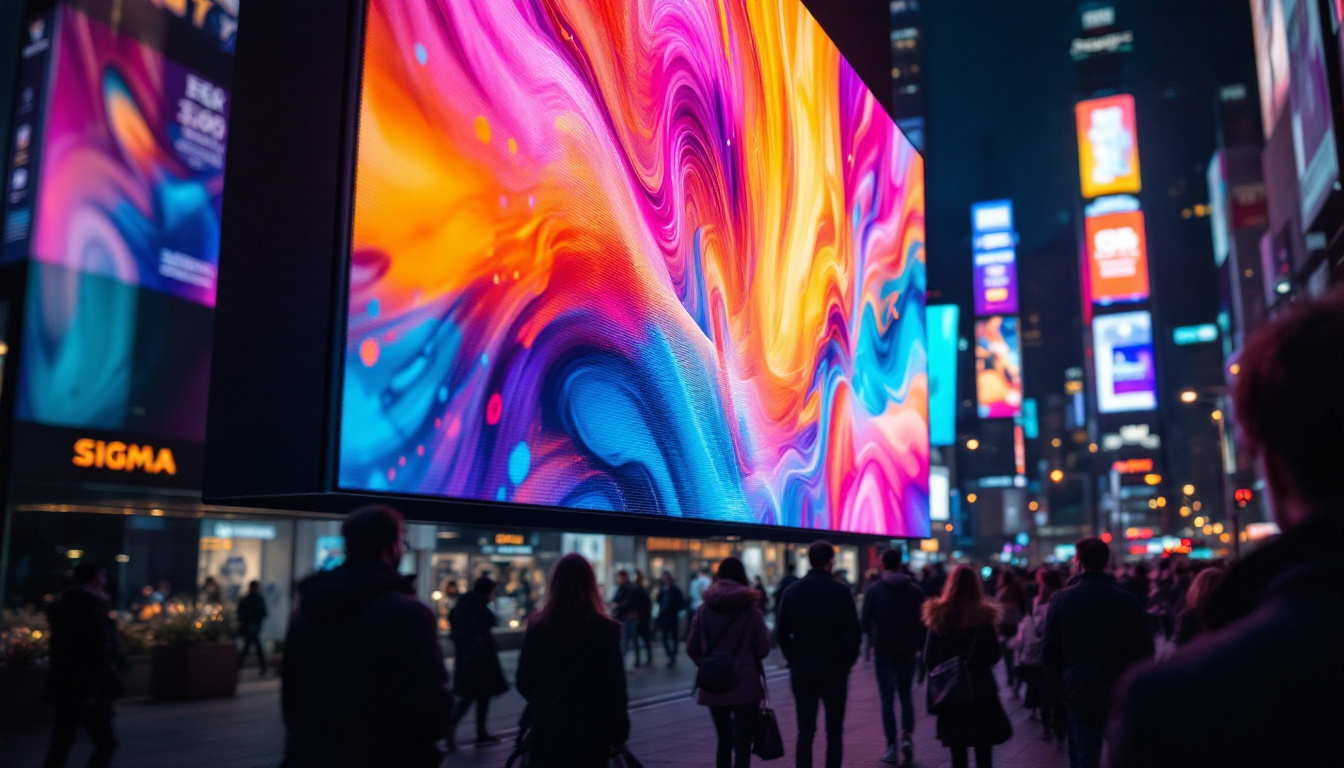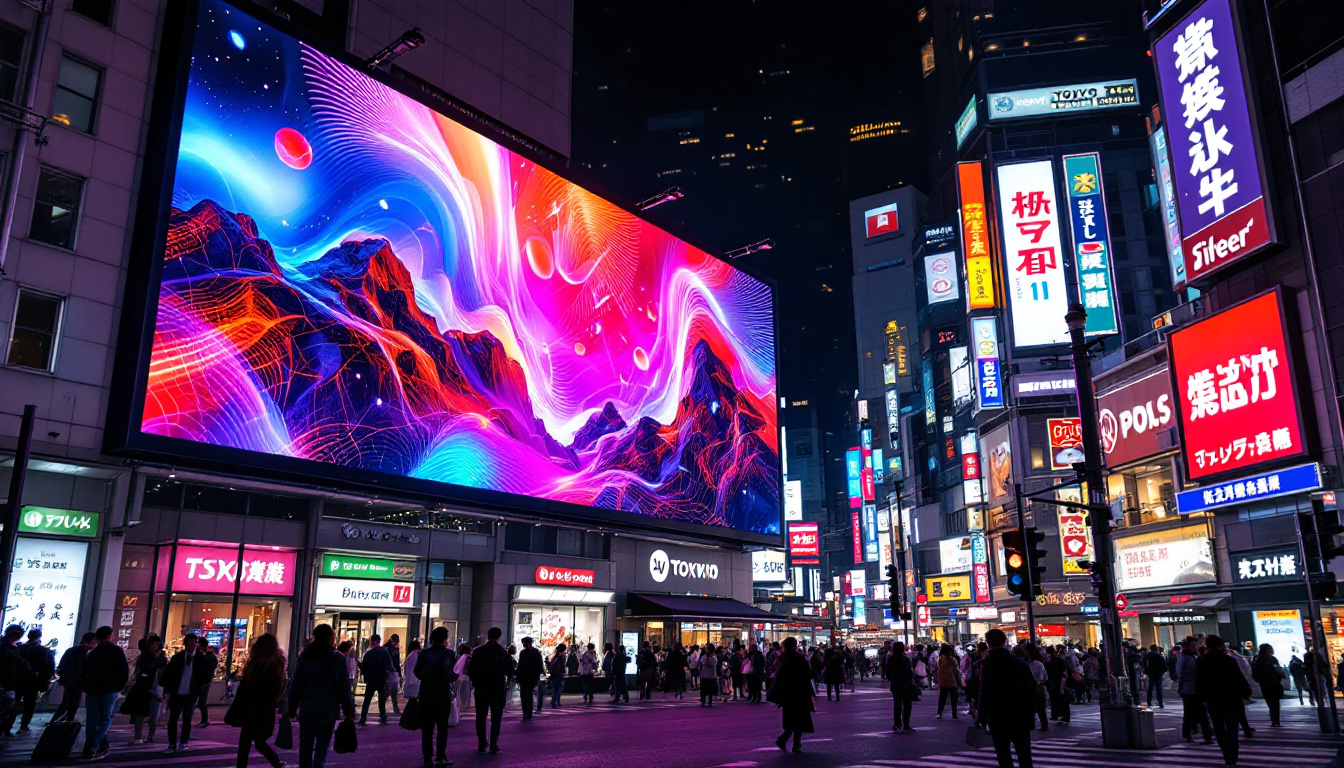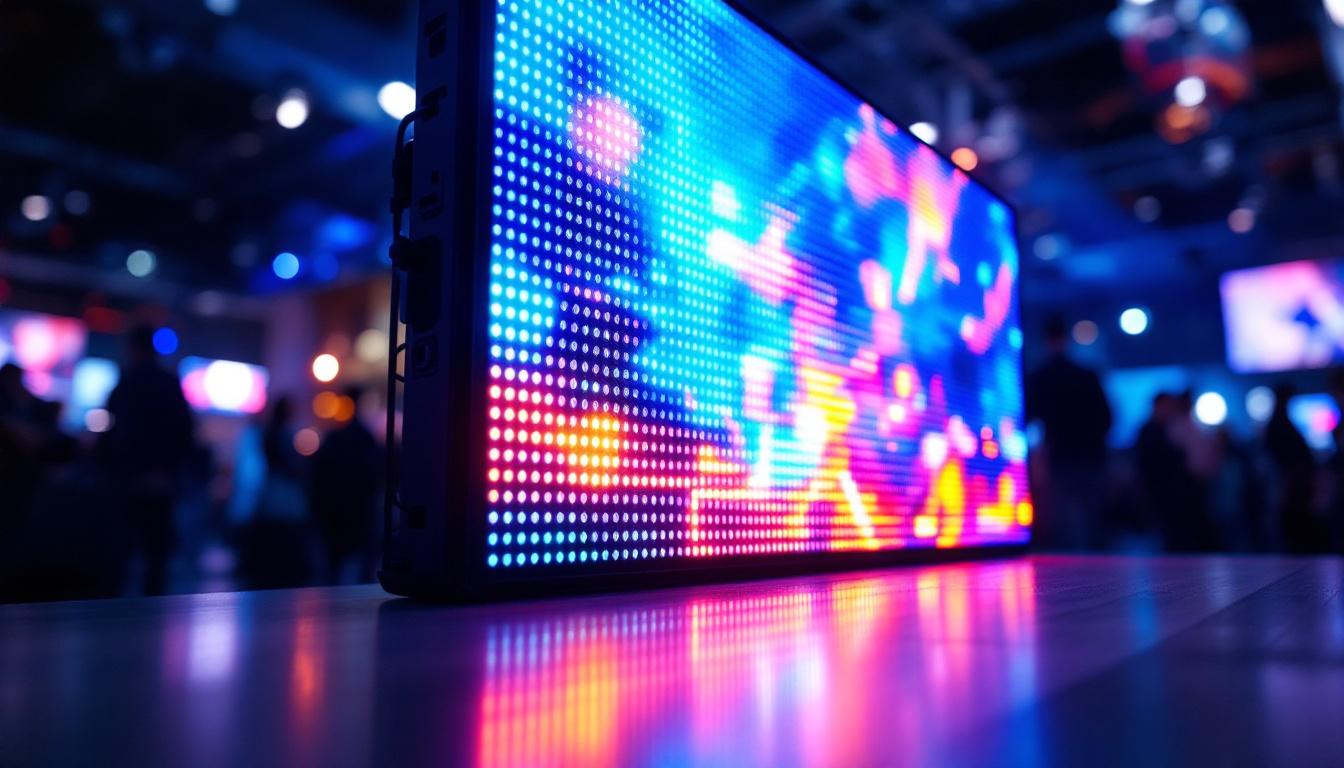
In the rapidly evolving world of digital signage and visual communication, LED displays have become an indispensable technology. From advertising billboards to stadium screens and indoor video walls, LED displays provide vibrant, energy-efficient, and versatile solutions that captivate audiences worldwide. This article delves into the fundamentals of LED displays, exploring their technology, types, applications, and future trends to provide a comprehensive understanding of this dynamic medium.
Understanding LED Display Technology
At the core of LED displays lies the Light Emitting Diode (LED) — a semiconductor device that emits light when an electric current passes through it. Unlike traditional display technologies such as LCD or plasma, LEDs produce their own light, which results in brighter images, better contrast, and improved energy efficiency.
LED displays are composed of numerous tiny LEDs arranged in a matrix to form pixels. Each pixel typically consists of three sub-pixels in red, green, and blue (RGB), which combine to produce a full spectrum of colors. By controlling the intensity of each sub-pixel, the display can render detailed images and videos with remarkable clarity.
How LEDs Work in Displays
When an electric current is applied to an LED, electrons recombine with electron holes within the device, releasing energy in the form of photons — the fundamental particles of light. The color of the light depends on the semiconductor material used in the LED. For display purposes, red, green, and blue LEDs are combined to create a wide range of colors through additive color mixing.
This self-emissive property allows LED displays to achieve high brightness levels, making them suitable for both indoor and outdoor environments, even under direct sunlight. Additionally, LEDs have fast response times, which reduces motion blur and enhances video playback quality.
Key Components of an LED Display
Beyond the LEDs themselves, an LED display includes several critical components:
- Driver ICs: Integrated circuits that control the current and voltage supplied to each LED, enabling precise brightness and color control.
- Control System: Hardware and software that process input signals and manage the display’s operation, including image rendering and synchronization.
- Cabinet and Modules: The physical framework housing the LEDs and electronics, designed for durability and ease of maintenance.
- Power Supply: Provides stable electrical power to the LEDs and control systems.
Types of LED Displays
LED displays come in various configurations tailored to specific applications and environments. Understanding the different types helps in selecting the right display for a particular use case.
Indoor LED Displays
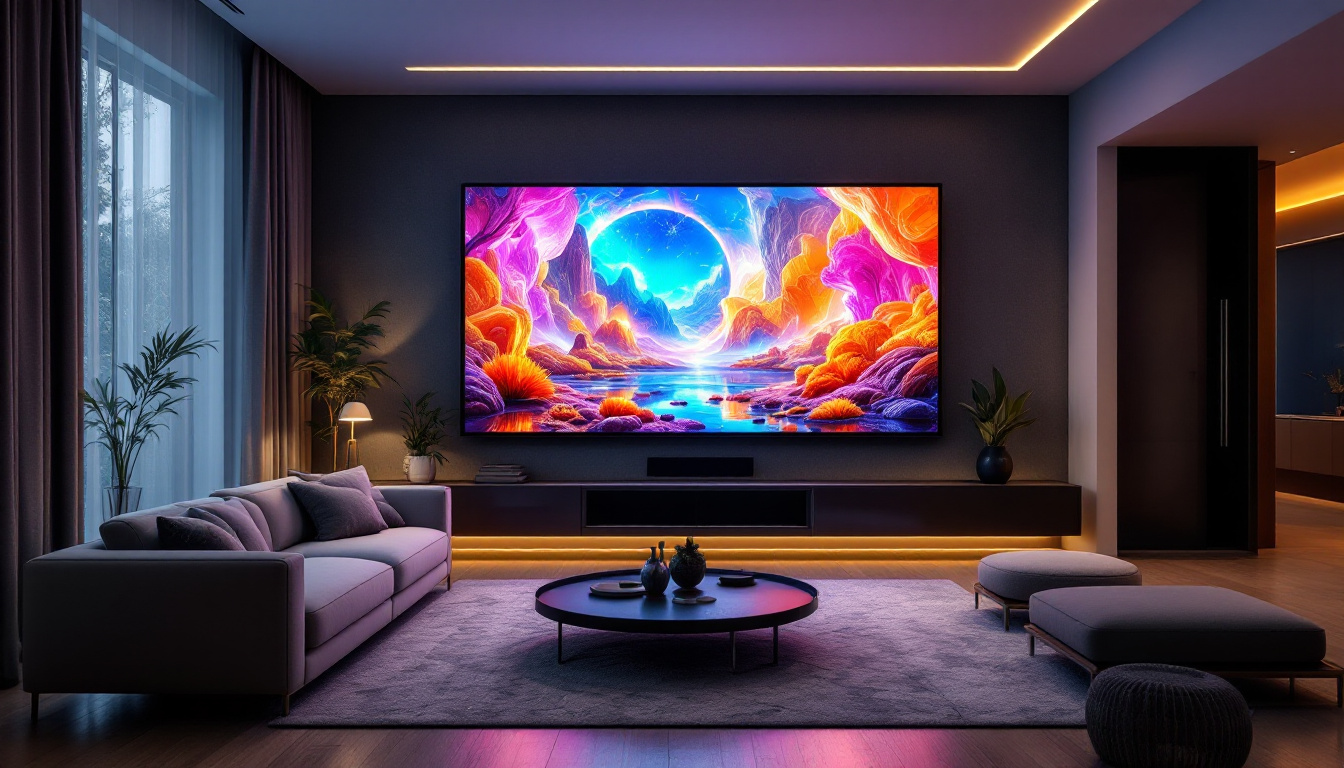
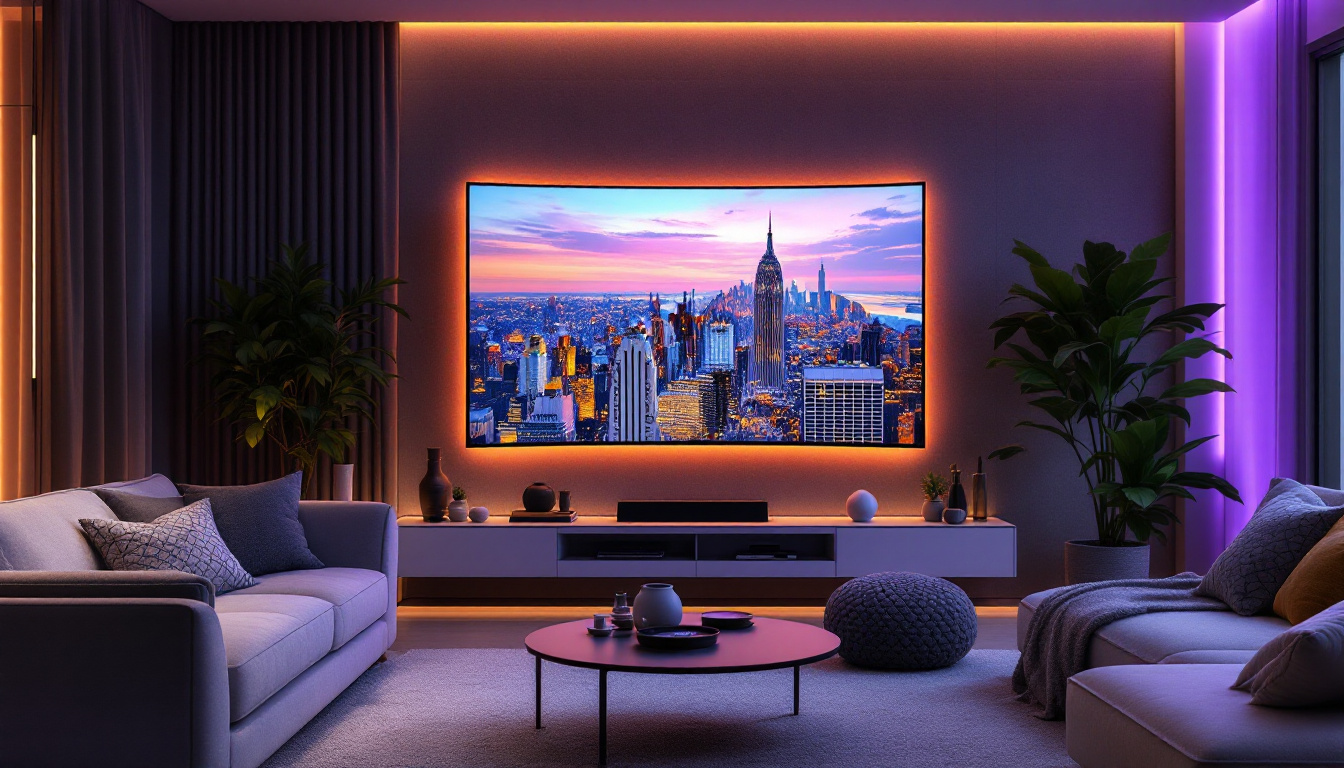
Indoor LED displays are designed for controlled lighting environments such as shopping malls, conference rooms, and retail stores. They typically feature a smaller pixel pitch (the distance between adjacent LEDs), ranging from 0.9mm to 4mm, which allows for high-resolution images at close viewing distances.
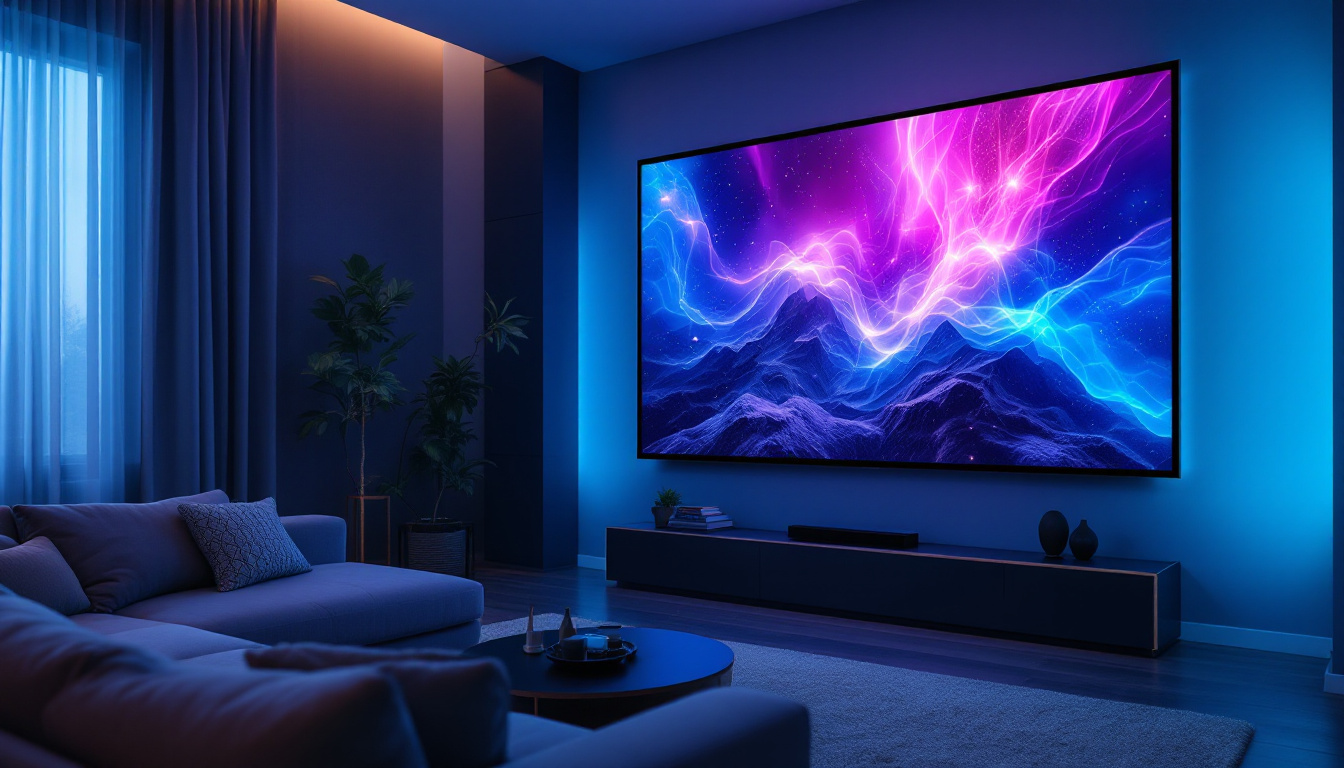
These displays prioritize image clarity and color accuracy, making them ideal for detailed content like presentations, advertisements, and digital art. Because ambient light is limited indoors, indoor LED displays require lower brightness levels compared to outdoor counterparts, which also helps reduce power consumption.
Outdoor LED Displays
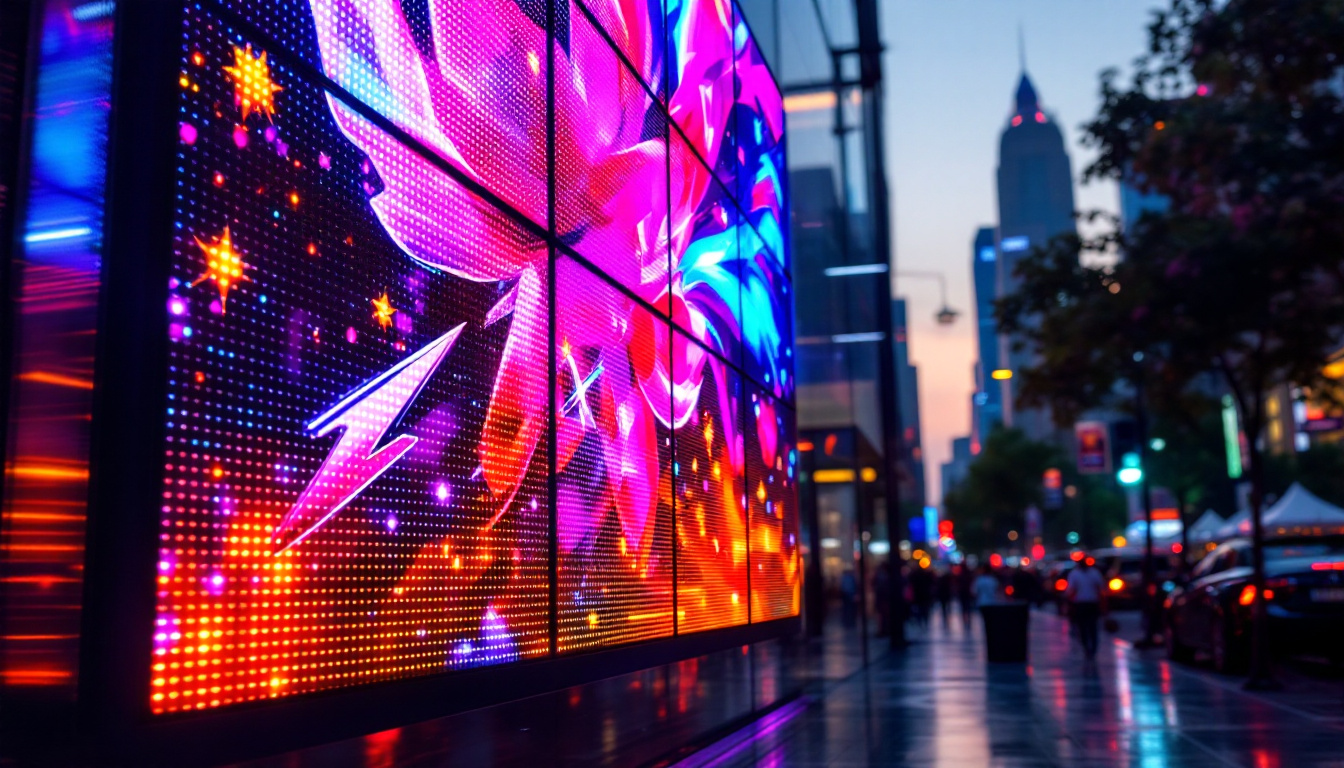
Outdoor LED displays are built to withstand harsh weather conditions, including rain, wind, and extreme temperatures. They feature higher brightness levels, often exceeding 5,000 nits, to remain visible under direct sunlight.
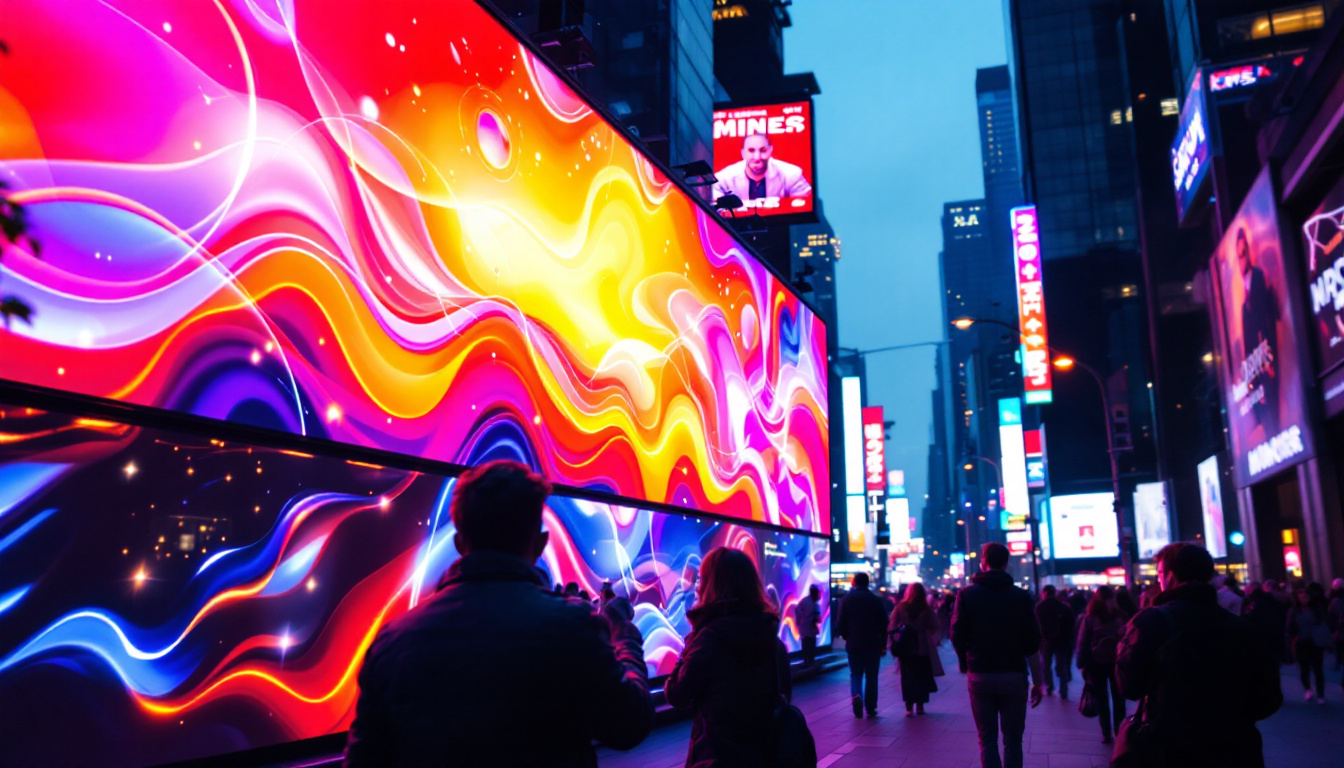
Pixel pitches for outdoor displays are generally larger, ranging from 4mm to 20mm or more, as viewing distances tend to be greater. Examples include billboards, sports stadium screens, and transportation signage. These displays also incorporate protective coatings and robust enclosures to ensure longevity and reliability.
Transparent LED Displays
Transparent LED displays represent an innovative category that combines visibility with display functionality. These screens allow viewers to see through the display while still showing digital content, making them popular for retail storefronts, museums, and architectural installations.
They use a specialized arrangement of LEDs and transparent substrates to achieve this effect, balancing transparency with brightness and color performance. Transparent LED displays enable unique marketing and design opportunities by integrating digital content seamlessly into physical environments.
Flexible and Curved LED Displays
Advancements in LED technology have led to the development of flexible and curved LED displays. These displays use bendable substrates and modular designs to conform to non-flat surfaces, opening new creative possibilities.
Applications include immersive environments, stage backdrops, and architectural features. Flexible LED displays can wrap around columns, curve along walls, or create dynamic shapes, enhancing visual impact and audience engagement.
Applications of LED Displays Across Industries
LED displays have transformed numerous industries by providing dynamic, eye-catching visual communication solutions. Their versatility and performance make them suitable for a wide range of applications.
Advertising and Marketing
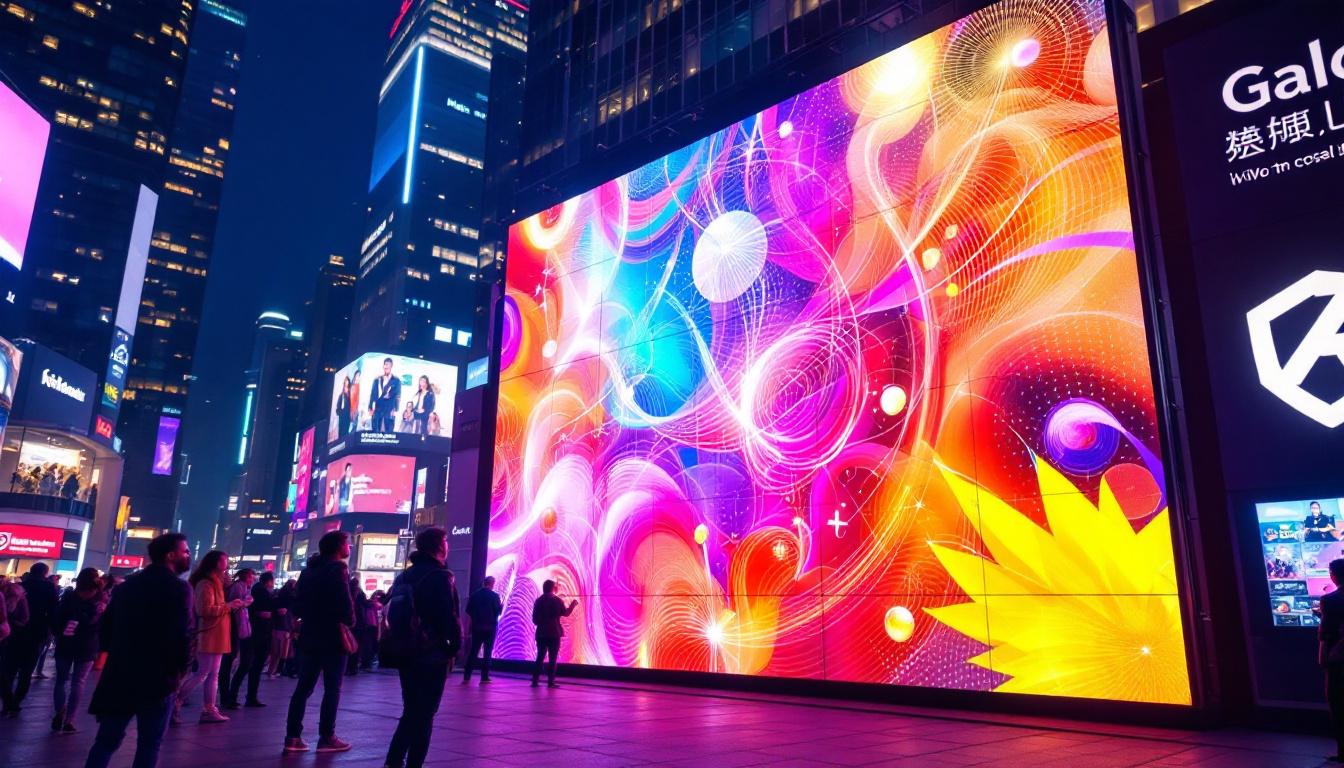
One of the most prominent uses of LED displays is in advertising. Digital billboards and signage attract attention with bright, colorful, and changing content, enabling advertisers to deliver targeted messages effectively.
According to recent market research, the global digital signage market is expected to reach $31.71 billion by 2027, driven largely by LED technology adoption. LED displays offer advertisers the flexibility to update campaigns in real-time, optimize content based on audience demographics, and measure engagement through integrated analytics.
Sports and Entertainment Venues
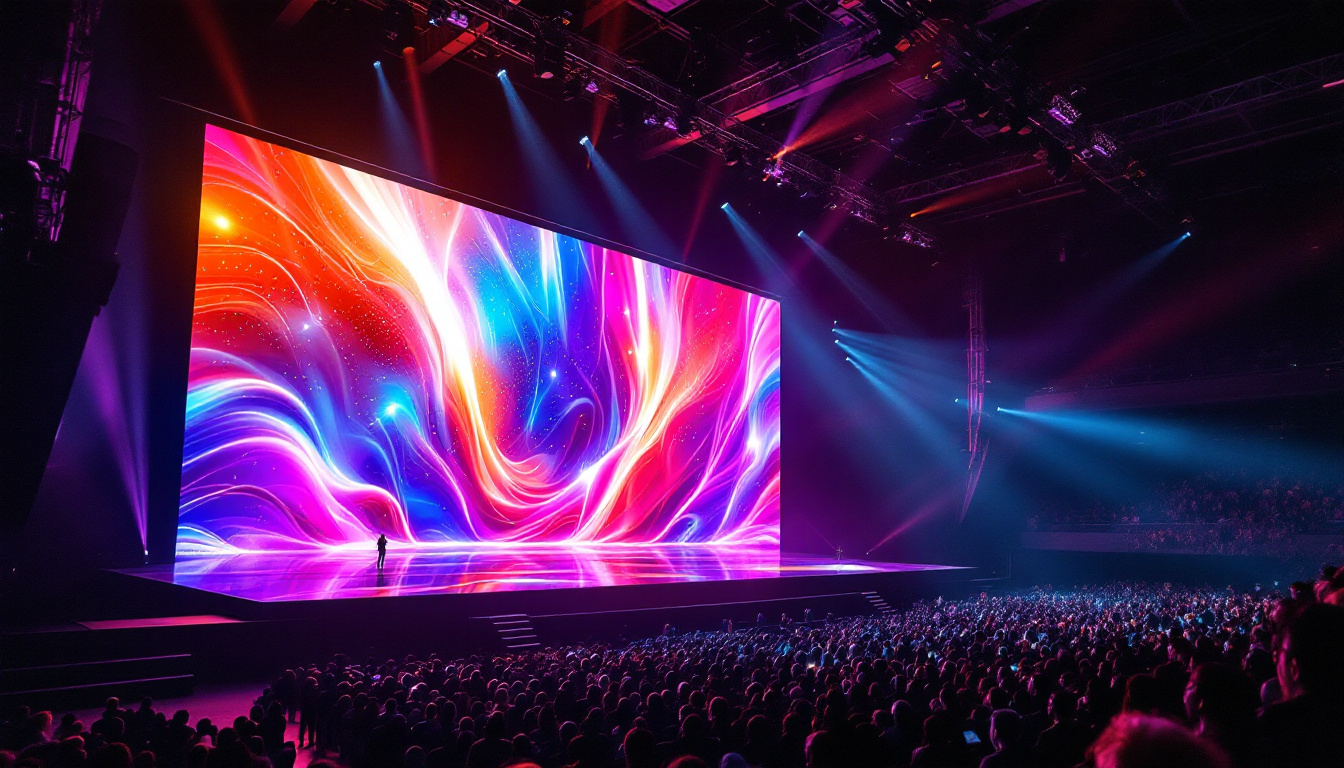
Stadiums, arenas, and concert venues rely on large-scale LED displays to enhance the spectator experience. These displays provide live video feeds, replays, scores, and interactive content, keeping audiences engaged throughout events.
For example, the AT&T Stadium in Texas features one of the largest high-definition LED screens in the world, measuring 160 feet wide and 72 feet tall. Such installations demonstrate LED technology’s capability to deliver immersive experiences at massive scales.
Corporate and Educational Environments
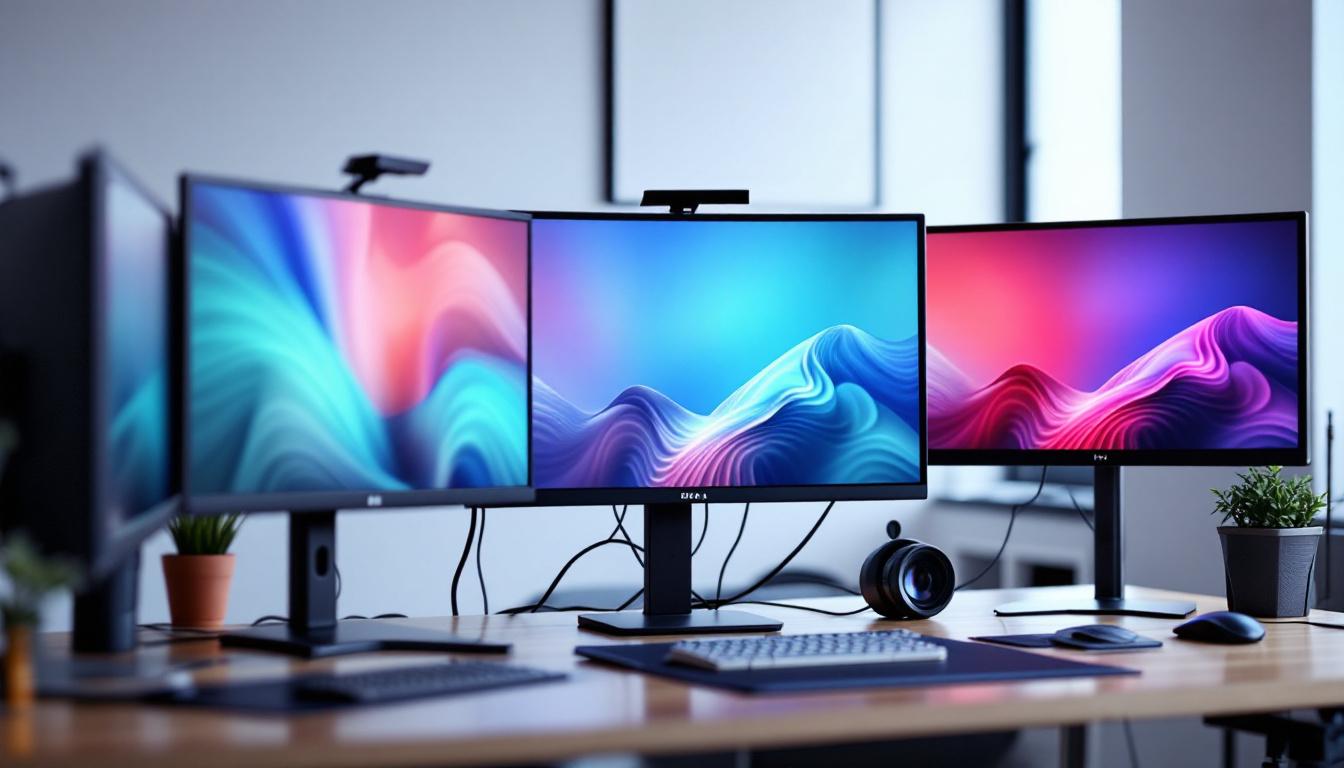
LED displays are increasingly common in corporate settings for presentations, video conferencing, and digital signage. Their high resolution and brightness improve communication and collaboration during meetings and events.
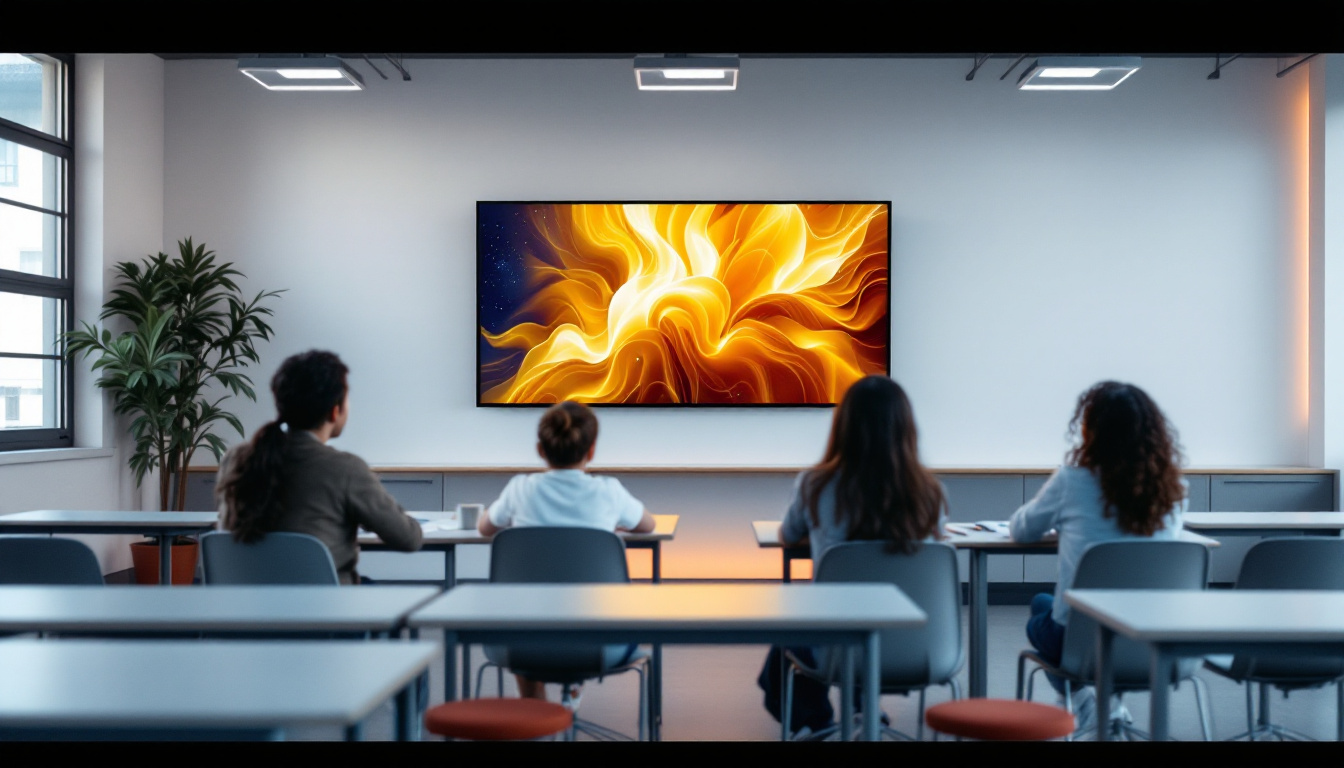
Educational institutions use LED displays to create interactive learning environments, digital notice boards, and auditoriums equipped with high-quality visual aids. These applications enhance information dissemination and student engagement.
Transportation and Public Information
In transportation hubs like airports, train stations, and bus terminals, LED displays provide real-time updates on schedules, delays, and safety information. Their visibility and reliability are critical for effective passenger communication.
Public information systems in cities also utilize LED displays for emergency alerts, weather updates, and community announcements, contributing to public safety and awareness.
Advantages of LED Displays Over Other Technologies
LED displays offer numerous benefits compared to traditional display technologies such as LCD, plasma, and projection systems. These advantages have driven their widespread adoption across various sectors.
Superior Brightness and Contrast
LED displays can achieve brightness levels far exceeding those of LCD or plasma screens, making them suitable for environments with high ambient light. Their ability to produce deep blacks and vibrant colors results in superior contrast ratios, enhancing image quality and viewer experience.
Energy Efficiency and Longevity
LEDs consume less power than many other display technologies, translating into lower operating costs and reduced environmental impact. Additionally, LEDs have a long lifespan, often exceeding 100,000 hours, which minimizes maintenance and replacement expenses.
Design Flexibility
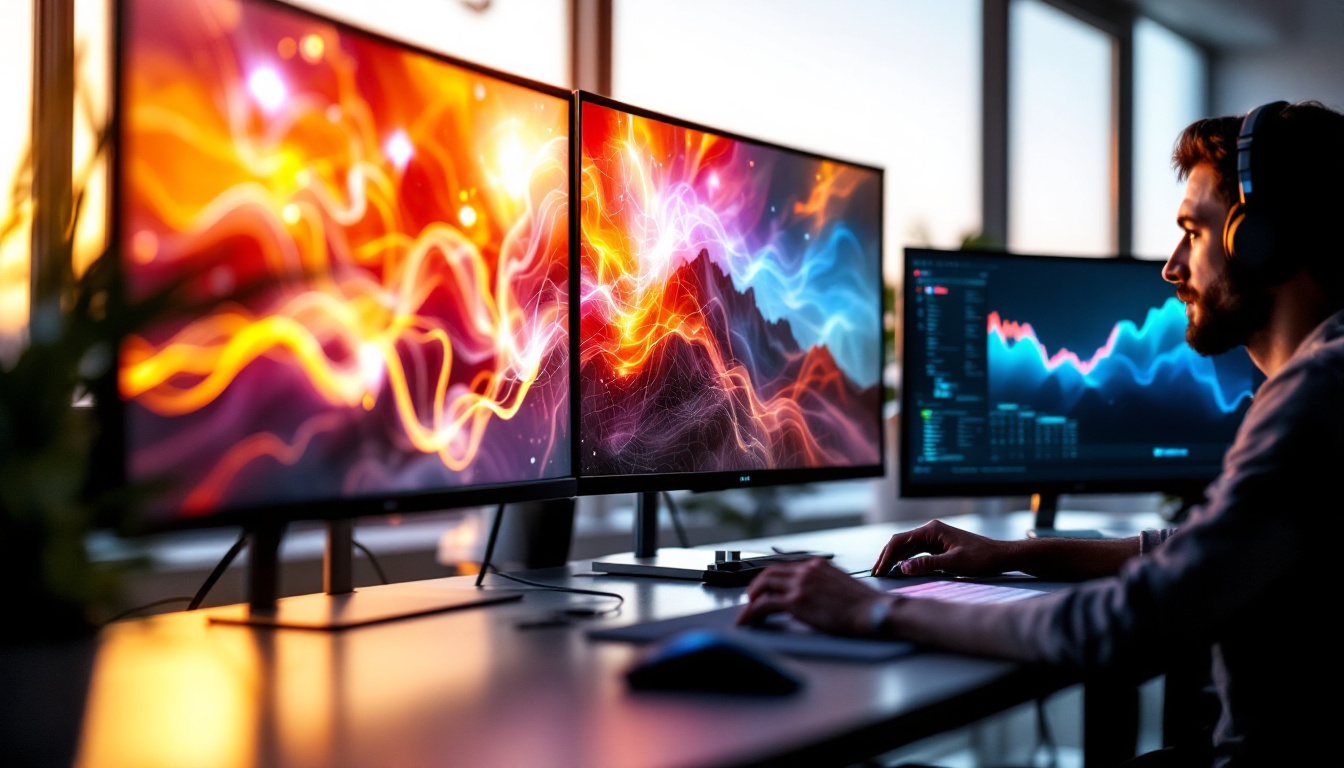
The modular nature of LED displays allows for customized sizes, shapes, and resolutions. This flexibility supports creative installations and unique applications, from massive outdoor billboards to intricate indoor video walls.
Fast Response Time
LED displays have rapid response times, which is crucial for displaying fast-moving content such as sports broadcasts and interactive media without motion blur or lag.
Challenges and Considerations When Choosing LED Displays
While LED displays offer many benefits, it is important to consider certain challenges and factors to ensure optimal performance and return on investment.
Initial Cost
The upfront cost of LED displays can be higher than alternative technologies, especially for high-resolution or large-format installations. However, the total cost of ownership is often lower due to energy savings and durability.
Pixel Pitch and Viewing Distance
Selecting the appropriate pixel pitch is critical to achieving the desired image quality. A smaller pixel pitch provides higher resolution but increases cost, while a larger pixel pitch is suitable for distant viewing but may appear pixelated up close.
Installation and Maintenance
Proper installation is essential to ensure structural integrity, weather resistance, and optimal performance. Maintenance access and procedures should be planned to minimize downtime and service costs.
Environmental Impact
Although LEDs are energy-efficient, considerations around manufacturing, disposal, and recycling are important for sustainable deployment. Choosing suppliers with responsible practices can mitigate environmental concerns.
The Future of LED Display Technology
Innovation in LED technology continues to push the boundaries of what is possible in digital displays. Several emerging trends are shaping the future landscape.
MicroLED and MiniLED
MicroLED and MiniLED technologies involve smaller LED components, enabling even higher resolution, improved brightness, and better contrast. These advancements promise to rival or surpass OLED displays in quality while maintaining LED’s durability and efficiency.
Integration with Smart Technologies
LED displays are increasingly integrated with IoT (Internet of Things) and AI-driven content management systems. This integration allows for dynamic, context-aware content delivery, personalized advertising, and real-time analytics.
Energy Harvesting and Sustainability
Research into energy harvesting and low-power LED designs aims to further reduce environmental impact. Solar-powered LED displays and recyclable materials are gaining traction as sustainability becomes a priority.
Enhanced Interactivity
Touch-sensitive LED displays and augmented reality (AR) integration are creating more engaging user experiences. These interactive features are transforming retail, education, and entertainment environments.
Conclusion
LED displays have revolutionized the way information and entertainment are presented across industries. Their brightness, versatility, and efficiency make them the preferred choice for a broad spectrum of applications, from massive outdoor billboards to intricate indoor video walls.
Understanding the underlying technology, types, and practical considerations is essential for selecting and deploying LED displays effectively. As innovations continue to emerge, LED displays will remain at the forefront of digital communication, offering exciting possibilities for the future.
Discover LumenMatrix’s Innovative LED Solutions
Ready to elevate your visual communication with cutting-edge LED technology? Explore LumenMatrix’s comprehensive range of LED display solutions, from vibrant Indoor and Outdoor LED Wall Displays to dynamic Vehicle and Sports LED Displays. Whether you’re looking to create an immersive environment with a Floor LED Display, make a statement with a Custom LED Display, or streamline your setup with an All-in-One LED Display, LumenMatrix has the expertise to bring your vision to life. Experience the future of digital signage and captivate your audience like never before. Check out LumenMatrix LED Display Solutions today and see the difference innovation can make.