In recent years, the United States government has increasingly turned to advanced display technologies to enhance communication, information dissemination, and public engagement. Among these technologies, LED displays have emerged as a critical component in various government projects and contracts. This article explores the nature of LED displays, their significance in government deals, and the broader implications for technology adoption in public sectors.
Understanding LED Display Technology
What is an LED Display?
LED stands for Light Emitting Diode, a semiconductor device that emits light when an electric current passes through it. LED displays utilize these diodes to create images or video by controlling the light output of each diode. Unlike traditional LCD or plasma screens, LED displays offer superior brightness, contrast, and energy efficiency, making them ideal for both indoor and outdoor applications.
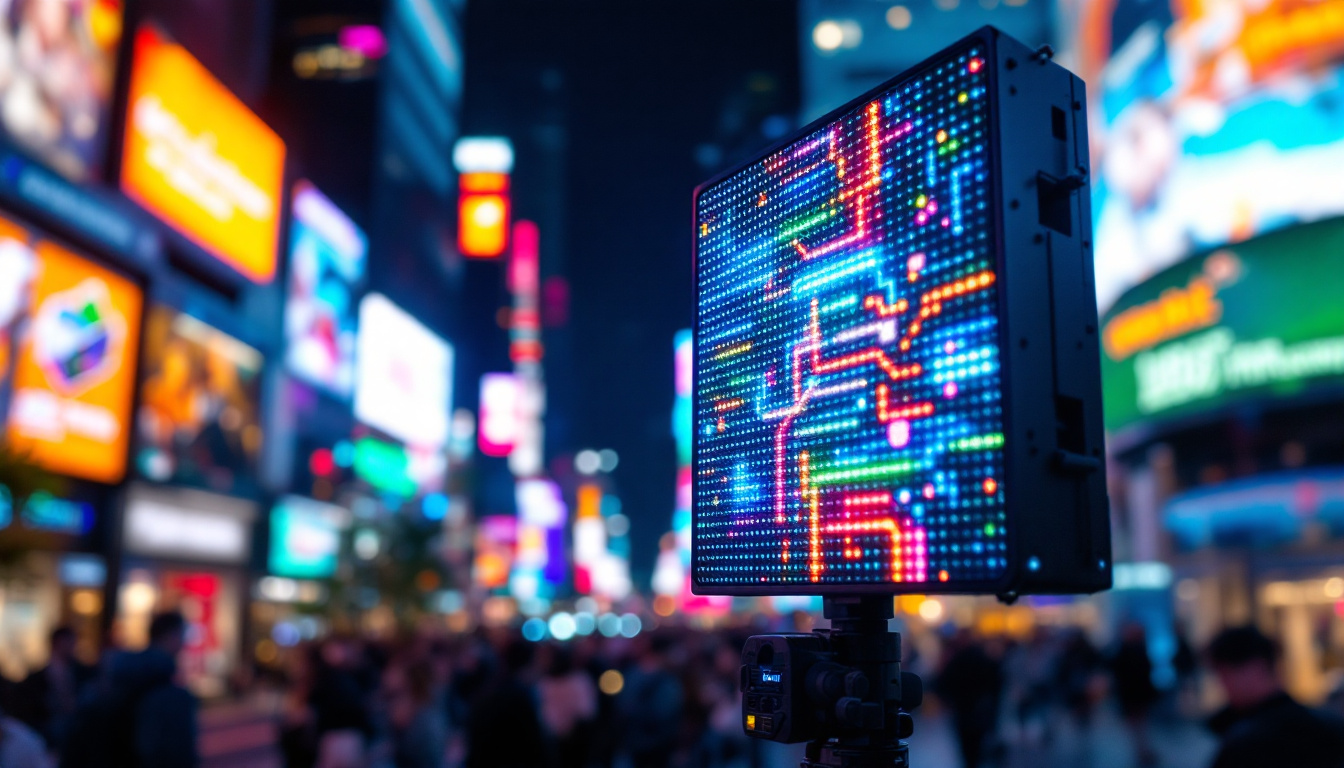
Modern LED displays consist of thousands to millions of tiny LEDs arranged in a matrix. These can be configured as either direct-view LED panels or as backlighting for LCD panels. Direct-view LED displays are particularly popular for large-scale applications such as billboards, stadium screens, and public information boards due to their vibrant colors and visibility in various lighting conditions. Additionally, advancements in LED technology have led to improvements in color accuracy and refresh rates, which are crucial for dynamic content such as video streaming and live broadcasts. This capability allows for a more immersive viewing experience, attracting audiences in both commercial and public settings.
Types of LED Displays Used by the Government
The government utilizes several types of LED displays depending on the application:
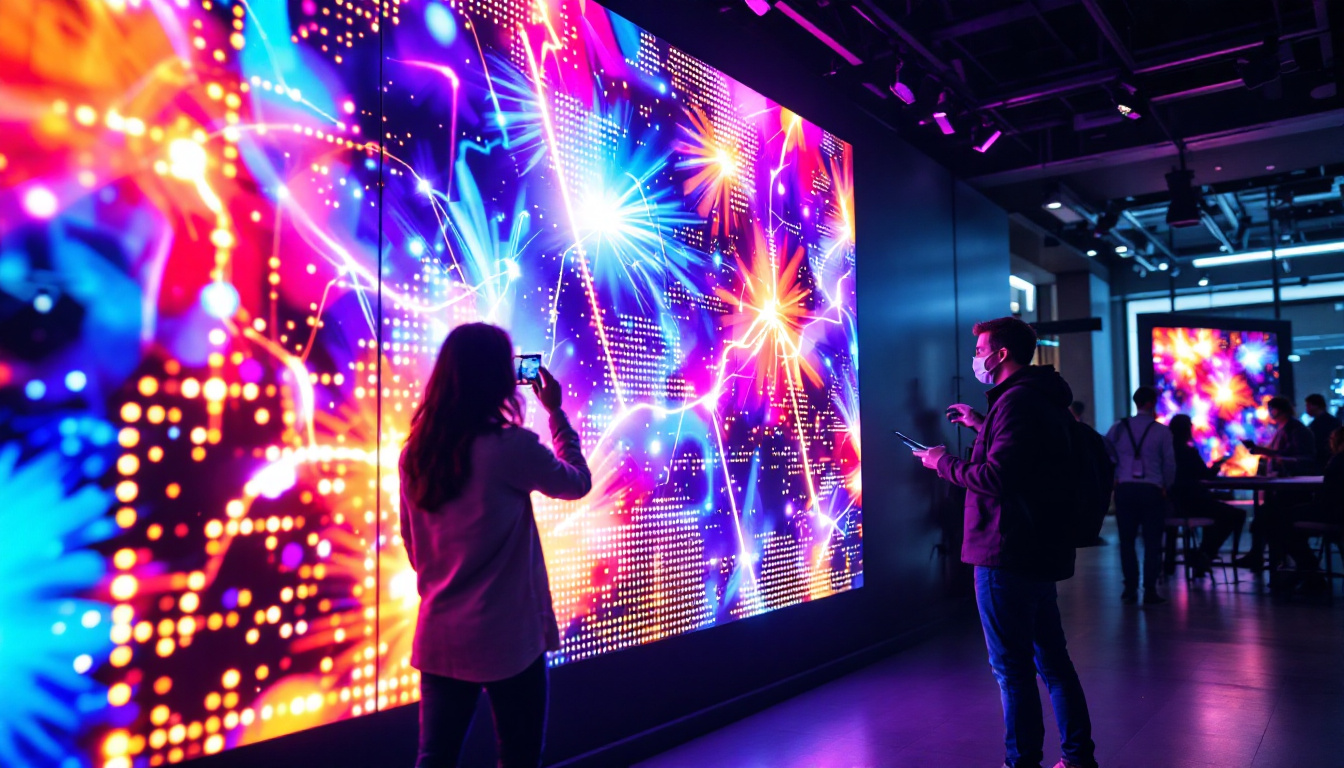
- Indoor LED Displays: Used in conference rooms, command centers, and public service offices for presentations and real-time data visualization.
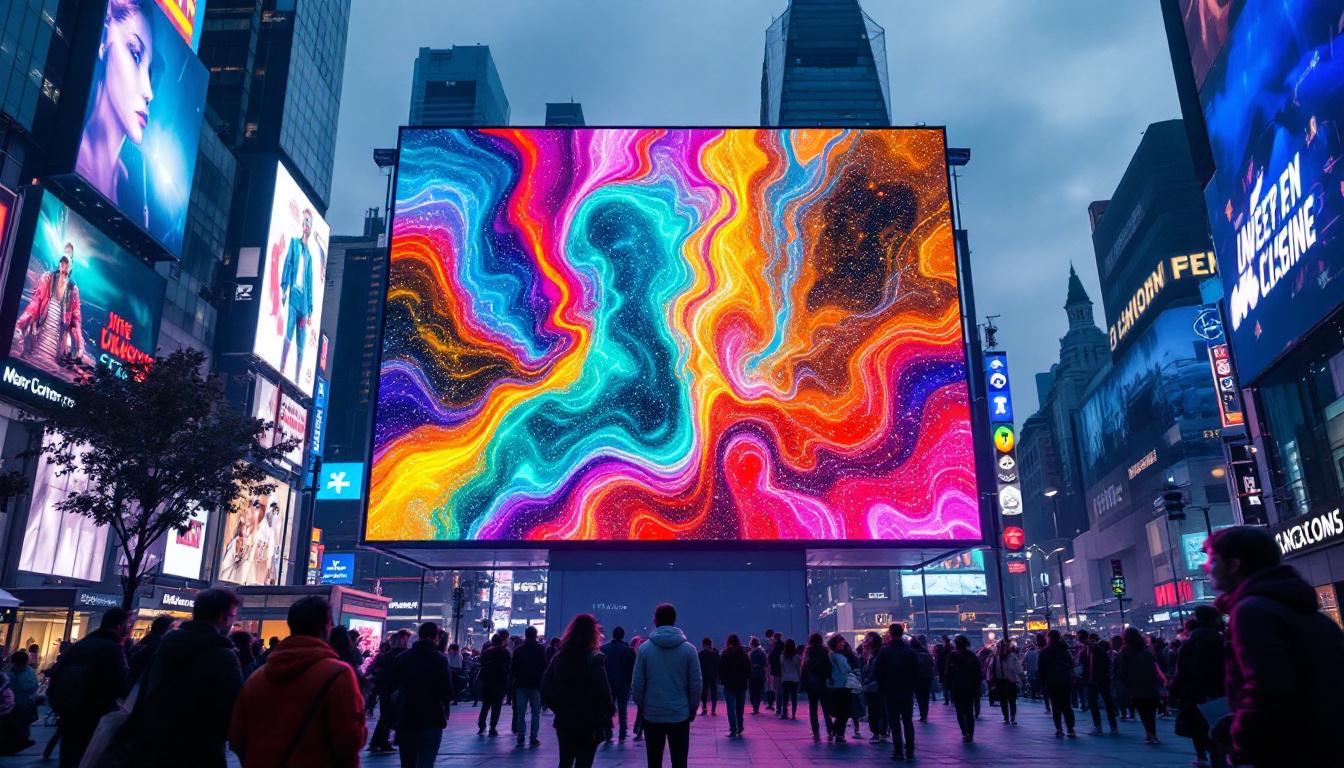
- Outdoor LED Displays: Employed in public spaces, transportation hubs, and emergency alert systems where durability and weather resistance are crucial.
- Flexible and Transparent LED Displays: Innovative forms of LED technology that allow for creative installations in government buildings and public art projects.
Each type serves specific needs, from enhancing situational awareness in emergency operations to providing accessible information to citizens. For instance, outdoor LED displays are often equipped with advanced features such as automatic brightness adjustment, ensuring optimal visibility regardless of the time of day or weather conditions. This adaptability is essential for emergency alert systems, where clear communication can be a matter of public safety. Furthermore, flexible and transparent LED displays open up new avenues for creativity in urban design, allowing government entities to blend technology with aesthetics, thereby enriching the visual landscape of public spaces.
Moreover, the integration of LED displays in government initiatives has also facilitated better engagement with the community. For example, interactive LED kiosks can provide citizens with real-time information about local services, events, and emergency alerts, enhancing public awareness and participation. As technology continues to evolve, the potential applications of LED displays in government settings are likely to expand, paving the way for smarter cities and more informed citizens.
The US Government’s Strategic Investment in LED Displays
Why the Government Invests in LED Technology
The US government’s investment in LED display technology is driven by several strategic factors:
- Enhanced Communication: LED displays enable clear, dynamic communication in public spaces and government facilities, improving the delivery of critical information.
- Energy Efficiency: LEDs consume significantly less power than traditional lighting and display technologies, aligning with federal sustainability goals.
- Durability and Longevity: LED displays are known for their long operational life and resilience under harsh environmental conditions, reducing maintenance costs.
- Technological Modernization: Incorporating cutting-edge display technology supports the government’s broader agenda of modernizing infrastructure and public services.
These factors collectively justify the government’s commitment to integrating LED displays across various departments and agencies. Additionally, the rapid advancements in LED technology have led to improved image quality and versatility, allowing for a wide range of applications from advertising to public service announcements. This adaptability is particularly beneficial in urban environments where information needs can change rapidly, ensuring that citizens receive timely updates on everything from weather alerts to community events. The ability to customize content in real-time also enhances public engagement, fostering a more informed and connected citizenry.
Recent Government Contracts and Projects Involving LED Displays
Several recent contracts highlight the government’s focus on LED technology:
- Federal Emergency Management Agency (FEMA): FEMA has deployed LED message boards and digital signage in disaster-prone areas to provide real-time alerts and evacuation instructions.
- Department of Transportation (DOT): The DOT utilizes large-scale LED displays on highways and transit stations for traffic updates, safety messages, and public announcements.
- Military Applications: The Department of Defense invests in rugged LED displays for command centers and tactical operations, where reliable and clear visual communication is critical.
- Public Health Campaigns: During the COVID-19 pandemic, LED displays were widely used in government buildings and public spaces to disseminate health guidelines and vaccination information.
These examples demonstrate the versatility and importance of LED displays in government operations and public service. Furthermore, the integration of smart technology with LED displays is paving the way for more interactive and responsive systems. For instance, some displays are now equipped with sensors that can adjust brightness based on ambient light conditions, ensuring optimal visibility while conserving energy. This innovation not only enhances user experience but also aligns with the government’s commitment to sustainability. Moreover, the potential for integrating LED displays with mobile technology offers exciting prospects for real-time data sharing and community engagement, allowing citizens to interact with their local government like never before.
Technical and Economic Considerations in Government LED Display Deals
Procurement Process and Standards
Government procurement of LED displays follows rigorous standards to ensure quality, security, and cost-effectiveness. Contracts typically require compliance with federal specifications related to:
- Energy consumption and environmental impact
- Durability and weather resistance for outdoor units
- Accessibility features, including visibility for individuals with disabilities
- Data security, especially for displays connected to sensitive information networks
These standards ensure that LED display solutions meet the diverse needs of government agencies while adhering to public accountability and transparency.
Cost-Benefit Analysis of LED Display Investments
While the upfront cost of high-quality LED displays can be substantial, the long-term benefits often outweigh the initial expenditure. Key economic advantages include:
- Reduced Energy Costs: LEDs use up to 75% less energy than incandescent lighting, translating to significant savings over time.
- Lower Maintenance Expenses: The extended lifespan of LED modules reduces the frequency and cost of replacements and repairs.
- Improved Public Engagement: Dynamic and visually appealing displays can enhance citizen interaction with government services, potentially improving compliance and satisfaction.
Government agencies often conduct detailed cost-benefit analyses before committing to large-scale LED display purchases to ensure fiscal responsibility.
Impact of LED Displays on Public Communication and Safety
Enhancing Emergency Response and Public Safety
One of the most critical roles of LED displays in government use is in emergency communication. Real-time, clear messaging can save lives during natural disasters, public health crises, and security incidents. LED displays provide:
- Immediate dissemination of evacuation routes and safety instructions
- Visibility in adverse weather and low-light conditions
- Flexibility to update messages quickly as situations evolve
For example, during hurricane seasons, coastal cities employ LED message boards to alert residents about storm paths and shelter locations, significantly improving preparedness and response.
Improving Transparency and Civic Engagement
Beyond emergency use, LED displays serve as tools for enhancing transparency and civic engagement. Governments use these displays to broadcast public meeting schedules, election information, and community announcements. The dynamic nature of LED technology allows for timely updates and interactive content, fostering a more informed and engaged citizenry.
In urban centers, LED displays have also been integrated into “smart city” initiatives, providing real-time data on air quality, traffic conditions, and public transportation schedules, thereby improving residents’ quality of life.
Future Trends and Innovations in Government LED Display Usage
Integration with Smart Technologies
The future of government LED displays lies in their integration with smart technologies such as the Internet of Things (IoT), artificial intelligence (AI), and data analytics. These advancements will enable:
- Adaptive messaging based on real-time environmental and social data
- Automated content updates triggered by specific events or conditions
- Enhanced interactivity through touchscreens and mobile connectivity
Such capabilities will allow governments to deliver more personalized and context-aware information to the public, improving efficiency and responsiveness.
Sustainability and Green Initiatives
As sustainability becomes a central concern, government LED display projects are increasingly focused on minimizing environmental impact. Innovations include:
- Use of recyclable and eco-friendly materials in display manufacturing
- Advanced power management systems to reduce energy consumption further
- Solar-powered LED installations in remote or off-grid locations
These initiatives align with broader federal goals to reduce carbon footprints and promote green technologies in public infrastructure.
Conclusion
The US government’s engagement with LED display technology reflects a broader commitment to leveraging innovative solutions for public communication, safety, and operational efficiency. By understanding the technical aspects, strategic motivations, and future trends of LED displays, stakeholders can appreciate the value these technologies bring to government functions.
From enhancing emergency response to fostering civic engagement and supporting sustainability goals, LED displays are poised to remain a vital tool in the government’s technological arsenal. As adoption grows and technology advances, the impact of LED displays on public service and infrastructure will continue to expand, shaping the way governments interact with their citizens in the digital age.
Explore Cutting-Edge LED Solutions with LumenMatrix
As the US government continues to harness the power of LED display technology for public communication and safety, LumenMatrix stands at the forefront of this digital revolution. Our commitment to innovation is evident in our comprehensive range of LED display solutions, from Indoor and Outdoor LED Wall Displays to specialized options like Vehicle LED Displays and LED Sports Displays. Whether for enhancing emergency response capabilities or engaging the community, LumenMatrix’s state-of-the-art LED modules are designed to deliver unparalleled visual experiences. To see how our LED solutions can transform your communication strategy, Check out LumenMatrix LED Display Solutions and join the future of visual storytelling.