In the woodworking and manufacturing industries, precision and efficiency are paramount. One tool that has evolved significantly over the years to meet these demands is the planer. Modern planers often come equipped with LED displays, a feature that enhances usability and accuracy. This article delves into the role of LED displays on used planers, explaining their functions, benefits, and considerations when purchasing a used planer with this technology.
Understanding the Basics of a Planer
A planer is a woodworking machine designed to trim boards to a consistent thickness and create smooth surfaces. Traditionally, planers relied on manual adjustments and analog gauges to set the cutting depth and feed rate. While effective, these methods required a skilled operator and could be time-consuming.
With technological advancements, digital components such as LED displays have been integrated into planers to improve precision and ease of use. These displays provide real-time information about the machine’s settings, allowing operators to make quick, accurate adjustments.
The Evolution from Analog to Digital
Originally, planers featured mechanical dials or simple gauges to indicate thickness settings. Operators had to estimate or measure manually, which sometimes led to inconsistencies. The introduction of digital readouts, particularly LED displays, marked a significant leap forward. By providing clear numerical feedback, LED displays reduce errors and increase productivity.
Furthermore, modern planers often include programmable settings that allow users to save specific thickness measurements for repeated tasks. This feature is particularly beneficial for woodworkers who frequently work with the same dimensions, as it streamlines the setup process and minimizes downtime. Additionally, many contemporary models are equipped with advanced sensors that can detect the type of wood being processed, automatically adjusting the cutting speed and depth for optimal results. This not only enhances the quality of the finished product but also extends the lifespan of the blades by preventing overworking.
Another noteworthy advancement in planer technology is the integration of dust collection systems. Effective dust management is crucial in woodworking, as it not only keeps the workspace clean but also improves air quality. Modern planers often come with built-in dust ports that connect to vacuum systems, ensuring that sawdust is efficiently removed during operation. This feature not only enhances visibility for the operator but also contributes to a safer working environment, reducing the risk of respiratory issues associated with wood dust exposure.
What is an LED Display on a Planer?
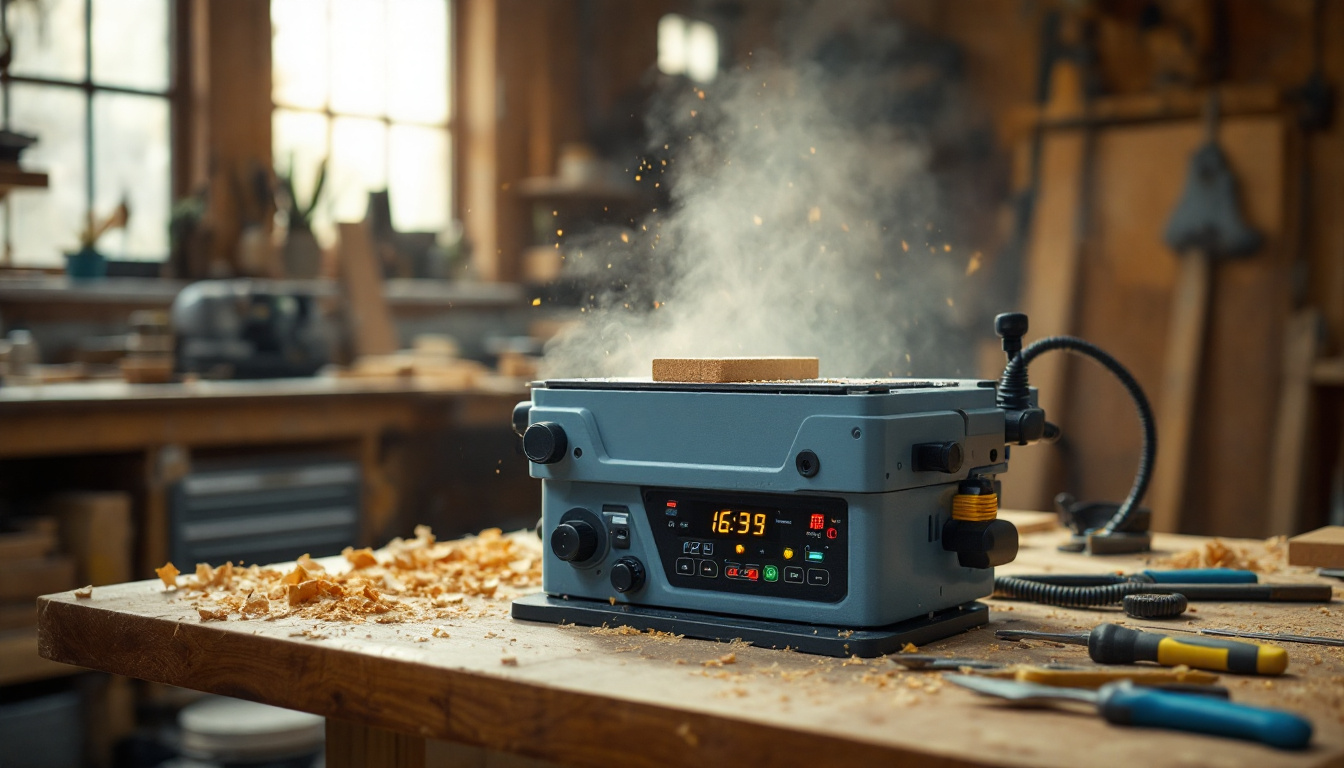
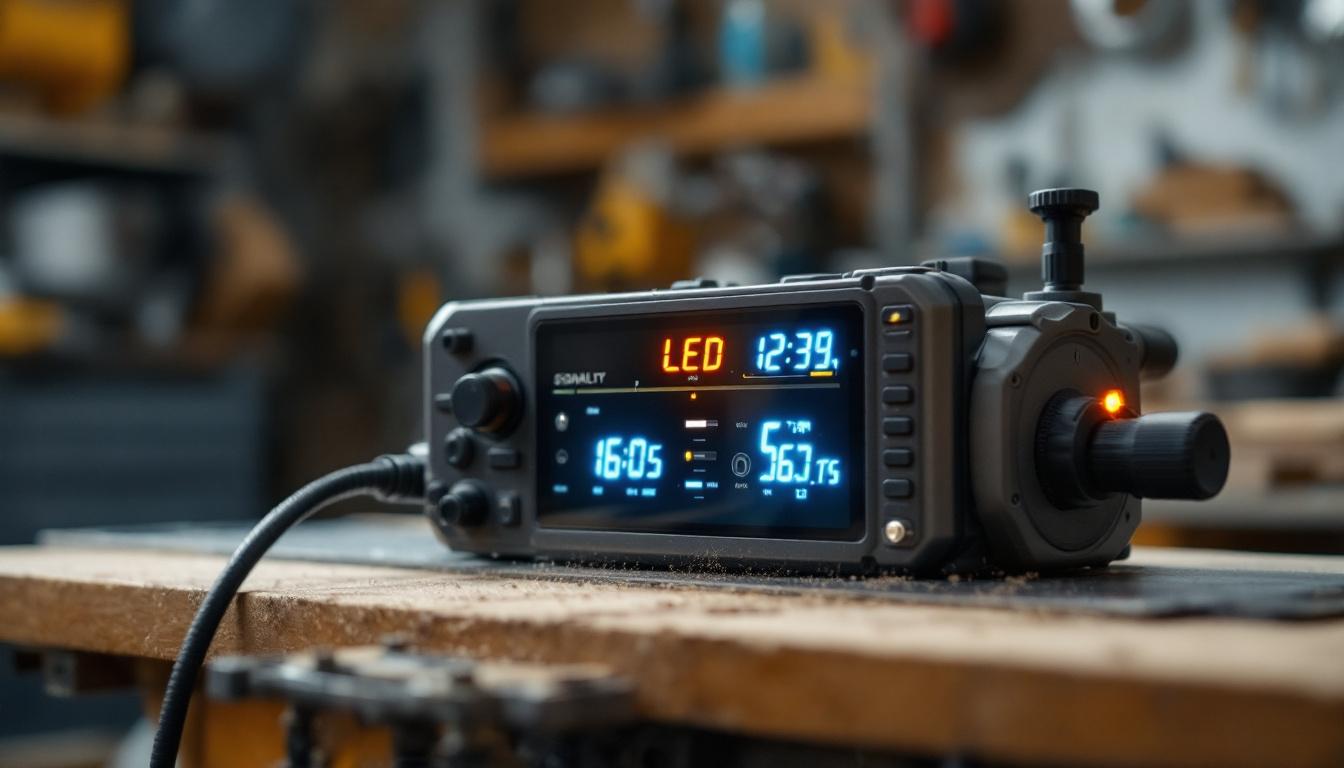
LED (Light Emitting Diode) displays on planers are small screens that show numerical or graphical information related to the machine’s operation. Typically, these displays indicate the thickness setting, feed speed, or other critical parameters.
Unlike traditional analog indicators, LED displays offer bright, easy-to-read visuals even in dim workshop environments. They often include features such as backlighting, multiple measurement units (inches or millimeters), and sometimes preset memory functions.
Common Features of LED Displays on Planers
- Thickness Readout: Displays the current thickness setting of the planer bed, allowing precise control over the depth of cut.
- Feed Speed Indicator: Shows the speed at which the board is fed through the planer, which can affect finish quality.
- Preset Settings: Some models allow users to save preferred thickness settings for repeat jobs.
- Error Alerts: Advanced LED displays can alert users to issues such as blade wear or motor overload.
In addition to these features, many LED displays are designed with user-friendly interfaces that make navigation intuitive. This is especially beneficial for those who may be new to using planers or for those who frequently switch between different settings. The clarity of the display reduces the likelihood of errors, ensuring that woodworkers can focus on their craft rather than troubleshooting equipment. Furthermore, some models incorporate touch-sensitive controls, allowing for quick adjustments without the need for cumbersome dials or switches.
Moreover, the integration of LED technology in planers has also led to advancements in energy efficiency. Many displays are designed to consume minimal power, which not only extends the lifespan of the machine but also reduces operational costs. This is particularly advantageous in professional settings where planers are used extensively. As manufacturers continue to innovate, we can expect to see even more sophisticated features in LED displays, such as connectivity options that allow users to monitor and control their machines remotely via smartphones or tablets, further enhancing the versatility and functionality of modern planers.
Benefits of LED Displays on Used Planers
When considering a used planer, the presence of an LED display can significantly impact the tool’s usability and value. Here are some of the key benefits:
Enhanced Precision and Accuracy
One of the primary advantages of an LED display is the ability to set and monitor thickness with high precision. This reduces material waste and improves the consistency of finished products. For professionals who require tight tolerances, such as cabinet makers or furniture manufacturers, this feature is invaluable. The digital readout allows for quick adjustments, ensuring that every pass through the planer achieves the desired thickness, which is particularly crucial when working with expensive hardwoods or intricate designs.
Improved Workflow Efficiency
LED displays allow operators to quickly adjust settings without stopping the machine or using external measuring tools. This streamlines the workflow and reduces downtime, especially in high-volume production environments. Additionally, the ability to save and recall specific settings for different materials can enhance productivity further, as operators can switch between tasks without the need for recalibration, allowing for a seamless transition from one project to another.
Ease of Use for Operators
For less experienced users, LED displays simplify operation by providing clear, unambiguous information. This can reduce training time and minimize errors caused by misreading analog gauges or misjudging thickness. The intuitive interface often includes visual indicators and prompts, making it easier for new operators to understand the machine’s functions and capabilities. This user-friendly design not only boosts confidence among novice users but also enhances overall safety by reducing the likelihood of operational mistakes.
Better Maintenance and Troubleshooting
Some LED-equipped planers offer diagnostic features that help identify maintenance needs. For example, alerts for blade sharpness or motor performance can prevent unexpected breakdowns and extend the machine’s lifespan. Regular notifications about maintenance schedules can also encourage proactive care, ensuring that the planer operates at peak performance. Furthermore, advanced models may provide error codes that can be easily referenced in the user manual, allowing operators to troubleshoot issues quickly and efficiently, thus minimizing downtime and repair costs.
Energy Efficiency and Environmental Impact
Another significant benefit of LED displays on used planers is their contribution to energy efficiency. Many modern LED displays consume less power compared to traditional analog systems, which can lead to lower energy bills over time. This is particularly important for businesses aiming to reduce their carbon footprint and promote sustainability. By opting for equipment that utilizes energy-efficient technology, companies can not only save on operational costs but also align with eco-friendly practices that are increasingly valued by consumers and clients alike.
Integration with Smart Technology
In an age where smart technology is becoming the norm, some LED displays on used planers are designed to integrate with other digital tools and software. This capability allows for advanced data tracking and analysis, enabling operators to monitor performance metrics over time. Such integration can provide valuable insights into production efficiency, helping businesses make informed decisions about workflow improvements and resource allocation. As technology continues to evolve, having a planer that can adapt to these advancements ensures that operators remain competitive in a rapidly changing market.
Considerations When Buying a Used Planer with an LED Display
While LED displays add value, there are important factors to consider when purchasing a used planer featuring this technology.
Condition and Functionality of the LED Display
LED displays can be prone to damage or malfunction over time, especially if the planer was used in a dusty or humid environment. Buyers should verify that the display is fully operational, with clear visibility and responsive controls. It’s advisable to test all display functions, including thickness readout and any preset features.
Compatibility with Measurement Units
Depending on the manufacturer, LED displays may default to either metric or imperial units. Ensure the display can switch between units if your projects require it. Some older models may lack this flexibility, which could be inconvenient.
Integration with Other Planer Features
Check how the LED display integrates with the planer’s mechanical components. For example, if the thickness adjustment mechanism is worn or inaccurate, the display’s readings may not reflect the actual cut depth. A thorough inspection of the planer’s physical condition is essential.
Availability of Replacement Parts
For older or less common planer models, finding replacement LED display units or related electronic parts can be challenging. Prospective buyers should research parts availability and consider potential repair costs.
Popular Planer Brands Featuring LED Displays
Several reputable manufacturers have incorporated LED displays into their planer models. Understanding the market options can help buyers make informed choices.
DeWalt
DeWalt’s thickness planers often feature bright LED displays with easy-to-read thickness settings and preset memory functions. Their models are known for durability and user-friendly interfaces, making them popular among professionals and hobbyists alike.
Makita
Makita planers typically include LED thickness readouts that enhance precision. Their displays are designed for visibility in various lighting conditions and are integrated with smooth adjustment mechanisms.
Jet
Jet’s industrial-grade planers often come equipped with LED displays that provide thickness and feed speed information. These models are favored in commercial settings for their robust construction and advanced features.
Tips for Maintaining a Used Planer with an LED Display
Proper maintenance ensures that both the planer and its LED display continue to function optimally.
Regular Cleaning
Wood dust and debris can accumulate around the display and internal electronics. Use compressed air and soft brushes to keep the display area clean without damaging sensitive components.
Protect from Moisture
Moisture can cause corrosion or short circuits in electronic displays. Store the planer in a dry environment and avoid exposing it to water or high humidity.
Check Electrical Connections
Loose or corroded wiring can cause display malfunctions. Periodically inspect and secure electrical connections, especially if the planer is moved frequently.
Blade and Mechanical Maintenance
Ensure that the planer’s blades are sharp and the thickness adjustment mechanism is well-lubricated. Accurate mechanical operation complements the precision provided by the LED display.
Conclusion: Is an LED Display Worth It on a Used Planer?
For woodworkers and professionals seeking precision and efficiency, a used planer equipped with an LED display offers clear advantages. The ability to monitor and adjust thickness settings digitally improves accuracy, reduces waste, and enhances workflow. However, buyers should carefully assess the condition and functionality of the display, as well as the overall state of the planer.
When maintained properly, planers with LED displays can provide years of reliable service, making them a worthwhile investment in both small workshops and larger production environments. Understanding the features and considerations outlined in this article will help ensure a successful purchase and optimal use of a used planer with LED technology.
Discover Cutting-Edge LED Technology for Your Woodworking Projects
As you consider the precision and efficiency that an LED display can bring to a used planer, why not explore the broader potential of LED technology in your workspace? LumenMatrix, a leader in innovative LED display solutions, offers an array of products designed to transform your environment and showcase your craftsmanship. From Indoor LED Wall Displays that highlight your latest projects to Custom LED Displays tailored to your workshop’s unique needs, LumenMatrix is committed to enhancing your brand’s visibility and audience engagement. Check out LumenMatrix LED Display Solutions today and take the first step towards revolutionizing your visual communication.