In an era where mobile devices dominate content consumption, vertical video has emerged as a powerful format reshaping how audiences engage with digital media. Parallel to this shift, LED display technology has evolved to accommodate vertical orientations, providing vibrant, dynamic visual experiences in public spaces, retail environments, and events. This article explores the intersection of vertical video and LED displays, explaining the technology, its applications, and why it matters in today’s multimedia landscape.
Understanding Vertical Video: A Shift in Visual Storytelling
Vertical video refers to video content filmed and displayed in a portrait orientation, typically with an aspect ratio of 9:16, as opposed to the traditional landscape 16:9 format. This format aligns naturally with the way people hold smartphones, making it the preferred choice for mobile-first content creators and platforms.
According to recent studies, over 70% of video consumption on mobile devices occurs in vertical orientation. Platforms such as TikTok, Instagram Reels, and Snapchat have popularized vertical video, driving billions of daily views worldwide. This trend has encouraged advertisers, broadcasters, and event organizers to rethink their content strategies and display technologies to better engage audiences.
Why Vertical Video Matters
The rise of vertical video is not merely a trend but a fundamental change in how visual content is created and consumed. Vertical video offers several advantages:
- Natural User Experience: It matches the way users naturally hold their phones, reducing the need to rotate devices.
- Increased Engagement: Studies show vertical videos have higher completion rates and viewer retention compared to landscape videos on mobile platforms.
- Optimized for Social Media: Many social media platforms prioritize vertical video formats in their algorithms, enhancing visibility.
These factors have pushed content creators and marketers to adapt their production workflows and seek display solutions that support vertical video formats effectively. As a result, the landscape of video production has evolved, with creators now employing innovative techniques such as dynamic framing and storytelling that leverage the unique characteristics of vertical video. For instance, the use of close-ups and vertical pans can create a more intimate viewing experience, drawing the audience into the narrative in a way that traditional formats may not achieve.
Moreover, the accessibility of tools and software for editing vertical videos has democratized content creation, allowing even amateur filmmakers to produce high-quality content. With the proliferation of mobile editing apps, creators can easily shoot, edit, and publish vertical videos directly from their smartphones, fostering a new wave of creativity and expression. This shift has not only empowered individual creators but has also transformed the marketing landscape, prompting brands to invest in vertical video campaigns that resonate with younger audiences who are increasingly consuming content on mobile devices.
LED Displays: Technology Overview and Vertical Adaptation
LED (Light Emitting Diode) displays have revolutionized digital signage and large-format video presentation due to their brightness, color accuracy, and flexibility. Traditionally, LED displays were designed for landscape orientation, but the increasing demand for vertical video content has driven innovations in display design and installation.
How LED Displays Work
LED displays consist of an array of tiny light-emitting diodes that produce images by emitting light in varying intensities and colors. These displays are modular, allowing for scalable screen sizes and custom aspect ratios. The key benefits of LED technology include:
- High Brightness: Suitable for both indoor and outdoor environments, even in direct sunlight.
- Wide Color Gamut: Capable of displaying vivid and accurate colors.
- Durability: LEDs have long lifespans and are resistant to environmental factors.
- Flexibility: Modular construction enables unique shapes and orientations, including vertical layouts.
Vertical LED Displays: Design and Installation Considerations
Adapting LED displays for vertical video requires careful consideration of several factors. The modular nature of LED panels allows manufacturers to assemble displays in portrait orientation without compromising image quality or structural integrity. However, specific challenges include:
- Structural Support: Taller vertical displays require robust mounting systems to ensure stability and safety.
- Pixel Pitch and Resolution: Maintaining high resolution in vertical formats is essential for clear, sharp images, especially for close viewing distances.
- Content Management: Software must support vertical aspect ratios and enable seamless playback of vertical video content.
Modern LED display manufacturers offer specialized cabinets and mounting solutions designed for vertical installations, making it easier for businesses to deploy vertical LED displays in a variety of settings.
Applications of Vertical Video on LED Displays
The integration of vertical video content with LED display technology has unlocked new possibilities across industries. From retail environments to live events, vertical LED displays are transforming audience engagement and communication strategies.
Retail and Digital Signage
Retailers are increasingly adopting vertical LED displays to capture shopper attention and deliver targeted advertising. Vertical screens fit naturally into store layouts such as narrow pillars, window displays, and checkout areas. Their high brightness and vivid colors ensure messages stand out even in bright ambient lighting.
For example, luxury brands use vertical LED displays to showcase dynamic fashion content, product launches, and promotional campaigns. The vertical format complements the natural human height, making it ideal for displaying models, product shots, and lifestyle imagery.
Events and Entertainment
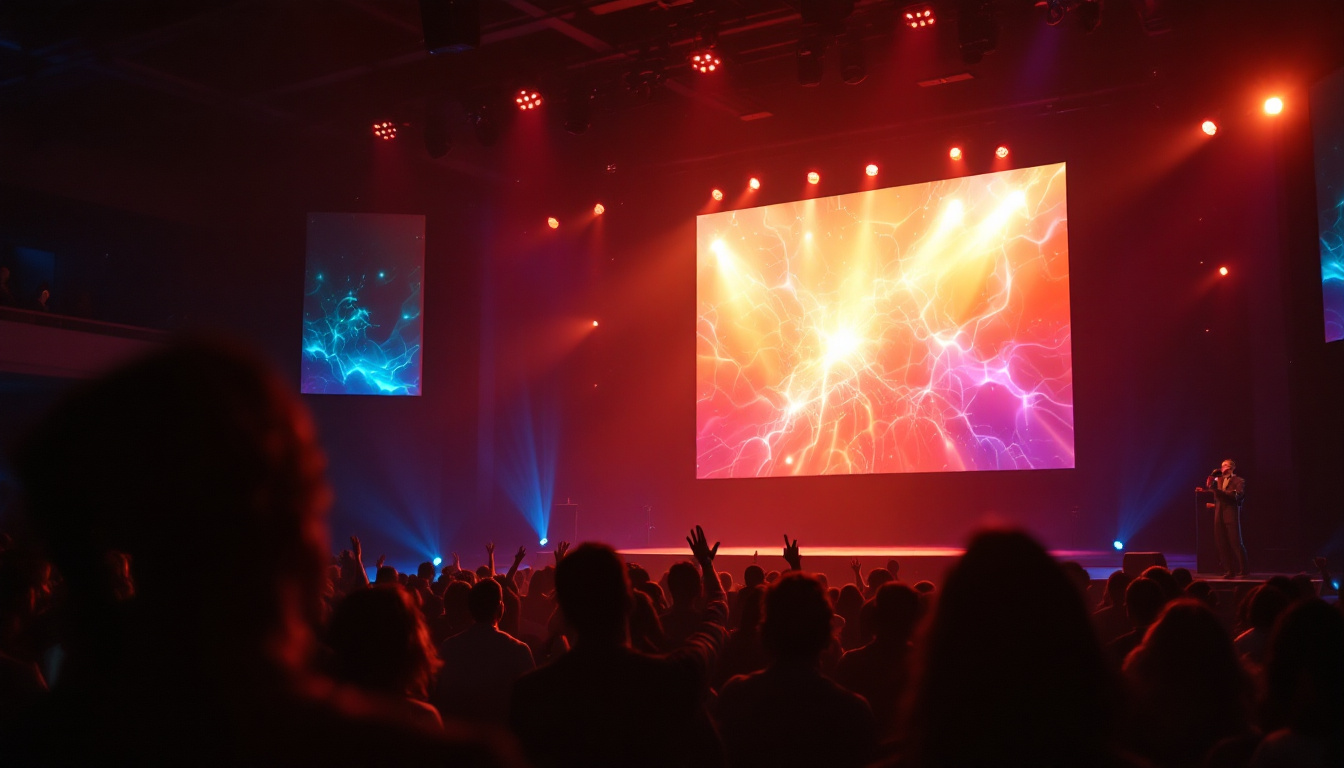
Concerts, trade shows, and sports venues leverage vertical LED displays to enhance the spectator experience. Vertical screens can be placed on stage pillars, side walls, or as part of immersive installations. They display vertical video content such as live social media feeds, artist visuals, and interactive elements that engage audiences in real time.
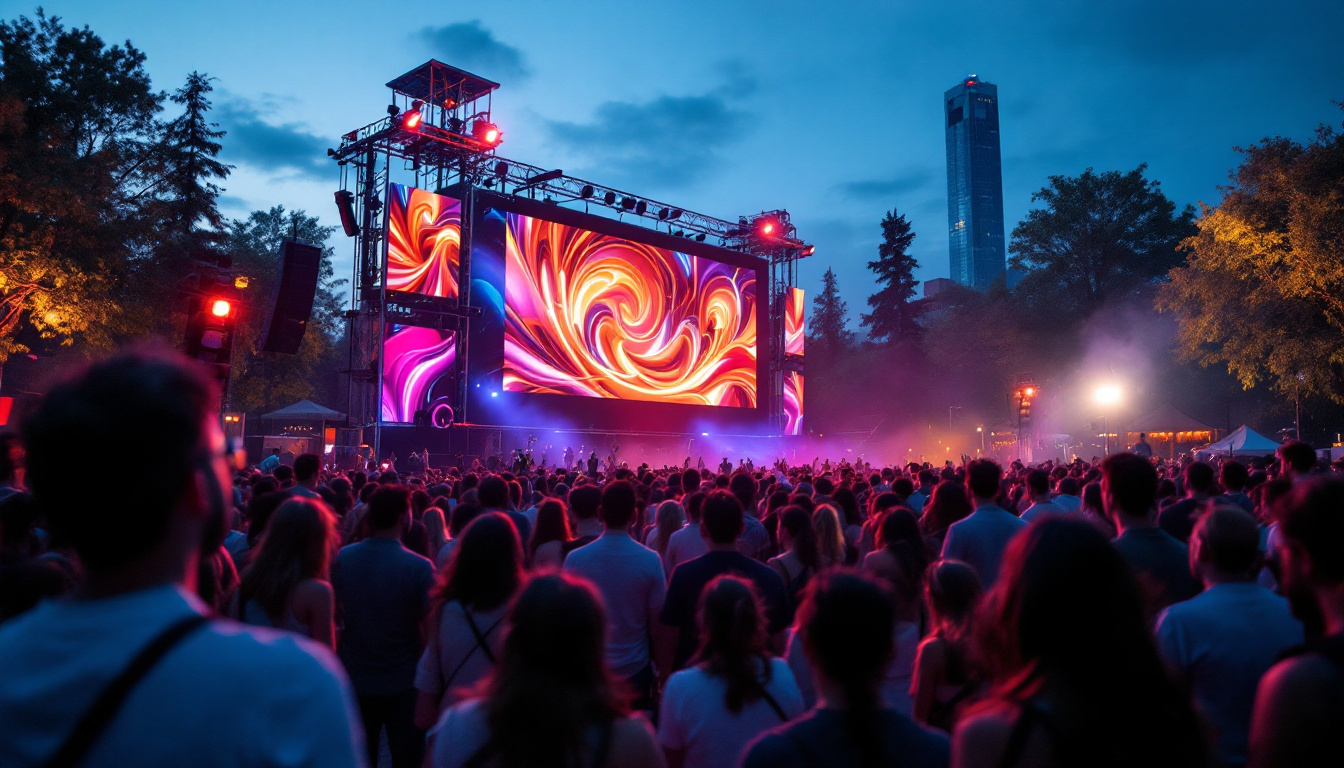
One notable example is the use of vertical LED walls in music festivals, where artists’ social media posts and fan interactions are displayed live, fostering a sense of community and participation.
Public Spaces and Transportation Hubs
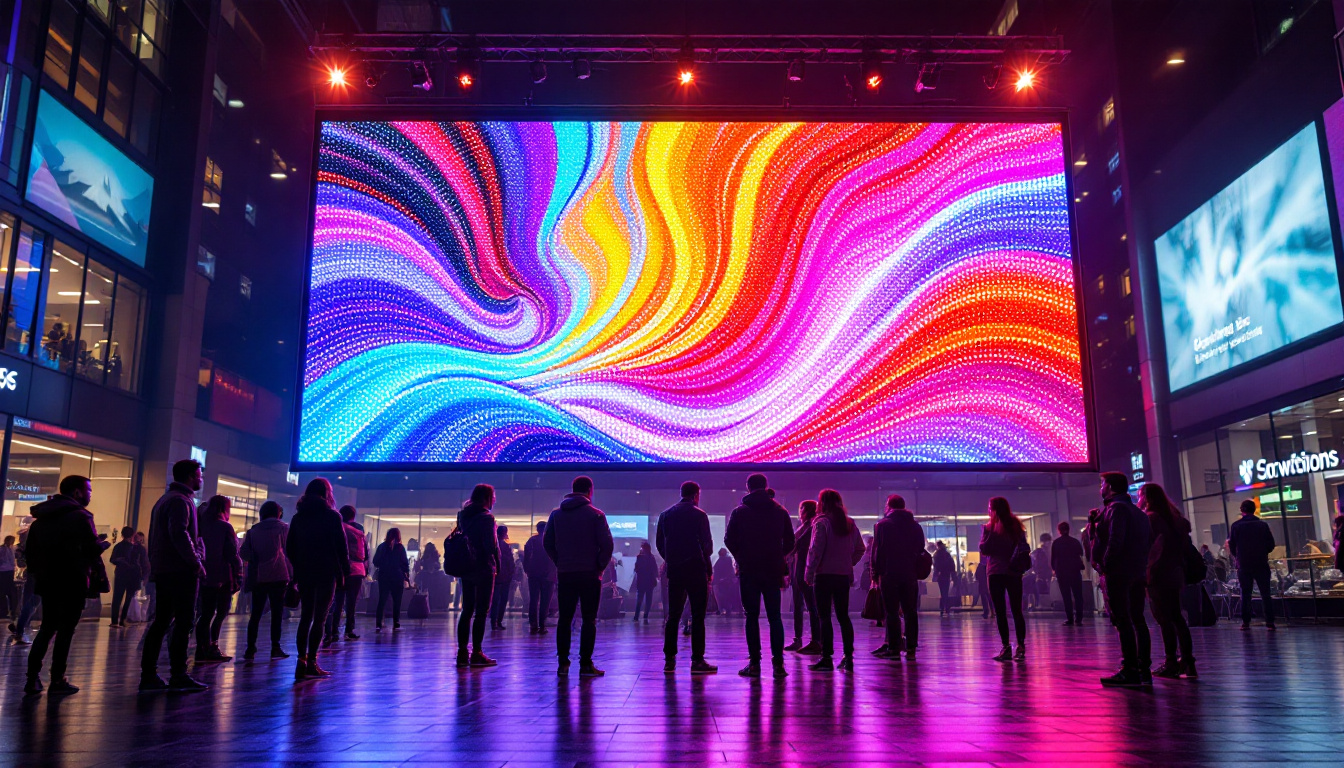
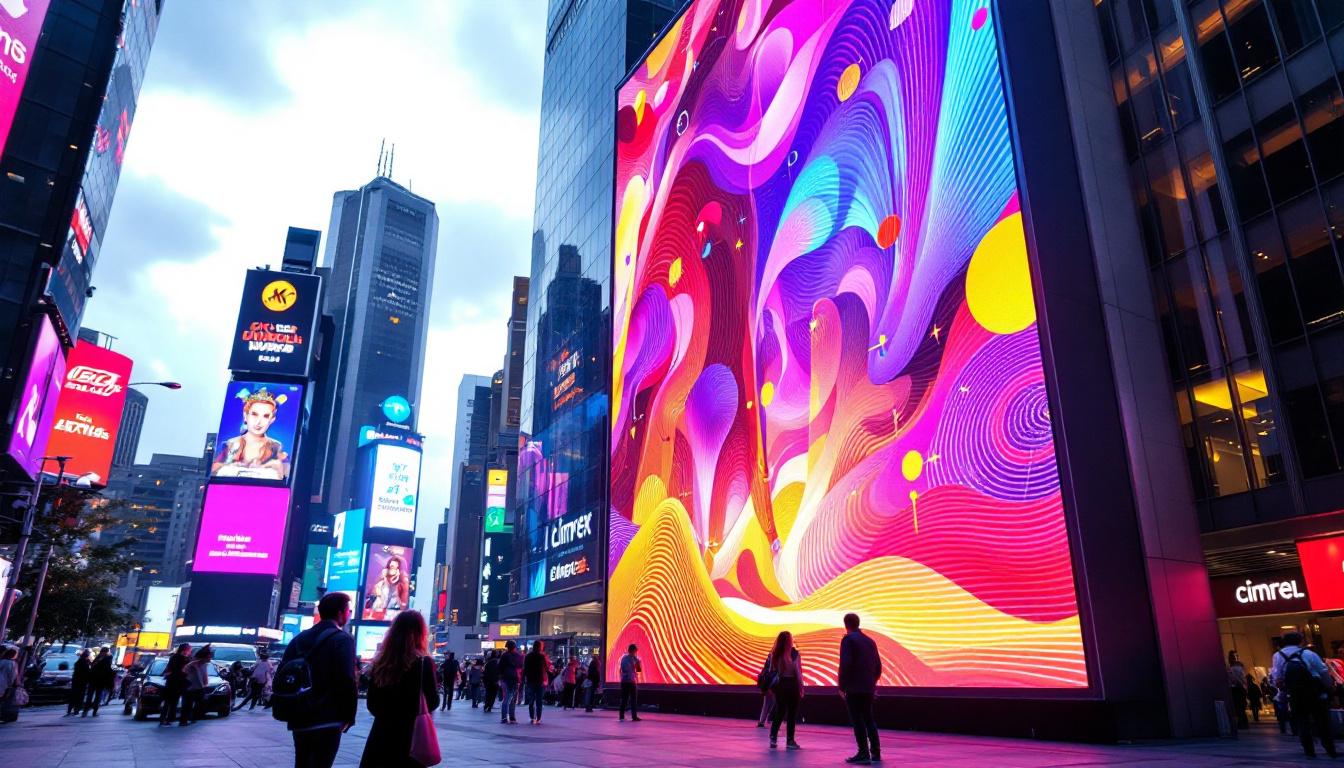
Vertical LED displays have become common in airports, train stations, and urban centers for wayfinding, advertising, and public information. Their slim, tall form factor fits well into architectural elements like columns and narrow facades, maximizing visibility without obstructing pedestrian flow.
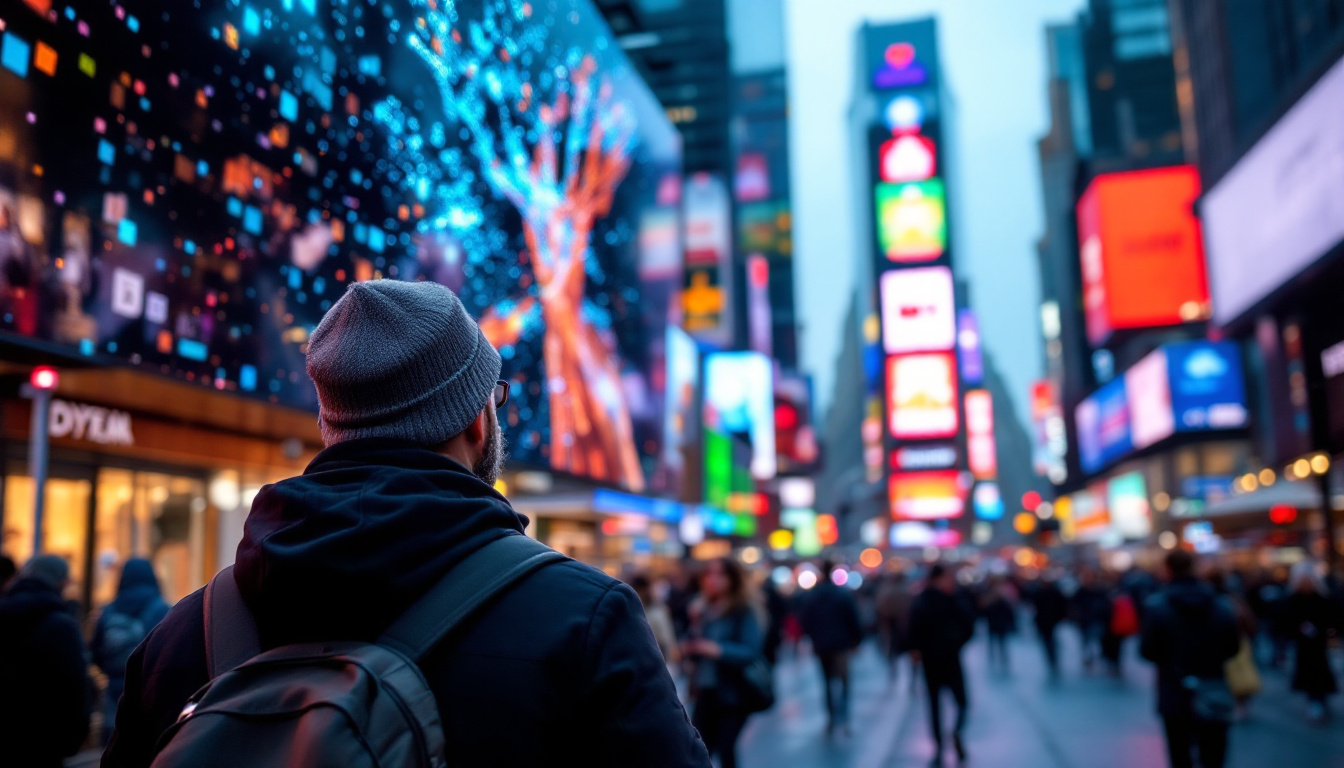
In cities like New York and Tokyo, vertical LED billboards are used to deliver high-impact advertisements and real-time updates, contributing to the vibrant urban landscape and enhancing communication efficiency.
Technical Challenges and Solutions in Vertical LED Video
While vertical LED displays offer many benefits, they also present unique technical challenges that must be addressed to ensure optimal performance and longevity.
Content Creation and Formatting
Creating content for vertical LED displays requires a shift in design thinking. Standard video production workflows often default to landscape orientation, so content creators must adapt scripts, storyboards, and graphics to fit vertical frames. This involves:
- Reframing shots to focus on vertical subjects
- Optimizing text size and placement for readability
- Balancing visual elements to avoid overcrowding the narrow space
Many video editing tools now offer vertical video templates and presets, simplifying the production process. Additionally, content management systems (CMS) for LED displays support vertical aspect ratios and scheduling to ensure smooth playback.
Hardware and Installation Challenges
Vertical LED displays often require custom mounting solutions to handle their height and weight. Engineers must consider factors such as wind load for outdoor installations and vibration in high-traffic areas. Proper ventilation and maintenance access are also critical to prevent overheating and facilitate repairs.
Manufacturers have responded by developing lightweight cabinets, integrated rigging systems, and weatherproof enclosures tailored for vertical configurations. These innovations help reduce installation time and improve reliability.
Power Consumption and Heat Dissipation
Large vertical LED displays can consume significant power and generate heat, especially in high-brightness outdoor settings. Efficient power management and cooling systems are essential to maintain performance and extend the lifespan of the display.
Modern LED modules incorporate energy-efficient diodes and intelligent brightness controls that adjust output based on ambient light. Additionally, heat sinks and active cooling solutions are integrated into the design to dissipate heat effectively.
The Future of Vertical Video and LED Displays
As mobile consumption continues to grow and digital signage evolves, vertical video on LED displays is poised to become even more prevalent. Emerging technologies and trends will further enhance the capabilities and applications of vertical LED video.
Integration with Interactive Technologies
Combining vertical LED displays with touch sensors, motion detection, and augmented reality (AR) will create immersive and interactive experiences. For example, retail stores may use vertical LED walls that respond to customer gestures or display personalized content based on proximity sensors.
Higher Resolutions and Flexible Displays
Advancements in LED technology are driving higher pixel densities and flexible form factors. This will enable ultra-high-definition vertical displays that can curve or bend to fit architectural features, opening new creative possibilities for designers and advertisers.
AI-Driven Content Optimization
Artificial intelligence will play a larger role in optimizing vertical video content for LED displays. AI algorithms can analyze viewer behavior, environmental conditions, and contextual data to dynamically adjust content, brightness, and messaging for maximum impact.
Conclusion
Vertical video has transformed how audiences consume content, especially on mobile devices, and LED display technology has adapted to meet this demand with innovative vertical configurations. From retail and events to public spaces, vertical LED displays offer a compelling way to engage viewers with vibrant, high-impact visuals tailored to modern viewing habits.
Understanding the technical aspects, design considerations, and practical applications of vertical video on LED displays is essential for businesses and content creators aiming to stay ahead in the digital communication landscape. As technology continues to evolve, vertical LED video will undoubtedly play a central role in shaping the future of visual storytelling and audience engagement.
Discover LumenMatrix LED Display Solutions
Ready to elevate your visual storytelling and captivate your audience with the latest in vertical video technology? Look no further than LumenMatrix, your partner in innovative LED display solutions. From immersive indoor and outdoor LED walls to dynamic vehicle displays and beyond, LumenMatrix offers a comprehensive range of products designed to transform your visual communication strategy. Experience the future of digital signage with our cutting-edge LED displays that promise to enhance engagement and deliver your message with unparalleled impact. Check out LumenMatrix LED Display Solutions today and join the revolution in audience engagement.