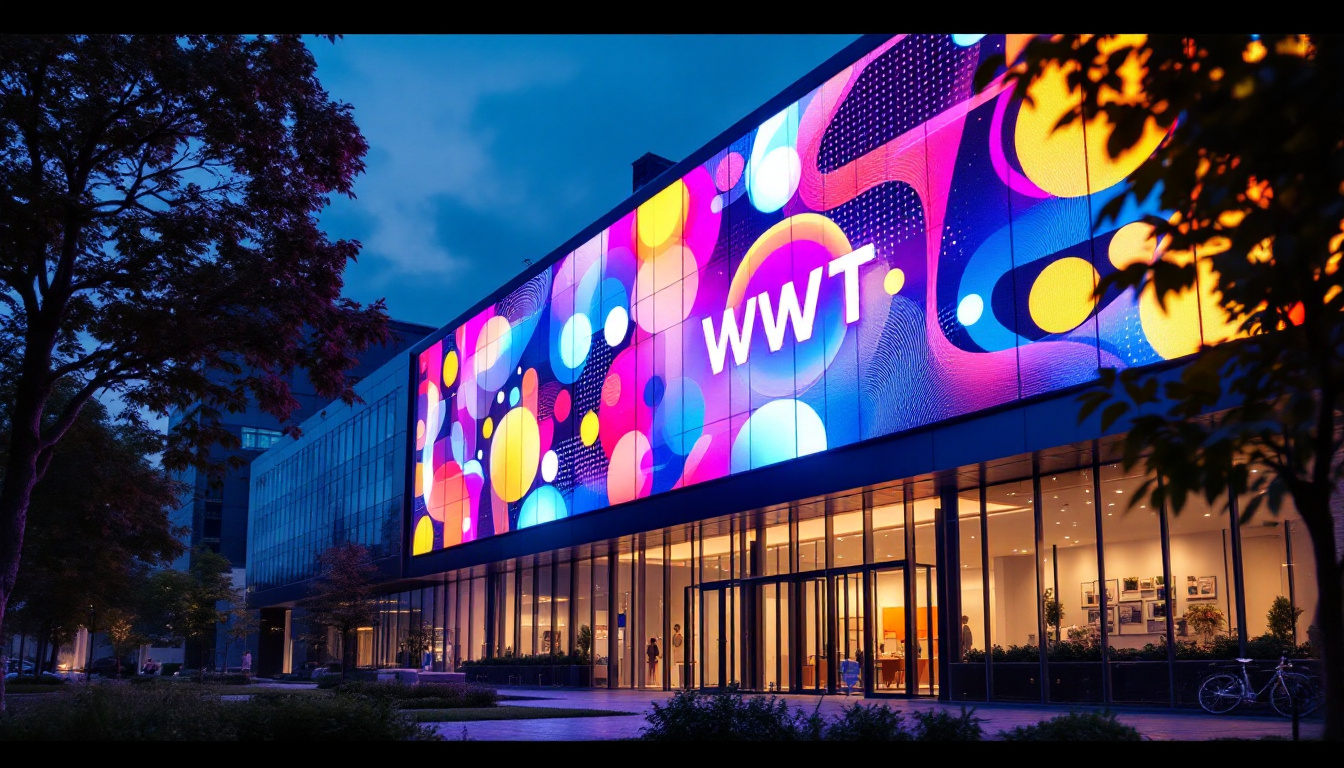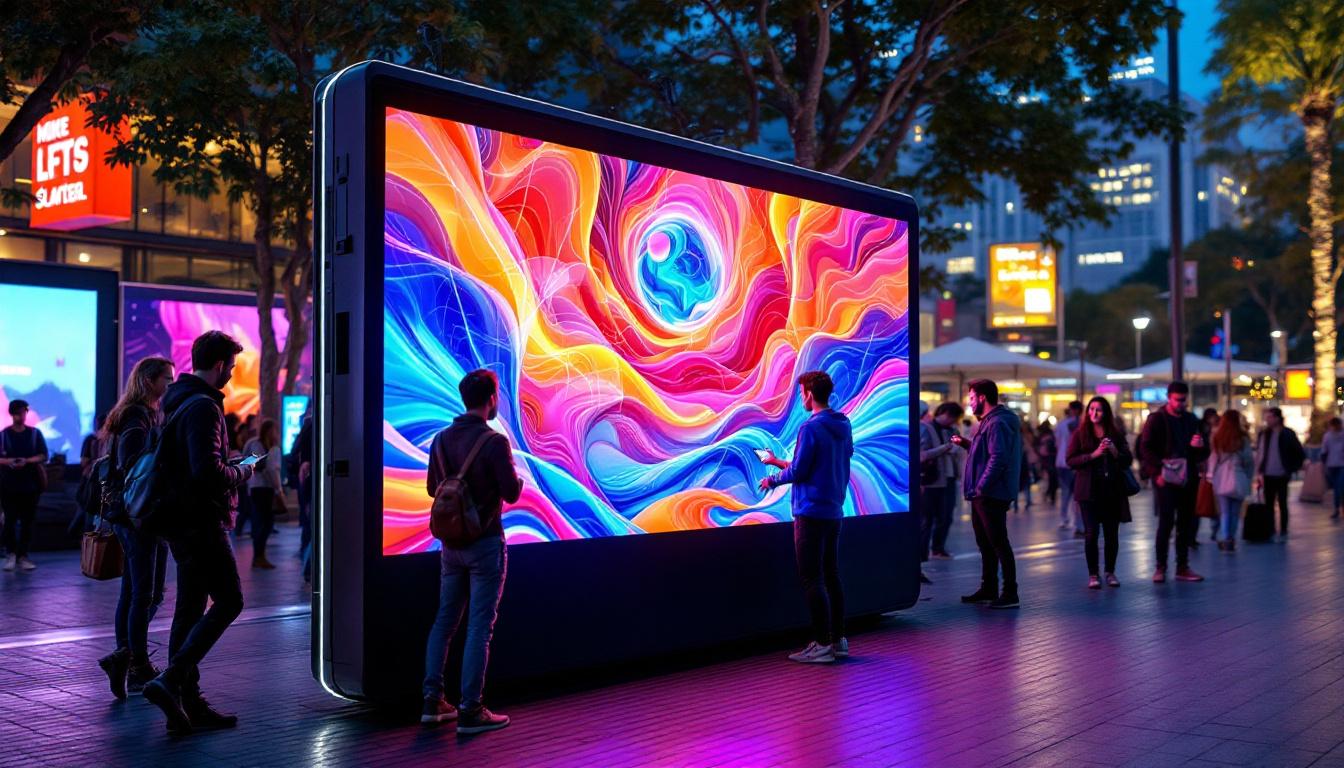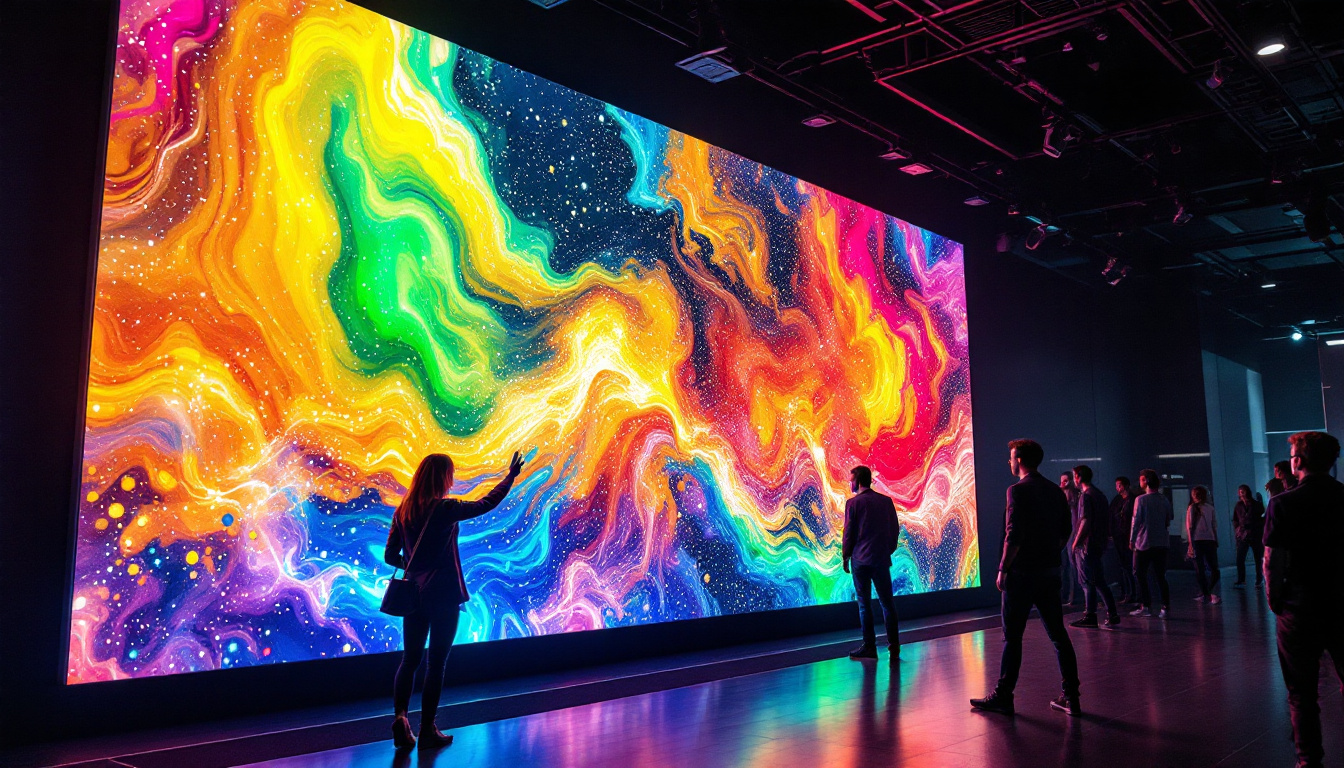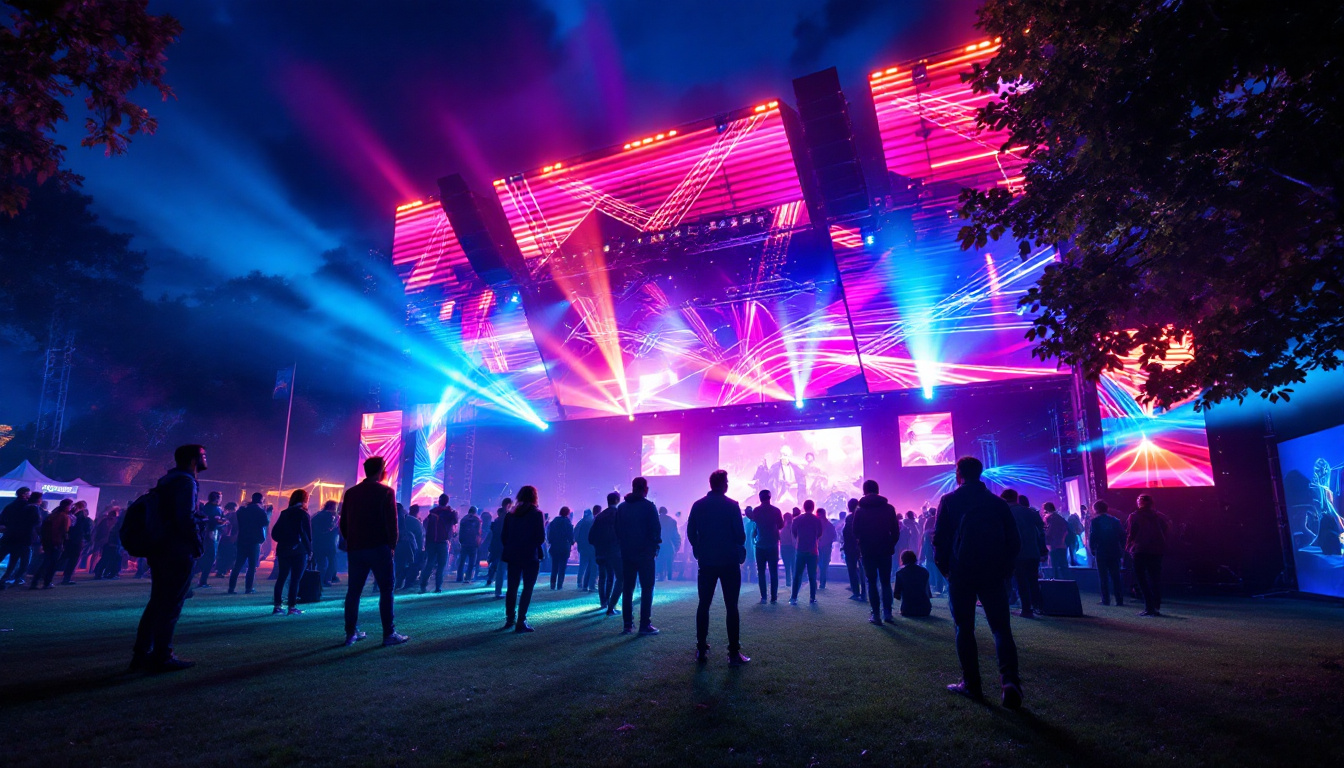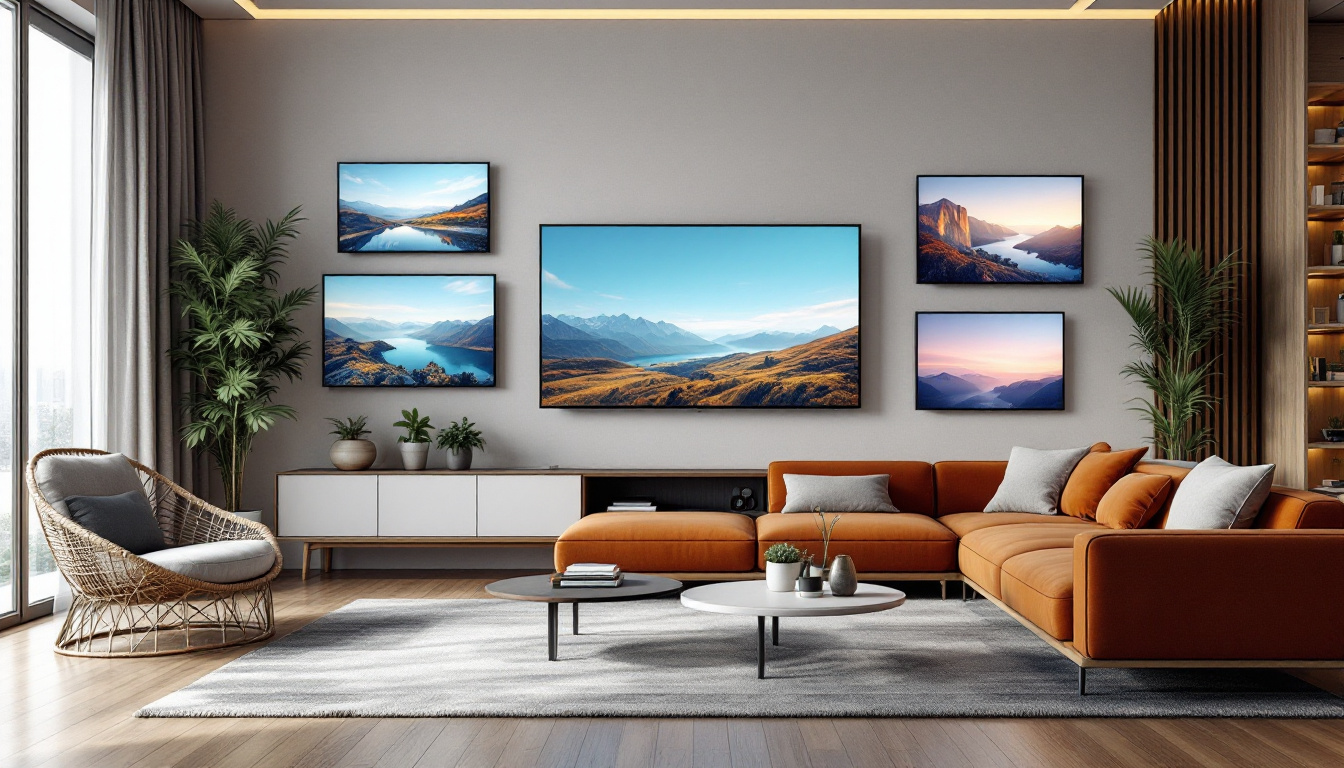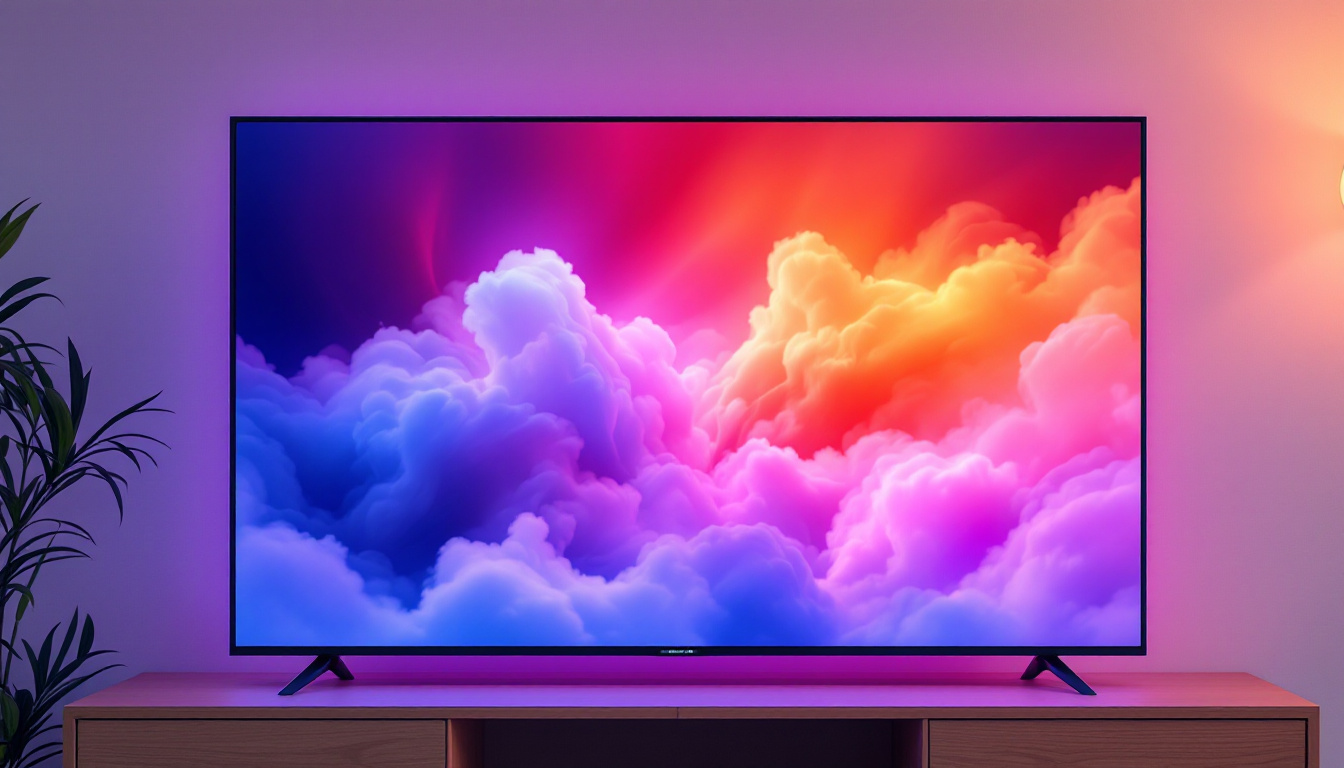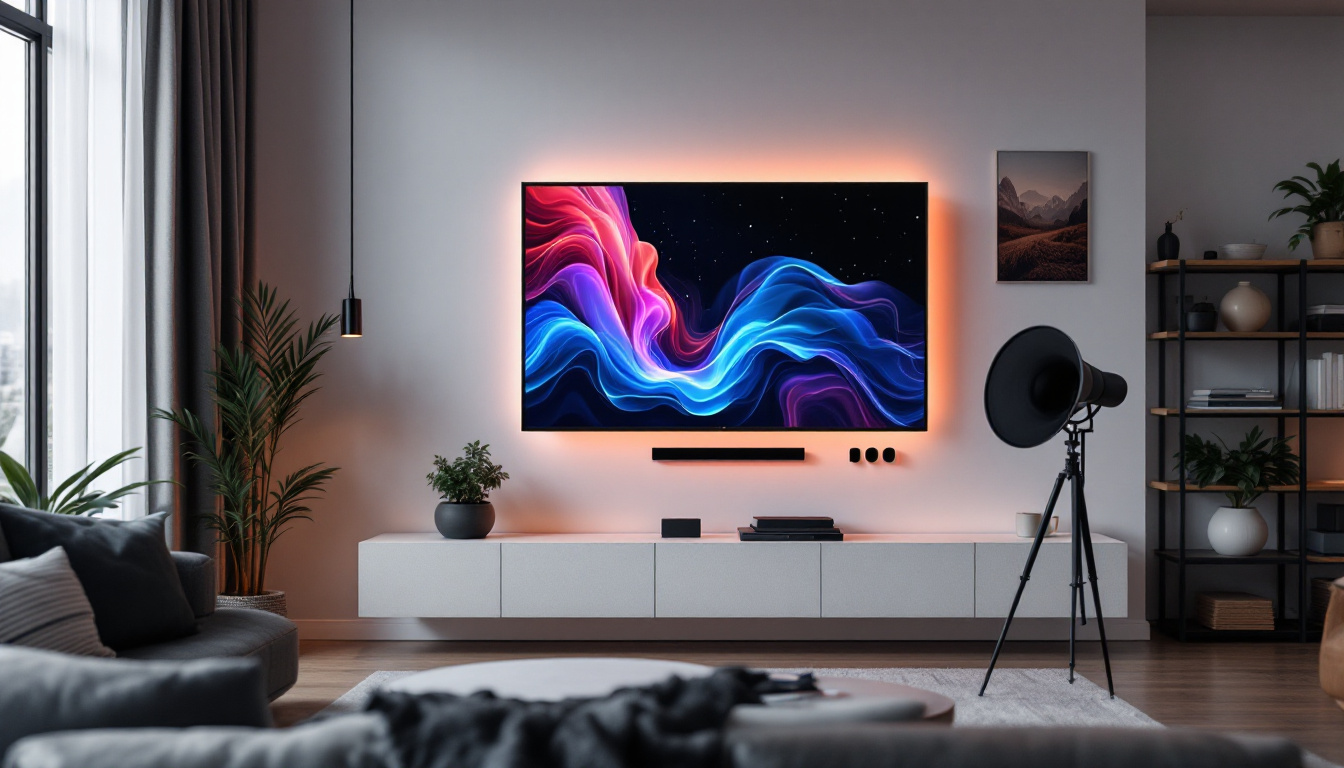
In the rapidly evolving world of digital signage and display technology, LED video panels have emerged as a dominant force, transforming how businesses, event organizers, and advertisers communicate visually. From massive outdoor billboards to indoor retail displays, LED technology offers unparalleled brightness, flexibility, and durability. This article delves into the fundamentals of LED video panels, exploring their technology, applications, advantages, and future trends.
Understanding LED Video Panels: The Basics
What Are LED Video Panels?
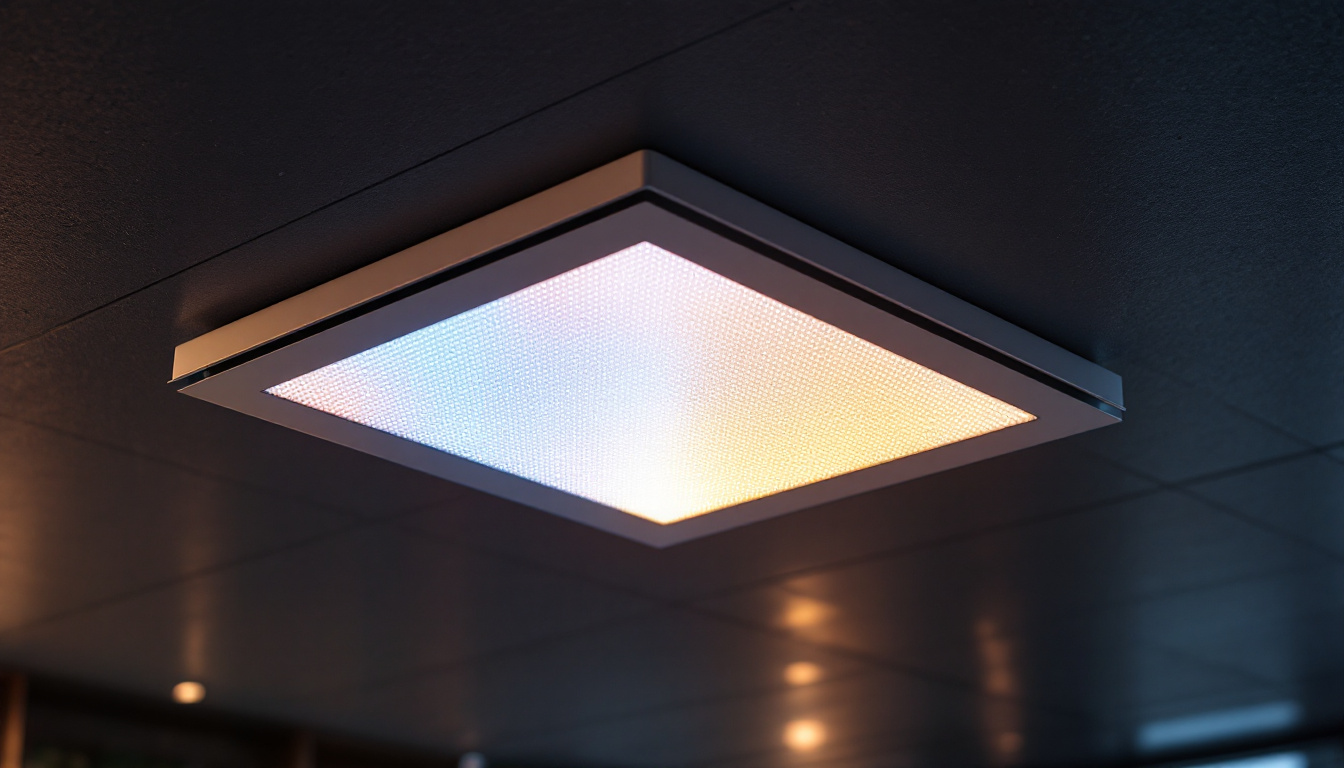
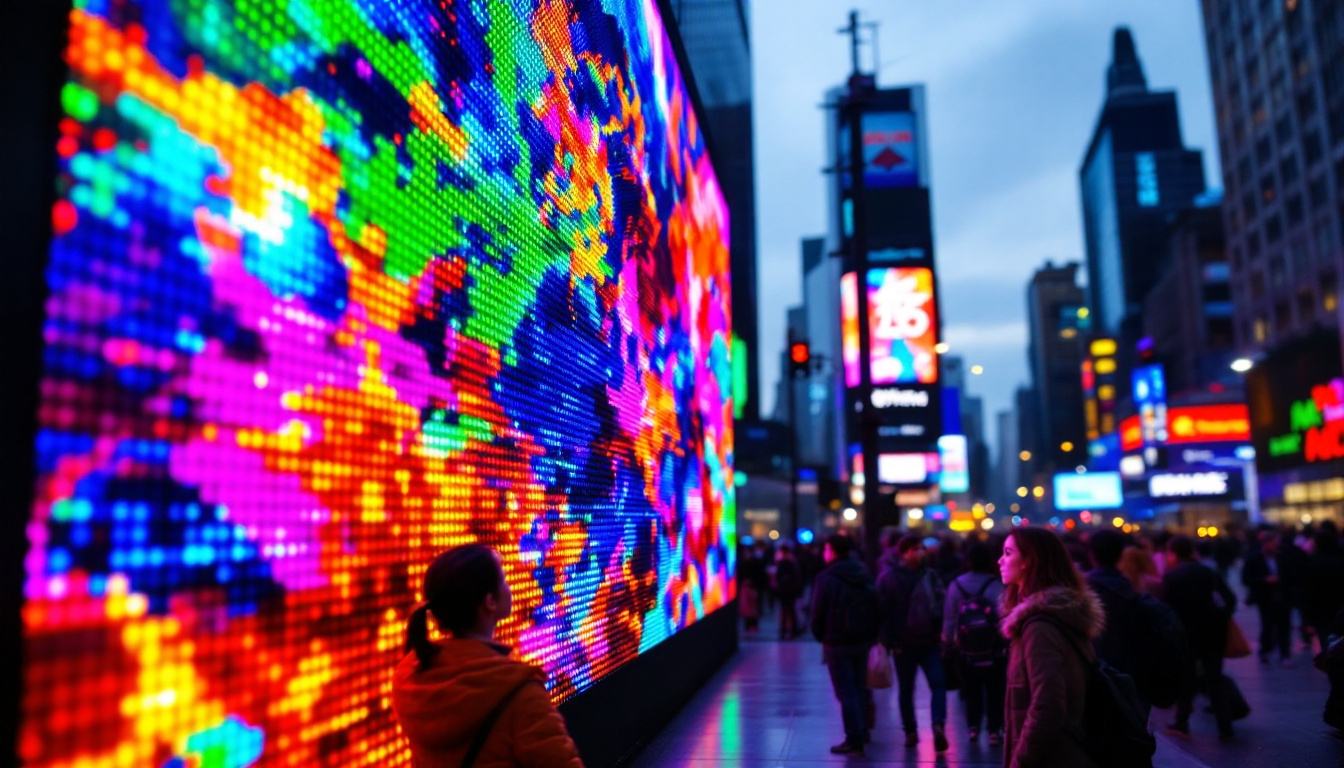
LED video panels, often referred to as LED display screens, are composed of numerous light-emitting diodes (LEDs) arranged in a matrix to form a screen capable of displaying video, images, and text. Unlike traditional LCD or projection screens, LED panels emit their own light, which results in higher brightness and better visibility even in direct sunlight.
Each LED acts as a pixel or sub-pixel, and by controlling the intensity and color of these LEDs, the panel can produce vibrant, high-resolution images. The panels can be assembled modularly to create displays of virtually any size and shape, making them highly versatile for various environments.
Types of LEDs Used in Displays
There are primarily two types of LEDs used in video panels: surface-mounted device (SMD) and through-hole LEDs. SMD LEDs are small, compact, and integrate red, green, and blue diodes into a single package, which allows for higher pixel density and better color blending. This makes SMD panels ideal for indoor use where viewers are closer to the screen.
Through-hole LEDs, on the other hand, are larger and typically used in outdoor displays due to their superior brightness and durability. These LEDs are spaced further apart, resulting in lower resolution but enhanced visibility from a distance.
Key Technical Aspects of LED Video Panels
Pixel Pitch: Defining Resolution and Viewing Distance
Pixel pitch is the distance between the centers of two adjacent pixels and is measured in millimeters. It is a critical factor that determines the resolution and optimal viewing distance of an LED display. Smaller pixel pitch means more pixels per square meter, resulting in higher resolution and sharper images, especially at close range.
For example, a 1.5mm pixel pitch panel is suitable for indoor environments such as control rooms or retail stores where viewers are close to the screen. Conversely, outdoor billboards often use pixel pitches of 10mm or more, as viewers typically view these displays from a greater distance.
Brightness and Contrast
One of the standout features of LED video panels is their high brightness levels. Outdoor LED displays can reach brightness levels upwards of 5,000 to 8,000 nits, making them easily visible even under direct sunlight. Indoor panels generally operate at lower brightness levels, typically between 800 and 1,500 nits, to prevent eye strain and optimize image quality in controlled lighting conditions.
Contrast ratio, the difference between the darkest black and the brightest white a display can produce, is another important metric. LED panels offer excellent contrast ratios, contributing to vivid, lifelike images that enhance viewer engagement.
Refresh Rate and Color Accuracy
The refresh rate, measured in Hertz (Hz), indicates how many times per second the display updates its image. Higher refresh rates reduce flicker and motion blur, which is especially important for video content and live broadcasts. Modern LED panels typically have refresh rates of 3,840 Hz or higher, ensuring smooth and flicker-free visuals.
Color accuracy is achieved through precise control of the red, green, and blue LEDs, along with advanced calibration techniques. This ensures that colors appear natural and consistent across the entire display, which is crucial for branding and advertising applications.
Applications of LED Video Panels
Outdoor Advertising and Digital Billboards
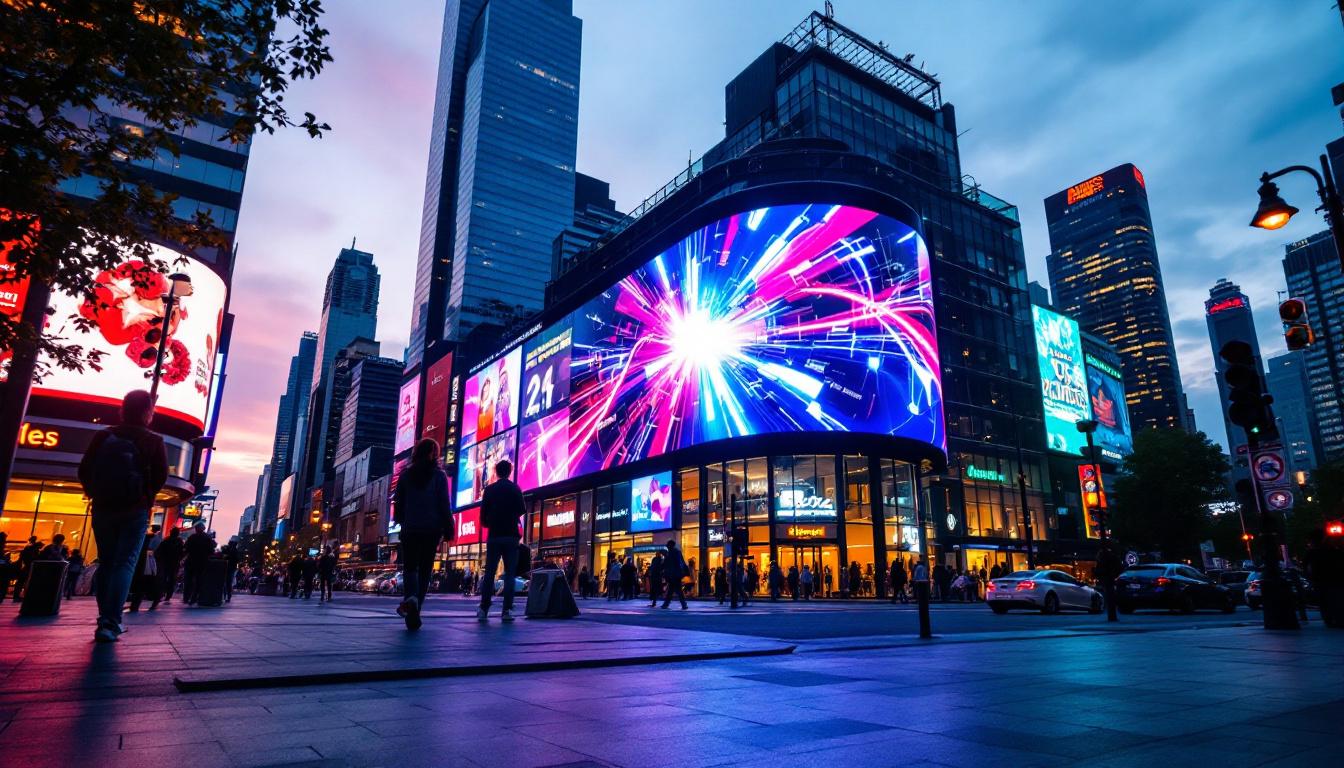
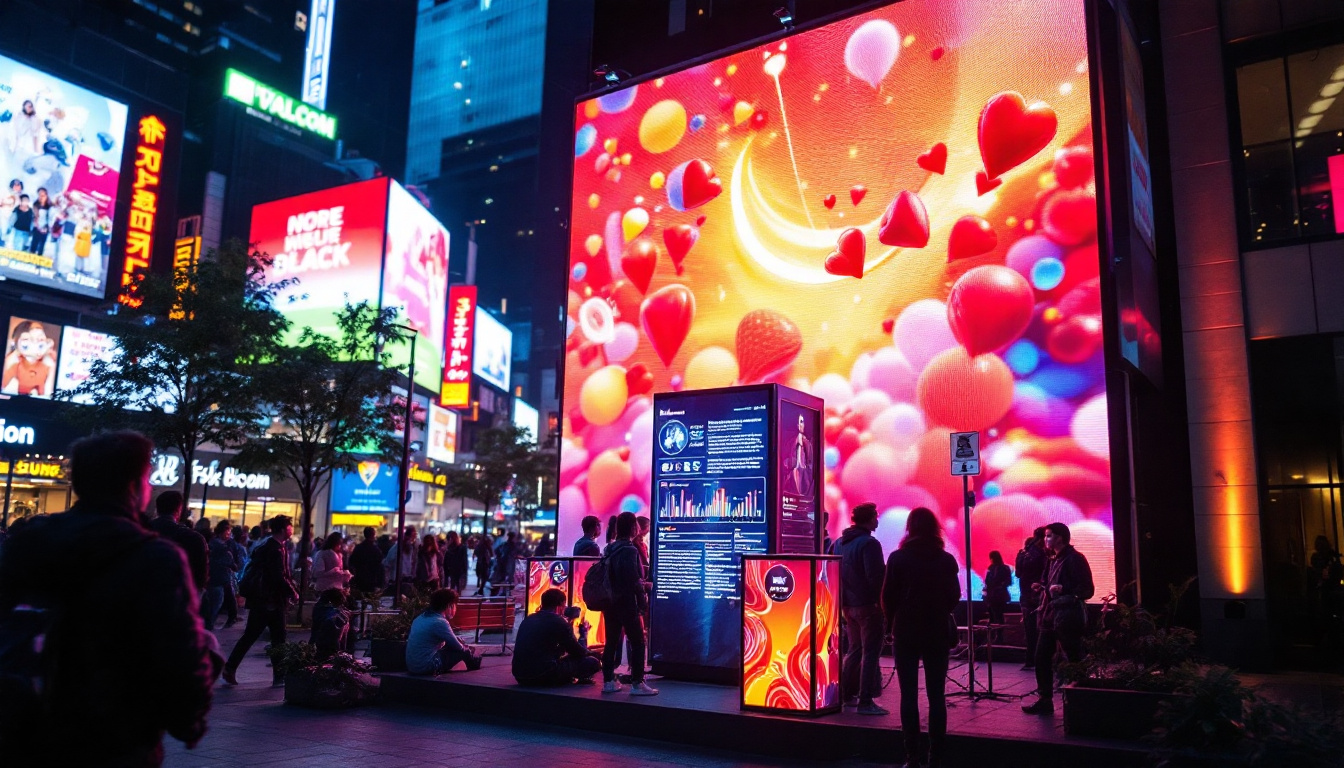
Outdoor advertising is one of the most prominent uses of LED video panels. Their high brightness, weather resistance, and scalability make them ideal for digital billboards, transit displays, and stadium screens. According to recent market research, the global digital out-of-home (DOOH) advertising market is projected to grow at a CAGR of over 10% through 2028, driven largely by the adoption of LED displays.
Brands leverage these displays to deliver dynamic, eye-catching content that can be updated in real-time, allowing for targeted and timely messaging. For instance, during major events or weather changes, advertisers can instantly adapt their content, increasing relevance and impact.
Indoor Displays: Retail, Corporate, and Entertainment
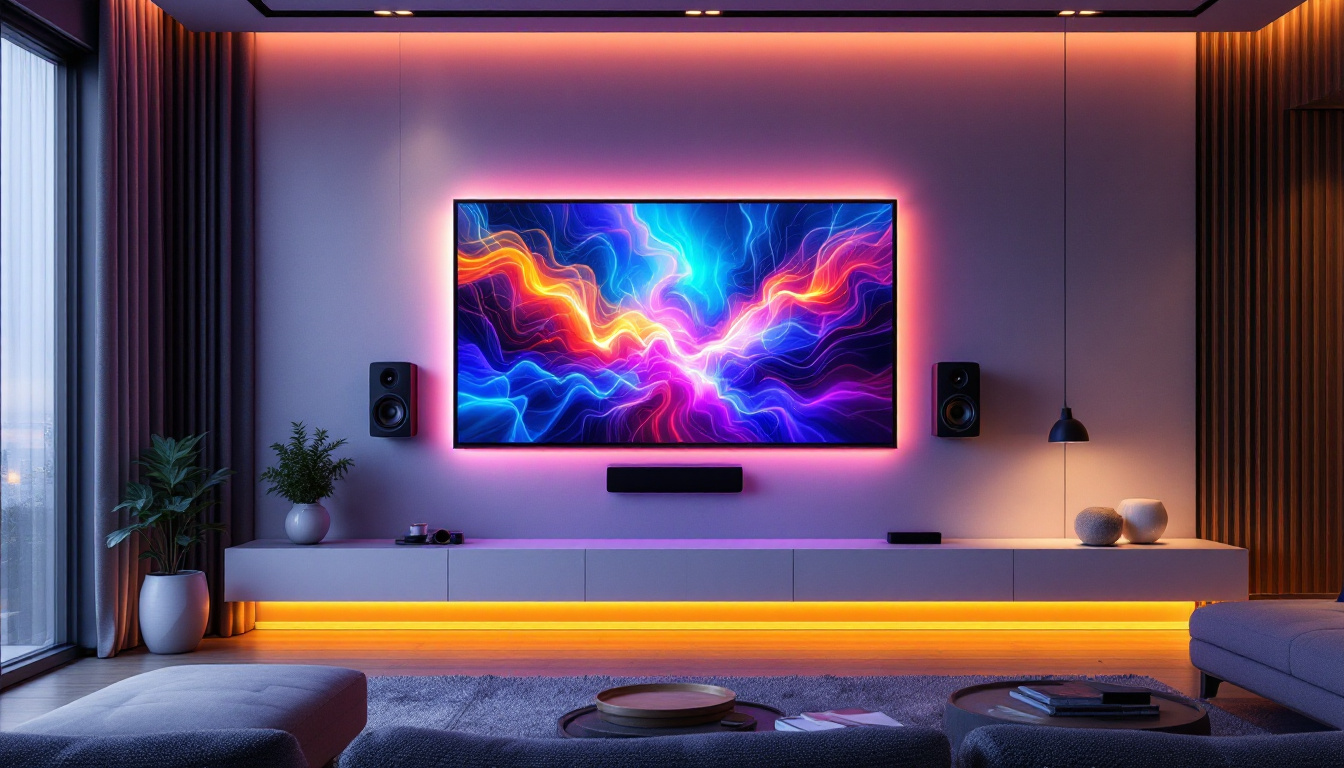
Indoors, LED video panels are transforming retail environments by providing immersive digital signage that enhances customer experience. Retailers use LED walls for product promotions, interactive displays, and wayfinding solutions. Corporate offices employ LED video walls in lobbies and conference rooms to communicate brand values and facilitate presentations.
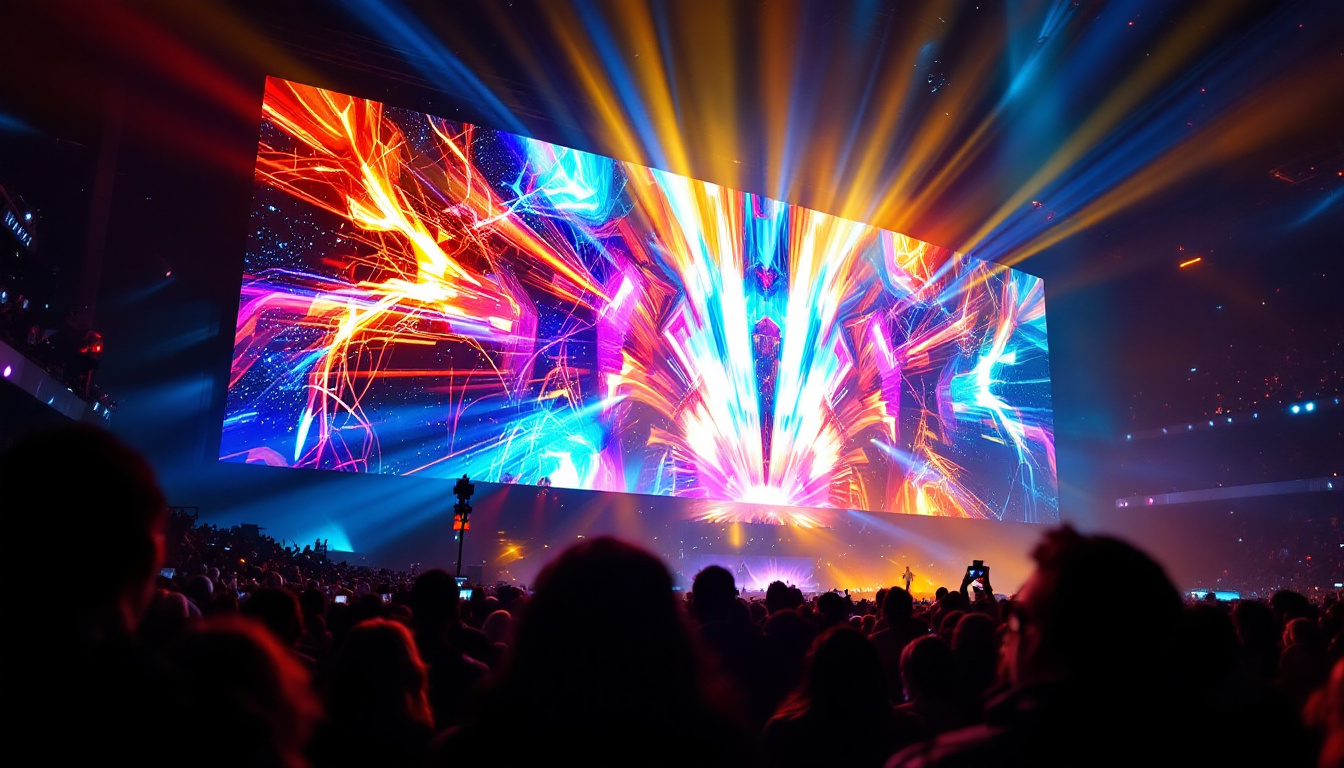
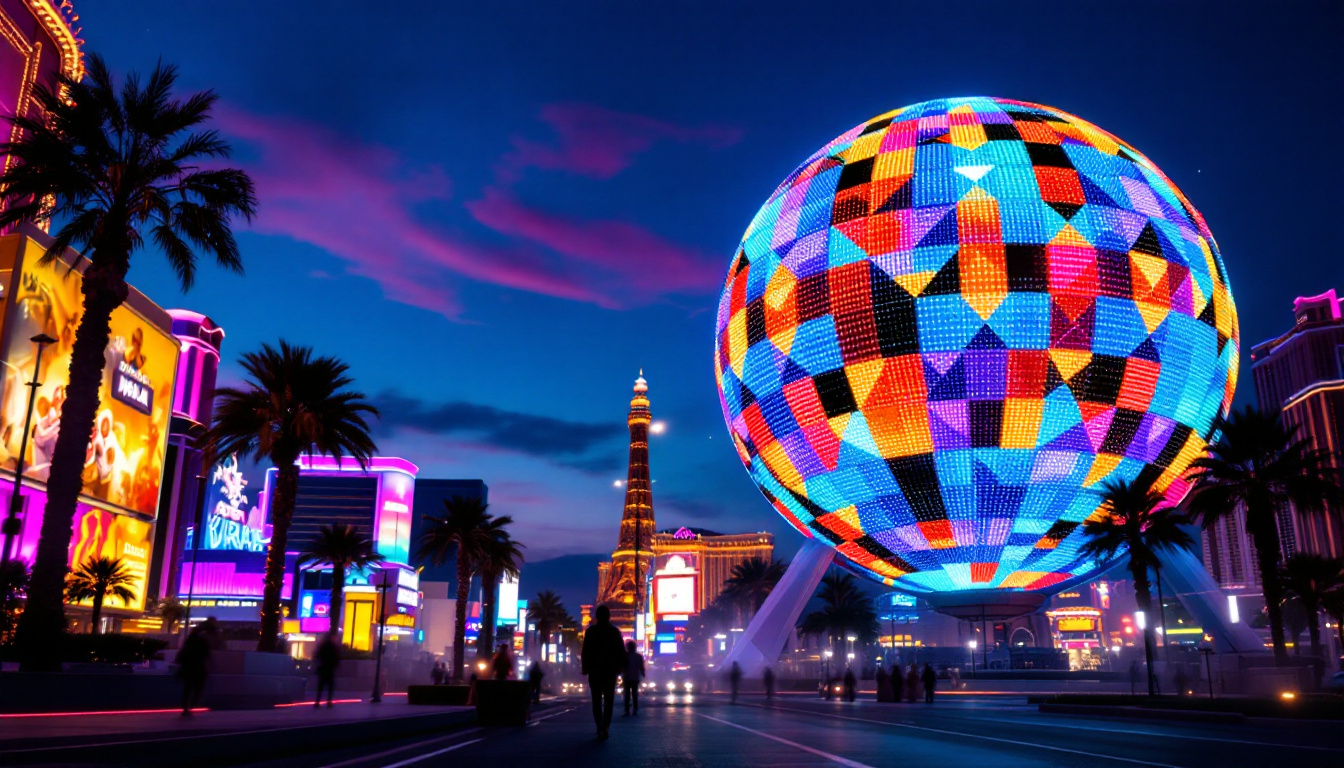
In entertainment venues such as theaters, concert halls, and casinos, LED panels create visually stunning backdrops and immersive environments. Their flexibility allows for creative installations that can be curved, shaped, or even transparent, opening new possibilities for designers and event planners.
Sports and Live Events
LED video panels have become integral to sports arenas and live event venues. They provide high-definition replays, live feeds, and interactive content that enhance the spectator experience. The ability to configure large, seamless video walls ensures that every seat in the venue has a clear view of the action.
Moreover, LED technology supports rapid content changes and integration with augmented reality (AR) and virtual reality (VR), enabling innovative fan engagement strategies. For example, during major sporting events, LED displays can show real-time statistics, social media feeds, and sponsor messages, creating a dynamic and connected atmosphere.
Advantages of LED Video Panels Over Other Display Technologies
Superior Brightness and Visibility
Compared to LCD and projection-based displays, LED panels offer significantly higher brightness levels, which ensures visibility in various lighting conditions, including direct sunlight. This advantage makes them the preferred choice for outdoor applications and brightly lit indoor spaces.
Energy Efficiency and Longevity
LED technology is inherently energy-efficient, consuming less power than traditional lighting and display methods. Advances in LED manufacturing have further improved efficiency, reducing operational costs for businesses. Additionally, LED panels have a long lifespan, often exceeding 100,000 hours, minimizing maintenance and replacement expenses.
Flexibility and Scalability
The modular design of LED video panels allows for easy customization of size and shape. This flexibility is unmatched by other display technologies, enabling creative installations tailored to specific architectural and design requirements. Whether it’s a giant outdoor billboard or a curved indoor video wall, LED panels can be configured to meet diverse needs.
Durability and Weather Resistance
LED panels designed for outdoor use are built to withstand harsh environmental conditions, including rain, wind, dust, and extreme temperatures. Their robust construction ensures reliable performance over time, even in challenging climates, making them a cost-effective investment for outdoor advertising and public displays.
Emerging Trends and Future Developments in LED Video Panels
MicroLED and MiniLED Technologies
MicroLED and MiniLED represent the next generation of LED display technology. MicroLEDs are significantly smaller than traditional LEDs, allowing for even higher pixel densities and superior image quality. This technology promises ultra-high resolution, enhanced color accuracy, and improved energy efficiency.
MiniLEDs, while larger than MicroLEDs, offer improved contrast and brightness compared to conventional LED panels. Both technologies are gaining traction in premium TVs, digital signage, and wearable devices, signaling a shift towards more advanced and immersive visual experiences.
Integration with Smart Technologies
Smart LED video panels equipped with sensors and IoT connectivity are transforming digital signage into interactive platforms. These displays can adjust brightness automatically based on ambient light, gather audience analytics, and deliver personalized content. Integration with AI and machine learning enables predictive content delivery, enhancing engagement and advertising effectiveness.
Transparent and Flexible LED Displays
Innovations in LED technology have led to the development of transparent and flexible LED panels. Transparent displays allow viewers to see through the screen while still displaying vibrant images, ideal for retail windows and architectural applications. Flexible LED panels can be bent or curved, enabling creative installations on irregular surfaces and expanding design possibilities.
Choosing the Right LED Video Panel for Your Needs
Assessing Application Requirements
Selecting the appropriate LED video panel depends heavily on the intended application. Factors to consider include viewing distance, ambient lighting conditions, resolution requirements, and environmental exposure. For example, an indoor retail display requires a different pixel pitch and brightness level than an outdoor sports stadium screen.
Budget and Total Cost of Ownership
While LED panels can represent a significant upfront investment, their long lifespan and energy efficiency often result in lower total cost of ownership compared to other display technologies. It is important to factor in installation, maintenance, and potential content management costs when budgeting.
Vendor Support and Warranty
Choosing a reputable vendor with strong technical support and comprehensive warranty coverage is crucial. LED video panels are complex systems that require professional installation and occasional servicing. Reliable vendor partnerships ensure optimal performance and longevity of the display.
Conclusion
LED video panels have revolutionized the way visual content is displayed across industries, offering unmatched brightness, versatility, and durability. Their adaptability to various environments—from outdoor billboards to indoor retail walls—makes them a powerful tool for communication and engagement. As technology advances with innovations like MicroLED and smart integration, LED displays will continue to shape the future of digital signage and immersive visual experiences.
Understanding the technical aspects and application possibilities of LED video panels is essential for businesses and organizations looking to invest in impactful digital displays. With careful consideration of requirements and emerging trends, LED video panels can deliver compelling, dynamic content that captivates audiences and drives results.
Explore Cutting-Edge LED Display Solutions with LumenMatrix
Ready to elevate your visual communication strategy with the latest in LED display technology? LumenMatrix is at the forefront of innovation, offering a diverse range of LED display modules designed to captivate and engage your audience. Whether you’re looking for an Indoor LED Wall Display, a dynamic Outdoor LED Wall Display, or specialized solutions like Vehicle, Sports, or Floor LED Displays, LumenMatrix has the expertise to bring your vision to life. Experience the future of digital signage with our Custom, All-in-One, and LED Transparent Displays. Check out LumenMatrix LED Display Solutions today and transform your brand’s visual impact.