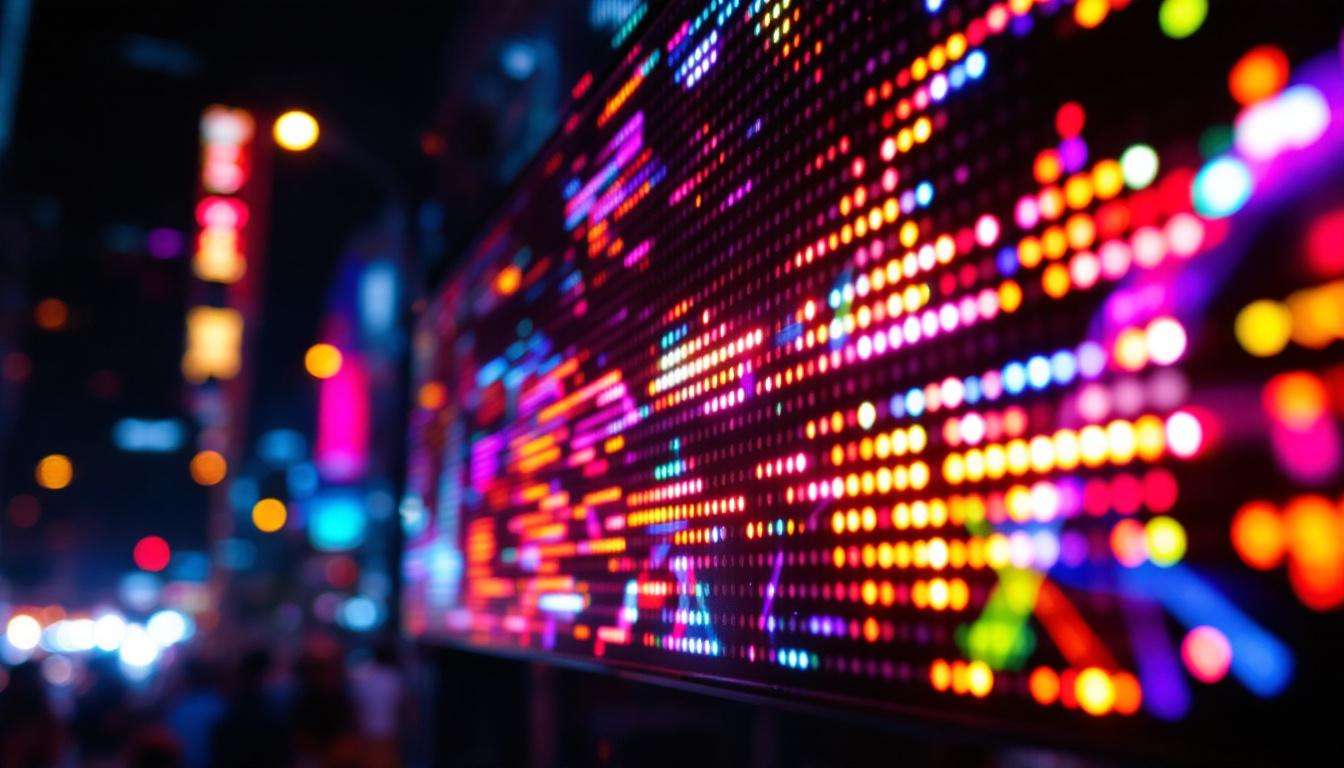
In today’s fast-evolving digital landscape, LED displays have become a cornerstone of visual communication, ranging from advertising billboards to large-scale event screens. Central to the performance and quality of these displays is the often-overlooked technology of video processor software. This article delves into the intricacies of video processor software for LED displays, explaining its role, functionalities, and why it is essential for achieving stunning visual experiences.
Understanding LED Displays and Their Importance
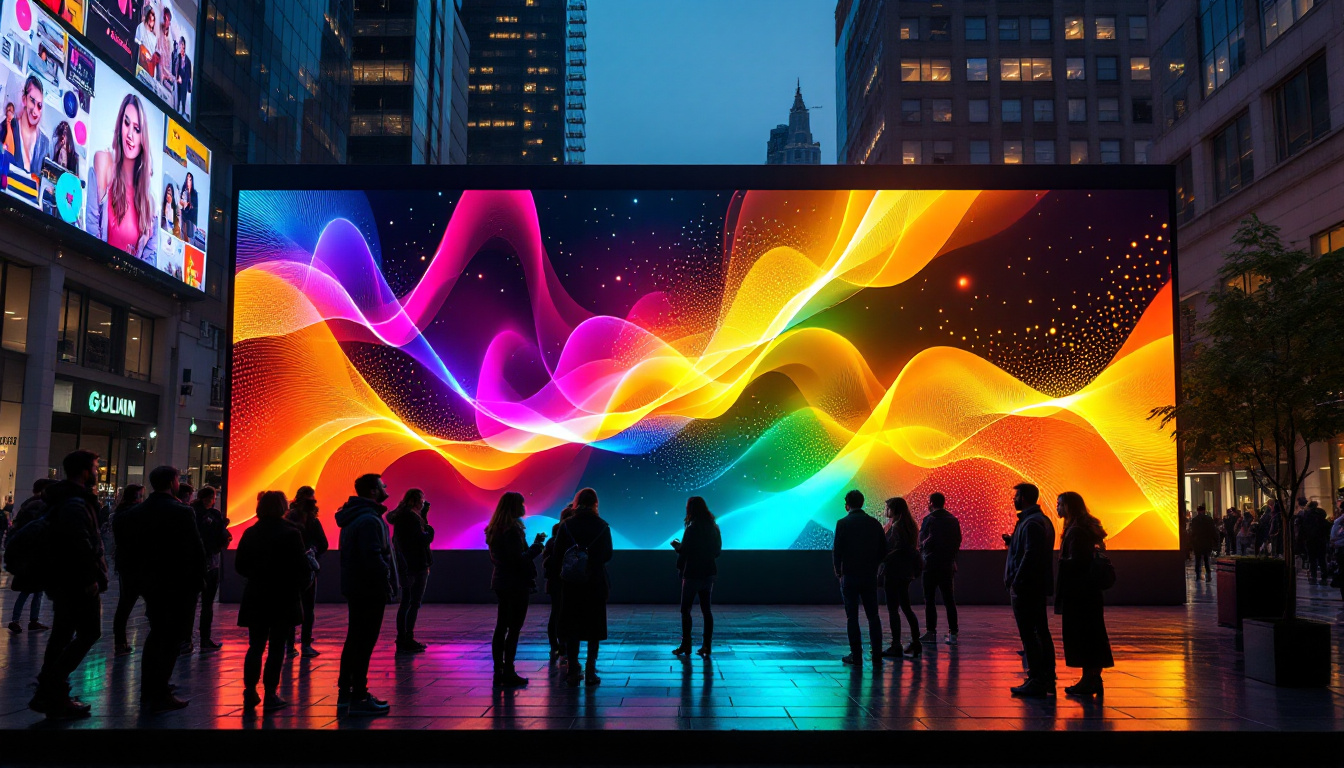
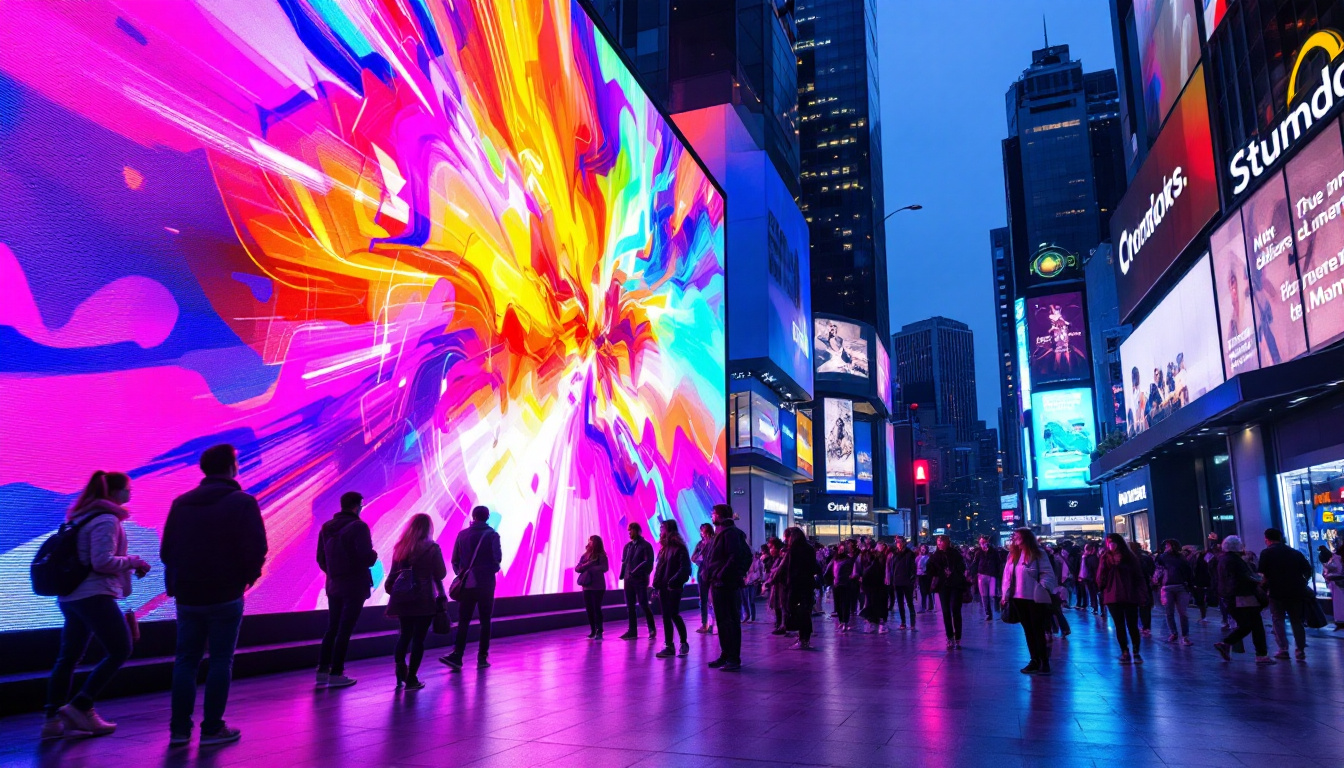
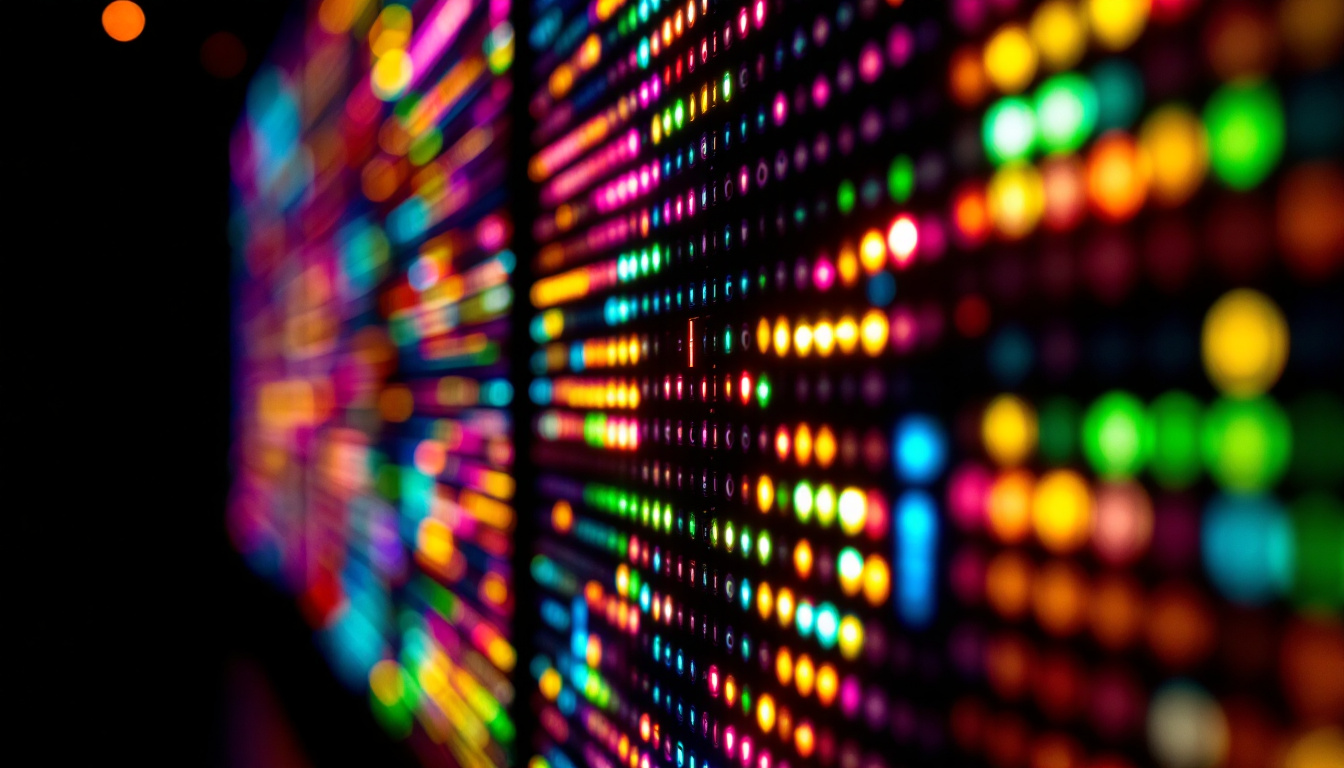
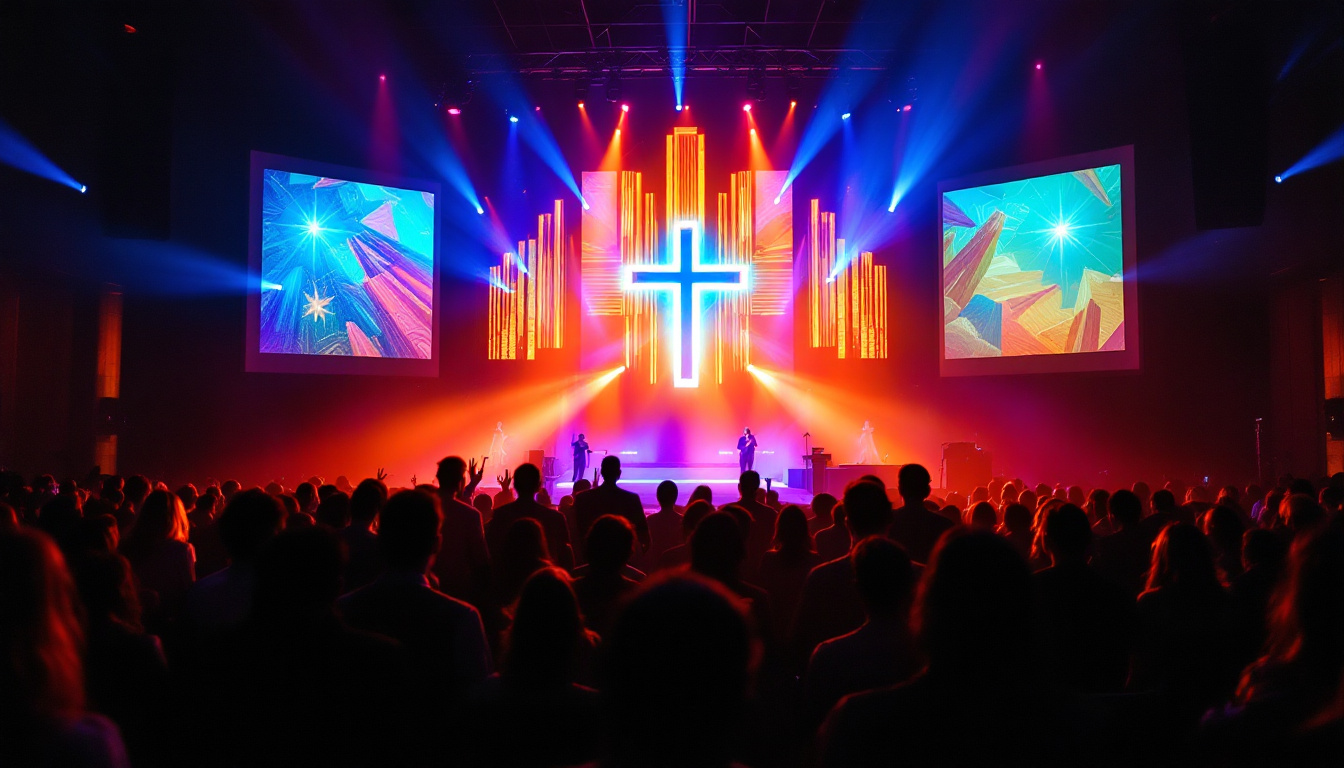
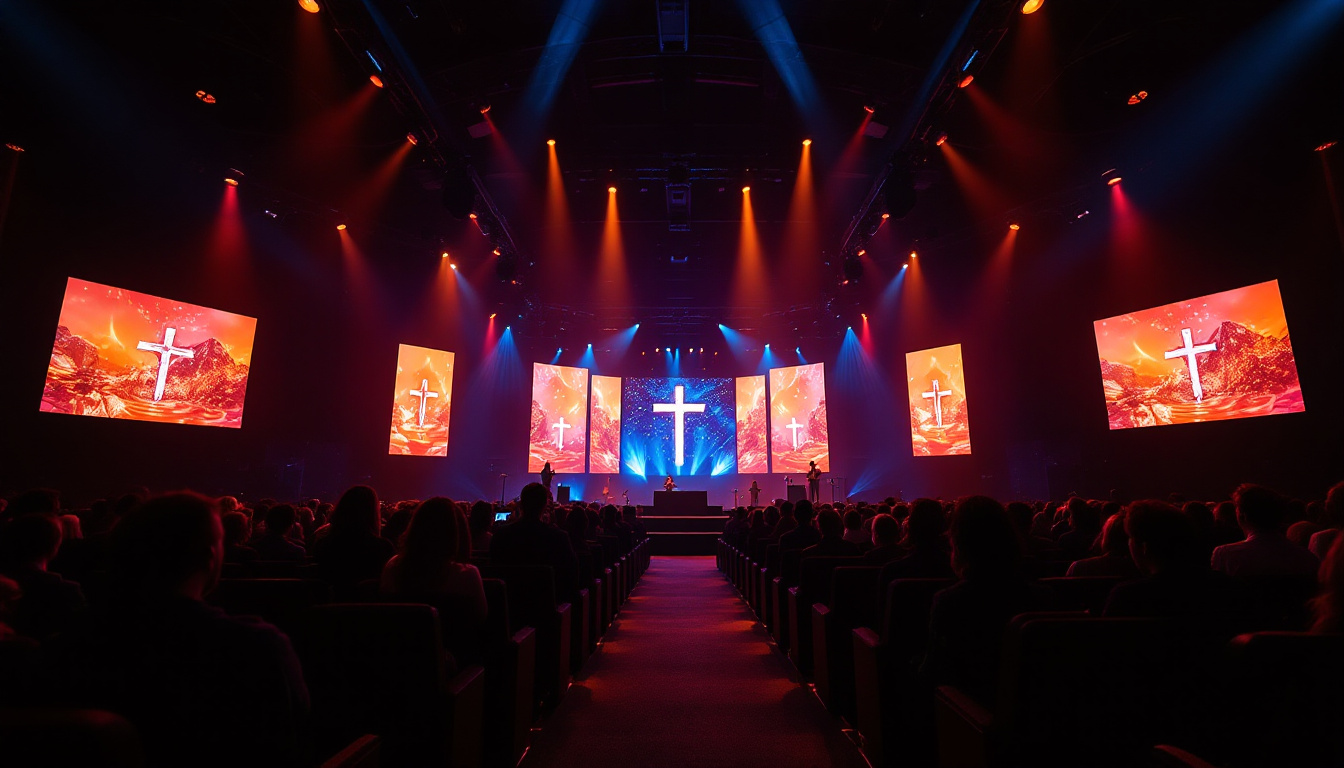
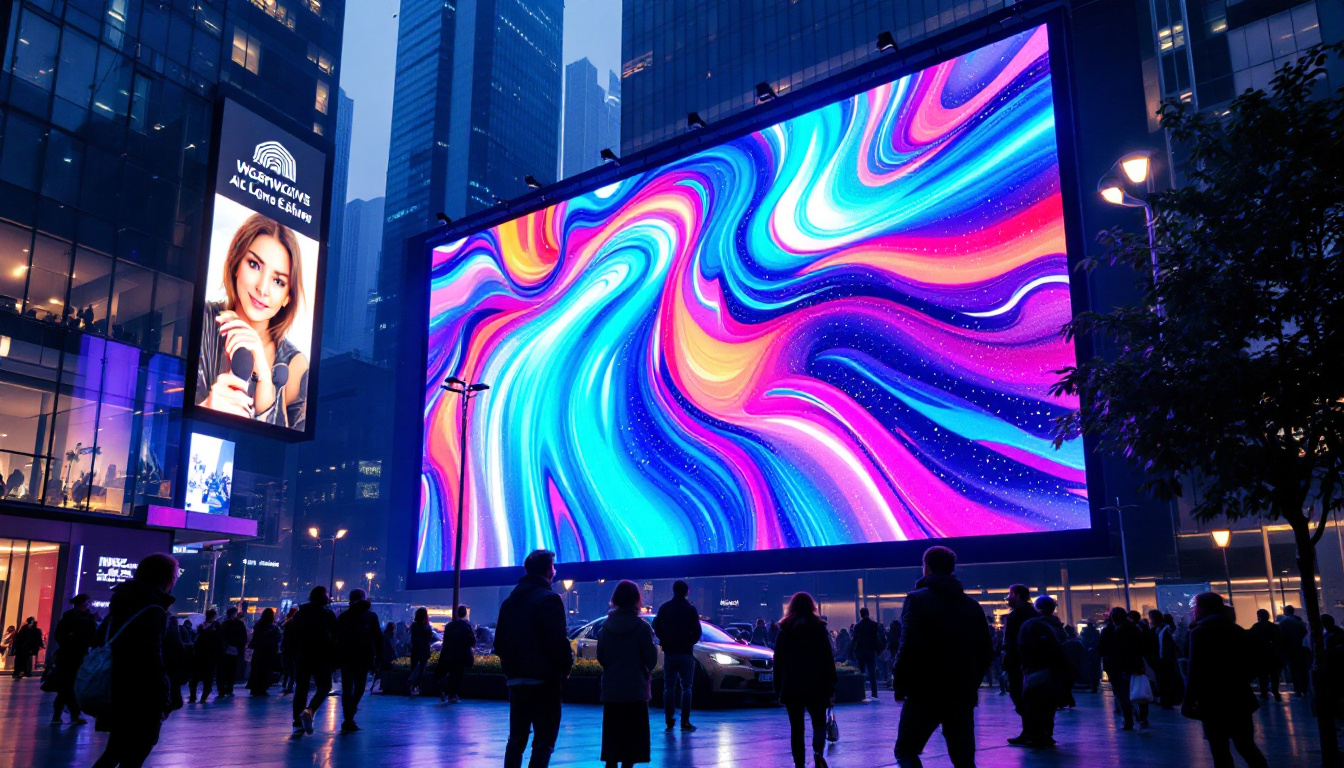
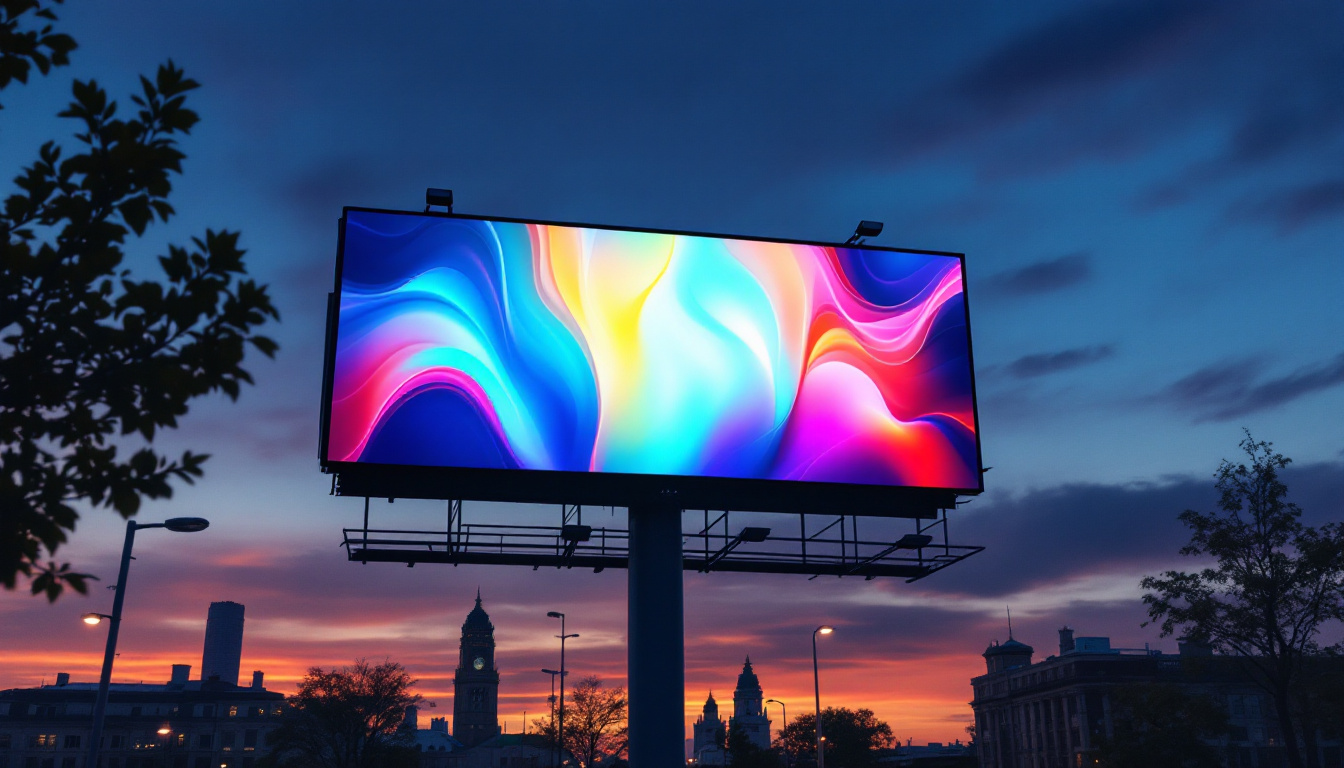
LED (Light Emitting Diode) displays consist of numerous tiny LEDs arranged in a matrix to form images and videos. Unlike traditional display technologies such as LCD or projection, LED displays offer superior brightness, contrast, and energy efficiency, making them ideal for both indoor and outdoor applications. Their ability to produce vibrant colors and deep blacks enhances the viewing experience, making them particularly popular in settings where visual impact is crucial, such as concerts, advertising billboards, and sports events.
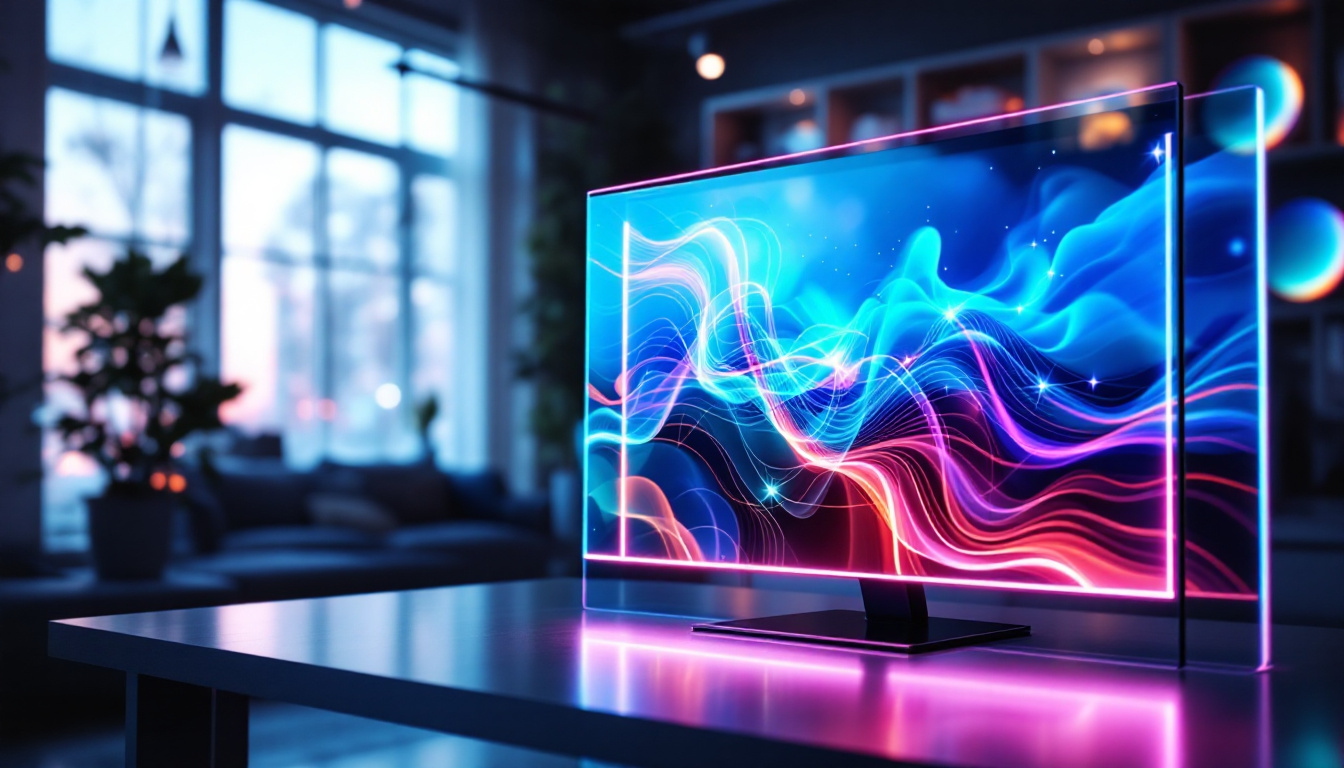
The global LED display market is projected to reach over $30 billion by 2027, driven by increasing demand in retail, sports arenas, transportation hubs, and entertainment sectors. This growth underscores the importance of optimizing LED display technology to meet diverse and demanding visual requirements. In addition to traditional applications, innovations in LED technology have led to the development of flexible and transparent displays, opening up new possibilities for creative advertising and architectural design, where aesthetics and functionality converge.
Why Quality Matters in LED Displays
High-quality LED displays not only attract viewers but also ensure clear communication of messages. Poor image quality, flickering, or color inaccuracies can lead to reduced audience engagement and diminished brand impact. Therefore, the hardware alone is not sufficient; the software that manages the video input and output plays a critical role in delivering flawless visuals. Advanced calibration techniques and real-time processing capabilities are essential to maintain color consistency across the display, especially in large installations where uniformity is key to visual coherence.
Moreover, the lifespan and durability of LED displays are critical factors that contribute to their overall quality. With proper maintenance and the right environmental conditions, LED displays can last up to 100,000 hours, significantly reducing replacement costs and environmental impact. This longevity is particularly beneficial for businesses that rely on continuous operation, as it minimizes downtime and ensures that their messaging remains visible and effective. As technology continues to evolve, the integration of smart features, such as remote monitoring and automated adjustments, further enhances the reliability and performance of LED displays, making them an indispensable tool in modern communication strategies.
The Role of Video Processor Software in LED Displays
Video processor software acts as the brain behind LED displays. It processes incoming video signals, optimizes them, and controls how the content is rendered on the LED panels. This software ensures that images and videos are displayed with the correct resolution, color calibration, and synchronization, regardless of the source or display size.
In essence, video processor software bridges the gap between raw video content and the physical LED hardware, enabling seamless playback and dynamic visual effects. By leveraging advanced algorithms and real-time processing capabilities, this software transforms standard video feeds into stunning visual experiences, making it indispensable for various applications, from large-scale advertising to immersive art installations.
Key Functions of Video Processor Software
Video processor software performs several essential functions that directly impact the quality and flexibility of LED displays:
- Signal Conversion and Scaling: Converts various input formats (HDMI, DVI, SDI, etc.) into a format compatible with the LED panel and scales the resolution to fit the display size without distortion.
- Color Correction and Calibration: Adjusts color balance, brightness, and contrast to ensure accurate and vibrant visuals that match the original content.
- Image Stitching and Mapping: For large displays composed of multiple LED panels, the software stitches images seamlessly across panels and maps content precisely to the physical layout.
- Synchronization: Ensures that video frames are synchronized across all panels to avoid tearing or lag, which is crucial for live broadcasts and interactive displays.
- Content Management: Allows scheduling, playback control, and real-time adjustments, enabling dynamic content delivery and easy updates.
Moreover, video processor software often includes advanced features such as real-time analytics and performance monitoring. This capability allows operators to track viewer engagement and optimize content delivery based on audience behavior. For instance, in advertising, understanding which visuals attract more attention can lead to more effective campaigns, maximizing return on investment. Additionally, many modern video processors support integration with various content management systems, enabling seamless updates and modifications to the displayed content without requiring extensive downtime.
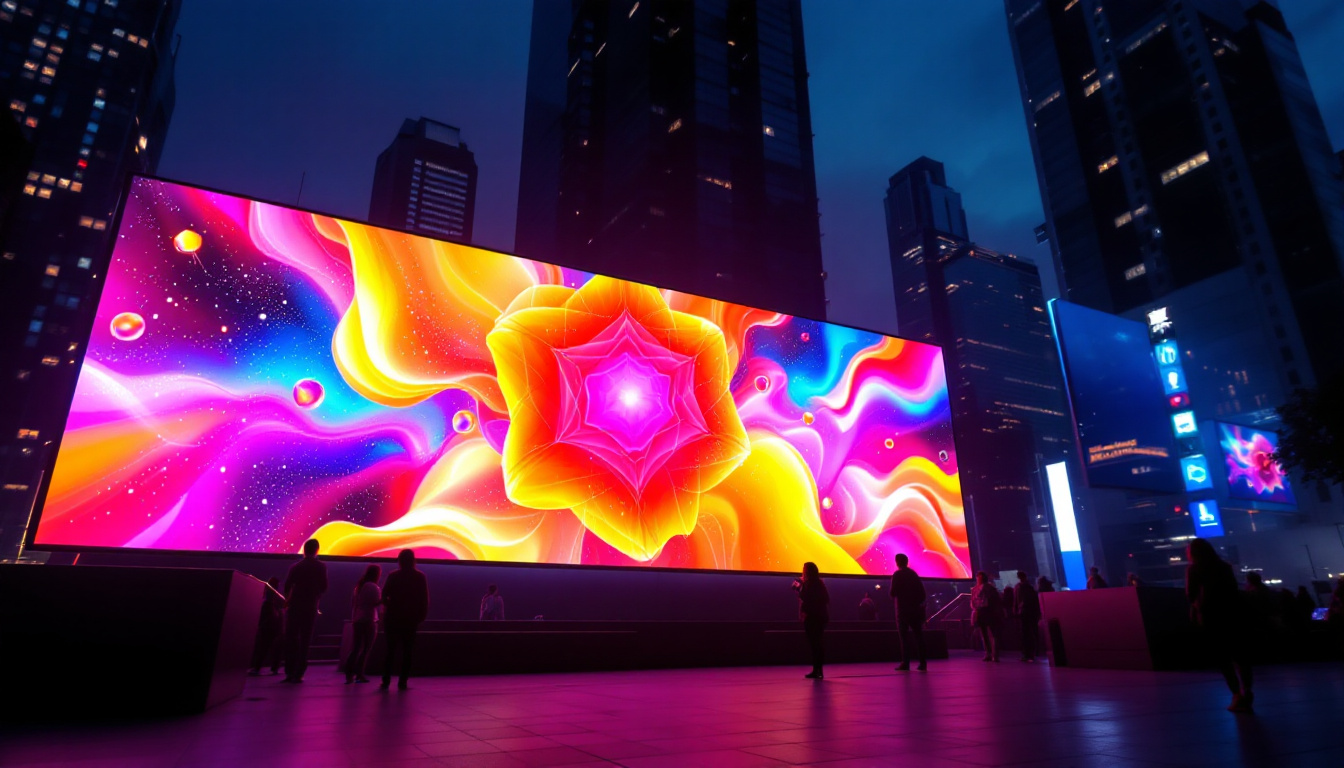
Another significant aspect of video processor software is its ability to support 3D and augmented reality content. As the demand for immersive experiences grows, the software adapts to render complex graphics that enhance viewer engagement. This capability is particularly beneficial in sectors like entertainment, where concerts and events utilize LED displays to create captivating visual narratives that complement live performances. By harnessing the power of video processor software, creators can push the boundaries of traditional displays, transforming them into dynamic canvases that tell stories and evoke emotions.
How Video Processor Software Enhances LED Display Performance
Beyond basic processing, advanced video processor software incorporates intelligent features that significantly enhance LED display performance and user experience.
Dynamic Content Adaptation
Modern video processors can analyze ambient lighting conditions and adjust display brightness and contrast automatically. This ensures optimal visibility in varying environments, such as bright sunlight outdoors or dim indoor settings, without manual intervention. Furthermore, some sophisticated systems utilize machine learning algorithms to predict lighting changes throughout the day, allowing for preemptive adjustments that maintain consistent visual quality. This capability not only improves viewer engagement but also prolongs the lifespan of the LED displays by reducing unnecessary strain on the components.
Support for High-Resolution and 3D Content
With the rise of 4K and even 8K content, video processor software must handle ultra-high resolutions efficiently. Additionally, some processors support 3D content rendering, which is increasingly used in advertising and entertainment to create immersive experiences. These advanced processors can also upscale lower-resolution content, ensuring that all visuals maintain clarity and detail, regardless of their original format. This is particularly beneficial in environments where a mix of content types is displayed, allowing for a seamless viewing experience that captivates audiences and enhances storytelling.
Multi-Source and Multi-Display Management
In complex installations, such as stadiums or shopping malls, multiple video sources may need to be displayed simultaneously across several LED screens. Video processor software can manage these multi-source inputs, allowing split-screen displays, picture-in-picture modes, or synchronized playback across multiple displays. This flexibility is crucial for events that require real-time updates, such as sports broadcasts or live performances, where information needs to be communicated effectively to large audiences. Moreover, some systems offer remote management capabilities, enabling operators to adjust settings and content from a distance, which is particularly advantageous in large venues where accessibility may be limited.
Choosing the Right Video Processor Software for Your LED Display
Selecting the appropriate video processor software depends on several factors, including the size and resolution of the LED display, the nature of the content, and the specific application requirements.
Compatibility and Integration
Ensure that the software supports the input sources and output resolutions required by your LED panels. Compatibility with existing hardware and content management systems is also critical for seamless integration.
User Interface and Control Features
A user-friendly interface simplifies content management, scheduling, and real-time adjustments. Features such as remote control, automation, and diagnostics can enhance operational efficiency, especially for large-scale or multi-site deployments.
Scalability and Future-Proofing
Choose software that can scale with your display needs, supporting higher resolutions, additional input types, or expanded display configurations. Future-proofing your investment ensures that your LED display remains relevant as technology advances.
Real-World Applications and Case Studies
Video processor software is employed across various sectors, each with unique requirements and challenges.
Advertising and Retail
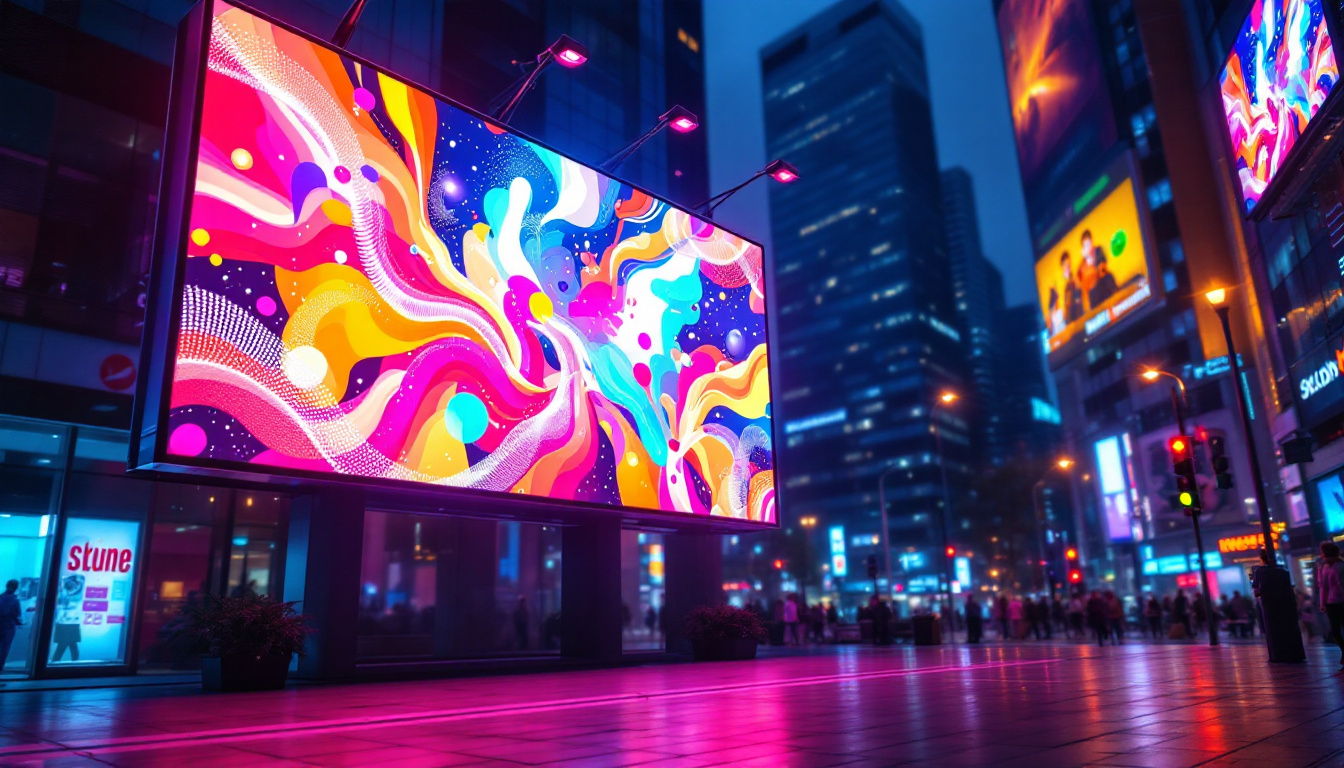
Retailers use LED displays to capture customer attention with vibrant, dynamic advertisements. Video processor software enables real-time content updates and interactive features, enhancing customer engagement and driving sales.
Sports and Entertainment Venues
Large stadiums and concert halls rely on synchronized, high-resolution LED displays to provide immersive experiences. Video processors manage multiple camera feeds, instant replays, and live graphics, ensuring smooth and captivating presentations.
Transportation and Public Information
Airports, train stations, and bus terminals use LED displays for real-time information dissemination. Video processor software ensures clear visibility and rapid updates, improving passenger experience and operational efficiency.
Future Trends in Video Processor Software for LED Displays
As LED technology continues to evolve, video processor software is also advancing to meet new demands.
Artificial Intelligence and Machine Learning Integration
AI-powered video processors are beginning to analyze content and environmental factors to optimize display settings automatically. This includes predictive maintenance alerts and adaptive content delivery based on audience behavior.
Cloud-Based Processing and Remote Management
Cloud integration allows for centralized control of multiple LED displays across different locations. Remote updates, diagnostics, and content management reduce operational costs and increase flexibility.
Enhanced Interactivity and Augmented Reality
Future video processors will support more interactive features, including gesture recognition and AR overlays, creating engaging and personalized viewer experiences.
Conclusion
Video processor software is a vital component in the LED display ecosystem, transforming raw video signals into stunning visual presentations. By understanding its functions, benefits, and applications, businesses and event organizers can make informed decisions to maximize the impact of their LED displays.
With ongoing advancements in technology, video processor software will continue to enhance display capabilities, offering richer, more dynamic, and interactive visual experiences that captivate audiences worldwide.
Discover LumenMatrix’s Advanced LED Display Solutions
Ready to elevate your visual communication with the latest in LED display technology? LumenMatrix is at the forefront of innovation, offering a diverse range of LED display modules designed to bring your brand to life. From vibrant Indoor and Outdoor LED Wall Displays to dynamic Vehicle and Sports LED Displays, our solutions are tailored to create immersive experiences that captivate and engage. Explore our cutting-edge LED Poster Displays, Floor LED Displays, Custom configurations, All-in-One solutions, and Transparent Displays. Embrace the future of digital signage with LumenMatrix and transform your message into a visual spectacle. Check out LumenMatrix LED Display Solutions today and see the difference for yourself.