In the rapidly evolving world of video production, lighting plays a pivotal role in shaping the quality and mood of the final output. Among the various lighting technologies available today, LED displays have emerged as a game-changer for video studios, offering unmatched versatility, efficiency, and creative control. This article delves into the fundamentals of LED display lighting in video studios, exploring its benefits, technical aspects, and practical applications to help professionals and enthusiasts alike harness its full potential.
Understanding LED Display Technology in Video Studios
LED, or Light Emitting Diode, technology has revolutionized many industries, and video production is no exception. Unlike traditional incandescent or fluorescent lights, LEDs produce light through electroluminescence, which makes them more energy-efficient, longer-lasting, and capable of producing a wide spectrum of colors.
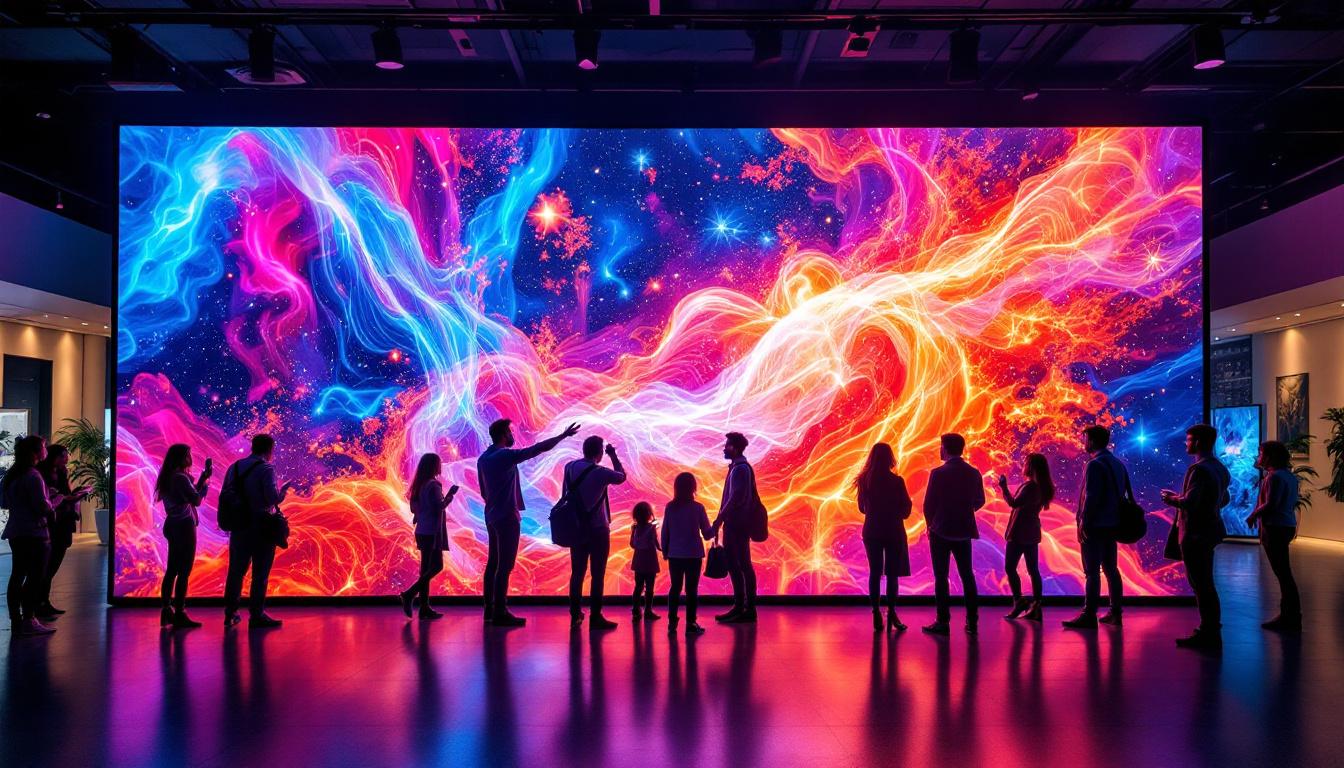
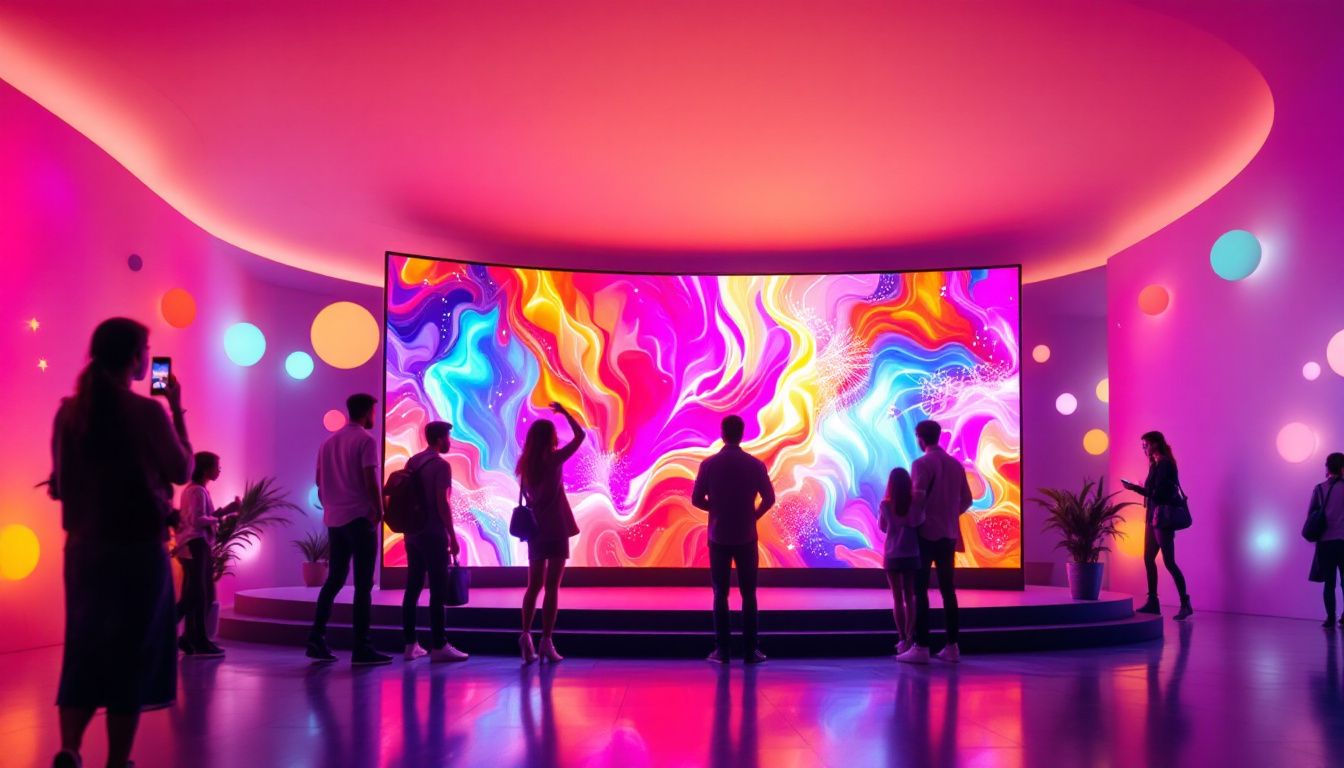
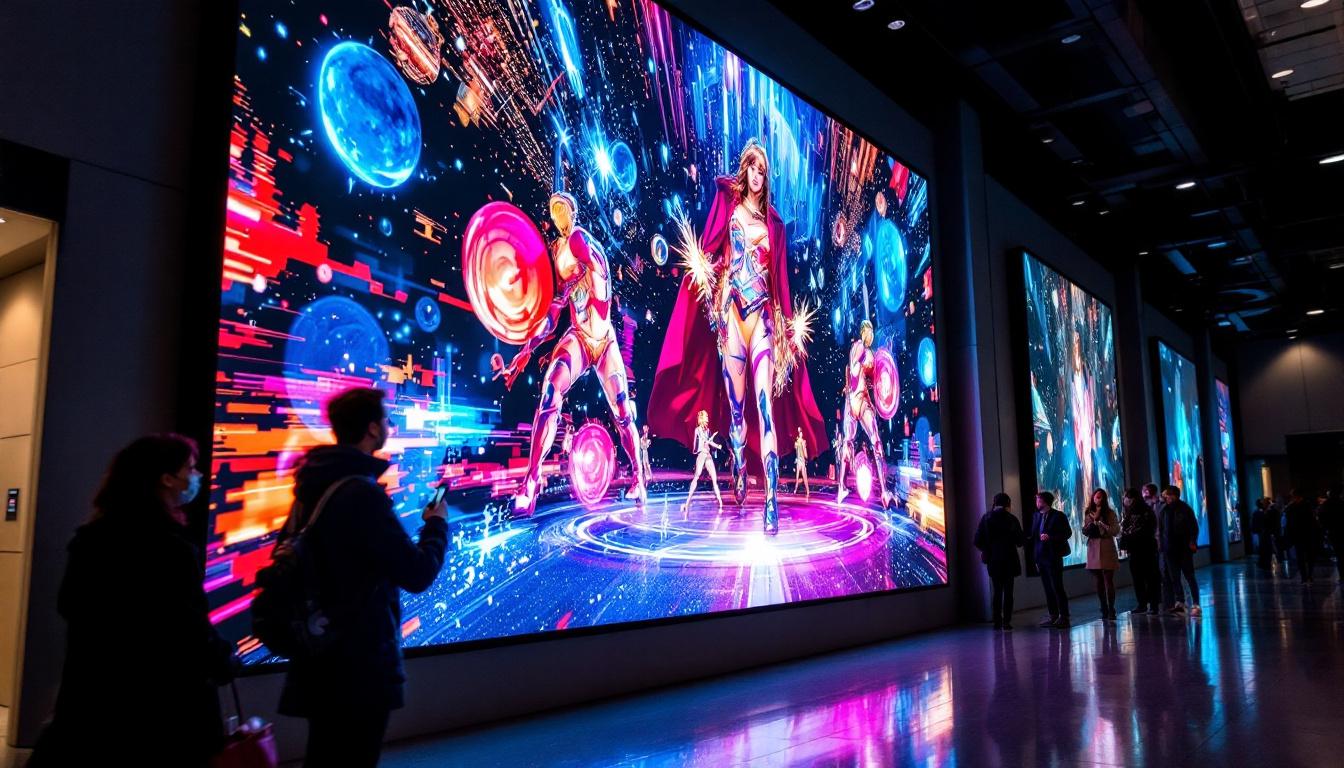
In video studios, LED displays are not just used as lighting fixtures but also as dynamic backdrops and interactive elements. These displays consist of numerous tiny LEDs arranged in panels or strips, which can be individually controlled to adjust brightness, color temperature, and even display images or videos. This flexibility allows for highly customizable lighting setups that can adapt to various shooting scenarios. For instance, a director can seamlessly switch from a warm, inviting atmosphere for a talk show to a cool, dramatic setting for a thriller scene, all with the touch of a button.
The Evolution from Traditional Lighting to LED Displays
Historically, video studios relied heavily on tungsten and fluorescent lights, which, while effective, had significant limitations. Tungsten lights generate a lot of heat and consume substantial power, making long shoots uncomfortable and costly. Fluorescent lights, although cooler, often suffer from flickering issues and limited color rendering capabilities.
LED displays address these challenges by offering cooler operation, lower power consumption, and superior color accuracy. Moreover, the ability to program LED panels for specific lighting effects or backgrounds has opened new creative avenues that were previously difficult or impossible to achieve with conventional lighting. For example, studios can now create immersive environments that respond to the action on screen, enhancing the viewer’s experience. This capability is particularly beneficial in live broadcasts or events, where real-time adjustments can be made to match the mood or theme of the production.
Additionally, the compact size and lightweight nature of LED technology allow for greater flexibility in studio design. Unlike bulky traditional lighting setups that require extensive rigging and space, LED panels can be easily mounted on walls, ceilings, or even used as portable units. This adaptability not only maximizes the use of studio space but also enables quick changes to the set design, facilitating a more dynamic and creative workflow. As studios continue to embrace this technology, the possibilities for innovative storytelling and visual effects will only expand, pushing the boundaries of what is achievable in video production.
Key Benefits of Using LED Displays in Video Studio Lighting
Adopting LED display technology in video studios brings a host of advantages that enhance both the production process and the final video quality.
Energy Efficiency and Cost Savings
One of the most compelling reasons to switch to LED displays is their energy efficiency. LEDs consume up to 75% less energy compared to traditional lighting solutions, which translates into significant cost savings over time. For studios running multiple lights for extended periods, this reduction in power consumption can lower operating expenses dramatically.
Additionally, LEDs have a longer lifespan, often exceeding 50,000 hours of use. This durability reduces the frequency and cost of replacements and maintenance, ensuring smoother production schedules without unexpected interruptions.
Superior Color Accuracy and Control
Color accuracy is crucial in video production, as lighting directly affects how colors appear on camera. LED displays offer excellent color rendering indexes (CRI), often above 90, meaning they reproduce colors more faithfully and vividly than many traditional light sources.
Moreover, LED panels can be finely tuned in terms of color temperature, ranging from warm (around 2700K) to daylight-balanced (up to 6500K) or even beyond. This adaptability allows lighting designers to match ambient conditions or create specific moods without needing multiple lighting fixtures.
Creative Flexibility and Dynamic Effects
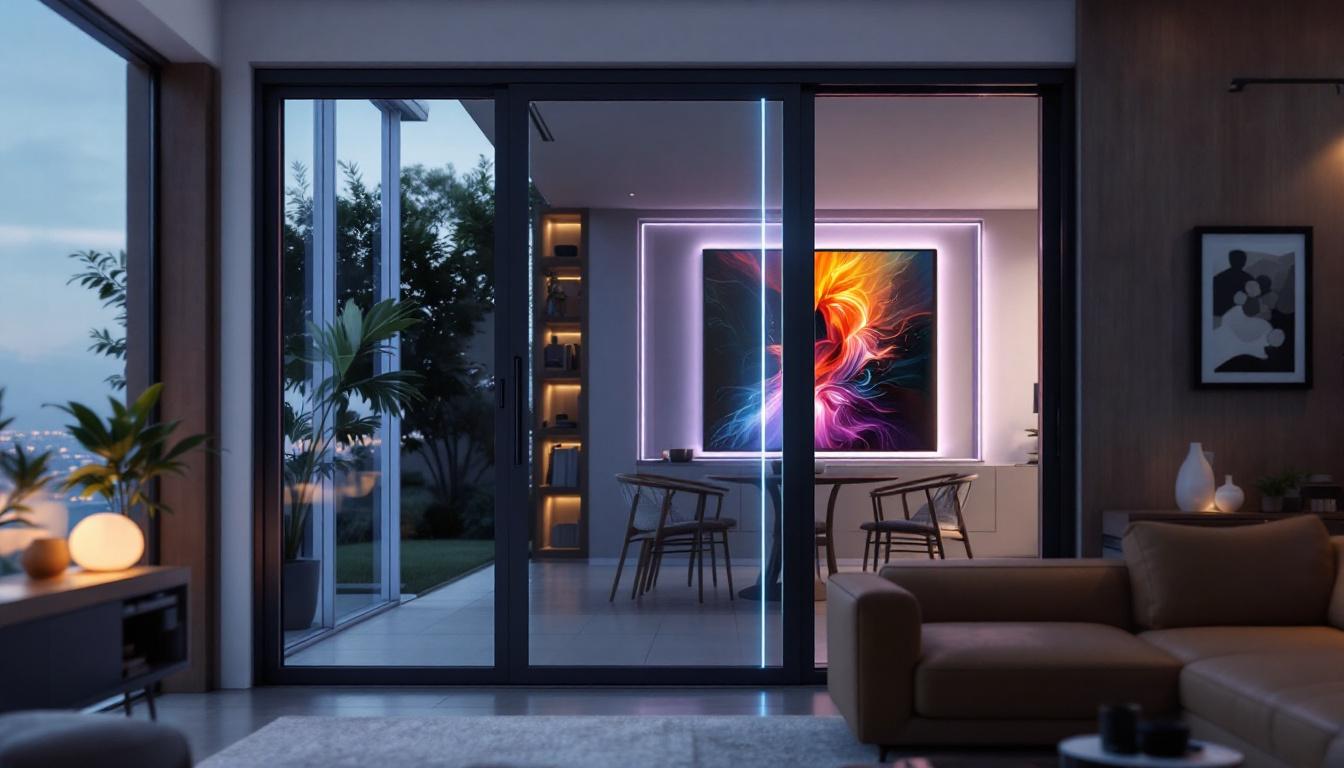
Perhaps the most exciting aspect of LED displays is their ability to serve as both light sources and visual elements. Programmable LED panels can display patterns, gradients, or even video content, enabling dynamic backgrounds that interact with the subject or narrative.
This capability is particularly valuable in virtual sets, live broadcasts, and music videos, where immersive environments enhance storytelling. The seamless integration of lighting and visuals reduces the need for post-production effects, saving time and resources.
Technical Considerations When Implementing LED Displays
While LED displays offer numerous benefits, their successful integration into a video studio requires careful planning and understanding of technical factors.
Resolution and Pixel Pitch
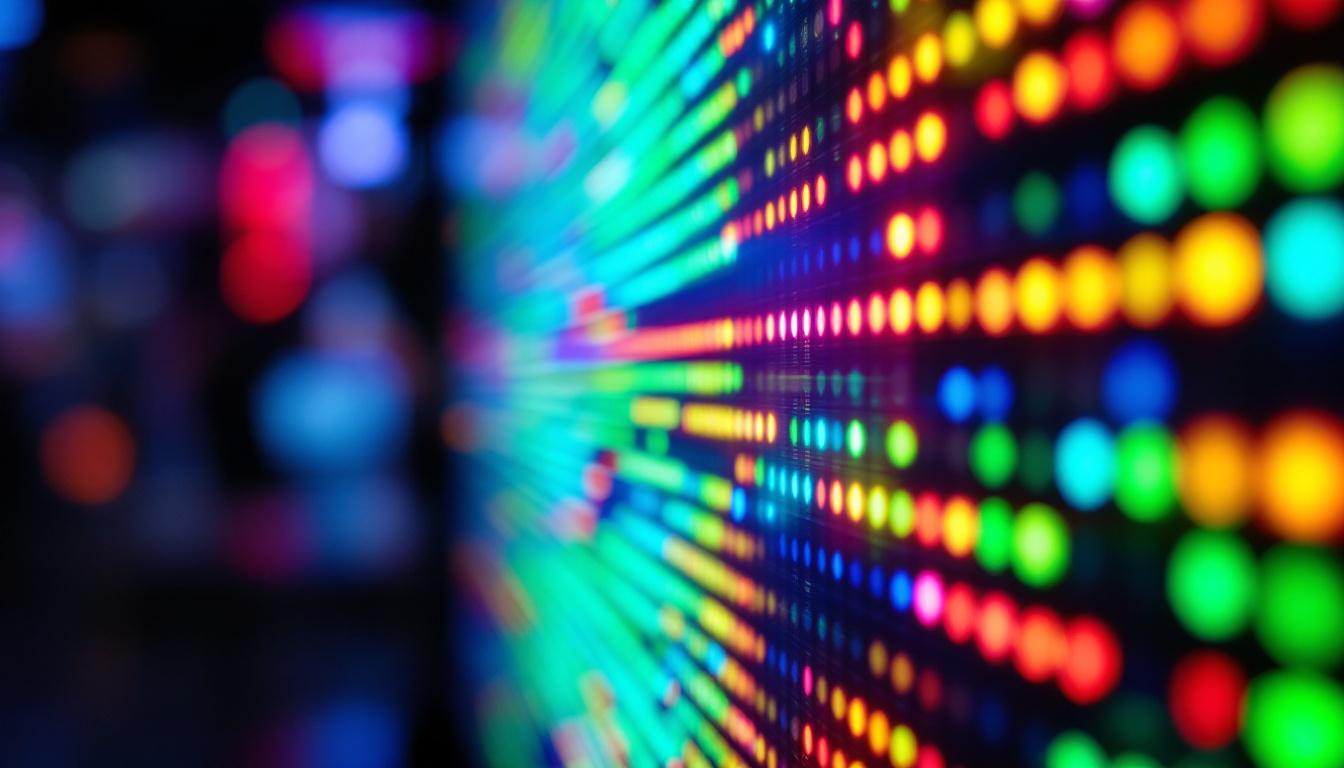
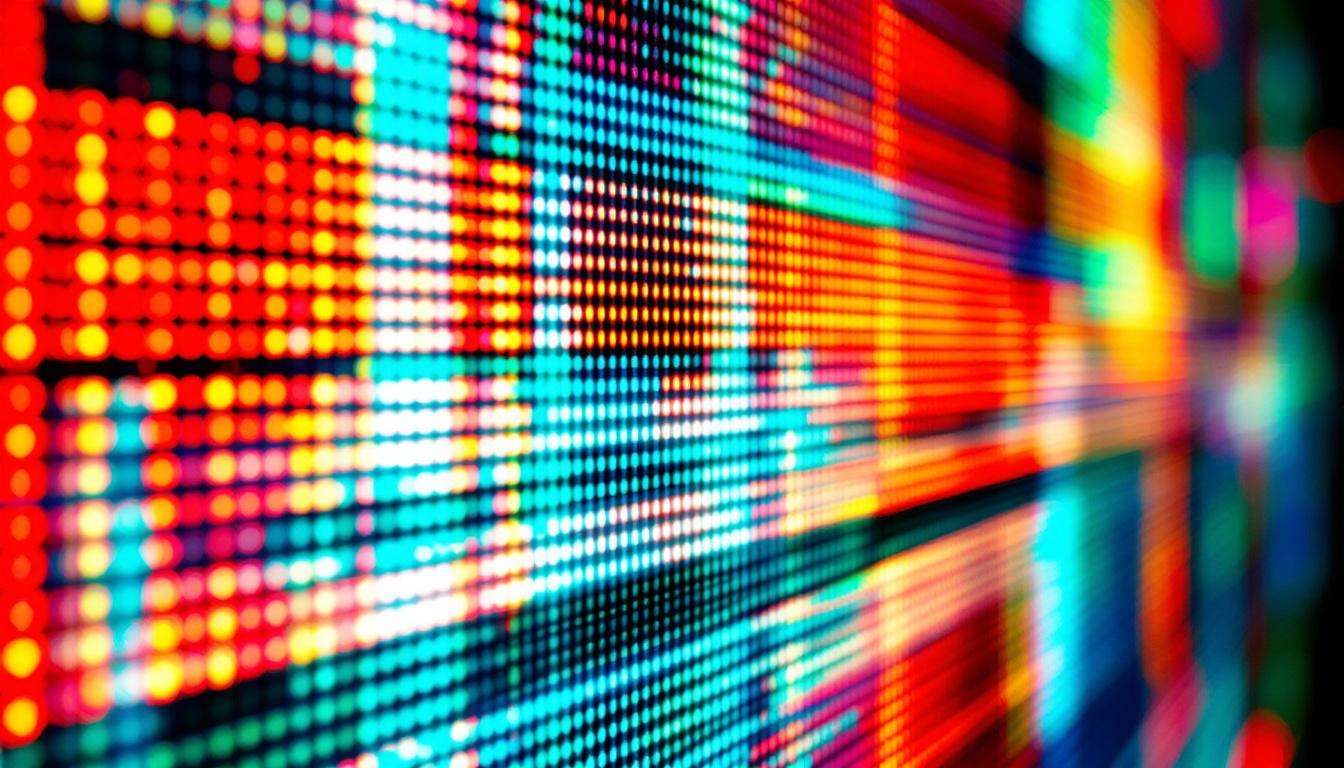
LED displays are composed of pixels, each containing one or more LEDs. The pixel pitch—the distance between the centers of two adjacent pixels—affects the display’s resolution and viewing distance suitability. A smaller pixel pitch means higher resolution and sharper images, which is essential for close-up shots.
For video studios, selecting the right pixel pitch depends on the intended use. Large background walls may tolerate a larger pitch (e.g., 3-6mm), while close-up or interactive panels require finer pitches (1-2mm) to avoid visible pixelation on camera.
Brightness and Dimming Capabilities
LED displays must provide sufficient brightness to compete with other studio lights and ambient light sources. Typical LED panels used in studios offer brightness levels ranging from 1,000 to 3,000 nits, adjustable via dimming controls.
Effective dimming without flicker is critical for video production, as flickering can cause visual artifacts on camera. High-quality LED drivers and control systems ensure smooth dimming curves and consistent light output, even at low levels.
Color Calibration and Consistency
Maintaining consistent color output across multiple LED panels is essential to avoid uneven lighting or color shifts in the final footage. Professional studios often employ color calibration tools and software to standardize the output of all LED units.
Color calibration also helps match LED lighting to other light sources on set, creating a cohesive visual environment. Regular recalibration is recommended to compensate for any drift in LED performance over time.
Practical Applications of LED Displays in Video Studios
LED displays are versatile tools that can be adapted to various video production needs. Understanding their practical applications helps studios maximize their investment.
Dynamic Backgrounds and Virtual Sets
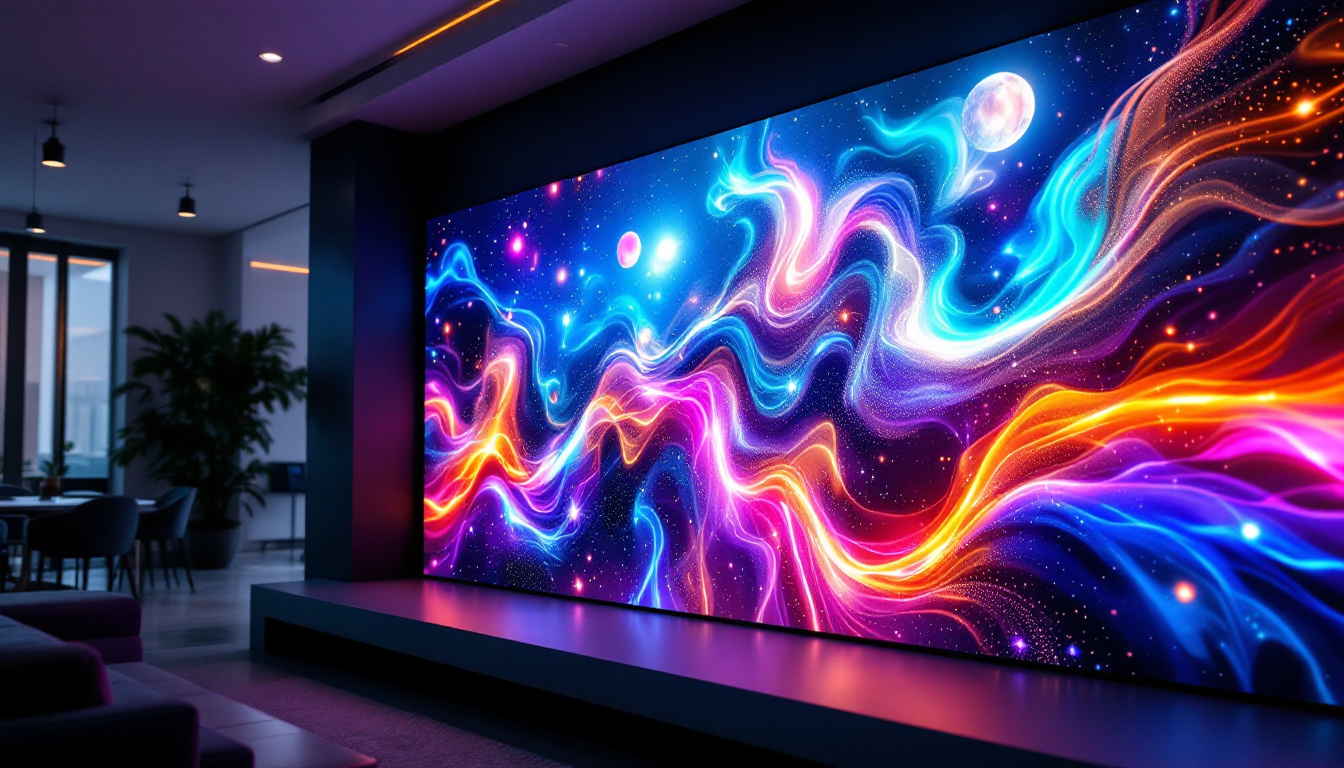
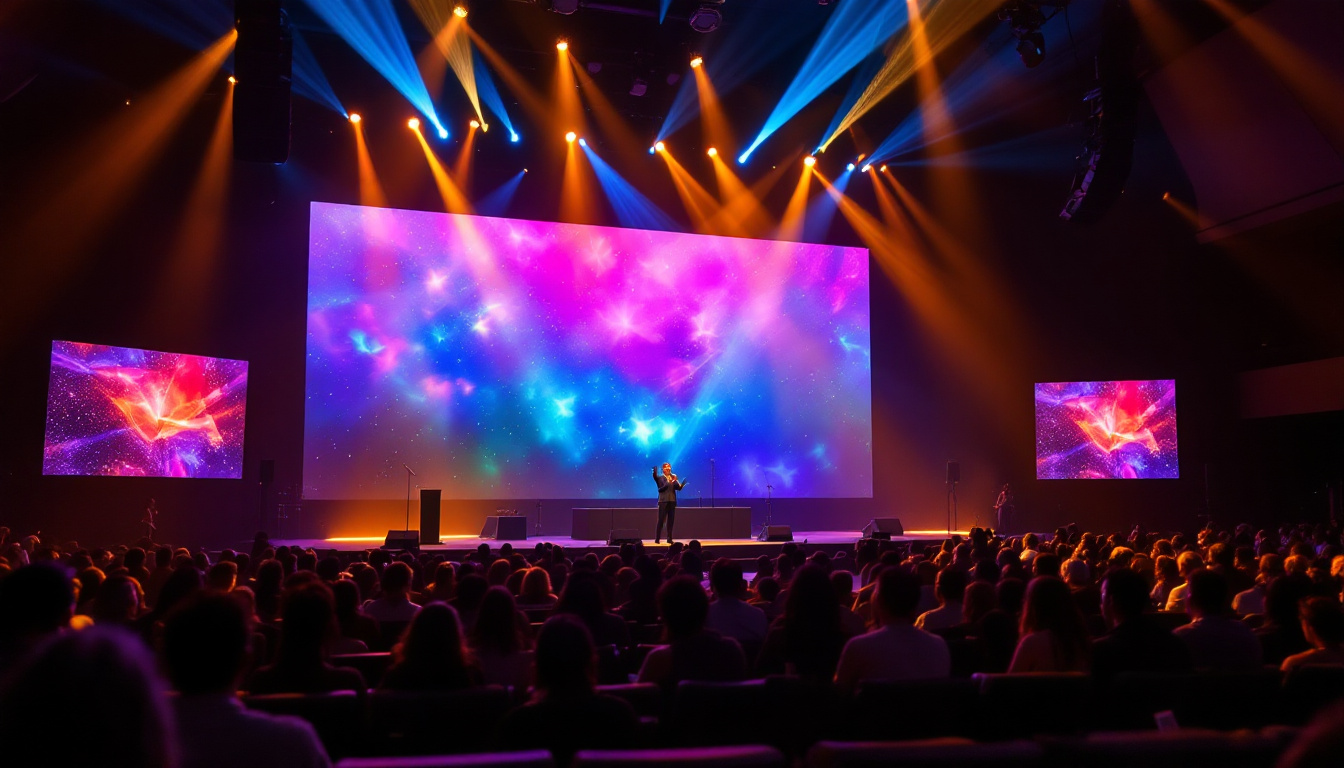
One of the most popular uses of LED displays in studios is creating dynamic backgrounds. Instead of relying on static green screens or physical sets, LED walls can display high-resolution images or videos that respond in real-time to camera movements.
This technology is widely used in virtual production environments, such as those seen in high-profile film and television projects. It enables immersive storytelling, reduces the need for location shoots, and accelerates production timelines.
Key and Fill Lighting
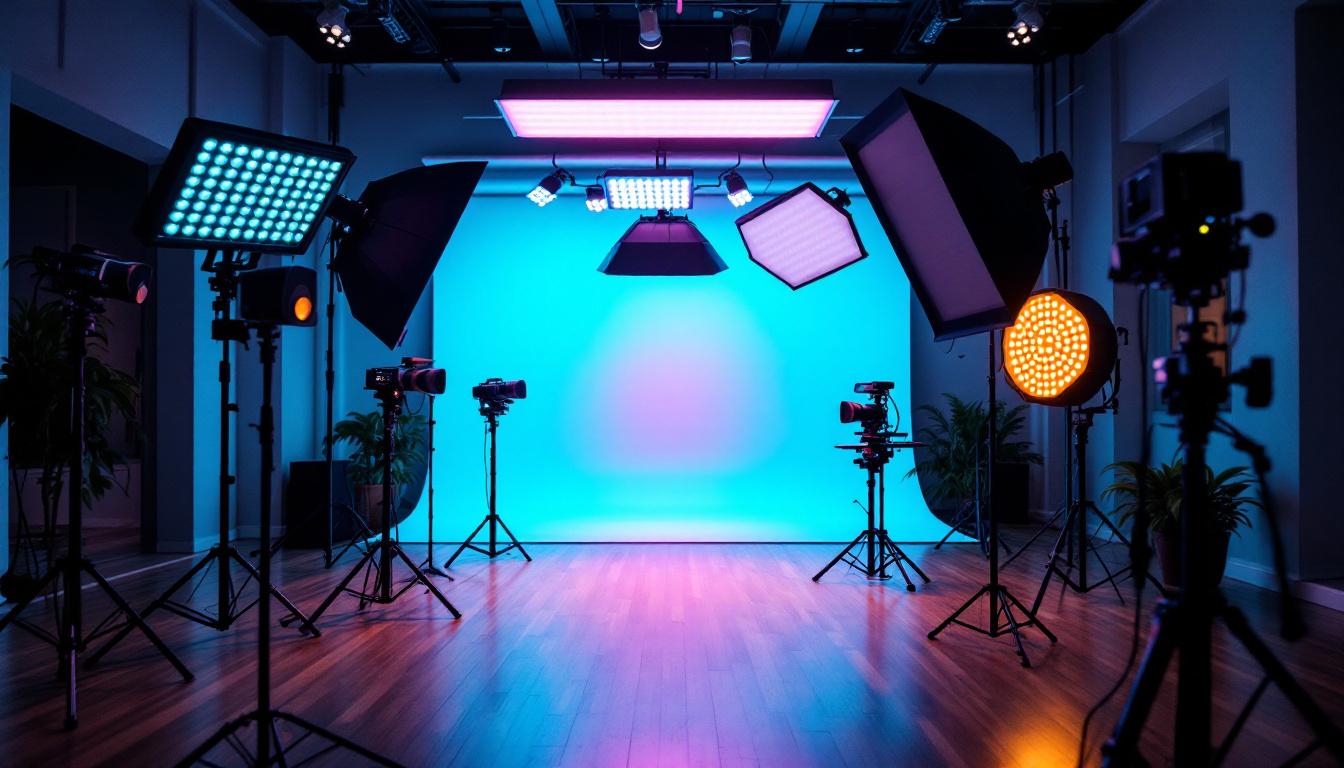
LED panels can serve as key or fill lights, providing soft, even illumination on subjects. Their adjustable color temperature and brightness make them ideal for balancing shadows and highlights, enhancing the subject’s appearance without harsh contrasts.
Because LED lights emit less heat, they contribute to a more comfortable environment for talent and crew during long shoots. Their compact form factor also allows for flexible placement in tight studio spaces.
Accent and Effect Lighting
Beyond general illumination, LED displays can be used for accent lighting to highlight specific areas or create mood effects. For example, colored LED strips can outline set pieces or provide subtle glows that add depth to a scene.
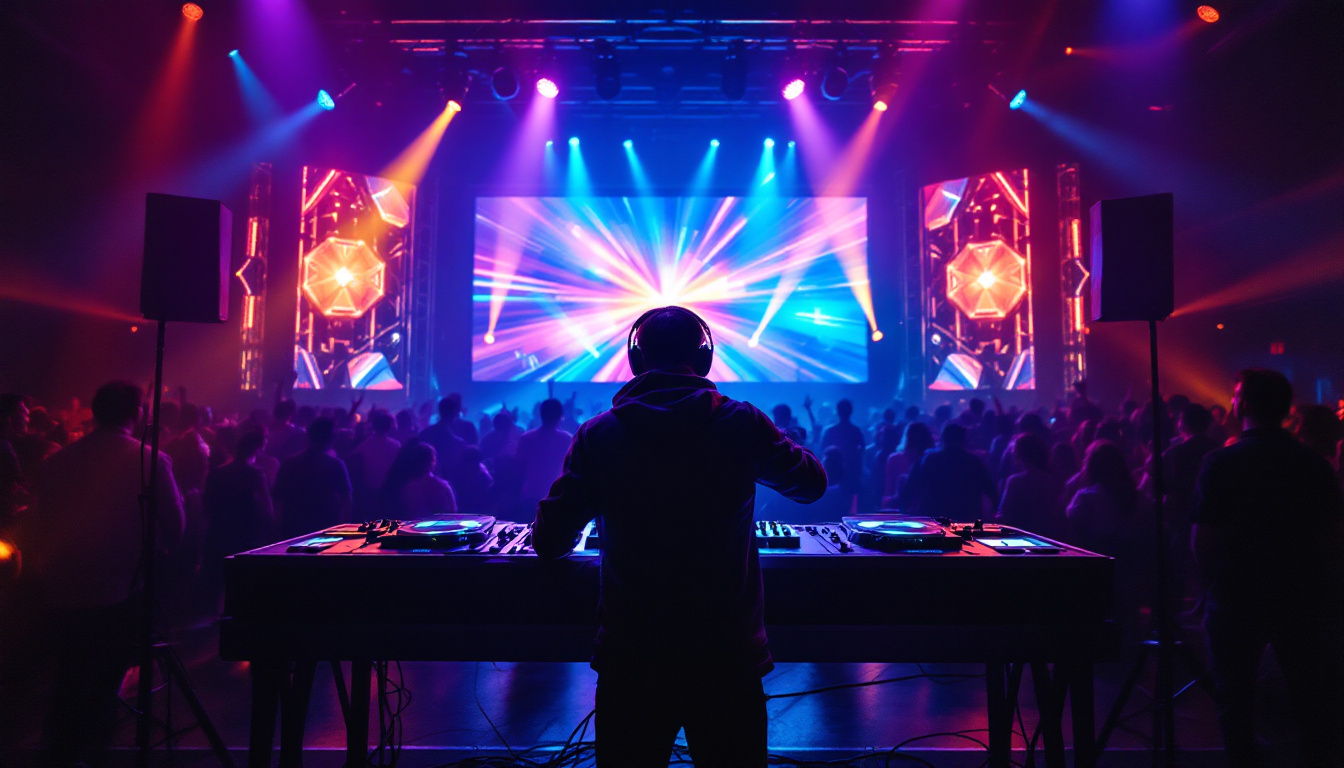
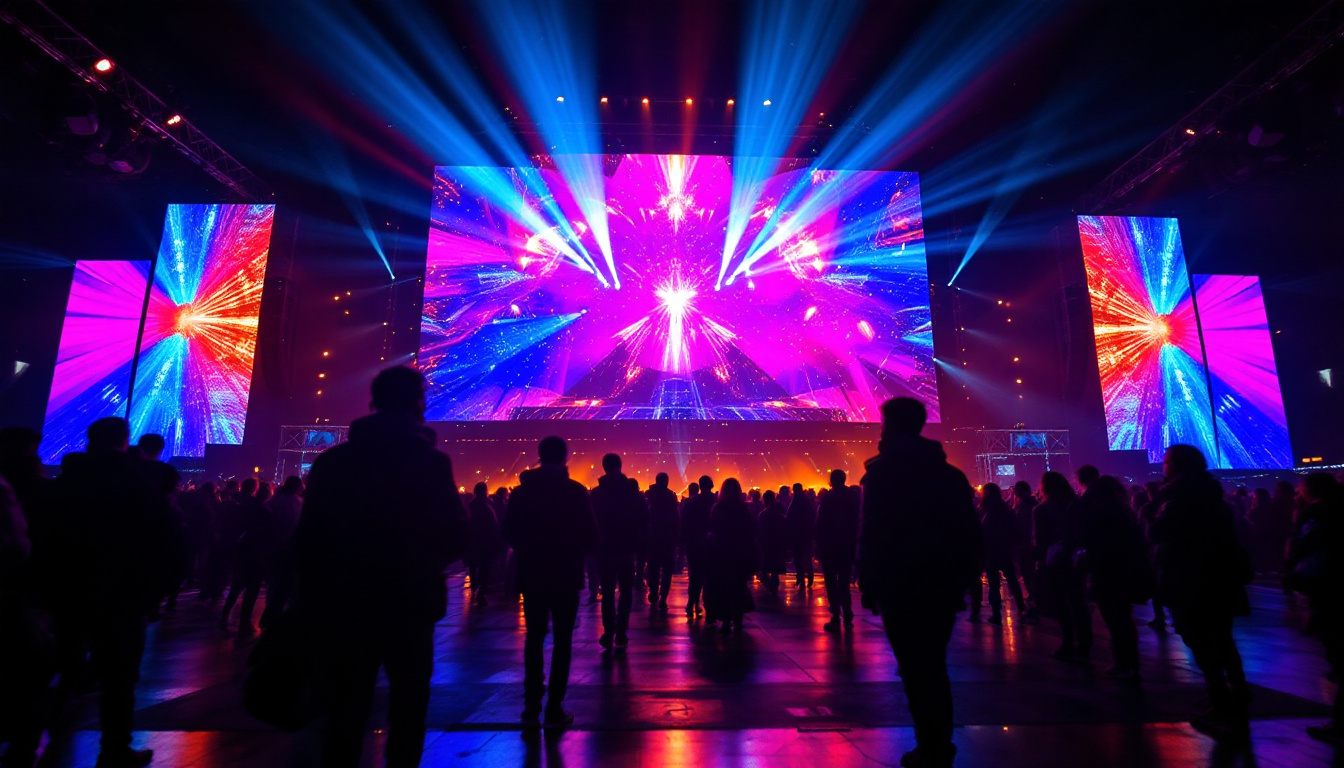
Programmable LED effects can synchronize with music or action, making them valuable in live performances, music videos, and commercials where visual impact is paramount.
Challenges and Best Practices in Using LED Displays
Despite their advantages, LED displays come with challenges that studios must address to optimize their use.
Initial Investment and Setup Complexity
High-quality LED display systems can require significant upfront investment, including hardware, control software, and installation. Studios should weigh these costs against long-term savings in energy and maintenance.
Additionally, setting up and calibrating LED displays demands technical expertise. Collaborating with experienced lighting designers and technicians ensures proper integration and maximizes performance.
Managing Reflections and Glare
LED panels, especially those used as backgrounds, can produce reflections or glare that interfere with camera lenses or create unwanted highlights on subjects. Proper angling, diffusion materials, and lens choices help mitigate these issues.
Power and Heat Management
Although LEDs generate less heat than traditional lights, large LED walls still produce some heat and require adequate ventilation. Ensuring proper power distribution and cooling prevents equipment failure and maintains a safe working environment.
Future Trends in LED Display Lighting for Video Studios
The LED display market continues to innovate rapidly, with emerging trends poised to further transform video studio lighting.
Mini-LED and Micro-LED Technologies
Advancements in mini-LED and micro-LED technologies promise even higher resolution and brightness with improved energy efficiency. These smaller LEDs allow for ultra-fine pixel pitches, enabling near-seamless displays ideal for close-up shots and intricate virtual sets.
Integration with Augmented Reality (AR) and Artificial Intelligence (AI)
Future LED lighting setups are expected to integrate more deeply with AR and AI systems. This integration will enable real-time adaptive lighting that responds intelligently to scene changes, talent movement, and environmental cues, enhancing creative possibilities.
Wireless and Modular LED Systems
Wireless control and modular LED panels will simplify studio setups, allowing for rapid reconfiguration and remote management. This flexibility is invaluable for studios producing diverse content formats and working under tight deadlines.
Conclusion
LED display technology has fundamentally reshaped video studio lighting by offering energy-efficient, versatile, and creatively empowering solutions. From dynamic backgrounds to precise color control, LEDs provide tools that meet the demanding standards of modern video production.
While the initial investment and technical complexity can be considerable, the long-term benefits in cost savings, creative flexibility, and production quality make LED displays a smart choice for studios aiming to stay at the forefront of the industry. As innovations continue to emerge, mastering LED display lighting will be essential for video professionals seeking to deliver compelling, visually stunning content.
Illuminate Your Vision with LumenMatrix
Ready to elevate your video production with the latest in LED display technology? Discover the innovative solutions from LumenMatrix, where cutting-edge LED display modules are designed to bring your creative concepts to life. Whether you’re looking for Indoor LED Wall Displays, Outdoor LED Wall Displays, or specialized options like Vehicle LED Displays and LED Sports Displays, LumenMatrix has the tools to transform your visual storytelling. Experience the future of video studio lighting and captivate your audience with vibrant, energy-efficient displays that embody the essence of modern production. Check out LumenMatrix LED Display Solutions today and join the revolution in visual communication.