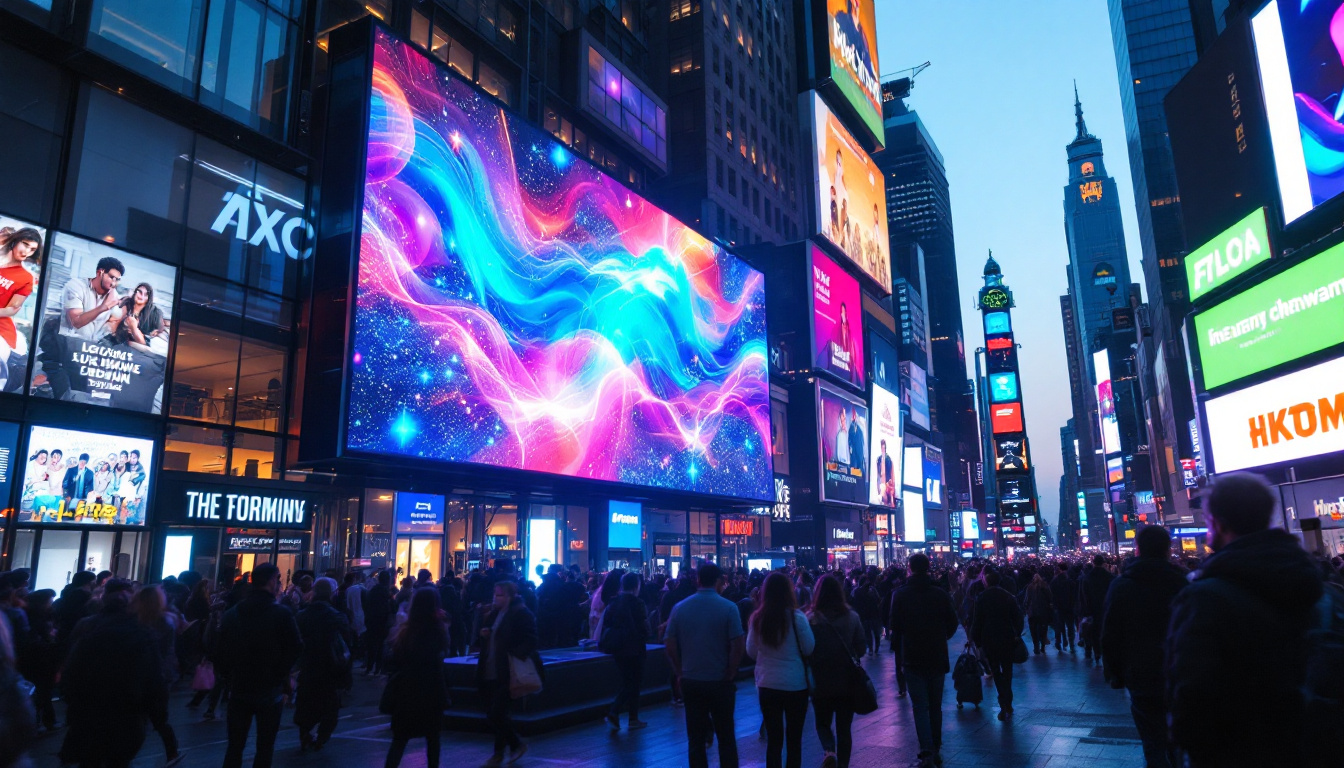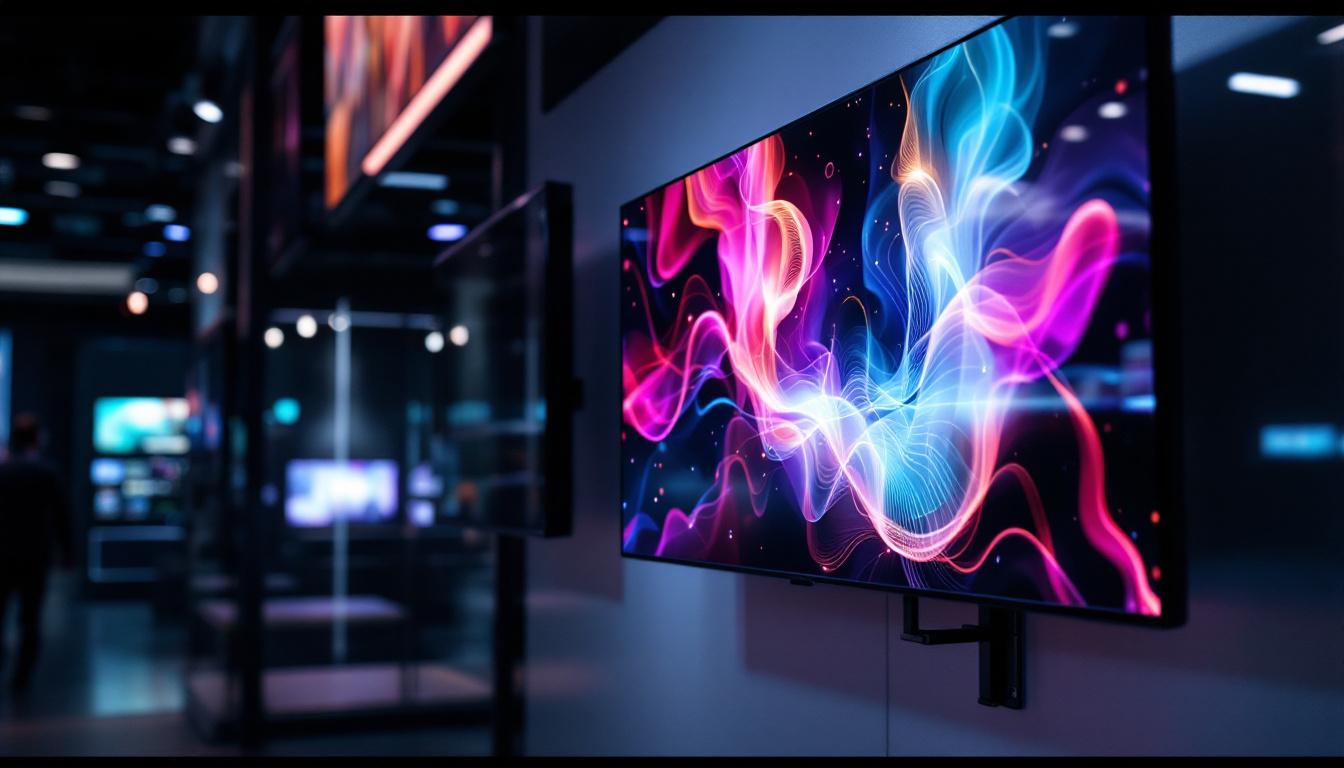
In today’s fast-evolving digital landscape, video walls have become a cornerstone of visual communication in various sectors, from corporate environments and retail spaces to control rooms and entertainment venues. At the heart of these impressive displays lies a crucial component—the video wall bracket. Understanding the role and functionality of video wall brackets, especially for LED displays, is essential for anyone looking to invest in or optimize a video wall setup.
This article delves into the intricacies of video wall brackets used for LED displays, exploring their types, installation considerations, and the latest technological advancements. Whether you are a facility manager, AV integrator, or simply a technology enthusiast, this comprehensive guide will provide valuable insights to help you make informed decisions.
Understanding Video Walls and LED Displays
What Is a Video Wall?
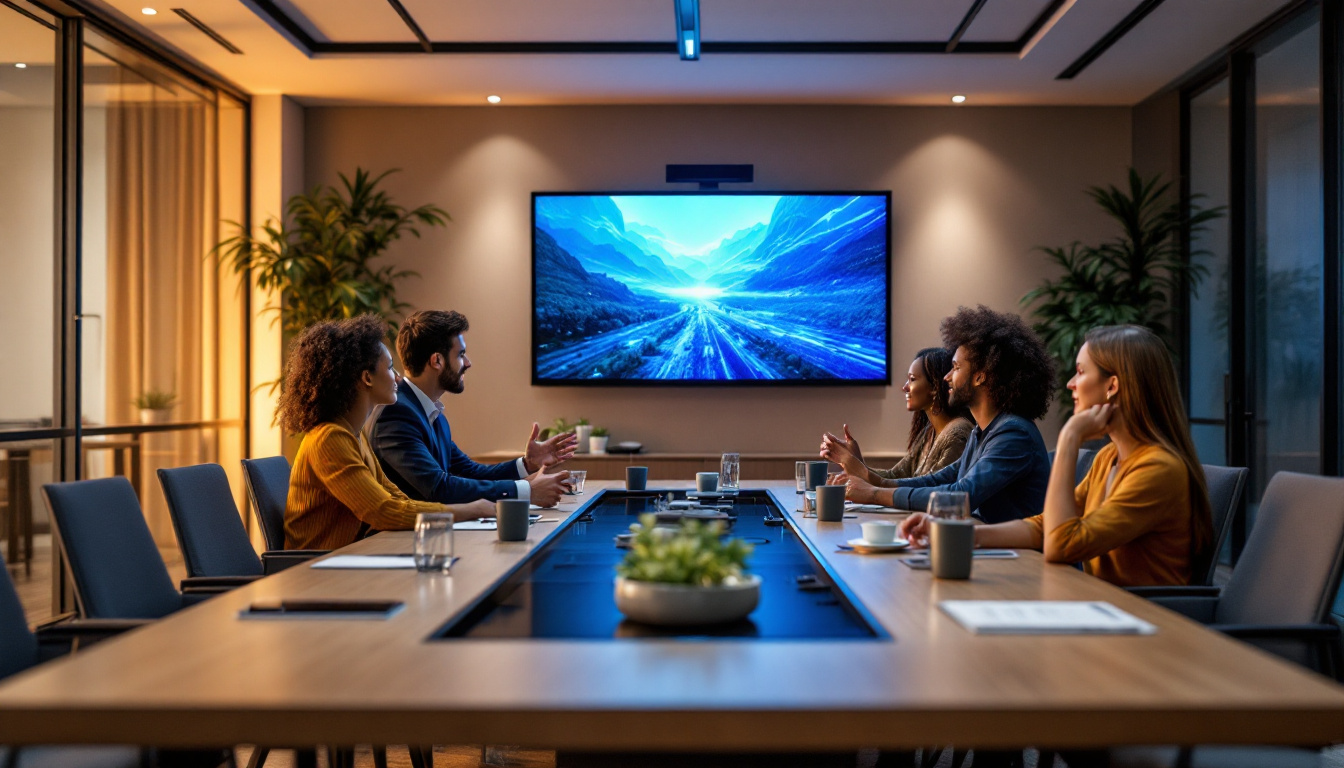
A video wall is a large-scale display system composed of multiple smaller screens or panels tiled together to form one unified, expansive screen. These systems are designed to deliver high-resolution visuals that can be viewed from a distance or up close, making them ideal for digital signage, presentations, command centers, and advertising.
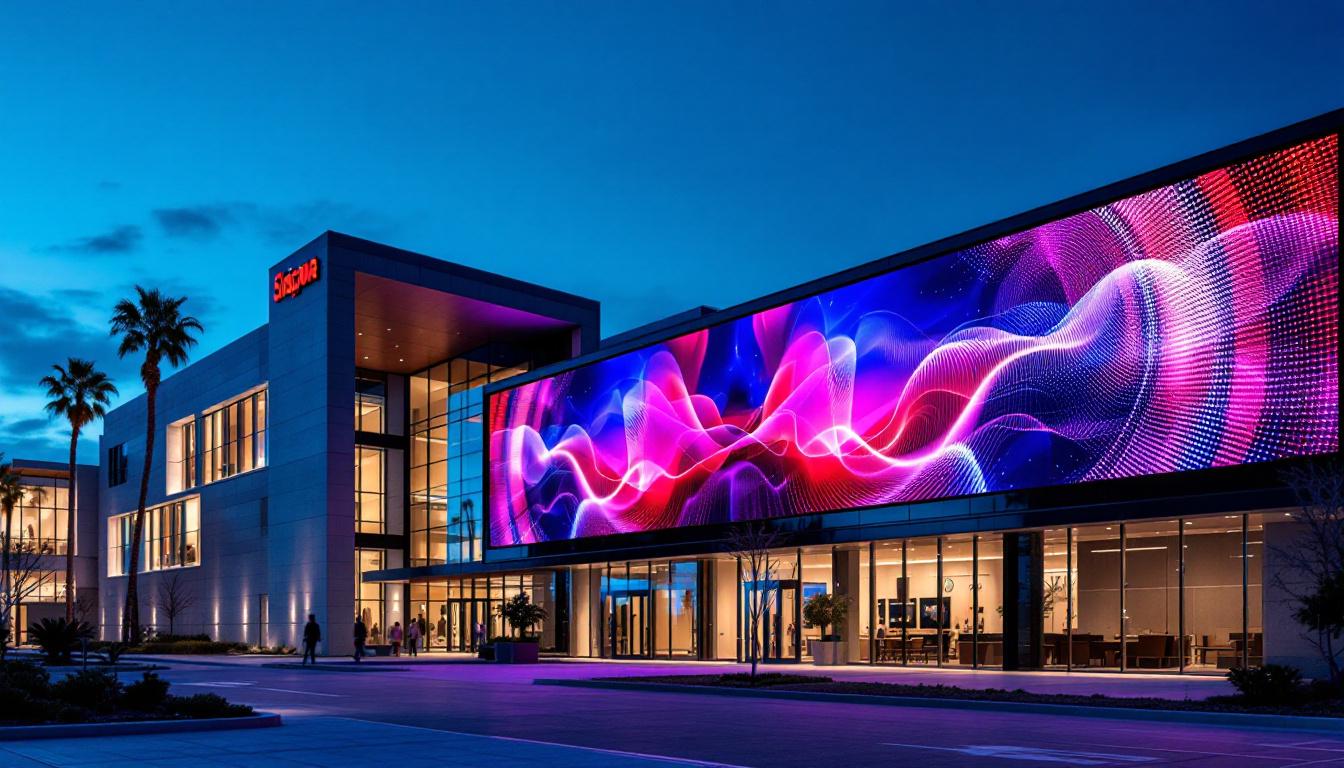
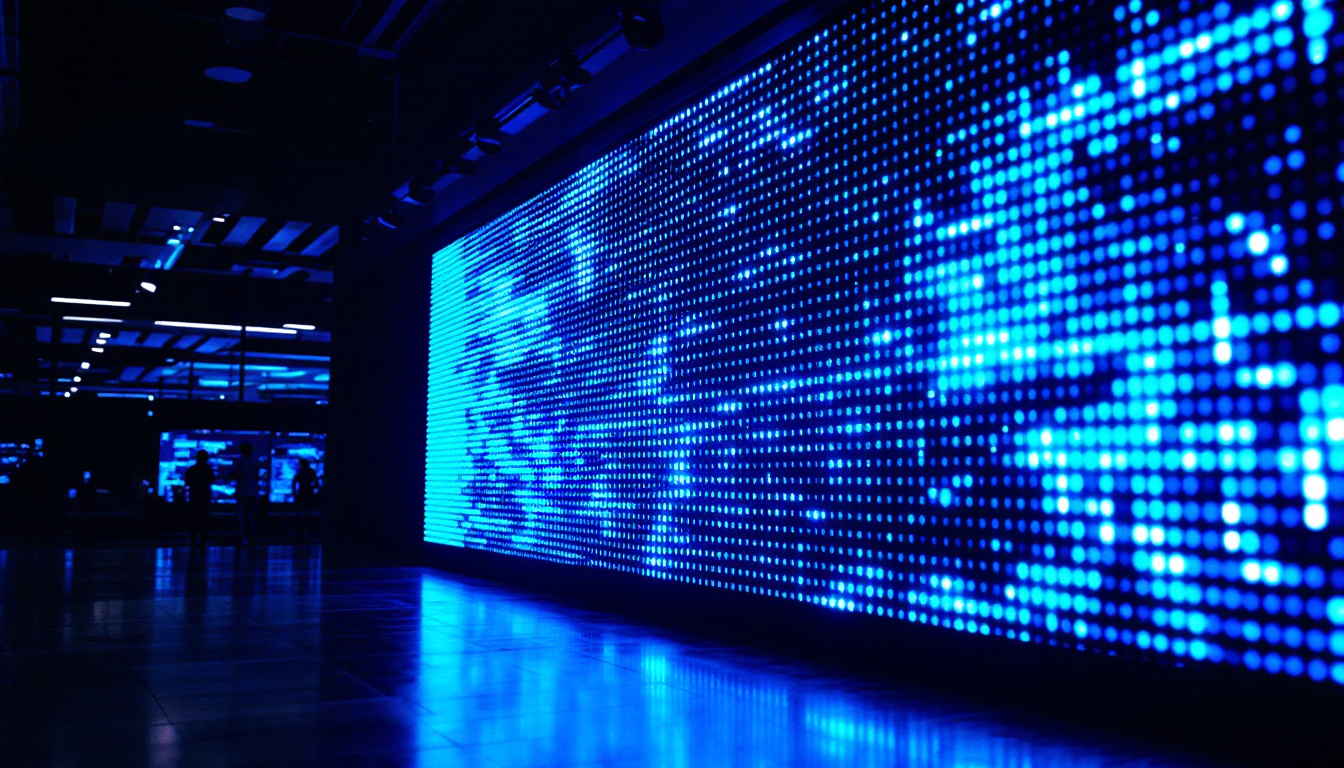
Video walls can be constructed using various technologies, including LCD, LED, and projection. Among these, LED video walls have gained significant popularity due to their superior brightness, color accuracy, and scalability. The versatility of video walls allows them to be configured in various shapes and sizes, accommodating different environments and design requirements. For instance, they can be arranged in a traditional rectangular format or creatively designed into curves and angles, providing a dynamic visual experience that captures attention and engages viewers.
Why Choose LED Displays for Video Walls?
LED (Light Emitting Diode) displays offer several advantages over traditional LCD panels, especially in video wall applications:
- Brightness and Visibility: LED displays can achieve higher brightness levels, making them suitable for both indoor and outdoor environments, even under direct sunlight.
- Seamless Visuals: With minimal bezels or even bezel-less designs, LED panels provide a near-seamless viewing experience, enhancing the overall image quality.
- Energy Efficiency: LEDs consume less power compared to other display technologies, which is beneficial for large installations.
- Longevity and Durability: LED panels typically have longer lifespans and are more robust, reducing maintenance costs over time.
In addition to these advantages, LED displays also support a wide range of content types, from static images and videos to real-time data feeds and interactive applications. This flexibility makes them particularly valuable in settings such as control rooms, where operators need to monitor multiple data streams simultaneously. Furthermore, advancements in technology have led to the development of fine-pitch LED displays, which offer even higher pixel densities, allowing for stunning detail and clarity even at close viewing distances. This makes them an excellent choice for venues like museums, art galleries, and high-end retail spaces, where visual impact is paramount.
Moreover, the integration of smart technology into LED video walls has opened up new possibilities for interactivity and user engagement. Many modern LED systems can be equipped with touch capabilities or integrated with augmented reality (AR) and virtual reality (VR) applications, creating immersive experiences that captivate audiences. As businesses and organizations continue to seek innovative ways to communicate their messages, the role of LED video walls in enhancing visual storytelling and audience interaction will undoubtedly grow, making them a staple in the future of digital displays.
The Role of Video Wall Brackets in LED Display Installations
What Is a Video Wall Bracket?
A video wall bracket is a specialized mounting system designed to securely hold and align individual LED panels in a video wall configuration. These brackets ensure that each panel is positioned precisely, maintaining uniform spacing and alignment to create a cohesive, high-quality display.
Beyond mere support, video wall brackets facilitate ease of installation, maintenance, and adjustment. They are engineered to accommodate the weight of LED panels, provide ventilation space, and allow for cable management, all while maintaining the aesthetic integrity of the video wall.
Types of Video Wall Brackets for LED Displays
Choosing the right bracket depends on the specific requirements of the installation, including the size of the video wall, the environment, and the type of LED panels used. Common types include:
Fixed Video Wall Brackets
These brackets provide a rigid, non-adjustable mount for LED panels. They are ideal for installations where the video wall will remain static and where minimal maintenance access is required. Fixed brackets are often used in retail displays and permanent installations.
Adjustable Video Wall Brackets
Adjustable brackets allow for fine-tuning of panel alignment after installation. This is particularly important for large video walls where even slight misalignments can disrupt the visual continuity. Adjustable mounts can tilt, swivel, or shift panels horizontally and vertically.
Rear-Serviceable Brackets
Rear-serviceable brackets enable maintenance and repairs to be performed from the back of the video wall without dismantling the entire structure. This design is essential for video walls installed in confined spaces or where front access is restricted.
Front-Serviceable Brackets
Front-serviceable brackets allow panels to be removed or serviced from the front. This type is common in environments where rear access is not possible, such as walls mounted directly against a surface or within tight spaces.
Key Considerations When Selecting a Video Wall Bracket
Weight Capacity and Structural Integrity
LED panels can be heavy, especially when combined in large video walls. It is critical to select brackets that can support the cumulative weight of the panels plus any additional hardware. Overloading brackets can lead to structural failure, posing safety risks and potential damage to the display.
Consulting the manufacturer’s specifications and, if necessary, engaging structural engineers for large installations ensures that the mounting system is safe and compliant with building codes.
Alignment Precision and Gap Minimization
One of the most important aspects of video wall quality is the seamlessness of the display. Video wall brackets must allow for precise alignment to minimize gaps between LED panels. Even a millimeter of misalignment can be noticeable, especially on high-resolution content.
Many modern brackets include micro-adjustment features that enable installers to achieve perfect alignment, enhancing the viewer’s experience.
Installation Environment and Accessibility
The environment where the video wall is installed influences bracket choice. For example, outdoor video walls require brackets made from corrosion-resistant materials such as stainless steel or powder-coated aluminum.
Accessibility for maintenance is another crucial factor. Rear-serviceable brackets are preferable in spaces with limited front access, while front-serviceable brackets suit installations where rear access is impossible.
Ventilation and Heat Dissipation
LED panels generate heat during operation, and proper ventilation is essential to maintain performance and extend lifespan. Video wall brackets should be designed to allow airflow behind and between panels, preventing overheating.
Some brackets include integrated cooling solutions or spaces designed to accommodate external cooling systems.
Installation Process and Best Practices
Pre-Installation Planning
Successful video wall installation begins with meticulous planning. This includes:
- Measuring the installation space accurately
- Determining the total weight and dimensions of the video wall
- Choosing compatible brackets and mounting hardware
- Planning for power and data cable routing
- Ensuring compliance with local building and safety codes
Step-by-Step Installation Overview
The installation process typically follows these steps:
- Wall Preparation: Reinforce the mounting surface if necessary to support the weight of the video wall.
- Bracket Installation: Securely attach the video wall brackets to the wall or mounting frame, using level tools to ensure accuracy.
- Panel Mounting: Carefully mount LED panels onto the brackets, ensuring alignment and secure attachment.
- Alignment and Adjustment: Use micro-adjustment features to fine-tune panel positioning and minimize gaps.
- Cabling and Power Connections: Route and connect power and data cables, ensuring neatness and accessibility.
- Testing and Calibration: Power on the video wall, test for uniformity, and calibrate color and brightness settings.
Maintenance and Troubleshooting
Regular maintenance is vital to keep LED video walls functioning optimally. This includes cleaning panels, checking bracket integrity, and inspecting cables. Video wall brackets designed for easy service access can significantly reduce downtime and maintenance costs.
In case of panel failure or misalignment, having a modular bracket system allows quick replacement or repositioning without dismantling the entire wall.
Emerging Trends and Innovations in Video Wall Brackets
Lightweight and Modular Designs
Manufacturers are increasingly focusing on lightweight materials like carbon fiber composites and advanced alloys to reduce the overall weight of video wall brackets. Modular designs enable scalability and easier upgrades, allowing businesses to expand or reconfigure video walls with minimal disruption.
Integrated Cable Management Systems
Modern brackets often incorporate built-in cable management channels, reducing clutter and improving airflow. This integration not only enhances aesthetics but also simplifies installation and maintenance.
Smart Mounting Solutions
Some advanced video wall brackets now feature embedded sensors and IoT connectivity to monitor structural integrity, temperature, and alignment in real-time. These smart systems can alert maintenance teams to potential issues before they impact performance.
Conclusion
Video wall brackets are more than just mounting hardware—they are essential components that ensure the stability, alignment, and longevity of LED video walls. Selecting the right bracket system involves careful consideration of weight capacity, alignment precision, environmental factors, and maintenance accessibility.
As LED display technology continues to advance, so too do the design and functionality of video wall brackets. Staying informed about the latest innovations and best practices can help organizations maximize the impact and reliability of their video wall installations.
Whether deploying a video wall in a bustling retail environment, a high-stakes control room, or a dynamic event space, investing in quality video wall brackets tailored to LED displays is a critical step toward achieving stunning, seamless visual experiences.
Discover LumenMatrix’s Advanced LED Display Solutions
Ready to elevate your visual communication with a video wall that captivates and engages? LumenMatrix is at the forefront of LED display innovation, offering a diverse range of solutions tailored to your unique needs. From vibrant indoor and outdoor displays to specialized applications like vehicle, sports, and custom LED displays, our technology is designed to make your brand shine. Experience the future of digital signage with our cutting-edge LED solutions. Check out LumenMatrix LED Display Solutions today and transform your space into a dynamic visual experience.