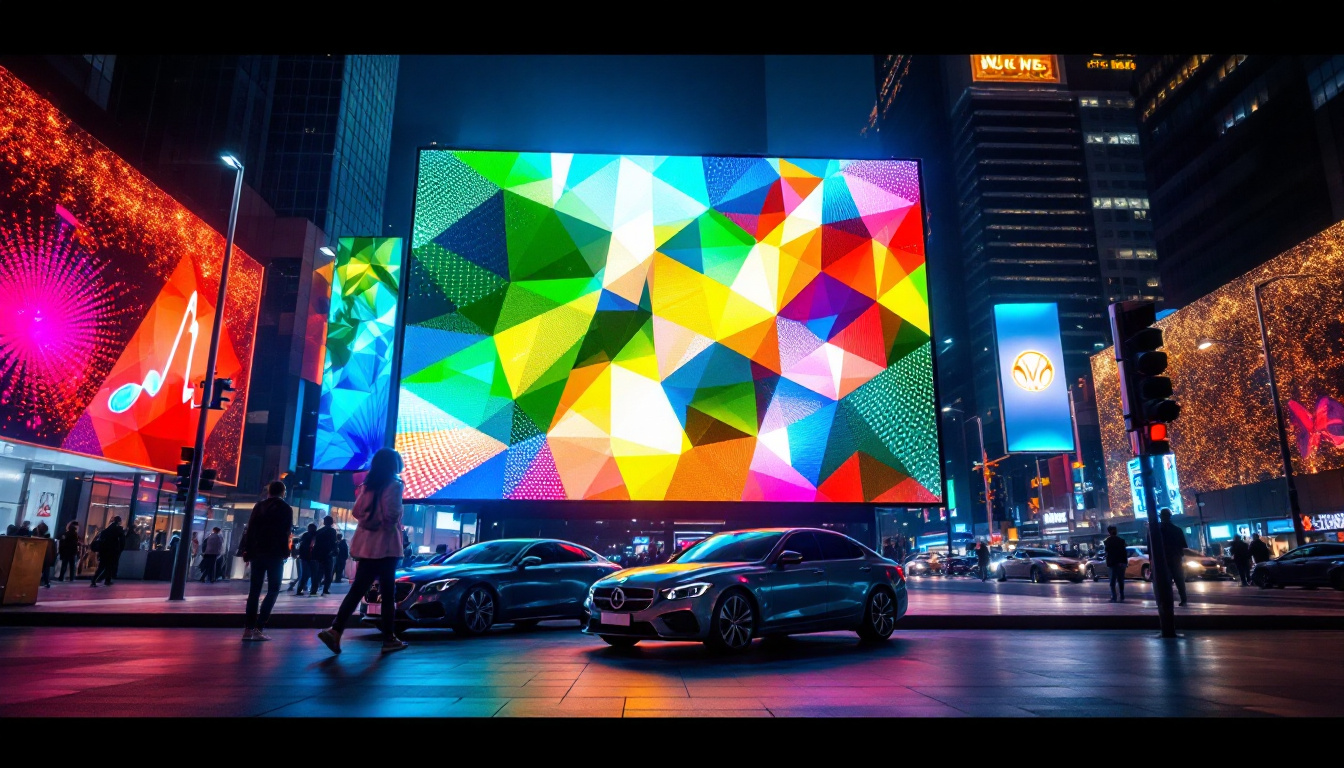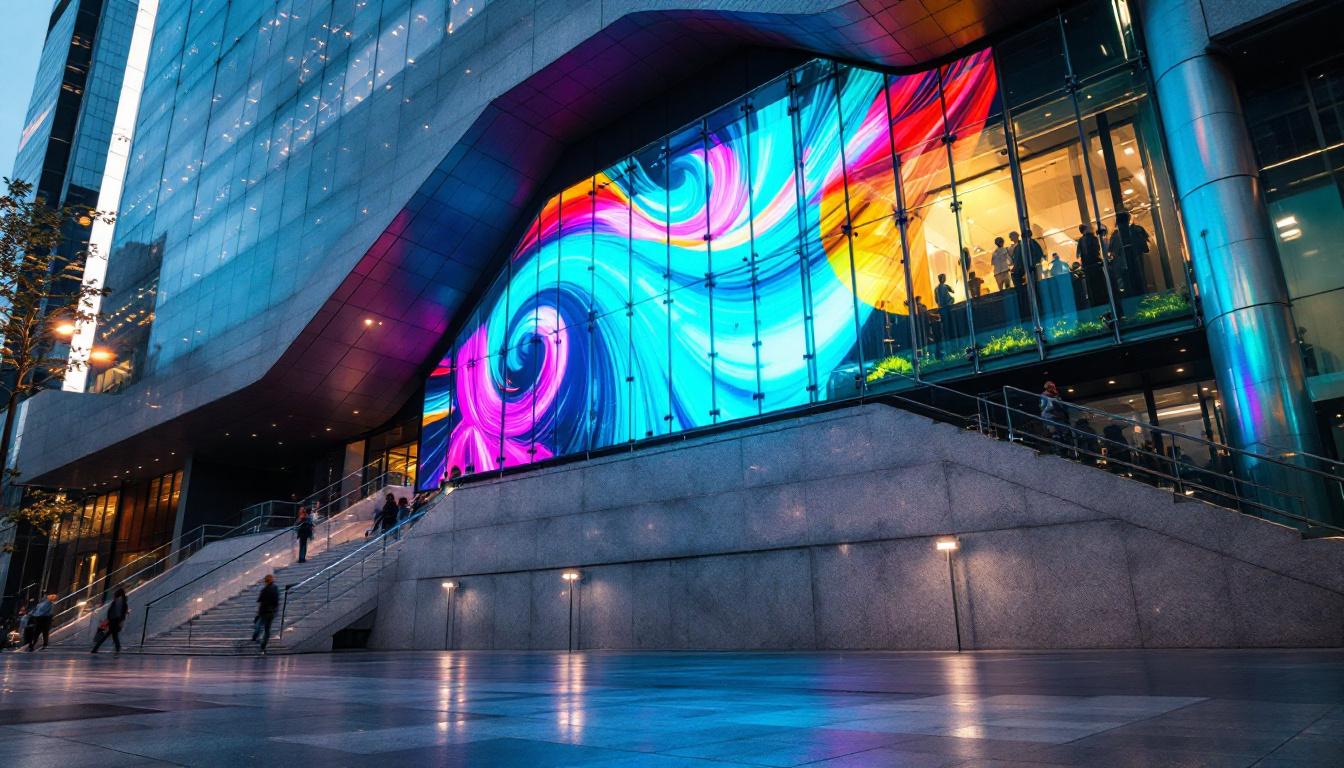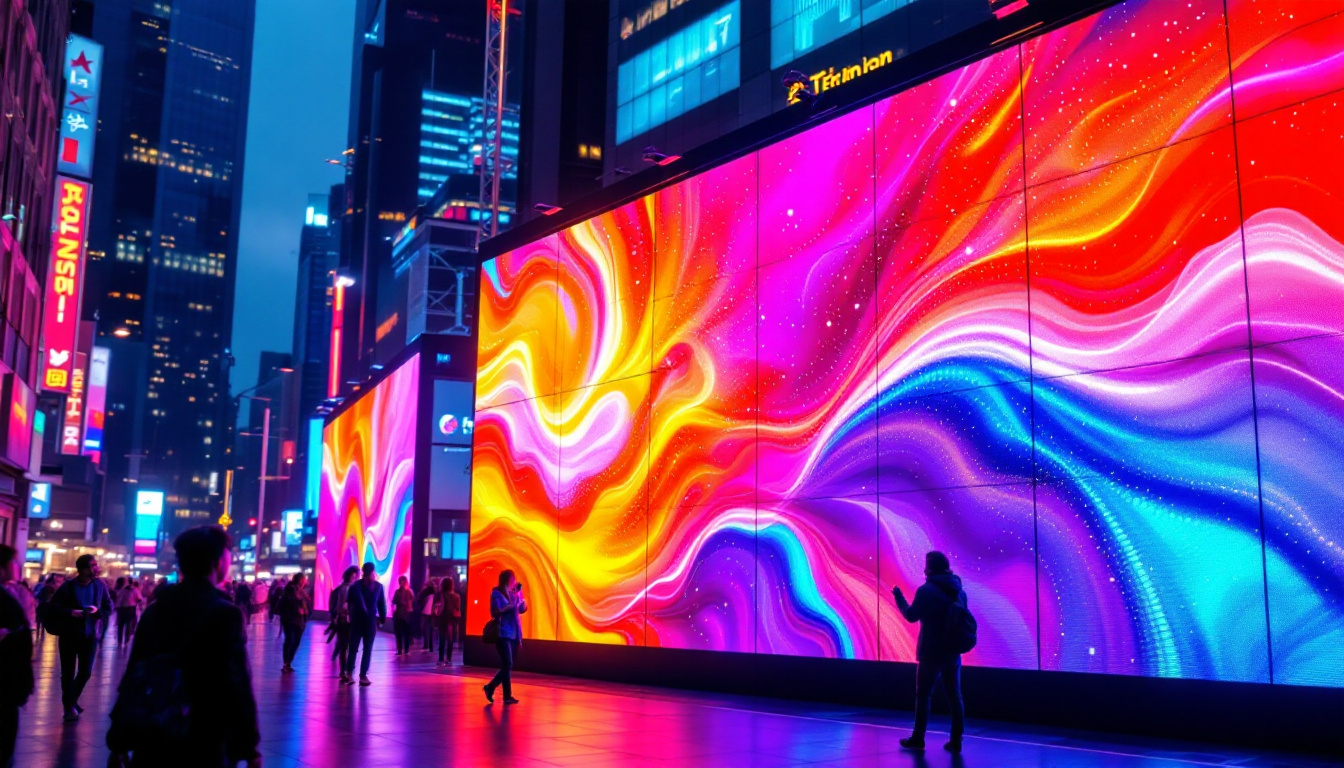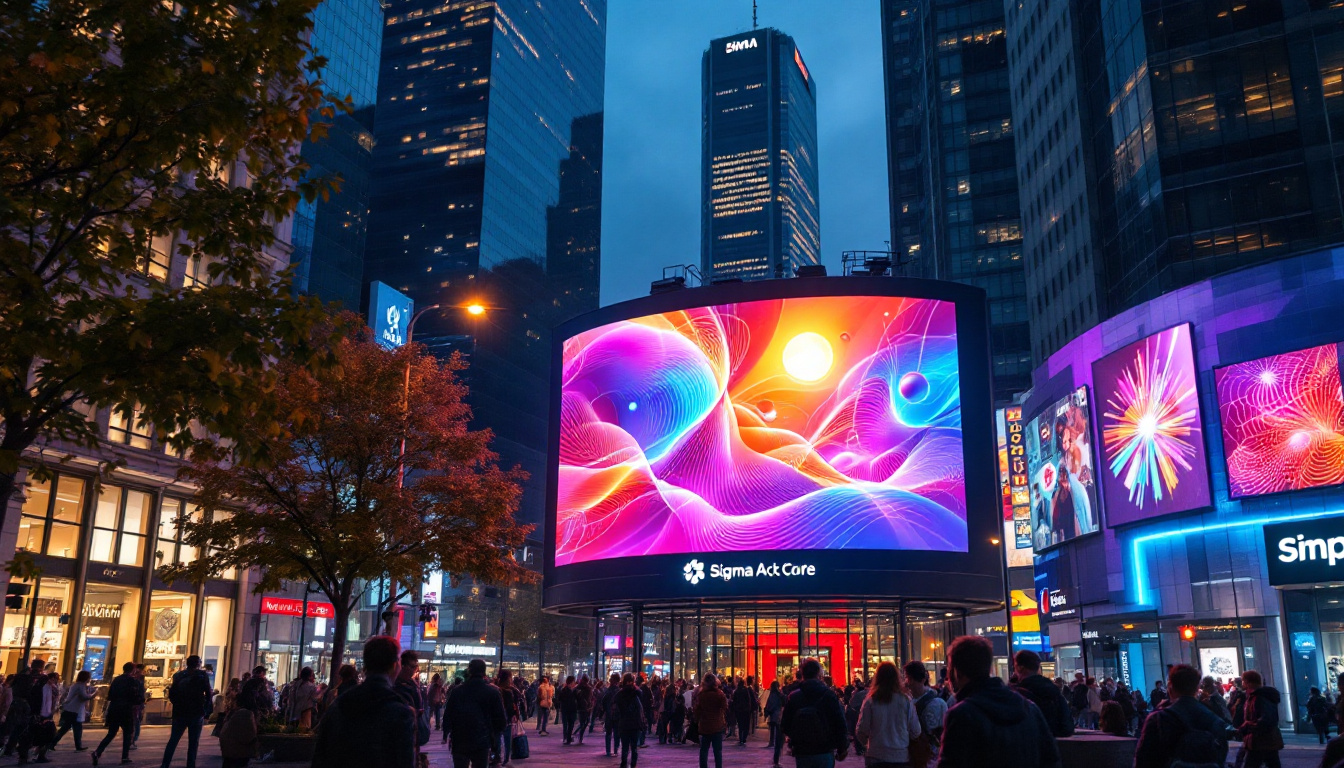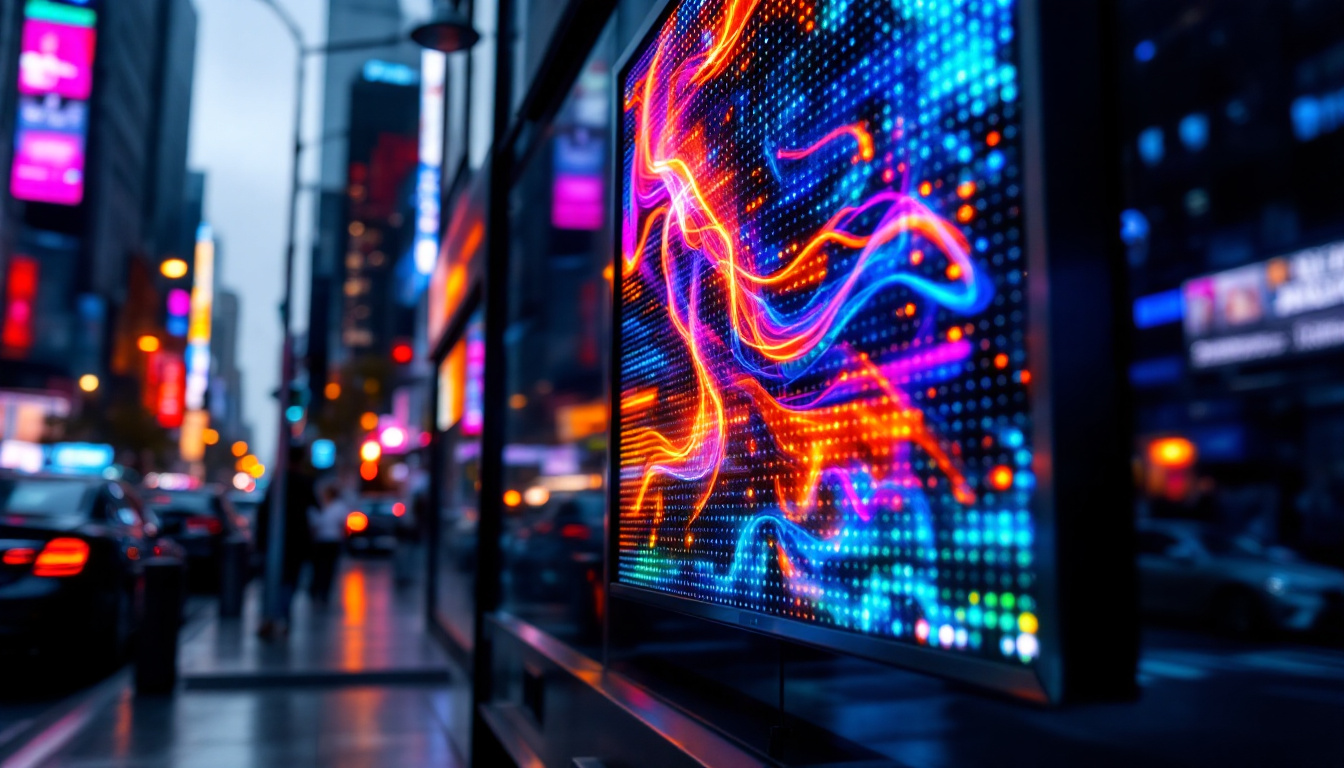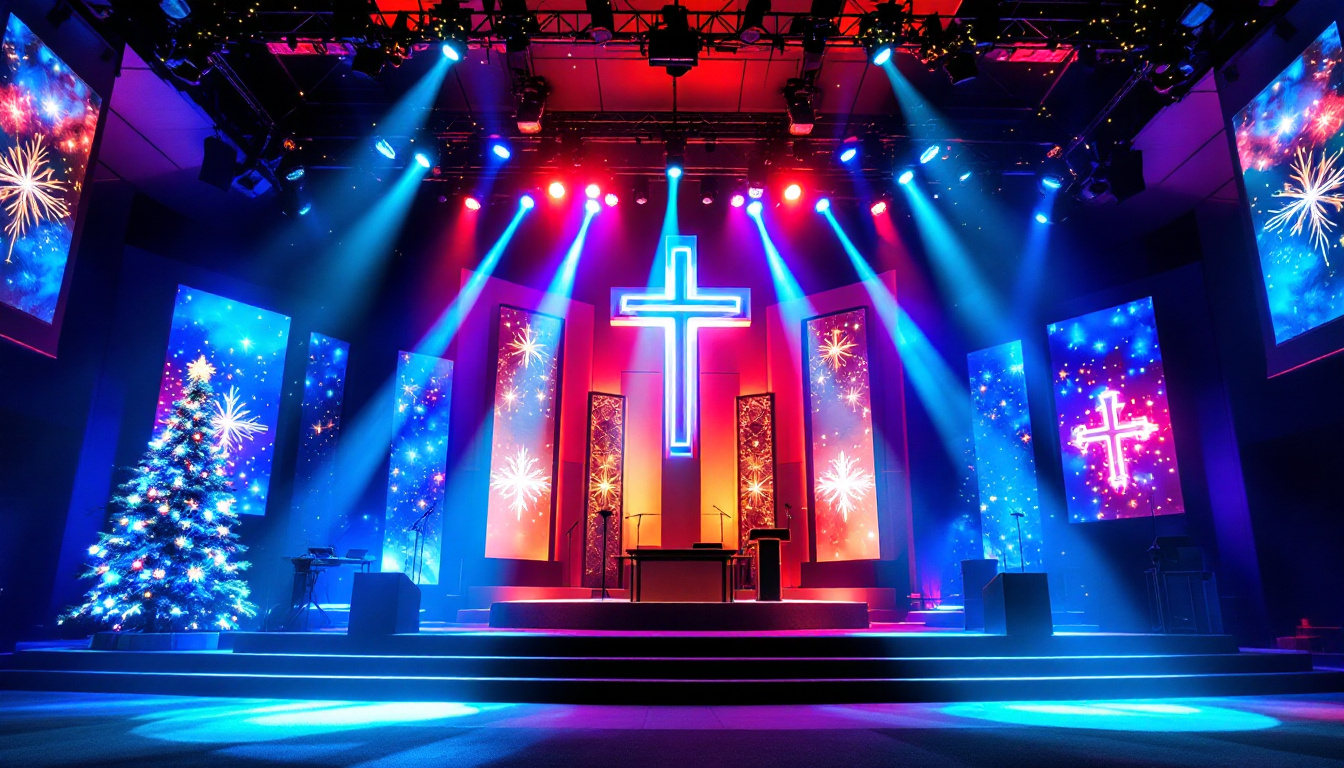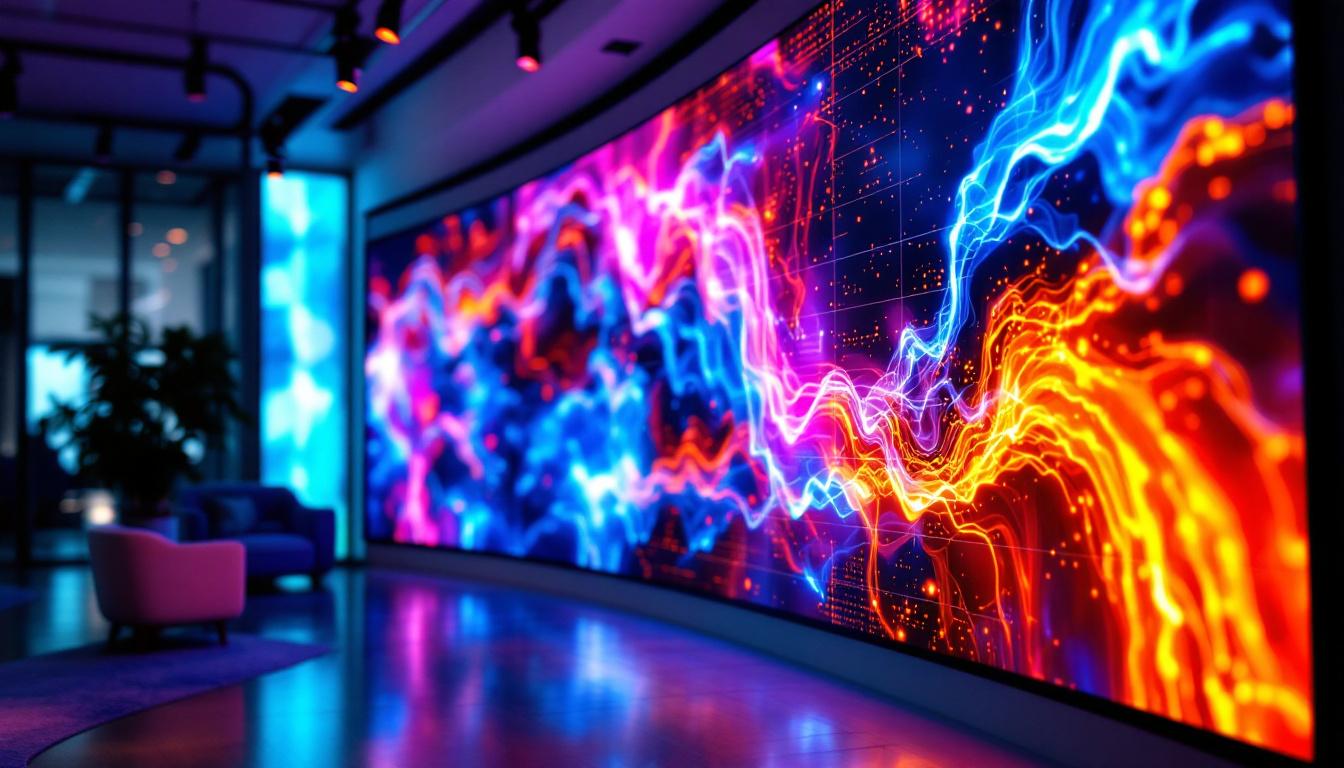
In an era where visual communication is paramount, video wall display monitors have become a cornerstone of modern digital signage, control rooms, retail environments, and public spaces. Among the various technologies powering these expansive displays, LED (Light Emitting Diode) video walls stand out for their brightness, scalability, and versatility. This article delves into the intricacies of LED video wall displays, exploring how they work, their advantages, and why they have become the preferred choice for large-scale visual installations worldwide.
Understanding Video Wall Display Monitors
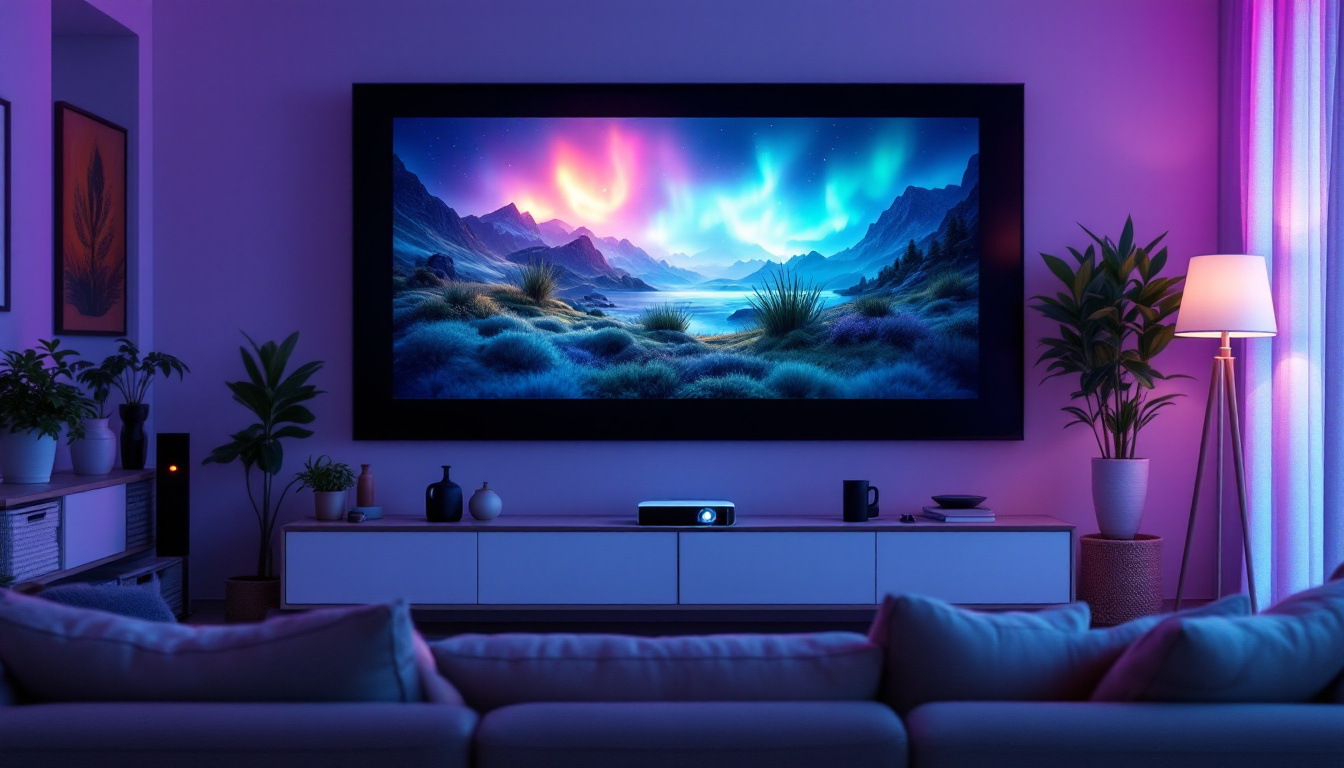
A video wall is essentially a large display surface composed of multiple smaller display units tiled together to form one seamless screen. These displays can be LCD panels, projection cubes, or LED modules. The primary goal is to create a high-resolution, large-format display that can show images, videos, or data across a vast area without visible bezels or interruptions.
Video walls are commonly used in environments where impactful visual communication is critical. Examples include control rooms for utilities and transportation, corporate boardrooms, broadcast studios, retail stores, sports arenas, and public information displays. The technology behind these walls must ensure consistent brightness, color accuracy, and reliability over extended periods.
Types of Video Wall Technologies
While LCD video walls have been popular for years due to their sharp image quality and affordability, LED video walls have rapidly gained traction. LCD video walls consist of multiple LCD panels with thin bezels, but even the slimmest bezels create slight interruptions in the image. Projection video walls use multiple projectors to cast images onto a surface but require controlled lighting environments.
LED video walls, on the other hand, use an array of tiny LEDs as individual pixels, allowing for bezel-free, vibrant, and bright displays suitable for both indoor and outdoor use. This technology’s modular nature means that screens can be built at virtually any size and shape, offering unmatched flexibility.
How LED Video Wall Displays Work
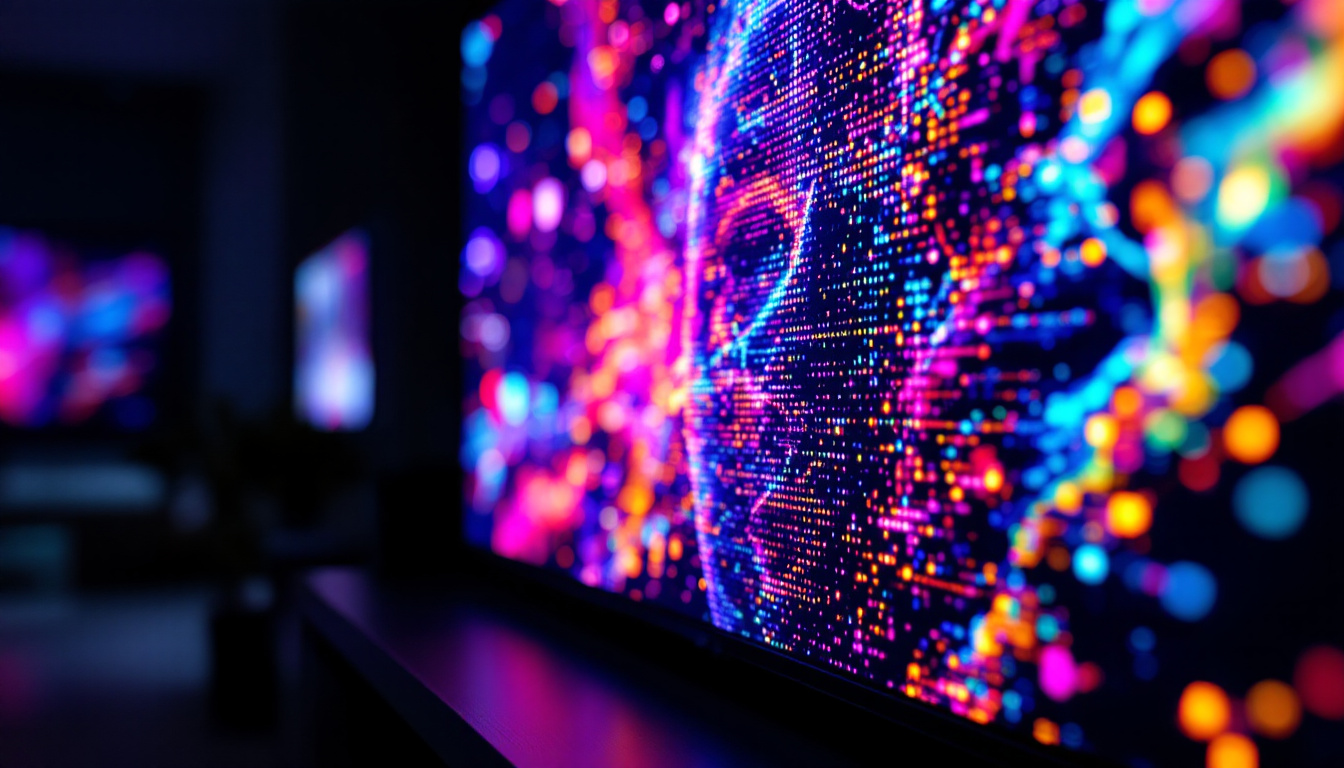
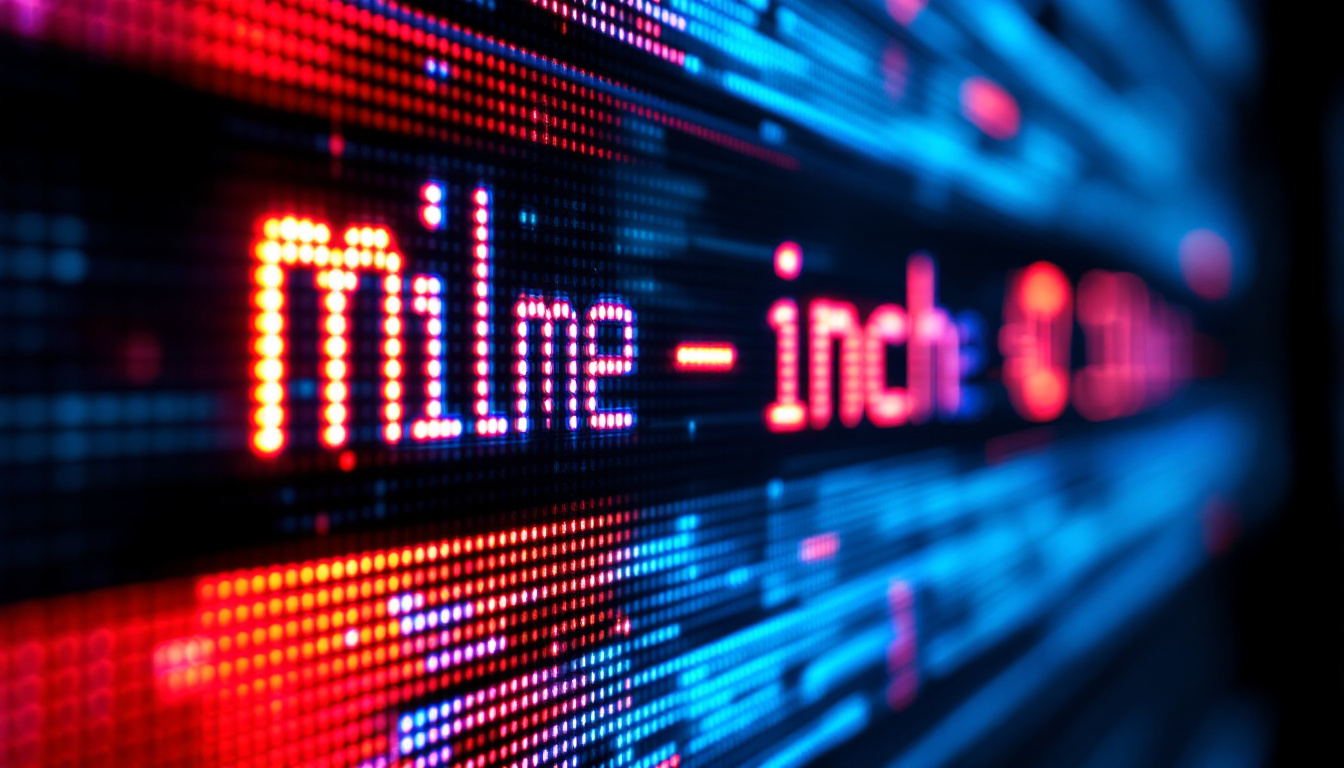
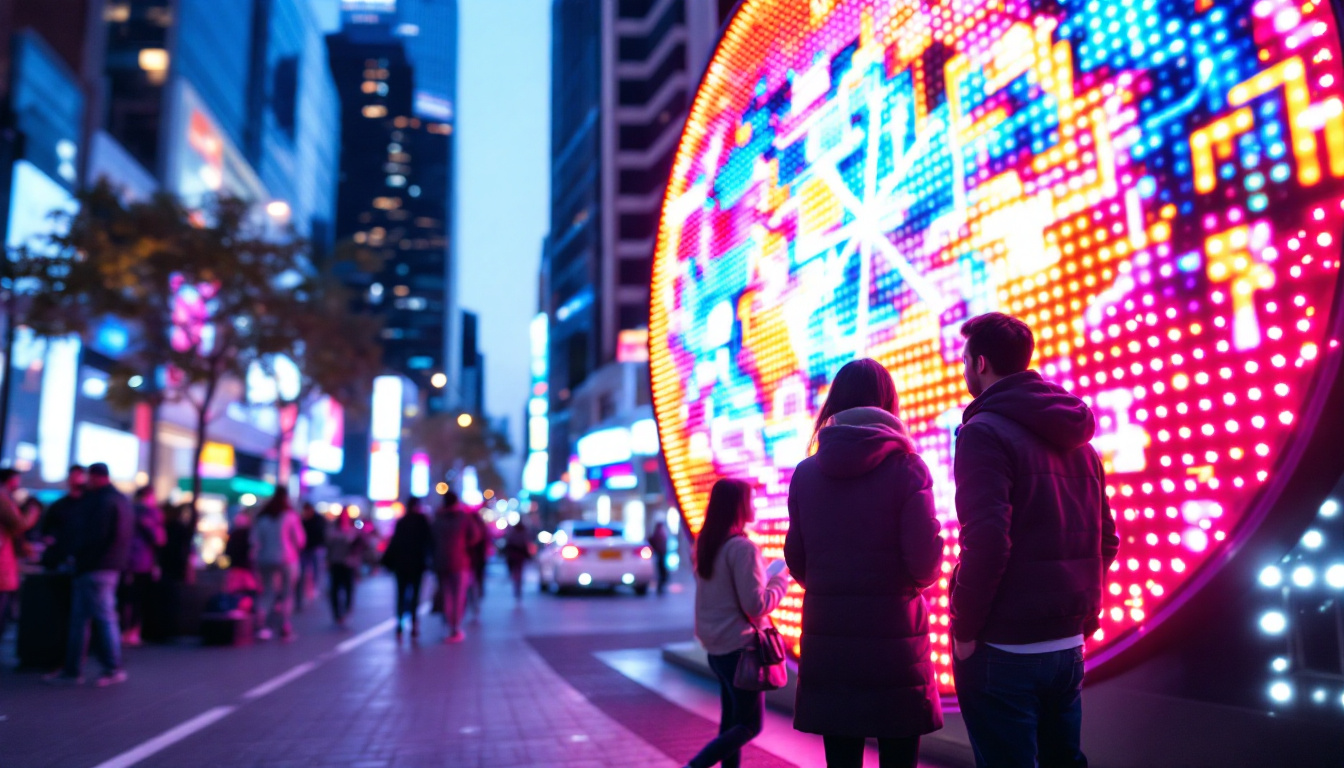
At the heart of an LED video wall are thousands to millions of tiny LEDs, each acting as a single pixel or subpixel that emits light when an electric current passes through it. These LEDs are arranged in a grid pattern on panels or modules that are assembled to form the complete video wall.
Pixel Pitch and Resolution
One of the most critical specifications in LED video walls is the pixel pitch, which refers to the distance between the centers of two adjacent LEDs, usually measured in millimeters. A smaller pixel pitch means more LEDs per square meter, resulting in higher resolution and sharper images, especially at close viewing distances.
For example, an LED video wall with a 1.2mm pixel pitch is considered ultra-fine pitch, suitable for indoor environments where viewers are close to the screen, such as control rooms or corporate lobbies. Larger pixel pitches, such as 4mm to 10mm, are common for outdoor advertising billboards or stadium screens, where viewers are farther away.
Color and Brightness
LEDs used in video walls are typically red, green, and blue (RGB) diodes combined to produce a full spectrum of colors through varying intensities. This direct emission of light allows LED video walls to achieve exceptional brightness levels, often exceeding 1,000 nits for indoor models and up to 5,000 nits or more for outdoor displays. This brightness capability ensures visibility even under direct sunlight, a significant advantage over LCD and projection technologies.
Moreover, LED displays offer high contrast ratios because LEDs can be turned off completely to produce true blacks, enhancing image depth and vibrancy.
Modularity and Scalability
LED video walls are composed of individual modules that can be easily assembled, replaced, or expanded. This modular design means that video walls can be customized to fit any space or aspect ratio, from traditional rectangular screens to curved or irregular shapes.
The scalability of LED video walls makes them ideal for both small installations and massive displays spanning hundreds of square meters. Additionally, if a module fails, it can be swapped out without dismantling the entire wall, reducing maintenance downtime.
Advantages of LED Video Wall Displays
LED video walls offer several compelling benefits that have driven their adoption across diverse industries. Understanding these advantages helps businesses and organizations make informed decisions when selecting display technologies.
Superior Brightness and Visibility
One of the standout features of LED video walls is their ability to maintain high brightness levels in various lighting conditions. Unlike LCD screens, which rely on backlighting and can struggle in bright environments, LED displays emit light directly, ensuring crisp and clear images even in direct sunlight or well-lit indoor spaces.
This attribute is particularly important for outdoor advertising, transportation hubs, and retail environments where ambient light levels fluctuate throughout the day.
Seamless Image Quality
Because LED modules can be designed with virtually no bezels, video walls constructed from LED panels offer a seamless viewing experience. This uninterrupted surface is crucial for immersive presentations, digital art installations, and environments where image continuity enhances comprehension and engagement.
In contrast, LCD video walls, despite having ultra-thin bezels, still present visible lines that can distract viewers or interfere with detailed content.
Energy Efficiency and Longevity
LED technology is inherently energy-efficient compared to other display types. LEDs consume less power while delivering higher brightness, which translates to reduced operational costs over time. Additionally, modern LED modules are designed for durability, with lifespans typically exceeding 100,000 hours of use.
This longevity reduces the frequency of replacements and maintenance, making LED video walls a cost-effective solution for long-term installations.
Flexibility in Design and Installation
The modular nature of LED video walls allows for creative freedom in design. Whether the requirement is for a curved display wrapping around a column, a massive rectangular billboard, or a custom-shaped installation, LED modules can be configured to meet the exact specifications.
Furthermore, LED panels are lightweight and can be mounted on various surfaces, including walls, ceilings, and freestanding structures, simplifying installation logistics.
Applications of LED Video Wall Displays
LED video walls have transformed how information and media are presented across multiple sectors. Their versatility and performance make them suitable for a wide range of applications.
Corporate and Control Rooms
In corporate environments, LED video walls are used for presentations, video conferencing, and branding. Their high resolution and color accuracy ensure that detailed charts, videos, and images are displayed clearly to audiences.
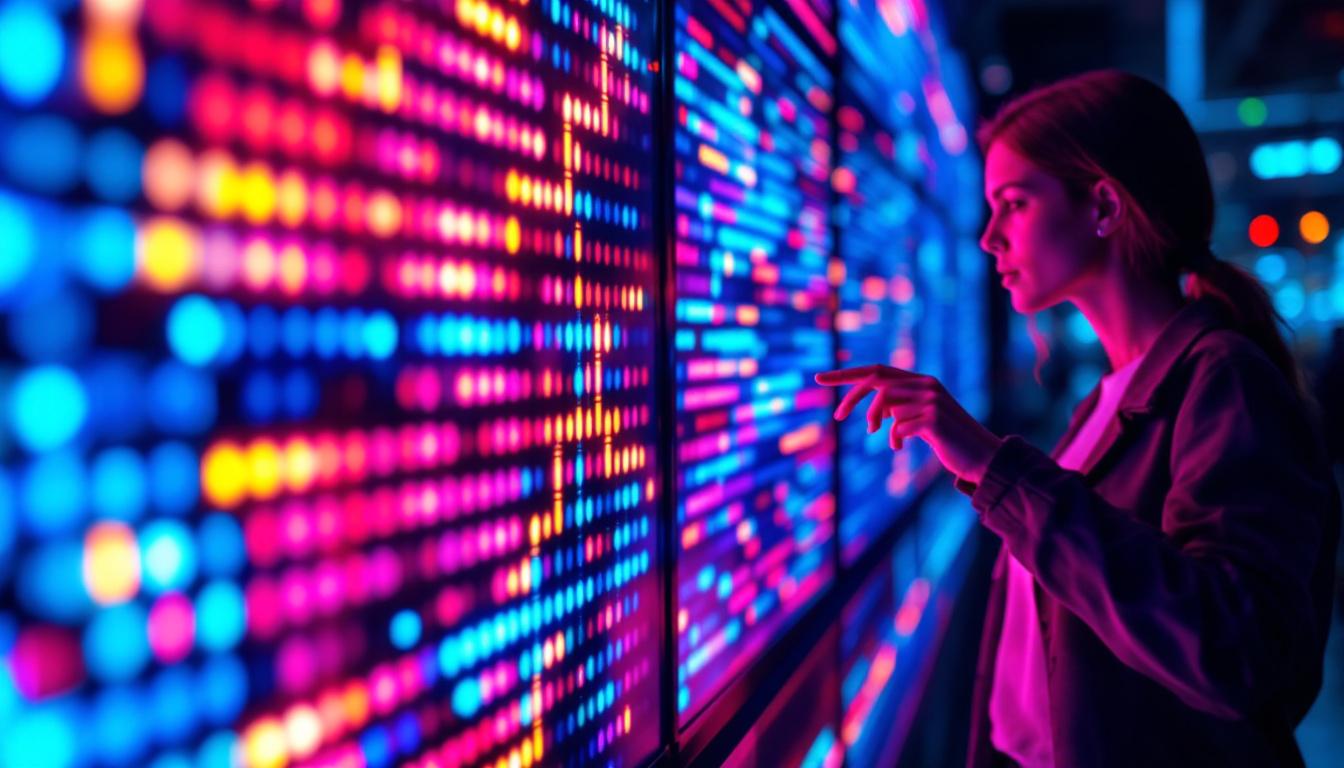
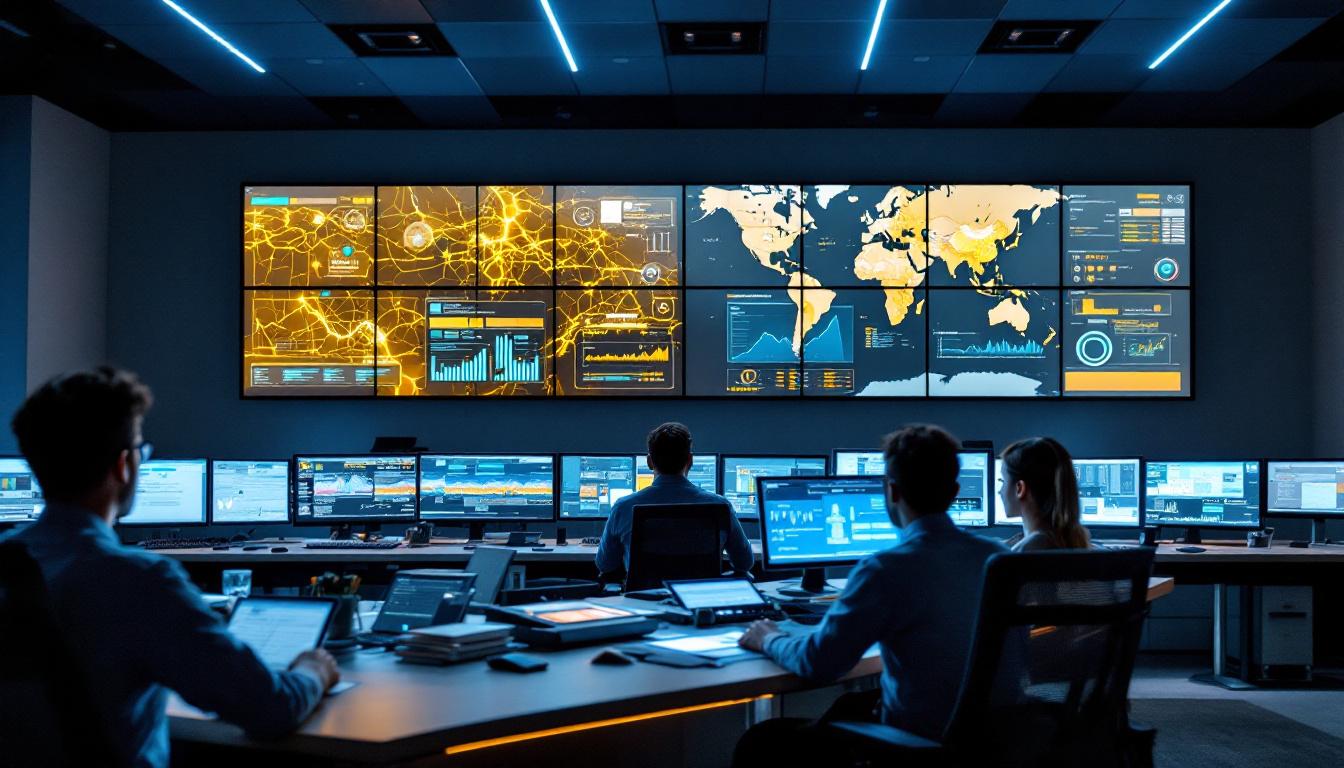
Control rooms for utilities, transportation, and emergency services rely on LED video walls to monitor real-time data streams, video feeds, and system statuses. The ability to customize screen layouts and integrate multiple inputs enhances situational awareness and decision-making.
Retail and Advertising
Retailers leverage LED video walls to create engaging storefront displays and in-store digital signage that attract customers and promote products dynamically. The brightness and vivid colors of LED displays help content stand out even in brightly lit shopping malls.
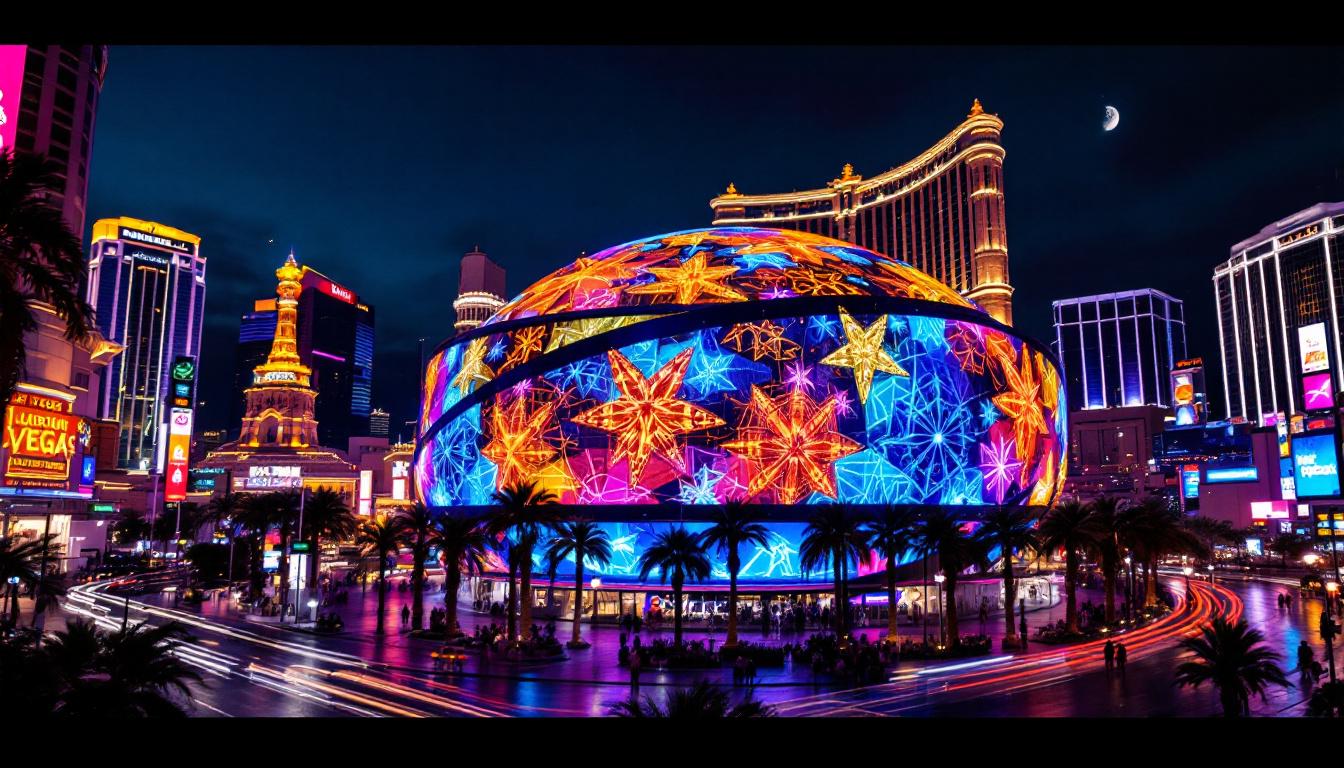
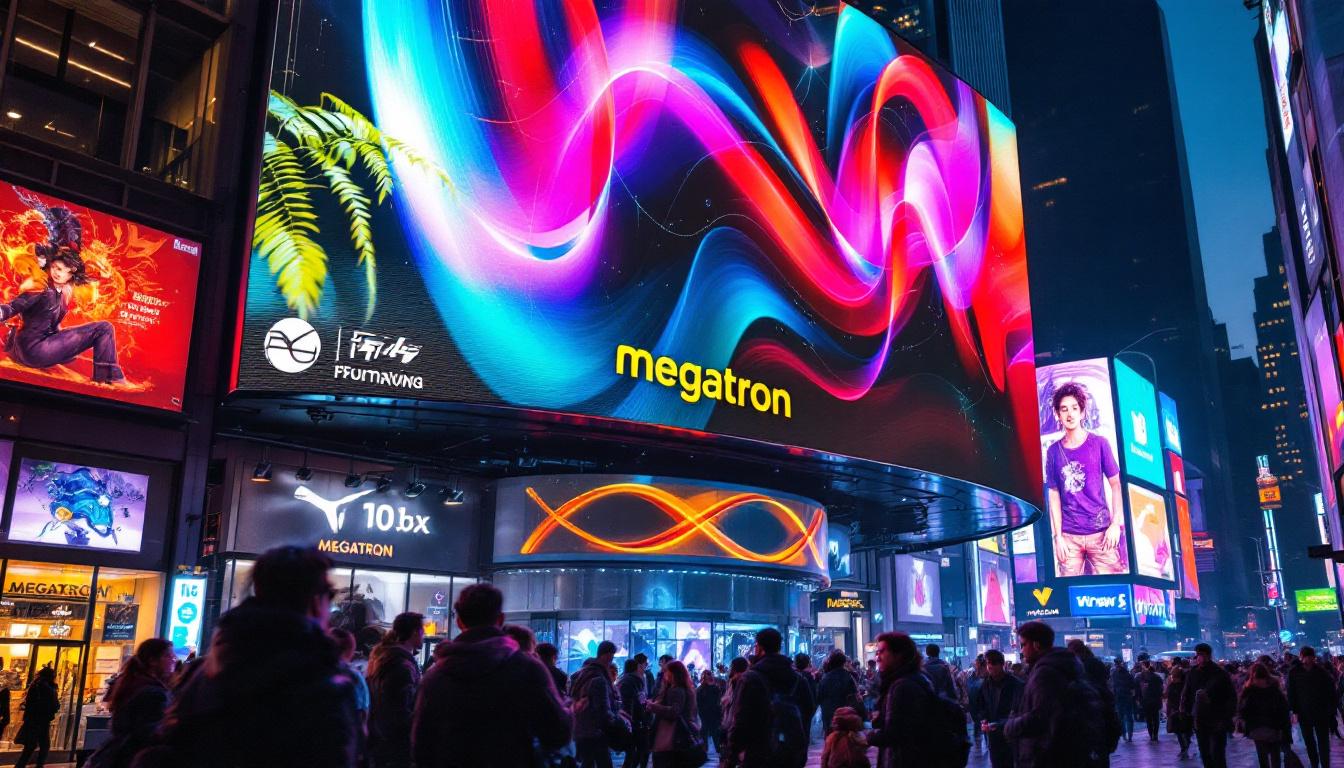
Outdoor advertising benefits immensely from LED video walls’ visibility in daylight and their capacity to display animated and video content, which captures attention more effectively than static billboards.
Entertainment and Sports Venues
Stadiums, concert halls, and theaters use LED video walls to enhance the spectator experience. From live video feeds to dynamic graphics and interactive content, these displays contribute to immersive environments that engage audiences.
Large-scale LED screens also serve as scoreboards and information hubs, providing real-time updates and replays.
Public Spaces and Transportation Hubs
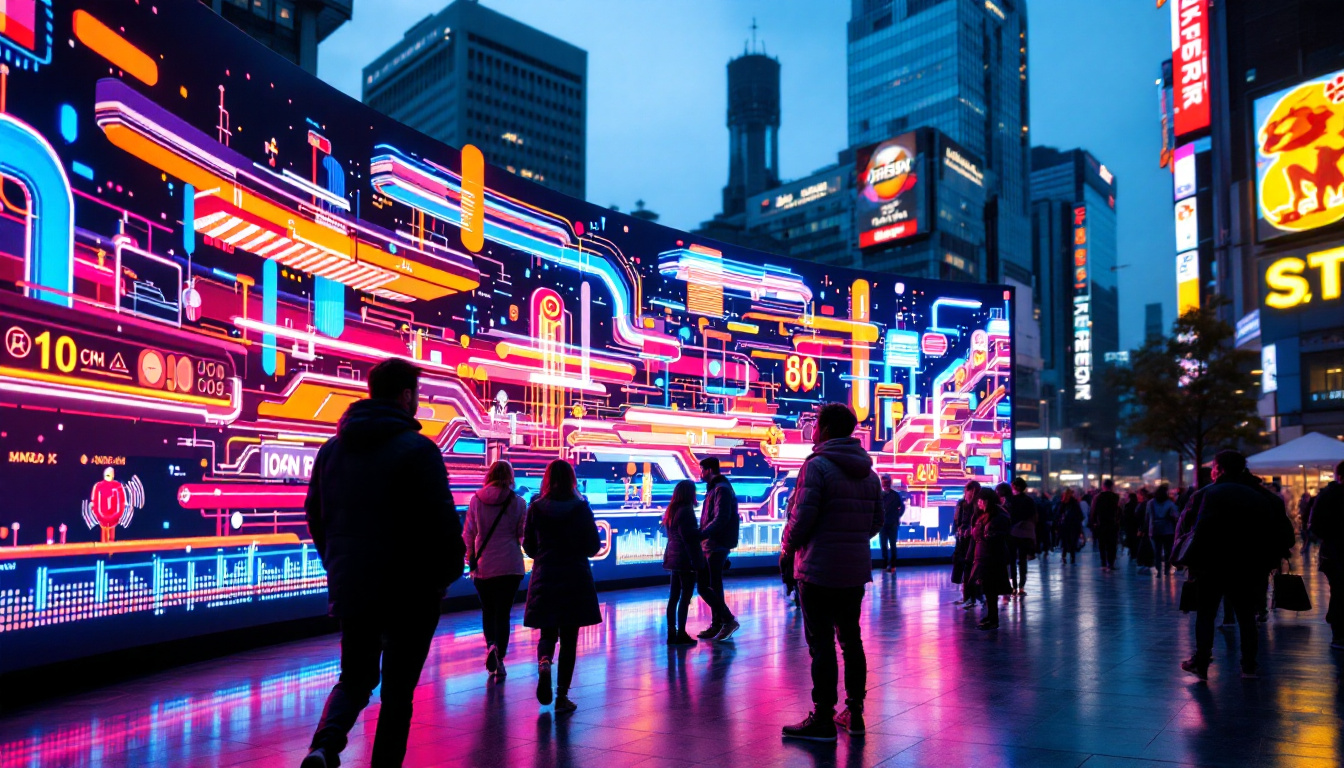
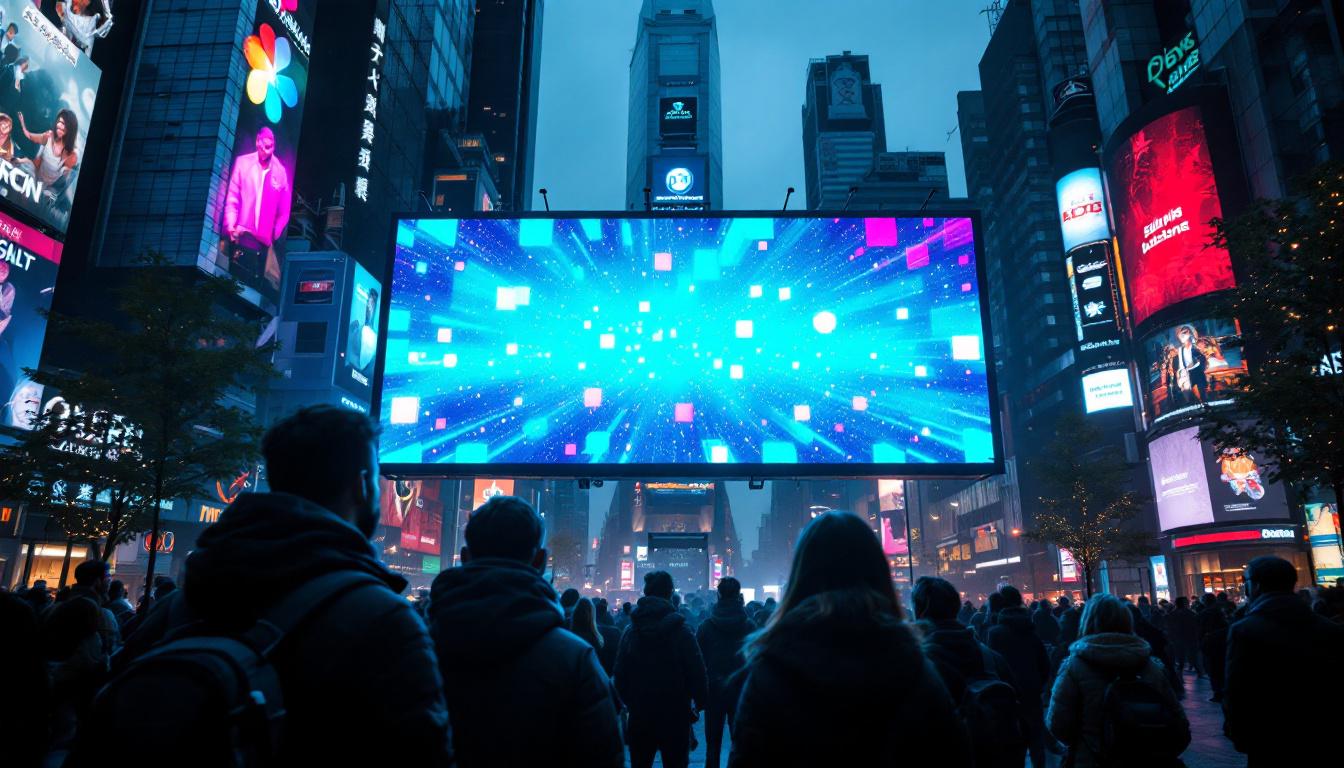
Airports, train stations, and city squares utilize LED video walls to disseminate information such as schedules, alerts, and advertisements. The durability and brightness of LED displays make them ideal for these high-traffic, often outdoor locations.
Considerations When Choosing an LED Video Wall
While LED video walls offer numerous benefits, selecting the right system requires careful consideration of several factors to ensure optimal performance and return on investment.
Viewing Distance and Pixel Pitch
The intended viewing distance is a primary determinant of pixel pitch. For close-up viewing, such as in control rooms or retail stores, a fine pixel pitch (below 2mm) is necessary to avoid visible pixelation. For larger venues or outdoor displays viewed from afar, a coarser pixel pitch is acceptable and more cost-effective.
Indoor vs. Outdoor Use
LED video walls designed for outdoor use must be weatherproof, resistant to dust, moisture, and temperature extremes. They also require higher brightness levels to combat sunlight glare. Indoor LED walls prioritize finer pixel pitches and color accuracy but generally have lower brightness requirements.
Installation Environment and Mounting
Understanding the physical space and mounting options is crucial. Some installations may require curved or angled video walls, while others demand flat, wall-mounted solutions. The weight and depth of LED modules, as well as access for maintenance, should be factored into planning.
Content Management and Control Systems
Effective content management software and hardware are essential for controlling what is displayed on the video wall. Features such as multi-source input, real-time content updating, and remote management can enhance usability and flexibility.
Future Trends in LED Video Wall Technology
The LED video wall industry continues to evolve rapidly, driven by advances in materials, manufacturing, and software integration.
MicroLED and MiniLED Innovations
Emerging technologies like MicroLED and MiniLED promise even higher resolutions, improved energy efficiency, and thinner form factors. MicroLED, in particular, offers pixel-level control similar to OLED but with greater brightness and lifespan, potentially revolutionizing video wall displays.
Higher Refresh Rates and HDR Support
Increasingly, LED video walls support higher refresh rates and High Dynamic Range (HDR) content, enhancing motion clarity and color depth. These improvements are particularly beneficial for live events, gaming, and broadcast applications.
Integration with AI and IoT
Smart video walls integrated with artificial intelligence and Internet of Things (IoT) technologies enable dynamic content adaptation based on audience demographics, environmental conditions, and real-time data analytics, creating more personalized and engaging experiences.
Conclusion
LED video wall display monitors represent a powerful and versatile solution for large-scale visual communication. Their superior brightness, seamless image quality, modularity, and durability make them suitable for a broad spectrum of applications, from corporate environments to outdoor advertising and entertainment venues.
As LED technology continues to advance, video walls will become even more immersive, efficient, and adaptable, solidifying their role as a key medium for impactful digital experiences. Understanding the fundamental principles, benefits, and considerations of LED video walls enables organizations to harness their full potential and create compelling visual narratives that captivate audiences.
Discover LumenMatrix’s Innovative LED Display Solutions
Ready to elevate your visual communication with cutting-edge LED technology? LumenMatrix is at the forefront of LED display innovation, offering a wide array of solutions tailored to meet your needs. From immersive Indoor and Outdoor LED Wall Displays to dynamic Vehicle and Sports LED Displays, our products are designed to captivate and engage your audience. Experience the transformative power of LED displays with our Custom, All-in-One, and Transparent LED solutions. Embrace the future of digital signage with LumenMatrix and create unforgettable visual narratives. Check out LumenMatrix LED Display Solutions today and see your vision come to life.