In today’s fast-paced digital world, visual communication plays a pivotal role in capturing attention and conveying messages effectively. Among the most dynamic and impactful display technologies available, video wall screens using LED displays have become a cornerstone for businesses, entertainment venues, control centers, and public spaces. This article delves into the intricacies of LED video wall screens, explaining what they are, how they work, their advantages, and their diverse applications.
Understanding Video Wall Screens
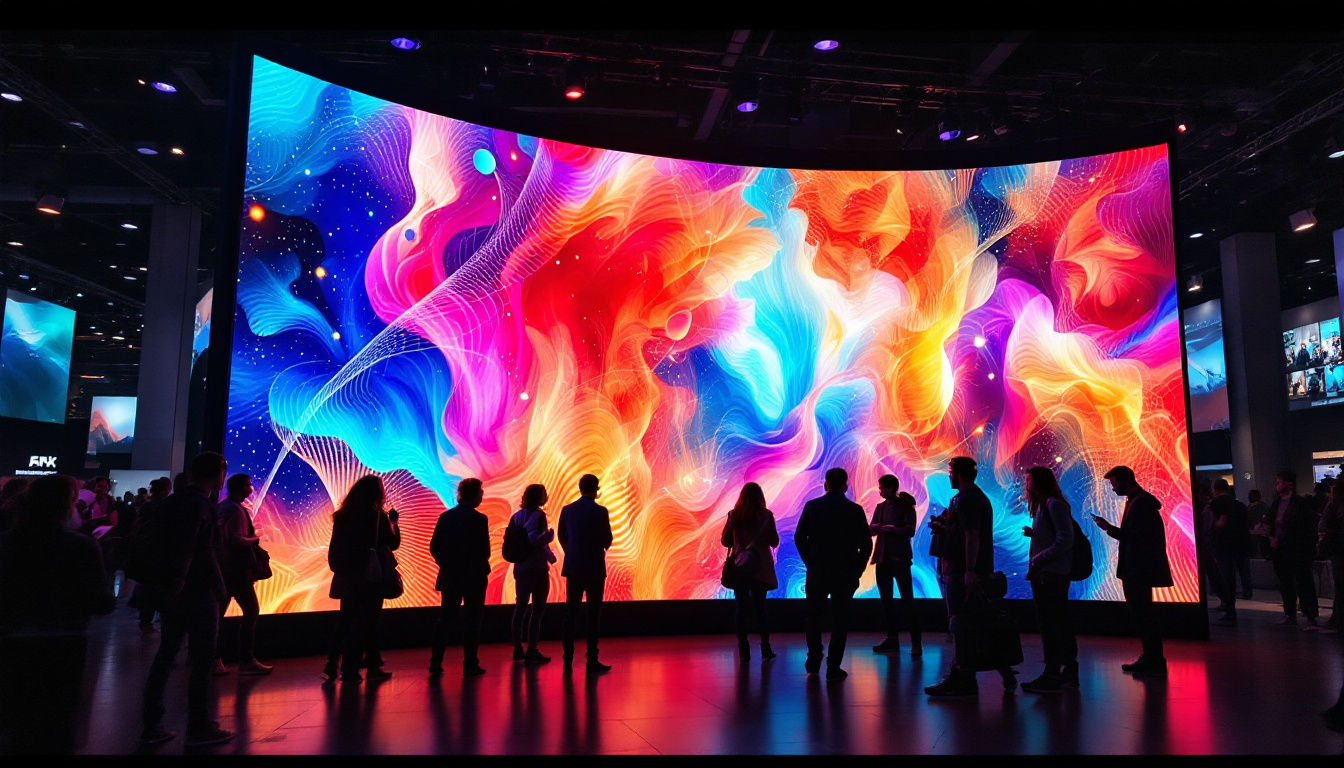
A video wall screen is essentially a large display surface composed of multiple smaller screens or panels tiled together to form one cohesive image or video. Unlike traditional single-screen displays, video walls offer expansive viewing areas with high resolution and brightness, making them ideal for environments requiring large-scale visual presentations.
Video walls can be constructed using various technologies, including LCD, projection, and LED. Among these, LED (Light Emitting Diode) video walls have gained significant popularity due to their superior brightness, color accuracy, and scalability.
What Is an LED Display?
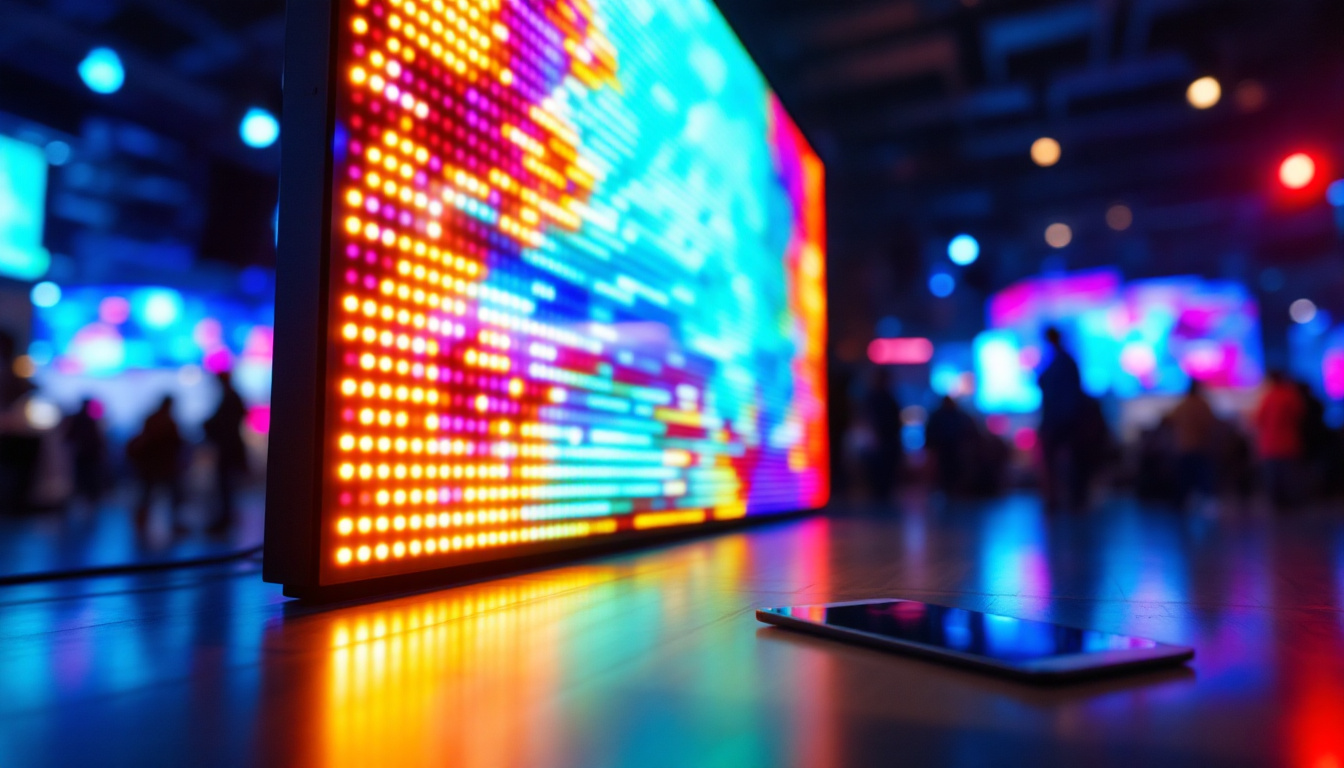
LED displays consist of numerous tiny light-emitting diodes that produce images by emitting light in red, green, and blue (RGB) colors. These diodes are arranged in a grid pattern, and by adjusting the intensity of each diode, the display forms detailed images and videos. LED technology is fundamentally different from LCD screens, which use backlighting to illuminate pixels.
There are two primary types of LED displays used in video walls: direct view LED and LED-backlit LCD. Direct view LED displays use LEDs as the actual pixels, offering higher brightness and contrast, while LED-backlit LCDs use LEDs only as a backlight source. For video walls, direct view LED is the preferred technology due to its superior performance in large formats.
Key Components and Technology Behind LED Video Walls
The construction of an LED video wall involves several critical components working in harmony to deliver seamless and vibrant visuals. Understanding these components helps appreciate the complexity and innovation behind modern video wall solutions.
LED Modules and Pixels
The fundamental building blocks of an LED video wall are the LED modules. Each module contains a matrix of LEDs that serve as individual pixels. The pixel pitch, defined as the distance between the centers of two adjacent pixels, is a crucial specification. A smaller pixel pitch means higher resolution and sharper images, which is particularly important for close viewing distances.
For example, indoor LED video walls typically have pixel pitches ranging from 0.9 mm to 4 mm, while outdoor models may have pitches from 4 mm to 20 mm or more, balancing resolution with visibility over longer distances.
Cabinet and Frame Structure
LED modules are mounted onto cabinets or panels that provide structural integrity and facilitate easy installation and maintenance. These cabinets are designed to be lightweight yet durable, often made from aluminum or steel. The frame structure ensures that the modules align perfectly, minimizing gaps and creating a uniform display surface.
Control Systems and Processors
To manage the massive amount of data required to display high-resolution images across multiple modules, LED video walls rely on sophisticated control systems. Video processors and controllers receive input signals from sources such as computers, cameras, or media players and distribute the content to the appropriate modules in real-time.
Advanced controllers support features like image scaling, color calibration, and content scheduling, enabling users to customize displays for various applications.
Power Supply and Cooling
LED displays consume significant power, especially large video walls. Efficient power supply units are essential to ensure stable operation and protect against voltage fluctuations. Additionally, LED modules generate heat during operation, necessitating effective cooling solutions such as fans or heat sinks to maintain performance and prolong lifespan.
Advantages of LED Video Wall Screens
LED video walls offer numerous benefits over traditional display technologies, making them a preferred choice for many industries and applications.
Exceptional Brightness and Visibility
One of the most notable advantages of LED video walls is their brightness. LED displays can achieve brightness levels exceeding 1,000 nits, with some outdoor models reaching up to 5,000 nits or more. This high brightness ensures clear visibility even in direct sunlight or brightly lit environments, a critical factor for outdoor advertising and public information displays.
Superior Color Accuracy and Contrast
LED technology provides vibrant colors and deep blacks, resulting in high contrast ratios. This capability enhances image quality, making content more engaging and easier to read. The ability to display true blacks is particularly important for video content, where contrast dramatically affects visual impact.
Scalability and Flexibility
Video walls built with LED modules are highly scalable. Users can customize the size and shape of the display by adding or removing modules. This flexibility allows for creative installations, including curved, cylindrical, or irregularly shaped video walls, expanding design possibilities beyond traditional flat screens.
Durability and Longevity
LED displays are known for their robustness and long operational life. With proper maintenance, LED video walls can last over 100,000 hours. Additionally, LEDs are less prone to burn-in and image retention issues that can affect other display types, making them suitable for continuous operation in control rooms or public venues.
Energy Efficiency
Compared to older technologies like plasma or fluorescent displays, LEDs consume less power for the same brightness level. This energy efficiency translates into lower operational costs and reduced environmental impact, an increasingly important consideration for businesses and municipalities.
Applications of LED Video Wall Screens
The versatility of LED video walls has led to widespread adoption across various sectors, each leveraging the technology’s strengths to meet specific needs.
Retail and Advertising
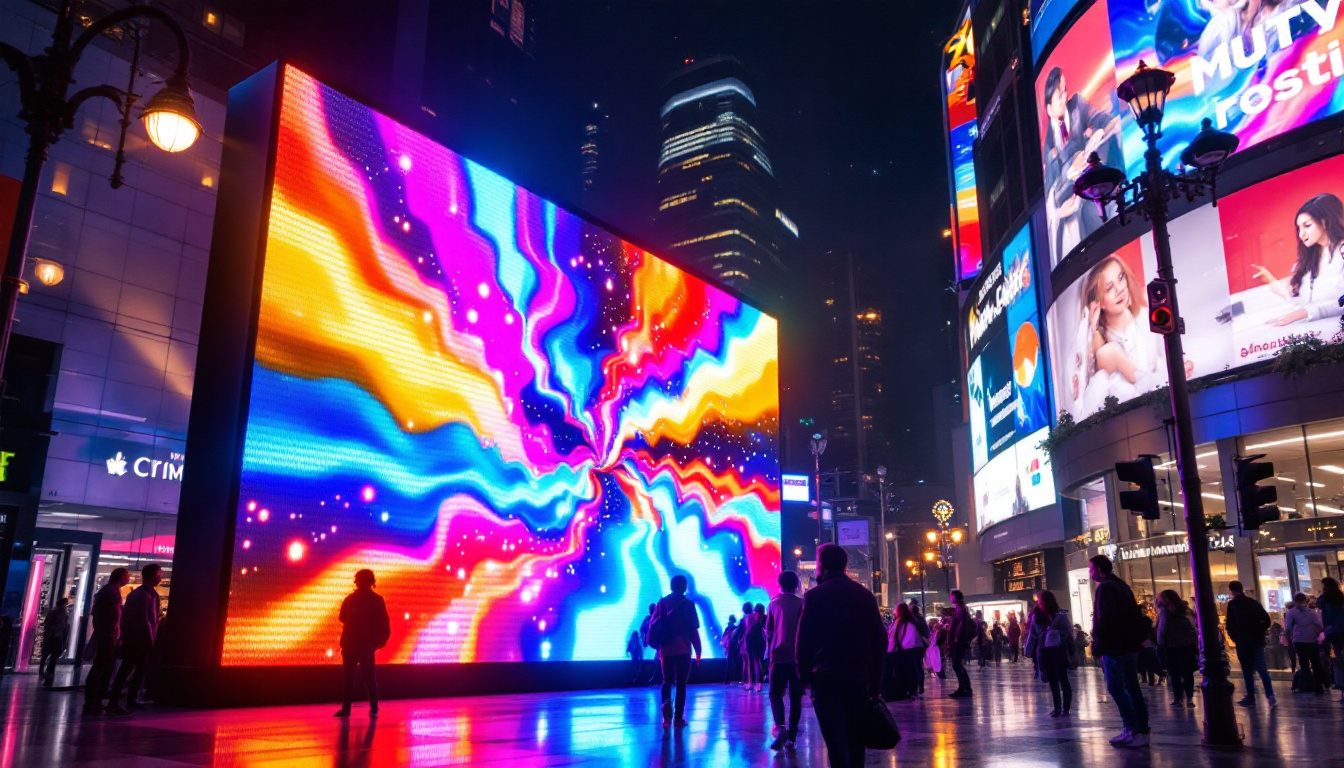
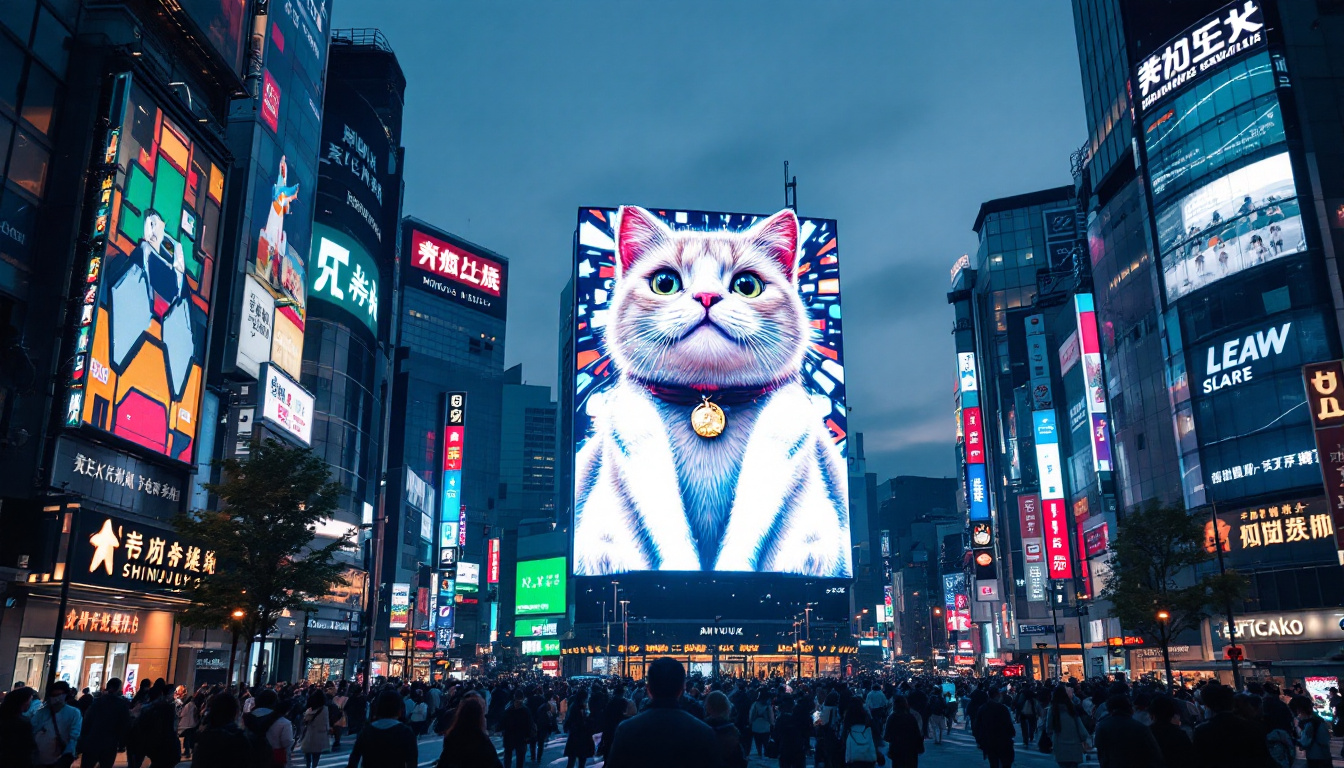
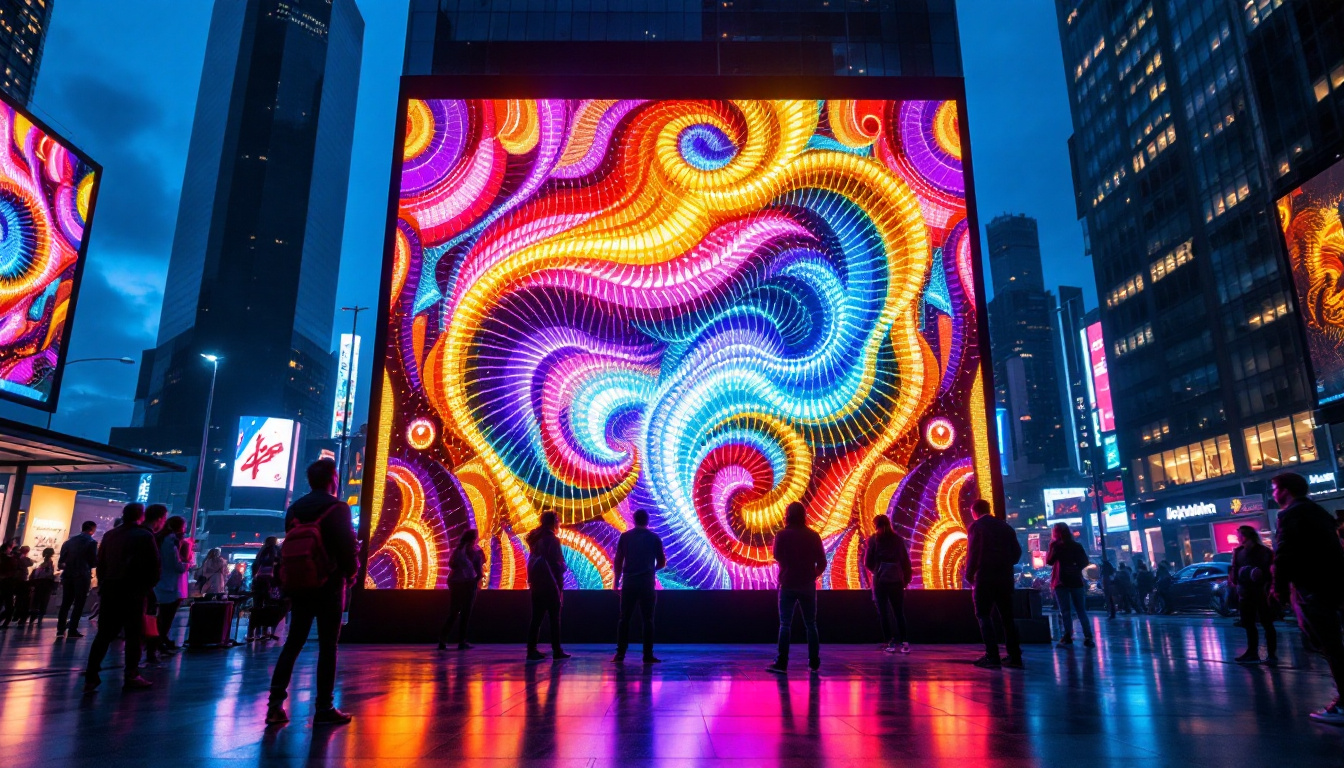
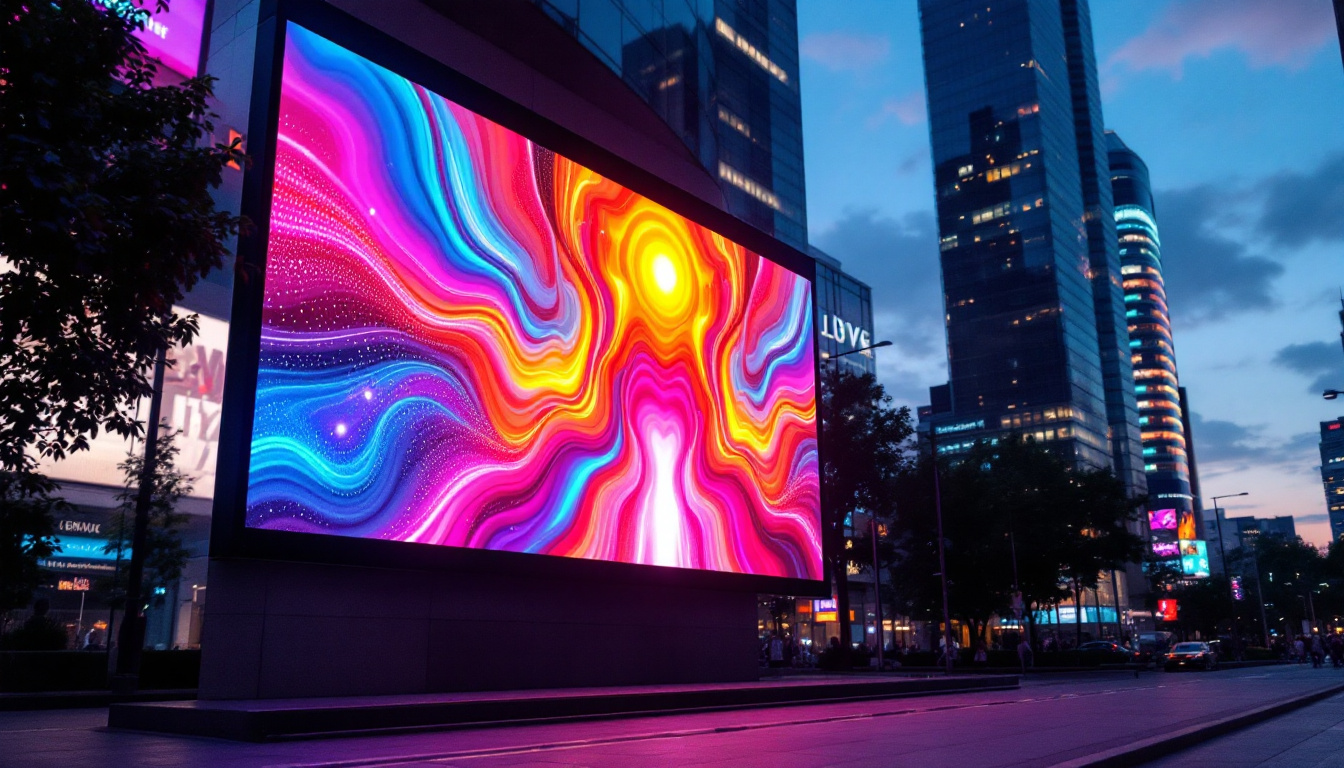
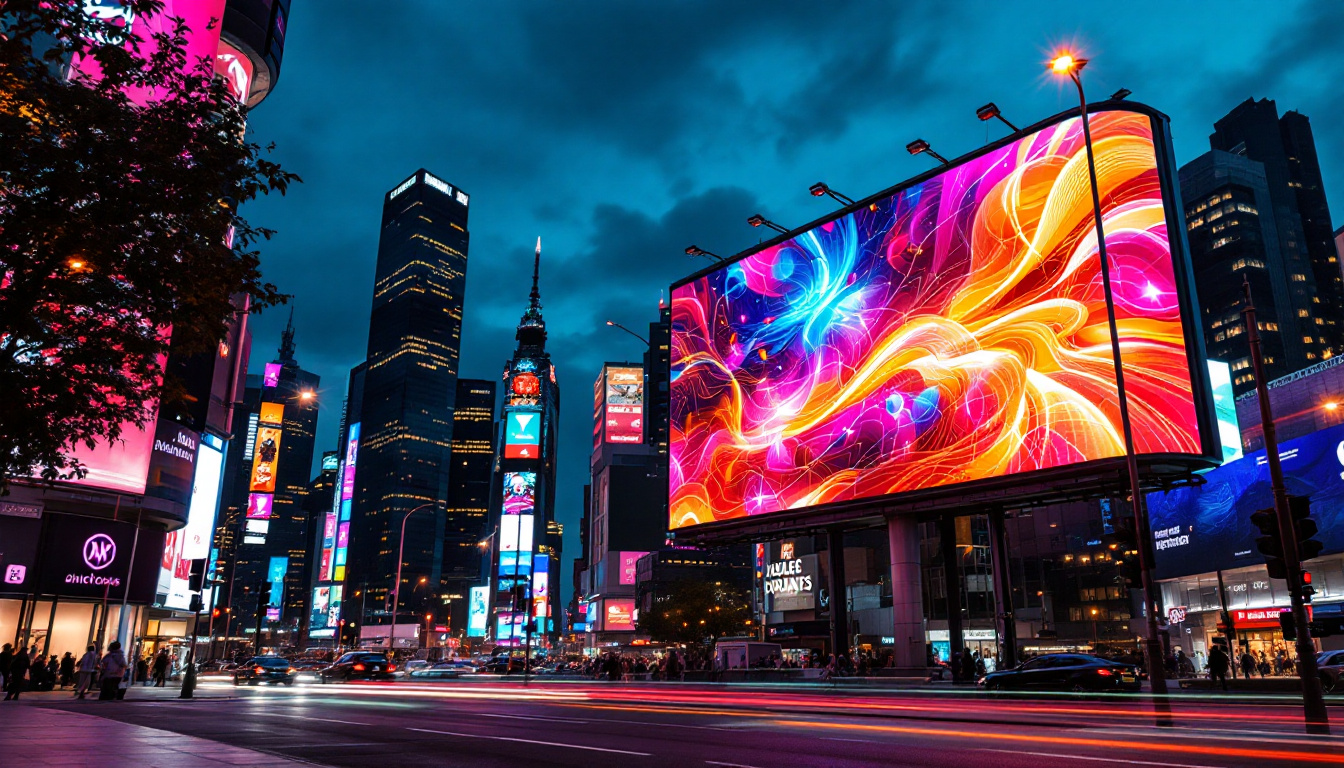
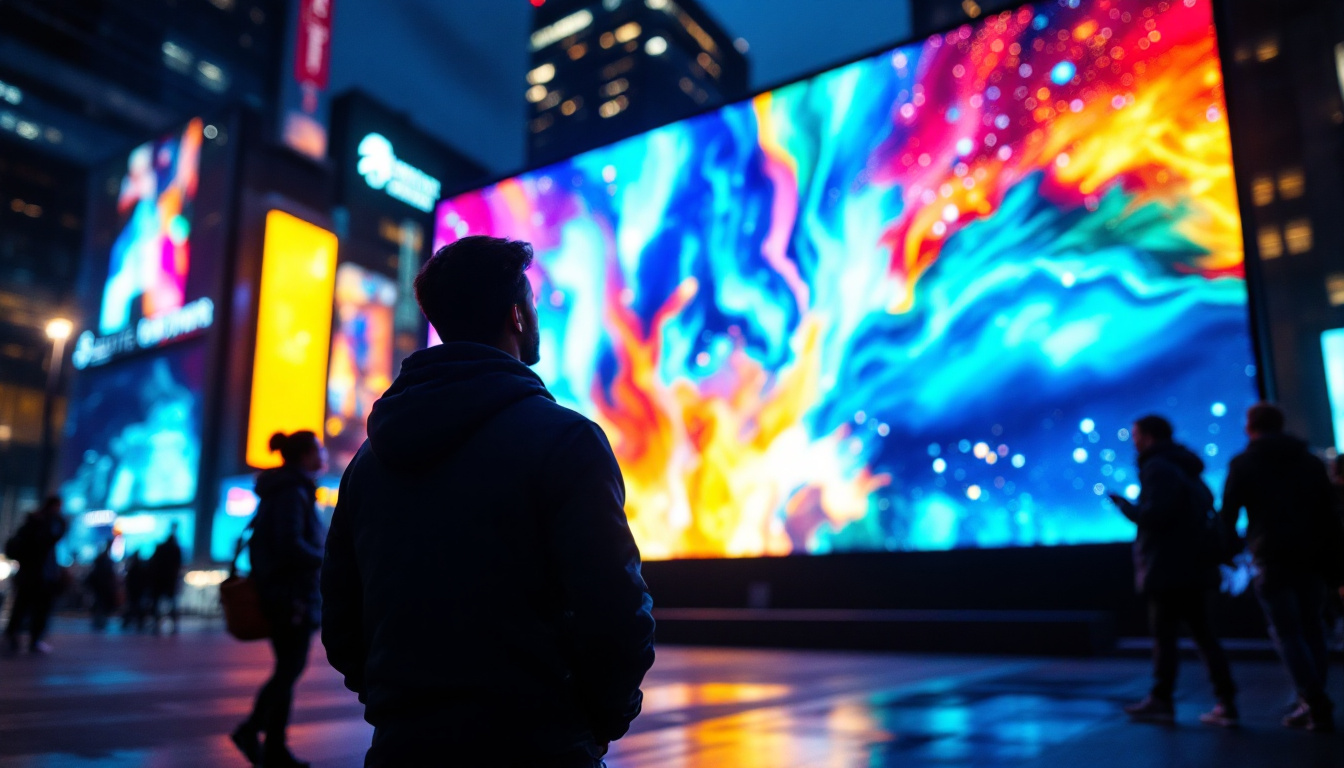
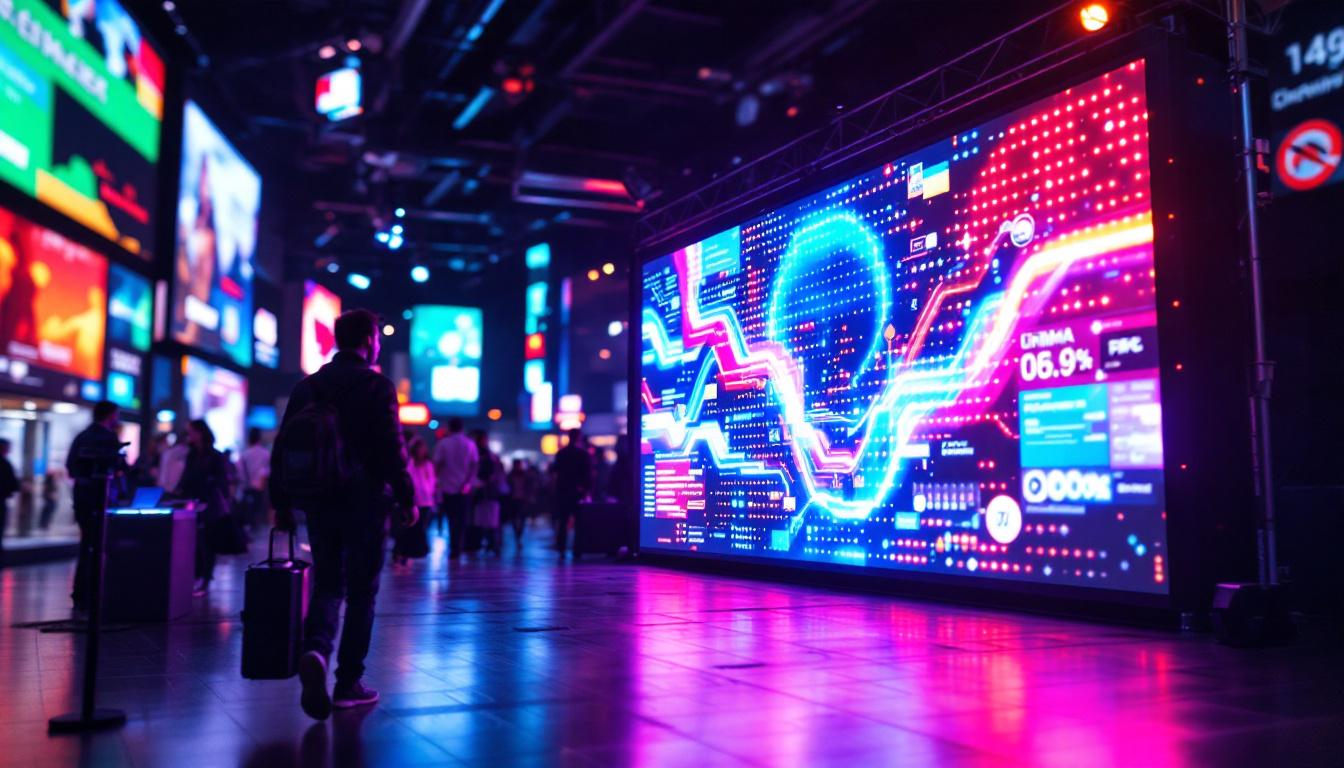
Retailers and advertisers use LED video walls to create eye-catching digital signage that attracts customers and promotes products. Large-format LED displays in shopping malls, storefronts, and outdoor billboards enable dynamic content updates, targeted messaging, and interactive experiences that traditional print media cannot match.
For instance, Times Square in New York City features some of the world’s most famous LED video walls, delivering vibrant advertisements to millions of visitors daily.
Corporate and Conference Environments
In corporate settings, LED video walls are used for presentations, video conferencing, and data visualization. Their high resolution and brightness ensure that information is clear and accessible to all attendees, enhancing communication and collaboration.
Broadcast and Control Rooms
Broadcast studios and control centers rely on LED video walls for monitoring multiple video feeds and data streams simultaneously. The ability to display real-time information with high clarity is critical for decision-making in industries such as security, transportation, and emergency response.
Entertainment and Events
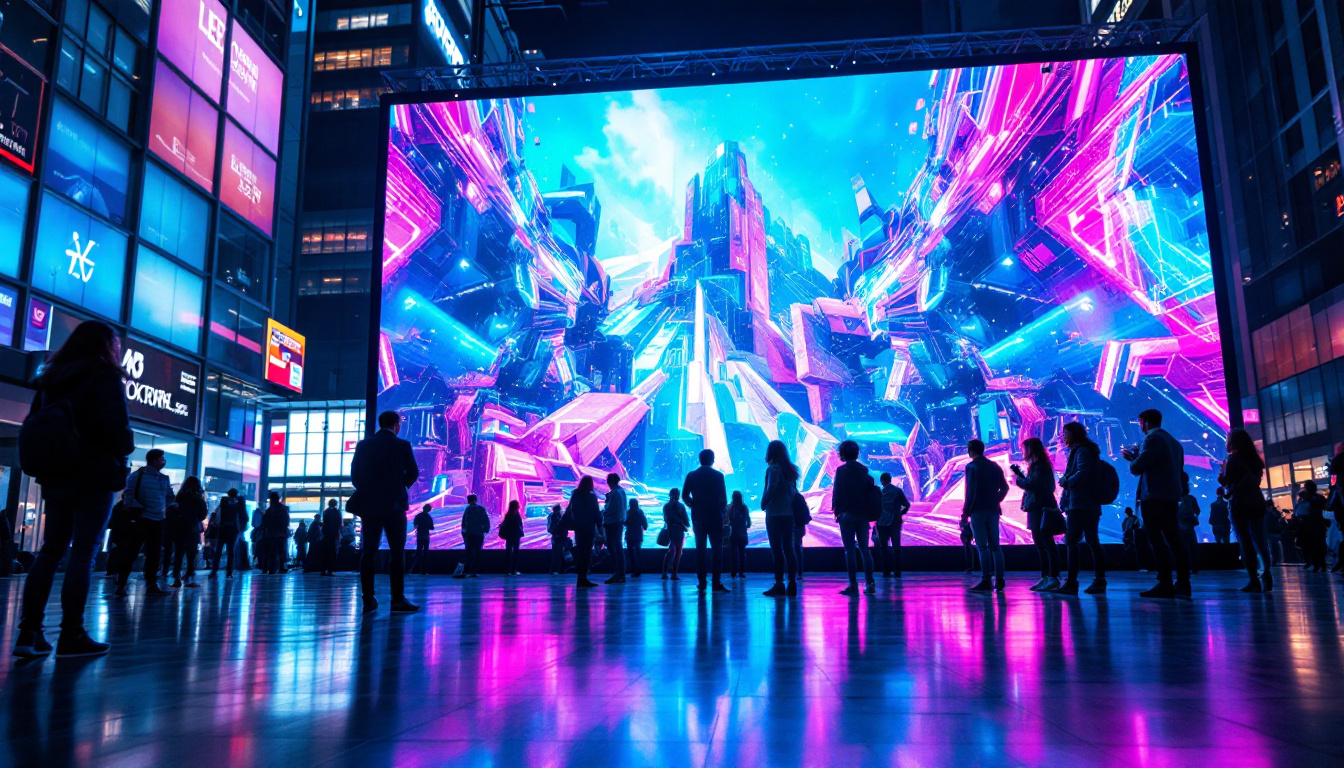
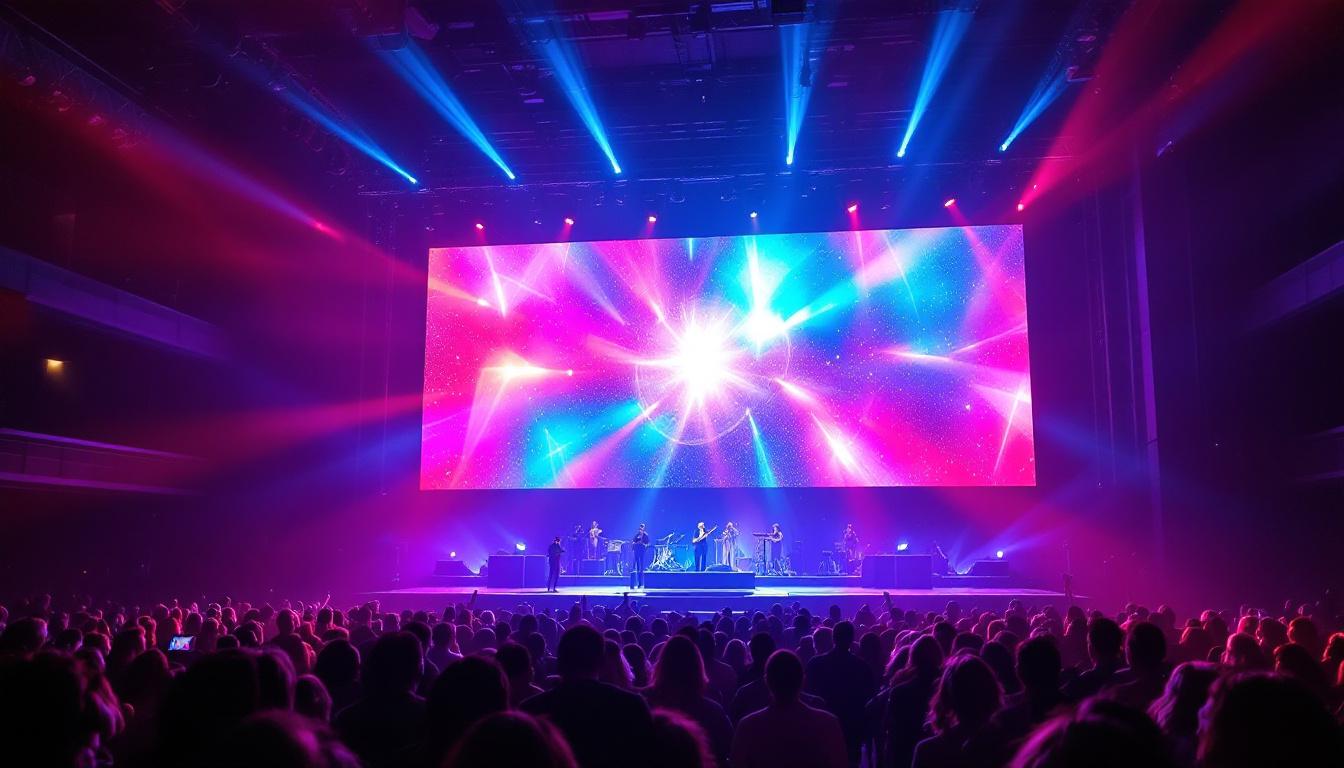
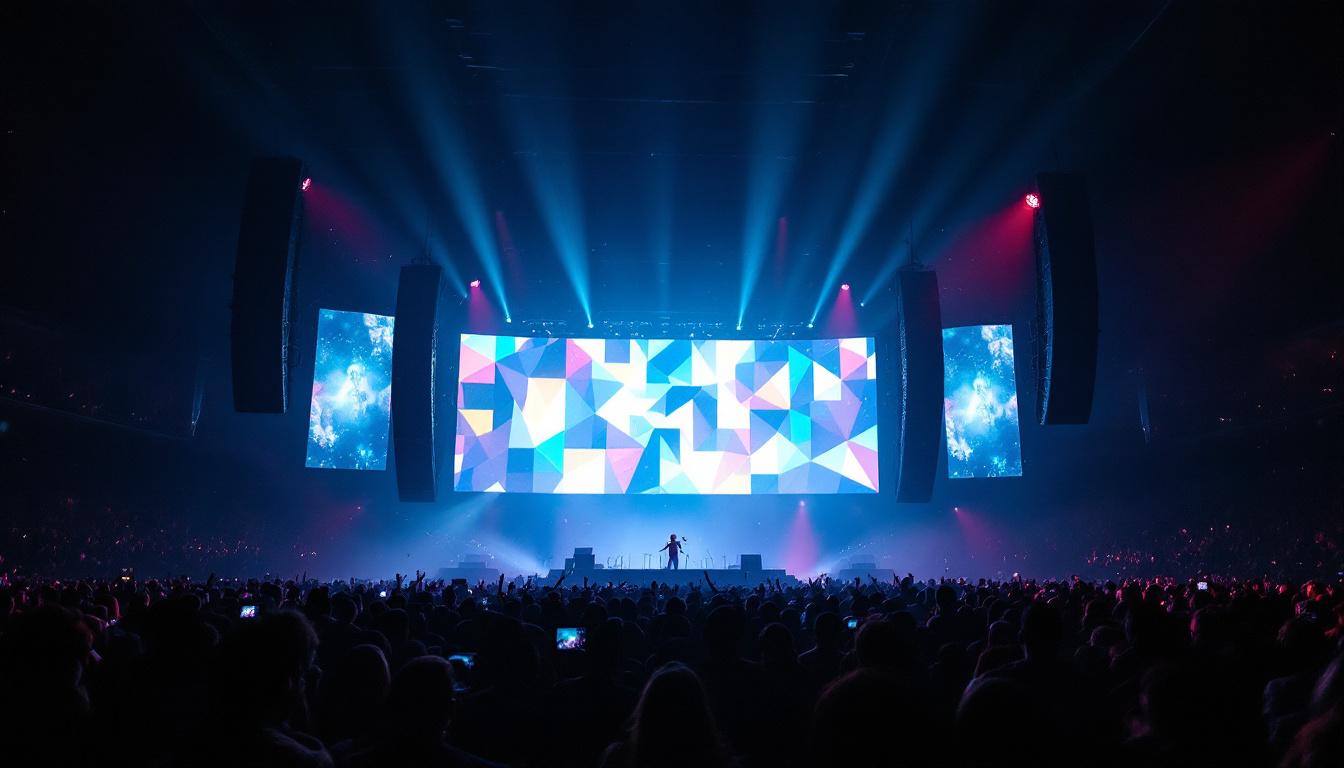
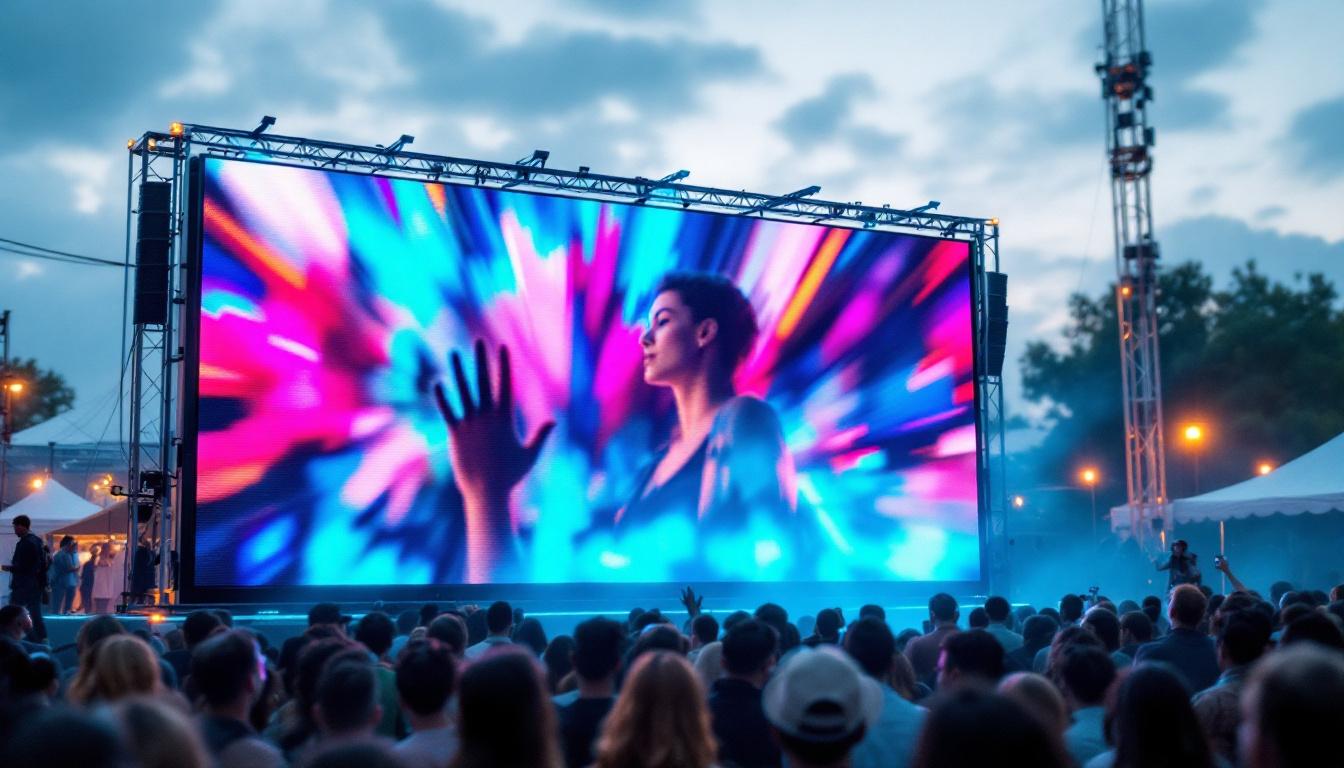
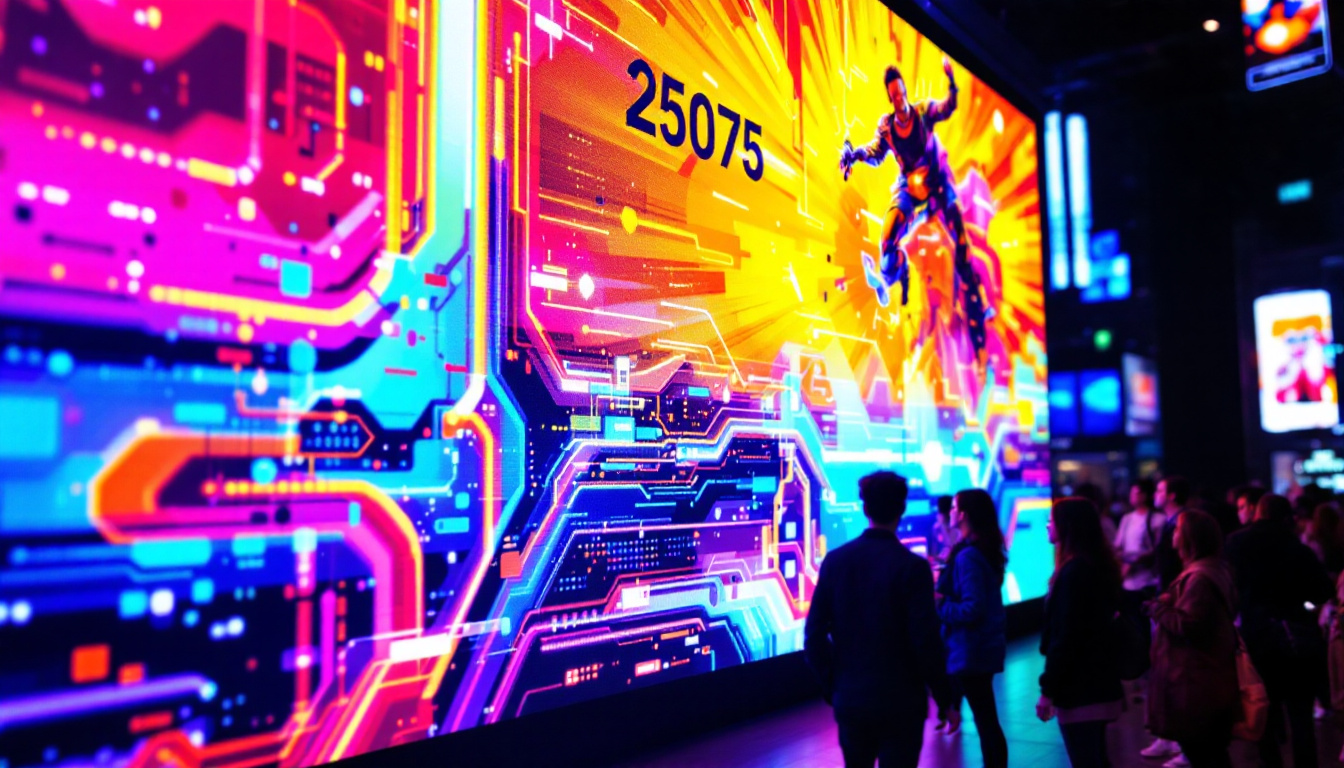
Concerts, sports arenas, and theaters utilize LED video walls to create immersive visual experiences. These displays can cover entire stages or stadium walls, providing audiences with close-up views, dynamic backgrounds, and interactive content that elevate live performances.
Education and Museums
Educational institutions and museums employ LED video walls to deliver engaging instructional content and exhibits. Large, bright displays help capture attention and facilitate interactive learning experiences.
Installation and Maintenance Considerations
Deploying an LED video wall involves careful planning and ongoing maintenance to ensure optimal performance and longevity.
Site Assessment and Design
Before installation, a thorough site assessment is essential. Factors such as ambient lighting, viewing distance, structural support, and environmental conditions influence the choice of pixel pitch, brightness, and cabinet design. Professional installers often use specialized software to simulate the video wall’s appearance and performance in the intended location.
Installation Process
Installing an LED video wall requires precise alignment of modules to avoid visible seams and ensure uniform image quality. The process typically involves mounting cabinets onto a secure frame, connecting power and data cables, and calibrating the display for color consistency.
Calibration and Content Management
Post-installation calibration is critical to achieve uniform brightness and color across the entire video wall. Content management systems enable operators to schedule, update, and control the displayed content remotely, maximizing the video wall’s effectiveness.
Maintenance and Troubleshooting
Regular maintenance includes cleaning the display surface, inspecting connections, and monitoring performance metrics. Many modern LED video walls feature modular designs that allow for quick replacement of faulty modules, minimizing downtime.
Future Trends in LED Video Wall Technology
The LED video wall industry continues to evolve rapidly, driven by advances in materials, electronics, and software.
Higher Resolution and Smaller Pixel Pitch
Manufacturers are pushing the limits of pixel pitch, with indoor LED walls now achieving pitches below 0.9 mm. This trend enables ultra-high-definition displays suitable for close viewing environments such as control rooms and retail spaces.
Flexible and Transparent LED Displays
Innovations in flexible LED technology allow video walls to be curved or wrapped around surfaces, opening new possibilities for architectural integration. Transparent LED displays are also emerging, enabling screens that do not obstruct views, ideal for storefront windows and augmented reality applications.
AI and Content Optimization
Artificial intelligence is being integrated into video wall control systems to optimize content based on audience demographics, environmental conditions, and engagement metrics. This smart content delivery enhances the impact and efficiency of video wall installations.
Energy Harvesting and Sustainability
Future LED video walls may incorporate energy harvesting technologies, such as solar panels, to further reduce power consumption and environmental footprint, aligning with global sustainability goals.
Conclusion
LED video wall screens represent a powerful and versatile display technology that transforms how information and entertainment are presented in public and private spaces. Their exceptional brightness, color fidelity, scalability, and durability make them suitable for a wide range of applications, from advertising and corporate communication to entertainment and control centers.
As technology continues to advance, LED video walls will become even more immersive, efficient, and integrated into everyday environments. Understanding the fundamentals of LED displays, their components, advantages, and applications equips businesses and organizations to make informed decisions when investing in large-scale visual communication solutions.
Discover LumenMatrix’s Innovative LED Display Solutions
Ready to elevate your visual communication with the latest in LED display technology? LumenMatrix is at the forefront of creating immersive and dynamic visual experiences. Whether you need an Indoor LED Wall Display for your corporate headquarters, an Outdoor LED Wall Display for impactful advertising, or any of our specialized solutions like Vehicle, Sports, or Floor LED Displays, LumenMatrix has you covered. Our mission is to revolutionize your visual storytelling with displays that captivate and engage. Check out LumenMatrix LED Display Solutions today and see how we can help you make a lasting impression.