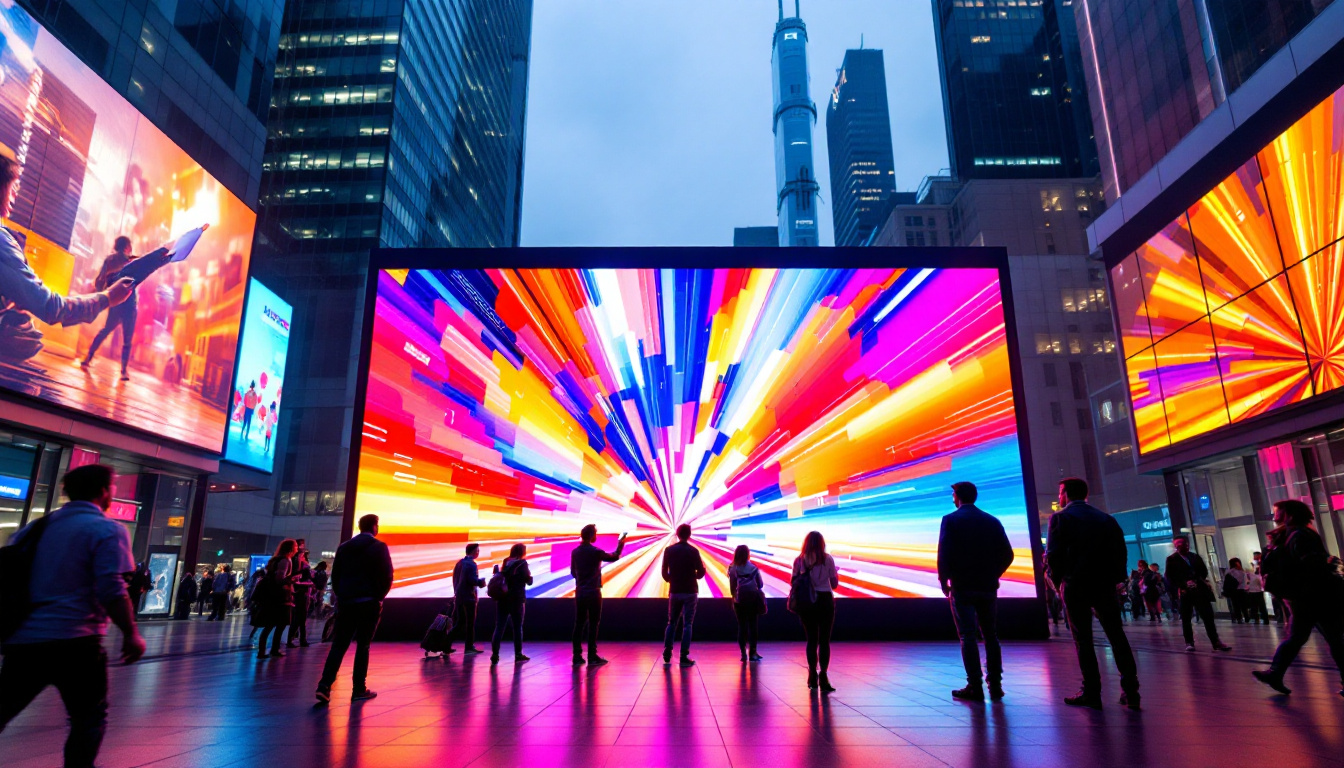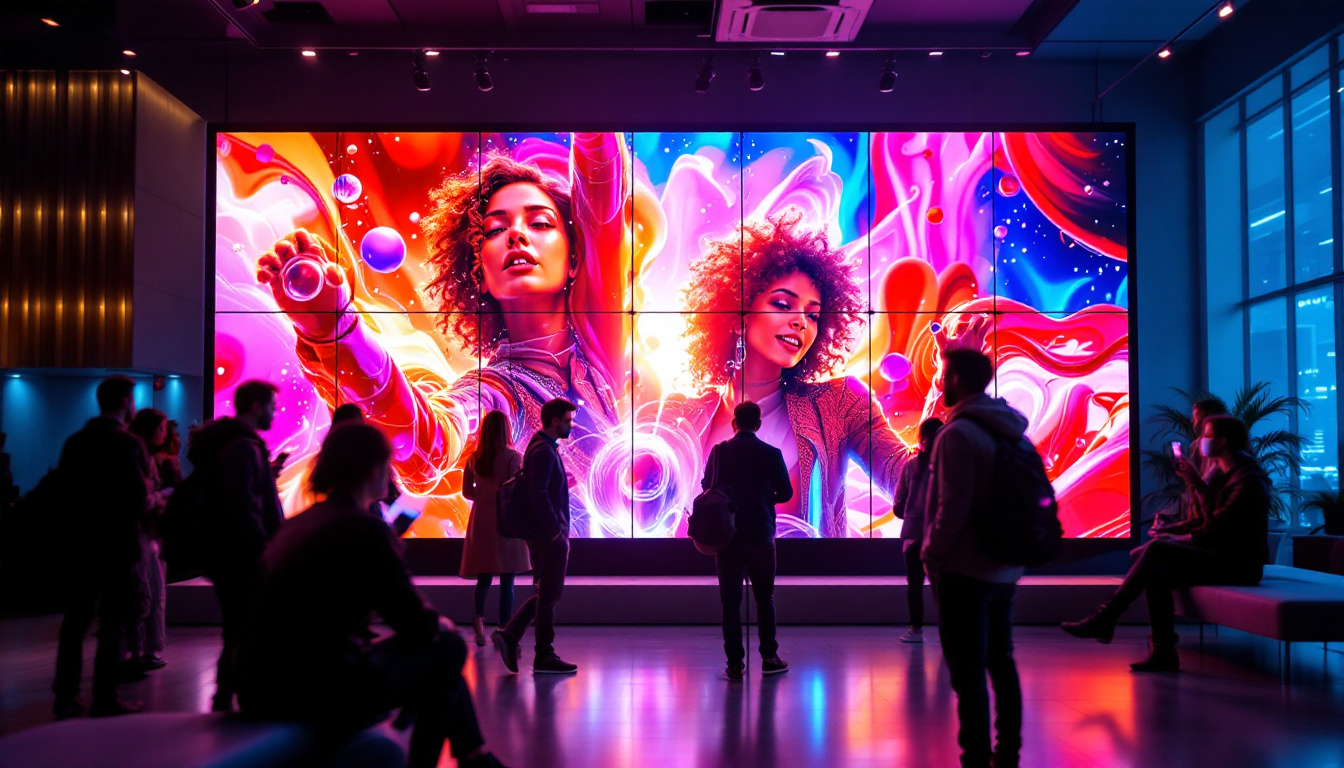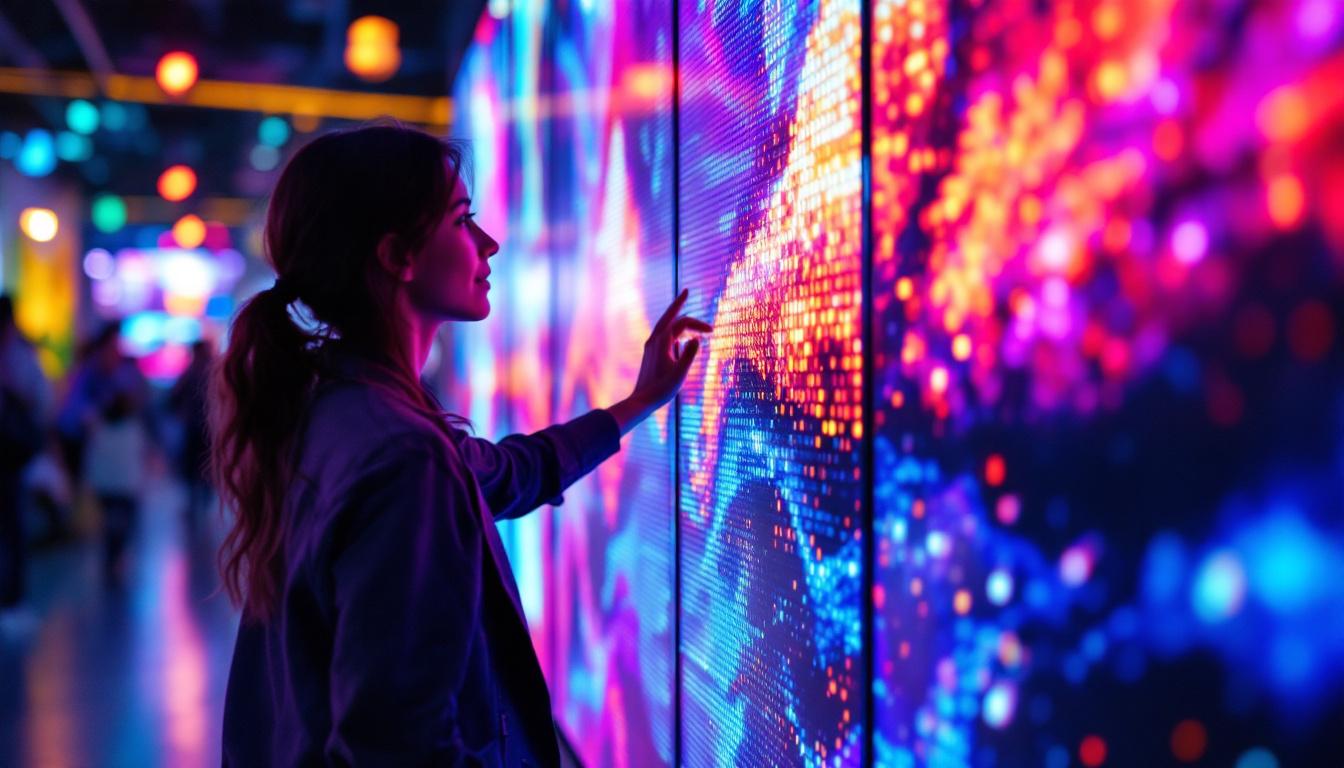
LED displays have become a cornerstone of modern visual communication, from massive outdoor billboards to sleek indoor video walls. Understanding the concept of viewing distance is crucial for anyone involved in selecting, designing, or installing LED displays. This article explores the fundamentals of viewing distance, its impact on LED display performance, and practical guidelines to optimize visual clarity and viewer experience.
What Is Viewing Distance and Why Does It Matter?
Viewing distance refers to the space between the observer’s eyes and the LED display screen. This seemingly simple measurement has profound implications for how content is perceived. The clarity, sharpness, and overall visual quality of an LED display are all influenced by how far the viewer is from the screen.
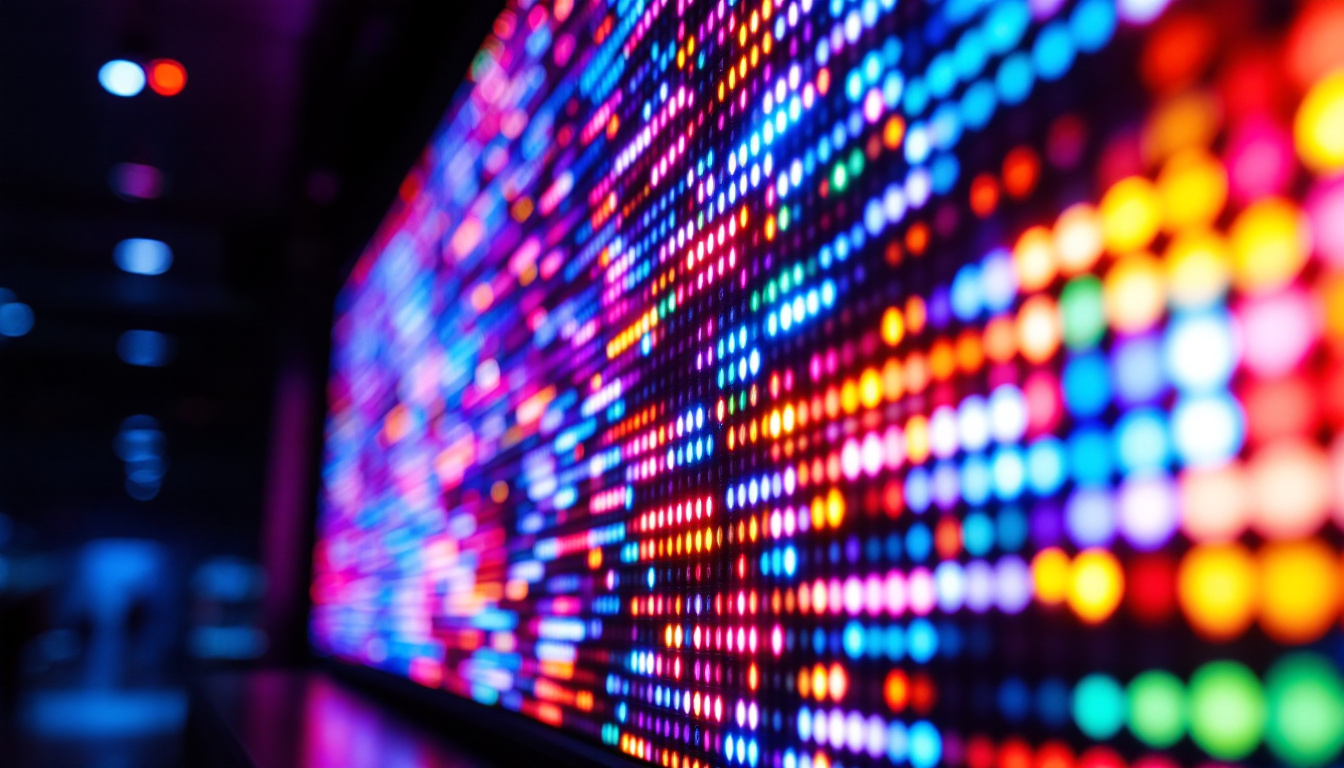
When the viewing distance is too close, individual pixels or LED modules become distinguishable, causing a pixelated or blocky image. Conversely, if the viewer is too far, the display might appear less bright or lose detail, especially if the resolution is low. Therefore, finding the optimal viewing distance ensures that the display’s resolution and pixel pitch are utilized effectively, providing a crisp and immersive visual experience.
The Role of Pixel Pitch in Viewing Distance
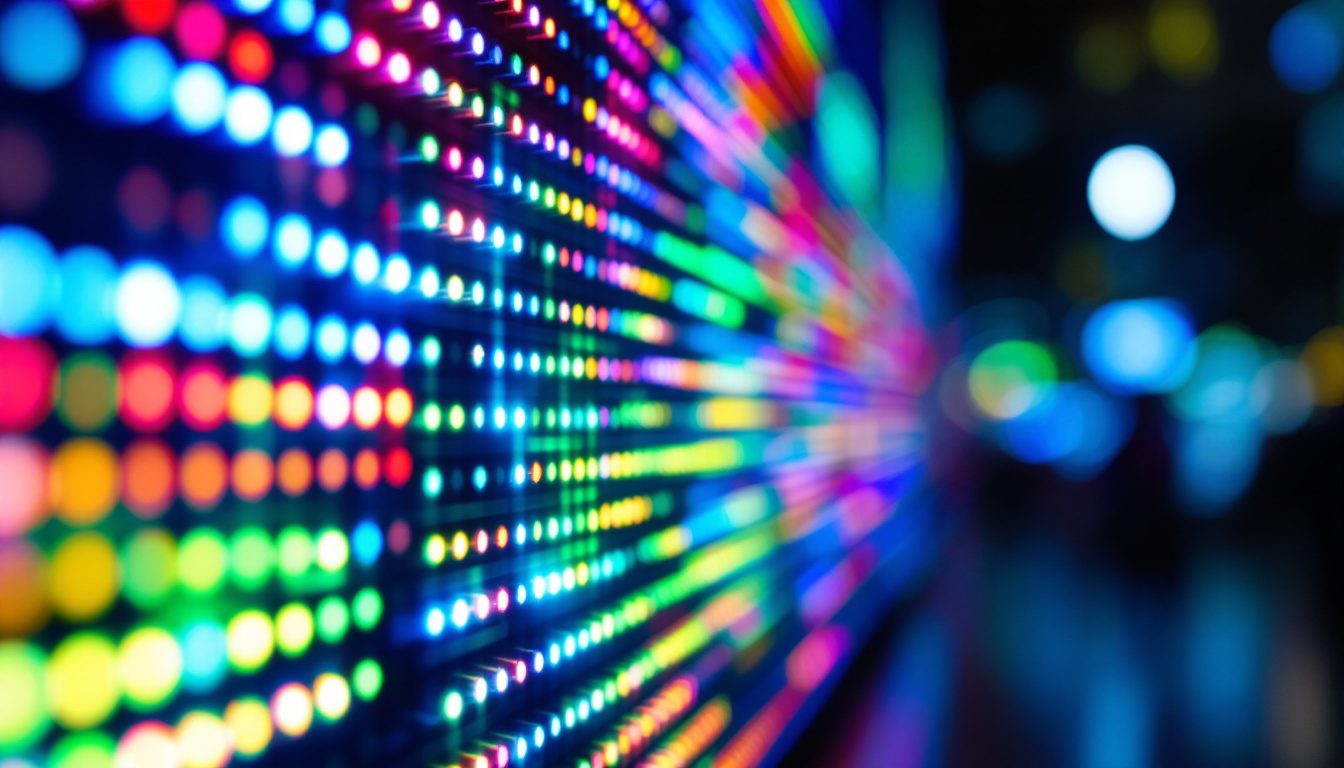
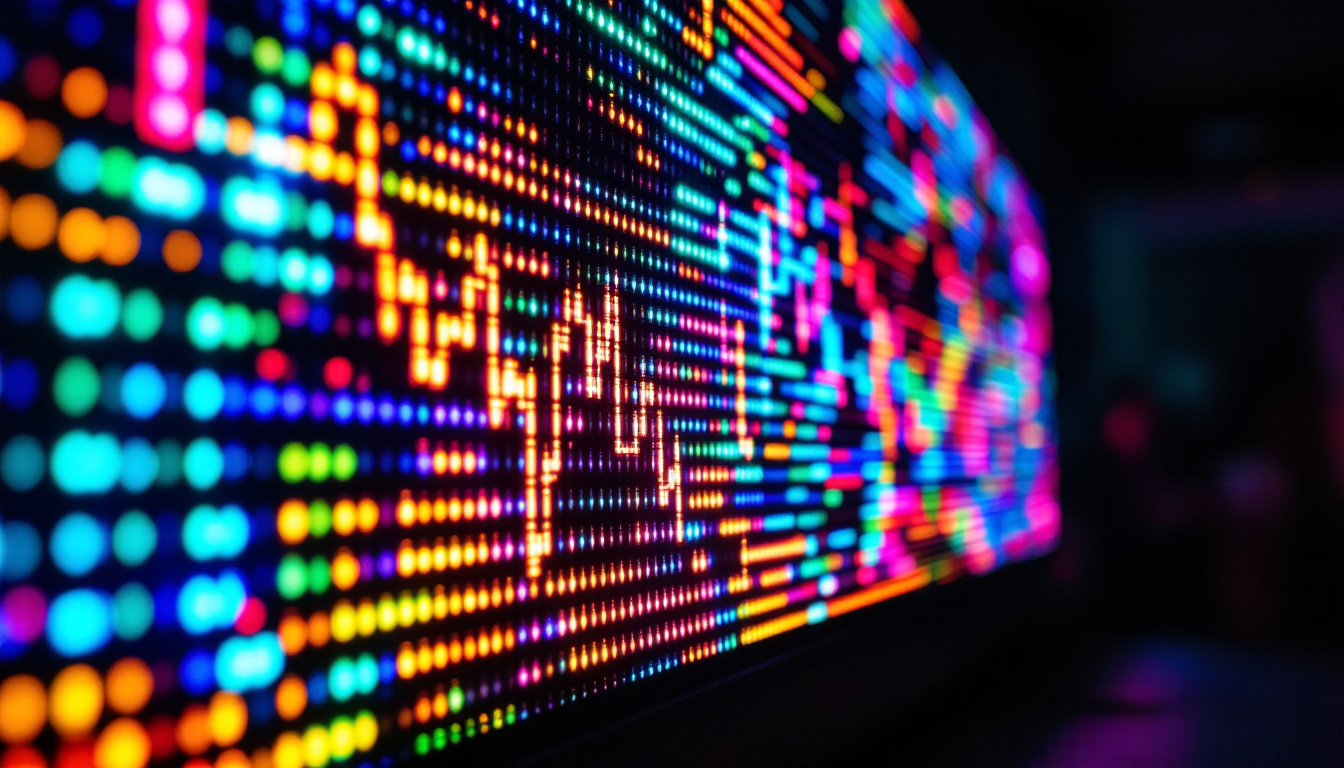
Pixel pitch is the distance between the centers of two adjacent pixels on an LED display, usually measured in millimeters. It is a critical factor in determining the optimal viewing distance. Smaller pixel pitches mean higher resolution and finer detail, suitable for closer viewing distances, while larger pixel pitches are designed for longer viewing distances.
For example, an LED display with a 1.5mm pixel pitch is ideal for indoor environments where viewers are typically 1 to 3 meters away, such as conference rooms or retail spaces. In contrast, a 10mm or 16mm pixel pitch display is more appropriate for outdoor billboards viewed from tens or hundreds of meters away.
Understanding pixel pitch not only assists in selecting the right display for a specific environment but also enhances the overall viewer experience. For instance, in a crowded venue like a stadium, a display with a larger pixel pitch may be necessary to ensure that images are visible from various angles and distances. Additionally, advancements in technology have led to the development of finer pixel pitches, allowing for more versatile applications, such as virtual reality environments and high-definition video walls. This evolution in pixel technology emphasizes the importance of considering both viewing distance and pixel pitch when designing spaces that rely heavily on visual communication.
Moreover, the impact of viewing distance extends beyond just the technical specifications of the display. It also plays a crucial role in audience engagement. For example, in a retail setting, strategically positioning displays at optimal viewing distances can significantly enhance the shopper’s experience, drawing them in with vibrant visuals that are both captivating and easy to comprehend. Similarly, in educational environments, ensuring that students can comfortably view presentations without straining their eyes can lead to better retention of information and overall satisfaction with the learning experience. Thus, understanding and optimizing viewing distance is essential for maximizing the effectiveness of LED displays across various applications.
Calculating Optimal Viewing Distance for LED Displays
Determining the ideal viewing distance involves balancing pixel pitch, resolution, and the intended use case. Several industry guidelines and formulas can help estimate this distance to maximize image quality and viewer comfort.
General Viewing Distance Guidelines
A widely accepted rule of thumb is that the minimum viewing distance should be approximately 1.5 to 2 times the pixel pitch in millimeters, converted to meters. For instance, a 5mm pixel pitch display would have a minimum viewing distance of roughly 7.5 to 10 meters.
Another approach is to consider the angular resolution of the human eye, which can typically distinguish details as small as one arcminute (1/60th of a degree). Using this, the formula to estimate the minimum viewing distance (D) in meters is:
D = (Pixel Pitch in mm) / (0.3)
Applying this formula, a 3mm pixel pitch display would have a minimum viewing distance of about 10 meters (3 / 0.3 = 10).
Maximum Viewing Distance Considerations
While minimum viewing distance ensures pixel visibility is optimal, maximum viewing distance is equally important, especially for large-scale installations. Beyond a certain distance, the resolution becomes indistinguishable, and the display may appear blurry or less vibrant.
For outdoor advertising, where viewers might be hundreds of meters away, the pixel pitch is often larger to maintain visibility. For example, a 20mm pixel pitch billboard can be viewed clearly from 60 meters or more.
Impact of Viewing Distance on LED Display Applications
Different applications demand different viewing distance considerations. Understanding these nuances helps in selecting the right LED display technology and specifications for each scenario.
Indoor LED Displays
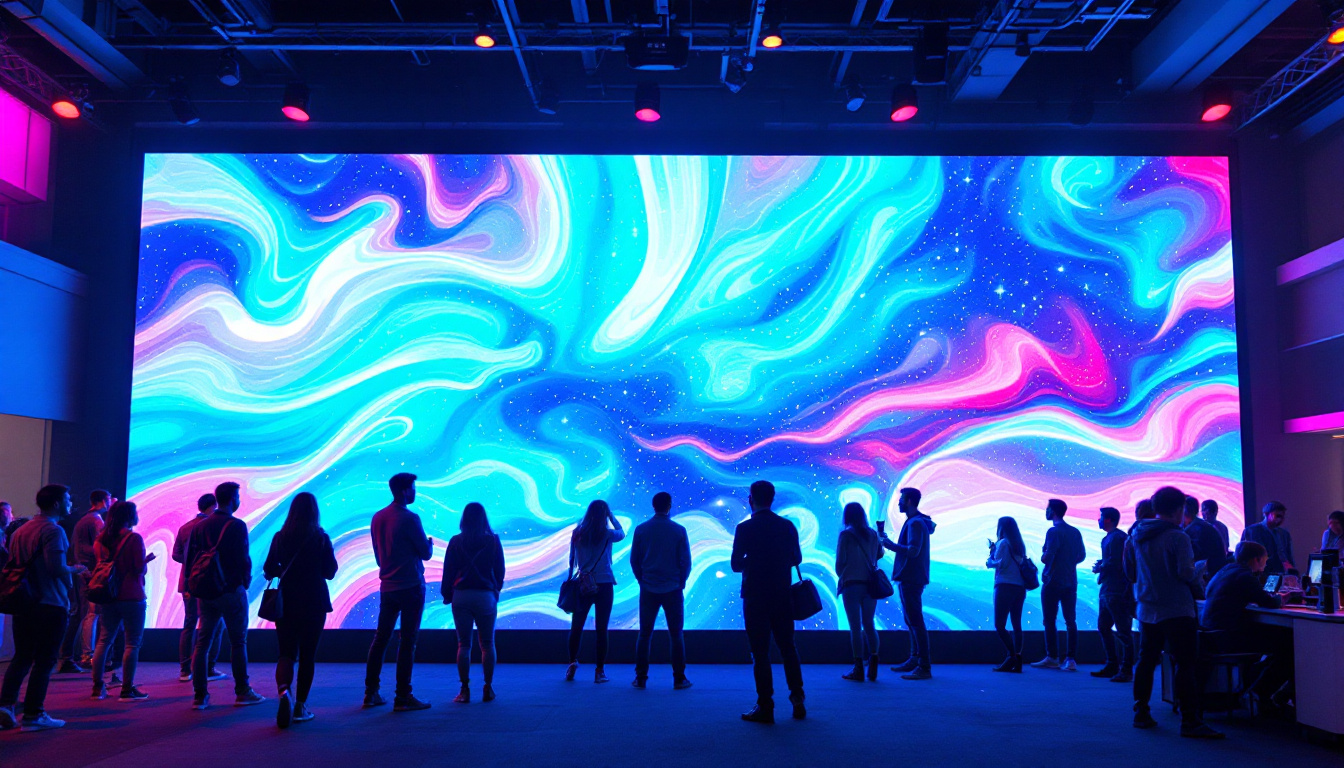
Indoor LED displays are typically viewed from shorter distances, often within a few meters. These include digital signage in retail stores, control rooms, corporate lobbies, and event stages. The pixel pitch for indoor displays usually ranges from 0.9mm to 4mm.
For example, a retail store may install a 2mm pixel pitch display to ensure shoppers standing nearby can see crisp product information and promotional content. In control rooms, where operators need to monitor detailed data, even finer pixel pitches like 0.9mm are common to allow close inspection without pixelation.
Outdoor LED Displays
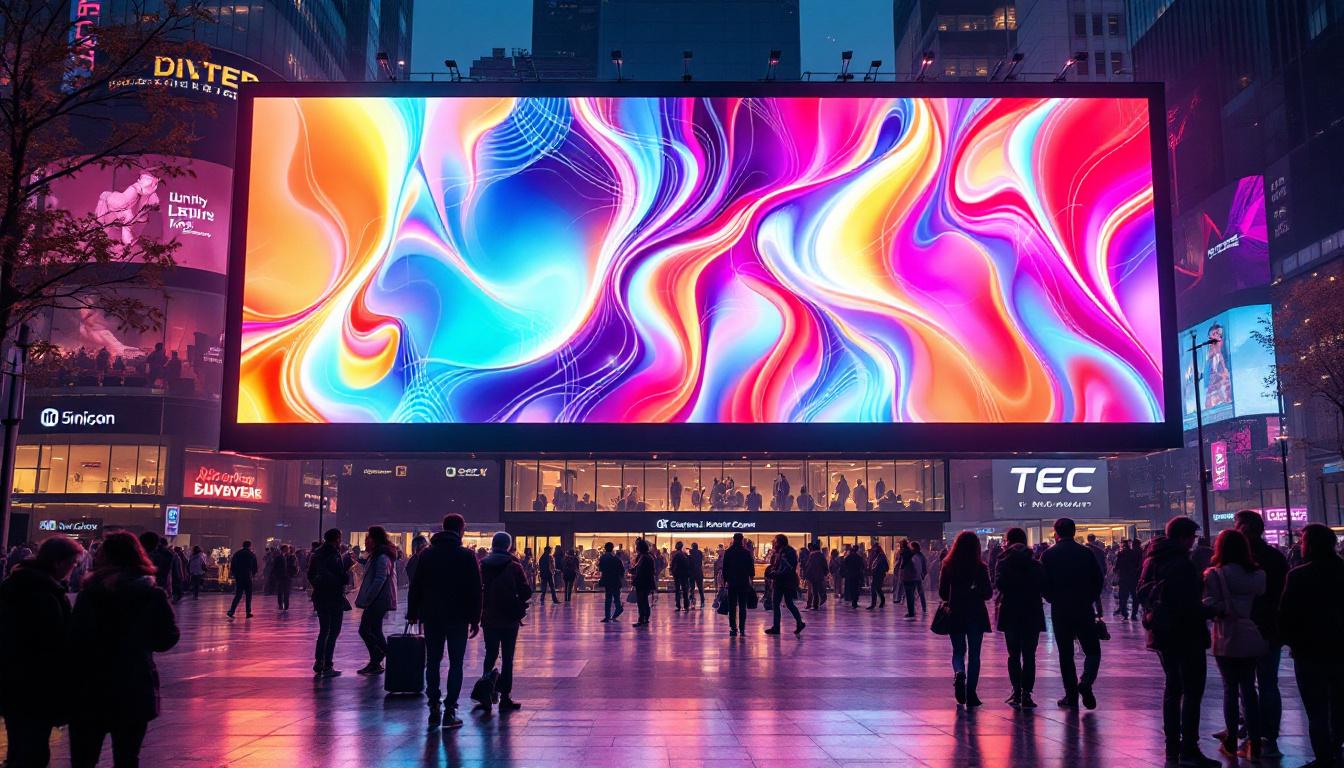
Outdoor LED displays, such as billboards, sports stadium screens, and transportation signage, are designed for longer viewing distances. Pixel pitches typically range from 10mm to 20mm or more, depending on the expected distance between the display and viewers.
For instance, a highway billboard with a 16mm pixel pitch is optimized for drivers viewing from 50 to 150 meters away. The larger pixel pitch ensures visibility and brightness in various lighting conditions, including direct sunlight.
Event and Stage LED Screens
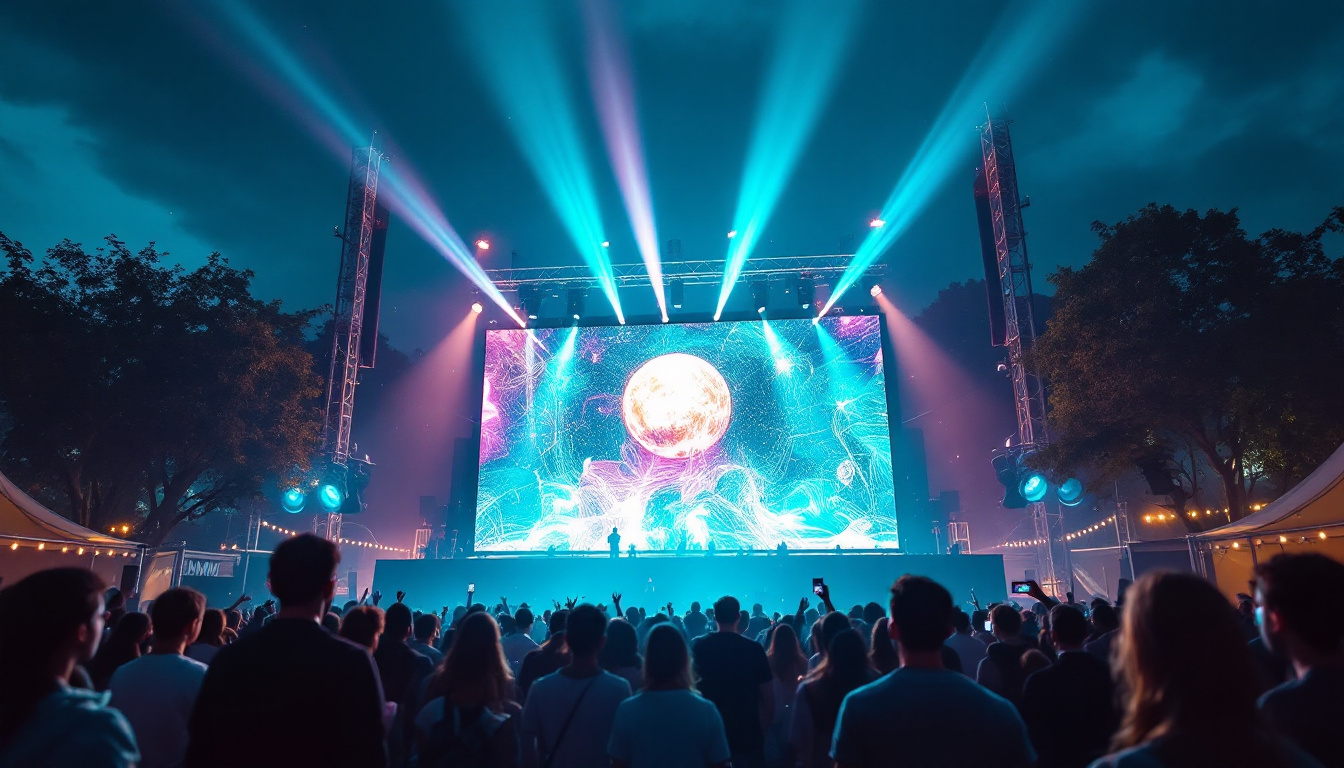
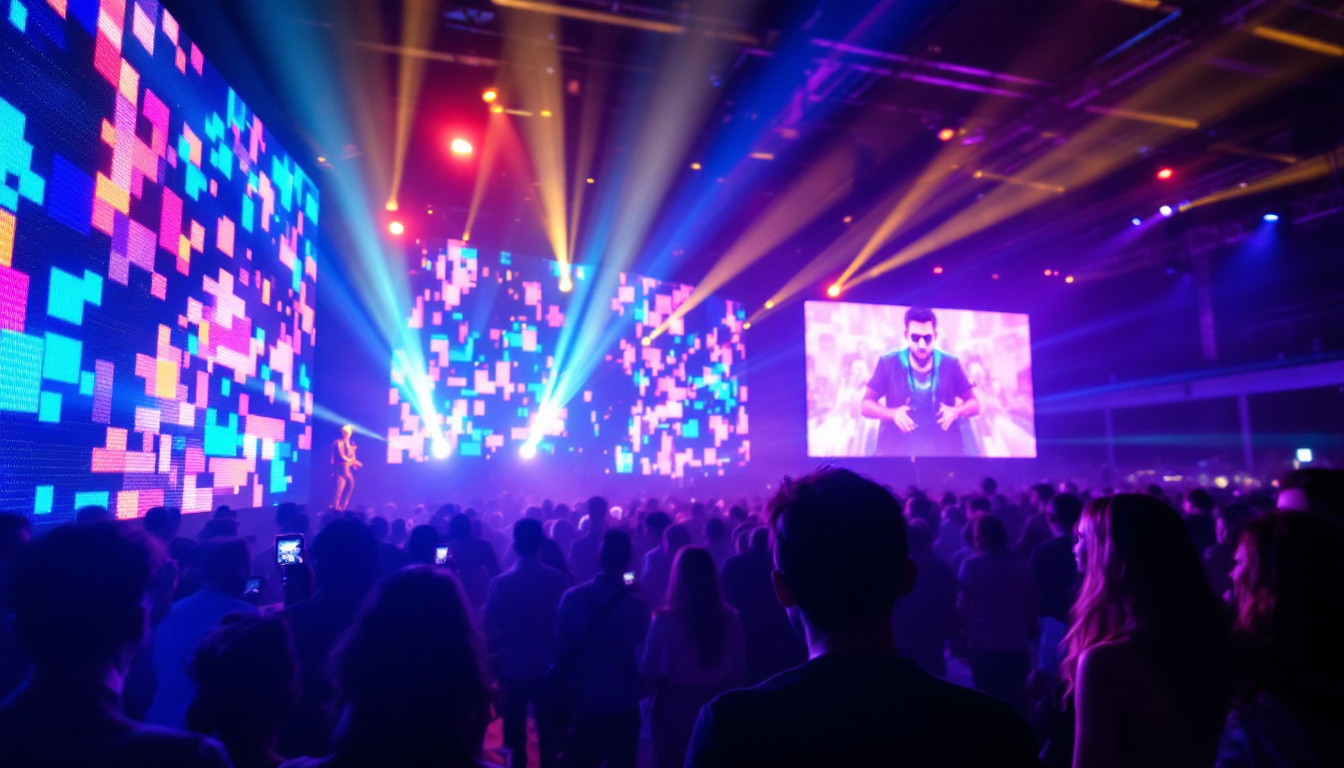
Events and concerts often use large LED screens to deliver dynamic visuals to audiences at varying distances. These displays must balance pixel pitch and size to accommodate both close-up viewers near the stage and those further back in the crowd.
Typically, event screens have pixel pitches between 3mm and 10mm. The flexibility of modular LED panels allows organizers to scale the screen size and adjust pixel pitch to suit venue dimensions and audience placement.
Additional Factors Influencing Viewing Distance
While pixel pitch and resolution are primary considerations, other factors also affect optimal viewing distance and overall display performance.
Display Brightness and Ambient Lighting
Brightness, measured in nits (cd/m²), plays a vital role in visibility, especially for outdoor LED displays exposed to sunlight. Higher brightness levels improve legibility from greater distances and in challenging lighting conditions.
Indoor displays generally require lower brightness (around 800 to 1,500 nits) due to controlled lighting, while outdoor displays may exceed 5,000 nits to ensure visibility during daylight. The viewing distance must account for brightness to prevent eye strain or washed-out images.
Content Type and Resolution
The nature of the content displayed also influences viewing distance decisions. Text-heavy or detailed graphical content demands higher resolution and closer viewing distances to maintain readability and clarity.
Conversely, simple images or videos with less fine detail can be effectively displayed at longer viewing distances with larger pixel pitches. Understanding content requirements helps optimize the LED display configuration for the intended audience.
Human Visual Acuity
Human visual acuity varies among individuals but generally peaks at around 20/20 vision. This means the eye can resolve details as small as one arcminute. When designing LED display systems, considering the average viewer’s visual acuity ensures content is legible and engaging.
For audiences with impaired vision or in environments where viewers may be moving quickly (such as highways), larger pixel pitches and longer viewing distances may be necessary to accommodate reduced visual acuity.
Practical Tips for Choosing the Right Viewing Distance
Selecting the appropriate viewing distance for an LED display involves a combination of technical knowledge and practical considerations. Here are some actionable tips to guide the process:
Assess the Viewing Environment
Begin by analyzing where the display will be installed and how viewers will interact with it. Consider factors such as typical viewer distance, ambient lighting, and the number of viewers. For example, a digital sign in a shopping mall requires different specifications than a roadside billboard.
Match Pixel Pitch to Viewing Distance
Use established guidelines to select a pixel pitch that aligns with the expected viewing distance. Remember that smaller pixel pitches are better for close-up viewing, while larger pitches suit distant viewing.
Consider Content Requirements
Evaluate the type of content to be displayed. High-resolution videos and detailed graphics need finer pixel pitches and closer viewing distances. For simpler messages or branding, larger pixel pitches may suffice.
Factor in Budget and Maintenance
Higher resolution LED displays with smaller pixel pitches tend to be more expensive and may require more maintenance. Balancing quality with budget constraints is essential for sustainable installations.
Test and Adjust
Whenever possible, conduct on-site tests with sample displays or mock-ups to observe how content appears at various distances. Adjust pixel pitch or screen placement accordingly to optimize viewer experience.
Future Trends in LED Display Viewing Distance
Advancements in LED technology continue to influence viewing distance considerations. Innovations such as microLED and miniLED displays offer higher resolutions and brightness with smaller pixel pitches, enabling closer viewing distances without sacrificing image quality.
Additionally, the integration of AI-driven content optimization and dynamic brightness adjustment enhances the adaptability of LED displays to varying viewing conditions. These developments promise more immersive and flexible visual experiences across diverse applications.
Conclusion
Understanding viewing distance is fundamental to maximizing the effectiveness of LED displays. By carefully considering pixel pitch, resolution, viewing environment, and content type, stakeholders can ensure that LED screens deliver clear, vibrant, and engaging visuals tailored to their audience’s needs.
Whether for indoor digital signage, outdoor advertising, or large-scale event screens, applying viewing distance principles helps optimize investment, enhance viewer satisfaction, and elevate communication impact in an increasingly visual world.
Explore Cutting-Edge LED Solutions with LumenMatrix
Ready to elevate your visual communication with the perfect LED display? LumenMatrix offers a comprehensive range of innovative LED solutions tailored to your needs. From vibrant Indoor and Outdoor LED Wall Displays to dynamic Vehicle and Sports LED Displays, our technology is designed to captivate and engage your audience. Discover the transformative power of our LED Poster Displays, Floor LED Displays, Custom LED Solutions, All-in-One LED Displays, and Transparent LED Displays. Experience the future of visual storytelling with LumenMatrix. Check out LumenMatrix LED Display Solutions today and bring your brand’s message to life with unparalleled clarity and impact.