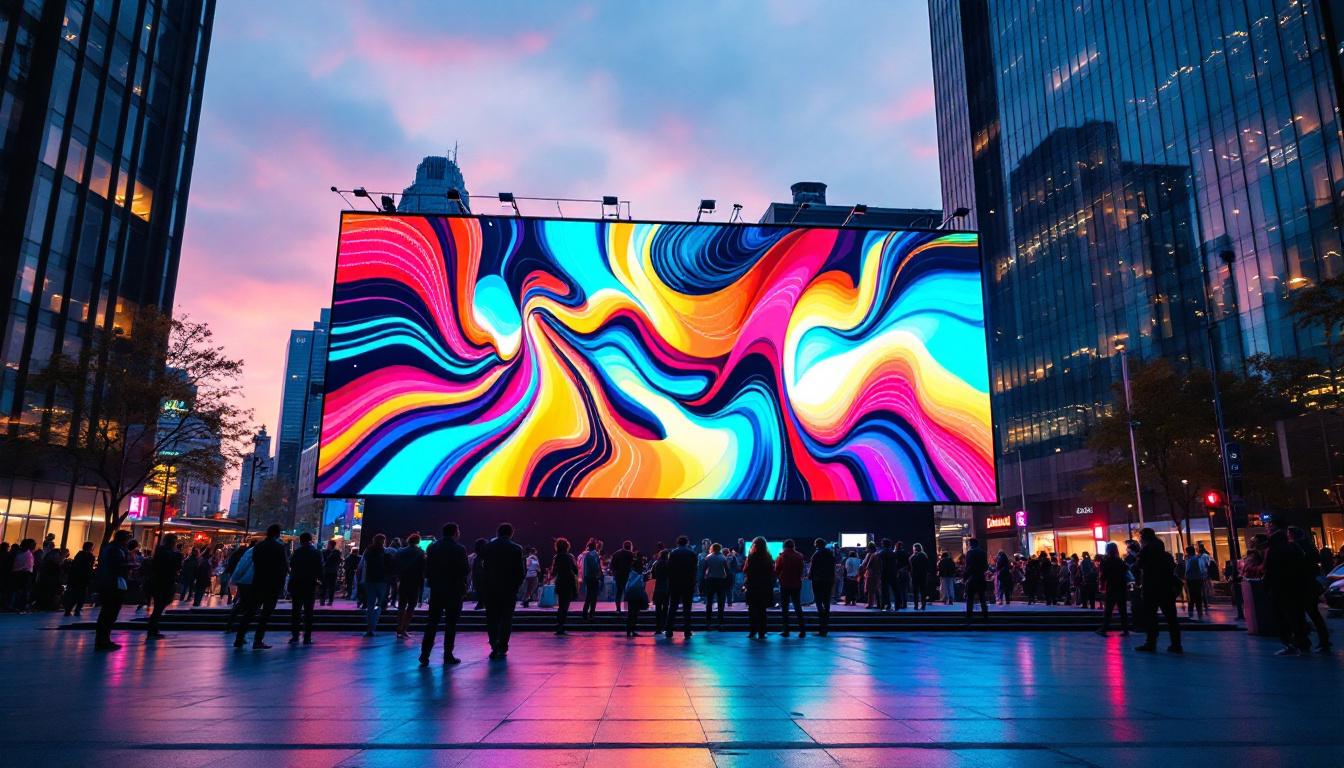
In the rapidly evolving world of digital signage and display technology, understanding the relationship between viewing distance and LED displays is crucial. Whether you are planning an advertising campaign, designing a control room, or setting up a large-scale event, selecting the right LED display with appropriate viewing distance considerations ensures optimal visibility, clarity, and audience engagement.
This article delves into the fundamentals of viewing distances for LED displays, explores how pixel pitch affects image quality, and offers practical guidance for choosing the right display based on your environment and audience needs.
Understanding Viewing Distance and Its Importance
Viewing distance refers to the optimal space between the observer and the LED display where the image appears sharp, clear, and comfortable to the human eye. This distance is not arbitrary; it is intrinsically linked to the resolution of the display, the pixel pitch, and the intended use case.
Why does viewing distance matter? If the viewer is too close to a display with a large pixel pitch, individual pixels become visible, resulting in a grainy or pixelated image. Conversely, if the viewer is too far from a high-resolution display, the extra detail may be wasted, and the display’s cost-effectiveness could be compromised.
For businesses and event organizers, understanding viewing distance helps optimize the viewer experience, maximize content impact, and avoid unnecessary expenses on overly dense displays.
Key Factors Influencing Viewing Distance
Several factors influence the ideal viewing distance for an LED display:
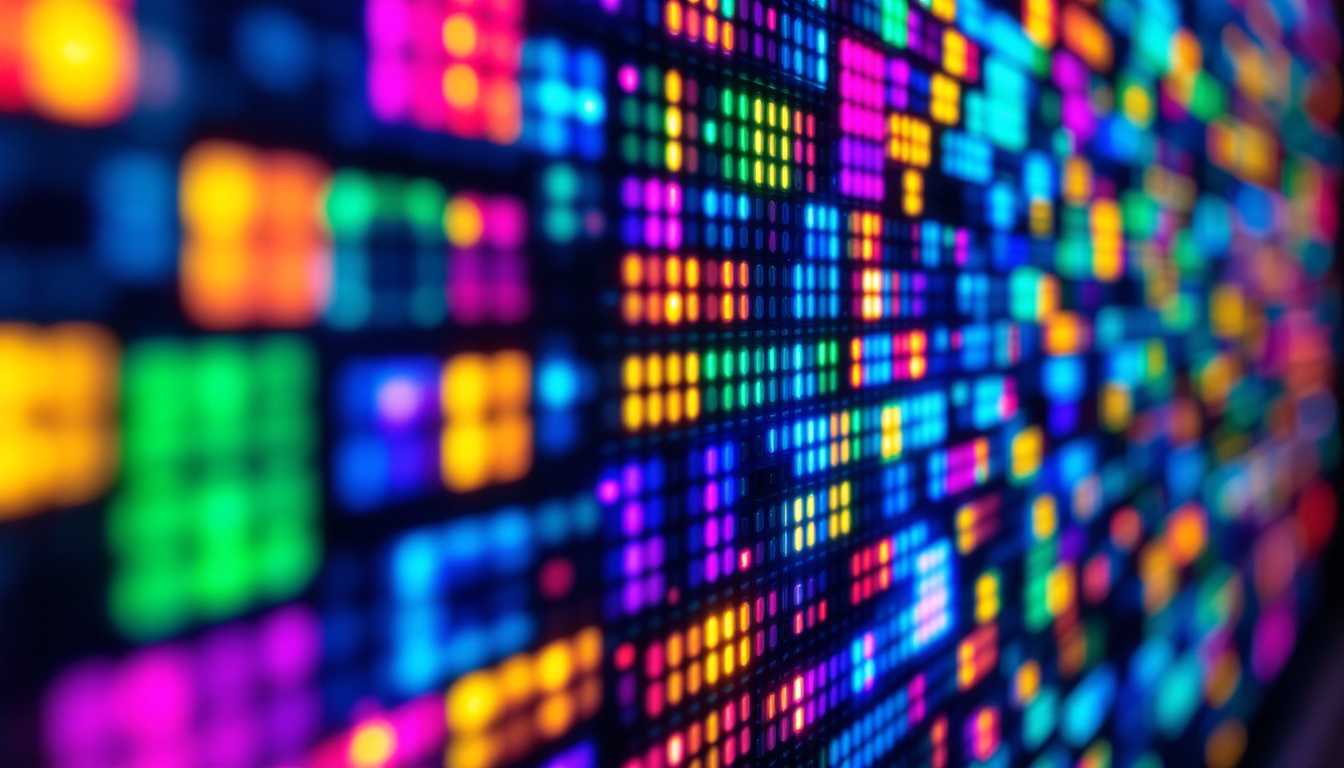
- Pixel Pitch: The distance between the centers of two adjacent pixels, usually measured in millimeters. Smaller pixel pitch means higher resolution and closer viewing distances.
- Display Size: Larger displays can be viewed from farther away, but size alone does not determine clarity.
- Content Type: Text-heavy content requires closer viewing distances for readability, while video or images can tolerate longer distances.
- Ambient Lighting: Bright environments may require higher brightness and contrast, influencing the perceived clarity at various distances.
In addition to these factors, the viewer’s visual acuity plays a crucial role in determining the most comfortable viewing distance. Individuals with better vision may be able to appreciate finer details from a greater distance, while those with visual impairments may need to be closer to fully engage with the content. This variability highlights the importance of considering the audience when planning display setups, especially in public spaces or events where diverse groups will be present.
Moreover, the context in which the display is used can further refine the ideal viewing distance. For instance, in a retail environment, displays may be designed to attract attention from a distance, encouraging potential customers to approach and engage with the content. In contrast, a conference setting may prioritize clarity and detail, necessitating a closer viewing distance for presentations or informational displays. Understanding these nuances allows for a more tailored approach to display arrangements, ensuring that every viewer can enjoy the intended experience.
Pixel Pitch: The Cornerstone of Viewing Distance
Pixel pitch is arguably the most critical technical specification when considering viewing distance. It defines the density of pixels on the LED display and directly impacts image sharpness.
For example, a display with a 2mm pixel pitch means pixels are spaced 2 millimeters apart. This allows for very fine detail and close viewing distances, often suitable for indoor environments such as retail stores or control rooms. Conversely, a 10mm pixel pitch is more appropriate for outdoor billboards viewed from tens of meters away.
How Pixel Pitch Correlates with Viewing Distance
A widely accepted rule of thumb is that the minimum viewing distance (in meters) is approximately 1 to 1.5 times the pixel pitch (in millimeters) converted to meters. To illustrate:
- A 2mm pixel pitch display should be viewed from at least 2 to 3 meters away.
- A 5mm pixel pitch display is best viewed from 5 to 7.5 meters.
- A 10mm pixel pitch display suits distances of 10 to 15 meters or more.
These guidelines help ensure that individual pixels blend seamlessly, producing a smooth and detailed image. Understanding this relationship is crucial for designers and engineers, as it allows them to create displays that not only meet aesthetic requirements but also enhance viewer experience by ensuring clarity and detail at appropriate distances.
Examples of Pixel Pitch Applications
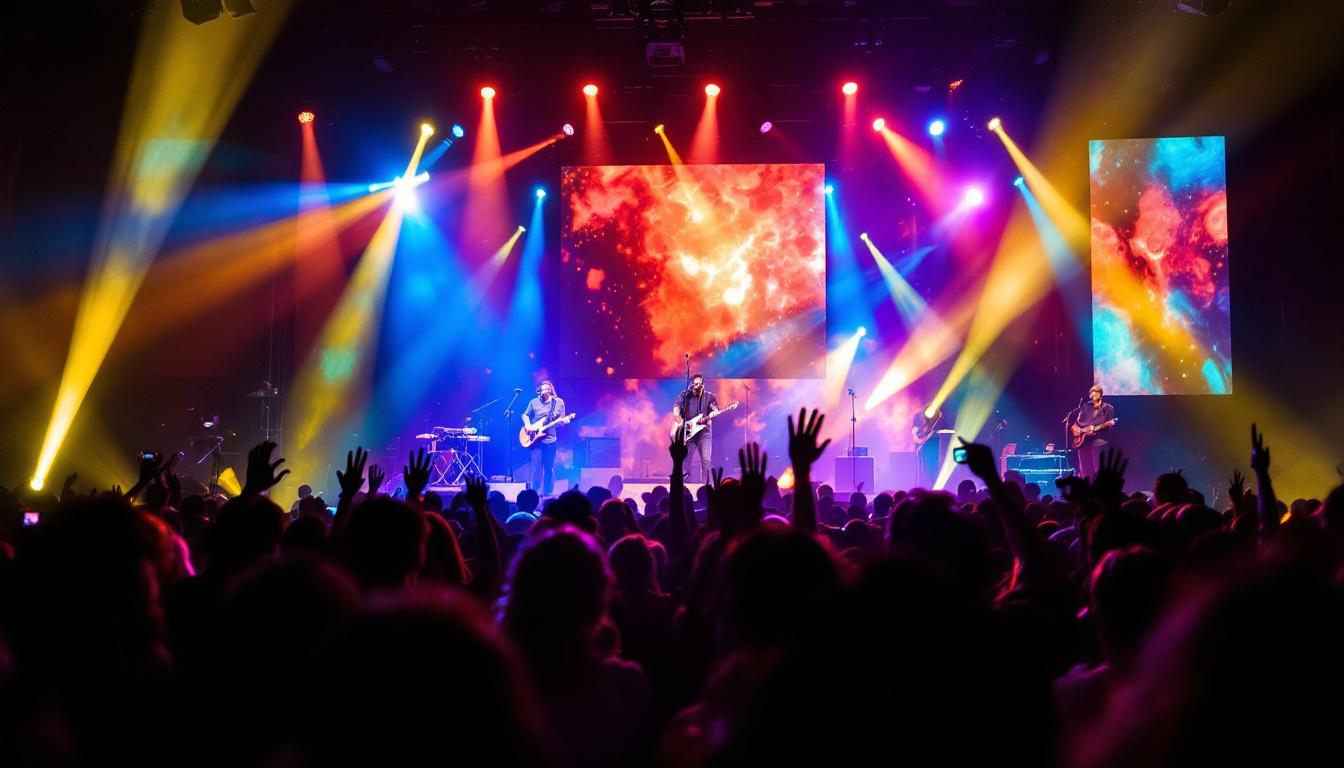
Consider a sports arena installing a massive LED screen. A 10mm pixel pitch is often chosen because spectators are seated far from the screen, sometimes over 20 meters away. The pixel density is sufficient to render clear images at these distances without driving up costs unnecessarily. This choice allows for vibrant visuals during games and events, ensuring that even those in the furthest seats can enjoy an immersive experience.
In contrast, a corporate boardroom might use a 1.5mm pixel pitch LED display to allow participants sitting just a few meters away to view detailed presentations and data visualizations without strain. Such high pixel density ensures that text remains crisp and graphics are rendered with precision, facilitating effective communication during meetings. Additionally, this level of detail can enhance video conferencing experiences, making remote participants feel more engaged and present.
Moreover, the choice of pixel pitch can also influence the overall design and aesthetic of a space. In high-end retail environments, for instance, a 1.2mm pixel pitch display can serve not only as a functional tool for showcasing products but also as a striking visual centerpiece that draws customers in. The ability to display high-resolution content with vibrant colors can significantly enhance the shopping experience, creating a dynamic atmosphere that encourages longer visits and increased sales.
Calculating Optimal Viewing Distances
While rules of thumb provide a starting point, precise calculation of viewing distances can improve display effectiveness. Several formulas and considerations can guide decision-making.
Visual Acuity and Pixel Density
Human visual acuity—the ability to discern fine detail—averages around 1 arcminute (1/60th of a degree). Using this, the minimum viewing distance (D) can be approximated by the formula:
D = (Pixel Pitch in mm) / (0.3)
Here, the constant 0.3 relates to the angular resolution of the eye. For example, a 3mm pixel pitch display yields:
D = 3 / 0.3 = 10 meters
This means viewers closer than 10 meters might perceive pixelation, while beyond 10 meters, the image appears smooth.
Content and Environment Considerations
When calculating viewing distances, consider the nature of your content. Text-heavy content demands closer viewing distances for legibility, while video and images can be appreciated from farther away.
Additionally, environmental factors such as ambient light, viewing angles, and audience movement patterns affect the optimal distance. For example, in outdoor settings with bright sunlight, higher brightness and contrast are necessary to maintain clarity at longer distances.
Practical Guidelines for Selecting LED Displays
Choosing the right LED display involves balancing pixel pitch, viewing distance, budget, and intended use. Here are some practical guidelines:
Indoor vs. Outdoor Displays
Indoor LED displays typically have smaller pixel pitches (1.2mm to 4mm) to accommodate close viewing distances and detailed content. They are used in environments like conference rooms, retail spaces, and museums.
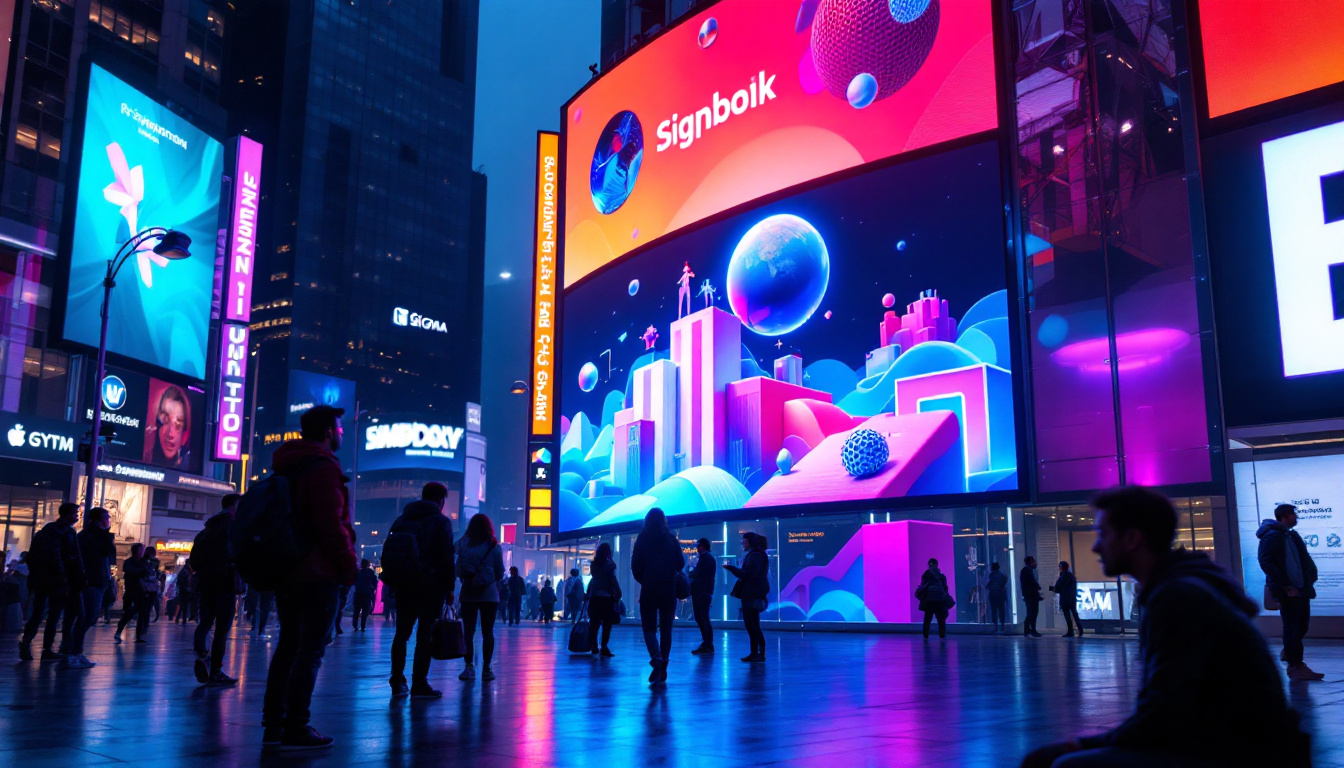
Outdoor LED displays, such as billboards and stadium screens, have larger pixel pitches (6mm to 20mm) because viewers are farther away. These displays prioritize brightness and weather resistance.
Audience Size and Viewing Angles
For large audiences, consider the farthest viewing distance to ensure everyone has a clear view. Viewing angles are also important; LED displays with wide viewing angles (up to 160 degrees) ensure visibility from different positions.
Budget and Maintenance
Higher resolution displays with smaller pixel pitches tend to be more expensive and may require more maintenance. Balancing cost with viewing distance needs is essential to avoid over-investing in unnecessarily dense displays.
Case Studies: Viewing Distance Optimization in Action
Real-world examples highlight the importance of understanding viewing distances when deploying LED displays.
Retail Store Digital Signage
A major retail chain installed 2.5mm pixel pitch LED displays in their store windows. The displays were positioned approximately 3 meters from the sidewalk, matching the recommended viewing distance. This setup ensured passersby could clearly see promotional content without pixelation, increasing engagement and foot traffic by 15% within the first quarter.
Outdoor Sports Arena Screen
An outdoor stadium chose a 10mm pixel pitch LED screen measuring 15 meters wide. Spectators sat an average of 25 meters away, well beyond the minimum viewing distance. The display delivered crisp visuals visible even from the upper tiers, enhancing the fan experience without incurring the high costs of a denser display.
Future Trends in LED Display Technology and Viewing Distances
Advancements in LED technology continue to push the boundaries of resolution, brightness, and energy efficiency. MicroLED and miniLED technologies promise even smaller pixel pitches, enabling ultra-high-definition displays suitable for very close viewing distances.
Additionally, dynamic content adaptation—where displays adjust brightness, contrast, and even pixel density based on viewer distance and ambient conditions—is becoming more prevalent. These innovations will further optimize viewing experiences and reduce energy consumption.
Conclusion
Understanding viewing distances is fundamental when selecting and deploying LED displays. Pixel pitch, content type, viewing environment, and audience behavior all influence the optimal distance for clear and engaging visuals.
By carefully considering these factors and applying practical guidelines, businesses and event organizers can maximize the impact of their LED displays, ensuring that every pixel contributes to a compelling visual experience.
As LED technology evolves, staying informed about the latest developments will empower users to make smarter choices and harness the full potential of digital displays.
Discover the Perfect LED Display with LumenMatrix
Ready to elevate your visual communication with the ideal LED display tailored to your needs? LumenMatrix is at the forefront of LED display innovation, offering a wide range of solutions from Indoor and Outdoor LED Wall Displays to specialized options like Vehicle, Sports, and Floor LED Displays. Our mission is to transform your visual storytelling with displays that captivate and engage. Don’t let another pixel go to waste. Check out LumenMatrix LED Display Solutions today and see the difference cutting-edge technology can make.