In the rapidly evolving world of display technology, LED screens have become a dominant force across various industries—from consumer electronics to large-scale advertising and public information systems. Understanding what LED displays are, how they work, and why they are preferred over other technologies is essential for anyone involved in technology, marketing, design, or even everyday consumers looking to make informed purchasing decisions.
This comprehensive guide will delve into the fundamentals of LED displays, explore their advantages and applications, and shed light on the latest innovations shaping their future.
What Is an LED Display?
Definition and Basic Principles
LED stands for Light Emitting Diode, a semiconductor device that emits light when an electric current passes through it. An LED display is a flat panel display that uses an array of these tiny LEDs as pixels to produce images, videos, or text. Unlike traditional LCD (Liquid Crystal Display) screens that require a backlight, LED displays generate their own light, which results in brighter and more vibrant visuals. This self-illuminating feature not only enhances the display’s brightness but also contributes to its energy efficiency, making it a popular choice for both commercial and residential applications.
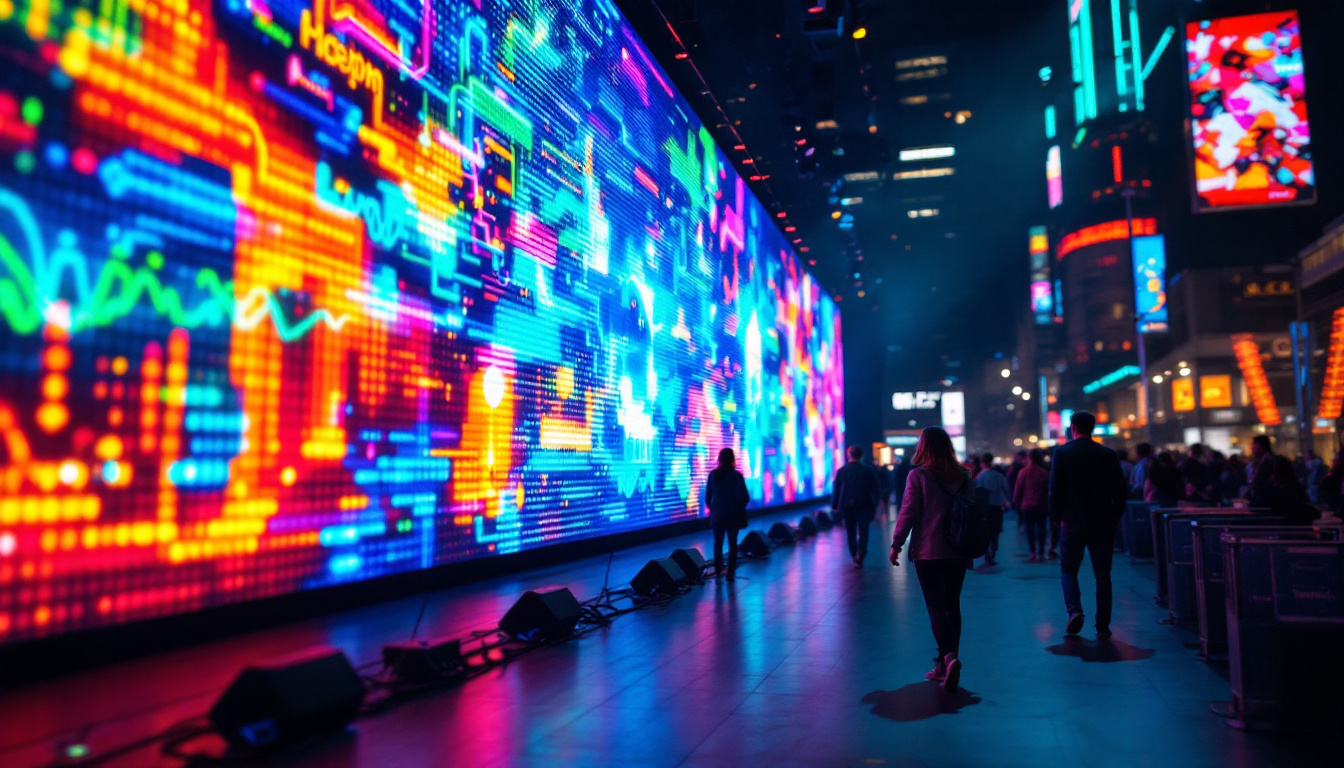
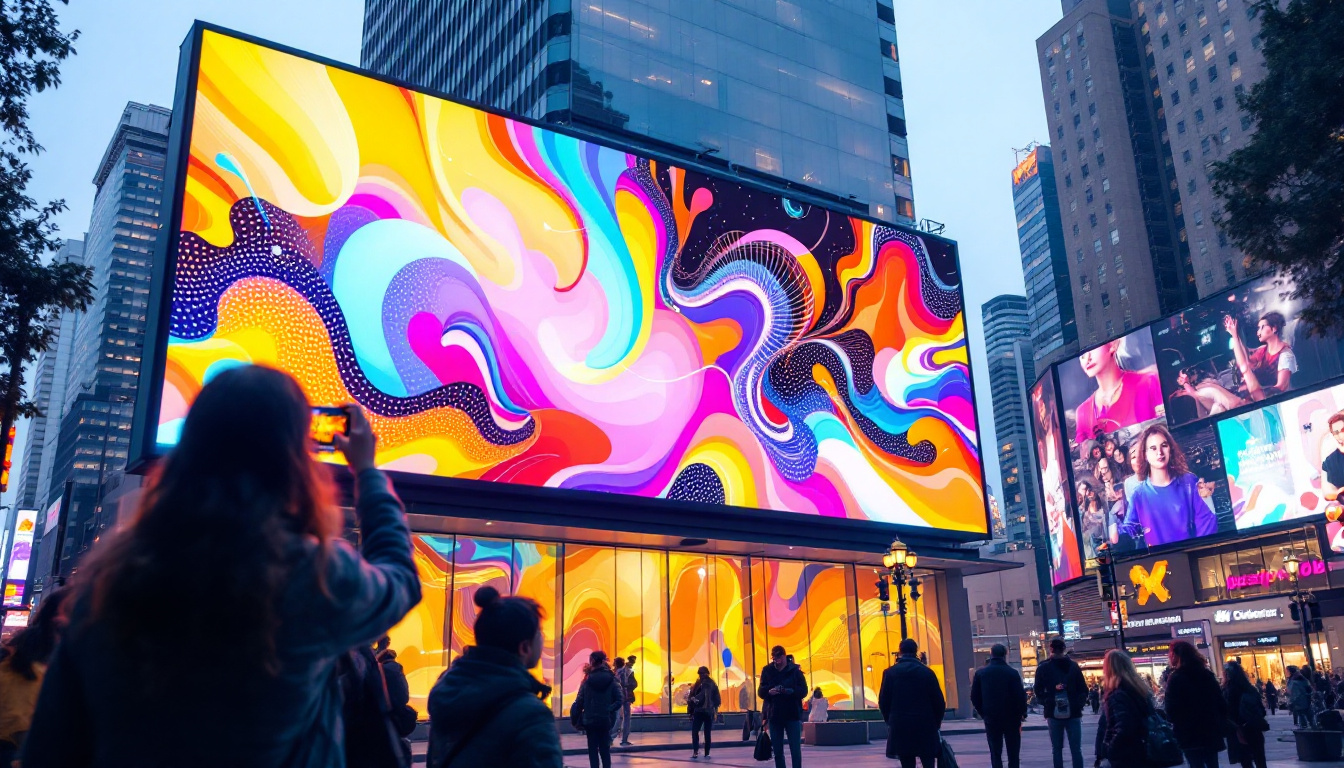
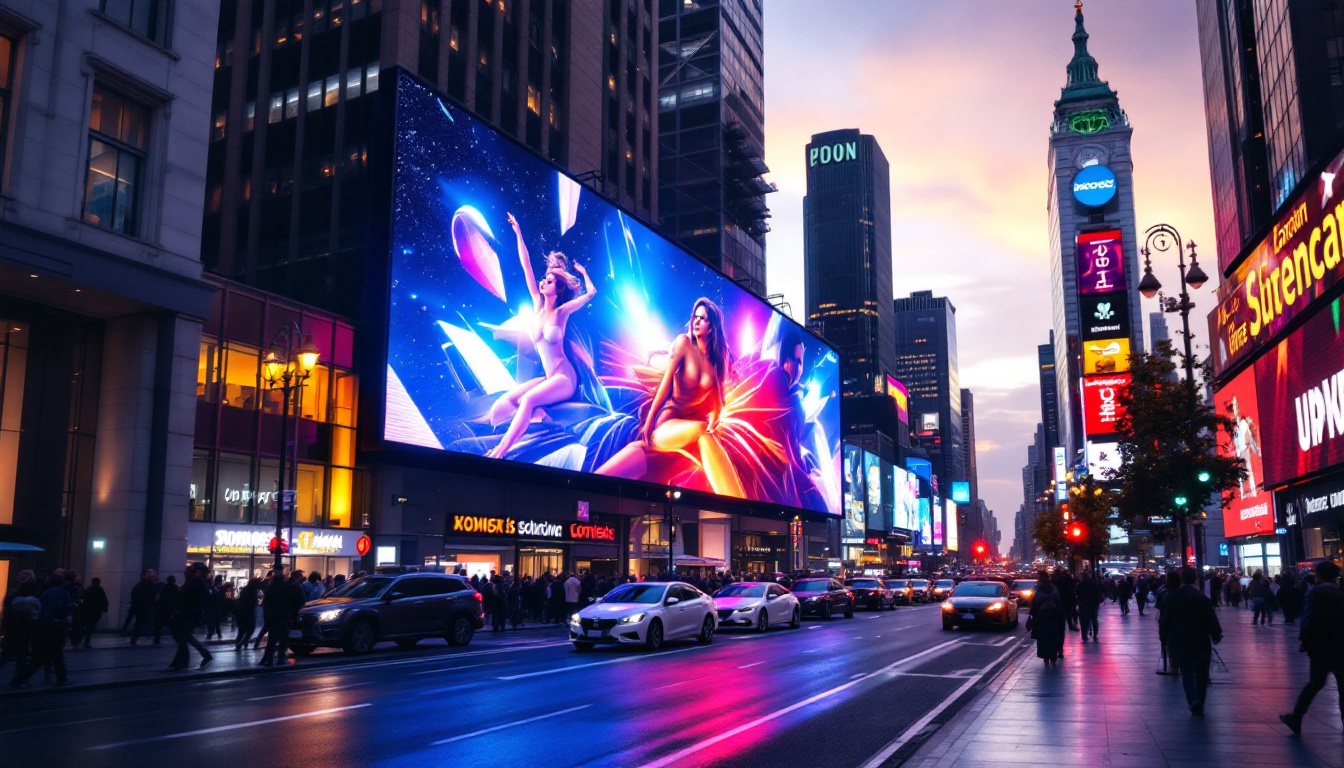
LED displays can be categorized into two main types: direct-view LED displays and LED-backlit LCDs. The former uses LEDs as the actual pixels, while the latter uses LEDs as a backlight source behind an LCD panel. This article primarily focuses on direct-view LED displays, which are widely used in outdoor signage, stadium screens, and large-format video walls. The versatility of LED technology allows for a variety of applications, from billboards that light up city streets to digital signage in retail environments, showcasing promotions and information in real-time.
How LED Displays Work
Each pixel in an LED display consists of one or more LEDs that emit red, green, and blue light. By varying the intensity of these three colors, the display can produce a full spectrum of colors through additive color mixing. The control system adjusts the brightness of each LED to create the desired image on the screen. This capability not only allows for stunning visuals but also enables dynamic content that can change based on time of day or audience engagement, making LED displays a favorite among marketers and event organizers.
Modern LED displays use surface-mounted device (SMD) technology, where tiny LEDs are mounted directly onto a circuit board. This approach allows for higher pixel density, better color accuracy, and improved viewing angles compared to older LED technologies. Additionally, advancements in LED technology have led to the development of flexible displays that can bend and curve, opening up new possibilities for creative installations. These innovations have made LED displays not just functional, but also a canvas for artistic expression, allowing designers to create immersive experiences that captivate audiences in ways traditional displays cannot.
Advantages of LED Displays Over Other Technologies
Superior Brightness and Visibility
One of the most significant advantages of LED displays is their exceptional brightness. LEDs can achieve brightness levels of over 1,000 nits (a measure of luminance), making them easily visible even in direct sunlight. This characteristic makes LED displays ideal for outdoor environments where glare and ambient light can diminish screen visibility.
In contrast, traditional LCDs and OLEDs (Organic Light Emitting Diodes) often struggle to maintain image clarity under bright lighting conditions. For instance, an OLED screen typically maxes out at around 600-800 nits, which is insufficient for outdoor use without shading.
Energy Efficiency and Longevity
LED technology is known for its energy efficiency. LEDs consume significantly less power than fluorescent or incandescent lighting, translating to lower operating costs for large displays. For example, a 10-foot LED billboard can use up to 50% less energy than a comparable LCD-based billboard.
Additionally, LEDs have a longer lifespan, often exceeding 100,000 hours of operation before significant brightness degradation occurs. This longevity reduces maintenance costs and downtime, which is crucial for commercial and public installations.
Flexibility and Scalability
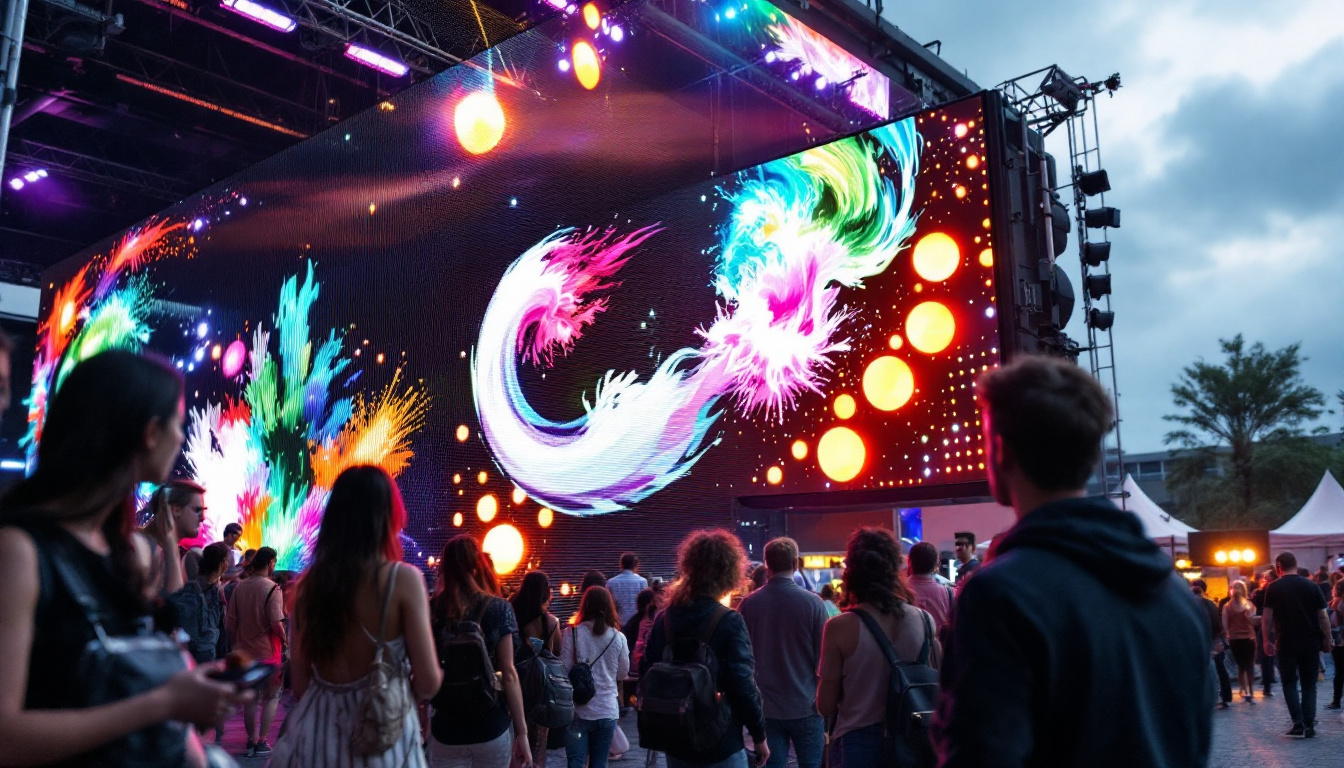
LED displays are highly versatile. They can be manufactured in virtually any size or shape, from small indoor panels to massive outdoor video walls spanning thousands of square feet. This scalability allows businesses and event organizers to customize displays for specific needs, whether it’s a compact digital signage solution or a giant stadium screen.
Moreover, LED modules can be seamlessly tiled together to create ultra-high-resolution displays. This modularity also simplifies repairs and upgrades, as individual panels can be replaced without dismantling the entire screen.
Applications of LED Displays Across Industries
Advertising and Digital Signage
LED displays have revolutionized the advertising industry by enabling dynamic, eye-catching content that can be updated in real-time. According to a report by Grand View Research, the global digital signage market is expected to reach $32.84 billion by 2028, with LED technology accounting for a significant share due to its superior visibility and durability.
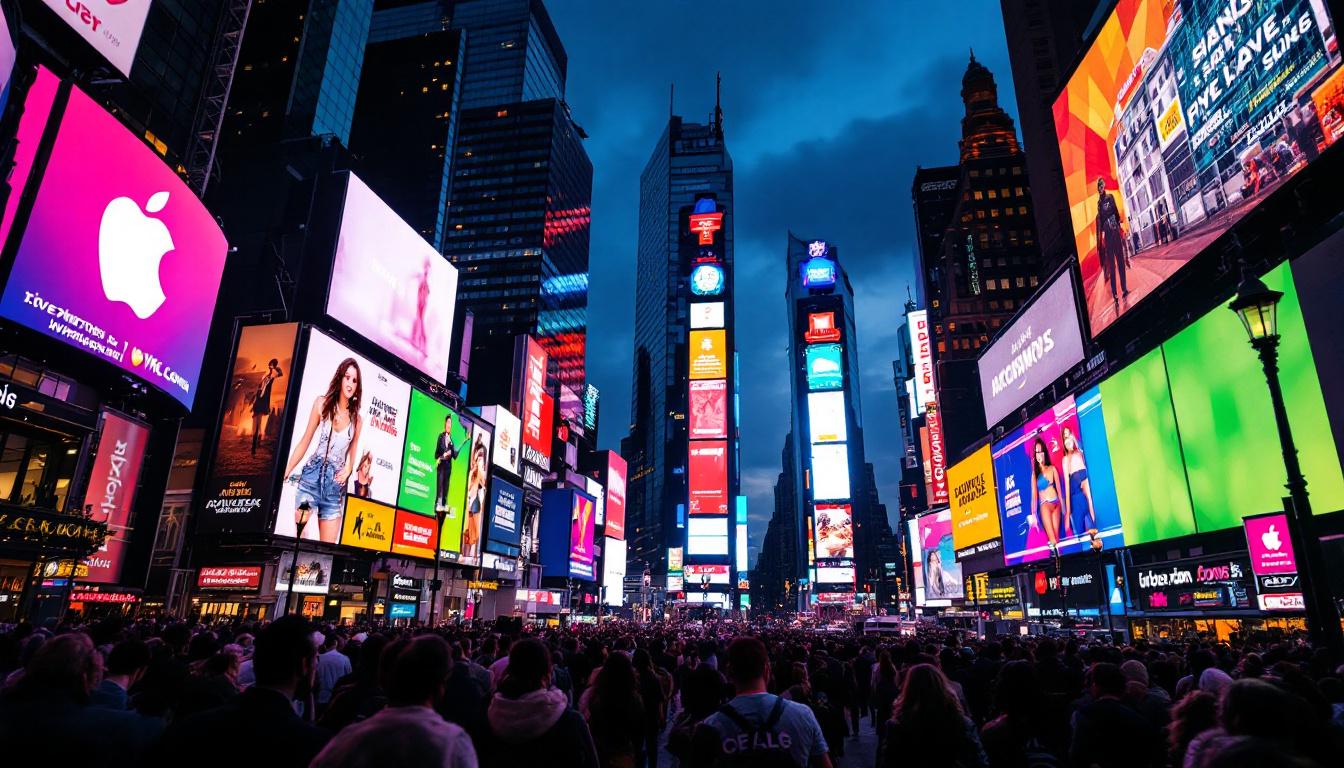
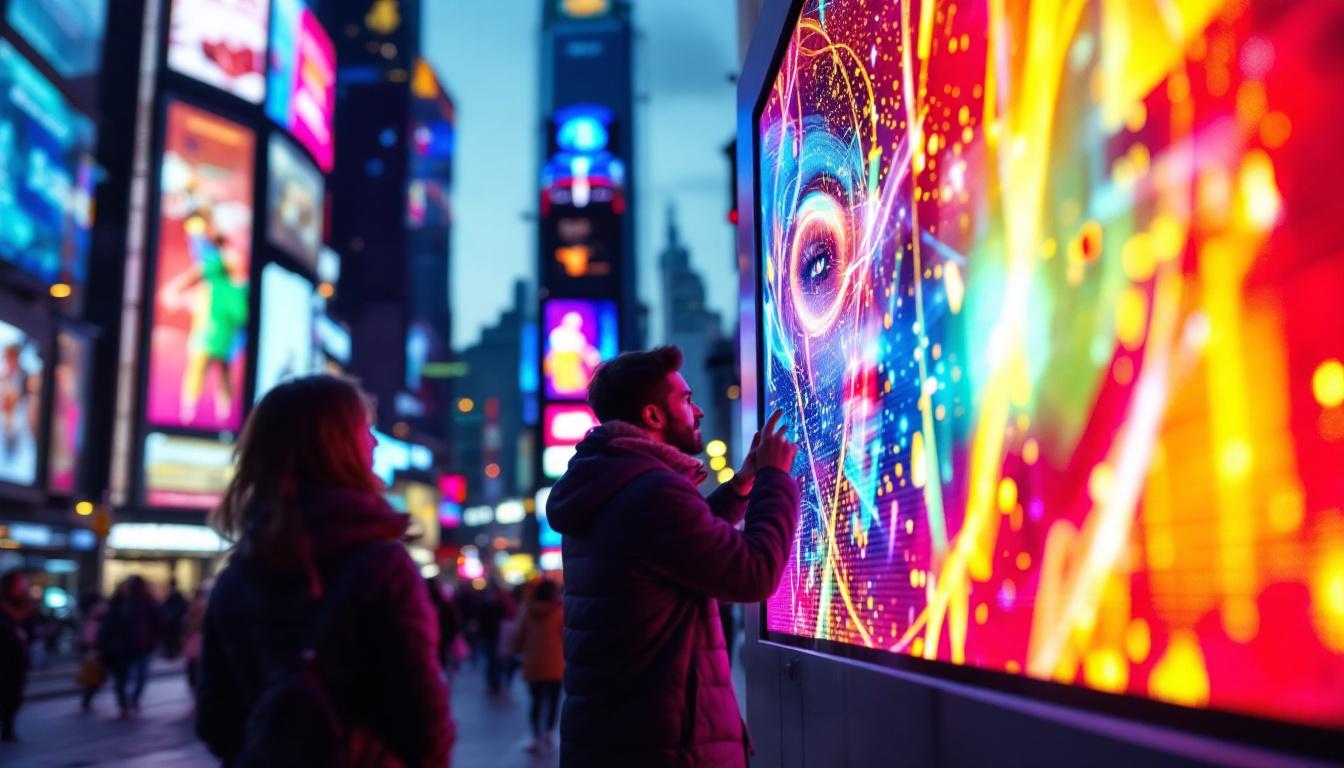
From Times Square’s iconic billboards to shopping mall directories, LED displays attract attention and engage audiences more effectively than static posters or traditional screens. Their ability to display high-definition video and vibrant colors makes them invaluable for brand messaging and promotions.
Sports and Entertainment Venues
Stadiums and arenas rely heavily on LED displays to enhance the spectator experience. Large LED video walls provide instant replays, live scores, and interactive content that keep fans engaged throughout events. For example, the AT&T Stadium in Texas features a center-hung LED display measuring 160 feet wide and 72 feet tall, one of the largest of its kind.
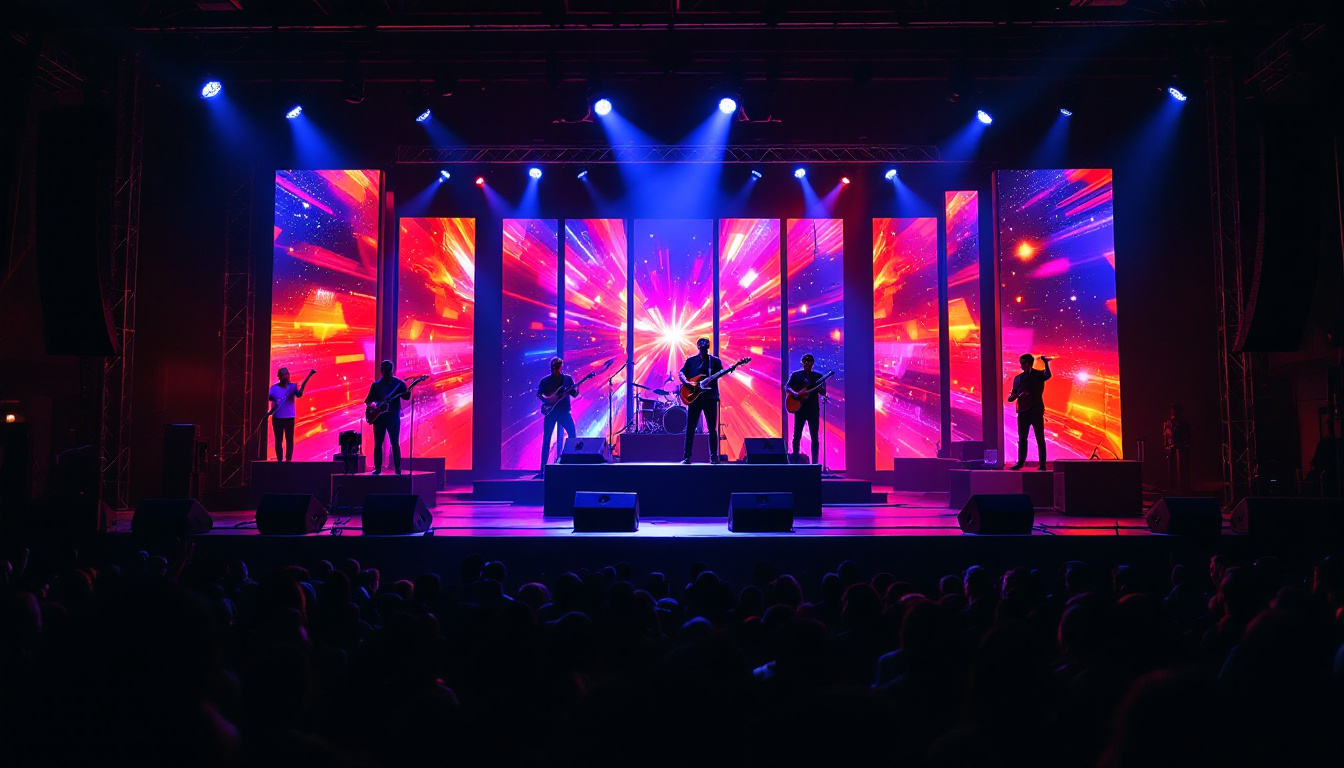
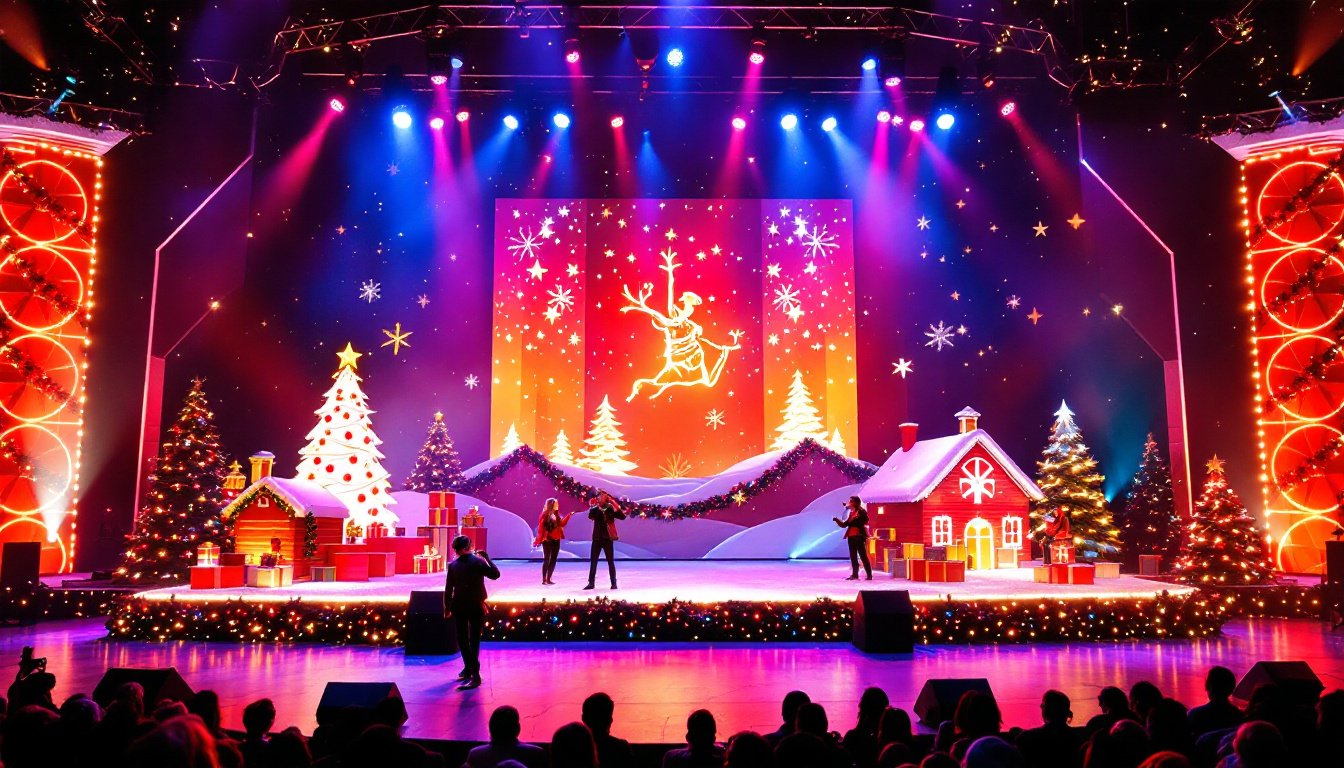
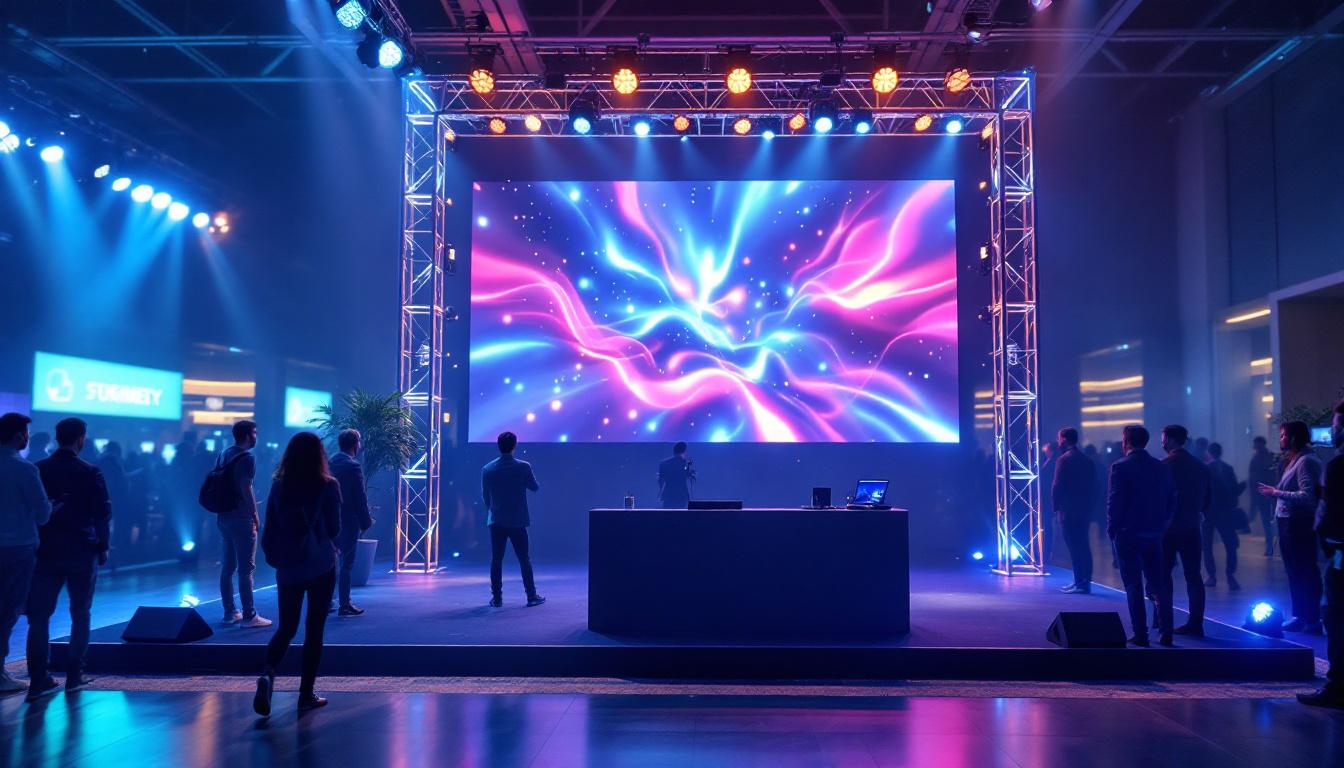
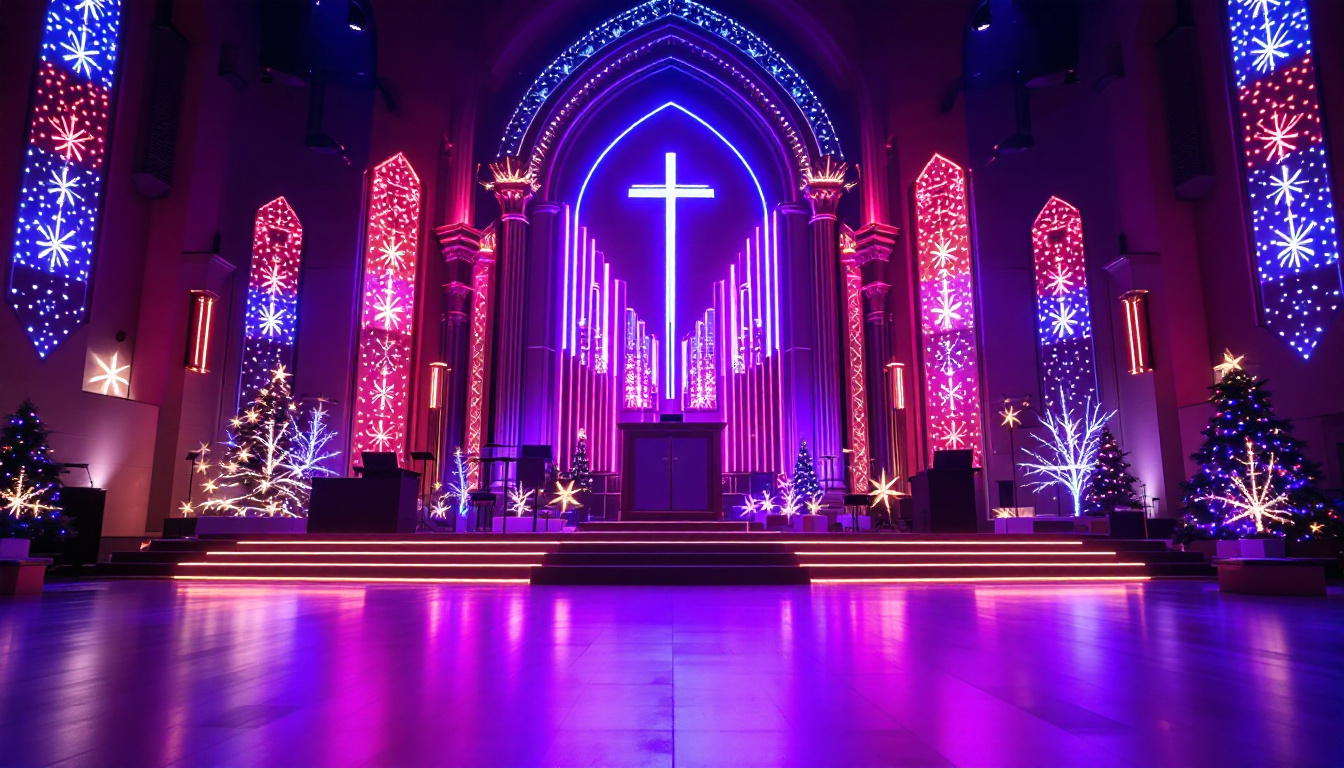
Besides sports, concert venues and theaters use LED screens for immersive stage backdrops and visual effects, adding a new dimension to live performances.
Transportation and Public Information
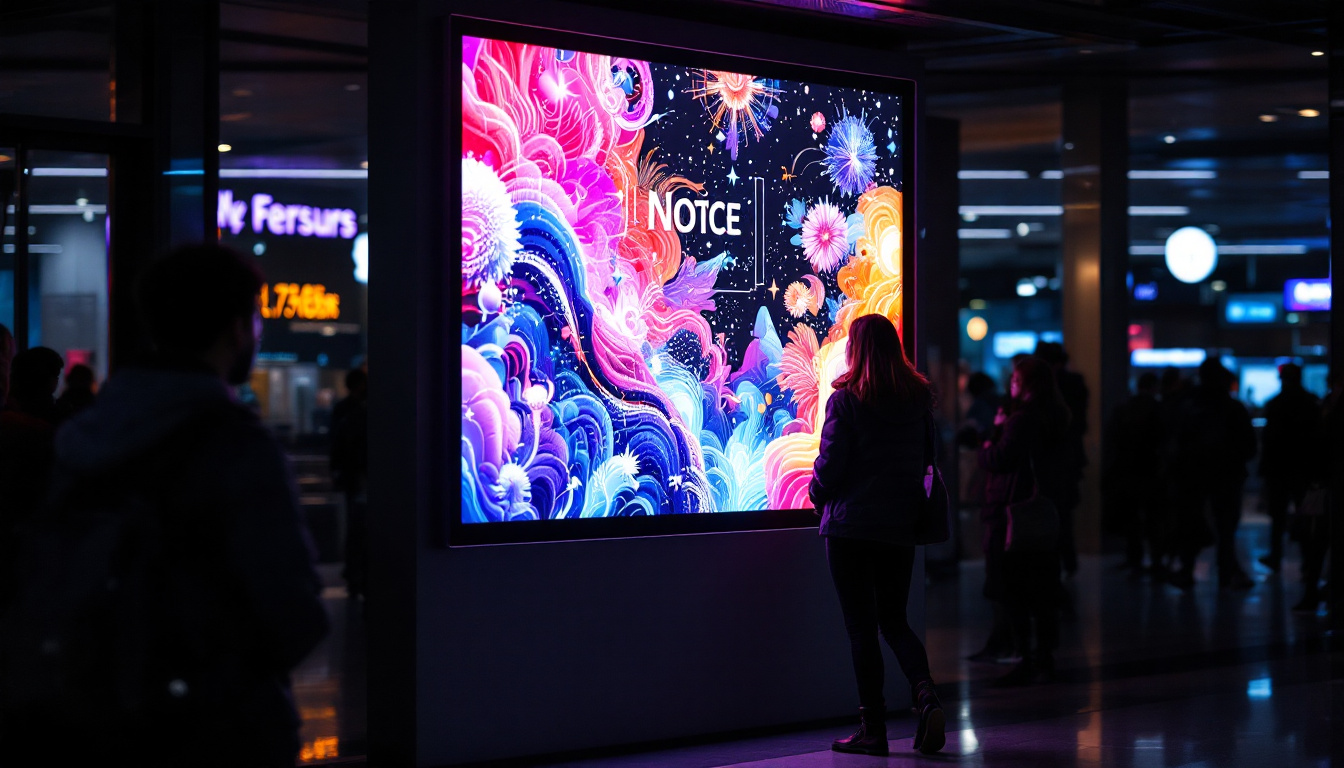
LED displays are widely used in transportation hubs such as airports, train stations, and bus terminals to provide real-time information on schedules, delays, and safety announcements. Their high visibility and reliability make them ideal for environments where clear communication is critical.
Additionally, traffic management systems employ LED signs to display speed limits, warnings, and directions, contributing to safer and more efficient roadways.
Retail and Hospitality
Retailers use LED displays to create immersive shopping experiences, showcasing product videos, promotions, and interactive content. Hotels and restaurants incorporate LED screens for digital menus, event promotions, and ambient lighting, enhancing customer engagement and satisfaction.
Technical Considerations When Choosing an LED Display
Pixel Pitch and Resolution
Pixel pitch refers to the distance between the centers of two adjacent pixels, usually measured in millimeters. It is a critical factor determining the resolution and viewing distance of an LED display. Smaller pixel pitch means higher resolution and better image clarity, especially at close range.
For indoor applications where viewers are close to the screen, pixel pitches as low as 0.9mm are available, delivering near-retina quality images. Outdoor displays typically have larger pixel pitches (e.g., 10mm to 20mm) because they are viewed from greater distances.
Brightness and Contrast Ratio
Brightness is measured in nits and affects how well the display performs under different lighting conditions. Outdoor LED displays generally require brightness levels between 5,000 and 10,000 nits to remain visible in sunlight.
Contrast ratio, the difference between the darkest black and the brightest white, influences image depth and color vibrancy. High contrast ratios improve the viewing experience, particularly for video content and detailed graphics.
Viewing Angle and Color Accuracy
LED displays offer wide viewing angles, often exceeding 160 degrees horizontally and vertically, ensuring consistent image quality from various positions. Good color accuracy is essential for applications like retail and broadcasting, where true-to-life color reproduction is critical.
Durability and Weather Resistance
For outdoor installations, LED displays must withstand harsh weather conditions, including rain, dust, extreme temperatures, and UV exposure. Look for displays with IP65 or higher ratings, indicating protection against water jets and dust ingress.
Emerging Trends and Innovations in LED Display Technology
MicroLED and MiniLED Advances
MicroLED technology represents the next frontier in LED displays. These tiny LEDs, often smaller than 100 micrometers, enable ultra-high resolution, improved brightness, and energy efficiency. Unlike OLEDs, MicroLEDs are inorganic and less prone to burn-in, making them suitable for long-term use in premium TVs and mobile devices.
MiniLEDs, slightly larger than MicroLEDs, have already begun to enhance LCD backlighting, offering better contrast and HDR performance. These advancements are pushing the boundaries of display quality across consumer electronics.
Flexible and Transparent LED Displays
Innovations in materials and manufacturing have led to flexible LED panels that can bend or curve, opening new possibilities for creative installations and wearable devices. Transparent LED displays are also gaining traction, allowing screens to be integrated into windows or glass surfaces without obstructing the view.
Artificial Intelligence and Smart Displays
Integrating AI with LED displays enables dynamic content adaptation based on audience demographics, weather conditions, or time of day. Smart displays can optimize brightness, color settings, and content delivery to maximize engagement and energy efficiency.
Conclusion
LED displays have transformed how information and entertainment are presented in modern society. Their unparalleled brightness, energy efficiency, and versatility make them the preferred choice for a wide range of applications, from advertising and sports to transportation and retail.
As technology continues to evolve with innovations like MicroLED and flexible panels, LED displays will become even more integral to visual communication strategies. Understanding their technical aspects and practical benefits empowers businesses and consumers alike to make informed decisions and harness the full potential of this dynamic technology.
Whether selecting a display for a small indoor venue or planning a massive outdoor video wall, LED technology offers solutions that combine performance, durability, and stunning visual impact.
Discover LumenMatrix LED Display Solutions
Ready to elevate your visual communication with cutting-edge LED display technology? LumenMatrix offers a comprehensive range of innovative solutions tailored to your needs. From vibrant Indoor and Outdoor LED Wall Displays to dynamic Vehicle and Sports LED Displays, our products are designed to captivate your audience and amplify your brand’s message. Experience the future of digital signage with our All-in-One LED Displays, LED Transparent Displays, and more. Check out LumenMatrix LED Display Solutions today and transform your space into a mesmerizing visual experience.