In the rapidly evolving world of cinema technology, the integration of LED displays has revolutionized the way movies are presented and experienced. Vx Movies, a cutting-edge platform known for its innovative approach to film exhibition, leverages LED display technology to deliver stunning visuals and immersive storytelling. This article explores the fundamentals of LED displays, their advantages over traditional projection methods, and how Vx Movies utilizes this technology to redefine the movie-going experience.
Understanding LED Display Technology
What is an LED Display?
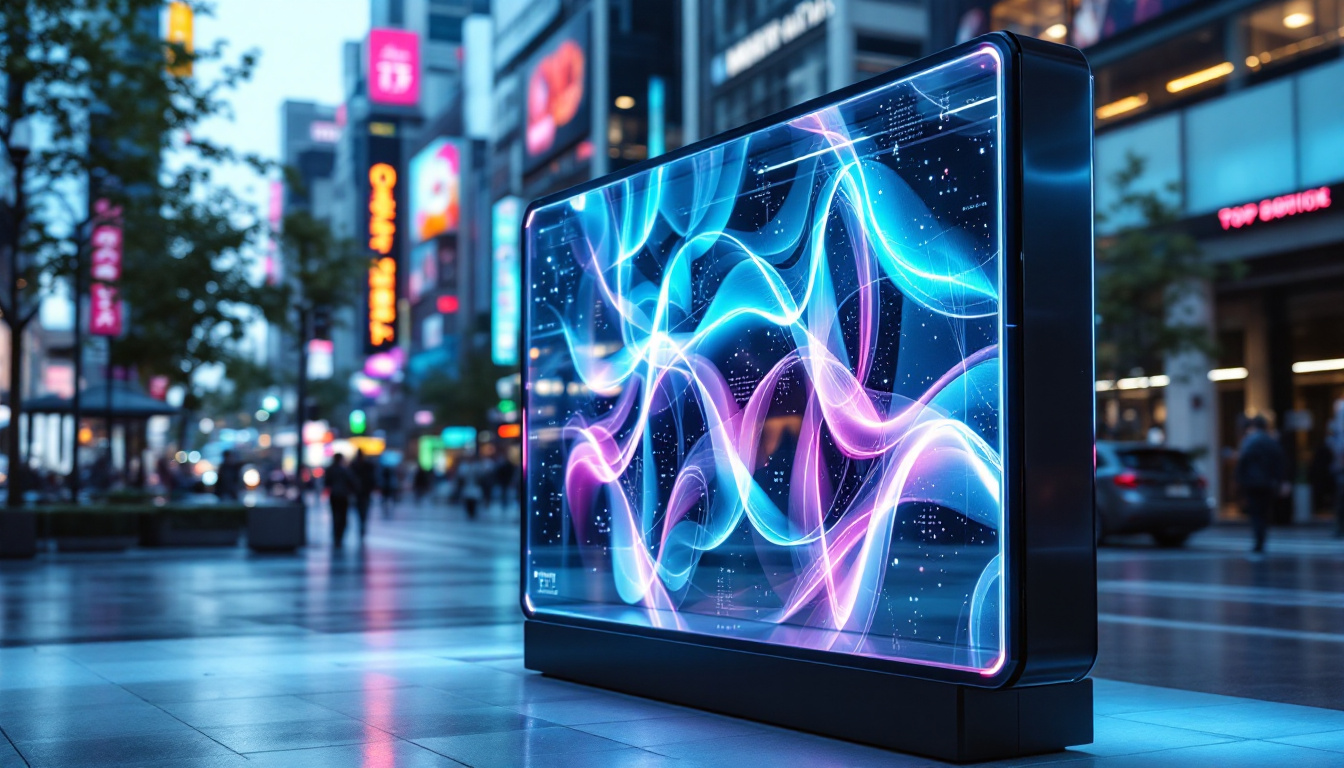
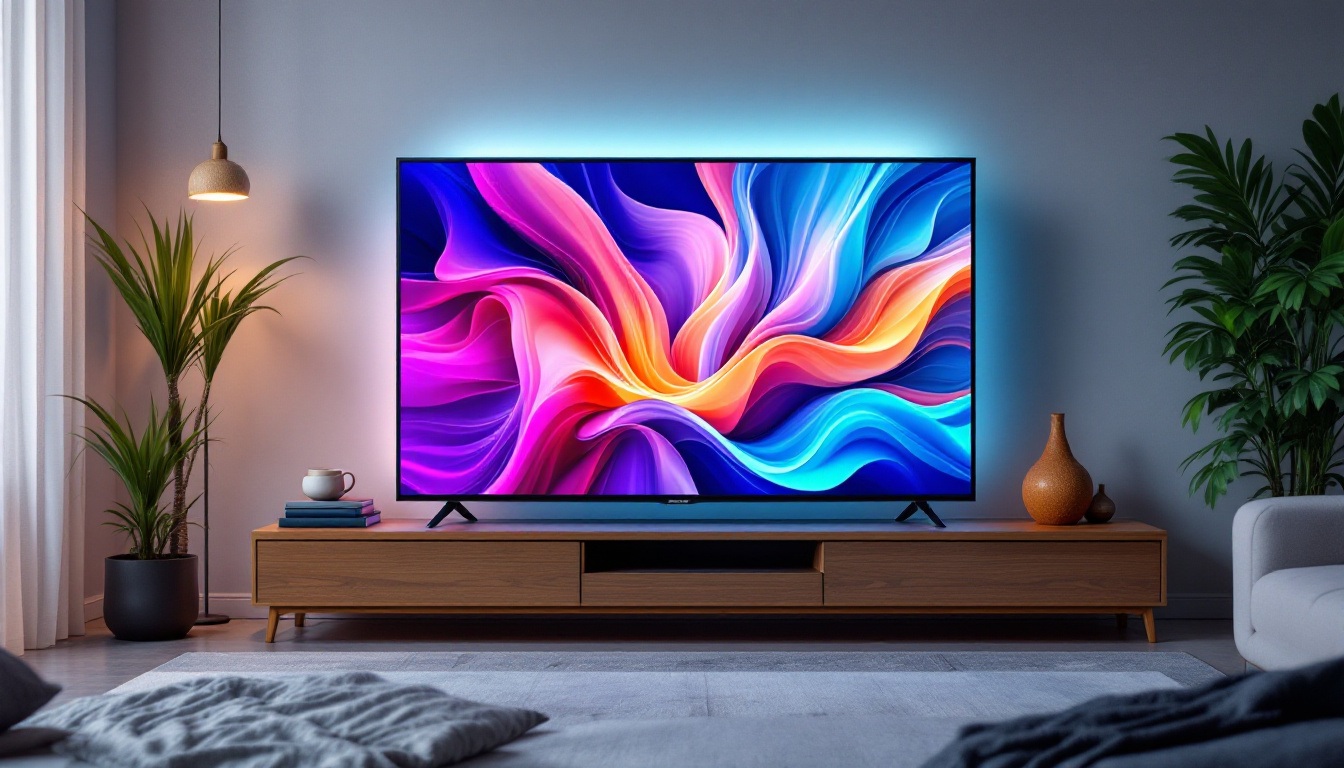
LED, or Light Emitting Diode, displays consist of numerous tiny diodes that emit light when an electric current passes through them. Unlike traditional projection systems that rely on bulbs and mirrors to cast images onto a screen, LED displays are self-illuminating panels that produce their own light. This fundamental difference allows for brighter images, higher contrast ratios, and more vibrant colors. The ability of LED technology to produce deep blacks and bright whites simultaneously enhances the viewing experience, making it particularly appealing for applications in both entertainment and advertising.
Modern LED displays used in cinema are composed of thousands of these diodes arranged in a grid, capable of rendering high-definition images with remarkable precision. The technology has advanced significantly over the past decade, with improvements in pixel density, color accuracy, and energy efficiency making LED displays a viable alternative to conventional projectors. Furthermore, the longevity of LED diodes means that these displays can operate for tens of thousands of hours without significant degradation, reducing maintenance costs and downtime for theaters and venues.
Key Components of LED Displays
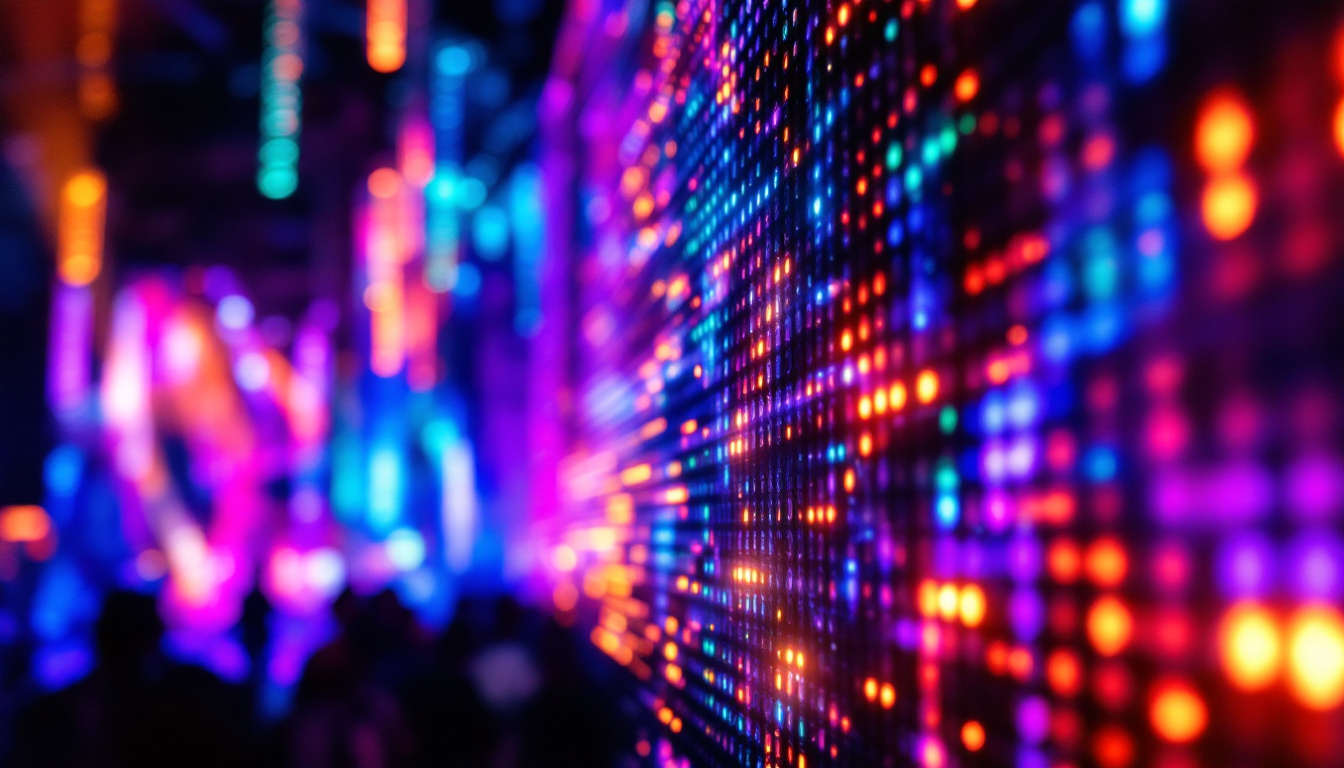
At the heart of an LED display is the pixel, which typically consists of red, green, and blue diodes. By varying the intensity of each diode, the display can produce a full spectrum of colors. The resolution of the display depends on the pixel pitch—the distance between the centers of two adjacent pixels. A smaller pixel pitch results in sharper images, which is crucial for large cinema screens where viewers sit relatively close. This fine pixel pitch technology has opened up new possibilities for immersive experiences, allowing for the creation of curved and even transparent displays that can seamlessly integrate into various environments.
Additionally, LED displays incorporate sophisticated control systems to manage brightness, color calibration, and refresh rates. These systems ensure that the image remains consistent and flicker-free, even during fast-moving scenes. The modular design of LED panels also allows for scalable screen sizes, from small indoor setups to massive outdoor displays. Moreover, advancements in smart technology have enabled LED displays to connect to the Internet, allowing for real-time content updates and interactive capabilities. This integration of digital signage with LED technology not only enhances the viewer’s experience but also provides advertisers with dynamic tools to engage audiences in innovative ways.
Advantages of LED Displays in Cinema
Superior Image Quality
One of the most significant benefits of LED displays is their unparalleled image quality. Unlike traditional projection, which can suffer from light loss and ambient interference, LED screens emit light directly toward the audience. This results in brighter images with deeper blacks and more accurate colors, enhancing the visual storytelling of films.
Studies have shown that LED displays can achieve contrast ratios exceeding 1,000,000:1, far surpassing the 2,000:1 typical of digital projectors. This high contrast ratio allows for more detail in both dark and bright scenes, making movies more engaging and lifelike. Furthermore, the vibrant color spectrum of LED technology ensures that every hue is rendered with precision, allowing filmmakers to present their artistic vision as intended. The result is a viewing experience that not only captivates the audience but also immerses them in the narrative, making each frame a work of art.
Improved Viewing Angles and Consistency
LED cinema screens offer wider viewing angles compared to projection screens. This means that viewers seated off-center or at the edges of the theater still enjoy consistent image quality without color distortion or brightness loss. This uniformity enhances audience satisfaction and can increase overall attendance. The ability to maintain image integrity across various seating positions is crucial for group outings, where friends and families want to share the cinematic experience without compromising on quality.
Additionally, the consistent brightness and color accuracy across the screen can significantly enhance the overall atmosphere of the cinema. With LED displays, theaters can ensure that every seat offers an optimal viewing experience, encouraging patrons to return for future screenings. This commitment to quality not only fosters loyalty among moviegoers but also positions theaters as premier destinations for film enthusiasts.
Energy Efficiency and Longevity
LED technology is inherently more energy-efficient than traditional projection systems, which often require high-wattage lamps that consume significant power and generate heat. LED displays use less electricity and have longer operational lifespans, reducing maintenance costs and environmental impact.
Moreover, LED panels do not rely on consumable bulbs that degrade over time, ensuring consistent performance without frequent replacements. This reliability is particularly advantageous for commercial cinemas aiming to minimize downtime and operational expenses. The lower energy consumption not only translates to cost savings but also aligns with the growing demand for sustainable practices in the entertainment industry. By adopting LED technology, cinemas can significantly reduce their carbon footprint, appealing to environmentally conscious audiences who prioritize sustainability alongside their entertainment choices.
Flexibility in Screen Design
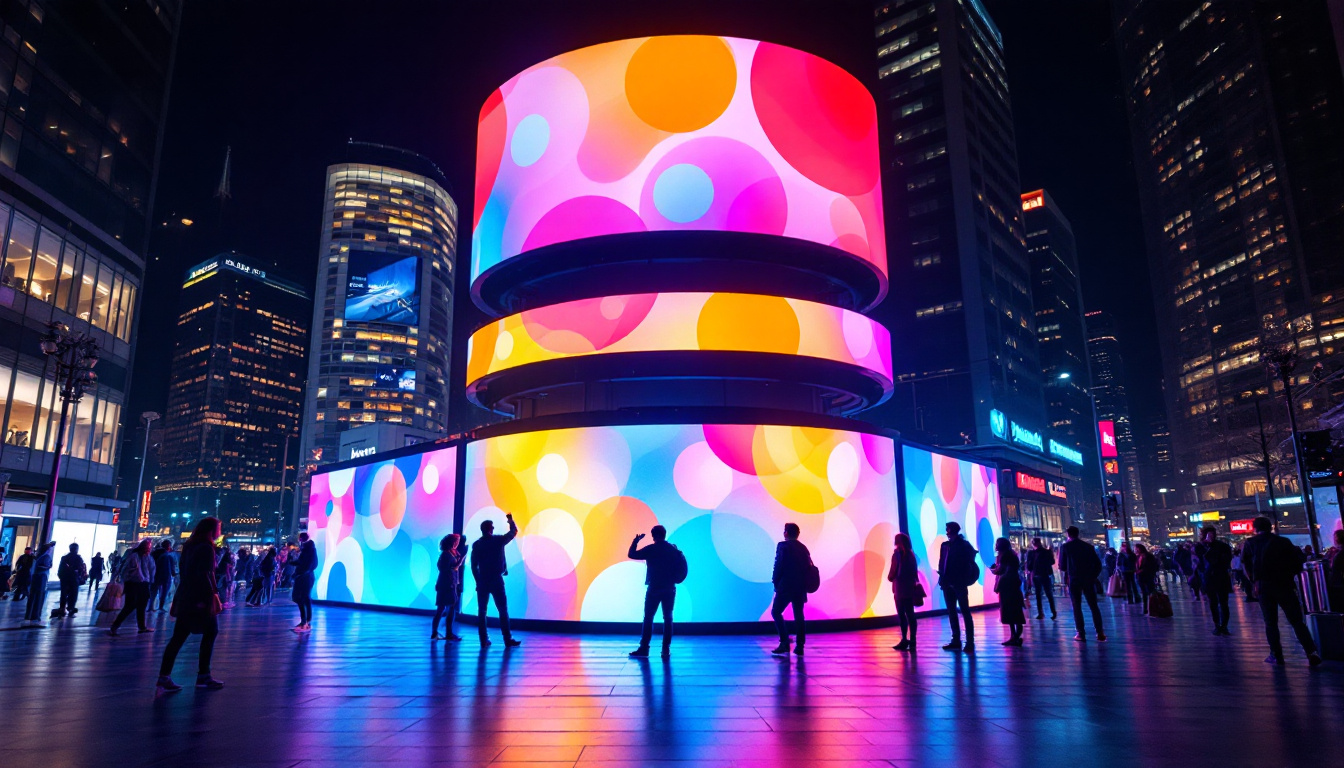
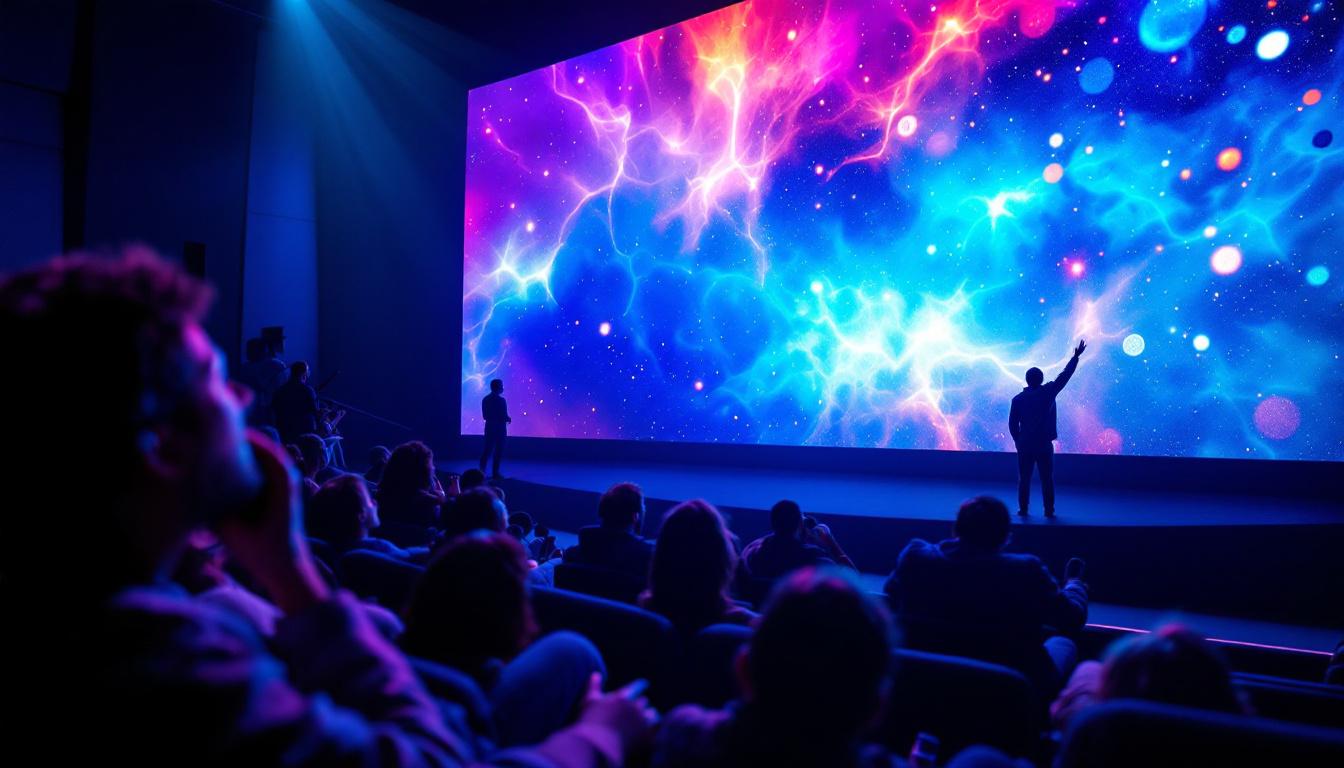
Unlike fixed projection screens, LED displays can be customized in shape and size. This flexibility allows theaters to create immersive environments, including curved or wrap-around screens that enhance the cinematic experience. Vx Movies, for example, utilizes this adaptability to design unique venues that captivate audiences with innovative visual presentations.
Additionally, the modular nature of LED technology enables theaters to easily reconfigure their setups for special events or themed screenings. This versatility allows for a dynamic approach to film presentation, where the screen can be tailored to fit the specific needs of a film or event, such as interactive experiences or live performances. By embracing this innovative technology, cinemas can not only enhance the viewing experience but also broaden their offerings, attracting diverse audiences and creating memorable moments that extend beyond traditional film screenings.
How Vx Movies Utilizes LED Displays
Transforming Traditional Cinemas
Vx Movies has been at the forefront of integrating LED display technology into cinema venues. By replacing traditional projection systems with large-scale LED screens, Vx Movies offers audiences a brighter, clearer, and more immersive viewing experience. Their venues often feature ultra-high-definition LED walls that serve as both the primary screen and a dynamic backdrop, blurring the lines between film and environment.
This integration allows for enhanced content delivery, including dynamic lighting effects synchronized with on-screen action, creating a multisensory experience that goes beyond conventional movie watching.
Supporting Diverse Content Formats
LED displays used by Vx Movies support a wide range of content formats, including 4K and 8K resolutions, HDR (High Dynamic Range), and wide color gamut standards like DCI-P3 and Rec. 2020. This compatibility ensures that filmmakers and distributors can present their work as intended, preserving artistic vision and technical quality.
Additionally, LED technology facilitates real-time content adjustments, enabling live events, interactive screenings, and hybrid formats that combine pre-recorded films with live performances or augmented reality elements.
Enhancing Accessibility and Comfort
Vx Movies also focuses on audience comfort and accessibility by leveraging the benefits of LED displays. The consistent brightness and reduced flicker minimize eye strain, making movie-watching more enjoyable for all age groups. The improved viewing angles mean that more seats in the theater provide a premium experience, increasing overall customer satisfaction.
Furthermore, LED displays can be integrated with assistive technologies such as closed captioning and audio descriptions, supporting inclusivity for viewers with disabilities.
Challenges and Considerations
Cost and Installation Complexity
Despite their advantages, LED displays come with higher upfront costs compared to traditional projection systems. The manufacturing, installation, and calibration of large-scale LED cinema screens require significant investment and technical expertise. Vx Movies addresses these challenges by partnering with experienced manufacturers and employing specialized installation teams to ensure optimal performance.
However, the long-term benefits in maintenance savings, energy efficiency, and enhanced audience experience often justify the initial expenditure.
Content Production and Distribution
Another consideration is the need for content optimized for LED display characteristics. Films traditionally mastered for projection may require color grading and formatting adjustments to fully leverage LED capabilities. Vx Movies collaborates with studios and post-production houses to facilitate this process, ensuring seamless content delivery.
Environmental and Operational Factors
LED displays generate less heat than projectors but still require adequate ventilation and cooling systems, especially in enclosed theater spaces. Proper environmental controls are essential to maintain display longevity and performance. Vx Movies incorporates advanced climate management solutions in their venues to address these operational needs.
The Future of Cinema with LED Displays
Emerging Trends and Innovations
The adoption of LED displays in cinemas is expected to grow as technology advances and costs decrease. Innovations such as micro-LED and mini-LED promise even higher resolution, better color accuracy, and thinner, more flexible screens. These developments will further enhance the cinematic experience, enabling more immersive and interactive storytelling techniques.
Moreover, the integration of LED displays with virtual reality (VR) and augmented reality (AR) technologies could redefine audience engagement, creating hybrid entertainment formats that blend physical and digital worlds.
Impact on Filmmaking and Distribution
The rise of LED cinema screens influences not only exhibition but also filmmaking and distribution. Directors and cinematographers are increasingly considering LED display capabilities during production, tailoring lighting and color schemes to maximize impact. Distributors benefit from the ability to showcase premium content formats, attracting audiences seeking high-quality viewing experiences.
Expanding Accessibility Worldwide
As LED display technology becomes more affordable and scalable, it holds the potential to bring high-quality cinema experiences to underserved regions and smaller markets. Vx Movies’ commitment to innovation includes exploring modular LED solutions that can be deployed in diverse environments, from urban multiplexes to remote locations, democratizing access to premium entertainment.
Conclusion
LED display technology represents a transformative shift in the cinema industry, offering superior image quality, enhanced viewing comfort, and greater flexibility than traditional projection systems. Vx Movies exemplifies this transformation by harnessing LED displays to create immersive, high-definition movie experiences that captivate audiences and set new standards for film exhibition.
While challenges such as cost and content adaptation remain, the long-term benefits and ongoing technological advancements position LED cinema displays as the future of movie theaters worldwide. As this technology continues to evolve, it promises to enrich storytelling, broaden accessibility, and redefine how audiences connect with the magic of movies.
Discover the Future of Visual Experience with LumenMatrix
Ready to be a part of the cinematic revolution? Explore LumenMatrix’s innovative LED display solutions and see how our cutting-edge technology can transform your movie-going experience. From Indoor and Outdoor LED Wall Displays to Custom and All-in-One LED solutions, LumenMatrix is dedicated to enhancing your visual storytelling and audience engagement. Check out LumenMatrix LED Display Solutions today and step into the future of immersive cinema.