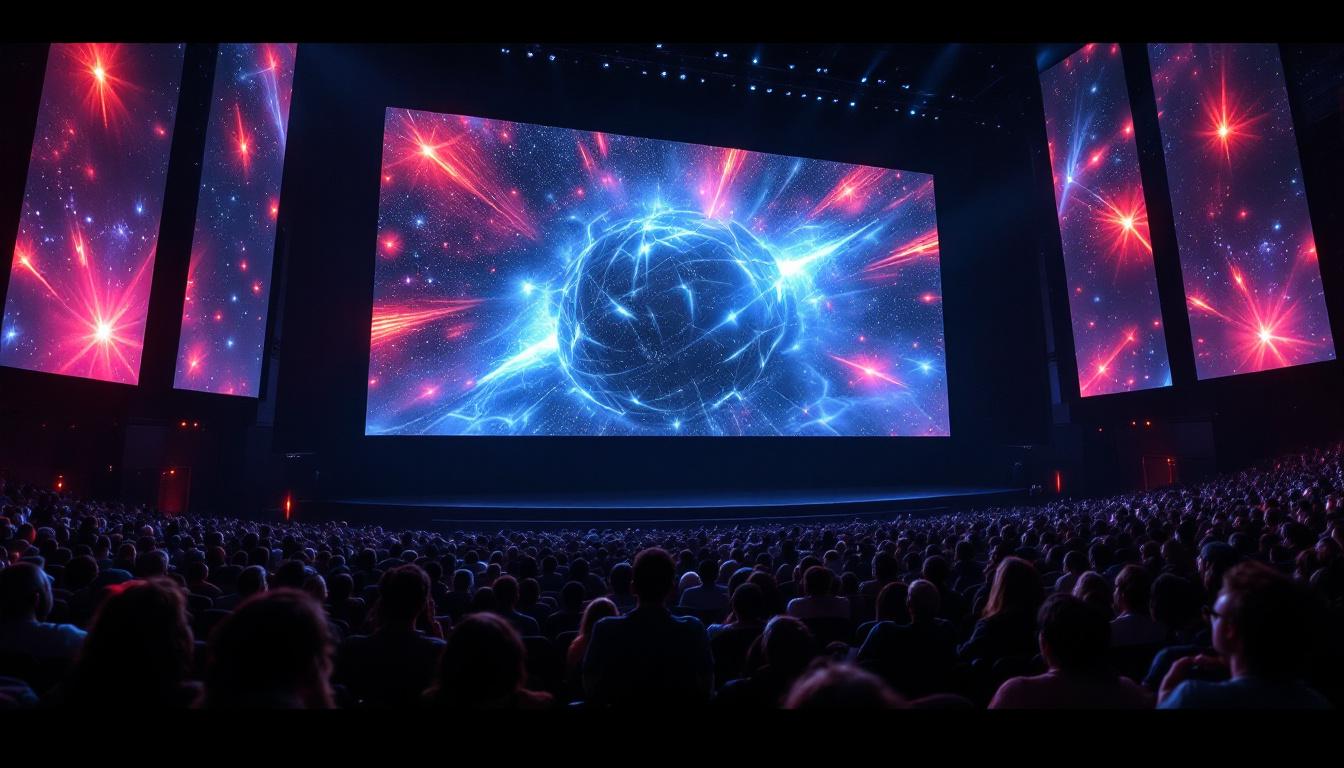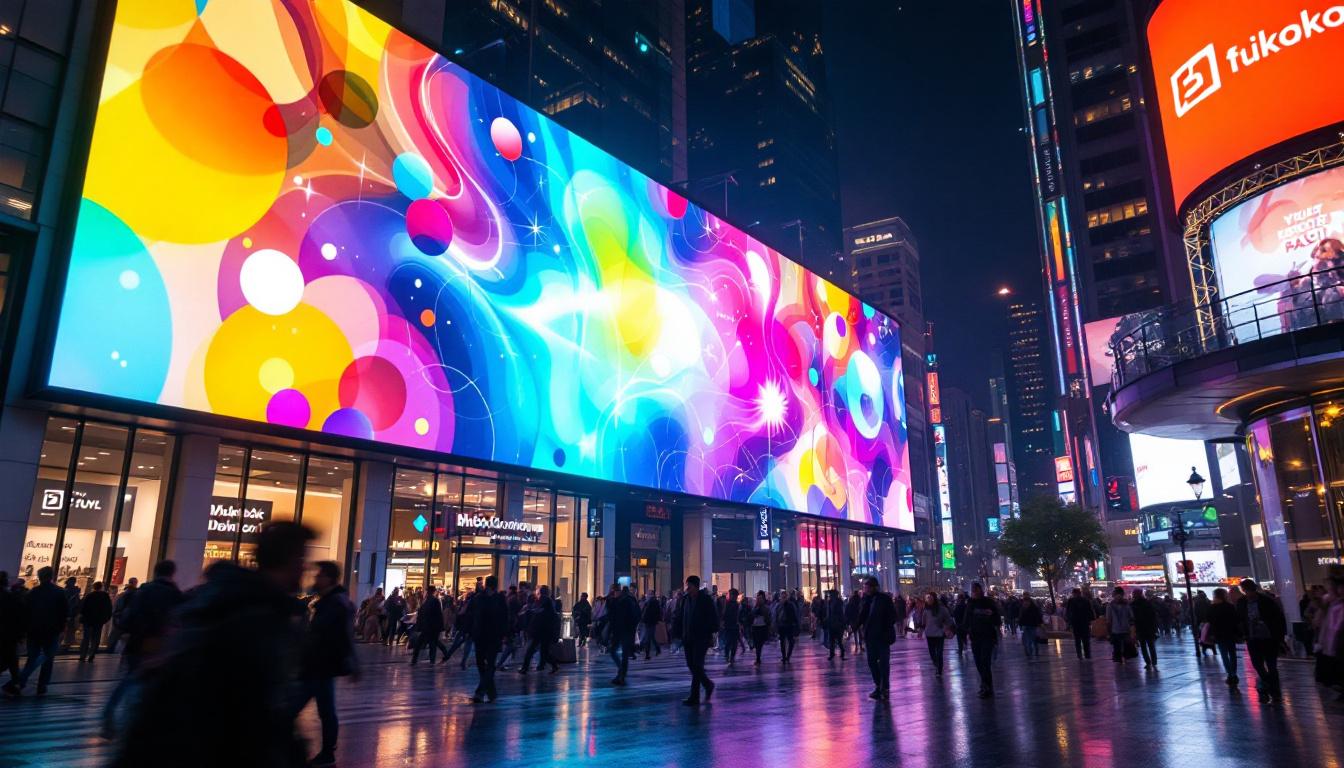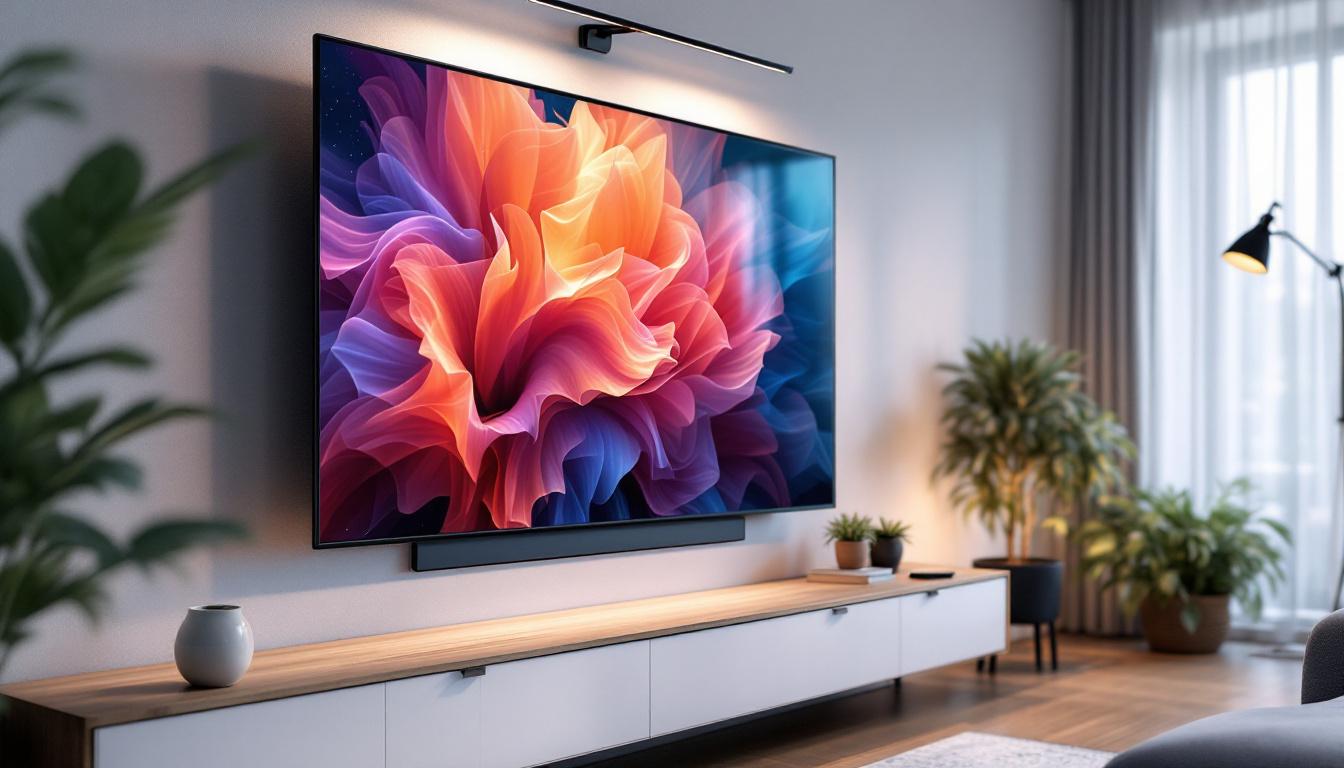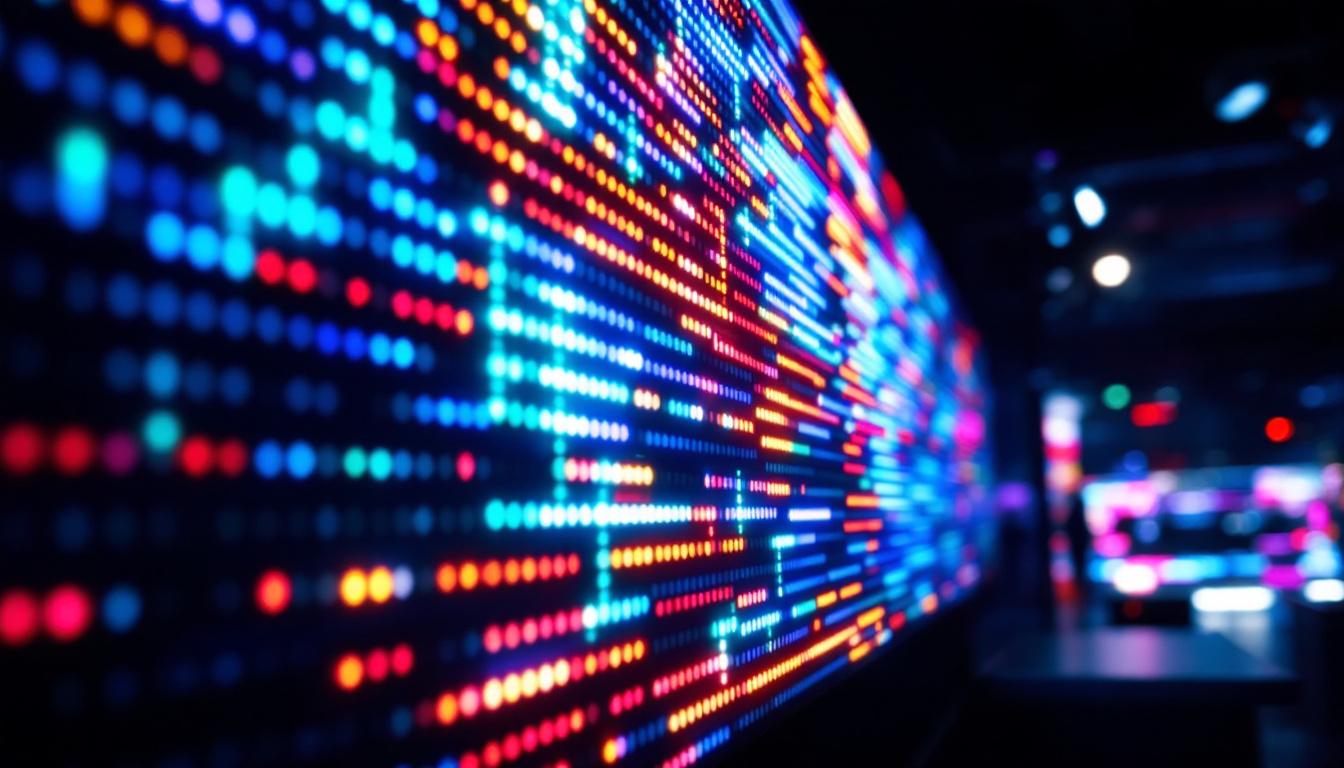
In an era where visual communication dominates, LED displays have become an essential medium for delivering vibrant, dynamic content across a variety of sectors. From advertising billboards to stadium screens, LED technology continues to evolve, offering unparalleled brightness, color accuracy, and energy efficiency. This article delves into the fundamentals of LED displays, explores their technological advancements, and highlights their applications and benefits in today’s digital landscape.
Understanding LED Display Technology
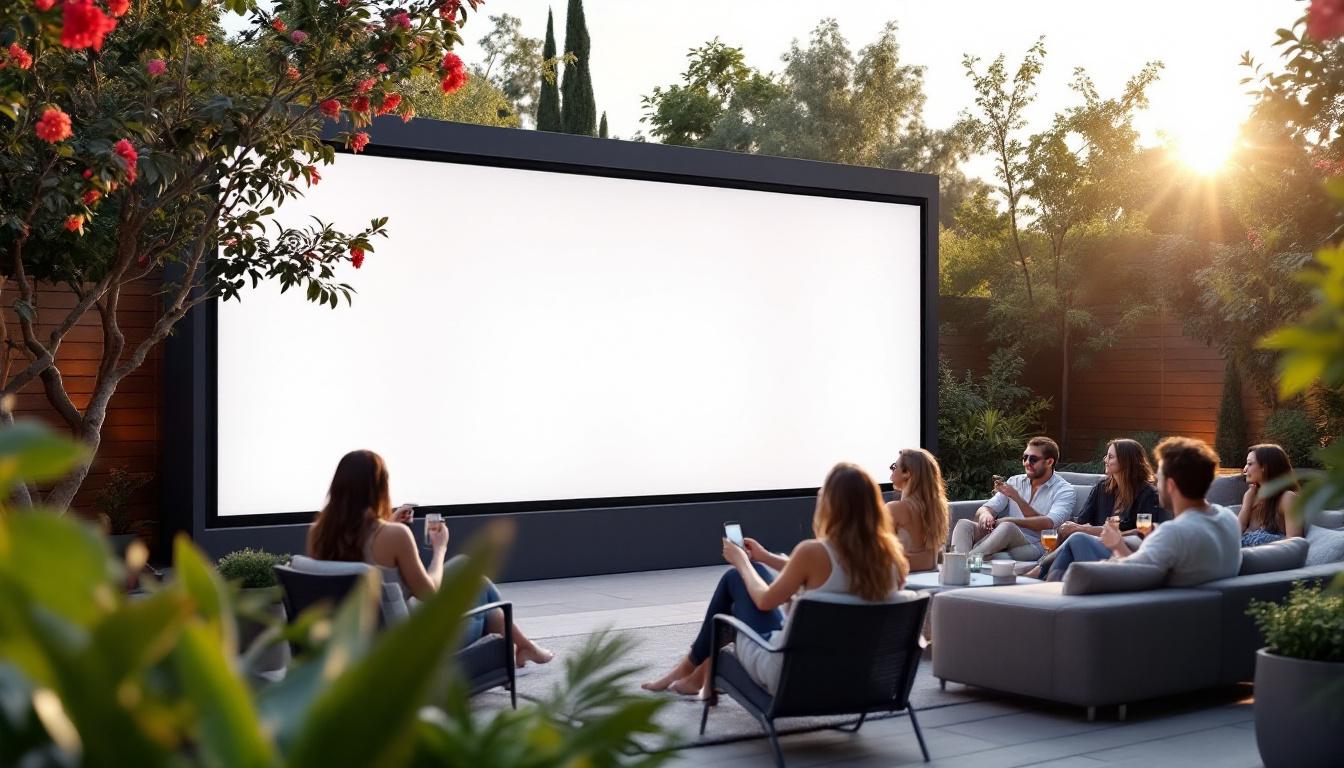
LED, or Light Emitting Diode, displays consist of numerous tiny light sources that emit light when an electric current passes through them. Unlike traditional LCD or projection displays, LED screens produce their own light, which results in higher brightness levels and better contrast ratios. This intrinsic property makes them ideal for both indoor and outdoor environments, even under direct sunlight. The energy efficiency of LED technology also contributes to its growing popularity, as it consumes significantly less power compared to older display technologies, leading to lower operational costs and a reduced carbon footprint.
How LED Displays Work
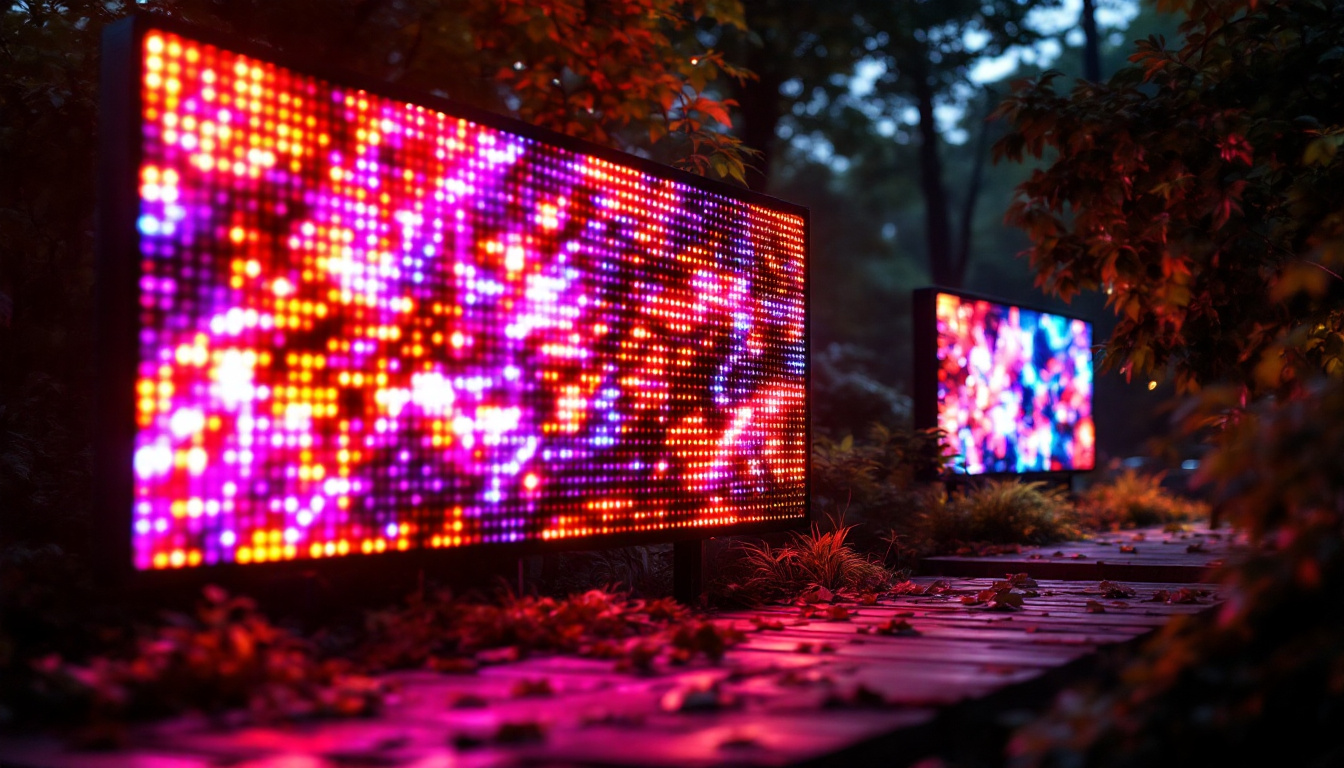
Each LED display is composed of a matrix of pixels, with each pixel containing red, green, and blue (RGB) diodes. By varying the intensity of these diodes, the display can produce a wide spectrum of colors. These pixels are arranged in modules, which are then assembled to create large-scale screens. The resolution and image quality depend on the pixel pitch—the distance between the centers of two adjacent pixels. A smaller pixel pitch means higher resolution and more detailed images. Additionally, the advancements in LED technology have led to the development of high dynamic range (HDR) capabilities, which allow for deeper blacks and brighter whites, enhancing the overall viewing experience.
Modern LED displays use surface-mount technology (SMT) to mount LEDs directly onto circuit boards, enhancing durability and brightness. Advanced control systems manage the color calibration and refresh rates, ensuring smooth video playback and accurate color reproduction. These systems often incorporate sophisticated software that allows for real-time adjustments and remote monitoring, making it easier for operators to maintain optimal performance and troubleshoot issues quickly. Furthermore, the integration of artificial intelligence in some LED displays helps analyze viewer engagement and optimize content delivery based on audience behavior.
Types of LED Displays
LED displays come in several varieties, each suited to different applications:
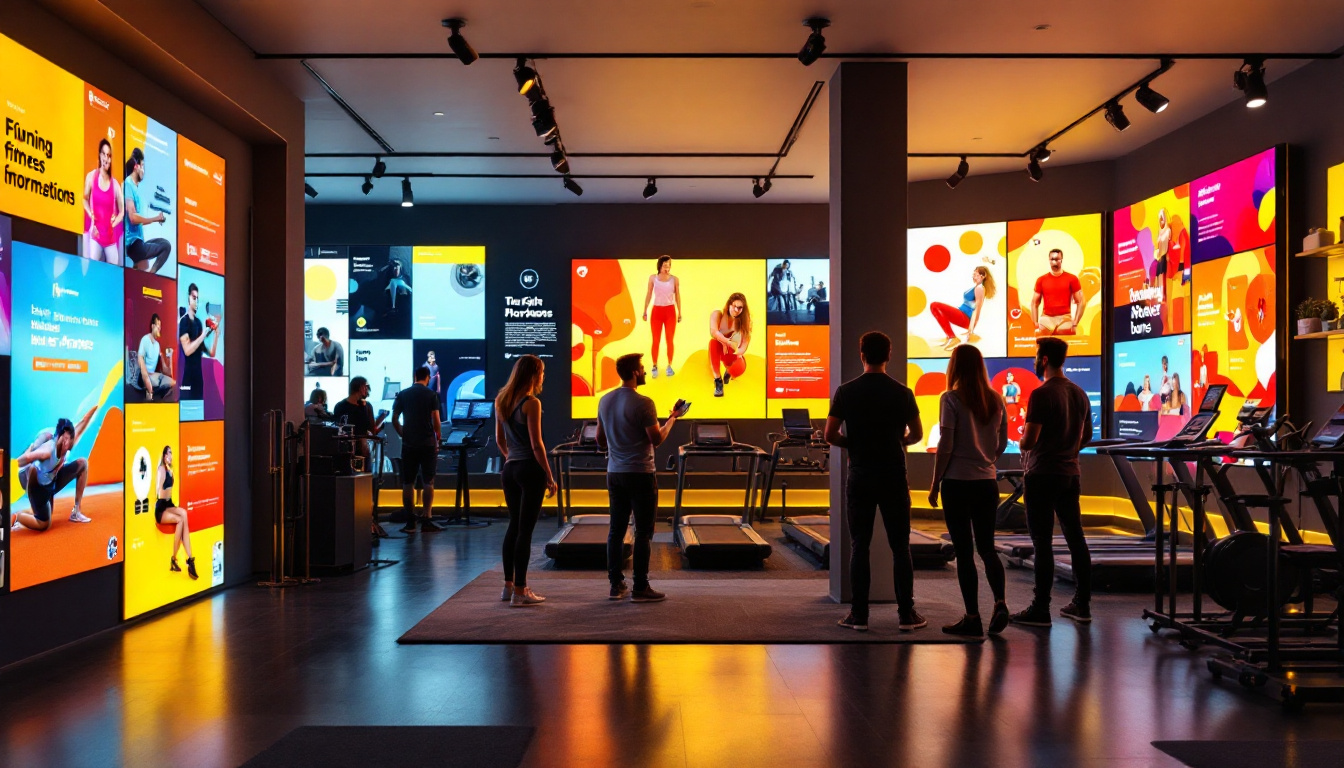
- Indoor LED Displays: Designed for controlled lighting environments, these screens have a smaller pixel pitch (often less than 2mm) to deliver crisp images at close viewing distances. They are commonly used in venues like theaters, conference rooms, and retail spaces where high image quality is essential.
- Outdoor LED Displays: Built to withstand weather conditions, these displays feature higher brightness levels (up to 7,000 nits or more) and larger pixel pitches, as they are viewed from greater distances. Their robust construction allows them to resist rain, wind, and dust, making them ideal for advertising billboards, sports arenas, and public event displays.
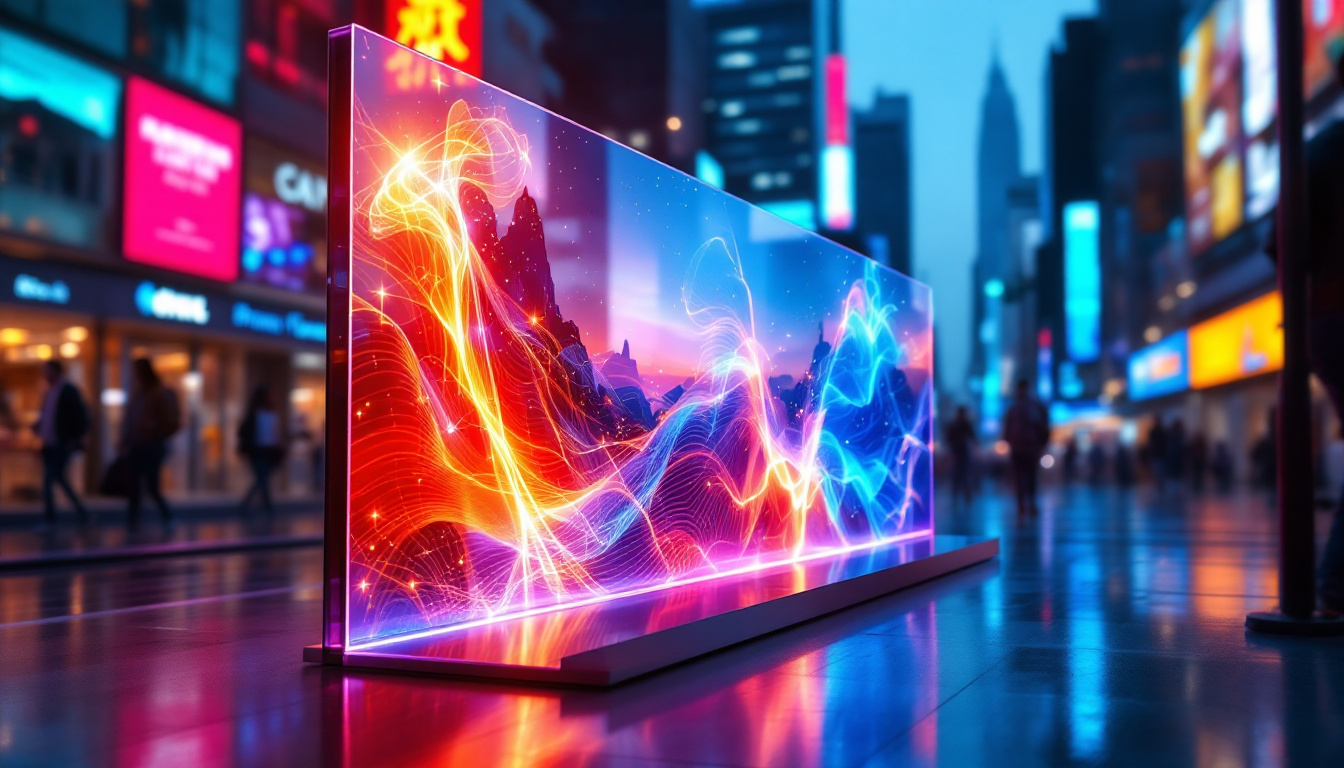
- Transparent LED Displays: These innovative screens allow light to pass through, making them perfect for storefront windows or architectural installations where visibility from both sides is desired. They offer a unique way to showcase products while maintaining a connection to the outside environment, often used in modern retail and exhibition spaces.
- Flexible and Curved LED Displays: Utilizing bendable substrates, these displays can conform to curved surfaces, enabling creative and immersive installations. This flexibility opens up new possibilities for designers and advertisers, allowing them to create captivating visual experiences that engage viewers in dynamic ways.
Technological Advancements Driving LED Display Performance
The LED display industry has witnessed significant innovations that have enhanced performance, energy efficiency, and versatility. These advancements have expanded the scope of LED applications and improved user experience.
Mini-LED and Micro-LED Technologies
Mini-LED and Micro-LED represent the next generation of LED technology, characterized by dramatically smaller diodes. Mini-LEDs measure less than 0.2mm, while Micro-LEDs are even tinier, often less than 0.1mm. This miniaturization allows for higher pixel densities, resulting in exceptional image clarity and contrast.
Micro-LED displays, in particular, offer several advantages over traditional LEDs and OLEDs, including longer lifespan, higher brightness, and better energy efficiency. While still emerging in the consumer market, Micro-LED technology is already being adopted in premium commercial displays and large-scale video walls.
HDR and Color Accuracy Enhancements
High Dynamic Range (HDR) technology has become a standard feature in modern LED displays, enabling them to reproduce a wider range of brightness and colors. This results in more lifelike images with deeper blacks and brighter highlights. Advanced color calibration techniques, including quantum dot enhancement and sophisticated software algorithms, further improve color fidelity, making LED displays ideal for professional applications such as broadcast studios and digital signage.
Energy Efficiency and Sustainability
Energy consumption is a critical consideration, especially for large-scale outdoor LED installations. Recent developments in LED chip design and power management have significantly reduced energy use without compromising brightness or image quality. Additionally, many manufacturers are adopting environmentally friendly materials and manufacturing processes, aligning with global sustainability goals.
Applications of LED Displays Across Industries
LED displays have become ubiquitous due to their versatility and effectiveness in capturing audience attention. Their applications span a wide range of industries, each leveraging the technology to meet specific needs.
Advertising and Digital Signage
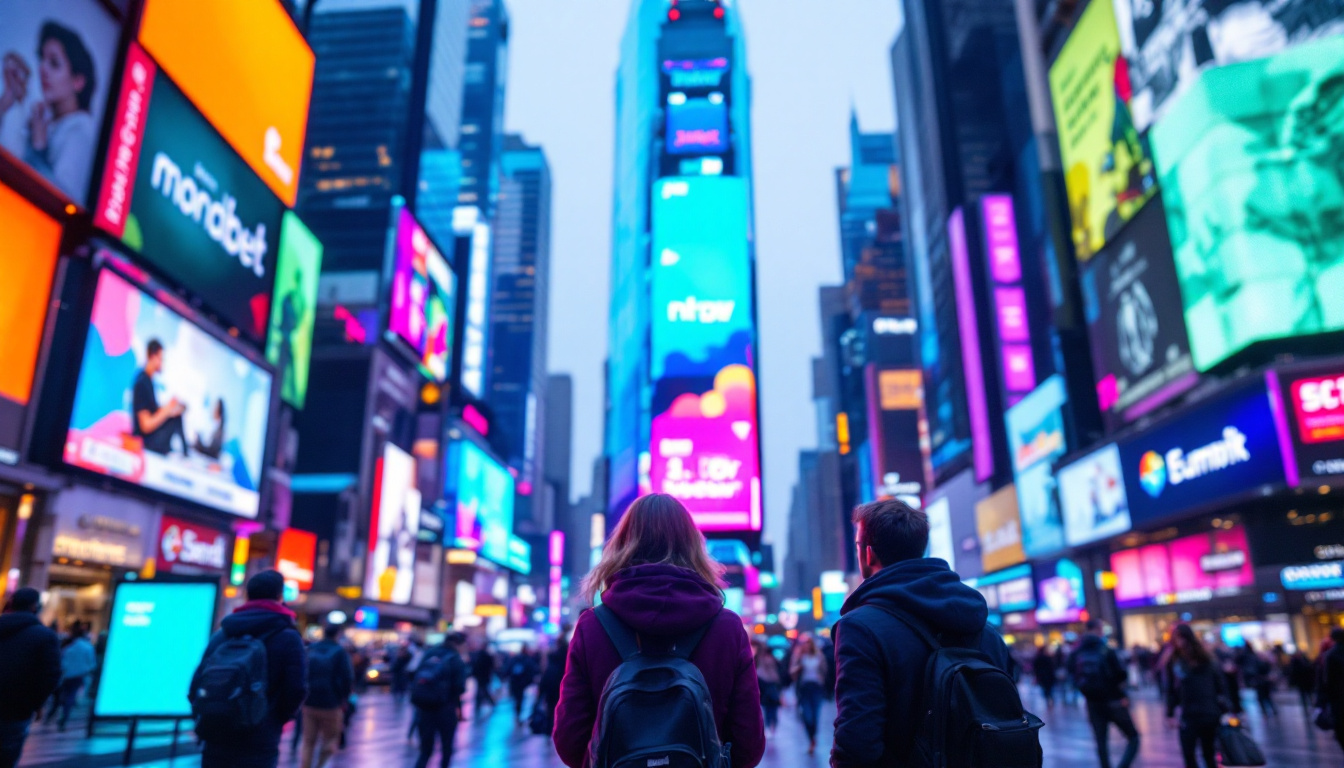
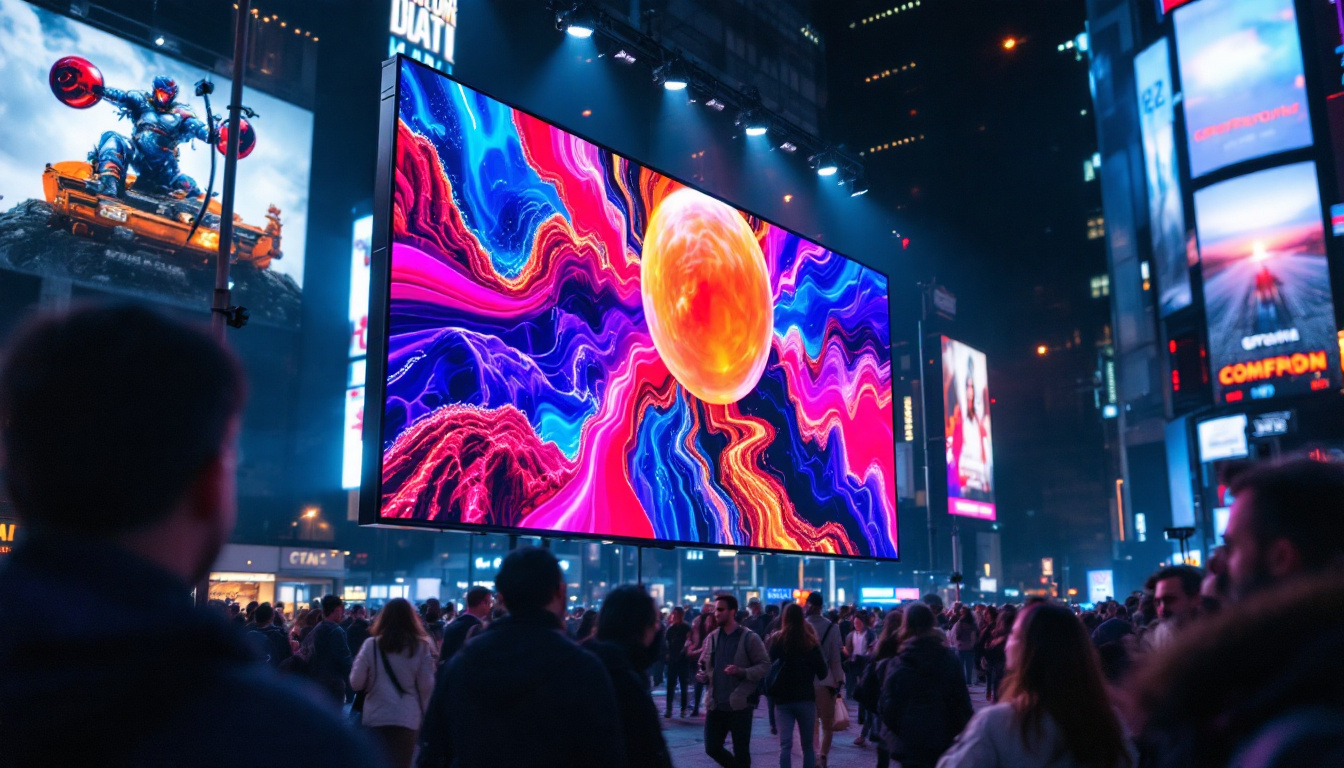
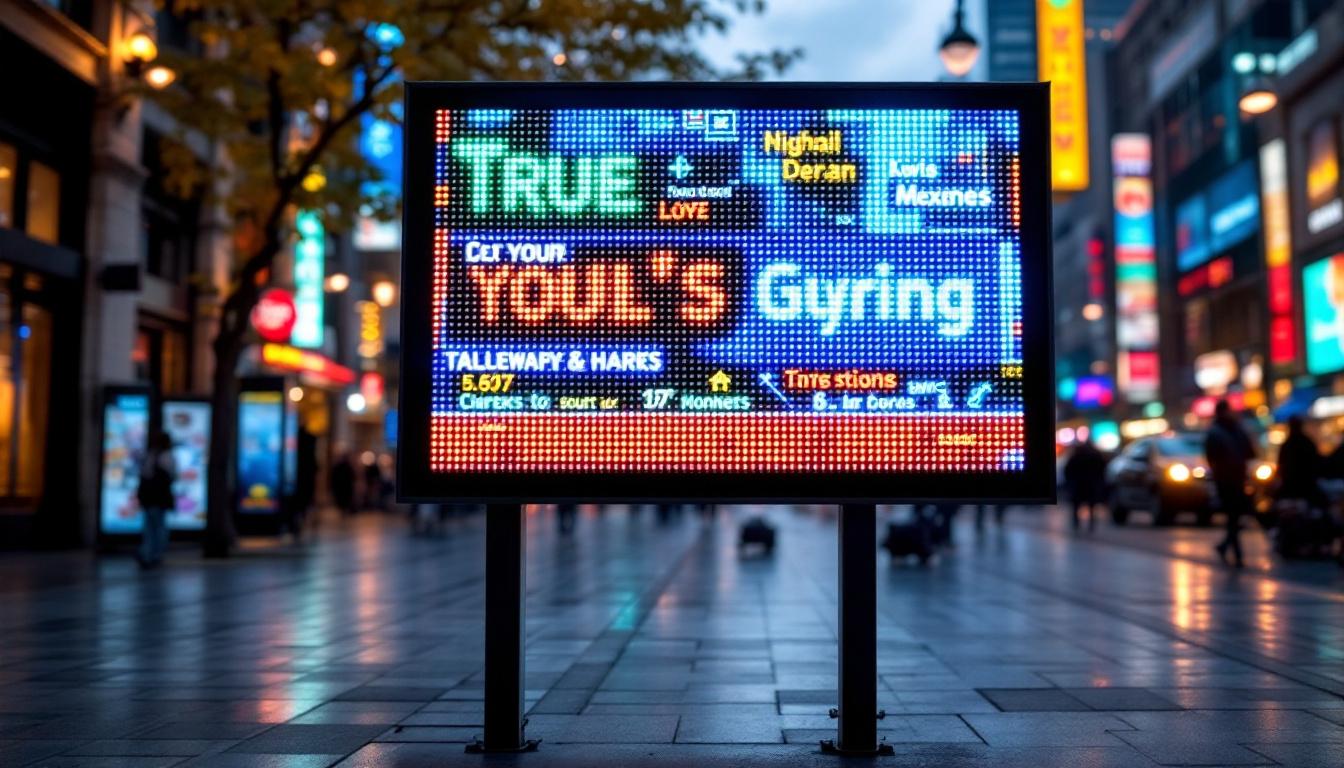
One of the most prominent uses of LED displays is in advertising. Digital billboards equipped with LED technology offer dynamic content that can be updated in real-time, enabling targeted marketing campaigns and interactive experiences. According to a 2023 report by Grand View Research, the global digital signage market is expected to reach $32.84 billion by 2028, driven largely by LED display adoption.
Retailers use LED displays to showcase promotions, attract foot traffic, and enhance brand visibility. The ability to display vivid, motion-rich content makes LED signage more engaging than static posters or traditional displays.
Sports and Entertainment Venues
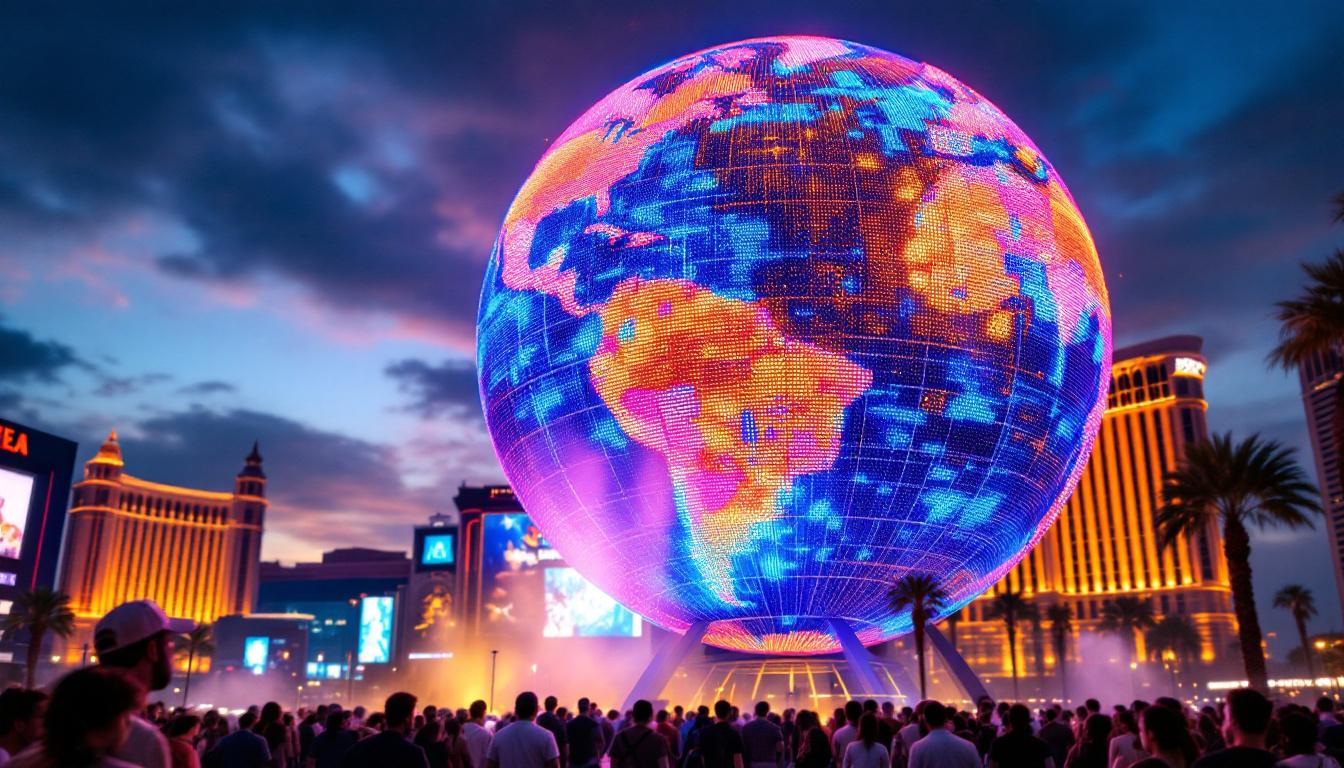
Stadiums and arenas rely heavily on LED video walls to provide fans with live game footage, replays, and interactive content. These displays must deliver high brightness and wide viewing angles to accommodate large audiences. For example, the Dallas Cowboys’ AT&T Stadium features a center-hung LED display measuring over 11,000 square feet, one of the largest in the world.
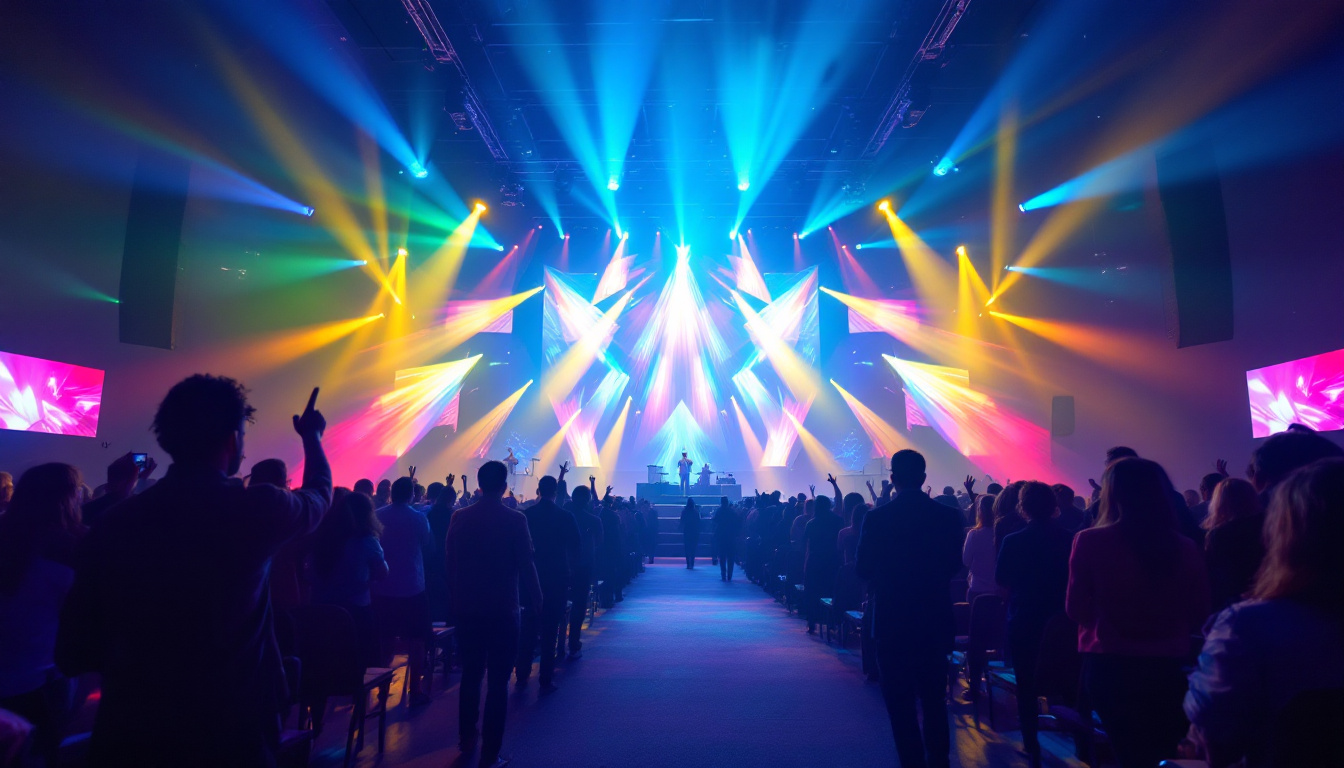
Concerts and events also benefit from flexible and curved LED displays, which create immersive visual environments that enhance the overall experience.
Corporate and Education Environments
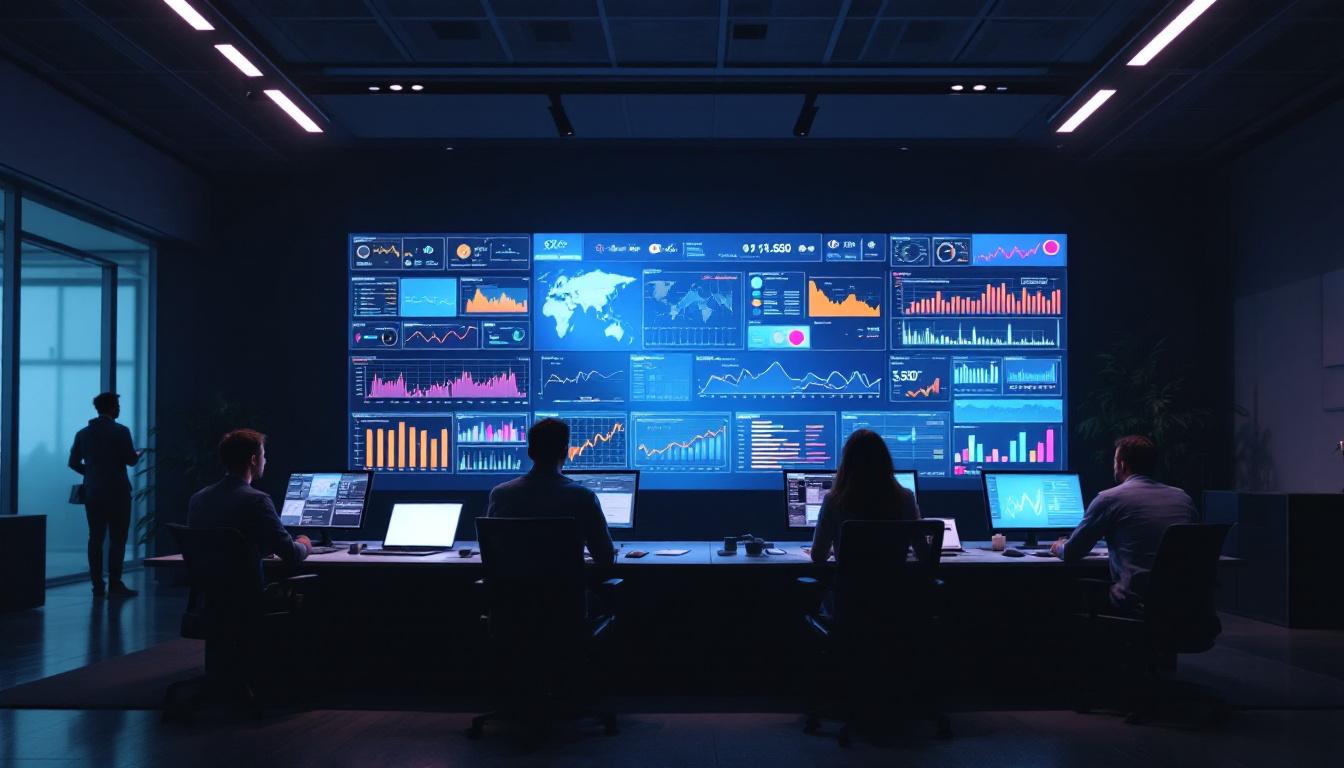
In corporate settings, LED displays are used for presentations, video conferencing, and digital collaboration. Their clarity and responsiveness improve communication and engagement during meetings and training sessions.
Educational institutions increasingly incorporate LED displays in lecture halls and auditoriums to facilitate interactive learning. The durability and low maintenance of LED technology make it a cost-effective choice for schools and universities.
Transportation and Public Spaces
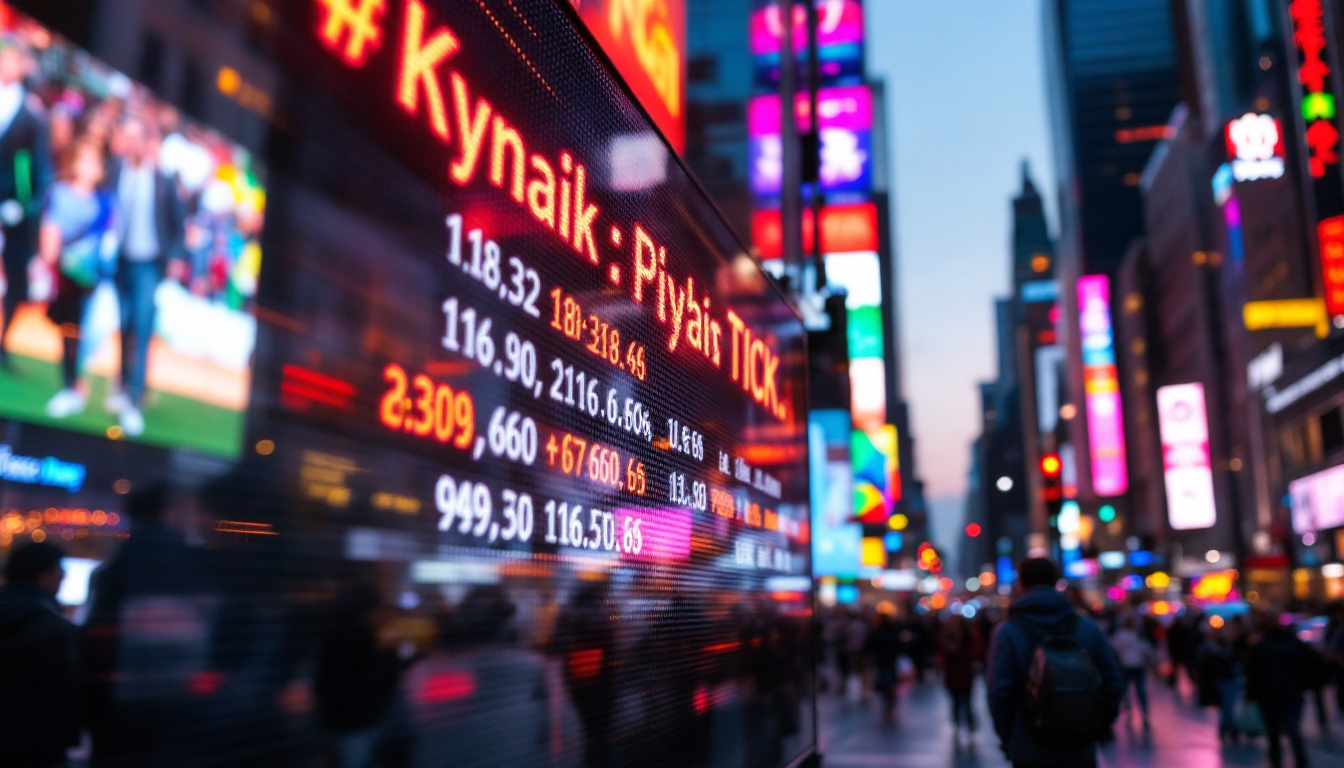
LED displays are integral to modern transportation hubs, providing real-time information such as arrival and departure times, alerts, and wayfinding. Airports, train stations, and bus terminals utilize high-brightness outdoor LED screens to ensure visibility under various lighting conditions.
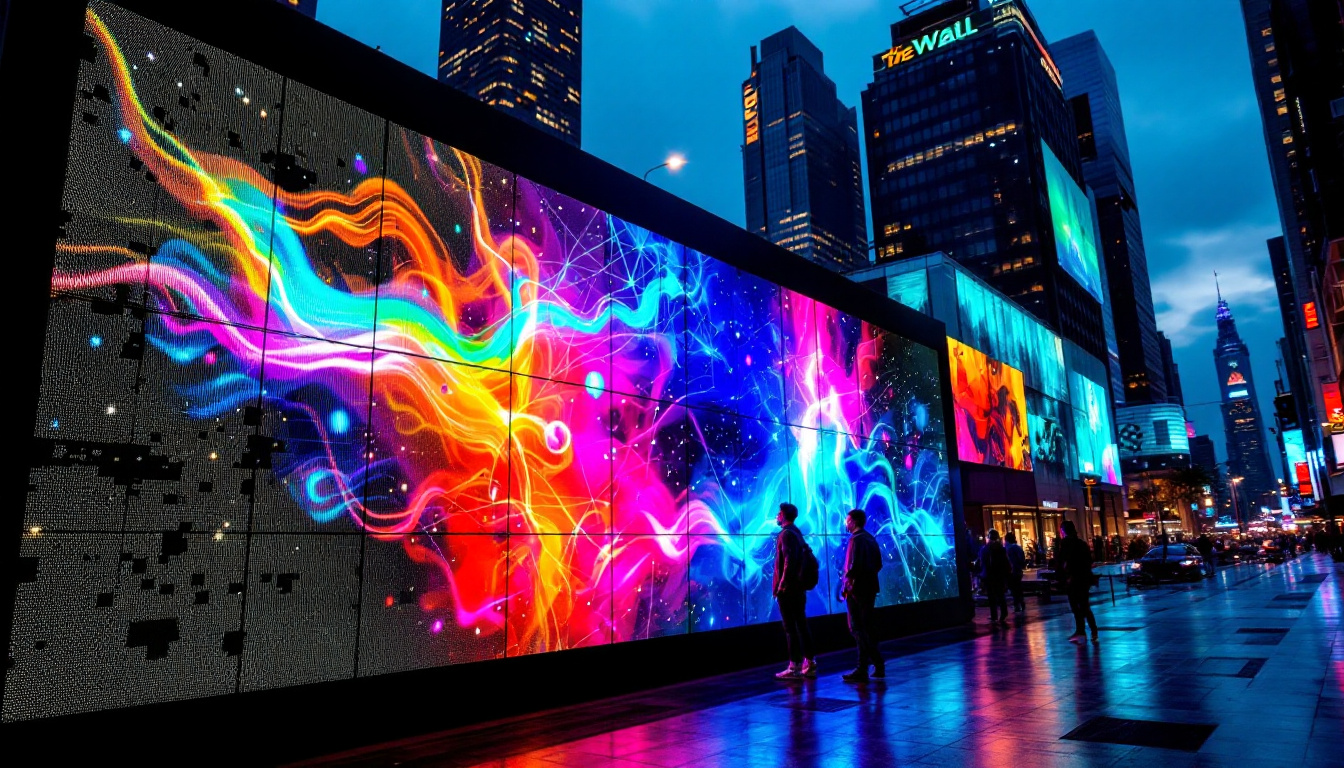
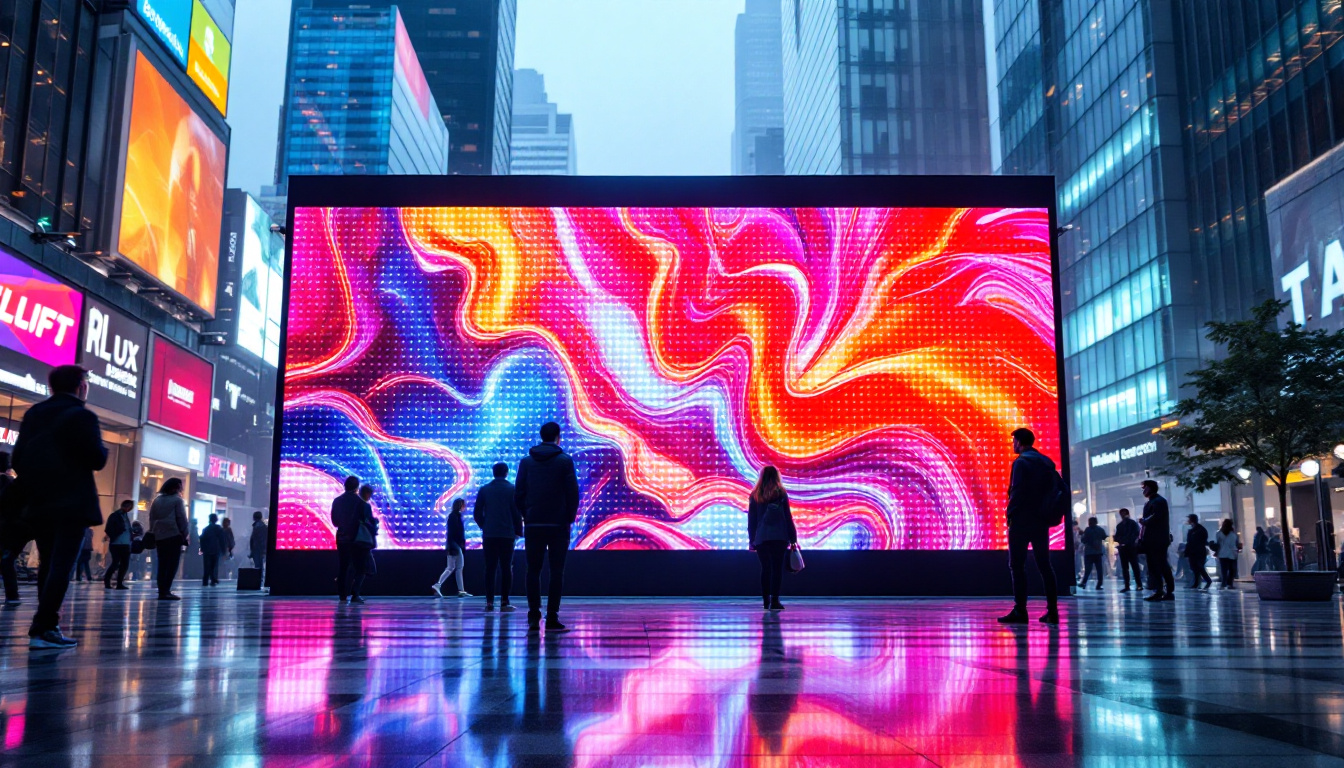
Public spaces, including city squares and parks, employ LED video walls for community announcements, cultural events, and public art installations, fostering connectivity and engagement.
Benefits and Considerations When Choosing LED Displays
Understanding the advantages and potential challenges of LED displays helps organizations make informed decisions tailored to their specific requirements.
Key Benefits
- Brightness and Visibility: LED displays can achieve brightness levels far exceeding other display technologies, ensuring clear visibility in bright environments.
- Durability and Longevity: LEDs have a long operational life, often exceeding 100,000 hours, and are resistant to shock and vibration.
- Energy Efficiency: Compared to traditional lighting and display technologies, LEDs consume less power, reducing operational costs.
- Flexibility and Scalability: Modular design allows for custom sizes and shapes, accommodating diverse installation needs.
- Dynamic Content Capabilities: Supports video, animations, and real-time updates, enhancing audience engagement.
Important Considerations
While LED displays offer numerous benefits, certain factors must be considered:
- Initial Investment: High-quality LED displays can require significant upfront costs, although these are often offset by lower maintenance and energy expenses over time.
- Pixel Pitch Selection: Choosing the appropriate pixel pitch is crucial to balance resolution, viewing distance, and budget.
- Installation and Maintenance: Proper installation by experienced professionals ensures optimal performance and longevity. Regular maintenance is necessary to prevent issues such as dead pixels or color inconsistencies.
- Environmental Factors: Outdoor displays must be rated for weather resistance, including waterproofing and temperature tolerance.
The Future of LED Displays
The trajectory of LED display technology points toward even greater integration with emerging digital trends. Innovations such as AI-driven content management, augmented reality (AR) integration, and 5G connectivity are poised to transform how LED displays are used in public and private spaces.
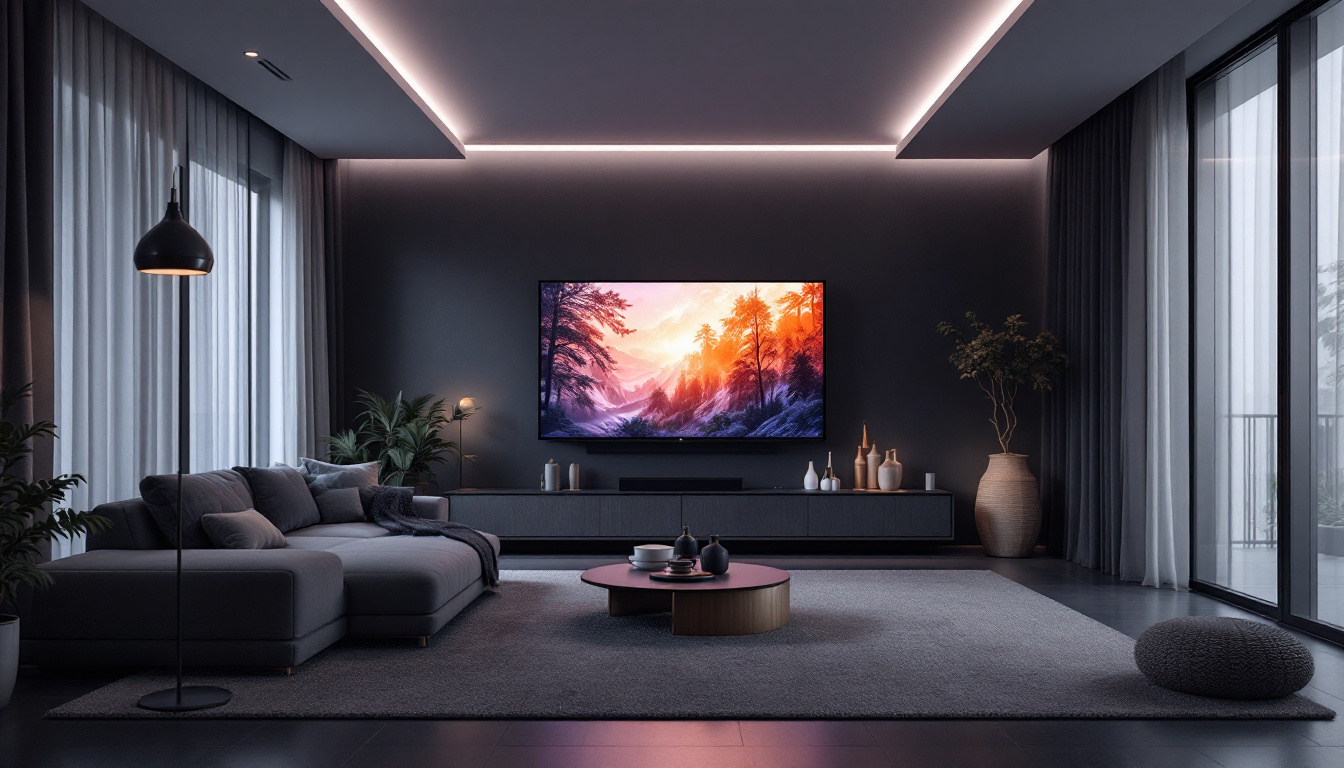
Furthermore, the miniaturization of LED components and improvements in manufacturing processes will continue to push the boundaries of resolution and form factor. As Micro-LED technology matures, it is expected to revolutionize consumer electronics, including televisions, smartphones, and wearable devices.
Environmental sustainability will remain a priority, with ongoing efforts to develop recyclable materials and reduce the carbon footprint of LED production and operation.
Conclusion
LED displays have become a cornerstone of modern visual communication, offering unmatched brightness, flexibility, and durability. From advertising and entertainment to corporate and public applications, their impact is profound and far-reaching. Understanding the technology behind LED displays, along with their benefits and considerations, empowers organizations to harness their full potential effectively.
As LED technology continues to advance, it promises to deliver even more immersive, energy-efficient, and versatile display solutions, shaping the future of digital interaction and visual storytelling.
Discover LumenMatrix LED Display Solutions
Ready to elevate your visual communication with the latest in LED display technology? Look no further than LumenMatrix. As a pioneer in the industry, we offer a wide array of LED display solutions tailored to your needs, from Indoor and Outdoor LED Walls to innovative Transparent and Custom Displays. Whether you’re looking to captivate your audience, enhance your brand’s visibility, or create immersive experiences, LumenMatrix is your partner in revolutionizing visual storytelling. Check out LumenMatrix LED Display Solutions today and see your vision come to life in brilliant color and clarity.