In today’s fast-paced digital environment, wall board tools equipped with LED displays have become indispensable in various sectors, ranging from corporate offices and control rooms to educational institutions and public spaces. These displays serve as dynamic communication hubs, providing real-time data, visual alerts, and interactive content that enhance decision-making and engagement.
This article delves into the fundamentals of LED displays used in wall board tools, exploring their technology, applications, advantages, and considerations for selecting the right system. Whether you are an IT manager, operations leader, or facility planner, understanding the capabilities and nuances of LED wall board displays will empower you to leverage these tools effectively.
Understanding LED Display Technology
What is an LED Display?
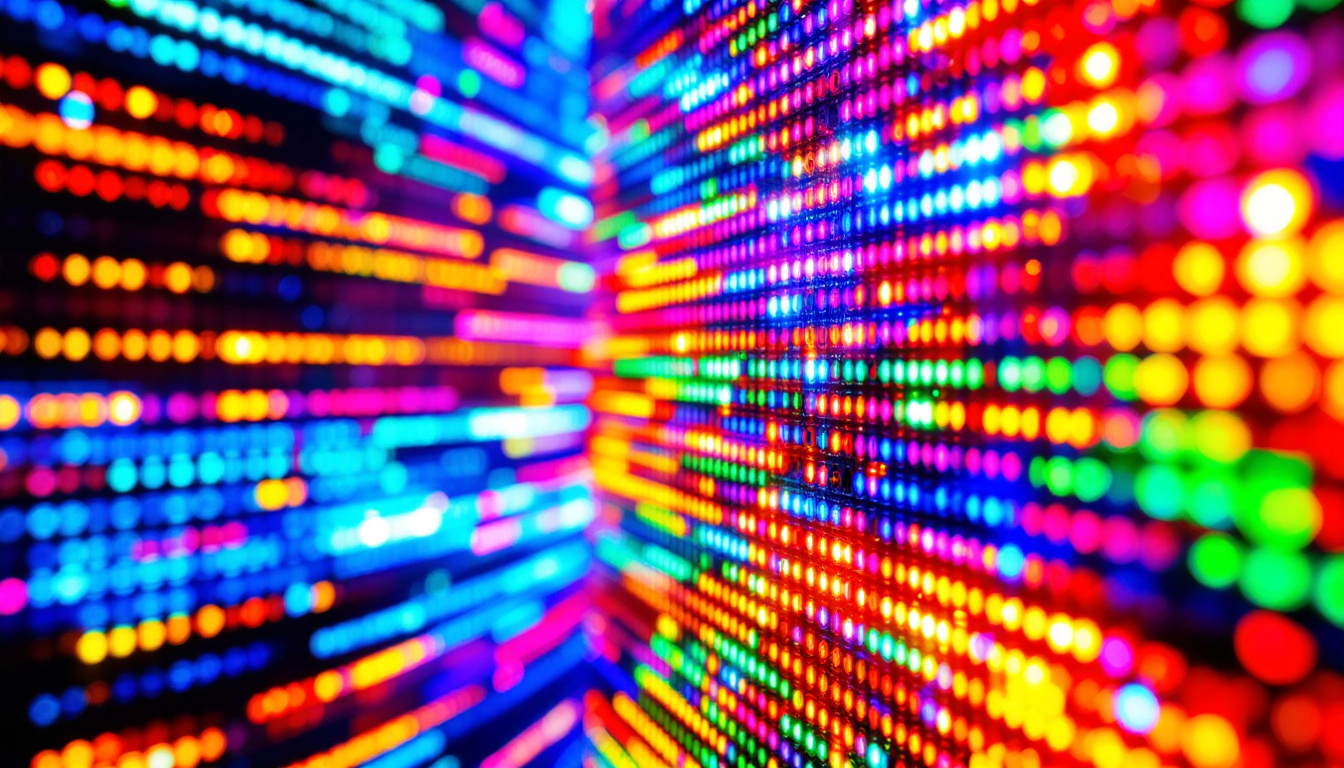
LED, or Light Emitting Diode, displays are screens that use an array of tiny light-emitting diodes to produce images and text. Unlike traditional LCD or projection screens, LED displays emit their own light, resulting in brighter images, higher contrast, and better visibility in various lighting conditions. This self-illuminating feature allows for vibrant colors and deeper blacks, enhancing the overall viewing experience. Additionally, LED displays consume less power than their predecessors, making them a more energy-efficient choice for both commercial and residential applications.
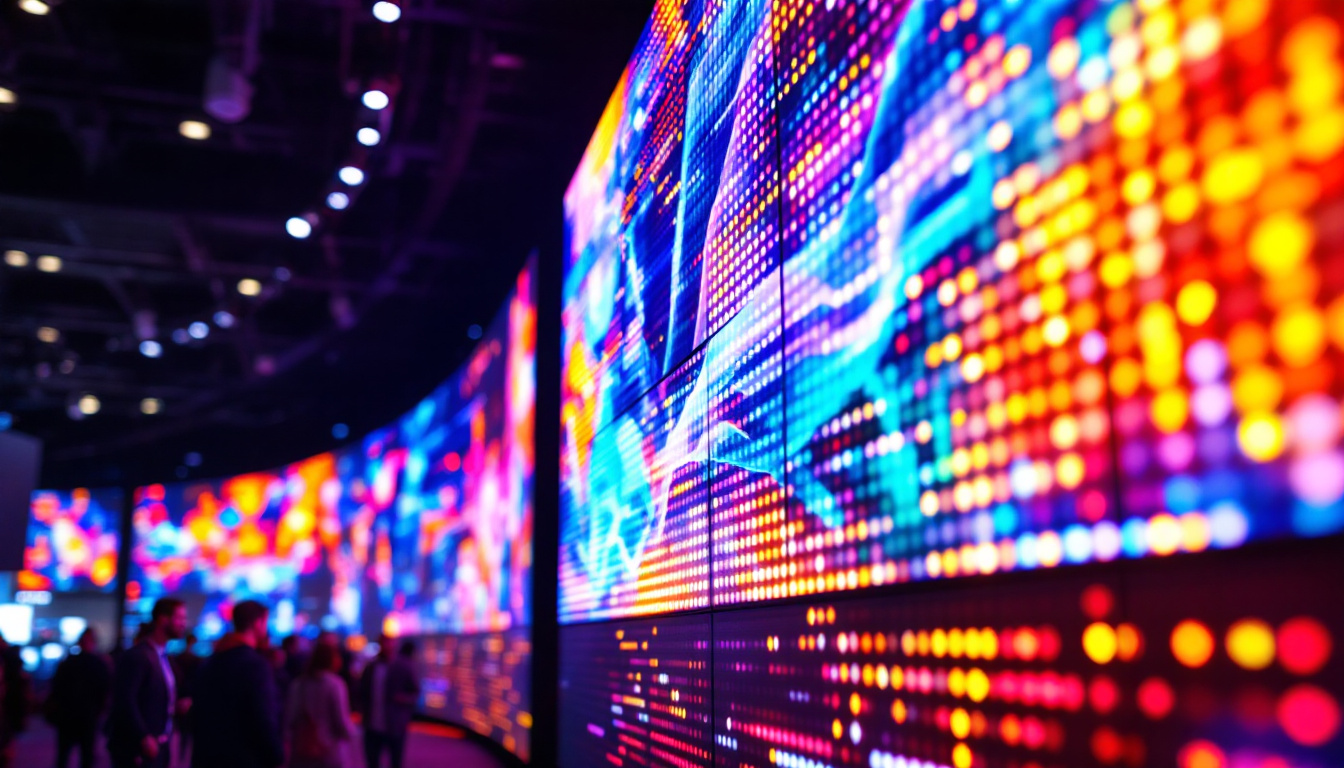
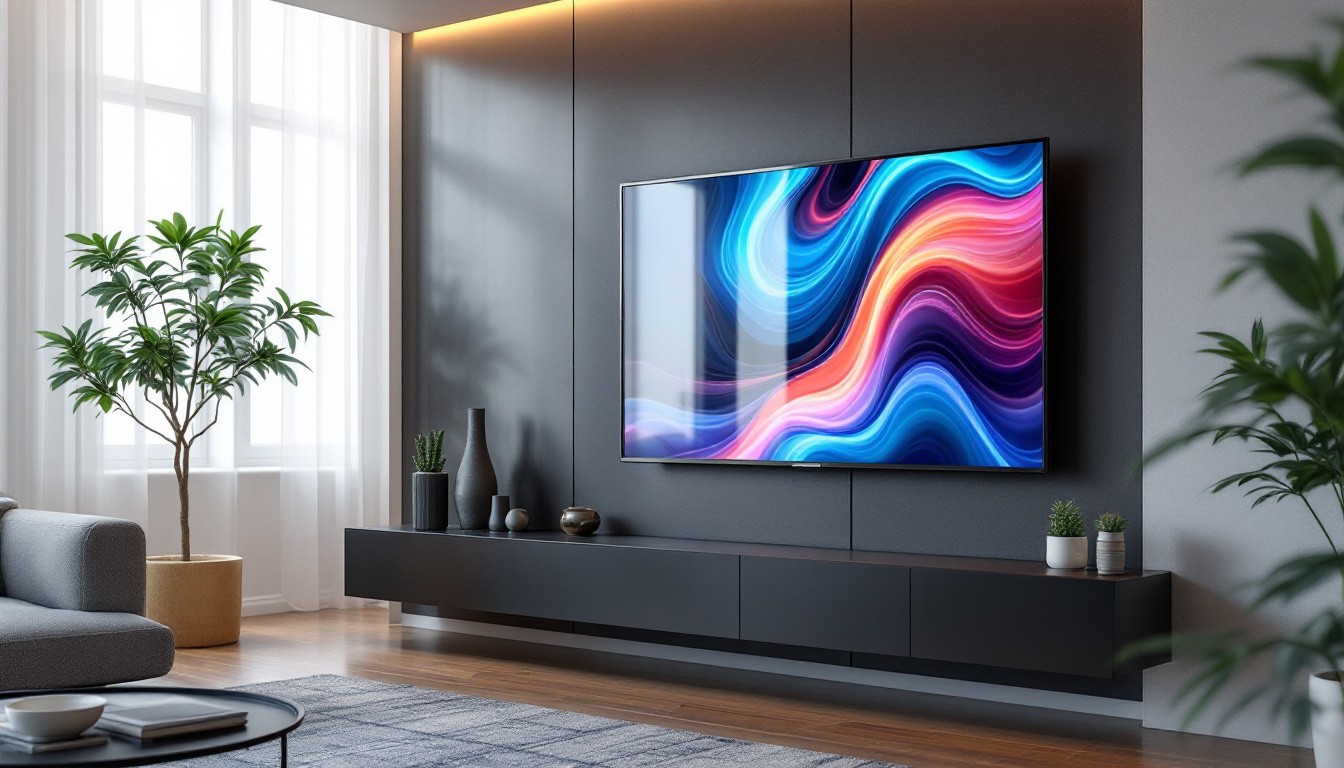
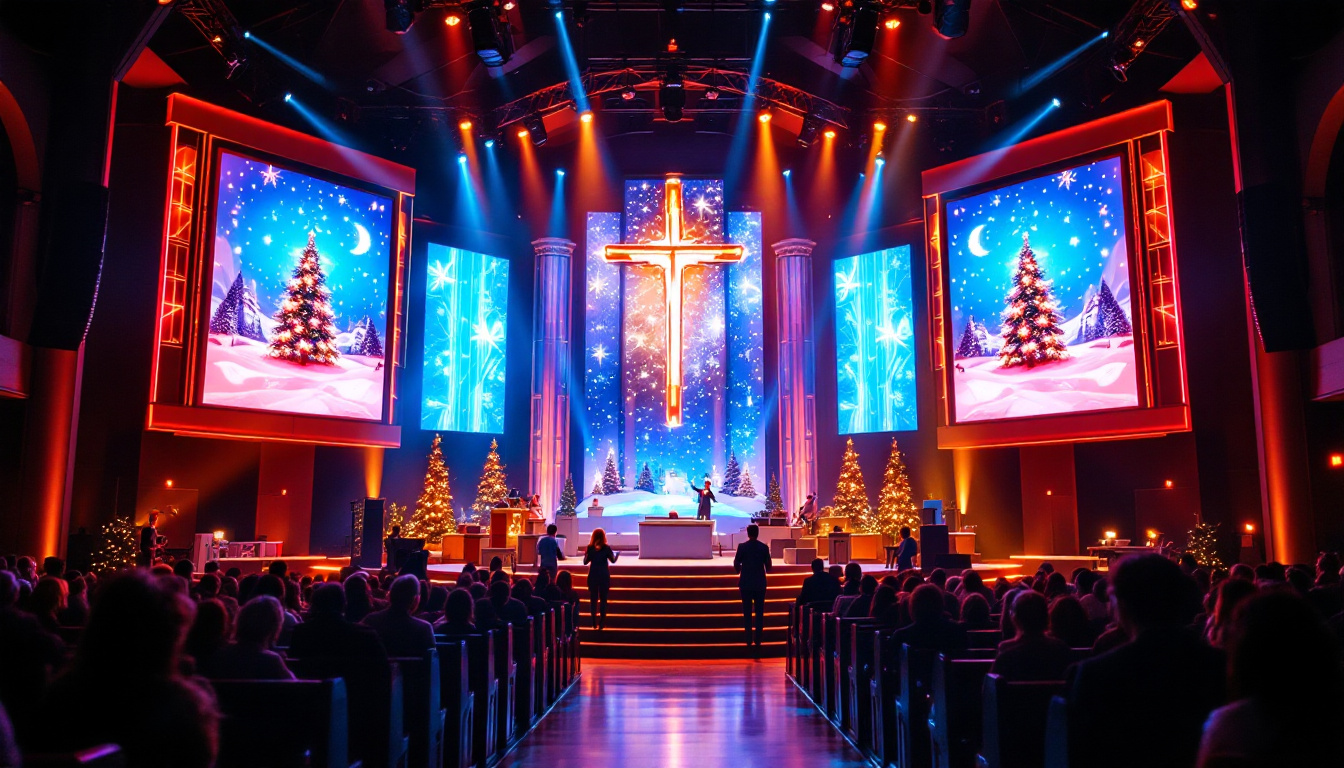
In wall board tools, LED displays are typically configured as large-format video walls or segmented boards that present critical information clearly and continuously. Their modular nature allows for scalable sizes and resolutions, making them adaptable to different room sizes and viewing distances. This versatility is particularly beneficial in environments such as control rooms, conference halls, and public information displays, where the ability to customize the layout and size can significantly impact the effectiveness of the communication being conveyed.
Types of LED Displays Used in Wall Boards
There are two primary types of LED displays commonly used in wall board tools:
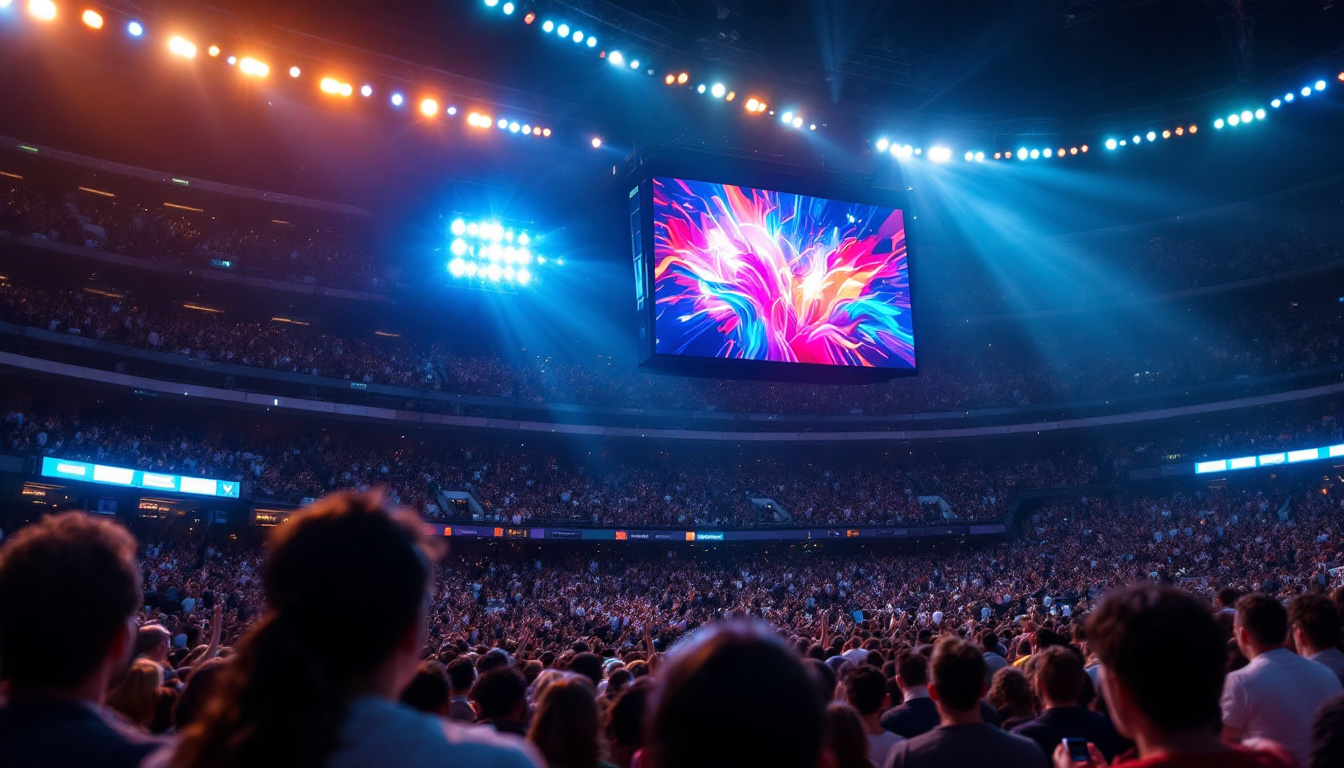
- Direct View LED (DV-LED): This technology involves LEDs arranged directly on the display surface. DV-LED screens are known for their exceptional brightness and color accuracy, making them ideal for large video walls in well-lit environments. They also support a wide viewing angle, ensuring that the content remains visible from various positions within the room. This makes them particularly suitable for applications such as sports arenas and outdoor advertising, where audience engagement is crucial.
- LED-Backlit LCD: These displays use LEDs as a backlight source behind an LCD panel. While generally less bright than DV-LEDs, they offer good image quality and are often more cost-effective for smaller or medium-sized wall boards. They are widely used in environments where budget constraints are a concern, yet high-quality visuals are still required, such as in educational institutions or corporate offices.
Choosing between these depends on factors such as viewing distance, ambient lighting, budget, and required resolution. Furthermore, advancements in technology have led to the development of hybrid solutions that combine the best aspects of both DV-LED and LED-backlit LCD displays, providing users with even more options to tailor their visual experience to specific needs. As the demand for high-quality visual communication continues to grow, understanding these distinctions becomes increasingly important for making informed decisions in display technology.
Applications of LED Wall Board Tools
Corporate and Control Room Environments
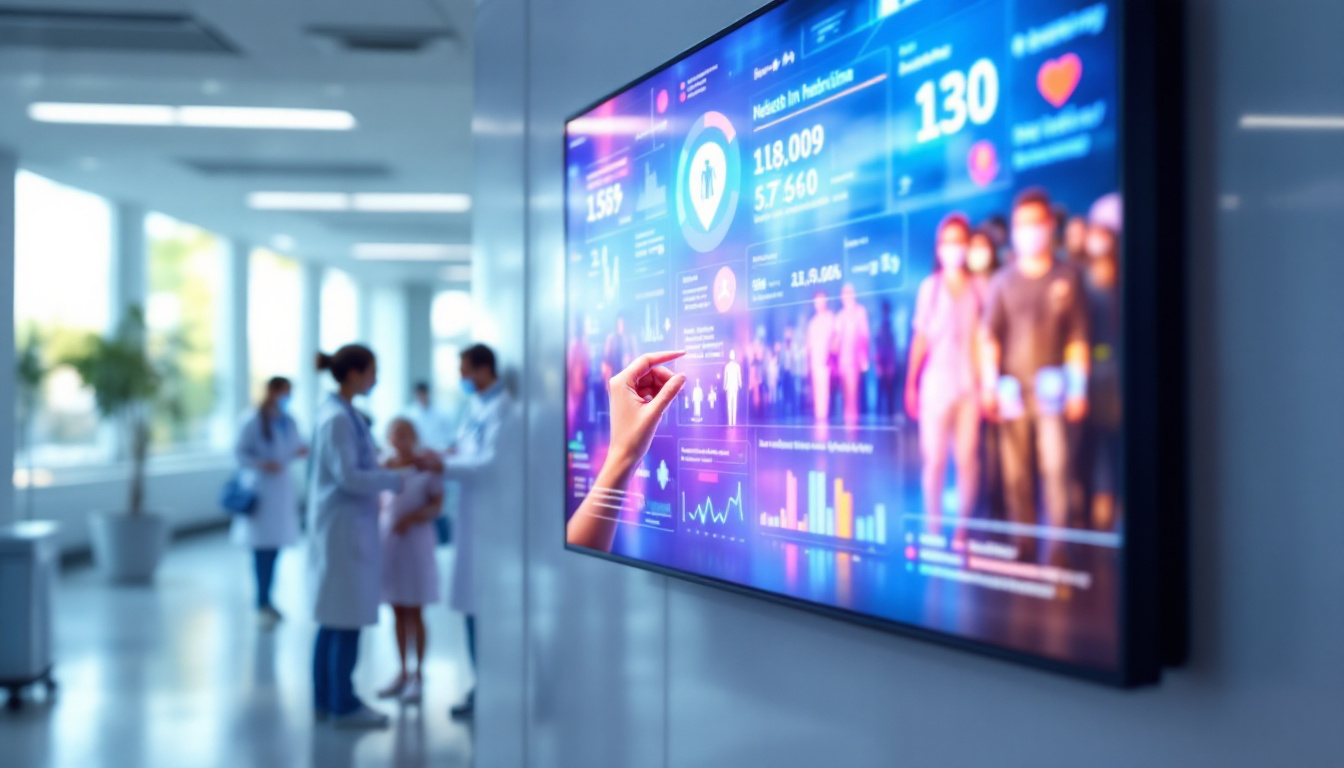
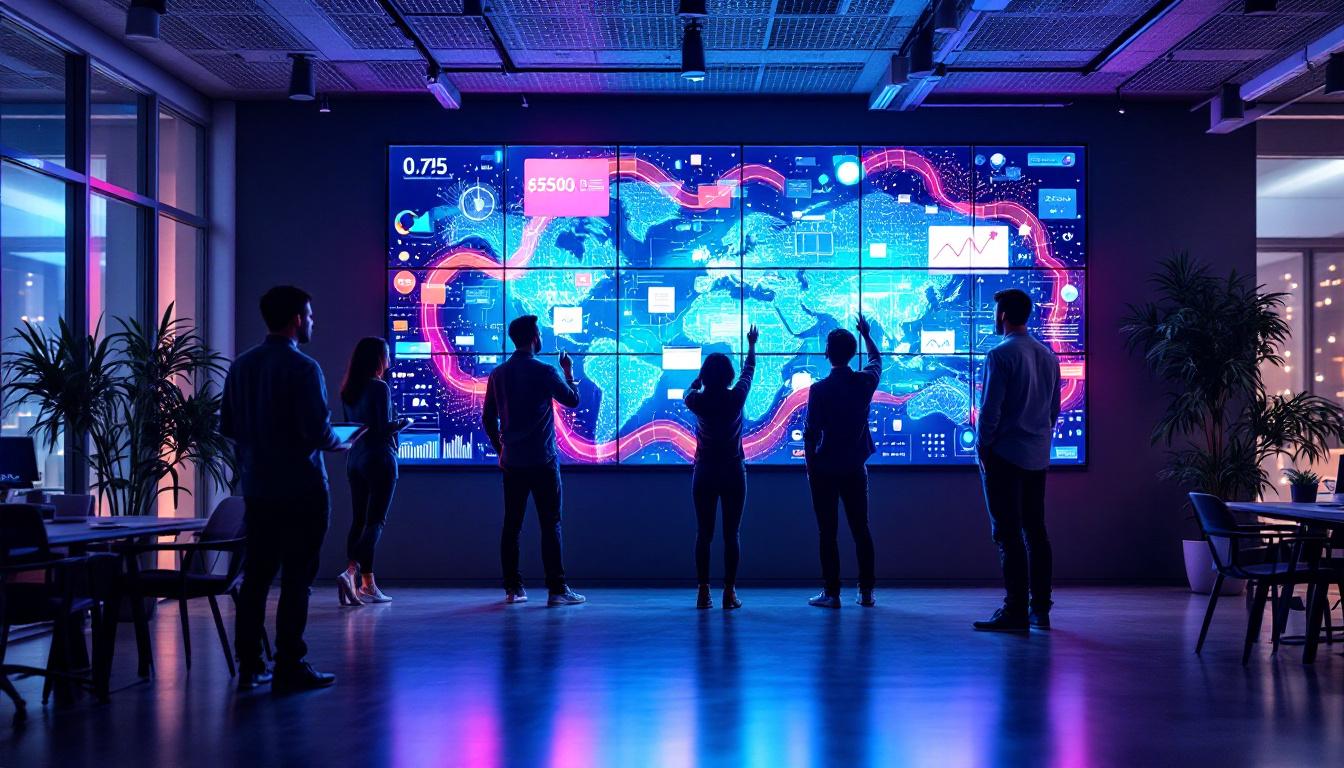
In corporate settings, LED wall boards are extensively used for displaying dashboards, KPIs, and live feeds during meetings and presentations. Control rooms in industries such as utilities, transportation, and emergency services rely on these displays to monitor operations in real time, enabling rapid response to incidents.
For example, a utility company might use a large LED video wall to track grid performance metrics and outage statuses, ensuring that operators have immediate access to critical data. The high brightness and clarity of LED displays reduce eye strain during long monitoring sessions, improving operator efficiency. Additionally, the ability to customize layouts allows teams to prioritize the most relevant information, creating a tailored experience that enhances situational awareness and decision-making.
Educational and Public Information Displays
Educational institutions utilize LED wall boards to share announcements, schedules, and multimedia content across campuses. Their ability to display vibrant visuals helps capture attention and improve information retention among students and staff. Beyond standard announcements, these displays can also be used for interactive learning experiences, showcasing student projects or live feeds from events, thereby fostering a sense of community and engagement within the school.
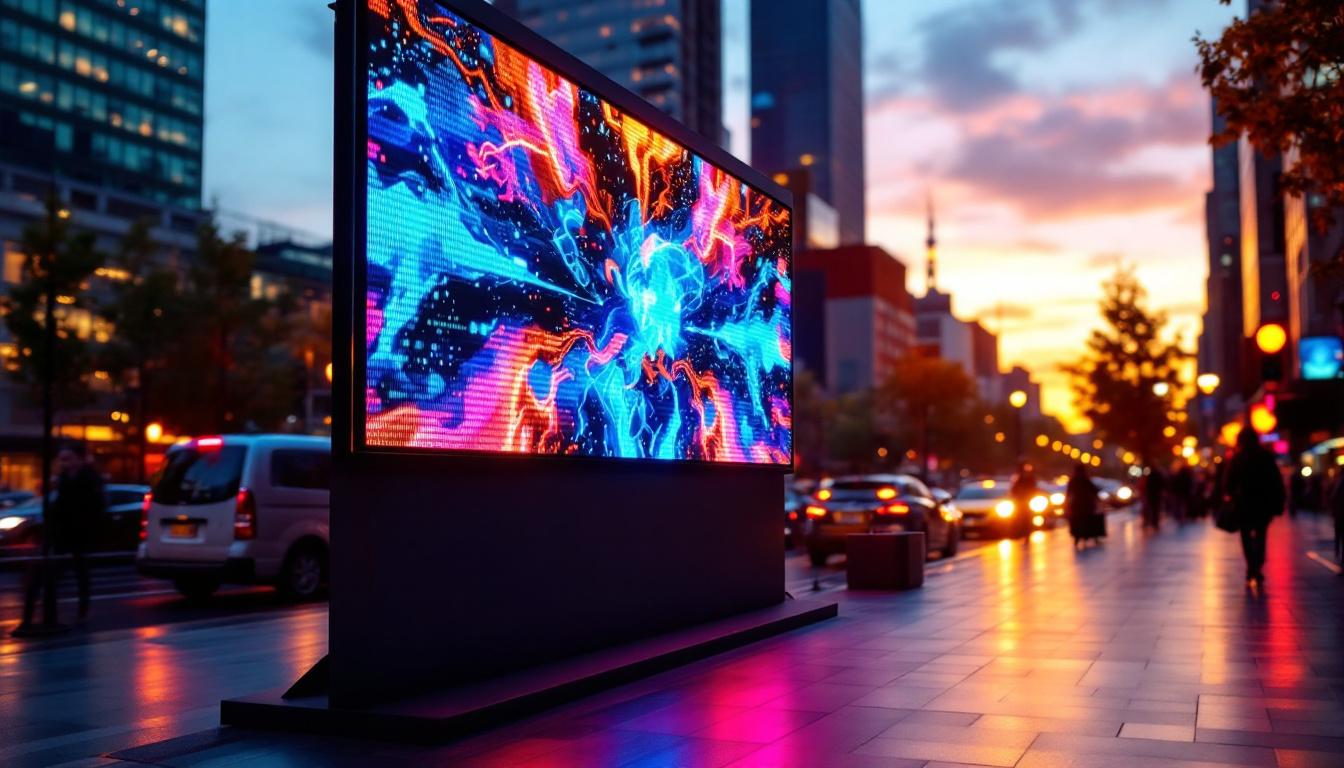
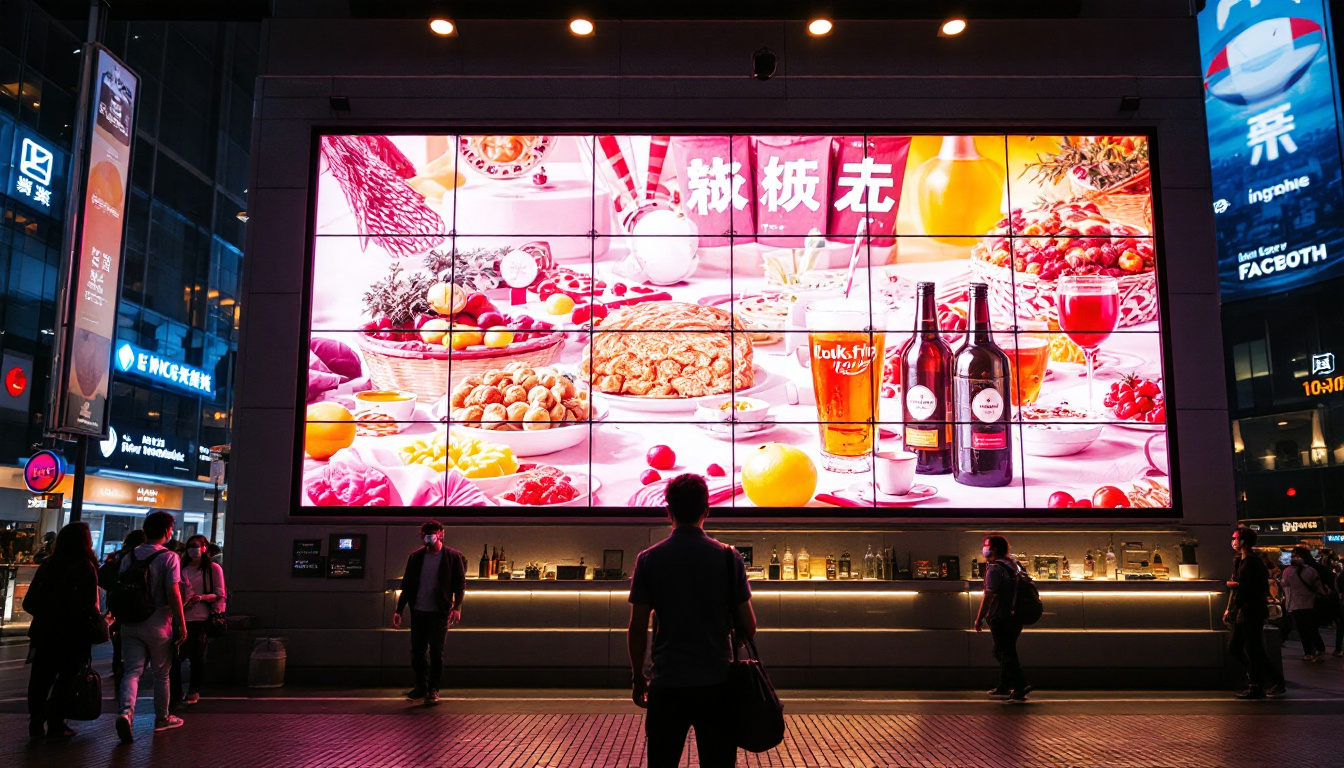
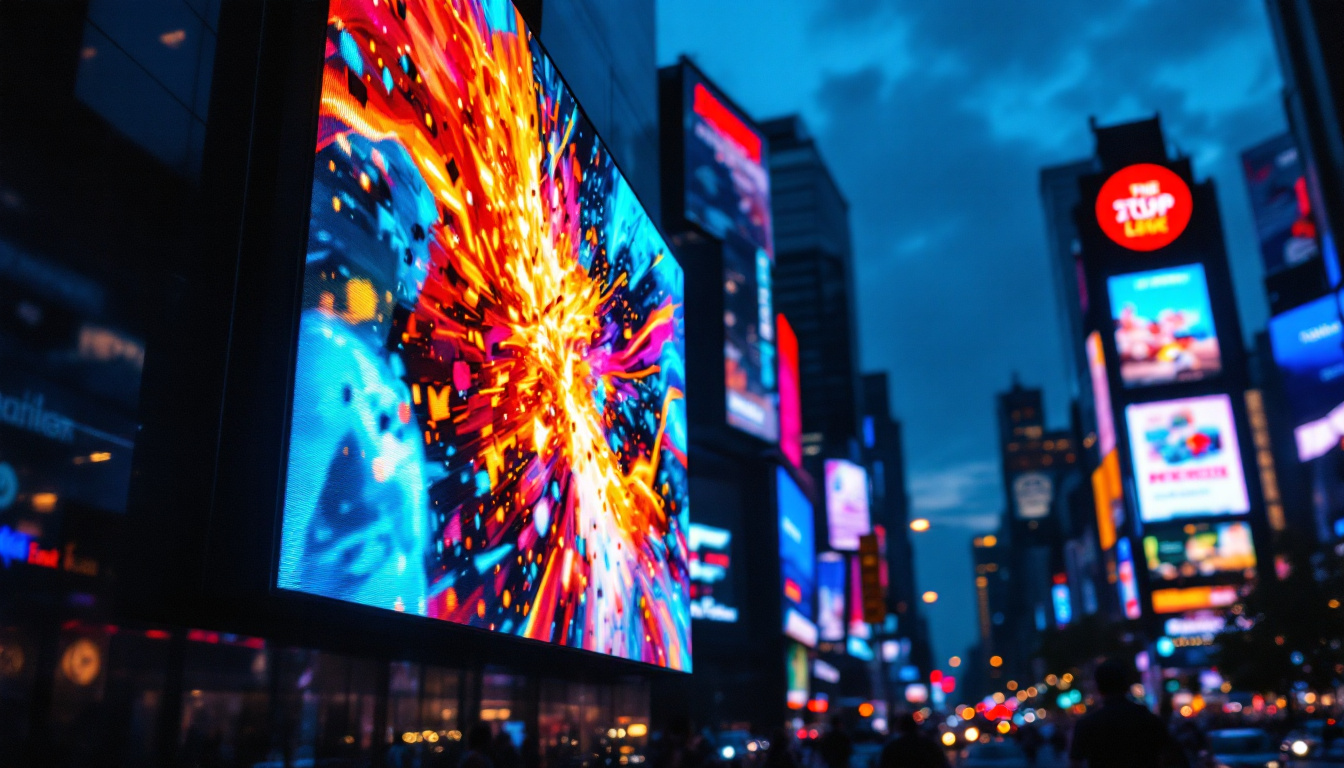
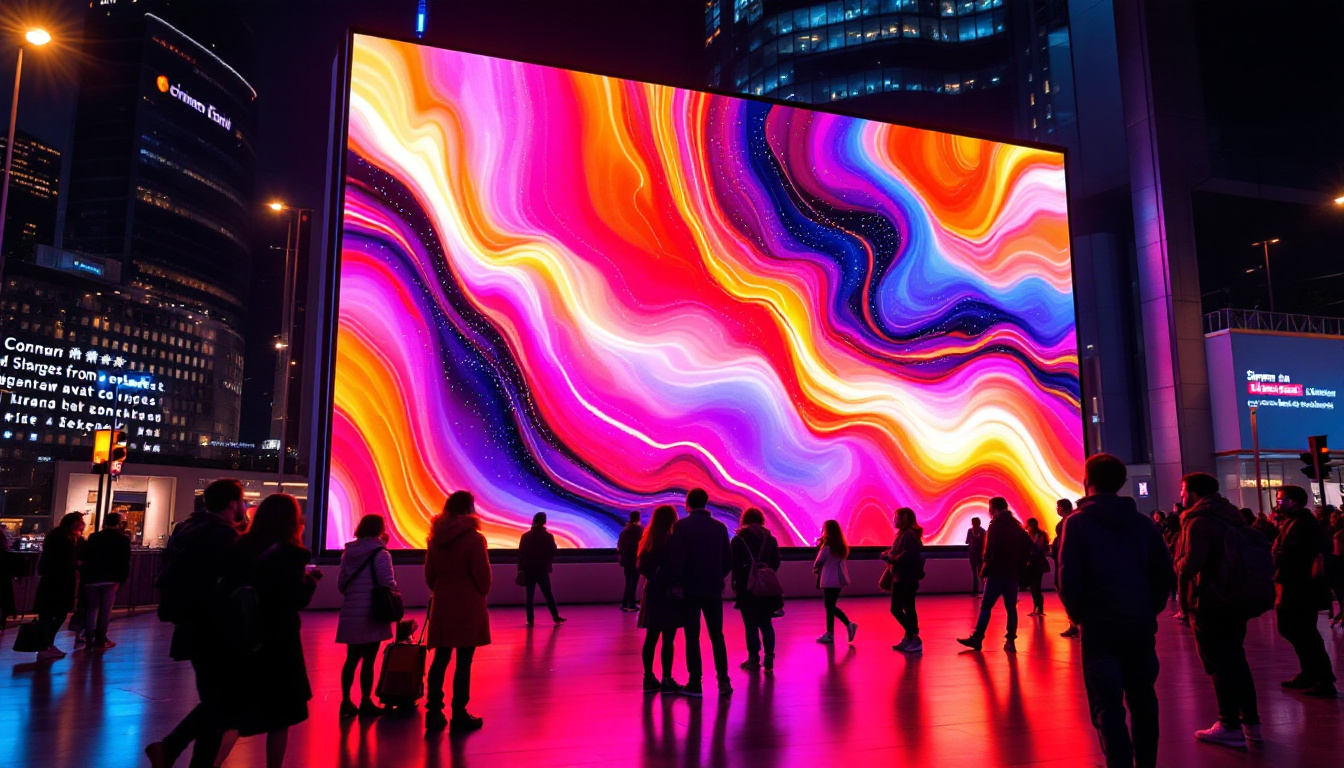
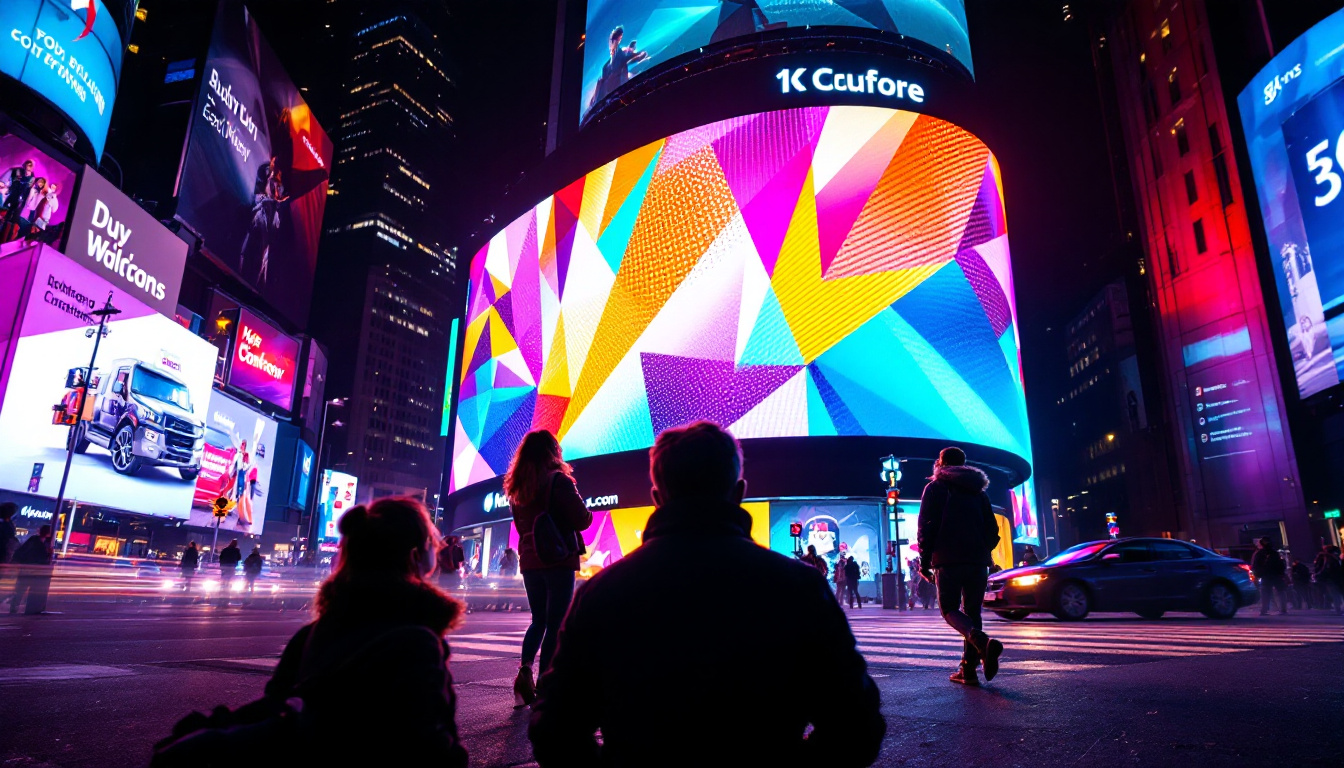
Public venues such as airports, train stations, and shopping malls employ LED displays for wayfinding, advertising, and emergency alerts. The flexibility to update content remotely and instantly is a significant advantage in these dynamic environments. Moreover, the integration of real-time data, such as flight arrivals and departures or train schedules, ensures that travelers receive timely information, which can significantly enhance their overall experience. The strategic placement of these displays in high-traffic areas further maximizes visibility, ensuring that important messages reach the intended audience effectively.
Retail and Advertising
Retailers leverage LED wall boards to create immersive brand experiences and promote products through eye-catching visuals and videos. The high resolution and color fidelity of LED displays make them perfect for showcasing promotional content that drives customer engagement and sales. Furthermore, the dynamic nature of LED technology allows retailers to change their marketing messages frequently, aligning promotions with seasonal trends or special events, thus keeping the content fresh and relevant.
In addition to traditional advertising, LED wall boards can serve as interactive platforms where customers can engage with the brand in novel ways. For instance, retailers might incorporate touch technology or QR codes that allow shoppers to access additional product information or exclusive deals. This not only enhances the shopping experience but also encourages customers to spend more time in-store, ultimately leading to increased sales and brand loyalty. The integration of social media feeds into these displays can also create a sense of community, as customers see their posts featured in real-time, fostering a deeper connection with the brand.
Advantages of LED Displays in Wall Board Tools
Superior Visibility and Brightness
One of the most notable benefits of LED displays is their exceptional brightness, often exceeding 1,000 nits, which ensures clear visibility even in brightly lit rooms or outdoor settings. This is crucial for wall boards that need to be legible from various angles and distances.
Energy Efficiency and Longevity
LED technology is more energy-efficient compared to older display technologies like plasma or fluorescent backlit screens. LEDs consume less power and generate less heat, contributing to lower operational costs and reduced cooling requirements.
Moreover, LED displays boast a long lifespan, often rated between 50,000 to 100,000 hours, which translates to years of reliable service with minimal maintenance.
Customization and Scalability
LED wall boards can be customized in size, shape, and resolution to fit specific spatial and informational needs. Modular panels can be combined to create ultra-wide or ultra-tall displays, enabling tailored solutions for diverse environments.
This scalability also allows organizations to expand or upgrade their display systems incrementally, protecting their investment over time.
Real-Time Content Updating and Interactivity
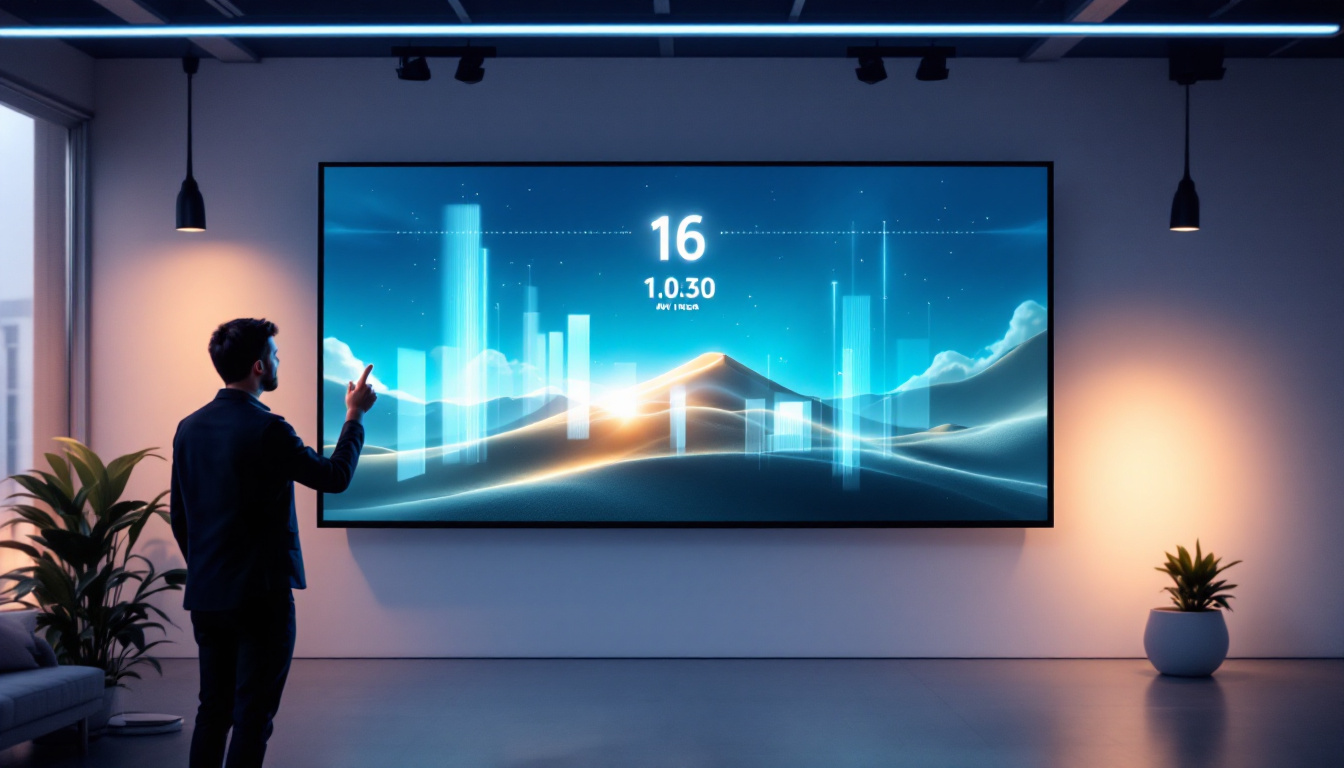
Modern LED wall board tools often integrate with software platforms that support real-time data feeds, remote content management, and interactive features such as touch input or gesture control. This interactivity enhances user engagement and facilitates dynamic presentations or monitoring setups.
Key Considerations When Selecting LED Wall Board Tools
Resolution and Pixel Pitch
Resolution determines the clarity of the displayed content, while pixel pitch—the distance between individual LEDs—impacts the viewing distance and image sharpness. A smaller pixel pitch results in higher resolution and is preferable for close-up viewing scenarios, such as conference rooms.
For large control rooms or auditoriums where viewers are farther away, a larger pixel pitch may suffice, reducing costs without compromising legibility.
Brightness and Contrast Ratio
Assess the ambient lighting conditions of the installation site to determine the required brightness level. High ambient light environments demand displays with higher brightness and contrast ratios to maintain image clarity and prevent washout.
Durability and Maintenance
Consider the build quality and protective features of the LED display, especially for public or industrial environments where exposure to dust, moisture, or physical impact is possible. IP-rated enclosures and easy access for maintenance can extend the display’s lifespan and reduce downtime.
Integration and Compatibility
Ensure the LED wall board tool integrates seamlessly with existing IT infrastructure and content management systems. Compatibility with standard video inputs, network protocols, and control software simplifies deployment and ongoing management.
Cost and Total Cost of Ownership
While initial purchase price is important, evaluating the total cost of ownership—including installation, energy consumption, maintenance, and potential upgrades—provides a clearer picture of long-term investment value.
Future Trends in LED Wall Board Technology
MicroLED and MiniLED Innovations
Emerging MicroLED and MiniLED technologies promise even higher brightness, better color accuracy, and thinner form factors. These advancements will enable more immersive and versatile wall board displays in the near future.
AI-Driven Content and Analytics
Artificial intelligence integration is enhancing LED wall boards by enabling automated content optimization based on audience behavior, environmental conditions, and operational priorities. AI-powered analytics also help organizations derive actionable insights from displayed data.
Enhanced Interactivity and Collaboration
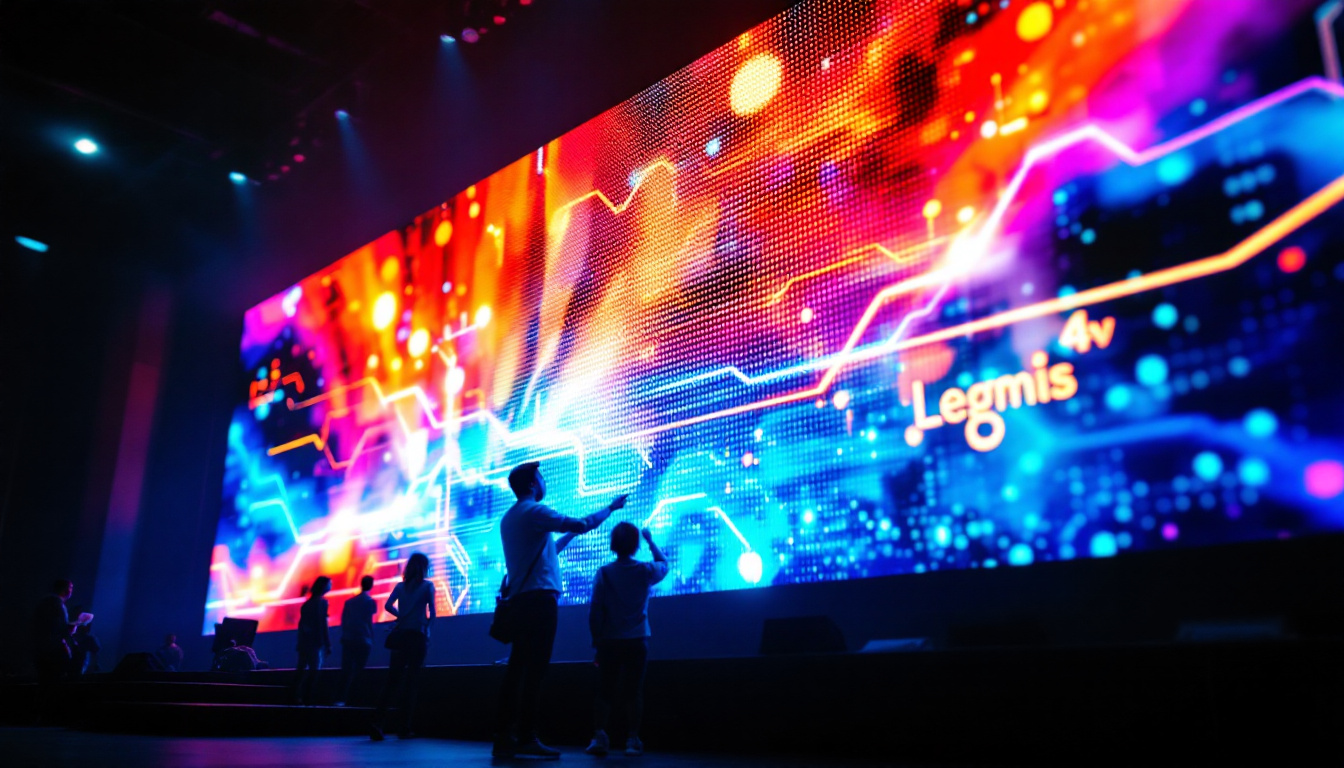
Touch-sensitive and gesture-controlled LED walls are becoming more common, fostering collaborative environments where multiple users can interact with displayed content simultaneously. This is particularly valuable in educational and corporate settings.
Conclusion
LED displays have revolutionized wall board tools by delivering vibrant, reliable, and versatile visual communication solutions. Their superior brightness, energy efficiency, and scalability make them well-suited for a wide range of applications, from mission-critical control rooms to engaging public information systems.
By understanding the technology, applications, and key selection criteria, organizations can make informed decisions that maximize the impact and longevity of their LED wall board investments. As innovations continue to evolve, LED displays will remain at the forefront of dynamic visual communication.
Discover LumenMatrix’s Innovative LED Display Solutions
Ready to elevate your visual communication with the latest in LED display technology? LumenMatrix offers a comprehensive range of LED display solutions tailored to meet your needs. From captivating Indoor and Outdoor LED Wall Displays to dynamic Vehicle and Sports Displays, our products are designed to enhance brand visibility and create immersive visual experiences. Explore our innovative LED Poster Displays, interactive Floor LED Displays, and the versatile All-in-One and Transparent LED Displays. Embrace the future of digital signage with LumenMatrix and transform how you engage with your audience. Check out LumenMatrix LED Display Solutions today and see the difference cutting-edge technology can make.