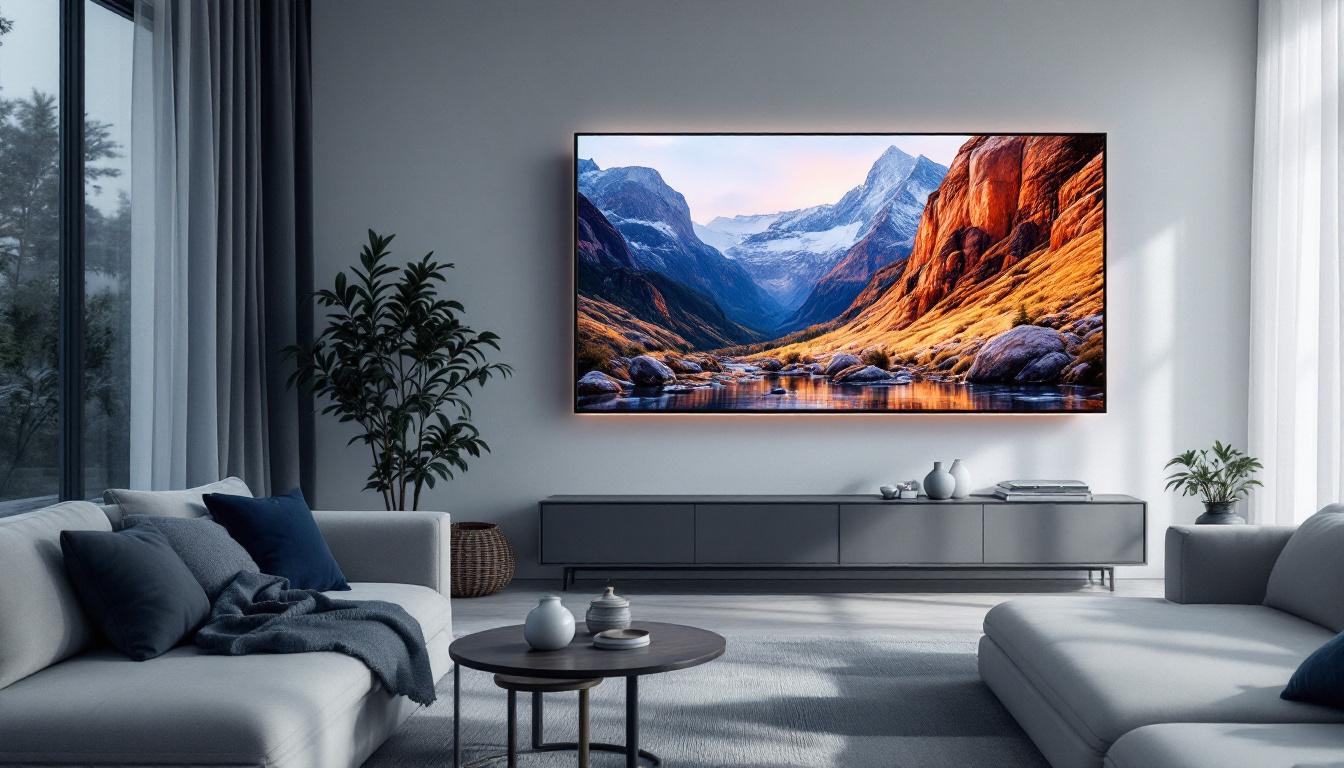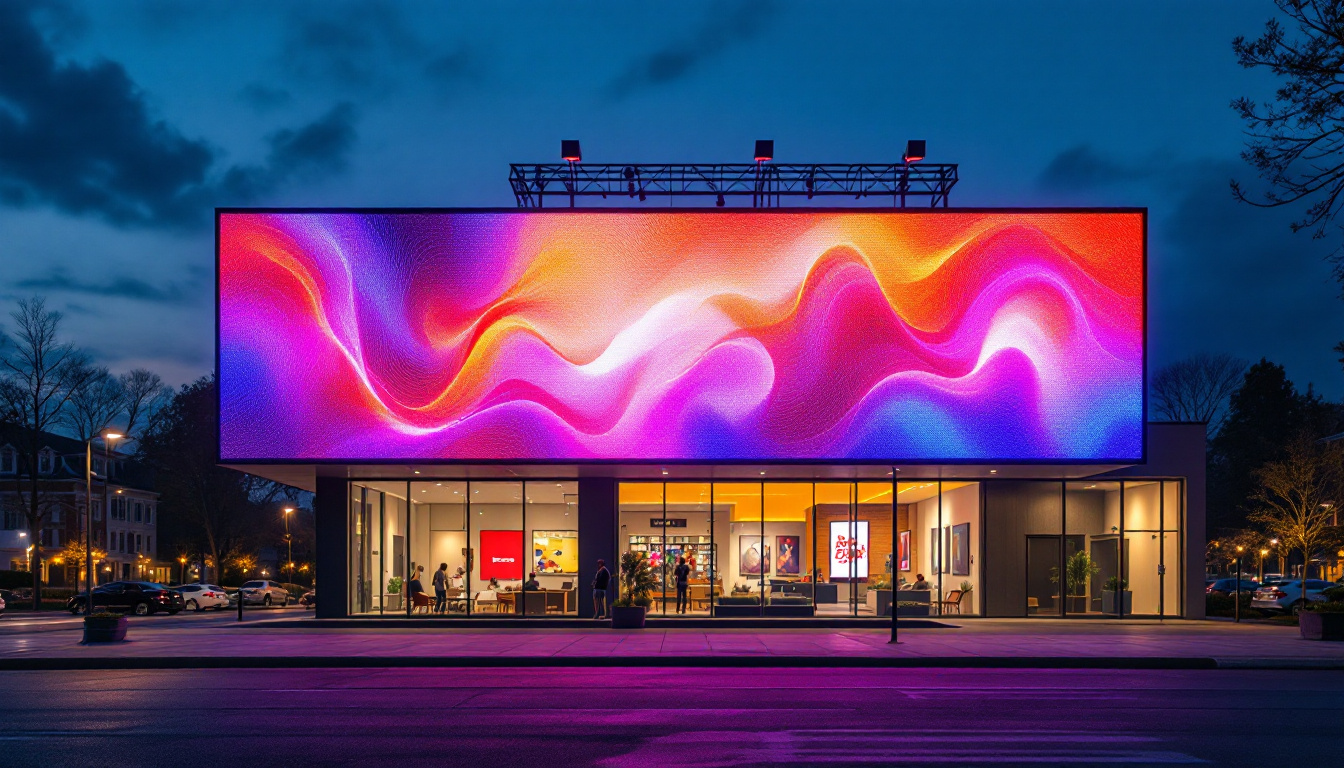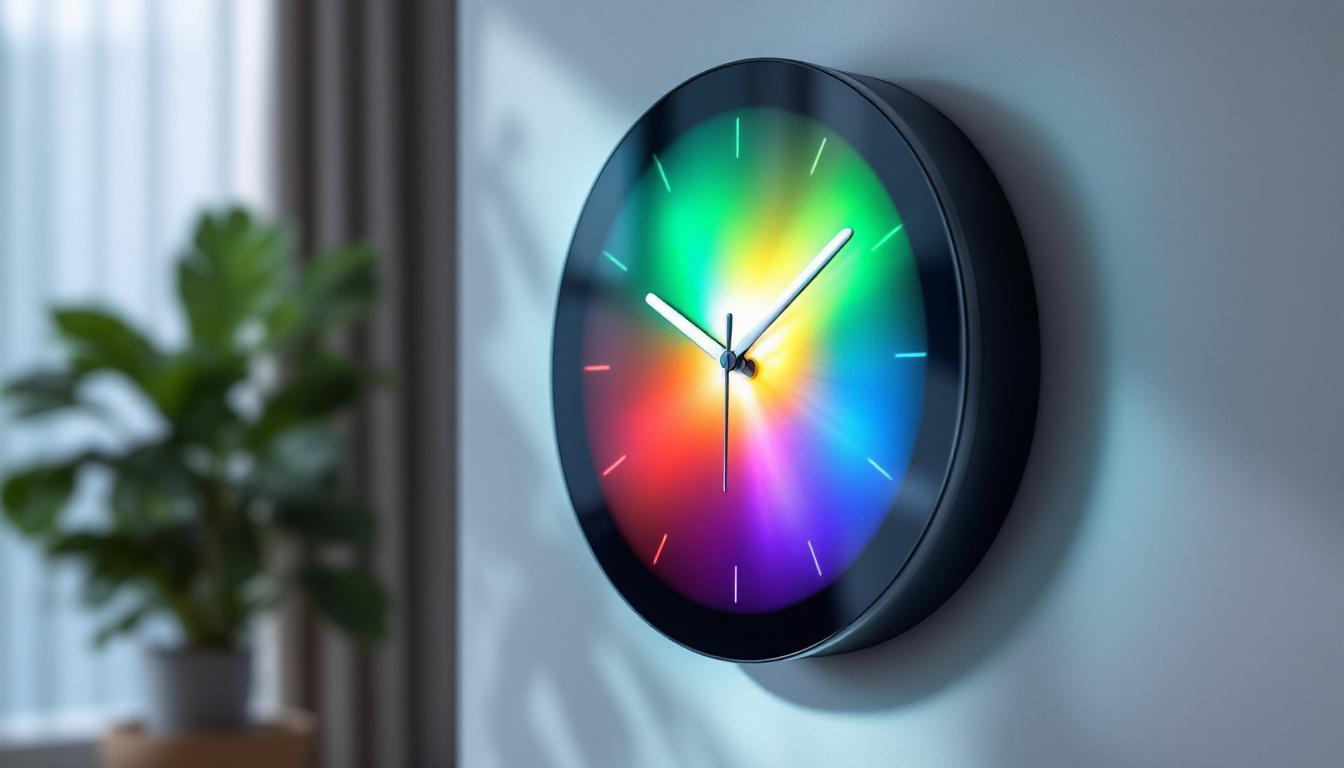
In today’s fast-paced world, timekeeping devices have evolved far beyond traditional clocks. Among the innovative designs gaining popularity is the wall clock projection with LED display technology. This fusion of projection and LED lighting not only enhances visibility but also adds a modern aesthetic to any space. This article delves into the technology behind wall clock projection LED displays, their benefits, applications, and what to consider when choosing one for your home or office.
Understanding Wall Clock Projection Technology
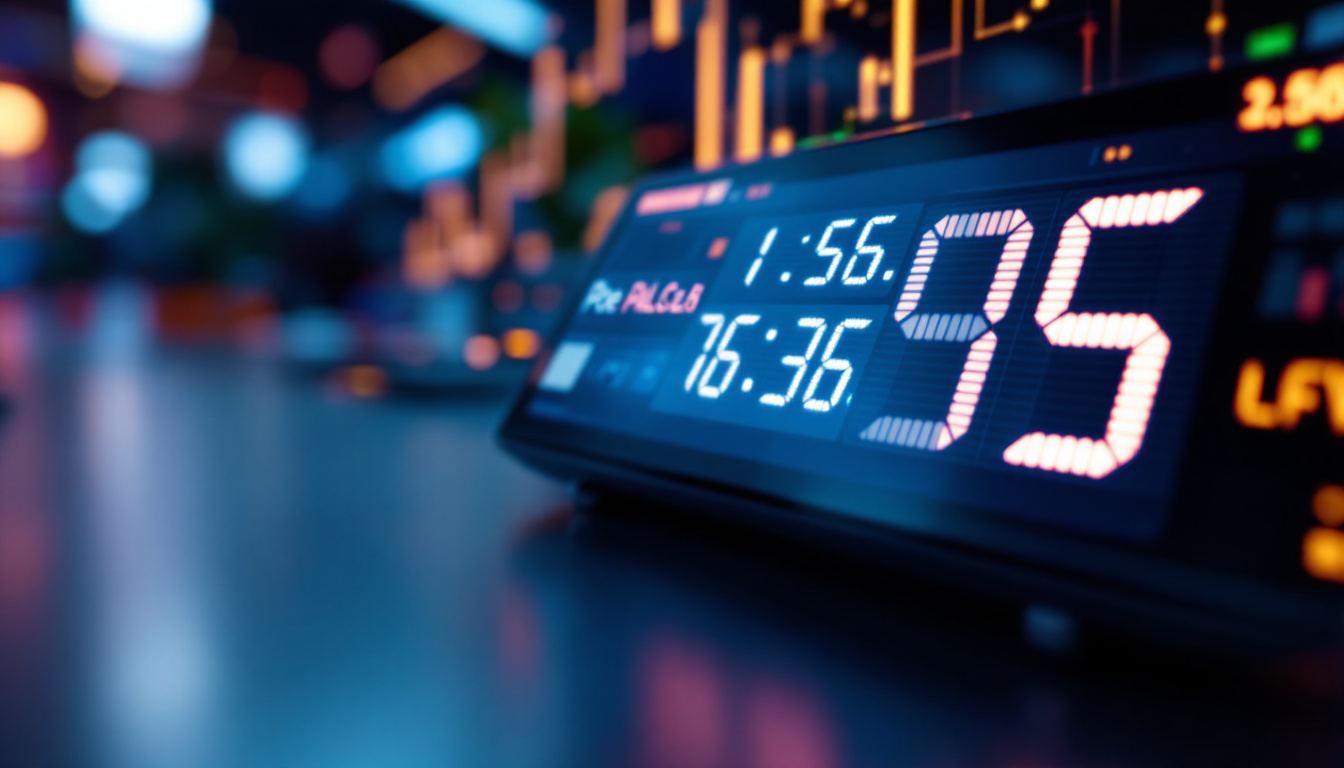
Wall clock projection technology combines the principles of light projection with digital time display to project the time onto a wall or ceiling. Unlike traditional clocks that rely on physical hands or static digital screens, projection clocks use a light source—often an LED—to cast the time onto a surface, creating a large, easily visible display.
The LED component is crucial because it provides a bright, energy-efficient light source that can be clearly seen even in dimly lit rooms. LEDs, or Light Emitting Diodes, are known for their longevity and low power consumption, making them ideal for continuous operation in clocks. Additionally, many modern projection clocks also incorporate features such as temperature displays, alarm functions, and even ambient light sensors that adjust the brightness of the projection based on the surrounding light conditions, enhancing usability and convenience.
How Does the Projection Work?
At the core of a wall clock projection system is a small projector module embedded within the clock. This module contains an LED light source and a lens system that focuses and enlarges the digital time display onto a chosen surface. The projected image is typically sharp and clear, with adjustable focus and brightness settings to suit different environments. The technology behind these projections often utilizes advanced optics to ensure that the image remains distortion-free, even when projected from various angles or distances.
Most projection clocks allow users to adjust the angle and distance of the projection, enabling the time to be displayed on walls, ceilings, or other flat surfaces. This flexibility makes it possible to view the time from various positions in a room without needing to look directly at the clock face. Some models even feature a rotating projection head, which can automatically adjust the display direction, ensuring that the time is always visible, whether you’re lying in bed or sitting at your desk. Furthermore, many projection clocks now come equipped with Bluetooth connectivity, allowing them to sync with smartphones or other devices to display notifications or reminders, thus merging traditional timekeeping with modern technology for a truly versatile experience.
The Role of LED Displays in Projection Clocks
LED displays are integral to the functionality and appeal of projection clocks. Unlike older incandescent bulbs or fluorescent lights, LEDs offer superior brightness, color accuracy, and energy efficiency. These characteristics significantly enhance the quality of the projected time display.
Brightness and Visibility
One of the main advantages of LED technology in projection clocks is the ability to produce bright, vivid images that remain visible even in well-lit rooms. LEDs can emit light at high intensities without generating excessive heat, which is crucial for maintaining the longevity of the clock’s internal components.
Additionally, LED brightness can often be adjusted automatically or manually, allowing users to customize the display according to ambient lighting conditions. For example, a dimmer projection might be preferred at night to avoid disturbing sleep, while a brighter display is useful during the day.
Energy Efficiency and Durability
LEDs are renowned for their low energy consumption compared to traditional lighting methods. This efficiency translates into longer battery life for portable projection clocks and reduced electricity costs for plug-in models. Moreover, LEDs have a lifespan that can exceed 50,000 hours, meaning the clock can operate reliably for many years without needing bulb replacements.
The durability of LEDs also means that projection clocks are less prone to damage from shocks or vibrations, making them suitable for various environments, including homes, offices, and even outdoor settings.
Benefits of Using Wall Clock Projection with LED Displays
Wall clock projection with LED displays offers several advantages over conventional clocks, making them an attractive choice for modern consumers.
Enhanced Readability and Accessibility
Projection clocks cast large, clear numbers onto surfaces, making it easier for people with visual impairments or those at a distance to read the time. This is particularly beneficial in large rooms, classrooms, or public spaces where a traditional clock face might be too small to see clearly.
The ability to project onto ceilings is also advantageous for individuals who want to check the time without turning their heads or sitting up in bed, improving comfort and convenience.
Modern Aesthetic and Space Saving
Projection clocks contribute to minimalist and futuristic interior designs by eliminating the need for bulky clock faces. Since the time is displayed on a wall or ceiling, the physical clock can be compact and unobtrusive.
This space-saving aspect is especially useful in small rooms or offices where wall space is limited. The sleek design of many projection clocks also complements contemporary décor, adding a tech-savvy touch to any environment.
Multi-Functionality
Many wall clock projection devices come with additional features such as alarms, temperature displays, date indicators, and even ambient light sensors. These multifunctional devices provide more value and convenience, consolidating several functions into one compact gadget.
Some advanced models also offer wireless connectivity, enabling synchronization with smartphones or internet time servers for accurate timekeeping and remote control.
Applications of Wall Clock Projection LED Displays
The versatility of wall clock projection LED displays makes them suitable for a wide range of applications across different settings.
Home Use
In residential settings, projection clocks are popular in bedrooms and living rooms. The ability to project the time onto the ceiling is particularly useful for checking the time during the night without disturbing others or needing to reach for a phone.
Families with elderly members or individuals with impaired vision benefit from the large, clear projections that are easier to read than traditional clocks.
Office and Commercial Spaces
In offices, projection clocks help improve time awareness without cluttering desks or walls. Large projected displays can be seen from across meeting rooms or open-plan offices, facilitating punctuality and time management.
Retail stores, restaurants, and waiting areas also use projection clocks to provide customers with visible time information while maintaining a modern and clean aesthetic.
Educational and Public Institutions
Schools and universities use projection clocks in classrooms and lecture halls to ensure students and instructors can easily track time during lessons and exams. The large, visible display minimizes distractions and helps maintain schedules.
Public spaces such as airports, train stations, and hospitals benefit from projection clocks by offering clear time displays that are visible from various angles and distances, improving overall efficiency and user experience.
Choosing the Right Wall Clock Projection LED Display
Selecting a projection clock that meets specific needs requires consideration of several factors to ensure optimal performance and satisfaction.
Projection Quality and Adjustability
Look for clocks with high-resolution LED displays and adjustable focus to ensure the projected time is sharp and easy to read. Adjustable projection angles and brightness controls are also important for customizing the display to different environments and preferences.
Size and Design
Consider the size of the projection relative to the room size. Larger rooms may require clocks capable of projecting bigger images. The physical design should also complement the intended space, whether it’s sleek and modern or more traditional.
Power Source and Battery Life
Decide between battery-operated or plug-in models based on where the clock will be placed. Battery-powered clocks offer portability but require periodic replacements or recharging, while plug-in models provide continuous operation but need proximity to an outlet.
Additional Features
Evaluate extra functionalities such as alarms, temperature sensors, date displays, and wireless connectivity. These features can enhance usability and convenience but may also increase the cost.
Price and Brand Reliability
While budget is always a consideration, investing in a reputable brand with positive reviews ensures quality and durability. Cheaper models may lack essential features or have shorter lifespans, leading to higher long-term costs.
Future Trends in Wall Clock Projection and LED Technology
As LED and projection technologies continue to advance, future wall clock projection displays are expected to become even more sophisticated and versatile.
Integration with Smart Home Systems
Upcoming models are likely to integrate seamlessly with smart home ecosystems, allowing users to control time displays via voice commands or smartphone apps. This integration will enable features like automatic brightness adjustment based on ambient light and synchronization with other devices.
Enhanced Display Capabilities
Advancements in LED technology, such as micro-LEDs and OLEDs, may offer higher resolution, richer colors, and more energy-efficient projections. This could allow projection clocks to display not only time but also notifications, weather updates, and other dynamic content.
Eco-Friendly Innovations
With growing emphasis on sustainability, manufacturers are developing projection clocks with recyclable materials and ultra-low power consumption. Solar-powered projection clocks could become more common, reducing reliance on batteries and electricity.
Conclusion
Wall clock projection with LED display technology represents a significant step forward in timekeeping innovation. By combining bright, energy-efficient LED lighting with versatile projection capabilities, these clocks offer enhanced readability, modern aesthetics, and multifunctionality. Whether for home, office, or public spaces, projection clocks provide a practical and stylish way to keep track of time.
When selecting a projection clock, it is important to consider factors such as projection quality, power source, additional features, and brand reliability to ensure the device meets your specific needs. As technology continues to evolve, the future promises even more exciting developments in this space, making wall clock projection LED displays a smart and forward-thinking choice for timekeeping.
Discover the Future of Timekeeping with LumenMatrix
As you embrace the innovation of wall clock projection LED displays, take the next step with LumenMatrix. Our commitment to pioneering LED display technology ensures that you experience the ultimate in brand visibility and captivating visual experiences. From indoor and outdoor wall displays to custom and transparent LED solutions, LumenMatrix is at the forefront of revolutionizing visual communication. Enhance your space and engage your audience with our cutting-edge LED display modules. Check out LumenMatrix LED Display Solutions today and transform the way you share your message with the world.