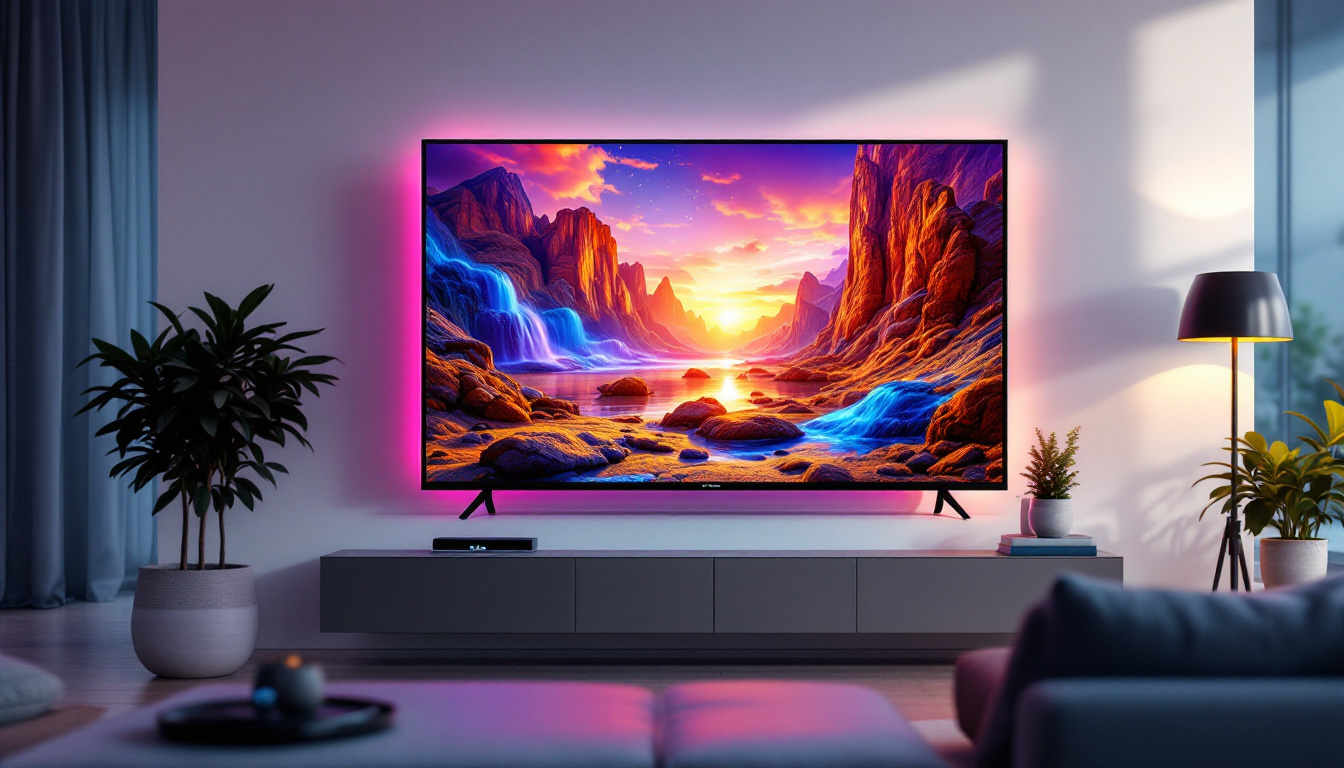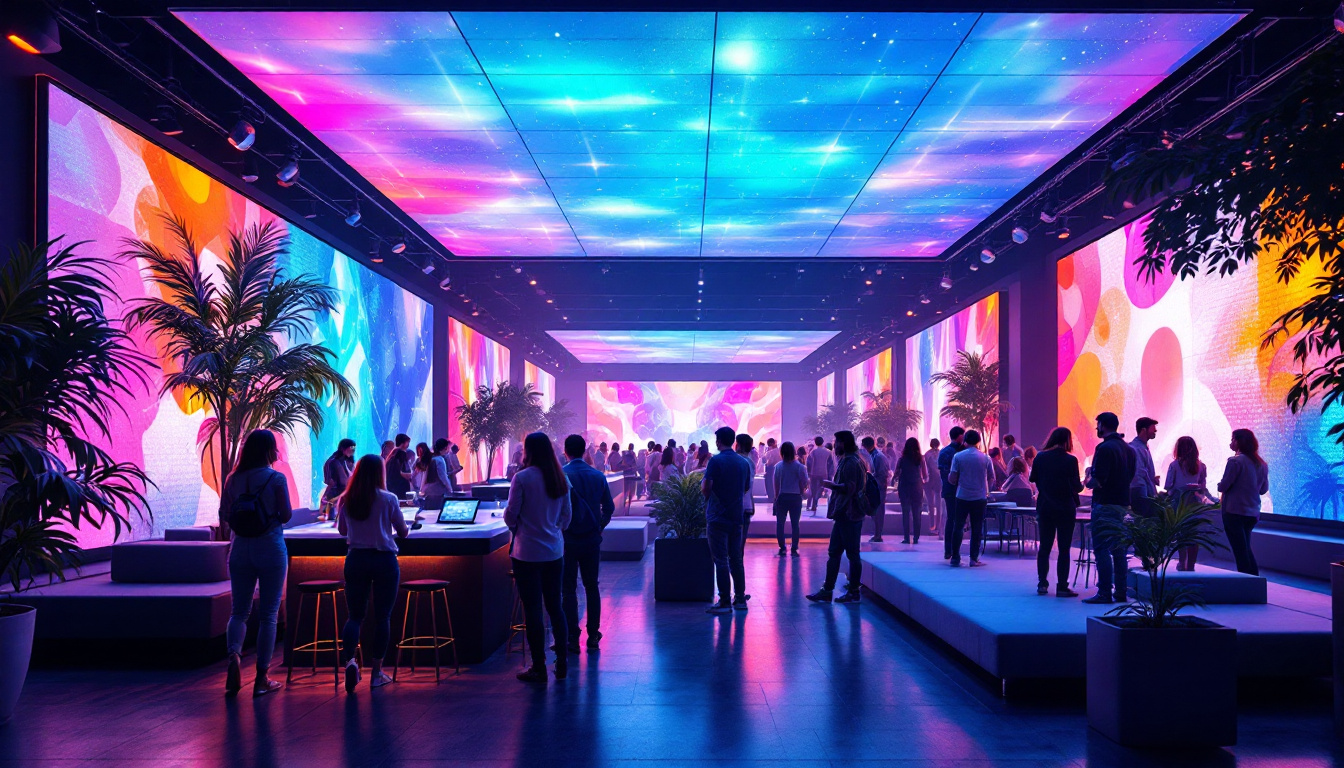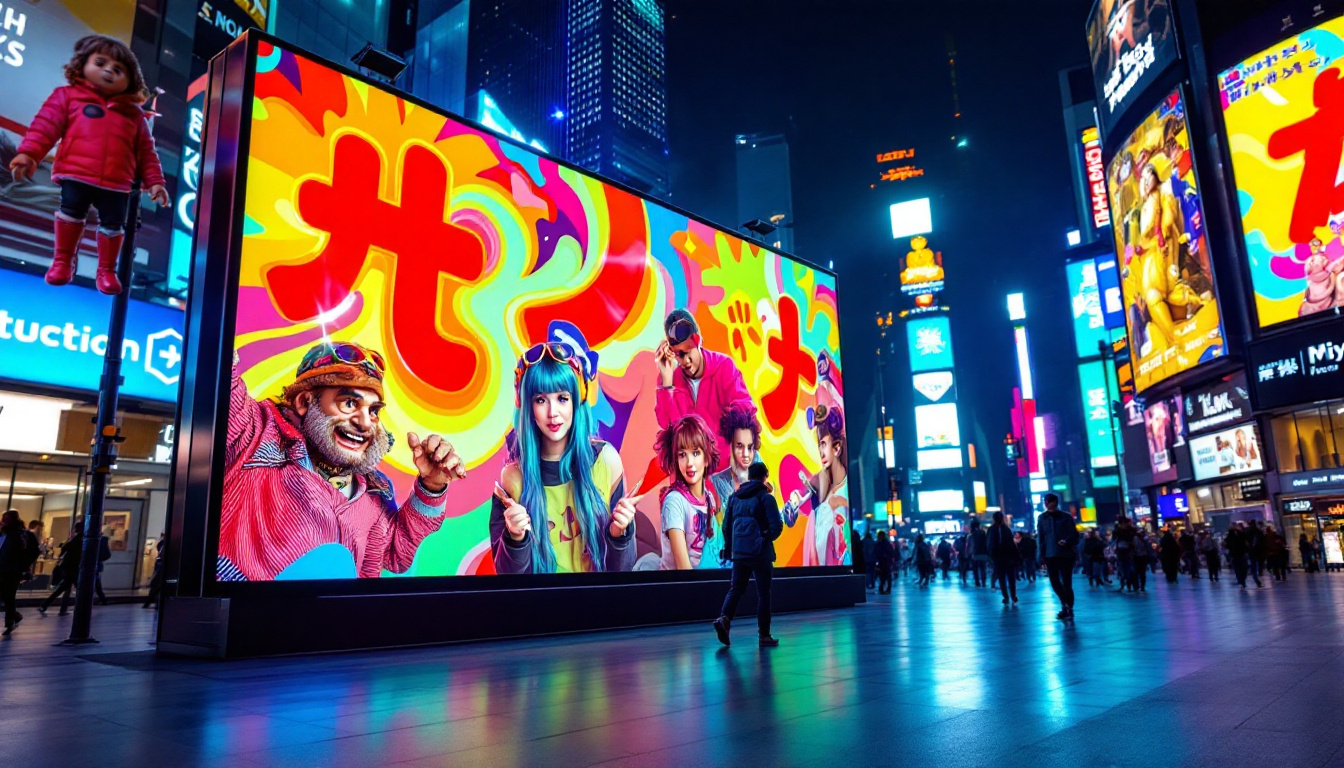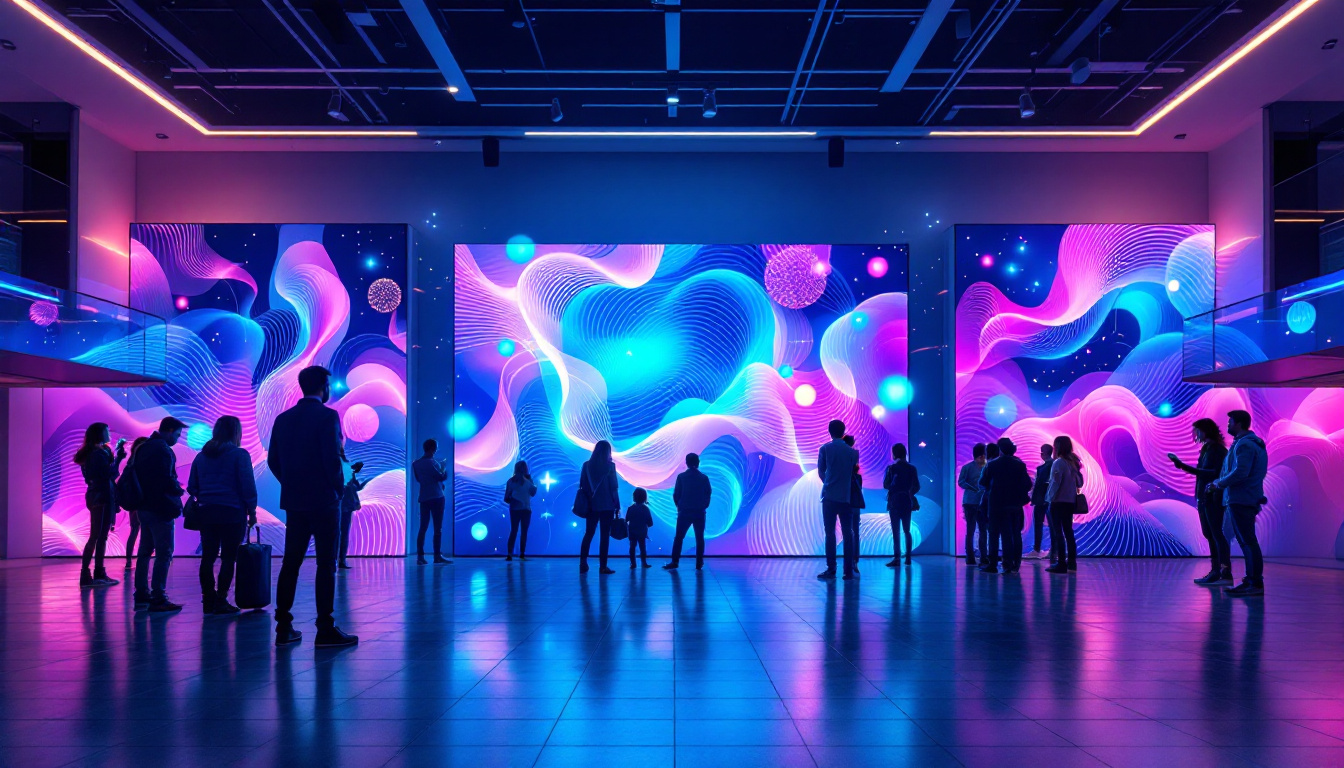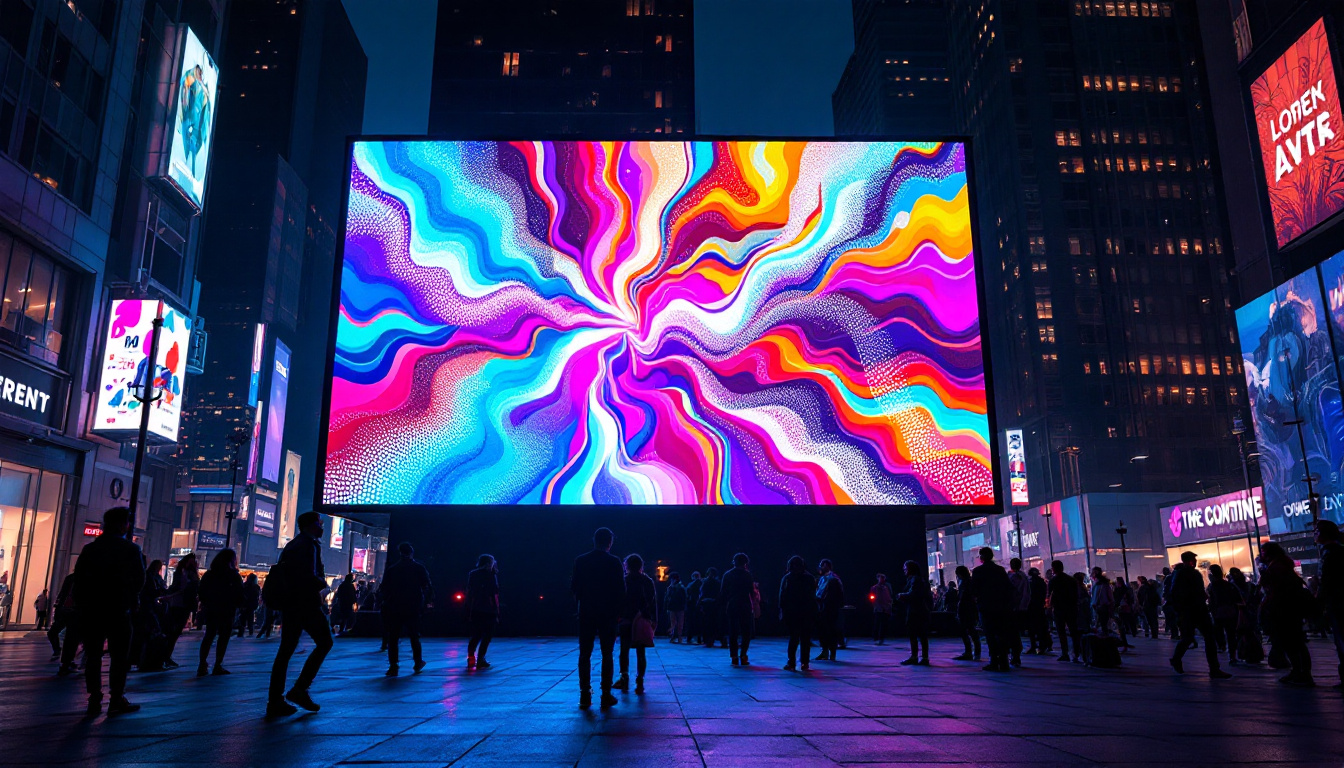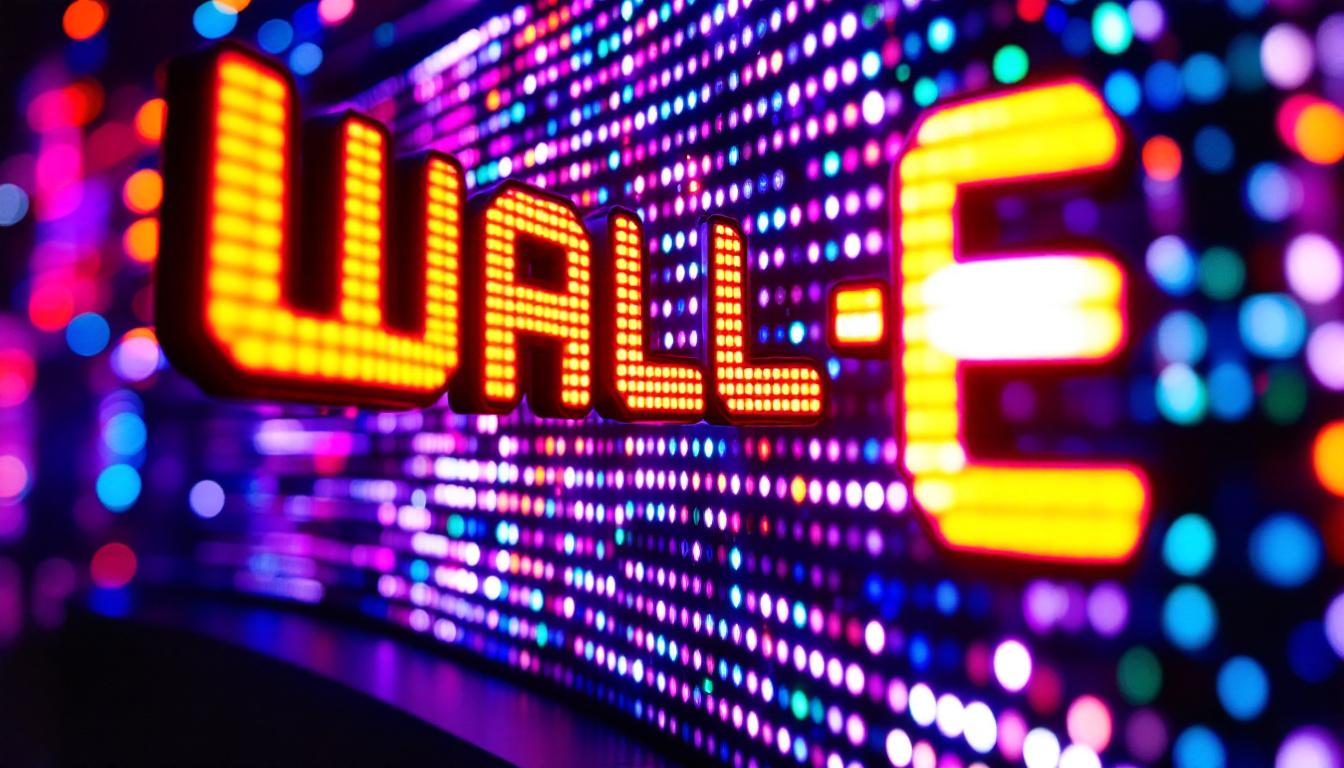
In the world of digital signage and branding, LED displays have become a cornerstone technology, offering vibrant visuals and dynamic content capabilities. Among the many creative applications of LED technology is the Wall-E logo display, a fascinating example of how LEDs can be used to create intricate, eye-catching logos that captivate audiences. This article delves into the technology behind the Wall-E logo LED display, exploring its design, functionality, and the broader implications for branding and advertising.
Understanding LED Display Technology
LED, or Light Emitting Diode, technology has revolutionized the way visual content is presented in public spaces. Unlike traditional lighting or display methods, LEDs offer superior brightness, energy efficiency, and longevity. The Wall-E logo utilizes these advantages to create a display that is not only visually striking but also durable and versatile. The energy efficiency of LEDs translates into lower operational costs, making them an attractive option for businesses looking to enhance their visibility while being mindful of their environmental footprint.
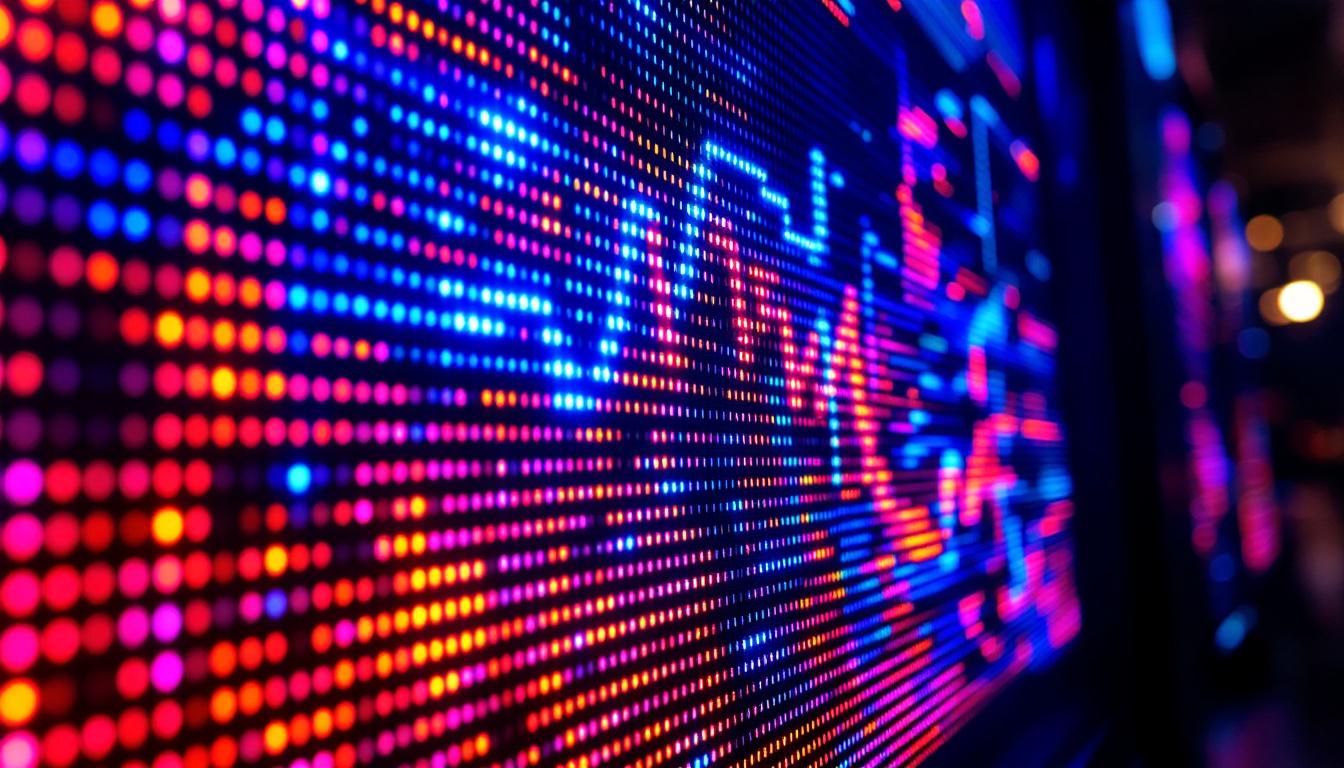
At its core, an LED display consists of an array of tiny light-emitting diodes arranged in a grid. Each diode can be individually controlled to emit light at varying intensities and colors. This granular control allows for the creation of detailed images, animations, and text, making LEDs ideal for dynamic logos like Wall-E’s. Furthermore, the rapid response time of LEDs means that animations can be displayed smoothly, capturing the attention of passersby and creating an engaging visual experience. This capability is particularly beneficial in high-traffic areas where quick visual communication is essential.
Types of LED Displays Used in Logo Design
There are several types of LED displays commonly used in logo design, including:
- Surface-Mounted Device (SMD) LEDs: These are compact and capable of producing high-resolution images, making them suitable for detailed logos.
- Through-Hole LEDs: Larger and more robust, these LEDs are often used in outdoor displays where visibility from a distance is critical.
- Flexible LED Panels: These panels can bend and curve, allowing for creative logo shapes and installations.
The Wall-E logo display typically employs SMD LED technology due to its ability to render fine details and vibrant colors, essential for brand recognition. Additionally, the choice of LED technology can significantly impact the overall aesthetic and functionality of the logo. For instance, flexible LED panels not only allow for innovative designs but also enable installations in unconventional spaces, such as curved walls or unique architectural features, further enhancing brand visibility. As technology continues to evolve, the integration of smart features, such as sensors and interactivity, is becoming more common, allowing brands to create immersive experiences that resonate with their audience.
Designing the Wall-E Logo for LED Display
Creating a logo for an LED display is a complex process that involves both artistic vision and technical expertise. The Wall-E logo, inspired by the beloved animated character, requires careful attention to color accuracy, shape definition, and motion effects to truly bring it to life on an LED screen.
Color Calibration and Brightness Control
One of the key challenges in LED logo design is ensuring that colors appear consistent across different lighting conditions. The Wall-E logo uses a palette of warm yellows, grays, and blacks, which must be accurately reproduced to maintain brand integrity.
Advanced color calibration techniques are employed to adjust the intensity of each LED, balancing brightness and color saturation. This process often involves software tools that simulate how the logo will appear in various environments, from bright daylight to dim indoor settings. Additionally, the choice of LED technology—whether it’s RGB or monochrome—can significantly influence the vibrancy of the colors displayed. By selecting the right type of LEDs, designers can ensure that the Wall-E logo not only stands out but also resonates emotionally with viewers, evoking nostalgia for the character’s charm and personality.
Pixel Mapping and Resolution
Pixel mapping is the process of assigning each LED to a specific part of the logo design. For the Wall-E logo, this means translating the character’s distinct features—such as his expressive eyes and compact body—into a grid of illuminated pixels.
Higher resolution LED panels allow for more detailed and smoother images. The Wall-E logo display typically uses a pixel pitch (the distance between LED centers) of 2.5mm to 4mm, striking a balance between clarity and cost-effectiveness. Furthermore, the arrangement of pixels plays a crucial role in how well the logo can be viewed from different angles. A well-designed pixel layout ensures that the logo maintains its integrity and visual appeal, regardless of the viewer’s position, making it a versatile choice for various display settings, from storefronts to event stages.
Incorporating Animation and Motion
To enhance engagement, the Wall-E logo often features subtle animations, such as blinking eyes or slight head movements. These effects are programmed using LED control software that sequences the LEDs’ on/off states over time.
Animation adds a dynamic element to the logo, making it more memorable and visually appealing. It also demonstrates the flexibility of LED displays in branding applications, where static images can be transformed into lively digital experiences. The integration of sound effects or synchronized music can further elevate the impact of the animated logo, creating an immersive experience that captivates audiences. This multi-sensory approach not only reinforces brand recognition but also invites viewers to interact with the display, fostering a deeper connection with the Wall-E character and the values it represents, such as environmental awareness and innovation.
Technical Components Behind the Wall-E LED Display
The successful implementation of the Wall-E logo on an LED display relies on several technical components working in harmony. Understanding these elements provides insight into the complexity and innovation involved.
LED Modules and Panels
The fundamental building blocks of the display are LED modules, which are assembled into larger panels. Each module contains numerous LEDs arranged in a matrix, controlled by integrated circuits that manage color and brightness.
For the Wall-E logo, high-quality modules with consistent color output and minimal heat generation are selected to ensure longevity and performance.
Control Systems and Software
LED control systems are responsible for processing the digital logo design and translating it into signals that drive the LED modules. These systems include:
- Media Servers: Store and manage the logo’s visual content, including animations and color profiles.
- LED Controllers: Convert media server outputs into electrical signals for the LEDs.
- Calibration Tools: Adjust color and brightness settings to maintain visual consistency.
Software platforms such as LED Studio or NovaStar are commonly used to program and synchronize the Wall-E logo display, allowing for real-time updates and remote management.
Power Supply and Cooling
LED displays require stable power supplies to maintain consistent brightness and prevent flickering. The Wall-E logo display incorporates power management units designed to handle peak loads and protect against voltage fluctuations.
Additionally, LEDs generate heat during operation, which can affect performance and lifespan. Effective cooling solutions, such as heat sinks and ventilation systems, are integrated into the display structure to dissipate heat efficiently.
Applications and Impact of the Wall-E LED Logo
The Wall-E LED logo is more than just a technological marvel; it serves as a powerful tool for brand communication and audience engagement. Its applications span various industries and settings.
Retail and Commercial Spaces
In retail environments, the Wall-E logo LED display attracts customers by creating a visually stimulating atmosphere. Its bright colors and animations can highlight promotions, reinforce brand identity, and enhance the overall shopping experience.
Stores and malls use such displays to differentiate themselves in competitive markets, leveraging the emotional connection consumers have with the Wall-E character to foster brand loyalty.
Events and Exhibitions
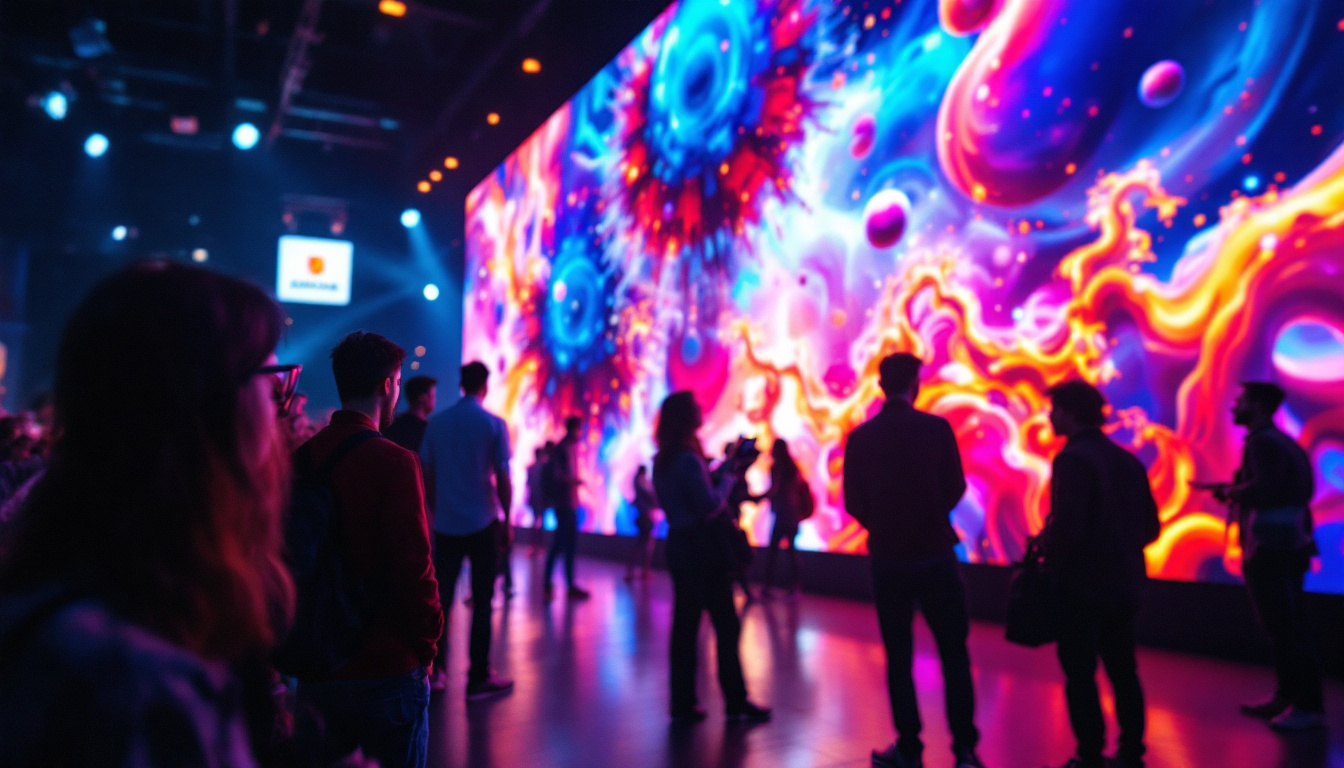
At trade shows and exhibitions, the Wall-E LED logo serves as a focal point, drawing attention to booths and presentations. Its dynamic nature allows for customization to fit specific event themes or campaigns.
Interactive features, such as motion-triggered animations, can further engage attendees, creating memorable brand interactions that extend beyond the event itself.
Outdoor Advertising and Public Installations
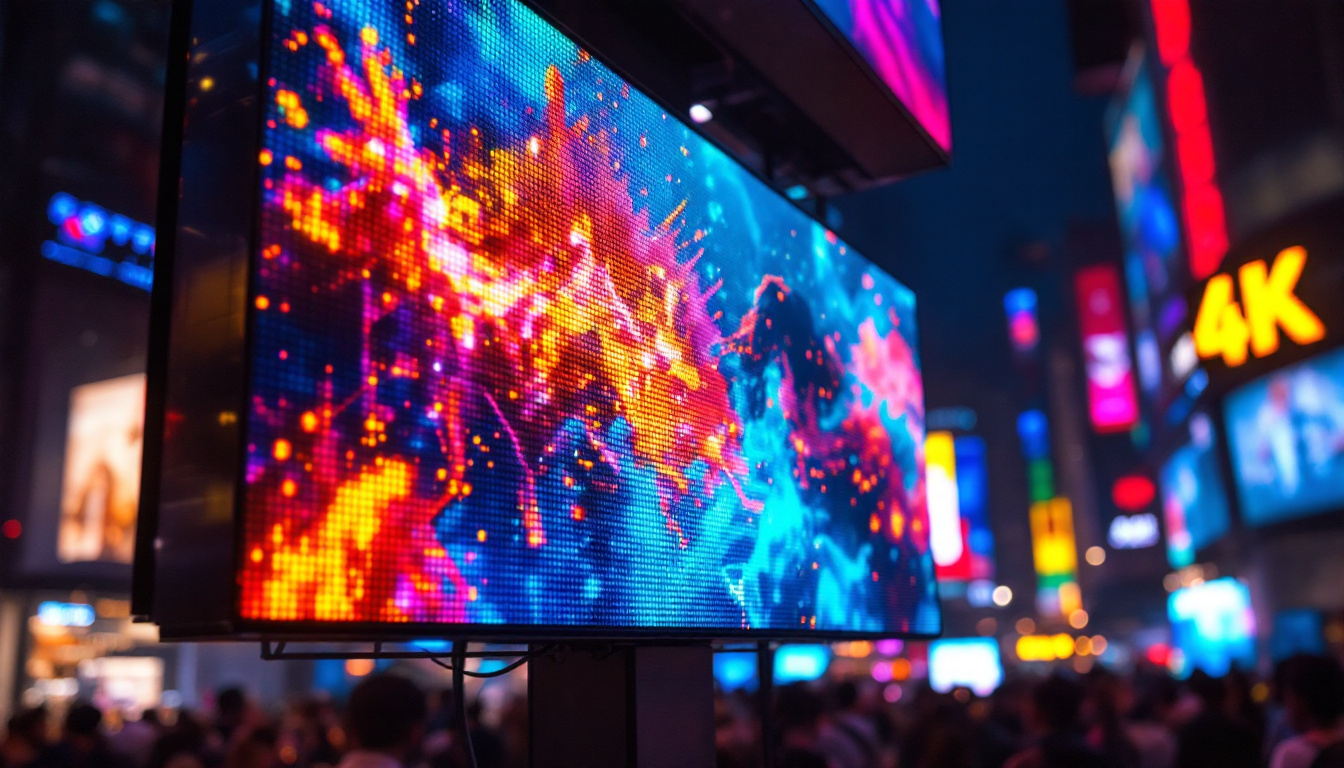
Outdoor LED displays featuring the Wall-E logo capitalize on high visibility and durability. These installations can withstand various weather conditions while maintaining vibrant image quality.
City centers, amusement parks, and public spaces utilize such displays to create iconic landmarks that resonate with diverse audiences, blending technology with cultural storytelling.
Future Trends in LED Logo Displays
The evolution of LED technology continues to open new possibilities for logo displays like Wall-E’s. Emerging trends promise even greater impact and versatility.
Micro-LED and Mini-LED Innovations
Micro-LED and mini-LED technologies offer higher pixel densities and improved energy efficiency, enabling ultra-high-resolution logos with richer colors and deeper contrasts. These advancements will allow the Wall-E logo to appear even more lifelike and immersive.
Integration with Augmented Reality (AR)
Combining LED displays with AR can create interactive experiences where viewers engage with the Wall-E logo through their smartphones or AR glasses. This fusion of physical and digital realms enhances storytelling and brand interaction.
AI-Driven Content Personalization
Artificial intelligence can tailor logo animations and content in real-time based on audience demographics, weather conditions, or time of day. For the Wall-E logo, this means delivering personalized experiences that resonate more deeply with viewers.
Conclusion
The Wall-E logo LED display exemplifies the powerful intersection of technology, design, and branding. By harnessing advanced LED technology, precise color calibration, and dynamic animation, it creates a captivating visual identity that resonates across multiple platforms and environments.
As LED technology continues to advance, the potential for even more engaging and personalized logo displays grows, offering brands innovative ways to connect with their audiences. The Wall-E LED logo stands as a shining example of how digital displays can transform traditional branding into vibrant, interactive experiences.
Illuminate Your Brand with LumenMatrix
Ready to elevate your brand’s presence and captivate your audience with the same dynamic and immersive visual experiences discussed in the Wall-E LED display? LumenMatrix is at the forefront of LED display innovation, offering a wide range of solutions tailored to your unique branding needs. From Indoor and Outdoor LED Wall Displays to specialized options like Vehicle, Sports, and Floor LED Displays, our mission is to transform your visual communication with clarity and impact. Check out LumenMatrix LED Display Solutions today and see how we can illuminate your brand’s future.