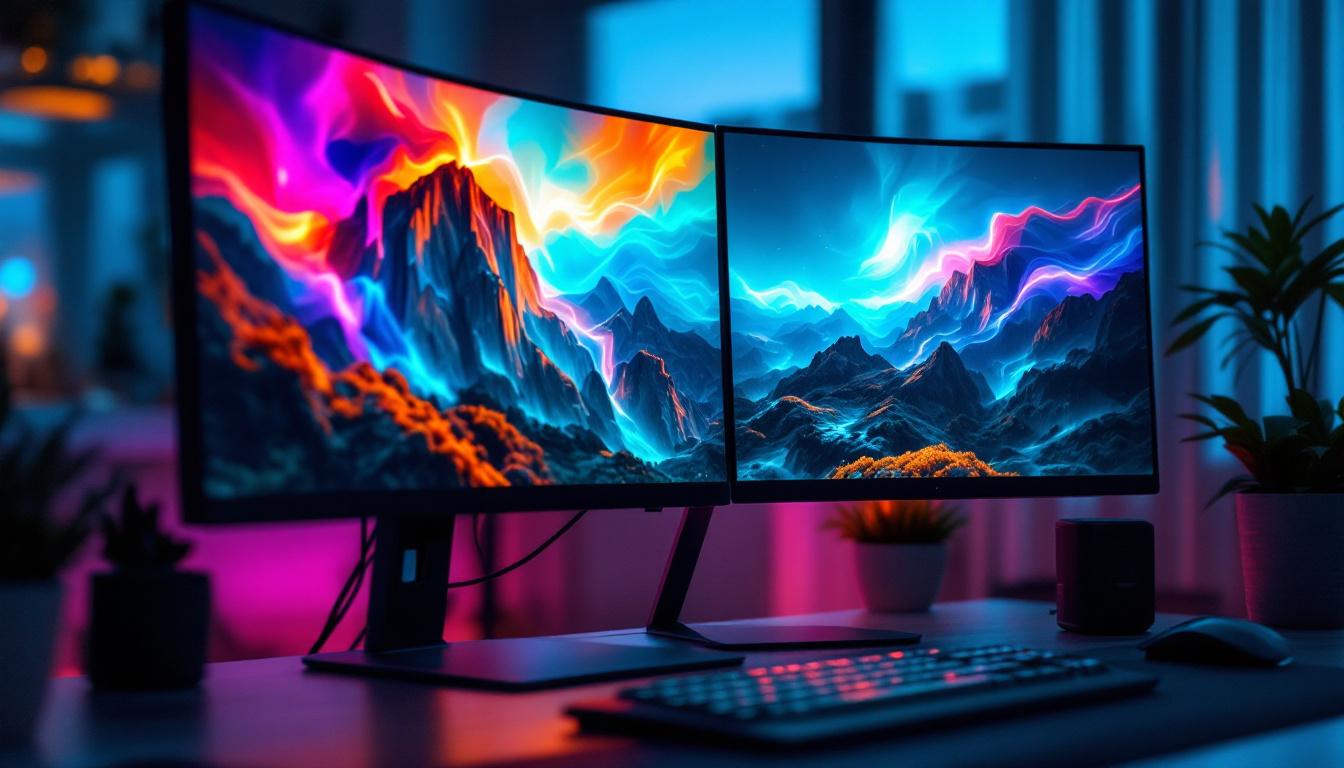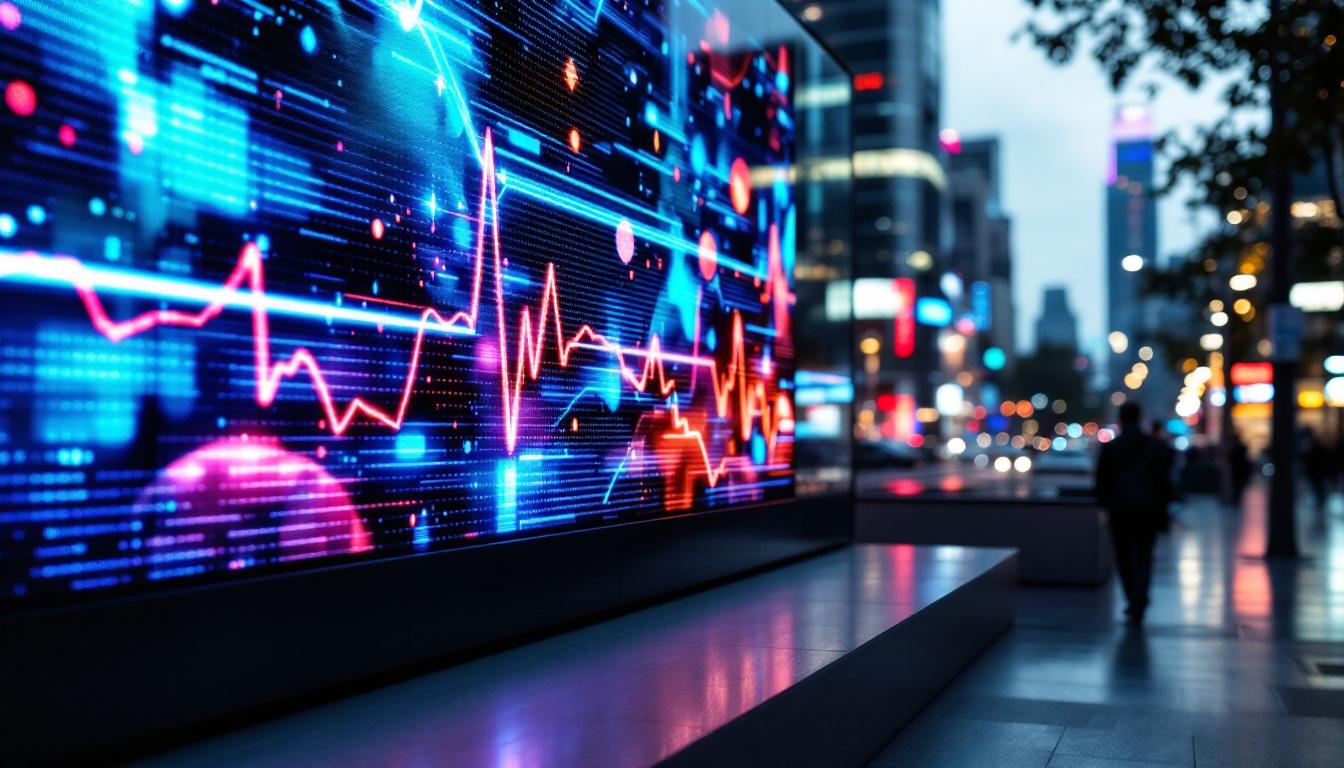
In today’s digital age, the way we present visual content has evolved dramatically. From advertising billboards to immersive event backdrops, LED displays have become a cornerstone of modern visual communication. But what exactly makes LED displays so effective, and how do they work? This article delves into the world of wall imagery through LED technology, explaining its components, applications, and the reasons behind its growing popularity.
Understanding LED Display Technology
What is an LED Display?
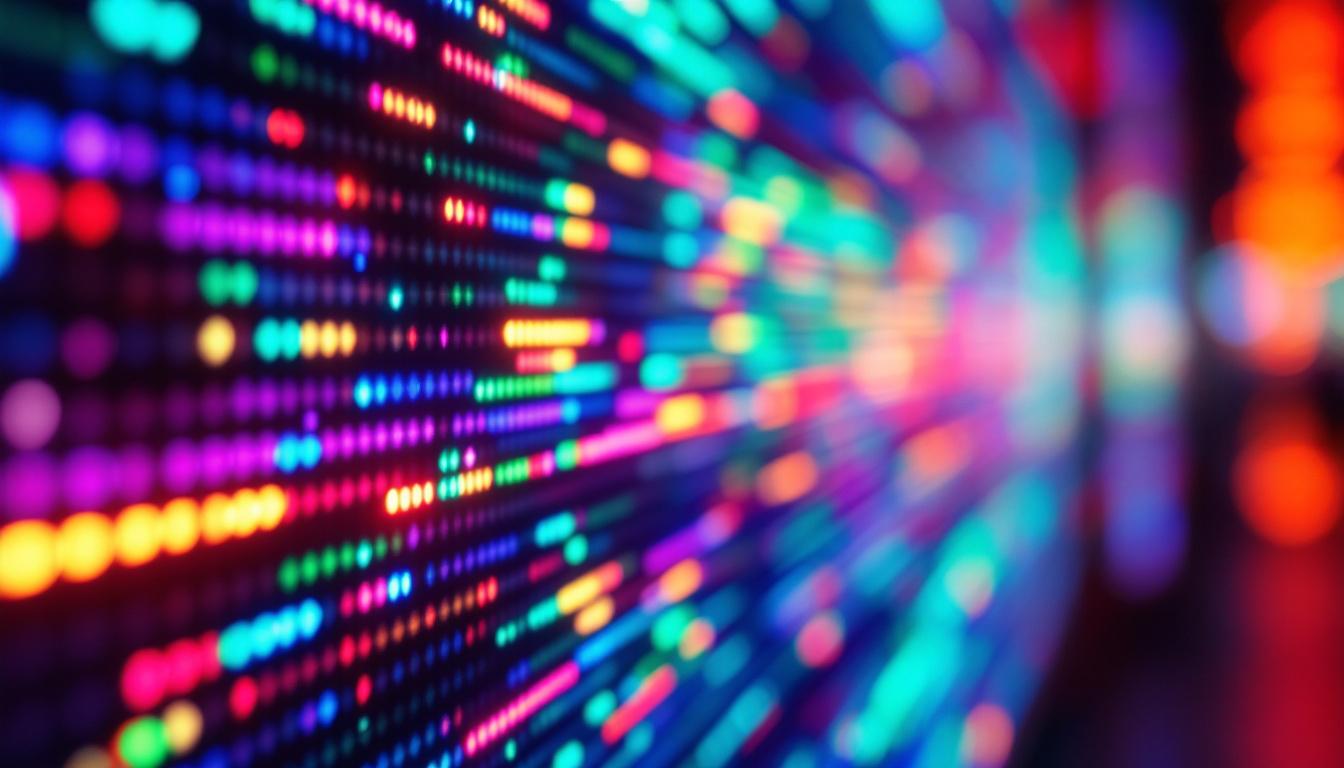
LED stands for Light Emitting Diode, a semiconductor device that emits light when an electric current passes through it. An LED display is a flat panel that uses an array of these tiny LEDs as pixels to create images, videos, or text. These displays are composed of thousands, sometimes millions, of these individual diodes arranged in a grid pattern.
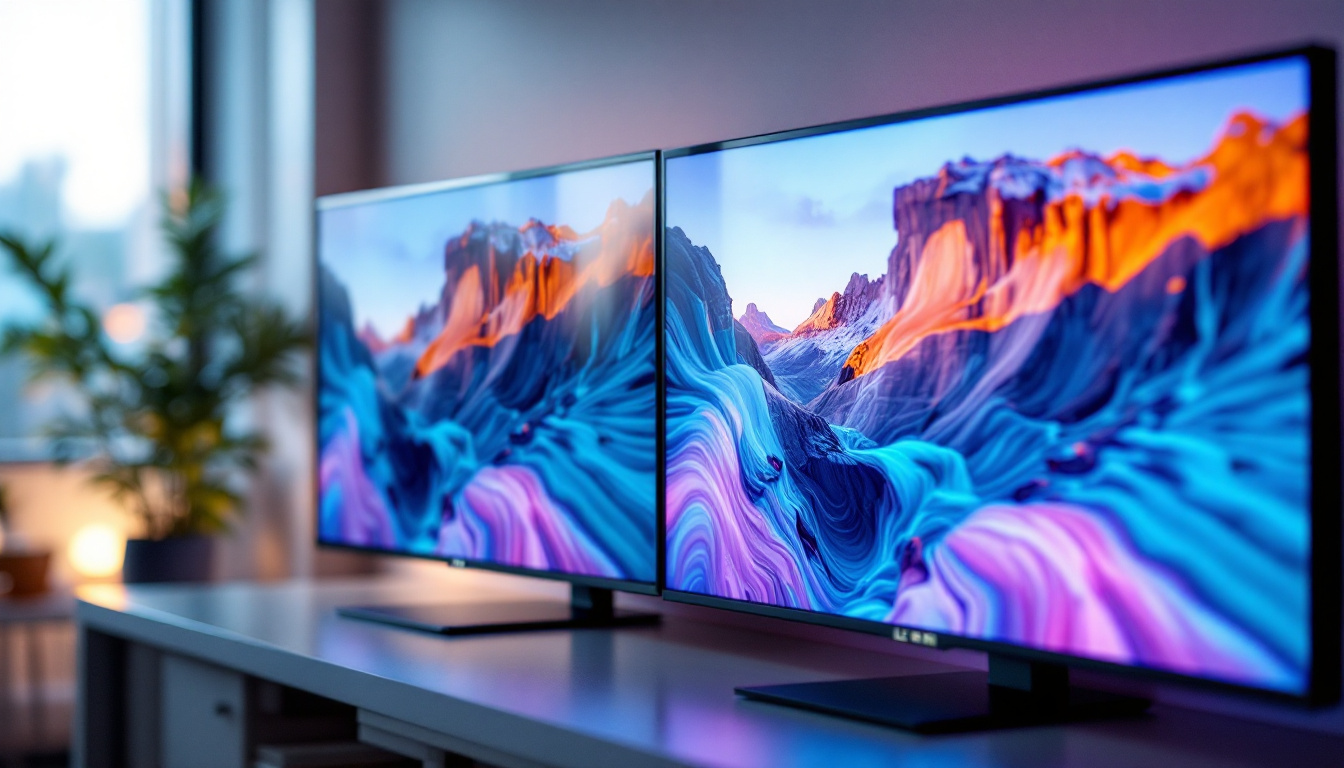
Unlike traditional LCD or plasma screens, LED displays generate their own light, which means they do not require a backlight. This fundamental difference allows for higher brightness levels, better contrast ratios, and more vibrant colors, making LED displays ideal for both indoor and outdoor environments. The ability to produce bright and vivid images makes LED displays particularly popular in advertising, entertainment, and public information systems, where visibility is crucial. Additionally, their energy efficiency contributes to lower operational costs, which is a significant advantage for businesses looking to minimize expenses.
Types of LED Displays
LED displays come in various forms, primarily categorized into two types: direct view LED and LED-backlit LCD. Direct view LED displays use LEDs as the actual pixels that form the image, while LED-backlit LCDs use LEDs only as a backlight source behind an LCD panel.
For wall imagery, direct view LED displays are the most relevant. These can be further divided based on pixel pitch—the distance between the centers of two adjacent LEDs. Smaller pixel pitches (e.g., 1.2mm to 2.5mm) provide higher resolution and are suited for close viewing distances, such as indoor video walls. Larger pixel pitches (e.g., 4mm to 10mm or more) are typically used for outdoor signage where viewers are farther away. The versatility in pixel pitch allows designers to tailor the display to specific environments, ensuring optimal viewing experiences whether in a concert hall, stadium, or busy city street.
How LED Displays Work
Each LED in the display emits red, green, or blue light. By varying the intensity of these three colors, the display can produce a full spectrum of colors. The LEDs are controlled by a driver circuit that receives input from a video processor, which processes the source content and translates it into signals that control the LEDs’ brightness and color.
Modern LED displays often use surface-mount device (SMD) technology, where red, green, and blue LEDs are packaged together in a single pixel module. This design enhances color uniformity and viewing angles, resulting in a more seamless and immersive image. Furthermore, advancements in LED technology have led to the development of features such as HDR (High Dynamic Range), which allows for a greater range of brightness and color depth, making images appear more lifelike. As a result, LED displays are increasingly being integrated into various applications, from high-end televisions and gaming monitors to large-scale video walls in corporate environments and public spaces, showcasing their versatility and adaptability in meeting diverse visual communication needs.
Applications of LED Wall Imagery
Advertising and Digital Signage
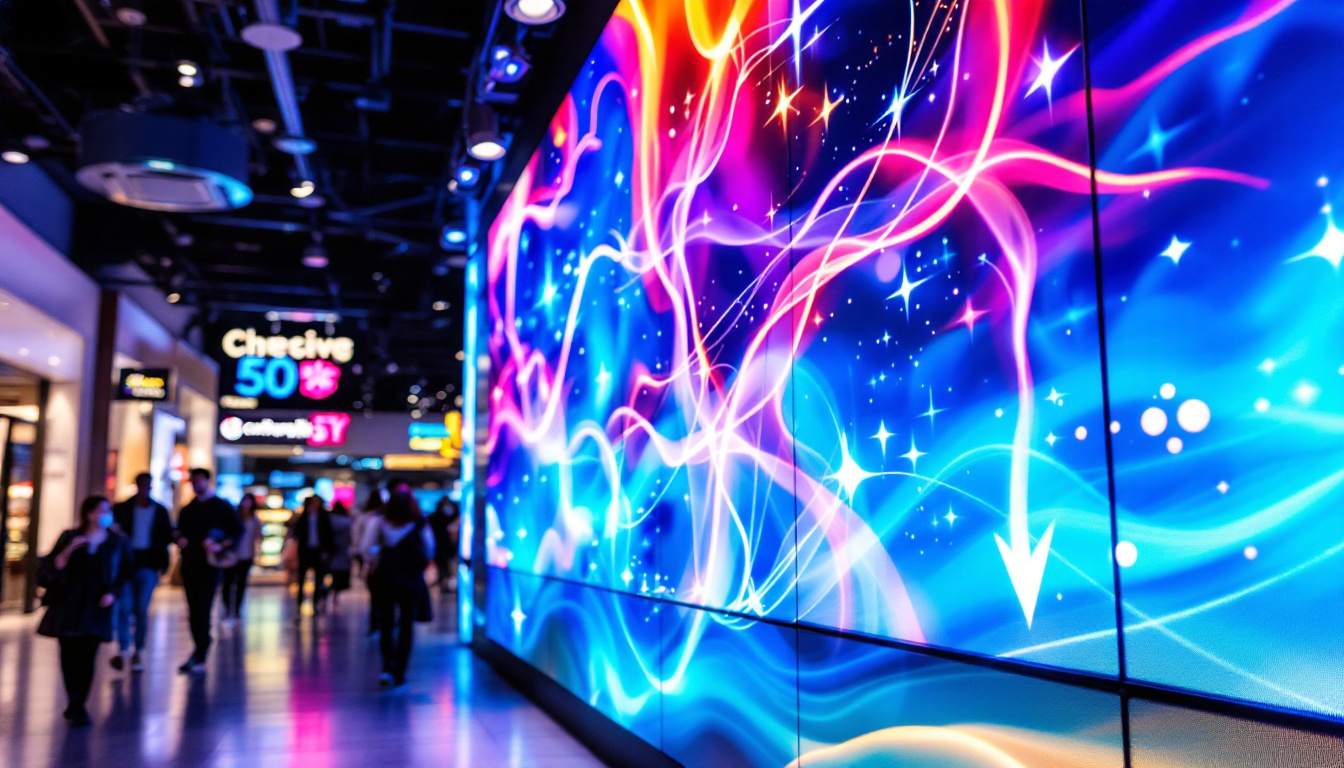
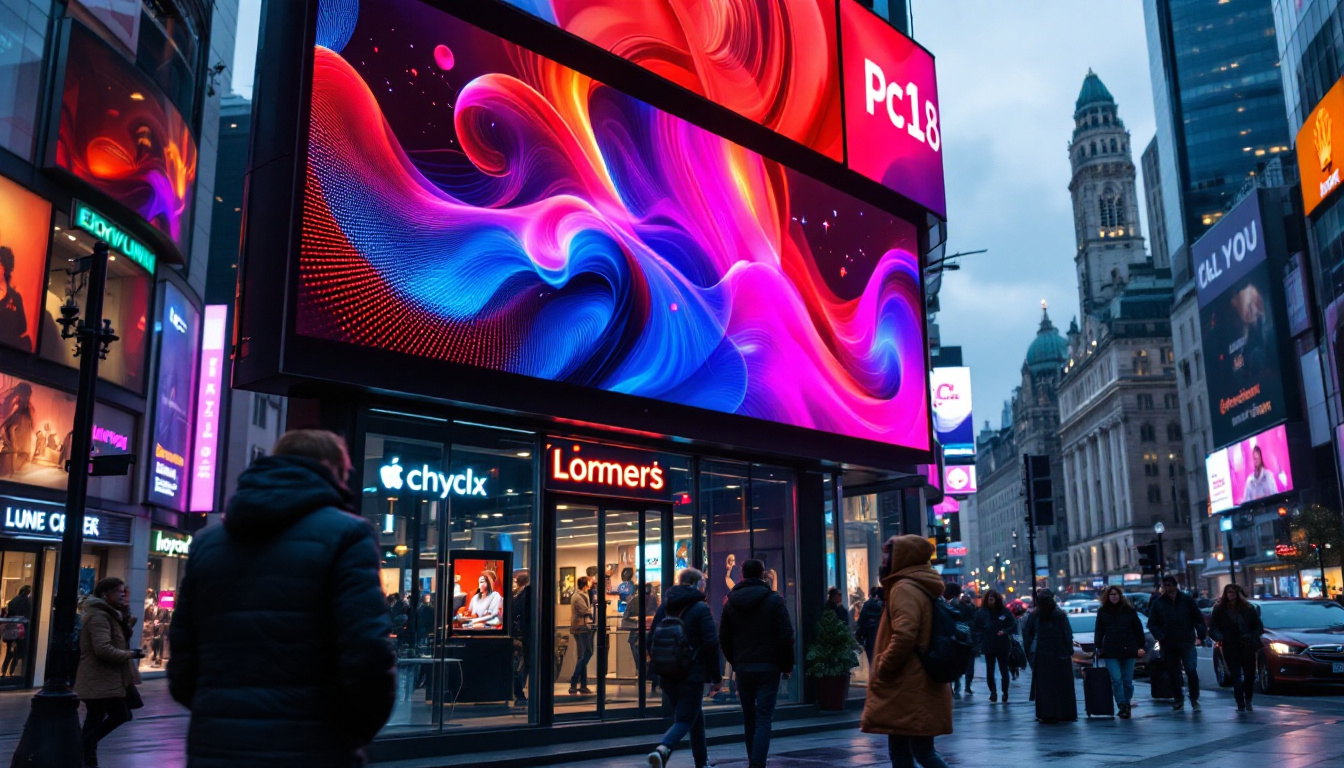
One of the most widespread uses of LED wall imagery is in advertising. LED billboards and digital signage have replaced many traditional printed signs due to their dynamic content capabilities and high visibility. According to a 2023 report by Grand View Research, the global digital signage market is expected to reach $31.71 billion by 2028, growing at a CAGR of 7.5%. LED displays are a significant driver of this growth.
Brands leverage LED walls to deliver eye-catching, high-resolution advertisements that can be updated in real-time. This flexibility allows for targeted marketing campaigns, timely promotions, and interactive content that engages consumers more effectively than static signs.
Entertainment and Events
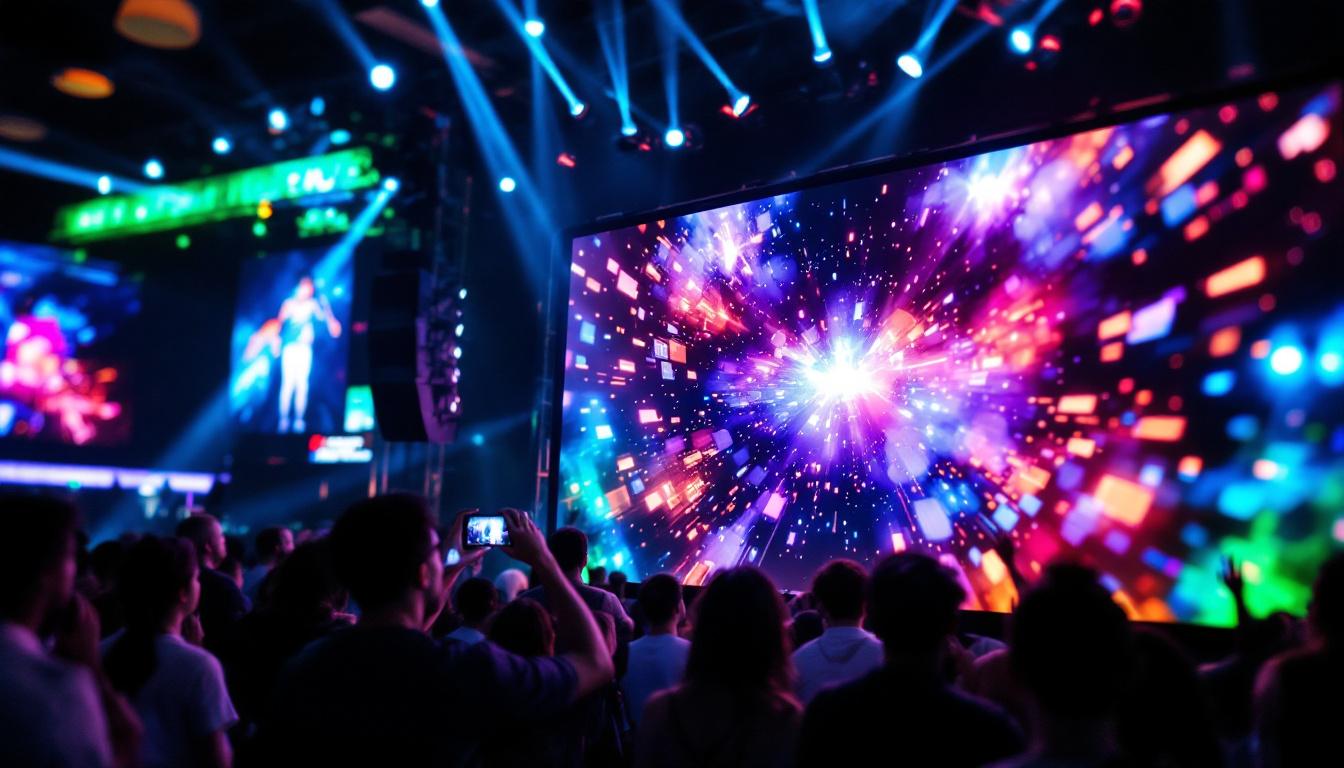
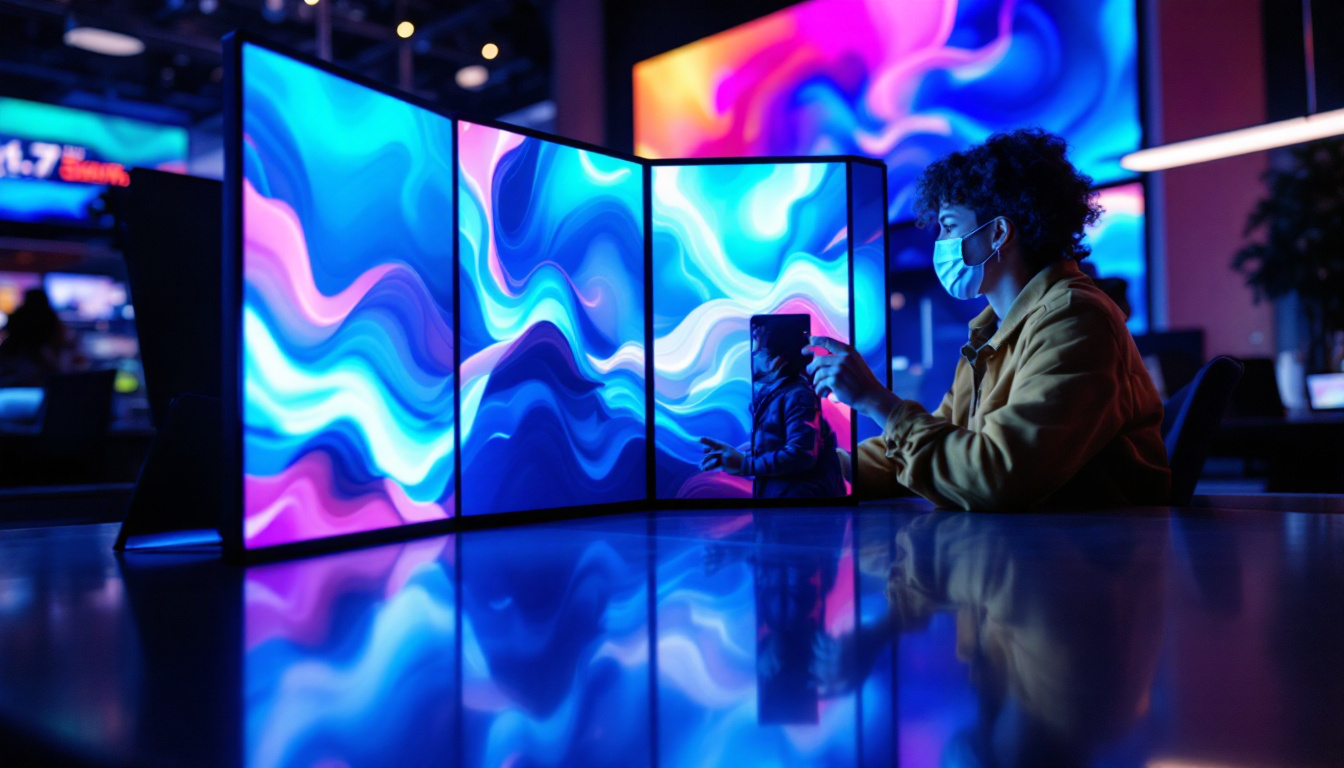
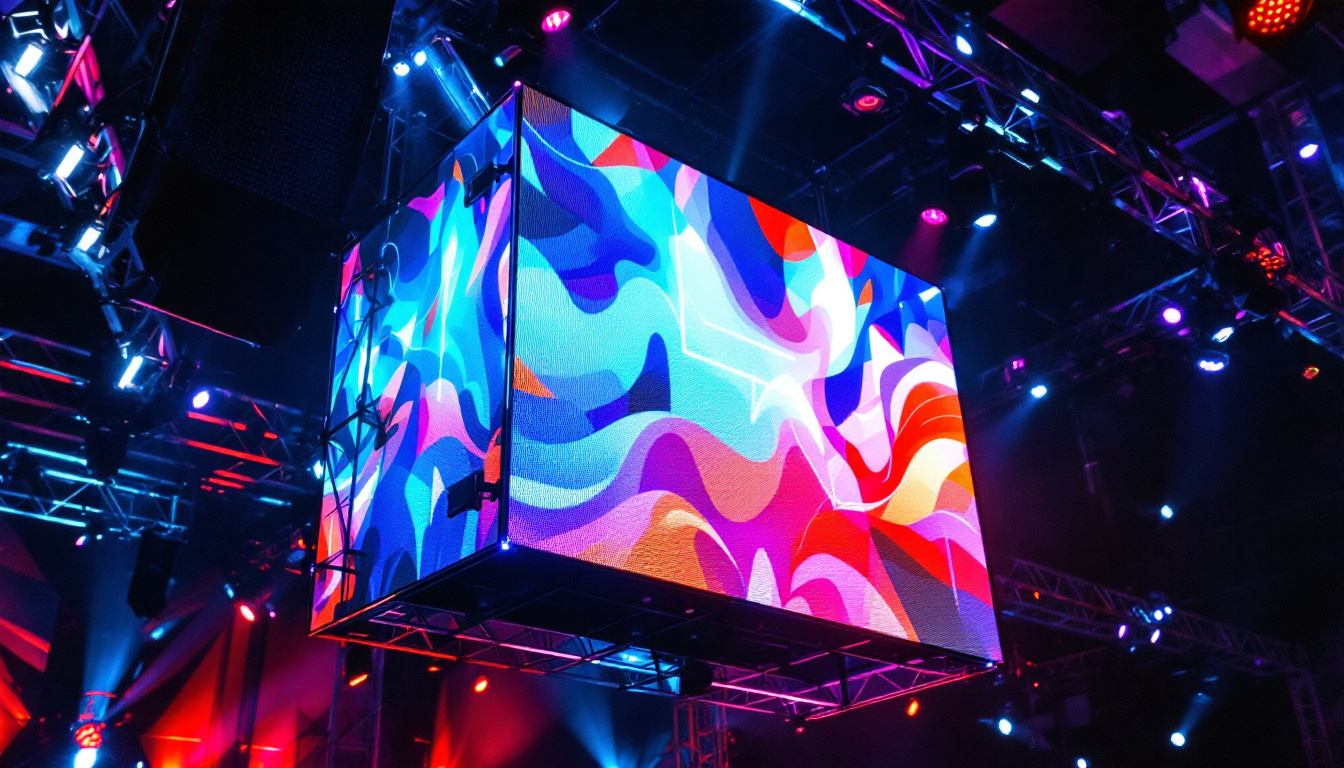
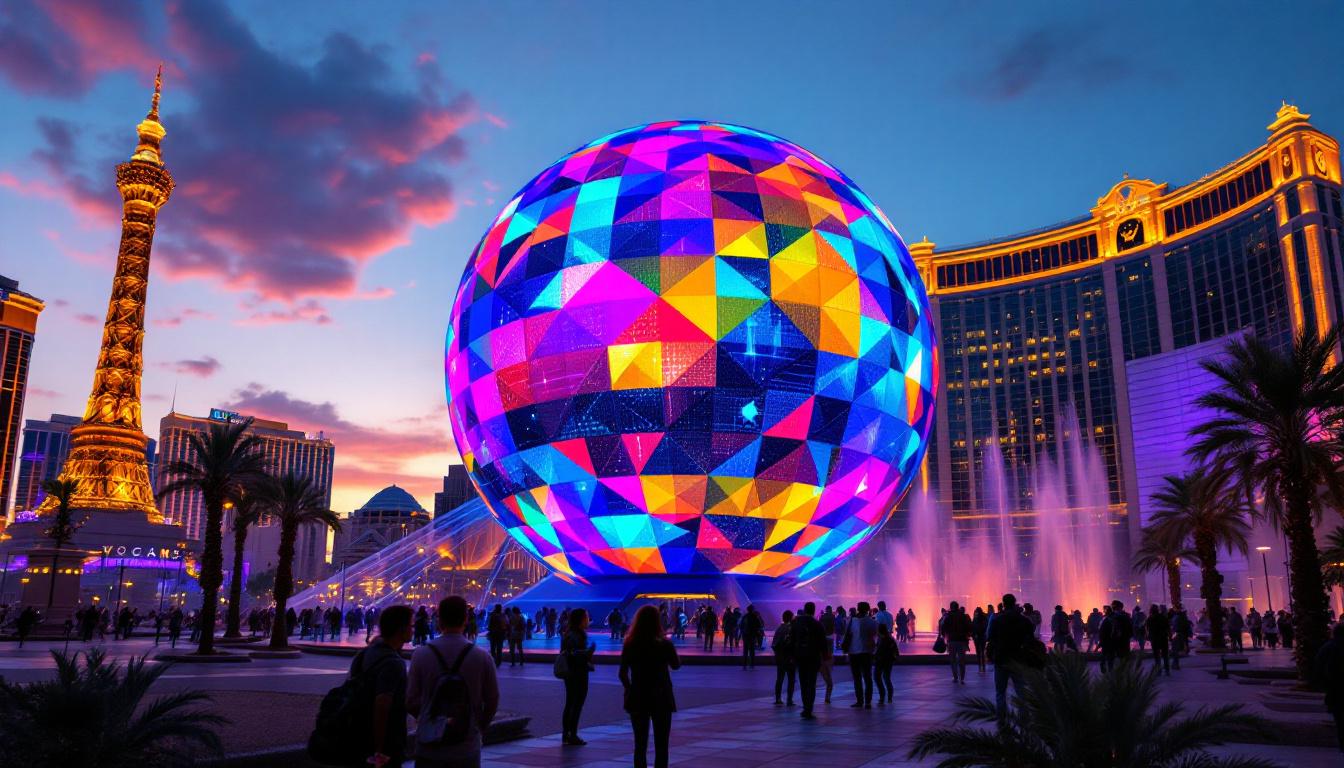
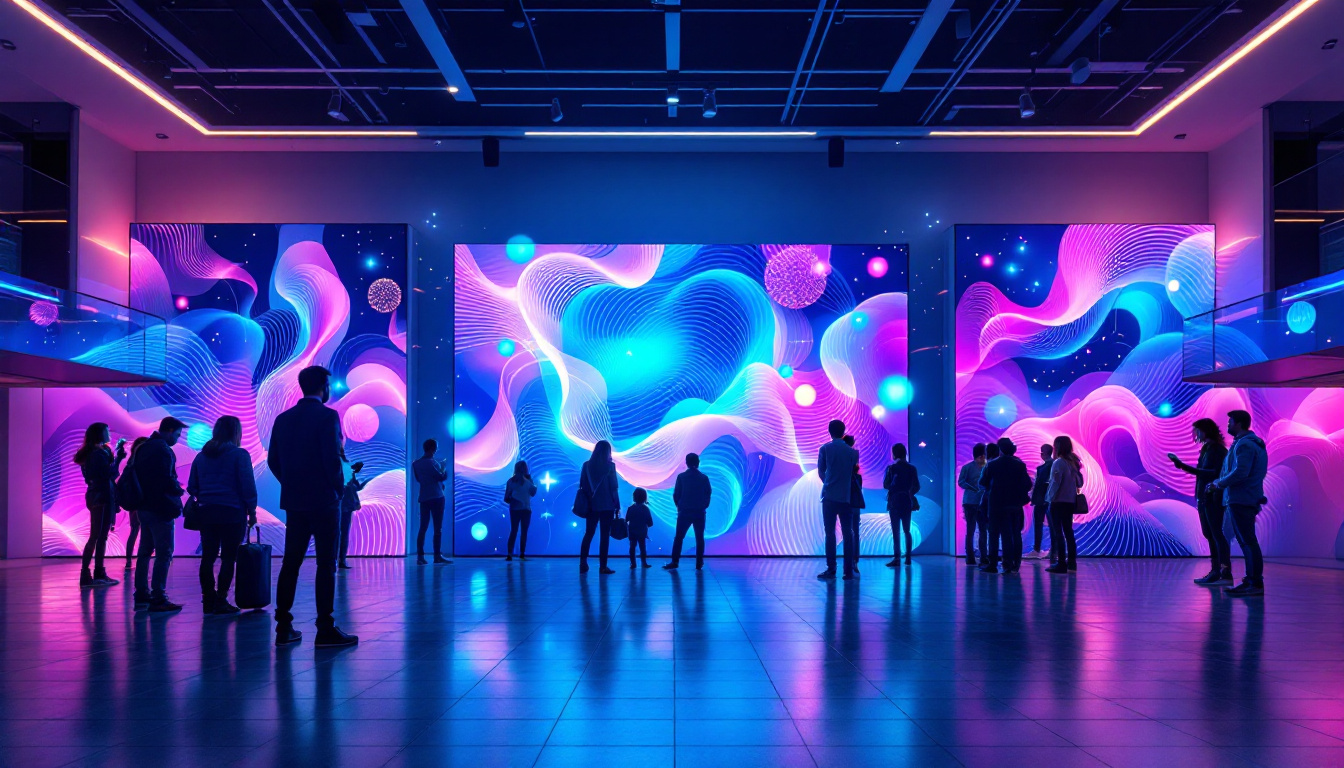
Concerts, sports arenas, and theatrical productions utilize LED walls to create immersive experiences. Large-scale LED screens serve as dynamic backdrops, displaying live feeds, animations, and visual effects that enhance the audience’s engagement. For example, the Super Bowl halftime shows often feature massive LED walls that transform the stage and captivate millions of viewers worldwide.
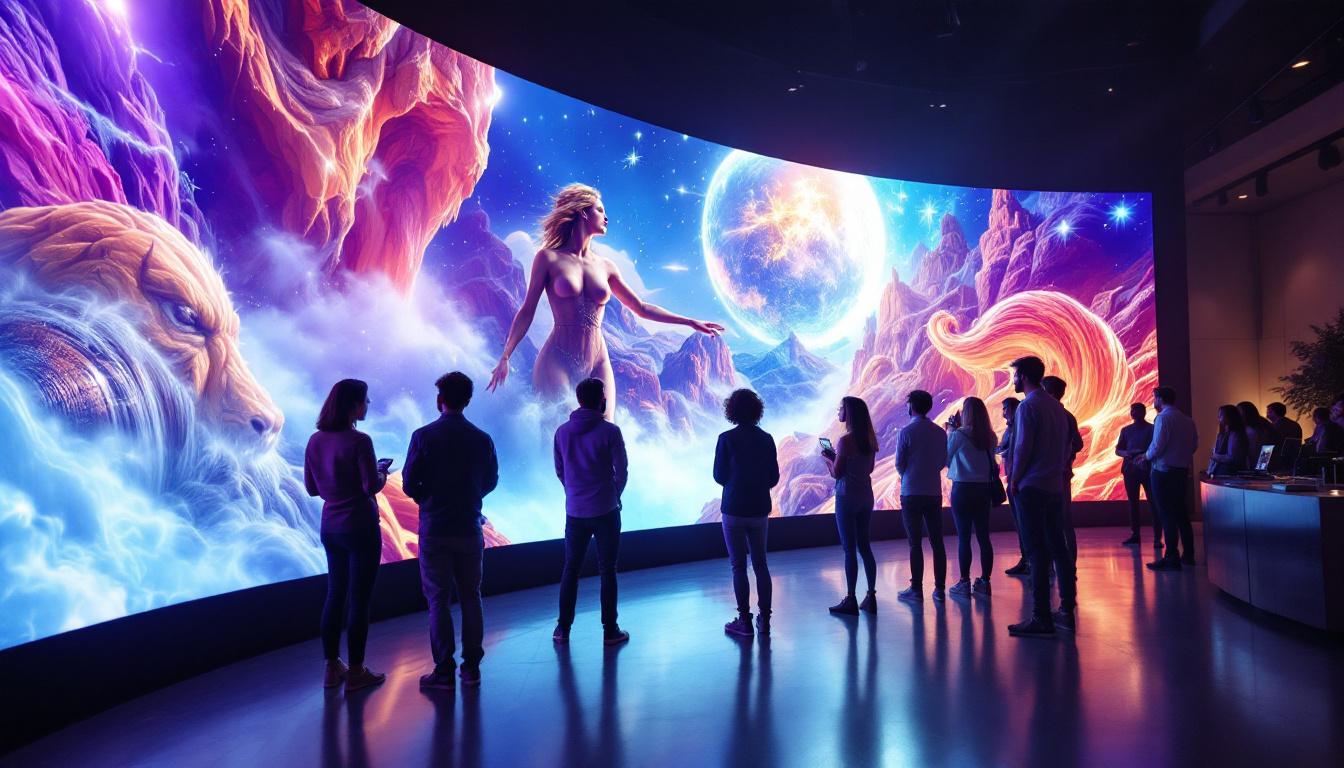
Event organizers also benefit from the modular nature of LED panels, which can be assembled into virtually any size or shape. This adaptability allows for creative freedom in design, from curved walls to 3D installations, making LED displays a favorite in the event production industry.
Corporate and Educational Environments
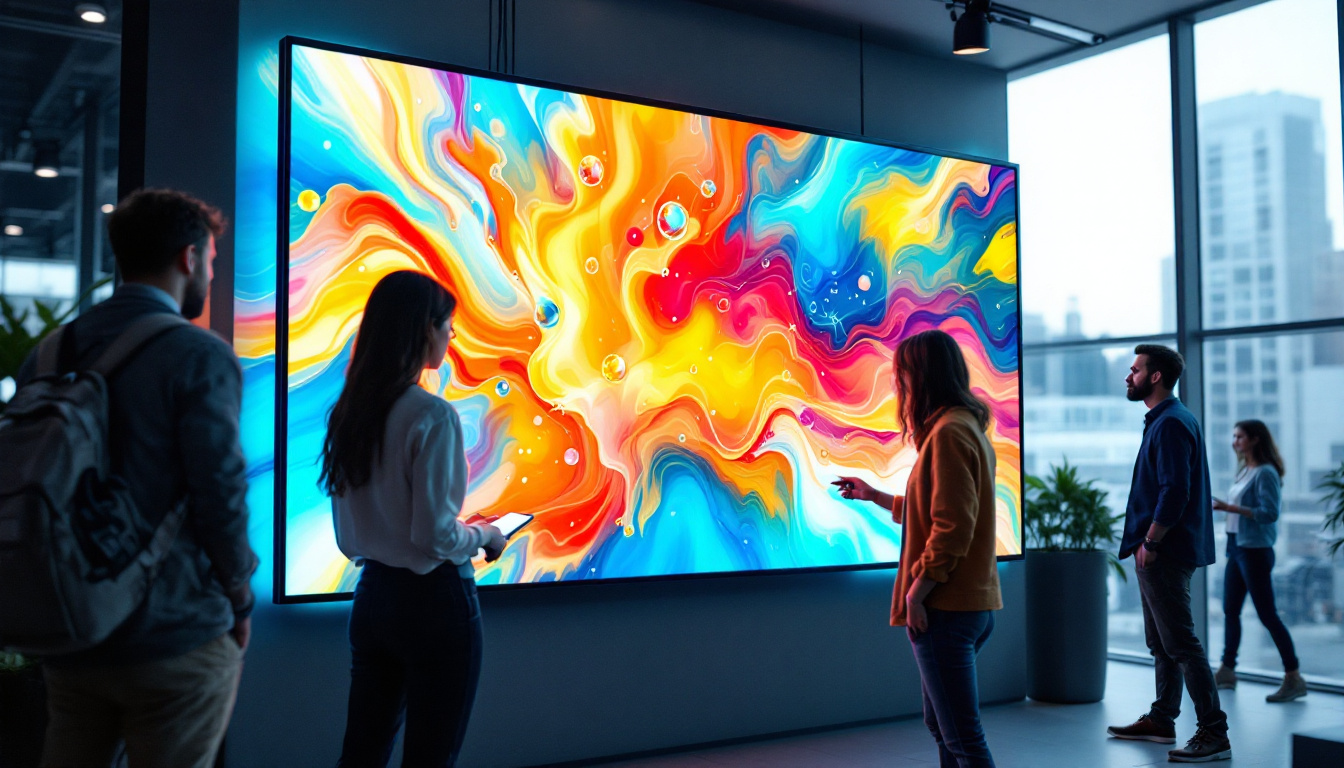
In corporate settings, LED walls are increasingly used for presentations, video conferencing, and digital collaboration. Their high resolution and brightness ensure that content is visible even in brightly lit rooms, improving communication effectiveness during meetings and conferences.
Educational institutions employ LED displays in lecture halls and auditoriums to facilitate multimedia learning. The ability to display detailed graphics, videos, and interactive content supports diverse teaching methods and enhances student engagement.
Advantages of LED Displays Over Traditional Technologies
Superior Brightness and Visibility
LED displays can achieve brightness levels exceeding 5,000 nits, far surpassing those of LCD and plasma screens. This makes them highly visible even under direct sunlight, a crucial advantage for outdoor advertising and public information displays.
High brightness also contributes to better contrast, allowing images to appear sharper and colors more vibrant. This clarity improves the viewer’s experience and ensures messages are communicated effectively.
Energy Efficiency and Longevity
LED technology is known for its energy efficiency. LEDs consume significantly less power than traditional lighting and display technologies, which reduces operational costs, especially for large-scale installations that run continuously.
Moreover, LEDs have a longer lifespan, often rated between 50,000 to 100,000 hours of operation. This durability minimizes maintenance requirements and replacement costs, making LED displays a cost-effective long-term investment.
Flexibility and Scalability
LED displays are highly modular, allowing for custom configurations tailored to specific spaces and applications. Panels can be combined to create massive video walls or scaled down for smaller installations without compromising image quality.
This flexibility extends to shape and form factor as well. Curved, transparent, and flexible LED panels are now available, enabling innovative design solutions that were previously impossible with traditional display technologies.
Key Considerations When Choosing an LED Wall Display
Pixel Pitch and Resolution
Pixel pitch is a critical factor that determines the resolution and viewing distance of an LED display. A smaller pixel pitch means more LEDs per square meter, resulting in higher resolution and finer image detail. However, smaller pixel pitch displays are typically more expensive.
For indoor applications where viewers are close to the screen, pixel pitches between 1.2mm and 2.5mm are ideal. Outdoor displays, viewed from greater distances, can use larger pixel pitches, such as 6mm to 10mm, balancing cost and visual clarity.
Brightness and Environmental Suitability
Consider the environment where the LED display will be installed. Outdoor displays require higher brightness levels to combat sunlight and weather conditions. Additionally, weatherproofing and durability against dust, moisture, and temperature fluctuations are essential for outdoor installations.
Indoor displays prioritize color accuracy and viewing angles, ensuring consistent image quality from different seating positions. It’s important to select a display with appropriate brightness and protective features for the intended setting.
Installation and Maintenance
LED wall installations can be complex, requiring precise alignment and calibration to ensure uniform image quality. Working with experienced professionals can help avoid common pitfalls such as color inconsistencies or structural issues.
Maintenance considerations include ease of access for repairs and cleaning. Many LED panels feature front or rear serviceability, allowing technicians to replace modules without dismantling the entire wall, reducing downtime and maintenance costs.
Future Trends in LED Wall Imagery
MicroLED and MiniLED Technologies
Emerging technologies like MicroLED and MiniLED promise to revolutionize LED displays further. MicroLEDs are significantly smaller than traditional LEDs, enabling even higher resolutions and thinner displays. They offer improved brightness, color accuracy, and energy efficiency, potentially rivaling OLED technology.
MiniLEDs, while larger than MicroLEDs, provide enhanced backlighting for LCD panels, improving contrast and brightness. These advancements are expected to drive innovation in both consumer electronics and large-scale LED walls.
Interactive and Smart LED Walls
Interactivity is becoming a key feature in LED wall applications. Touch-sensitive LED walls and integration with sensors allow users to engage directly with the content, opening new possibilities for retail, education, and entertainment.
Smart LED walls connected to IoT platforms can adapt content dynamically based on audience demographics, time of day, or environmental factors, increasing relevance and engagement.
Sustainability and Eco-Friendly Solutions
As environmental concerns grow, manufacturers are focusing on sustainable LED display solutions. This includes using recyclable materials, reducing power consumption, and designing products for longer life cycles.
Energy-efficient LED walls not only reduce operational costs but also contribute to lower carbon footprints, aligning with corporate social responsibility goals and regulatory requirements.
Conclusion
LED displays have transformed the way visual content is presented in public and private spaces. Their superior brightness, flexibility, and energy efficiency make them the preferred choice for advertising, entertainment, corporate communication, and education. Understanding the technology behind LED displays, their applications, and key considerations ensures that businesses and organizations can make informed decisions when investing in wall imagery solutions.
As LED technology continues to evolve, with innovations like MicroLED and interactive capabilities on the horizon, the future of wall imagery looks brighter and more dynamic than ever. Embracing these advancements will enable more engaging, impactful, and sustainable visual experiences across industries.
Illuminate Your Space with LumenMatrix
Ready to elevate your visual experience with the latest in LED technology? LumenMatrix is at the forefront of innovation, offering a diverse range of LED display solutions tailored to your needs. Whether you’re looking to captivate passersby with an Outdoor LED Wall Display, engage fans with a dynamic LED Sports Display, or transform your corporate space with a sleek All-in-One LED Display, we have the expertise to bring your vision to life. Check out LumenMatrix LED Display Solutions today and start creating unforgettable visual narratives for your audience.