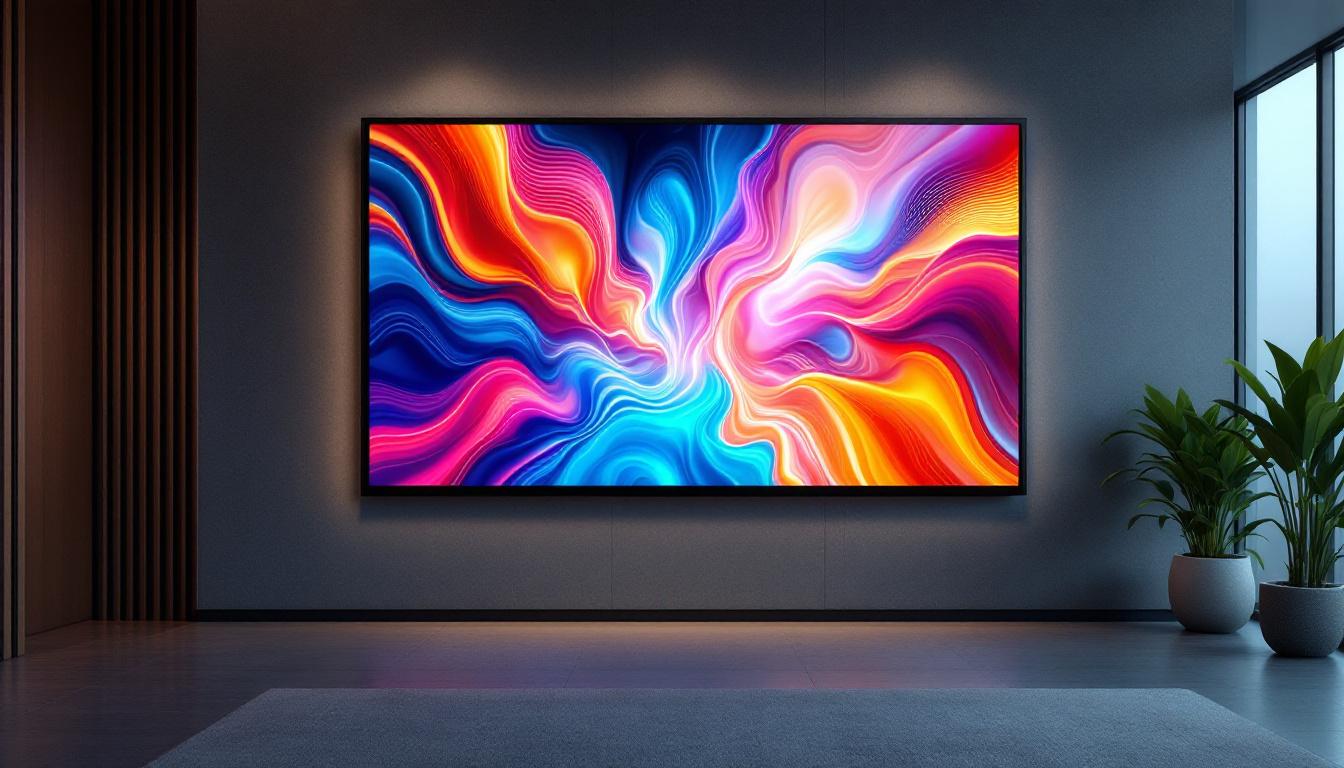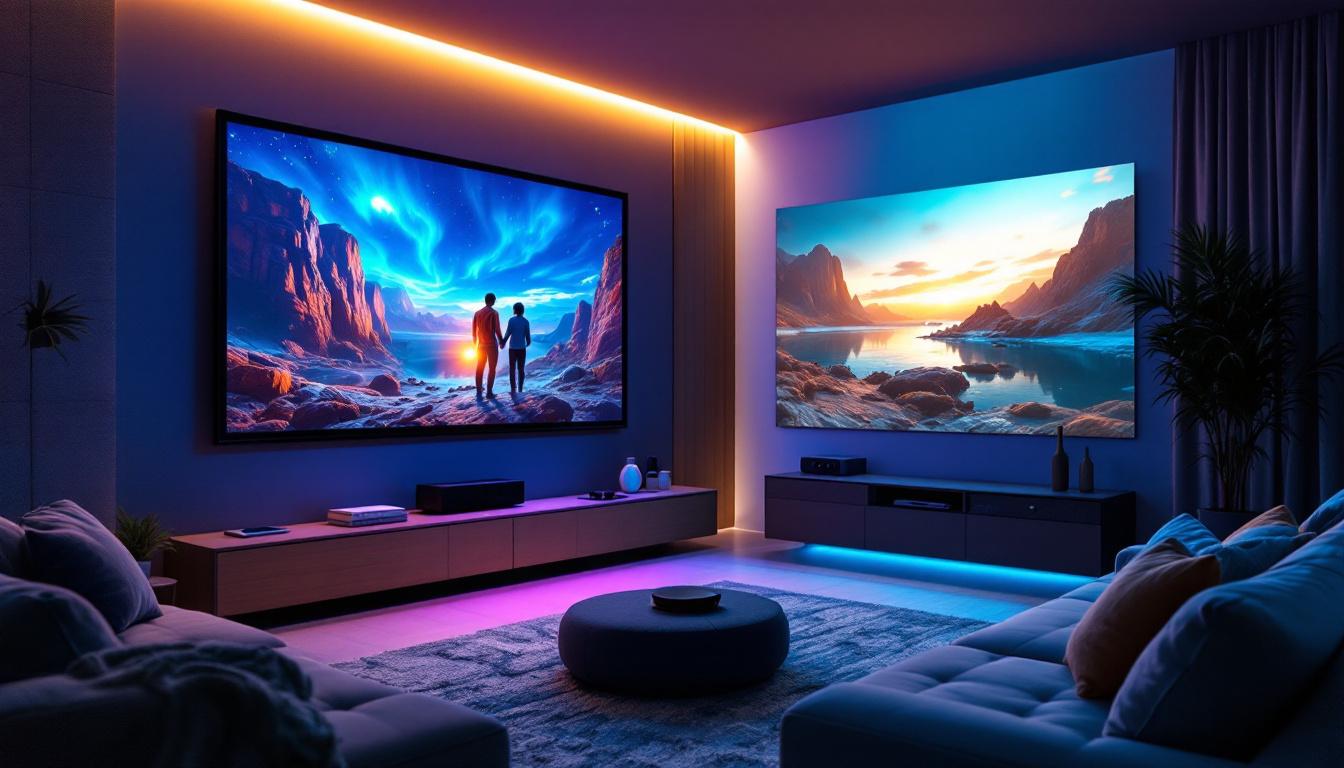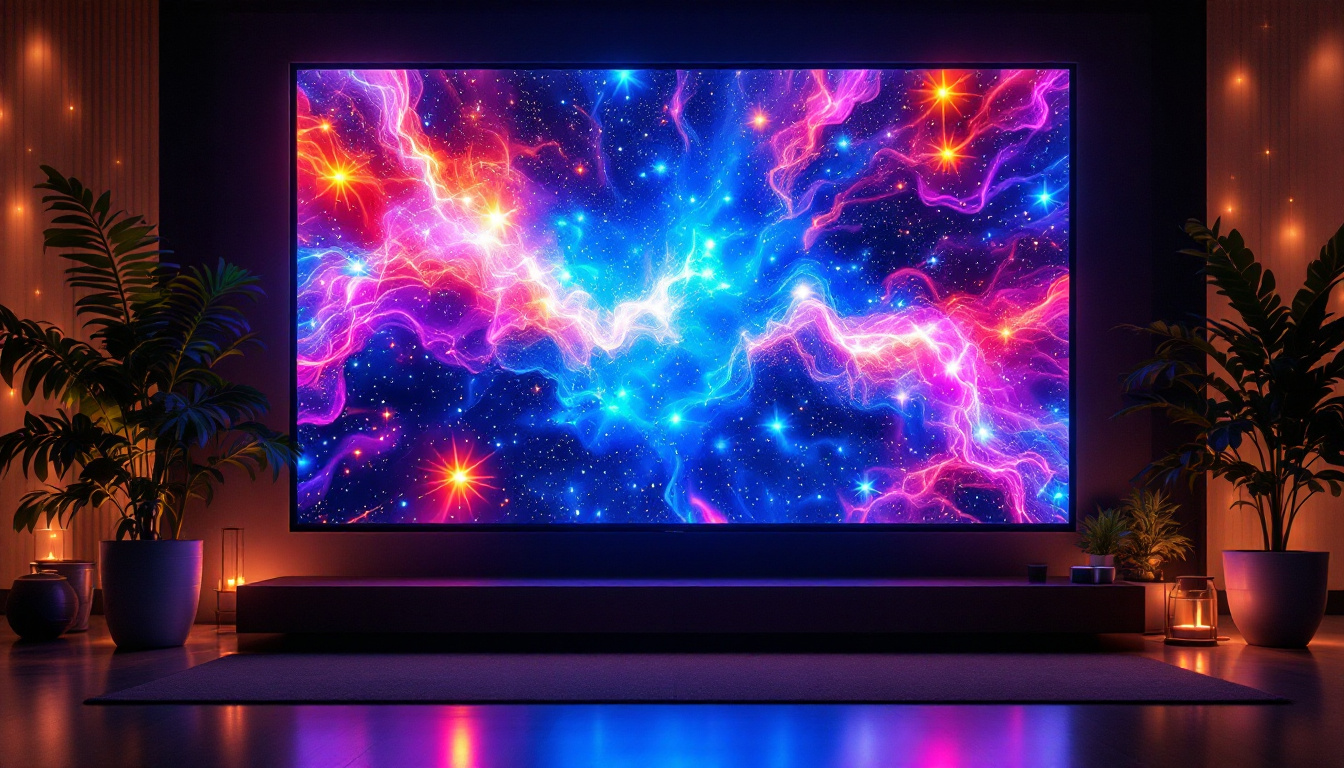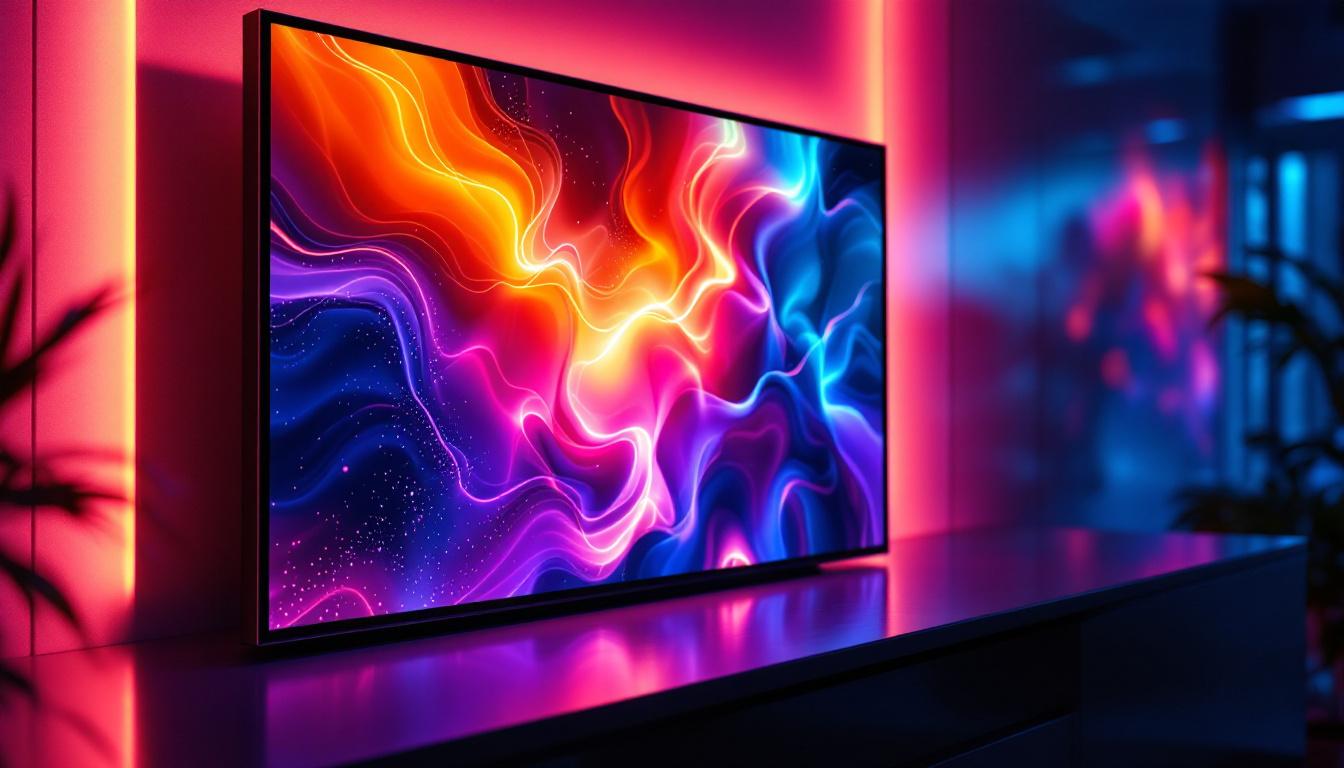
Wall mounting a TV has become increasingly popular in modern homes and offices, offering a sleek, space-saving solution that enhances viewing experiences. Among the various television technologies available today, LED displays dominate the market due to their superior picture quality, energy efficiency, and slim design. This article explores the essentials of LED TV displays and provides a comprehensive guide to wall mounting these TVs effectively and safely.
Understanding LED Display Technology
What is an LED TV?
LED TVs are a type of LCD (Liquid Crystal Display) television that use Light Emitting Diodes (LEDs) as a backlighting source instead of the traditional cold cathode fluorescent lamps (CCFLs). This distinction allows LED TVs to be thinner, more energy-efficient, and capable of producing brighter images with better contrast ratios.
Unlike OLED technology, which uses organic compounds to emit light individually, LED TVs rely on an array of LEDs behind or along the edges of the screen to illuminate the liquid crystals. This backlighting method is crucial for the display’s brightness and color accuracy. The advancements in LED technology have also led to the development of various enhancements, such as HDR (High Dynamic Range), which allows for a wider range of colors and improved detail in both bright and dark scenes, enriching the viewing experience significantly.
Types of LED Backlighting
There are primarily two types of LED backlighting used in TVs: Edge-lit and Full-array (or Direct-lit).
- Edge-lit LED: LEDs are positioned along the edges of the screen, allowing for thinner panels but sometimes resulting in uneven brightness and contrast. This design is often favored for its sleek profile, making it a popular choice for modern interiors.
- Full-array LED: LEDs are arranged directly behind the screen in a grid. This setup supports local dimming, which improves contrast by dimming dark areas without affecting bright parts. Full-array technology is particularly beneficial for cinematic experiences, as it can enhance the depth of field in movies and shows.
Full-array LED TVs generally provide better picture quality but tend to be thicker and more expensive than edge-lit models. As technology progresses, manufacturers are continually working on improving the efficiency and performance of both types, leading to innovations that may blur the lines between these categories in the future.
Advantages of LED TVs
LED TVs offer several benefits that make them a preferred choice for consumers worldwide:
- Energy Efficiency: LEDs consume less power compared to older LCD and plasma TVs, contributing to lower electricity bills and environmental impact. This efficiency is particularly appealing in an era where sustainability is a growing concern among consumers.
- Brightness and Contrast: LED backlighting can achieve higher brightness levels, making these TVs suitable for well-lit rooms. Local dimming enhances contrast, delivering deeper blacks and more vibrant colors. This capability is essential for enjoying high-definition content, as it allows for a more immersive viewing experience.
- Slim Design: The compact nature of LEDs allows for ultra-thin TV panels, which are ideal for wall mounting. This not only saves space but also allows for a more aesthetically pleasing setup in living areas.
- Longevity: LEDs typically have a longer lifespan than CCFL backlights, reducing the need for repairs or replacements. This durability makes LED TVs a wise investment for consumers looking for long-term solutions.
Moreover, the rapid advancements in smart TV technology have led to the integration of features such as streaming services, voice control, and smart home compatibility directly into LED TVs. This evolution has transformed how viewers interact with their televisions, making them not just a source of entertainment but a central hub for digital connectivity in the home. As a result, consumers are not only looking for superior picture quality but also for enhanced functionality that complements their modern lifestyles.
Why Wall Mount an LED TV?
Space Optimization and Aesthetics
Wall mounting an LED TV frees up valuable floor space, eliminating the need for bulky TV stands or cabinets. This is especially beneficial in smaller living rooms, bedrooms, or offices where maximizing space is a priority.
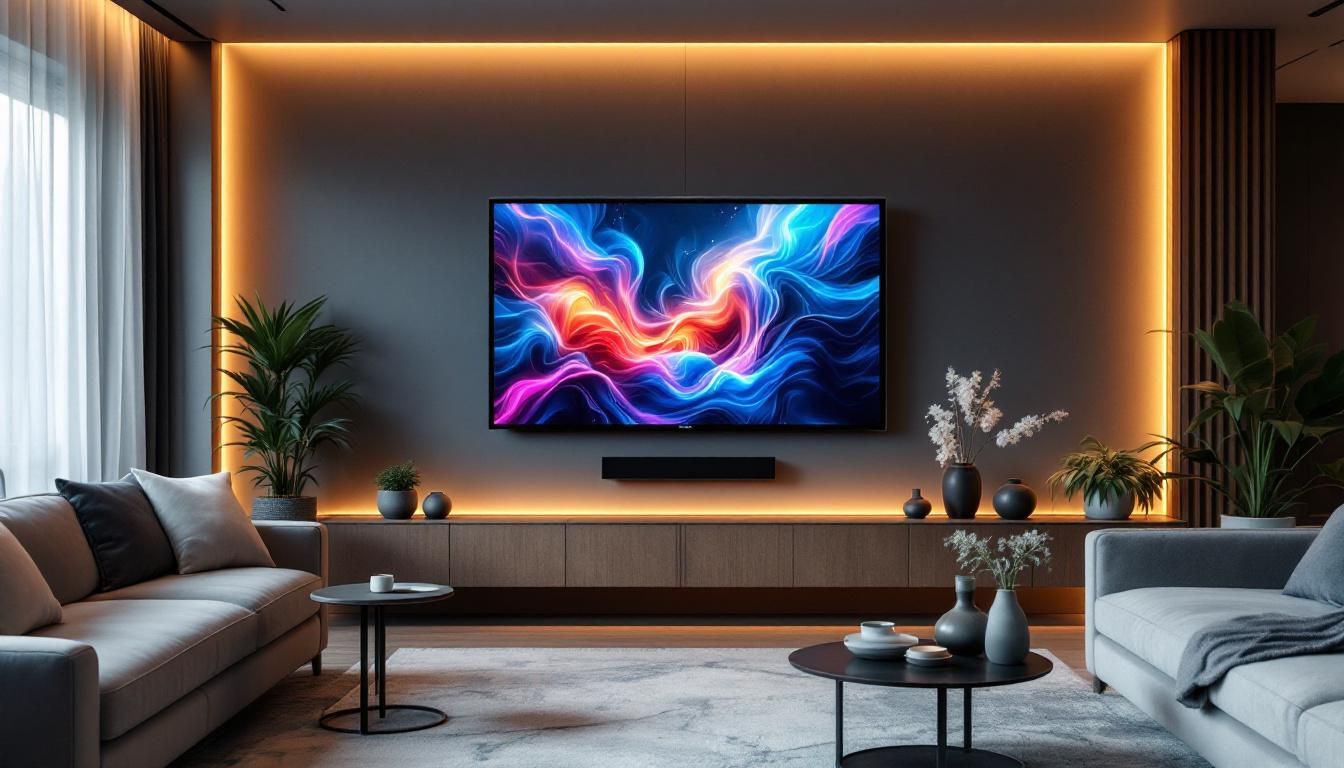
Additionally, a wall-mounted TV contributes to a clean, modern aesthetic. It allows homeowners and designers to create a minimalist look, often integrating the TV seamlessly with the room’s decor.
Improved Viewing Experience
Mounting a TV on the wall enables optimal placement for comfortable viewing angles. By adjusting the height and tilt, viewers can reduce glare and neck strain, enhancing long-term comfort during extended viewing sessions.
For example, the ideal height for mounting a TV is generally at eye level when seated, which varies depending on furniture and room layout. Wall mounts with adjustable arms or tilting features offer flexibility to customize the setup.
Safety and Security
Wall mounting also reduces the risk of accidental knocks or falls, particularly in homes with children or pets. Securing the TV to the wall prevents it from tipping over, which is a significant safety advantage over traditional setups.
Choosing the Right Wall Mount for Your LED TV
Types of Wall Mounts
There are three main types of TV wall mounts, each suited to different needs and room configurations:
- Fixed Mounts: These hold the TV flat against the wall with no movement. They are ideal for rooms where the viewing angle is consistent.
- Tilting Mounts: Allow the TV to tilt vertically, which helps reduce glare and improve viewing angles when mounted higher on the wall.
- Full-Motion or Articulating Mounts: Offer the most flexibility, enabling the TV to extend, swivel, and tilt. These are perfect for rooms with multiple seating areas or where the TV needs to be repositioned frequently.
Weight and Size Compatibility
Before purchasing a wall mount, it is crucial to check the TV’s size and weight specifications. Most mounts specify a range of compatible TV sizes and maximum weight limits. Selecting a mount that supports your TV’s dimensions ensures safety and stability.
For instance, a 55-inch LED TV typically weighs between 25 to 40 pounds, but this varies by model. Always refer to the manufacturer’s guidelines to avoid mismatches.
VESA Standards
The Video Electronics Standards Association (VESA) sets industry standards for mounting hole patterns on the back of TVs. These patterns are measured in millimeters (e.g., 200×200, 400×400) and indicate the horizontal and vertical distances between mounting holes.
Ensuring that your wall mount supports your TV’s VESA pattern is essential for a secure fit. Most LED TVs adhere to VESA standards, making it easier to find compatible mounts.
Installation Tips for Wall Mounting Your LED TV
Tools and Materials Needed
Proper installation requires specific tools and materials to ensure safety and precision. Commonly needed items include:
- Stud finder
- Drill and drill bits
- Level
- Screwdriver
- Measuring tape
- Wall anchors or toggle bolts (if mounting on drywall without studs)
- Mounting screws and brackets (usually included with the mount)
Locating Wall Studs
For a secure installation, it is best to mount the TV bracket directly into wall studs, which are vertical wooden supports behind drywall. Using a stud finder helps locate these studs, usually spaced 16 or 24 inches apart.
Mounting directly into studs ensures that the TV’s weight is supported properly, reducing the risk of the mount pulling away from the wall.
Marking and Drilling
Once the studs are located, mark the desired height and position for the mount on the wall. Use a level to ensure the marks are even, preventing a crooked TV installation.
Drill pilot holes into the studs at the marked points. This step makes it easier to insert screws and reduces the chance of splitting the wood.
Attaching the Mount and TV
Secure the wall bracket to the wall using the appropriate screws and anchors. Double-check the bracket’s stability before proceeding.
Next, attach the mounting plate to the back of the LED TV, aligning it with the VESA holes. This step often requires assistance due to the TV’s size and weight.
Finally, hang the TV on the wall bracket and secure it according to the mount’s instructions. Test the TV’s stability by gently applying pressure to ensure it is firmly attached.
Maintaining Your Wall-Mounted LED TV
Cleaning and Care
LED TVs require gentle cleaning to preserve screen quality. Use a soft, lint-free microfiber cloth to wipe the screen, avoiding harsh chemicals or abrasive materials that can damage the display.
For tougher smudges, slightly dampen the cloth with distilled water or a screen-safe cleaning solution. Always power off the TV before cleaning to prevent damage.
Checking Mount Stability
Periodically inspect the wall mount and screws for any signs of loosening or wear. Tighten screws as needed to maintain a secure installation, especially in homes with frequent movement or vibrations.
Cable Management
Proper cable management not only improves aesthetics but also prevents accidental disconnections or damage. Use cable clips, raceways, or in-wall cable management kits to organize and conceal wires.
Conclusion: Enhancing Your Viewing Experience with Wall-Mounted LED TVs
Wall mounting an LED TV combines the benefits of advanced display technology with practical space-saving design. Understanding the fundamentals of LED displays helps consumers appreciate the quality and efficiency these TVs offer. Choosing the right wall mount and following best installation practices ensures safety, optimal viewing angles, and a polished look that complements any room.
As LED technology continues to evolve, with innovations such as Mini-LED and Quantum Dot enhancements, wall-mounted TVs will remain a central feature in modern entertainment setups. Investing in proper mounting and maintenance not only protects your investment but also elevates your daily viewing experience.
Discover the Future of Visual Experience with LumenMatrix
Ready to elevate your entertainment space with the latest in LED display technology? LumenMatrix is at the forefront of innovation, offering a wide range of LED display solutions that bring your visual experience to life. Whether you’re looking for an Indoor LED Wall Display to transform your living room or a Custom LED Display to make a statement, LumenMatrix has the perfect solution to fit your needs. Experience unparalleled brightness, contrast, and clarity with our state-of-the-art displays. Check out LumenMatrix LED Display Solutions today and step into the future of visual storytelling.