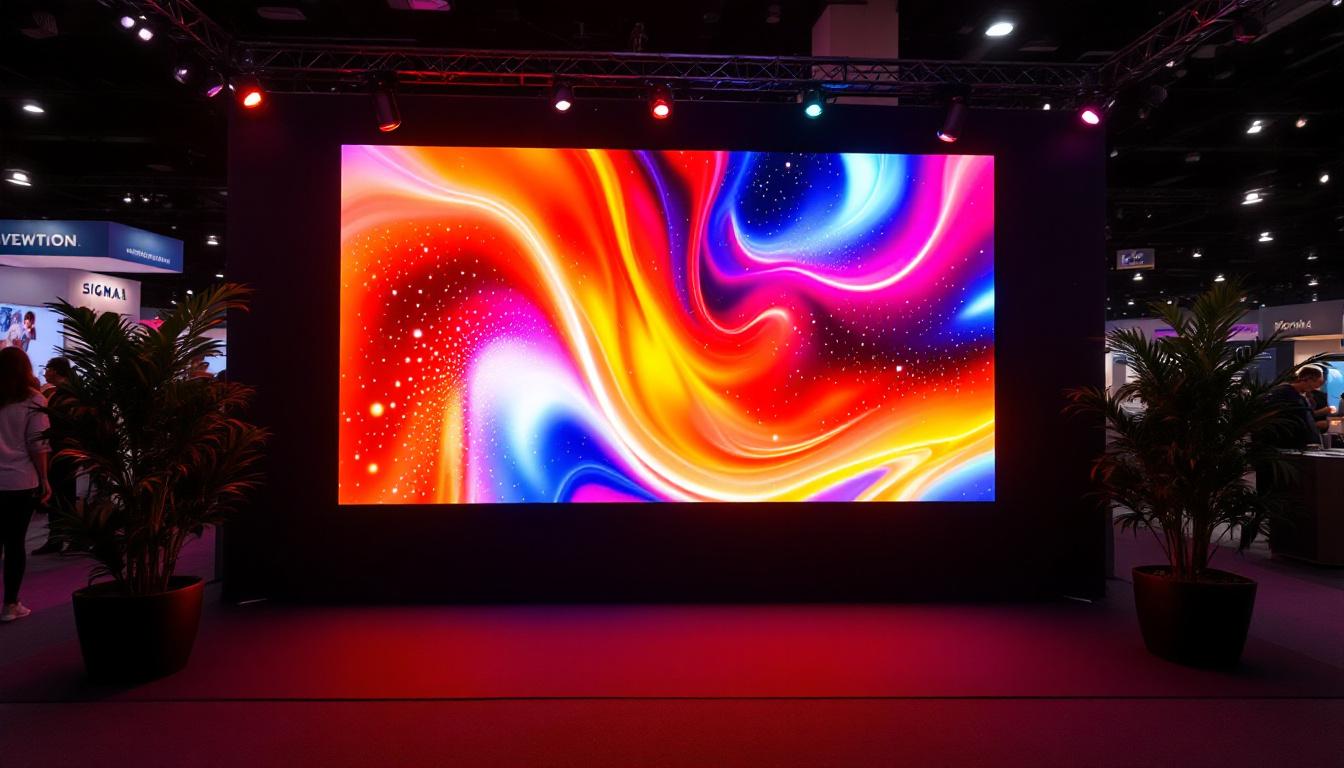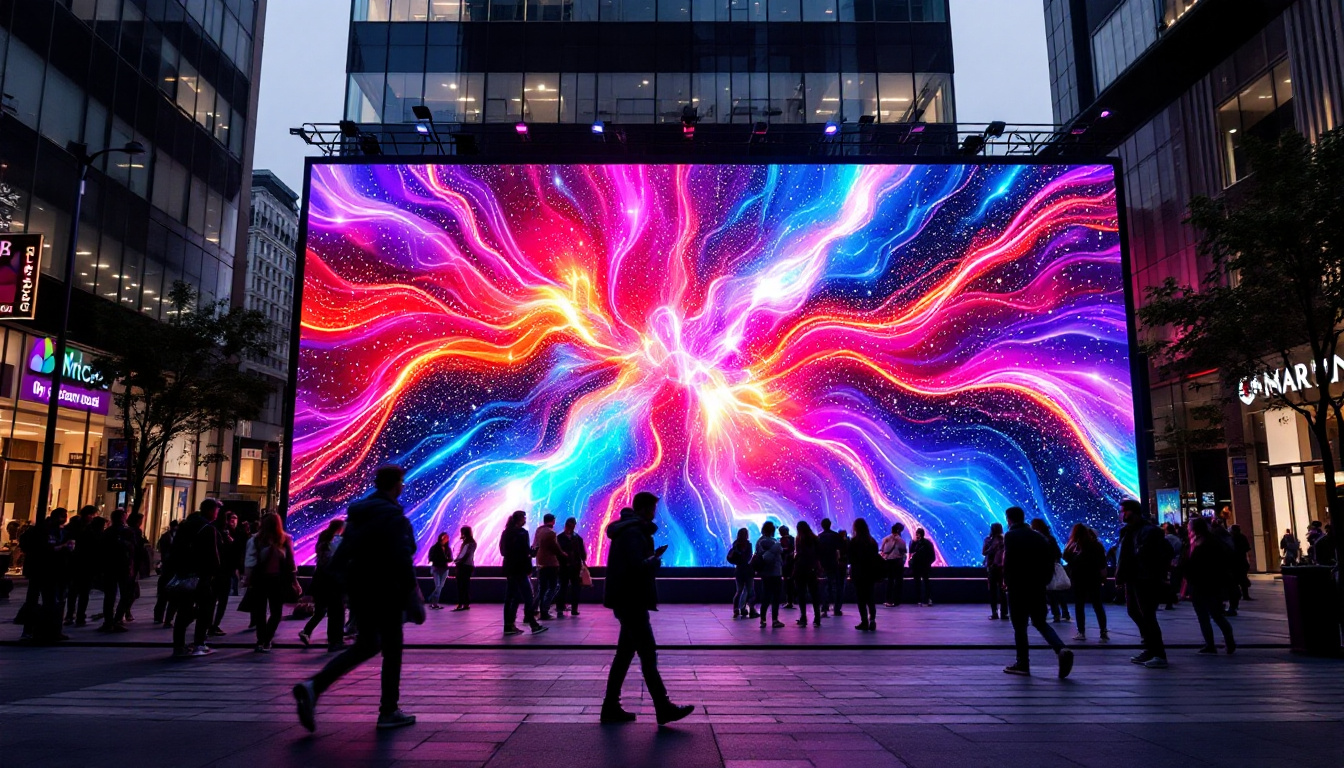
In the rapidly evolving world of digital signage and display technology, LED wall panels have emerged as a dominant solution for delivering vibrant, high-impact visual content. From stadiums and concert venues to corporate lobbies and retail environments, LED displays are transforming how information and advertising are presented. This article provides a comprehensive exploration of LED wall panels, explaining their technology, types, applications, and key considerations for anyone interested in deploying or understanding this dynamic display medium.
Understanding LED Wall Panels: The Basics
At its core, an LED wall panel is a large display system composed of multiple smaller LED modules tiled together to form a seamless screen. These panels use light-emitting diodes (LEDs) as pixels to create images and videos with exceptional brightness and color accuracy.
The term “LED” refers to the tiny semiconductor devices that emit light when an electrical current passes through them. Unlike traditional LCD or projection screens, LED panels are self-illuminating, meaning each pixel produces its own light. This fundamental difference allows for higher contrast ratios, better visibility in bright environments, and more energy-efficient operation.
How LED Panels Work
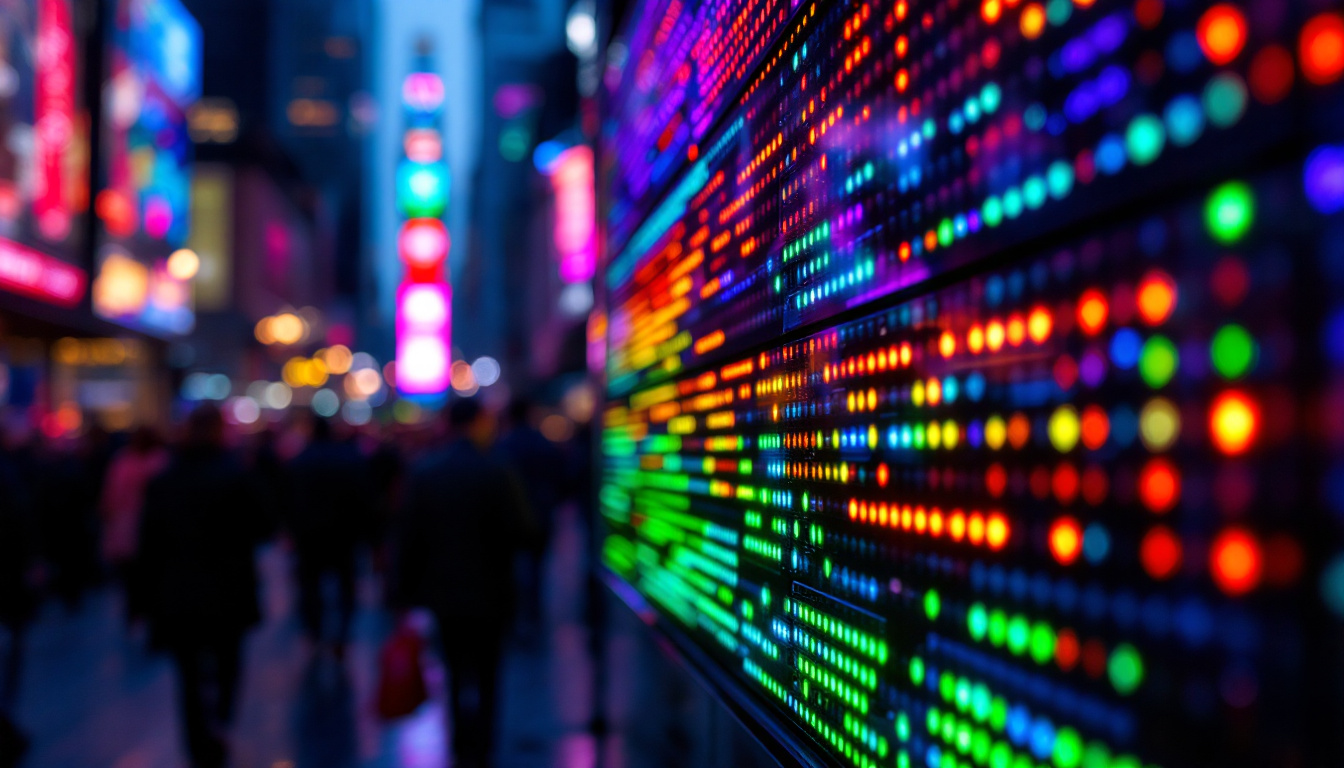
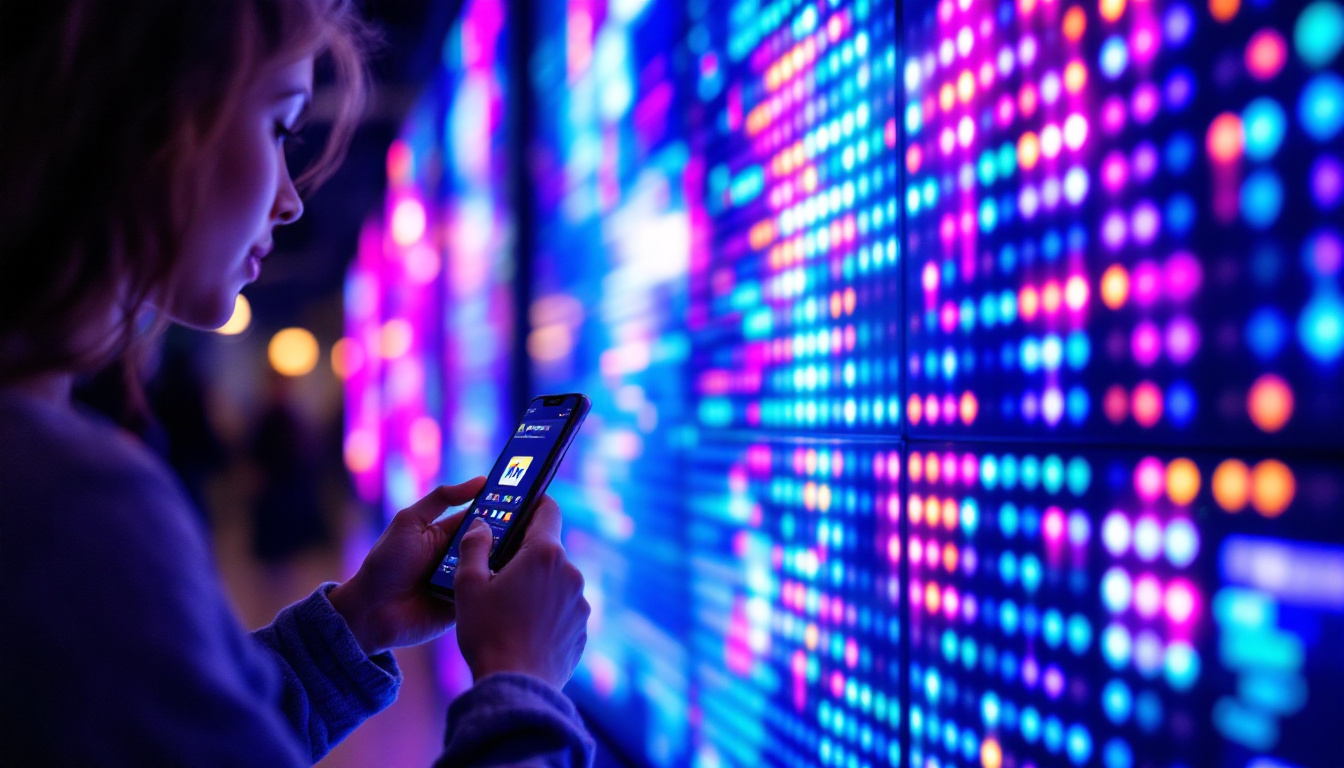
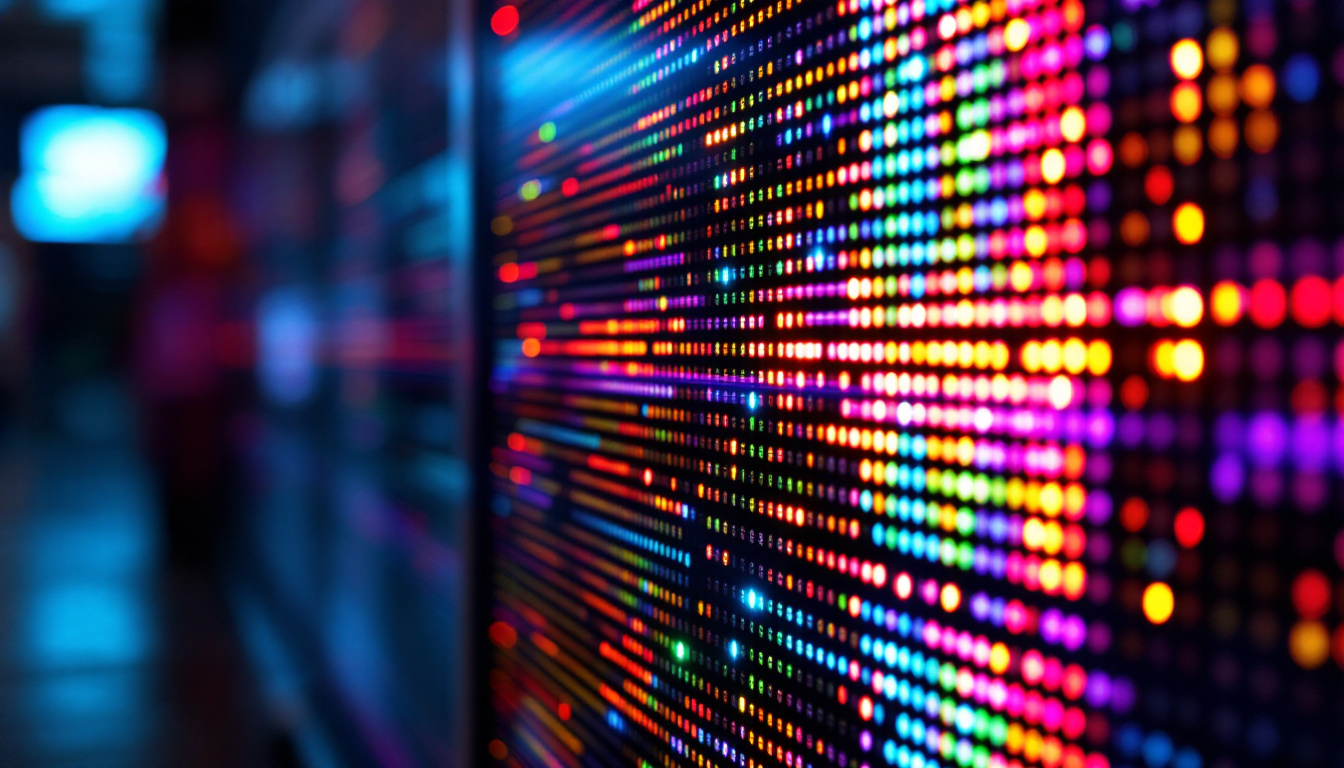
Each LED panel consists of a matrix of LEDs arranged in rows and columns. These LEDs are typically grouped into red, green, and blue sub-pixels, which combine to form the full spectrum of colors displayed on the screen. By adjusting the intensity of each sub-pixel, the panel can reproduce millions of colors and display dynamic content with smooth gradients and sharp details.
LED panels are controlled by sophisticated electronics that manage the timing and brightness of each LED. This control enables high refresh rates, making LED walls suitable for video playback, live broadcasts, and interactive applications. Moreover, the modular design of LED panels allows for easy scaling; multiple panels can be combined to create larger displays, making them ideal for everything from small retail environments to massive outdoor advertising installations.
Key Specifications to Know
When evaluating LED wall panels, several technical specifications are important to understand:
- Pixel Pitch: The distance between the centers of adjacent LEDs, usually measured in millimeters. Smaller pixel pitch means higher resolution and sharper images, especially at close viewing distances.
- Brightness: Measured in nits (cd/m²), brightness determines how well the display performs in various lighting conditions. Outdoor LED walls often exceed 5,000 nits to combat sunlight glare.
- Refresh Rate: The number of times per second the display updates its image. Higher refresh rates reduce flicker and improve video quality.
- Viewing Angle: The maximum angle at which the display can be viewed without significant color or brightness degradation.
- Contrast Ratio: The difference between the darkest black and the brightest white the display can produce, impacting image depth and realism.
In addition to these specifications, it’s essential to consider the durability and build quality of LED wall panels, especially for outdoor applications. Many panels are designed to withstand harsh weather conditions, featuring protective coatings and robust enclosures that prevent damage from rain, dust, and UV exposure. Furthermore, advancements in technology have led to the development of flexible LED panels, which can be bent or shaped to fit unique installations, expanding creative possibilities for designers and advertisers alike.
Another critical aspect to consider is the ease of installation and maintenance. Many modern LED wall panels come with user-friendly mounting systems and modular designs that facilitate quick setup and repairs. This modularity not only simplifies the installation process but also allows for individual modules to be replaced without needing to take down the entire display, minimizing downtime and ensuring that the content remains vibrant and engaging for viewers.
Types of LED Wall Panels
LED wall panels come in various forms, each suited to different environments and applications. Understanding these types helps in selecting the right solution for a specific use case.
Indoor LED Panels
Indoor LED panels are designed for controlled lighting environments such as conference rooms, retail stores, museums, and broadcast studios. They typically have a smaller pixel pitch, ranging from 0.9mm to 4mm, allowing for high-resolution images that appear crisp even at close distances.
Because indoor spaces usually have lower ambient light, these panels have moderate brightness levels, generally between 800 and 1,500 nits, which is sufficient for clear visibility without causing eye strain.
Outdoor LED Panels
Outdoor LED panels are built to withstand harsh weather conditions and intense sunlight. They feature higher brightness levels, often exceeding 5,000 nits, to ensure visibility even in direct sunlight. Additionally, these panels are weatherproof, with IP65 or higher ratings indicating resistance to dust and water.
Pixel pitches for outdoor panels are usually larger, ranging from 4mm to 20mm, since viewers tend to observe these displays from greater distances. This allows for cost-effective solutions without compromising perceived image quality.
Transparent LED Panels
Transparent LED panels are an innovative variation that allows light to pass through the display, making them ideal for glass windows, storefronts, and architectural installations. These panels combine aesthetics with functionality, enabling businesses to showcase digital content without blocking natural light or visibility.
While transparent LED panels typically have lower brightness and resolution compared to traditional panels, their unique design opens up creative possibilities in advertising and interior design.
Flexible and Curved LED Panels
Flexible LED panels can be bent or curved to fit unconventional surfaces, such as cylindrical columns or curved walls. This flexibility allows designers to create immersive environments and eye-catching installations that stand out from flat displays.
These panels maintain similar performance characteristics to flat panels but require specialized mounting and calibration to ensure uniform image quality.
Applications of LED Wall Panels
The versatility of LED wall panels has led to widespread adoption across numerous industries. Their ability to deliver vivid, dynamic content makes them invaluable tools for communication, advertising, entertainment, and information dissemination.
Advertising and Retail
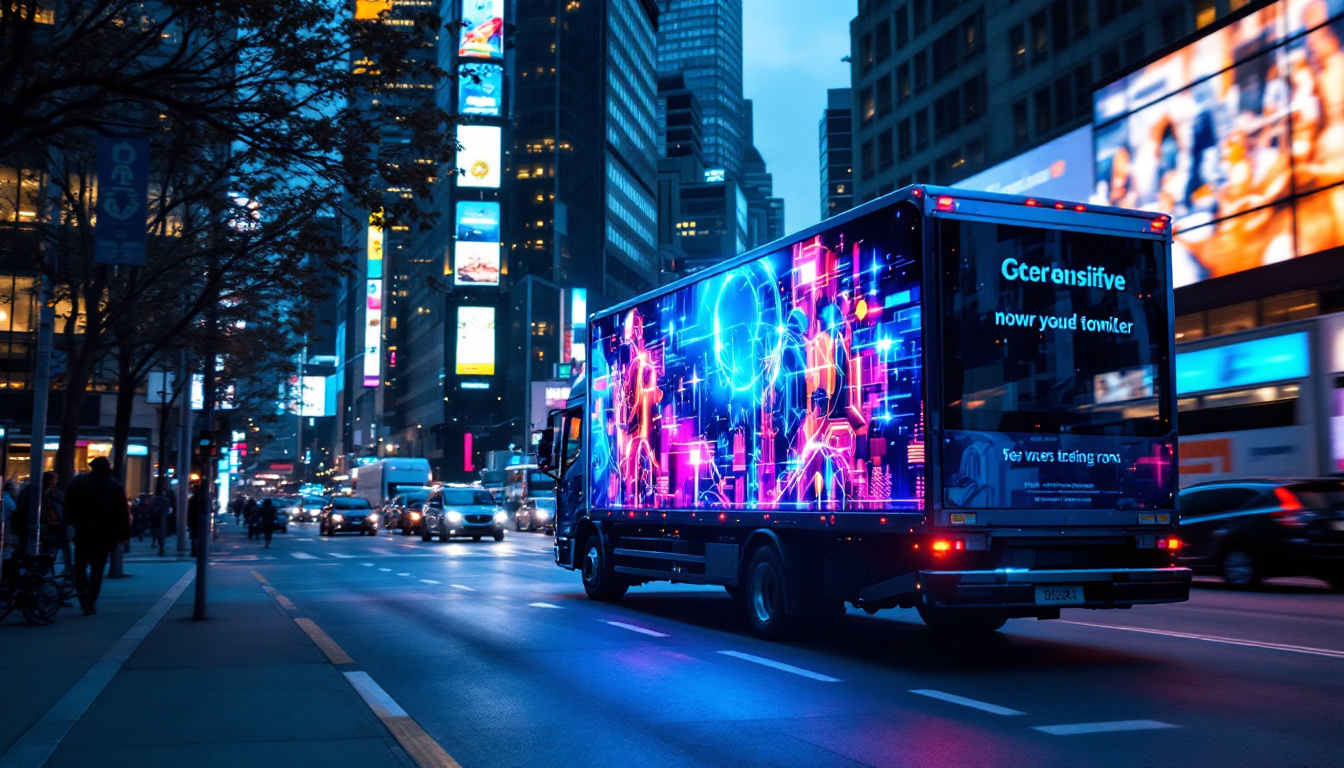
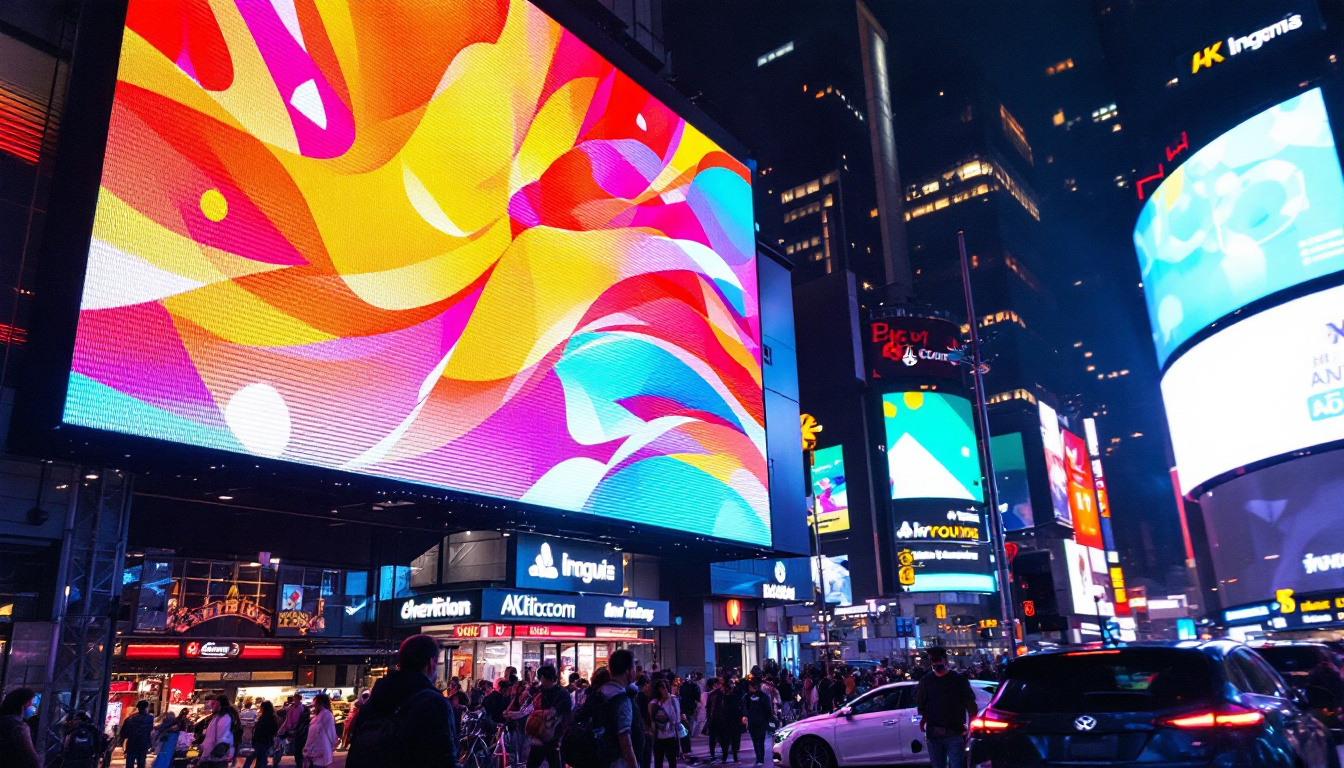
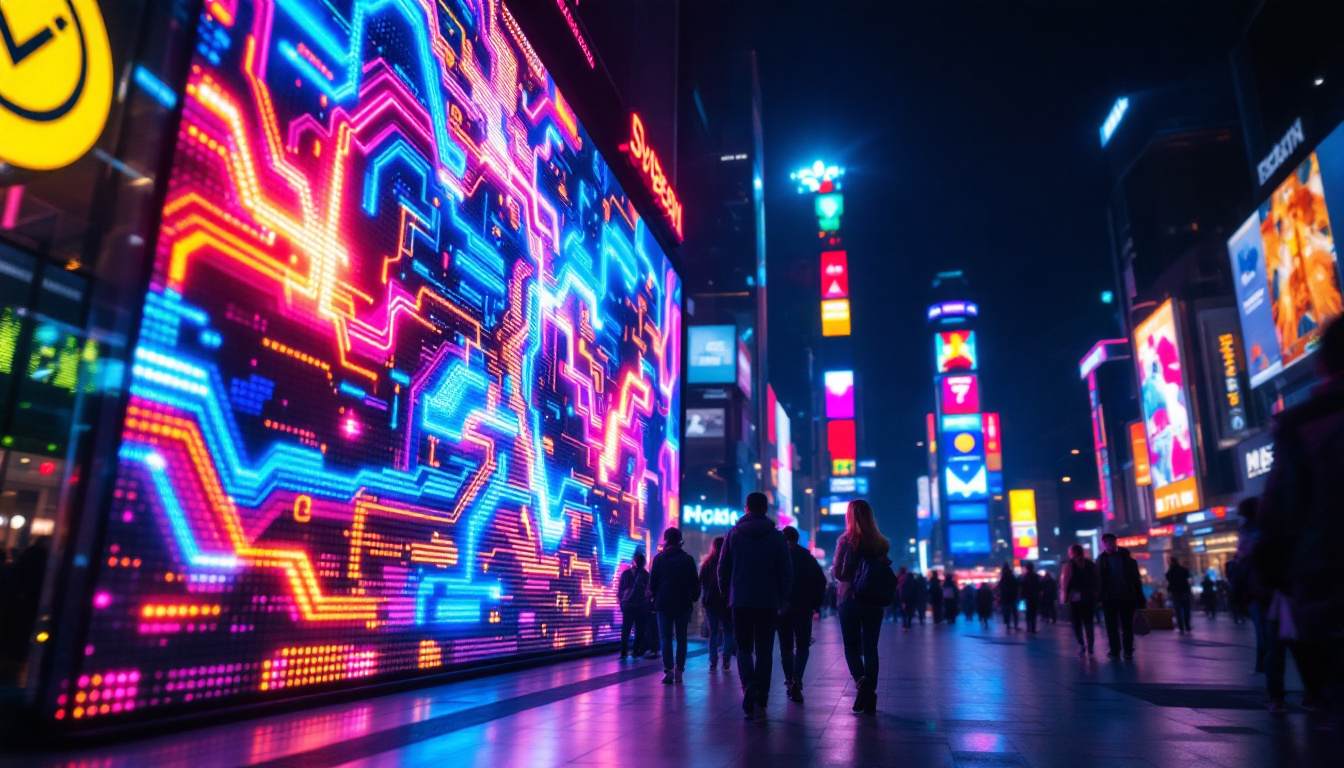
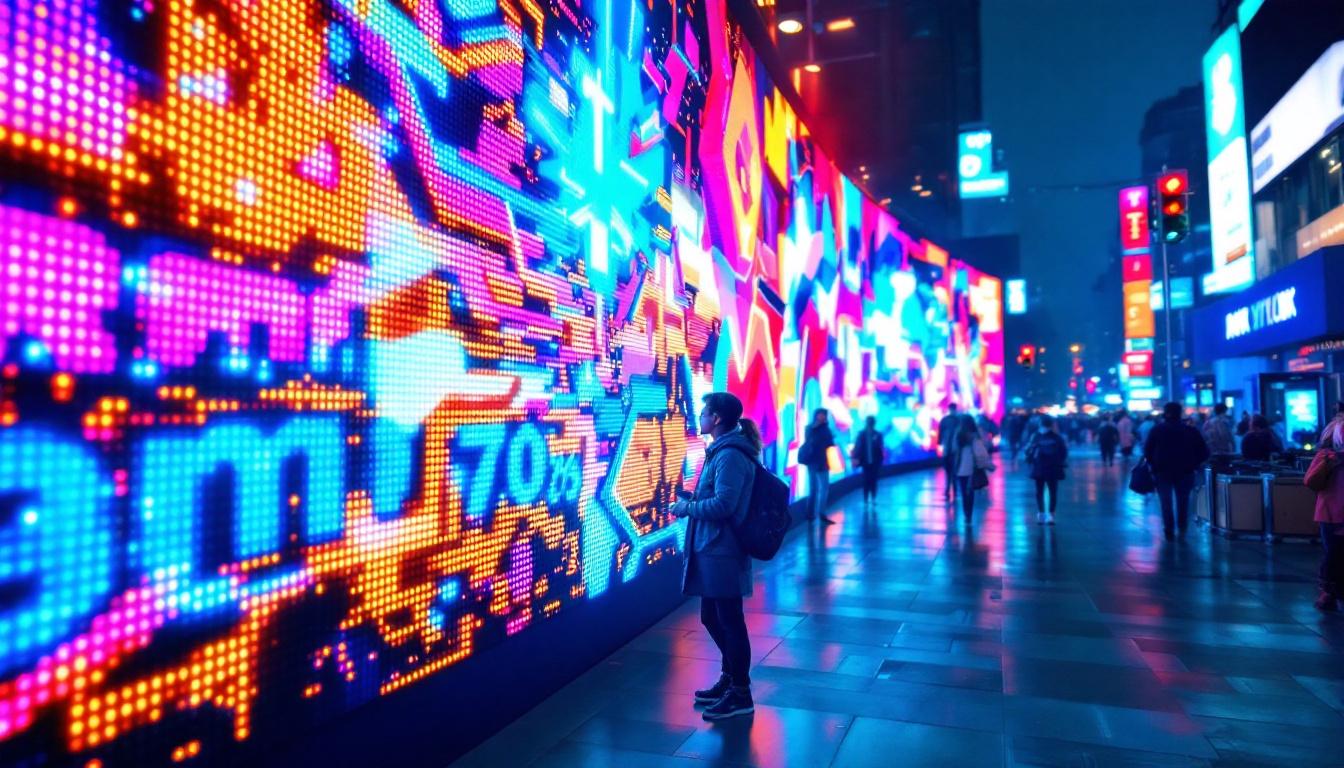
One of the most common uses of LED wall panels is in advertising, where their brightness and color fidelity attract attention and engage audiences. Digital billboards, shopping mall displays, and storefront signage leverage LED technology to showcase promotions, brand messages, and interactive content.
Retailers benefit from LED walls by creating immersive brand experiences that can influence purchasing behavior and increase foot traffic. The ability to update content remotely and in real-time also provides flexibility and cost savings compared to traditional print media.
Entertainment and Events
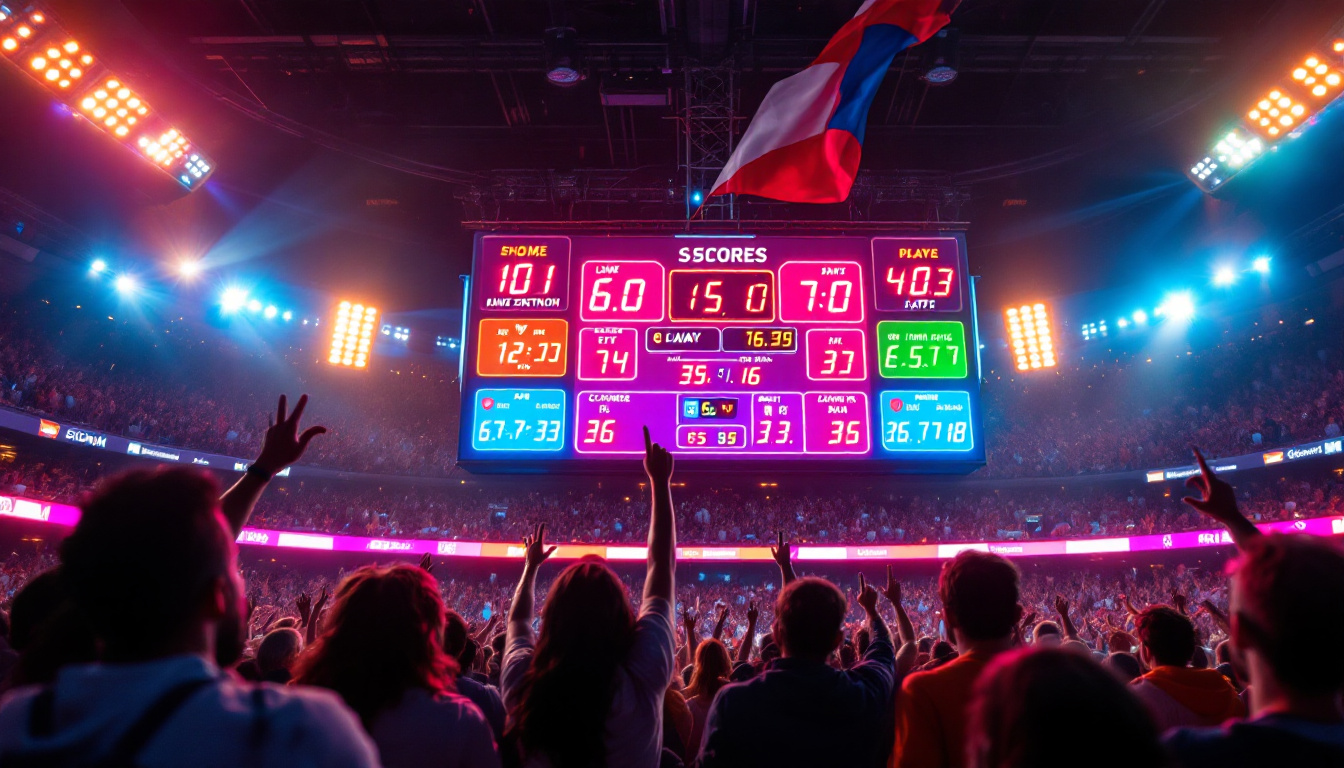
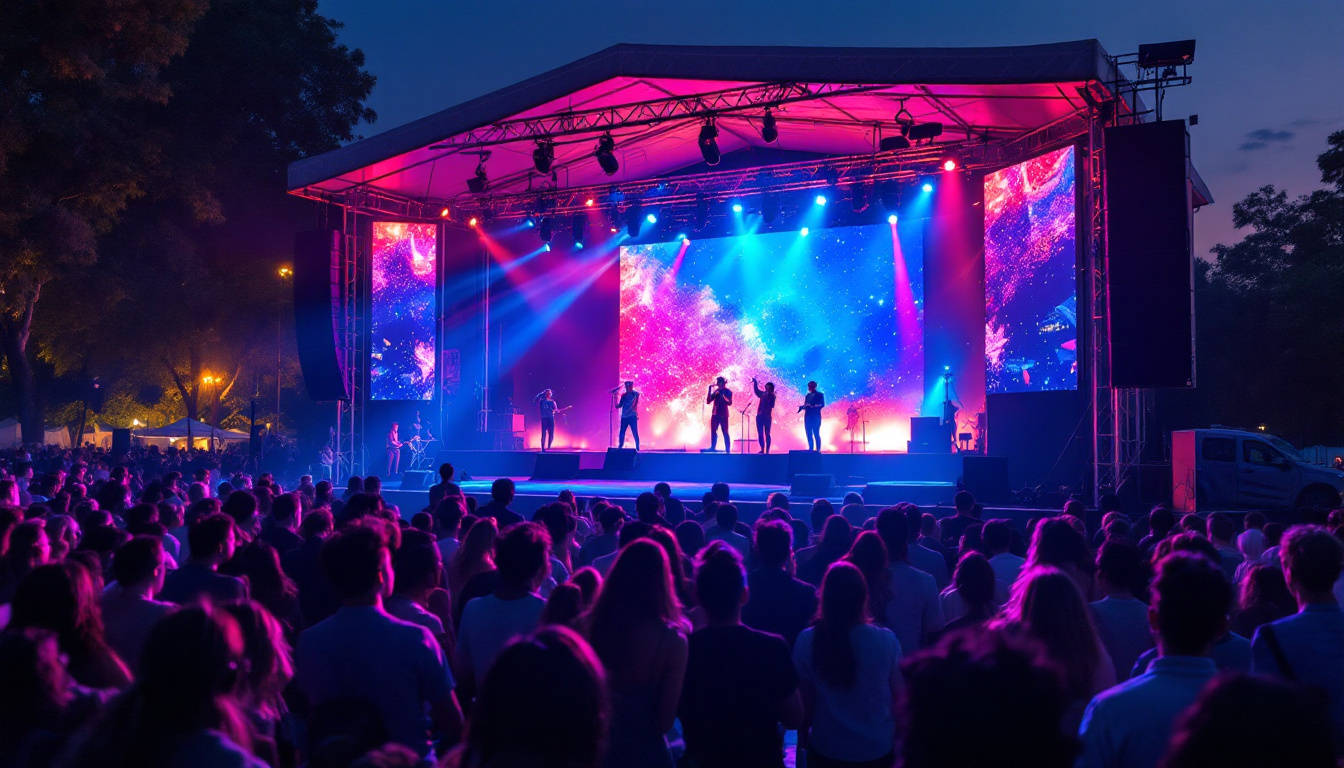
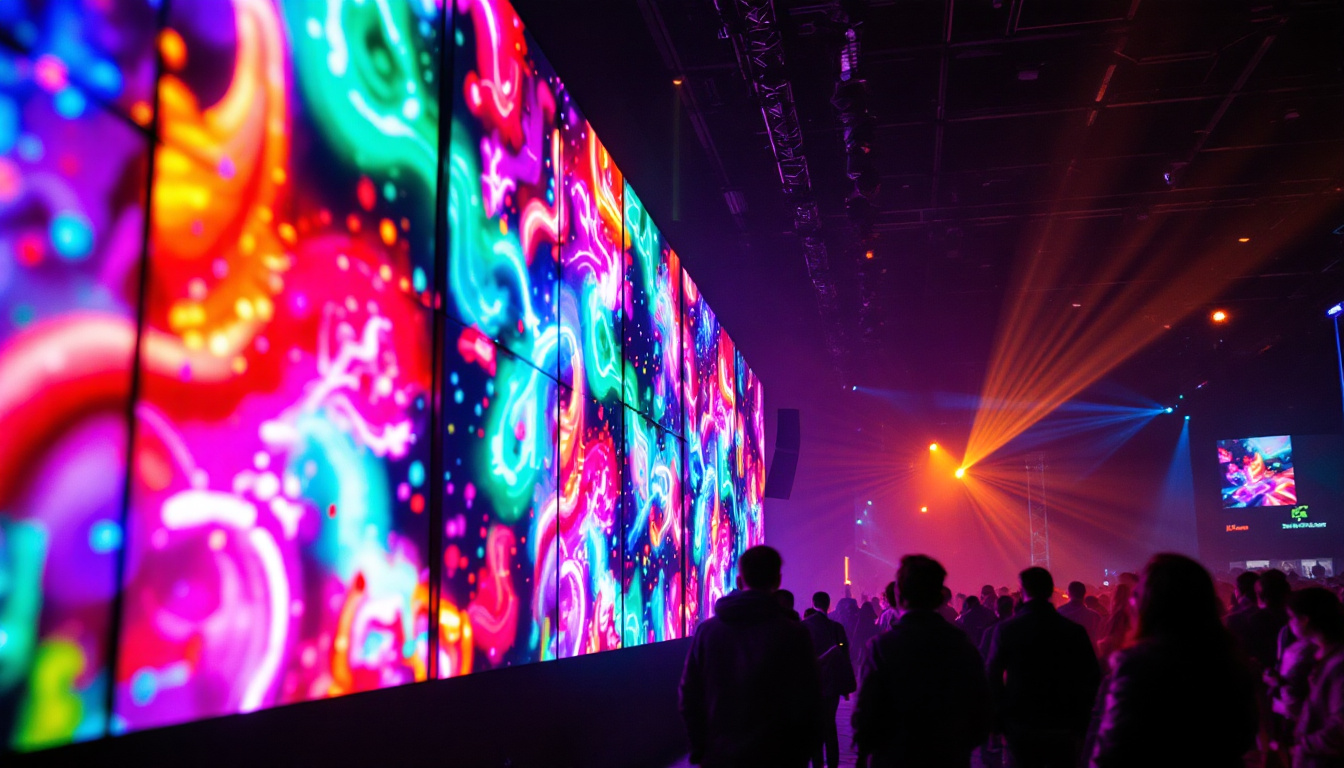
Concerts, sports arenas, and theaters utilize large LED walls to enhance the spectator experience. These displays serve as giant video screens, showing live footage, replays, and dynamic graphics that complement the event.
LED walls are also integral to stage design, enabling visually stunning backdrops and interactive elements that elevate performances. Their high refresh rates and brightness ensure clear visibility even in challenging lighting conditions.
Corporate and Educational Environments
In corporate settings, LED wall panels are used for presentations, video conferencing, and digital signage in lobbies and meeting rooms. Their ability to display high-resolution content supports effective communication and branding.
Educational institutions deploy LED walls for lecture halls, auditoriums, and digital noticeboards, enhancing the learning environment with engaging multimedia content.
Transportation Hubs and Public Spaces
Airports, train stations, and bus terminals use LED displays for real-time information such as arrivals, departures, and emergency announcements. Their high visibility and reliability make them essential for managing passenger flow and safety.
Public spaces also employ LED walls for community messaging, art installations, and interactive kiosks, fostering engagement and connectivity.
Choosing the Right LED Wall Panel
Selecting an LED wall panel that meets specific needs involves balancing technical specifications, environmental conditions, and budget considerations. The following factors are critical in making an informed decision.
Resolution and Pixel Pitch
The intended viewing distance largely determines the required resolution and pixel pitch. For close-up viewing, such as in retail stores or conference rooms, a smaller pixel pitch (under 2mm) is necessary to avoid visible pixelation. For large outdoor billboards viewed from hundreds of feet away, a larger pixel pitch is acceptable and more cost-effective.
Brightness and Environment
Assessing ambient lighting conditions is essential. Outdoor installations require high-brightness panels to overcome sunlight, while indoor environments can utilize lower brightness to reduce power consumption and eye strain.
Durability and Maintenance
Outdoor and high-traffic indoor locations demand robust panels with weatherproofing and easy maintenance access. Modular designs that allow for quick replacement of individual LED modules can minimize downtime and service costs.
Installation and Mounting
The physical installation requirements, including wall structure, weight limits, and mounting options, influence panel choice. Some LED walls require specialized frames or support systems, especially for curved or flexible panels.
Control Systems and Software
Modern LED walls are controlled by advanced software platforms that manage content scheduling, brightness adjustments, and diagnostics. Compatibility with existing systems and ease of use are important considerations for operational efficiency.
Future Trends in LED Wall Panel Technology
As LED technology continues to advance, several trends are shaping the future of wall panel displays.
Mini-LED and Micro-LED Innovations
Mini-LED and Micro-LED technologies push the boundaries of pixel density and brightness. Micro-LEDs, in particular, promise even greater energy efficiency, longer lifespan, and superior image quality, potentially rivaling OLED displays in the near future.
Higher Refresh Rates and HDR Support
Increasing refresh rates beyond 120Hz and incorporating High Dynamic Range (HDR) capabilities enhance visual smoothness and color depth, improving the viewing experience for video content and gaming applications.
Integration with IoT and AI
Smart LED walls integrated with Internet of Things (IoT) devices and artificial intelligence (AI) enable dynamic content adaptation based on audience demographics, environmental conditions, and real-time analytics. This interactivity opens new avenues for personalized advertising and information delivery.
Eco-Friendly and Energy-Efficient Designs
Manufacturers are focusing on reducing the environmental impact of LED panels through improved energy efficiency, recyclable materials, and longer product lifecycles. This aligns with growing corporate sustainability goals and regulatory requirements.
Conclusion
LED wall panels represent a powerful and versatile display technology that continues to revolutionize visual communication across industries. Understanding their technical foundations, types, and applications is essential for making informed decisions about their deployment.
Whether enhancing a retail environment, captivating audiences at live events, or delivering critical information in public spaces, LED panels offer unmatched brightness, flexibility, and durability. As innovations like Micro-LED and AI integration emerge, the potential of LED wall panels will only expand, making them an indispensable tool for the future of digital displays.
Discover LumenMatrix LED Display Solutions
Ready to elevate your space with the latest in LED display technology? LumenMatrix is at the forefront of creating immersive and dynamic visual experiences. From Indoor and Outdoor LED Wall Displays to specialized solutions like Vehicle, Sports, and Floor LED Displays, we have the expertise to bring your vision to life. Our mission is to transform visual communication with displays that captivate and engage. Don’t miss the opportunity to make a lasting impression. Check out LumenMatrix LED Display Solutions today and see how we can help you share your message with the world.