In the dynamic world of events, advertising, and corporate presentations, the use of LED displays for wall staging has become a transformative trend. From large-scale concerts and trade shows to corporate lobbies and retail environments, LED walls are redefining how visual content is delivered and experienced. This article delves into the intricacies of wall staging using LED displays, exploring their technology, benefits, applications, and key considerations for businesses and event organizers.
Understanding LED Display Technology
LED, or Light Emitting Diode, technology has revolutionized digital displays by offering vibrant visuals, high brightness, and energy efficiency. Unlike traditional LCD or projection systems, LED displays are made up of thousands of tiny diodes that emit light individually, allowing for superior image quality and flexibility. This innovation has not only transformed the way we consume visual content but has also opened up new avenues in advertising, entertainment, and information dissemination.
The longevity of LED technology is another significant advantage. With a lifespan that can exceed 100,000 hours, LED displays require less frequent replacements compared to their counterparts, making them a cost-effective choice in the long run. Furthermore, their low power consumption contributes to reduced operational costs and a smaller carbon footprint, aligning with the growing demand for sustainable technology solutions in various industries.
How LED Displays Work
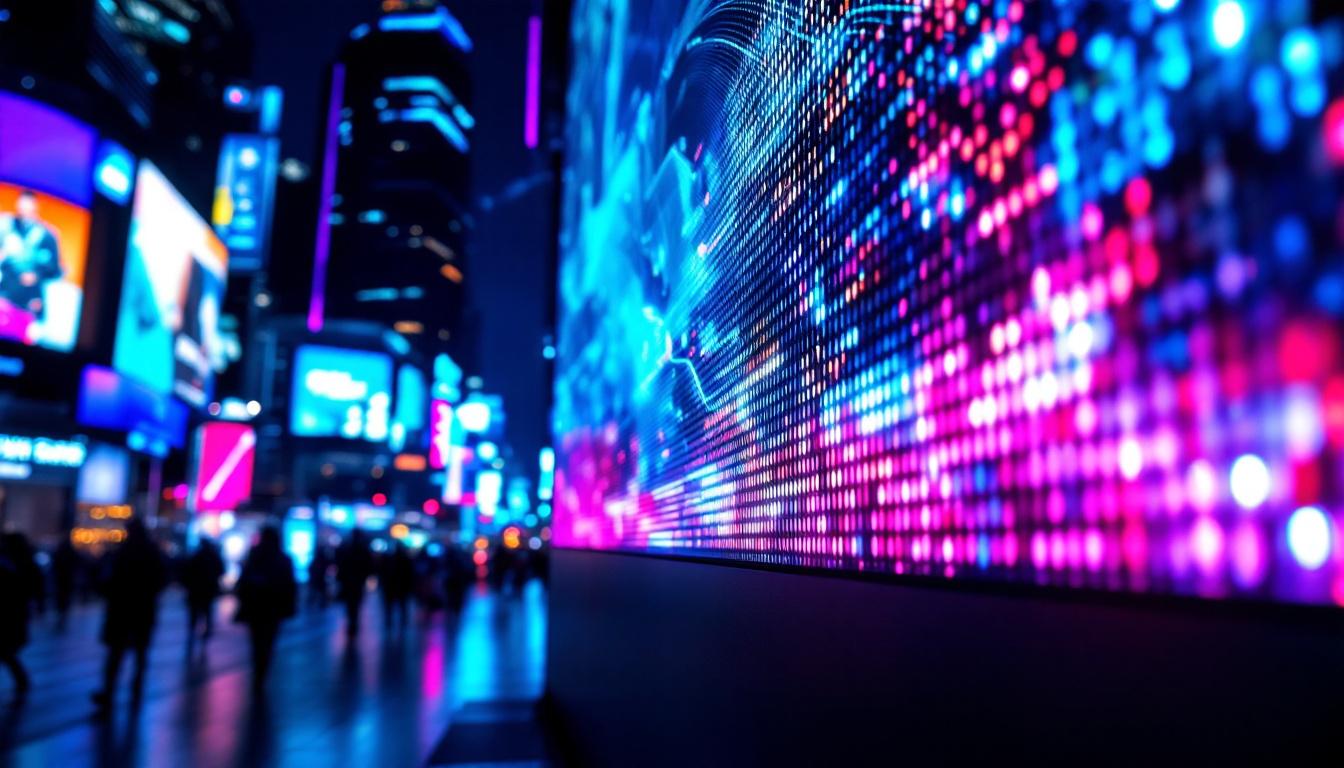
Each LED display panel consists of an array of pixels, with each pixel containing red, green, and blue diodes. By varying the intensity of these diodes, the display can produce millions of colors and render sharp images even in bright environments. The modular nature of LED panels allows them to be assembled into large, seamless walls of virtually any size and shape. This adaptability makes LED displays a popular choice for dynamic environments where visual impact is crucial, such as concerts, trade shows, and live sports events.
Modern LED displays use surface-mount device (SMD) technology, which places the diodes closely together to achieve high pixel density and excellent viewing angles. This results in crisp, clear images that remain consistent regardless of the viewer’s position. Additionally, advancements in technology have led to the development of HDR (High Dynamic Range) capabilities in LED displays, enhancing contrast and color accuracy, which is particularly beneficial for applications requiring detailed visual representation, such as medical imaging and graphic design.
Types of LED Displays for Wall Staging
When it comes to wall staging, several types of LED displays are commonly used:
- Indoor LED Displays: Designed for controlled lighting environments, these displays offer high resolution and pixel density, making them ideal for corporate events, conferences, and retail spaces. Their ability to deliver stunning visuals in a variety of settings allows businesses to create engaging experiences that captivate audiences and enhance brand messaging.
- Outdoor LED Displays: Built to withstand weather conditions, these are brighter and more robust, suitable for concerts, sports arenas, and public advertising. With advancements in technology, outdoor displays now feature enhanced waterproofing and UV protection, ensuring longevity and reliability even in harsh climates.
- Transparent LED Displays: These innovative panels allow light to pass through, enabling creative applications like storefront windows and architectural integrations without blocking natural light. This unique feature not only enhances aesthetic appeal but also provides a novel way for businesses to showcase products and advertisements while maintaining visibility into their physical spaces.
Another emerging type of LED display is the flexible LED screen, which can be bent and shaped to fit unconventional spaces and surfaces. This versatility opens up exciting possibilities for creative installations in art galleries, museums, and themed environments, where traditional display methods may fall short. As technology continues to evolve, the potential applications for LED displays are virtually limitless, paving the way for innovative solutions that enhance visual communication across various sectors.
Benefits of Using LED Displays for Wall Staging
LED displays provide a range of advantages that make them a preferred choice for wall staging over traditional projection or print media. Understanding these benefits helps businesses and event planners make informed decisions about their visual presentation strategies.
Unmatched Visual Impact
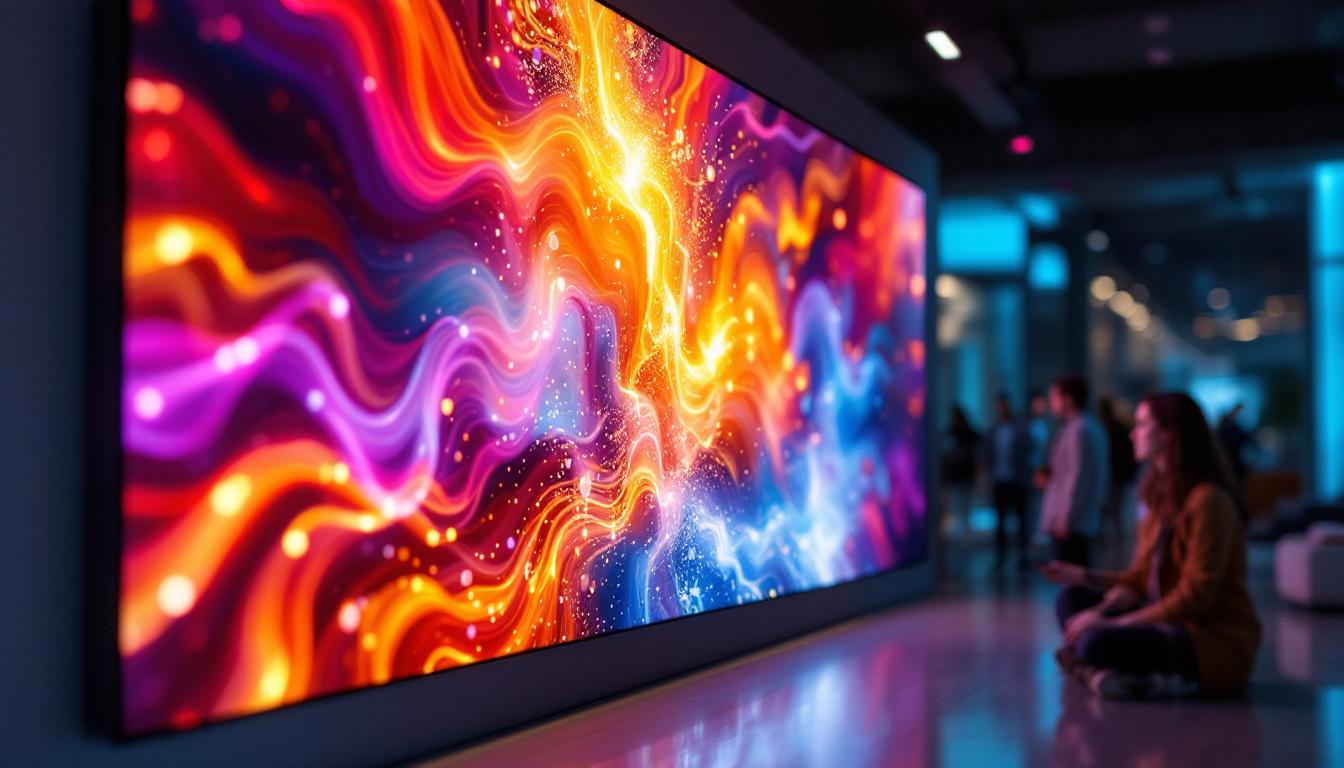
One of the most compelling reasons to choose LED displays is their ability to deliver bright, vivid images with exceptional contrast. LED walls maintain clarity and color accuracy even in well-lit environments, ensuring that the audience’s attention is captured and retained.
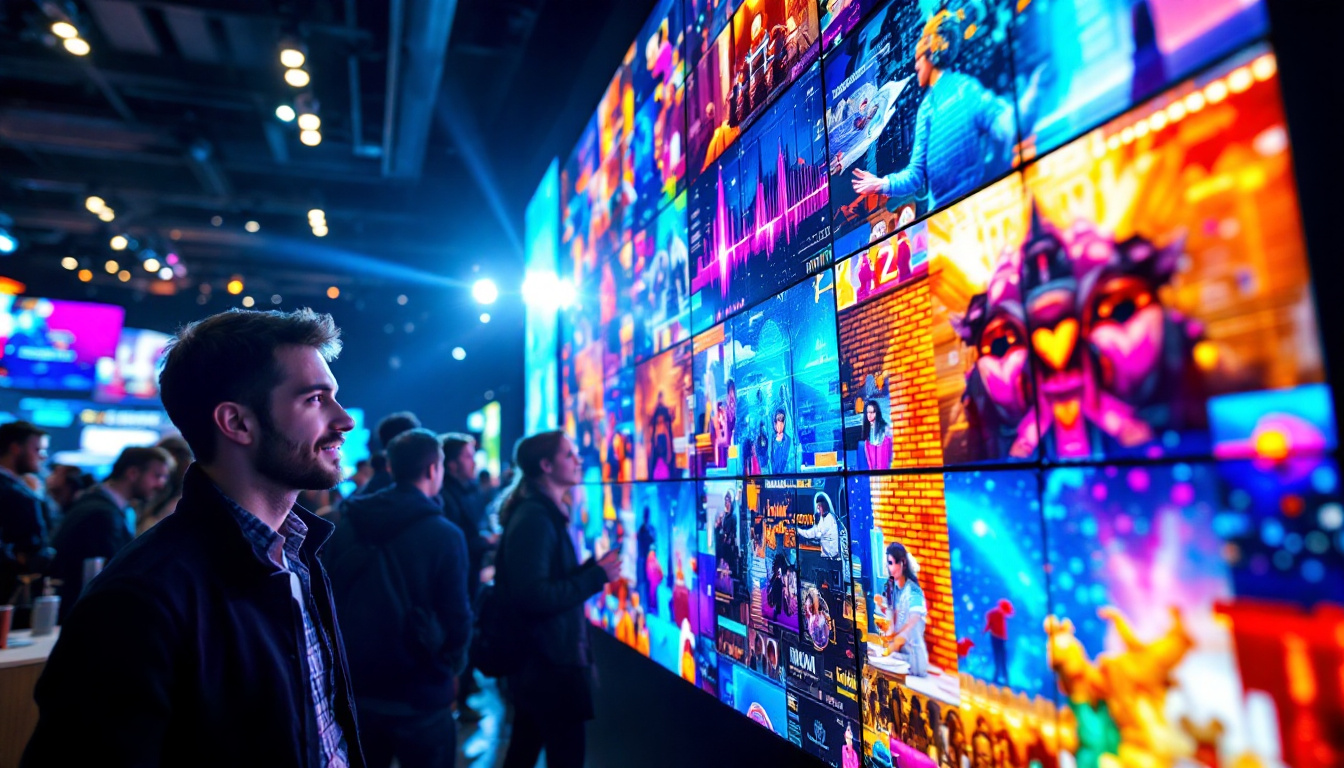
For example, during the 2023 Consumer Electronics Show (CES), several exhibitors utilized massive LED walls to showcase product demos and interactive content, resulting in higher engagement rates and positive attendee feedback.
Scalability and Flexibility
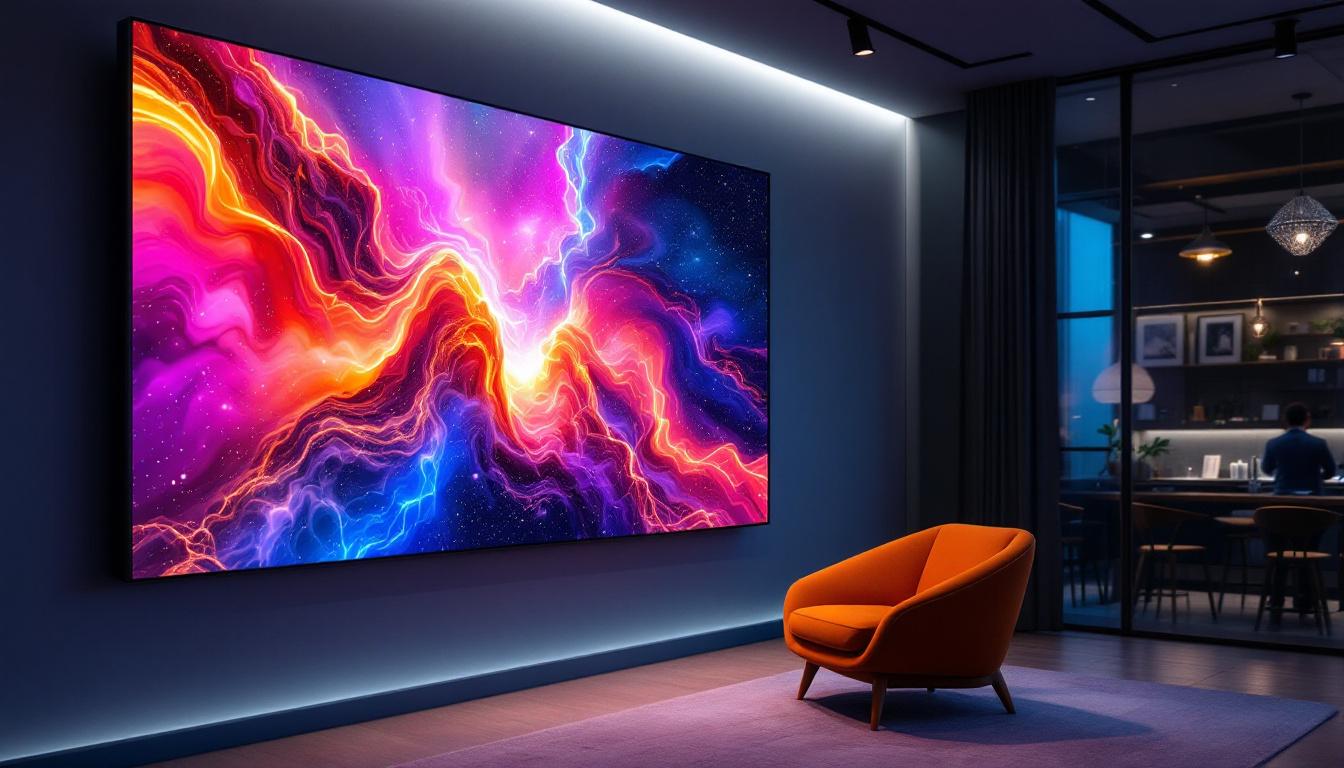
LED wall staging can be customized to fit virtually any space or design concept. Panels can be configured into curved, angled, or irregular shapes, allowing creative freedom for set designers and marketers. This adaptability is invaluable for events that require unique visual setups or branding elements.
Durability and Longevity
LED displays are known for their long operational life, often exceeding 100,000 hours of use. Their solid-state construction makes them resistant to shock and vibration, which is crucial for mobile staging setups and touring events. Additionally, LED technology consumes less power compared to traditional lighting and projection systems, contributing to lower operational costs.
Seamless Content Integration
Modern LED walls support a wide range of media formats and can be integrated with advanced content management systems. This enables real-time content updates, interactive features, and synchronization with other audiovisual elements, enhancing the overall experience.
Applications of LED Wall Staging Across Industries
LED wall staging is not confined to a single industry; its versatility makes it suitable for diverse applications. Below are some of the key sectors leveraging LED displays for impactful visual communication.
Entertainment and Live Events
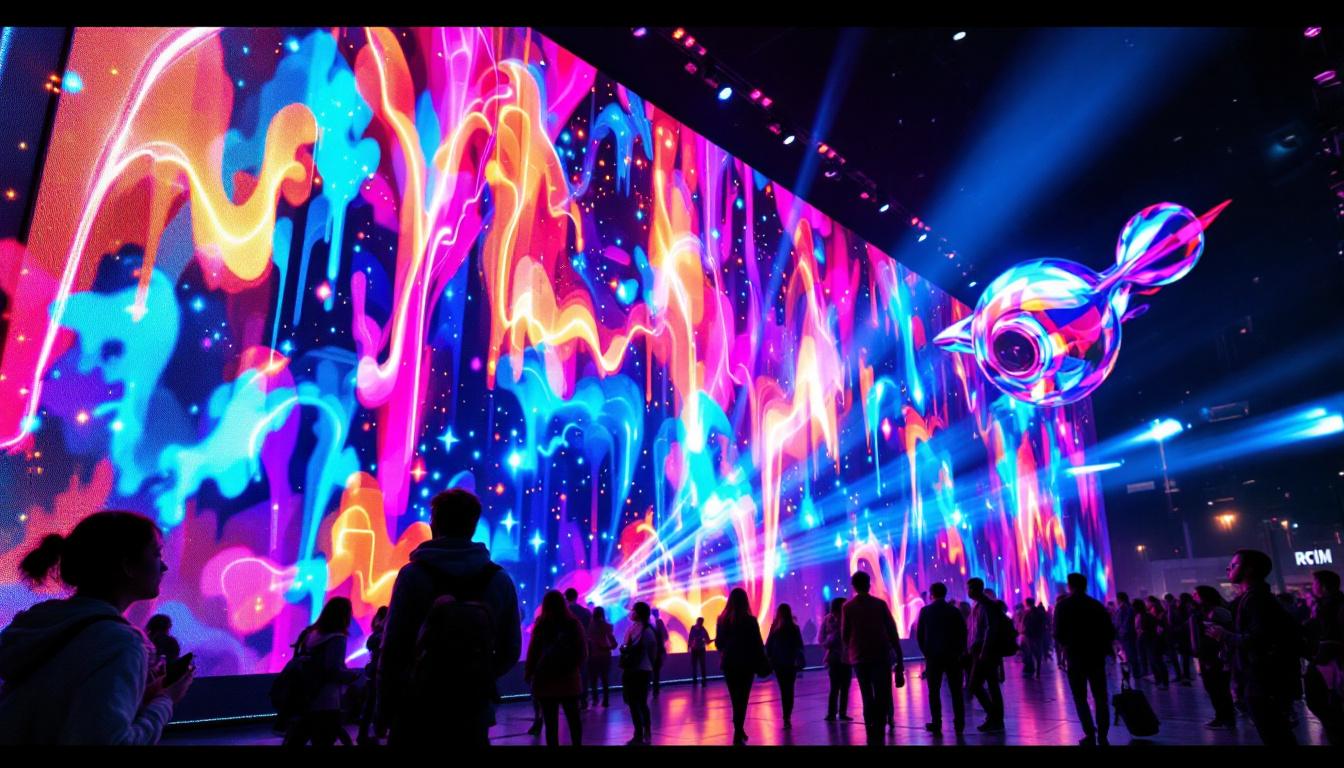
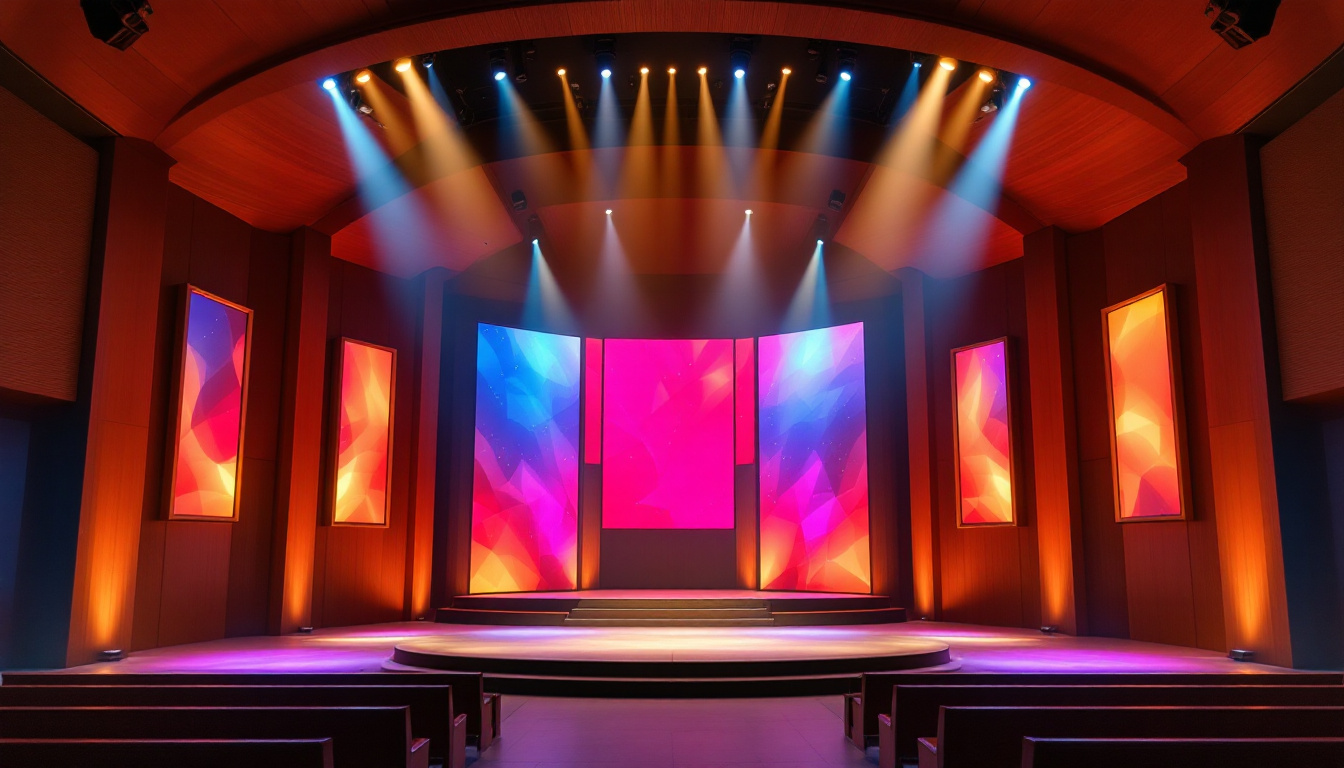
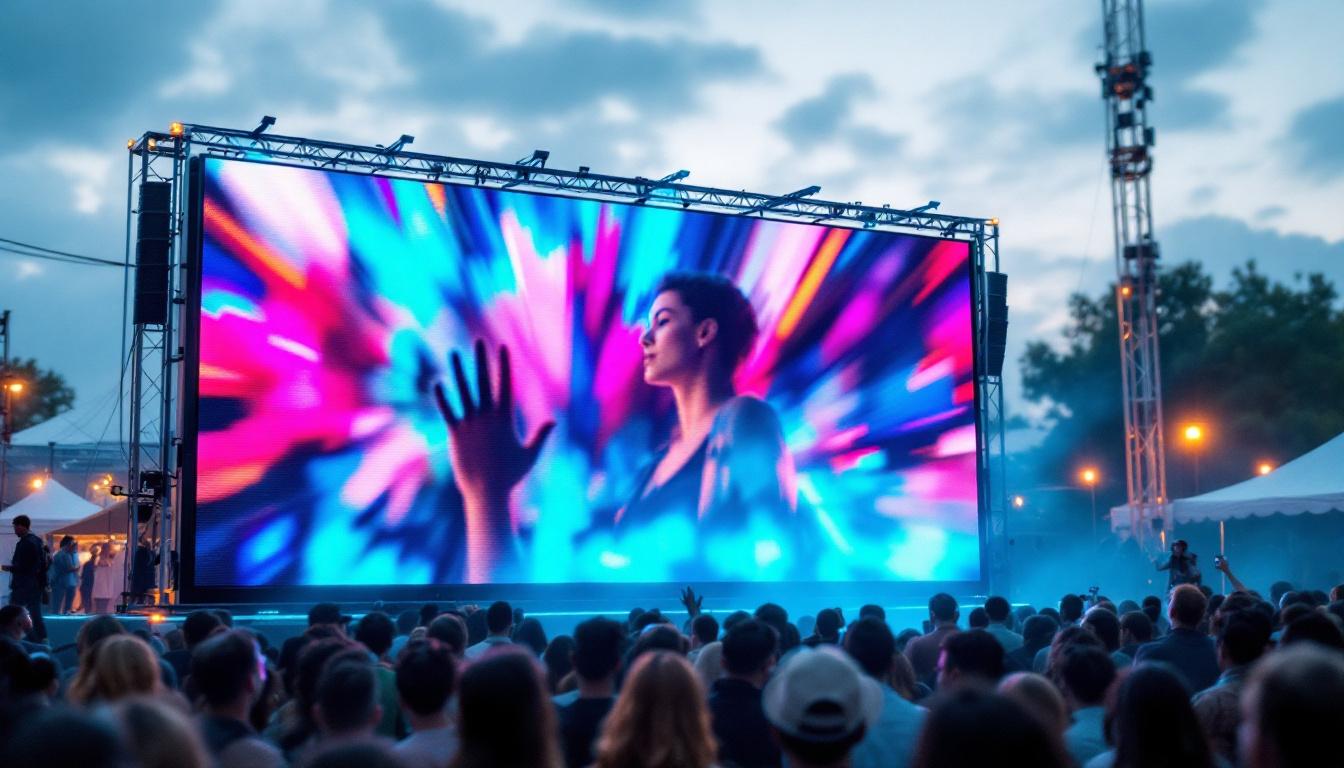
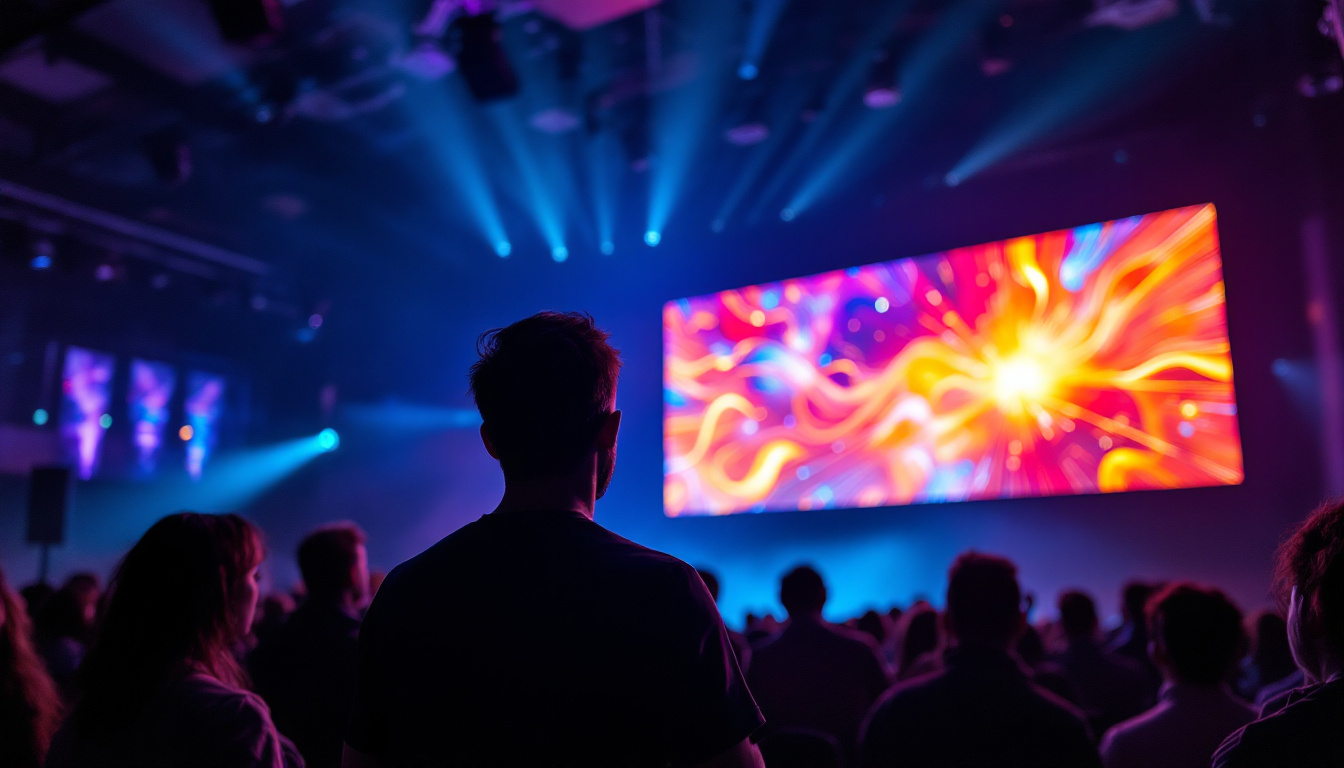
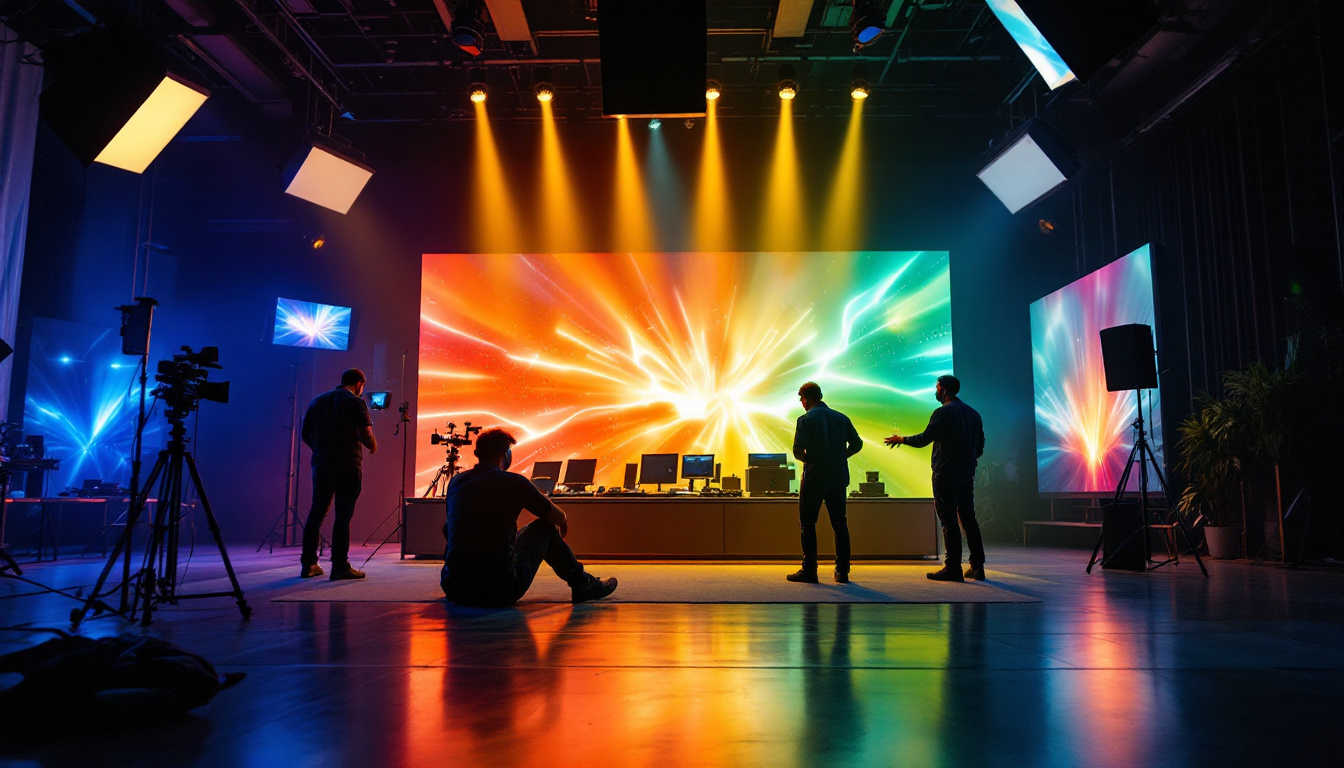
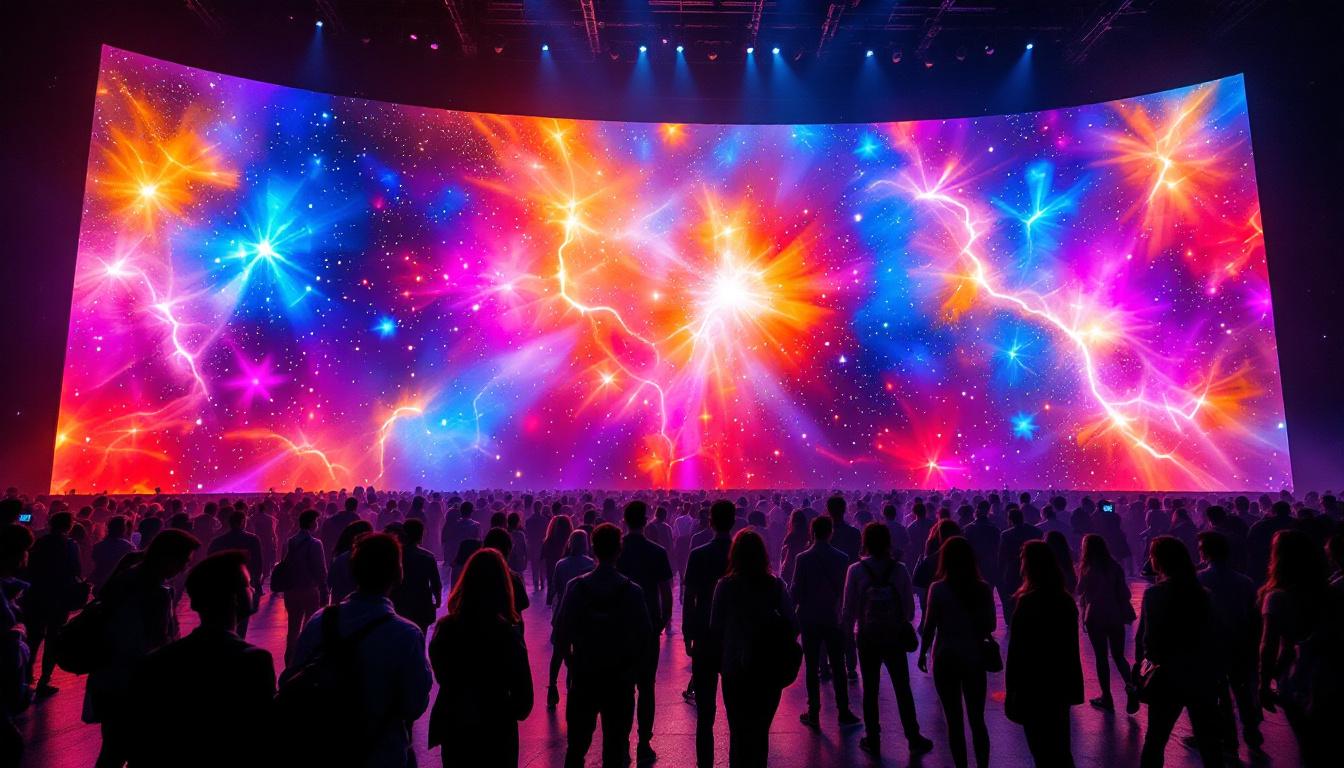
Concerts, theater productions, and festivals frequently employ LED walls to create immersive backdrops and dynamic stage designs. The ability to display high-definition video, animations, and live feeds enhances audience engagement and complements the performers’ acts.
For instance, during the 2022 Coachella music festival, LED walls were used extensively to provide vibrant visuals that synchronized with the music, creating a multi-sensory experience for tens of thousands of attendees.
Corporate and Trade Shows
In corporate environments, LED walls serve as powerful tools for presentations, branding, and product launches. Their ability to display crisp graphics and videos helps companies communicate their messages clearly and professionally.
Trade shows benefit from LED displays by attracting visitors to booths with eye-catching visuals and interactive content, increasing lead generation and brand awareness.
Retail and Advertising
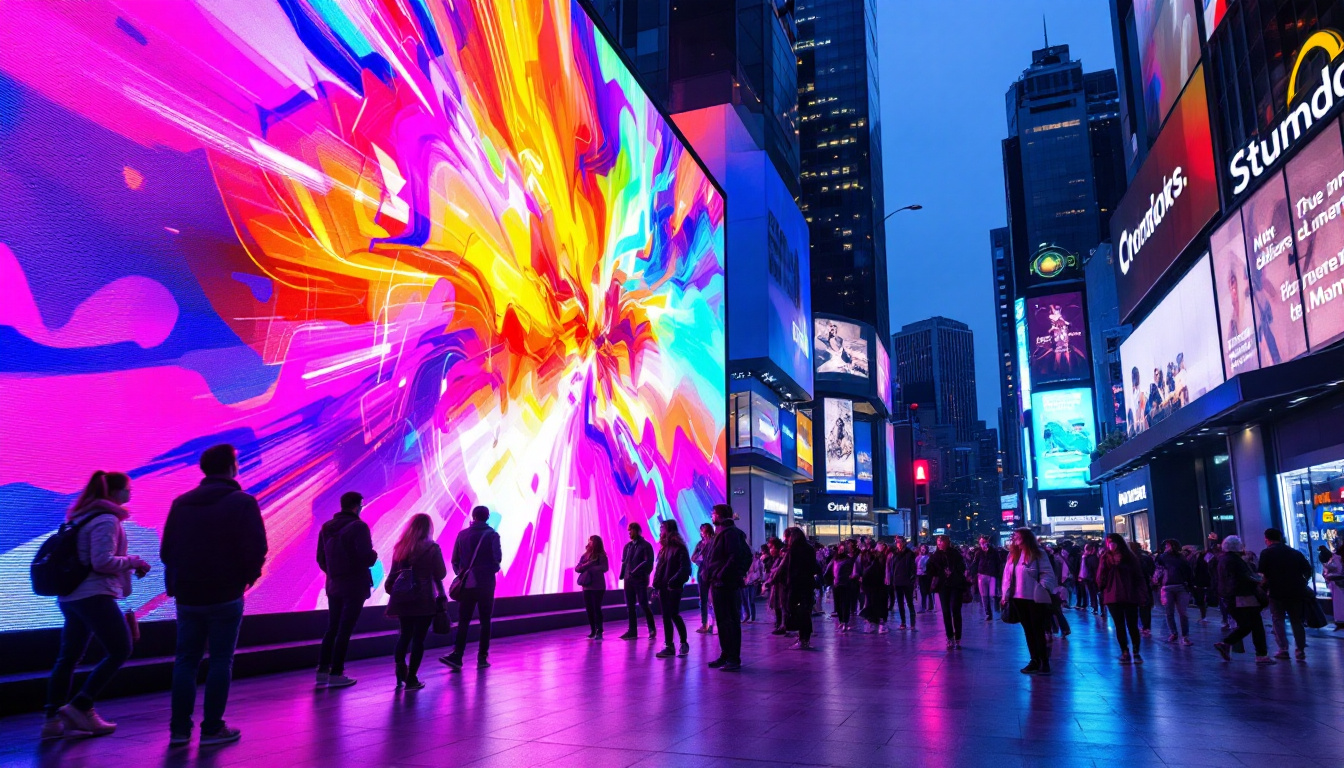
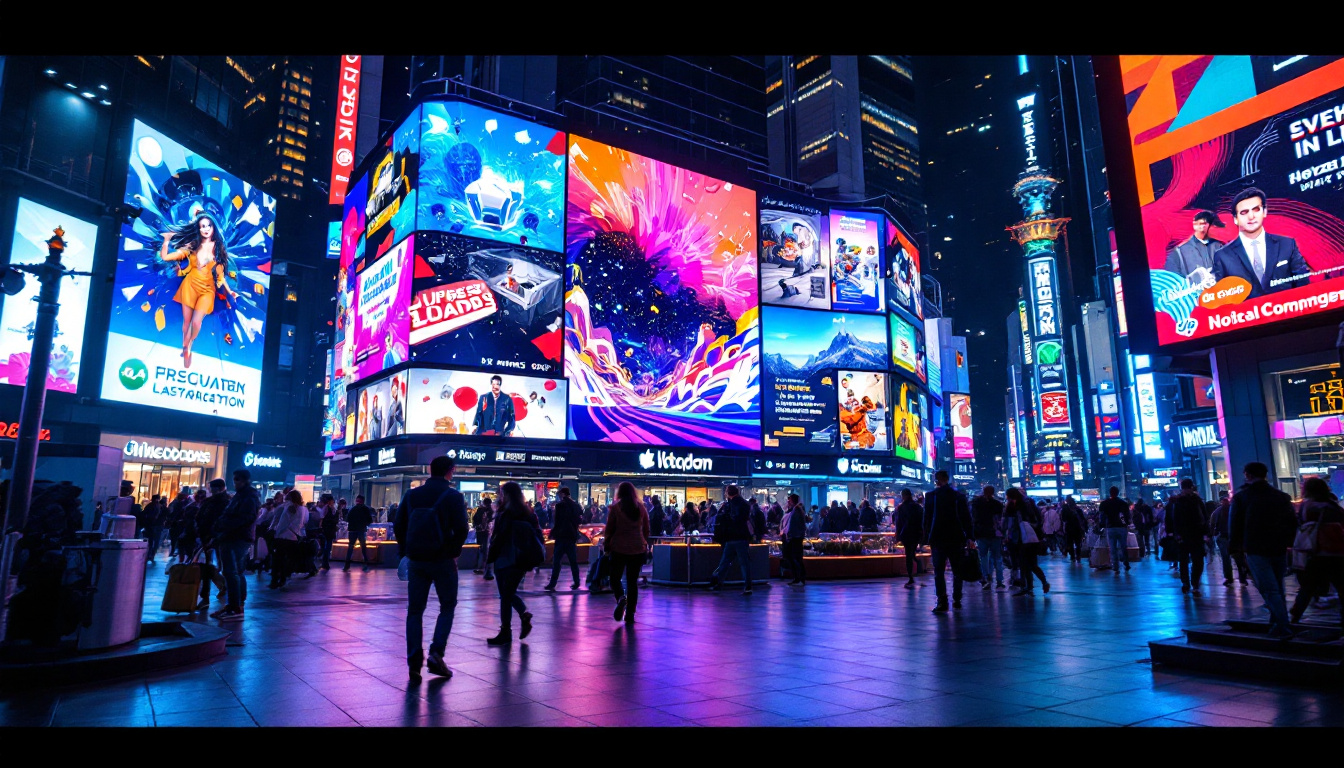
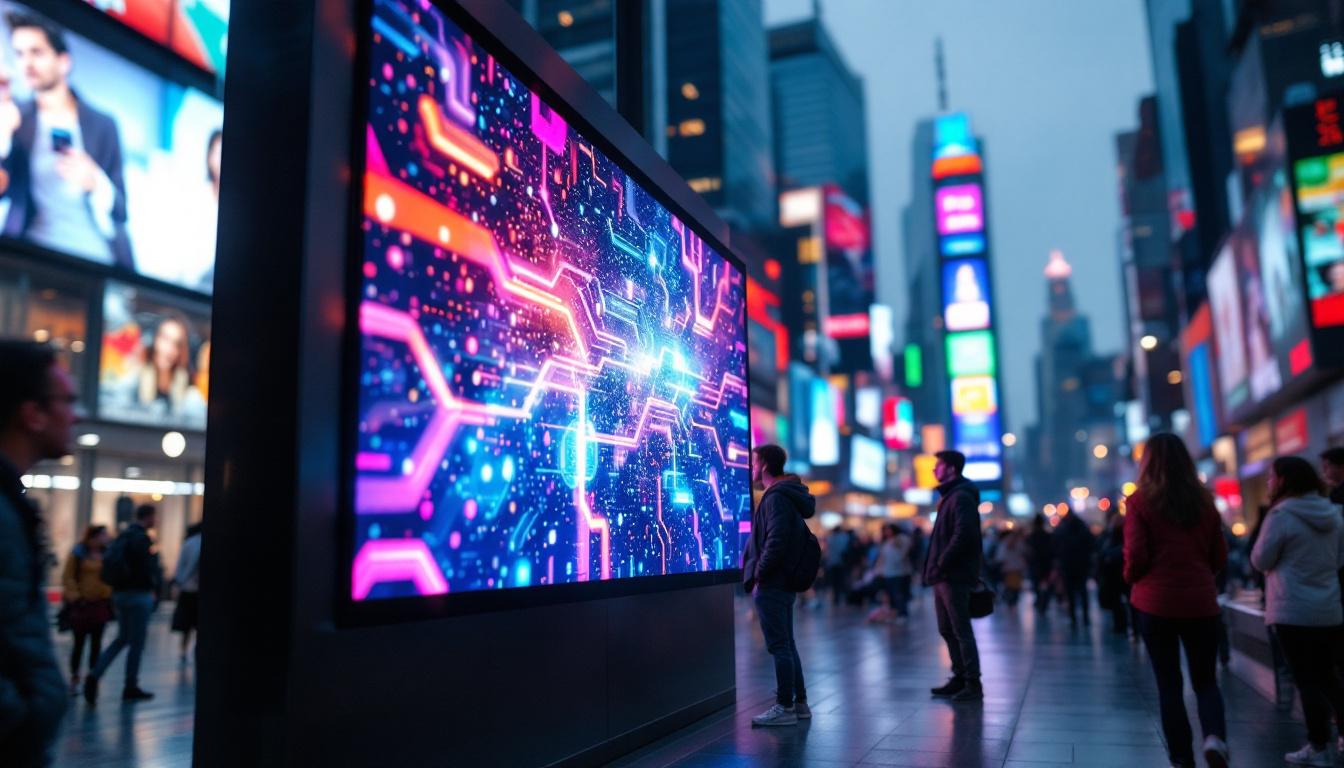
Retailers use LED walls to create dynamic window displays and in-store promotions that adapt to changing campaigns and seasons. Outdoor LED billboards and building wraps also provide high-impact advertising opportunities in urban settings.
Education and Public Spaces
Universities, museums, and public institutions utilize LED walls for informational displays, wayfinding, and interactive exhibits. The technology’s ability to present engaging content makes learning and navigation more accessible and enjoyable.
Key Considerations When Choosing LED Displays for Wall Staging
Selecting the right LED display involves evaluating several factors to ensure the installation meets the specific needs of the event or venue.
Resolution and Pixel Pitch
Pixel pitch—the distance between the centers of two adjacent pixels—directly affects image clarity. Smaller pixel pitches (e.g., 1.2mm to 2.5mm) provide higher resolution and are ideal for close viewing distances, such as indoor corporate events. Larger pixel pitches (e.g., 4mm to 10mm) are suitable for outdoor or large venues where viewers are farther away.
Brightness and Contrast Ratio
Brightness is measured in nits, with outdoor LED displays typically requiring 5,000 nits or more to combat sunlight glare. Indoor displays generally operate at 800 to 1,200 nits. A high contrast ratio ensures deeper blacks and more vibrant colors, enhancing visual quality.
Installation and Maintenance
Consider the ease of installation, weight of panels, and access for maintenance. Modular designs with front and rear serviceability reduce downtime and simplify repairs. Additionally, ensuring compatibility with existing AV infrastructure is crucial for seamless integration.
Cost and ROI
While LED walls represent a significant investment, their durability and impact often justify the expense. Evaluating the total cost of ownership—including installation, operation, and maintenance—against the expected benefits and revenue generation is essential for sound decision-making.
Future Trends in LED Wall Staging
The LED display industry continues to evolve rapidly, driven by advances in technology and changing user expectations. Staying informed about emerging trends can help businesses and event planners leverage new opportunities.
MicroLED and MiniLED Technologies
MicroLED and MiniLED offer even higher resolutions, improved brightness, and better energy efficiency compared to traditional LEDs. These technologies enable thinner, lighter displays with enhanced image quality, opening doors for innovative staging designs.
Interactive and Immersive Experiences
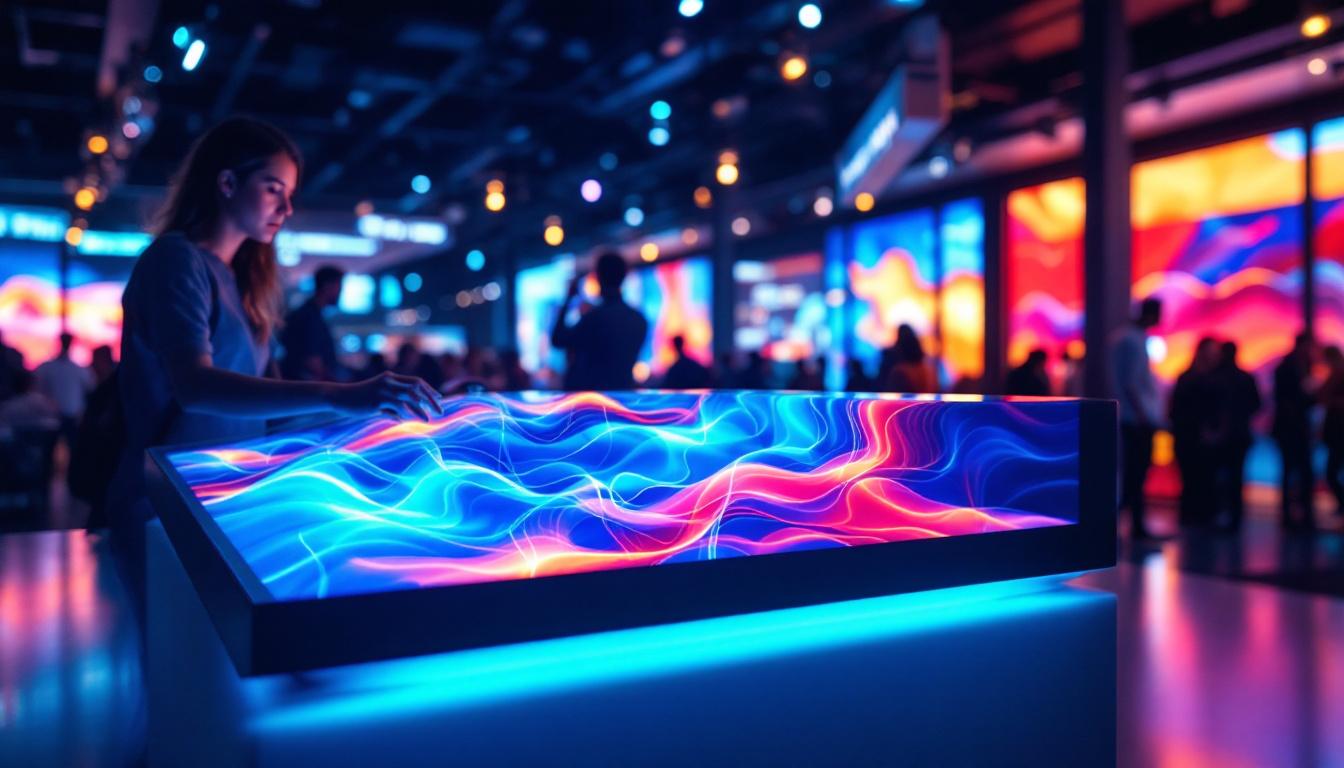
Integration of touch sensors, motion tracking, and augmented reality with LED walls is creating more interactive and immersive environments. This trend is particularly relevant in retail, education, and entertainment sectors, where engagement drives success.
Eco-Friendly and Sustainable Solutions
Manufacturers are increasingly focusing on reducing the environmental impact of LED displays through recyclable materials, lower power consumption, and longer lifespans. Sustainable staging solutions are becoming a priority for organizations committed to corporate social responsibility.
Conclusion
LED displays have firmly established themselves as a cornerstone of modern wall staging, offering unparalleled visual quality, flexibility, and durability. Whether used for captivating live performances, impactful corporate presentations, or innovative retail displays, LED walls elevate the audience experience and deliver measurable results.
By understanding the technology, benefits, applications, and key considerations outlined in this article, businesses and event professionals can confidently harness the power of LED wall staging to create memorable and effective visual communications.
Discover LumenMatrix LED Display Solutions
Ready to transform your visual presentations and captivate your audience like never before? Explore the innovative world of LumenMatrix, where cutting-edge LED display technology meets creative design. From Indoor and Outdoor LED Wall Displays to Custom and All-in-One LED solutions, LumenMatrix offers a wide array of products to revolutionize your visual communication. Whether you’re looking to enhance brand visibility, create immersive environments, or deliver dynamic content with clarity, LumenMatrix has the perfect LED solution for you. Check out LumenMatrix LED Display Solutions today and see your vision come to life.