In the rapidly evolving world of digital signage, LED displays have emerged as a dominant choice for businesses, event organizers, and advertisers seeking vibrant, high-impact visual communication. Walling pricing for LED displays, however, can be complex and varies widely depending on numerous factors. This article delves into the intricacies of LED display pricing, guiding readers through the essential elements that influence costs and helping them make informed decisions when investing in this technology.
Understanding LED Display Technology
LED (Light Emitting Diode) displays consist of an array of tiny light sources that emit bright, colorful images visible even in direct sunlight. Unlike traditional LCD or projection screens, LED displays offer superior brightness, contrast, and durability, making them ideal for both indoor and outdoor applications. This remarkable technology has revolutionized the way we experience visual content, from advertising to entertainment, providing a vibrant and engaging viewing experience.
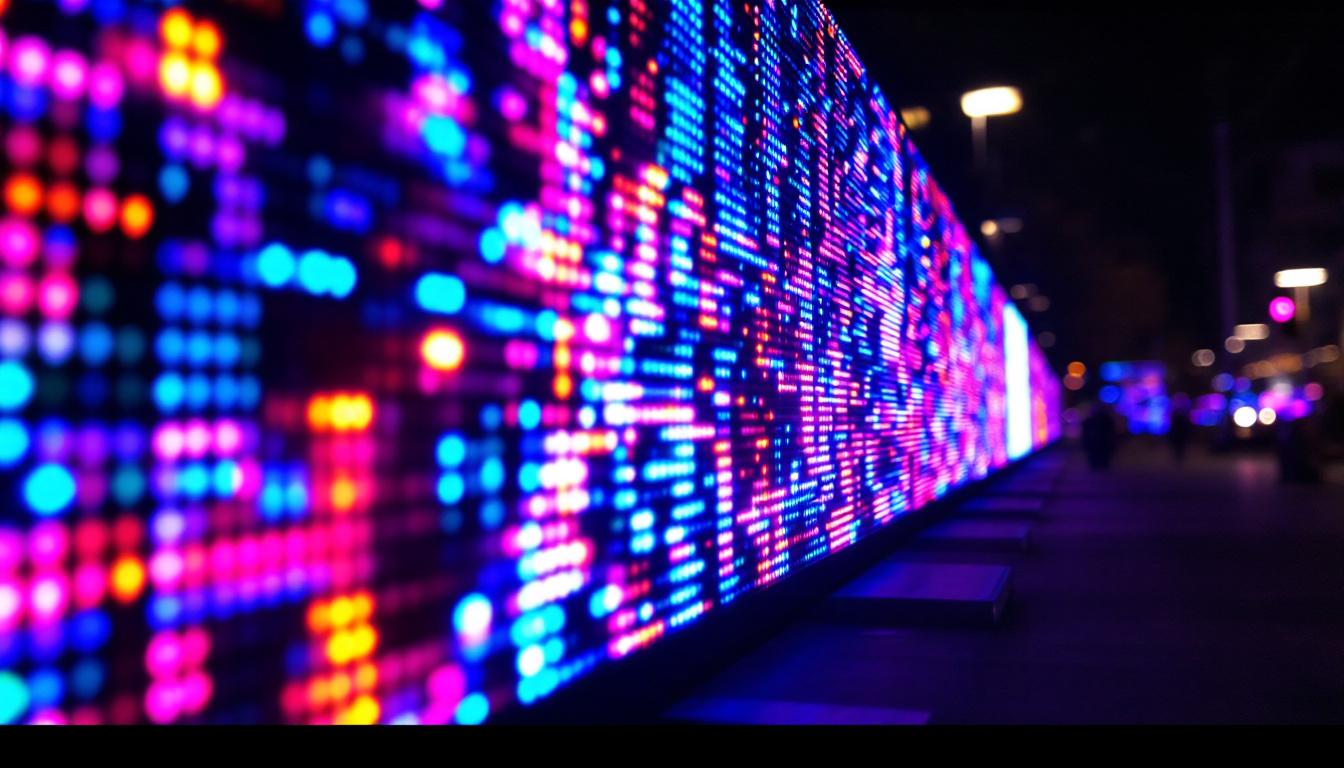
The technology behind LED displays involves millions of individual diodes arranged in pixels. Each pixel can produce a range of colors by combining red, green, and blue LEDs. The density and size of these pixels, known as pixel pitch, play a crucial role in determining the display’s resolution and, consequently, its price. As pixel pitch decreases, the display can achieve higher resolutions, which is particularly important for applications where viewers are close to the screen, such as in retail environments or at events where detailed visuals are essential.
Types of LED Displays
There are several types of LED displays, each suited to different environments and purposes:
- Indoor LED Displays: Designed for controlled lighting environments, these displays have smaller pixel pitches (typically 1.2mm to 4mm) for high resolution and close viewing distances. They are commonly used in venues such as theaters, conference rooms, and retail spaces, where clarity and detail are paramount.
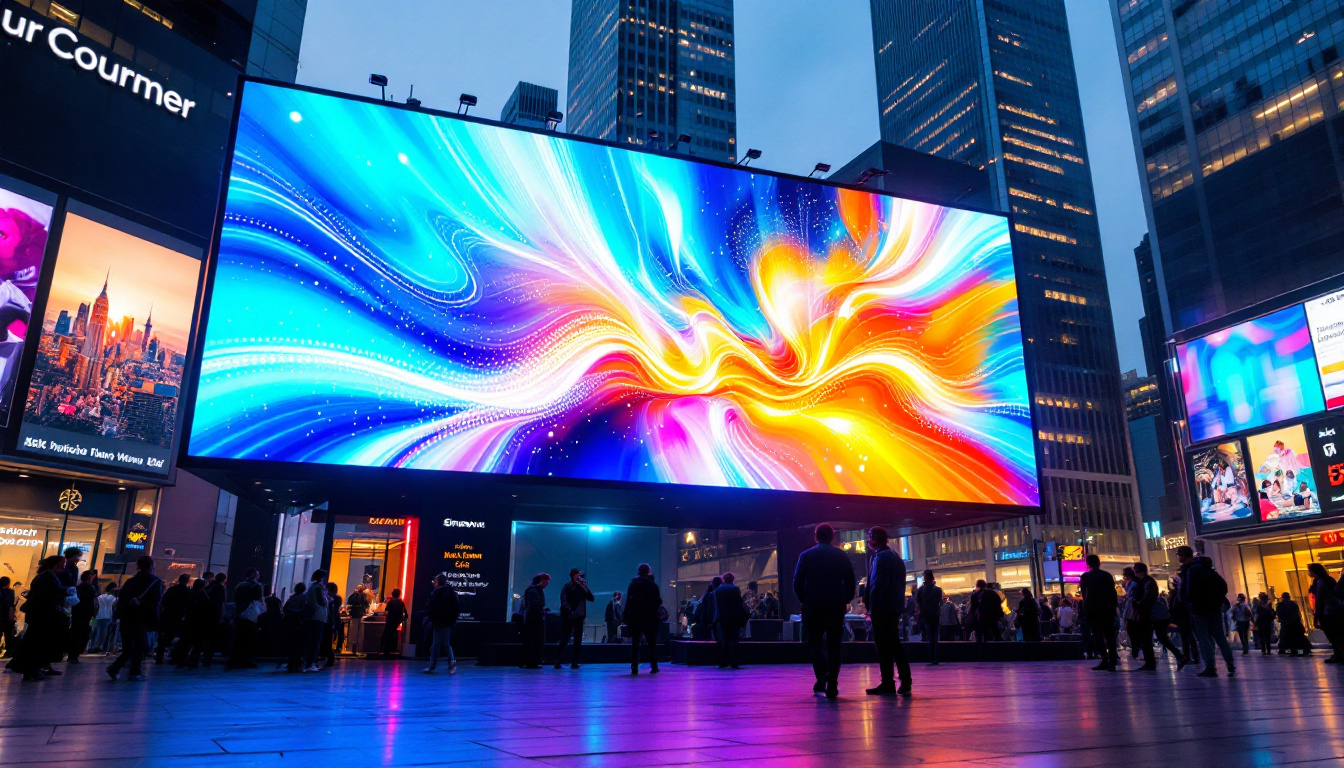
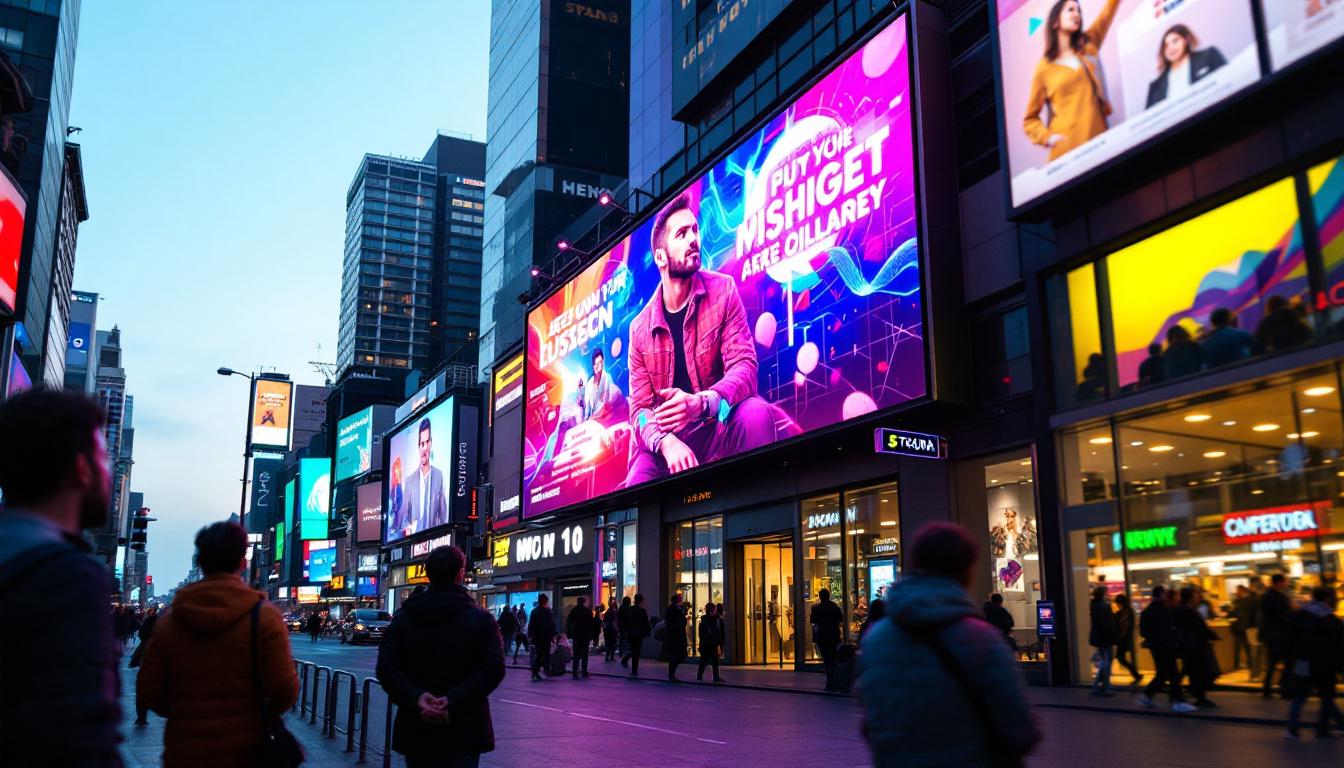
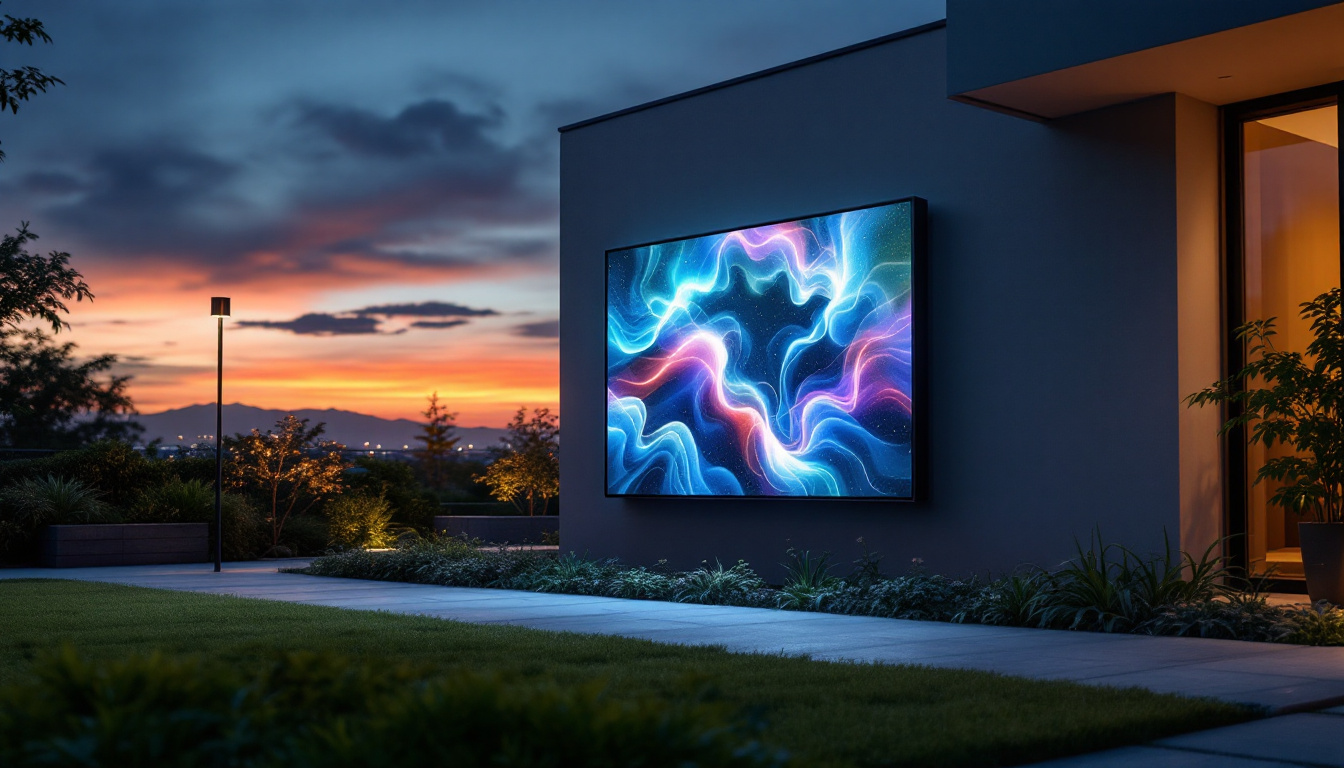
- Outdoor LED Displays: Built to withstand weather elements, these displays feature larger pixel pitches (4mm to 20mm or more) and higher brightness levels to remain visible in sunlight. They are often seen in stadiums, billboards, and public transportation hubs, where they can capture the attention of passersby and convey messages effectively.
- Transparent LED Displays: These are specialized panels that allow light to pass through, making them perfect for storefront windows or glass walls. They provide a unique advertising medium that doesn’t obstruct the view, allowing businesses to showcase products while maintaining an open and inviting atmosphere.
- Flexible and Curved LED Displays: These displays can be bent or curved to fit unique architectural designs, offering creative installation options. Their versatility allows for innovative applications in art installations, immersive environments, and even in automotive displays, where traditional flat screens would be impractical.
In addition to these types, LED technology continues to evolve with advancements such as microLED and miniLED displays, which promise even greater efficiency and color accuracy. MicroLED technology uses microscopic LEDs to create individual pixels, resulting in displays that are thinner, lighter, and capable of producing stunning visuals with unmatched contrast ratios. MiniLED, on the other hand, enhances traditional LED displays by using smaller LEDs for backlighting, allowing for improved local dimming and better overall picture quality. As these technologies develop, they are set to further enhance the capabilities of LED displays, making them an even more integral part of our visual landscape.
Moreover, the integration of smart technology into LED displays has opened new avenues for interactivity and engagement. With features like touch sensitivity, motion tracking, and connectivity to the Internet of Things (IoT), modern LED displays can serve as dynamic platforms for real-time information sharing and audience interaction. This transformation is particularly beneficial in retail settings, where businesses can tailor content based on customer behavior, creating a more personalized shopping experience. As we look to the future, the potential applications of LED display technology seem limitless, promising to redefine how we communicate and connect with one another in various environments.
Key Factors Influencing Walling Pricing for LED Displays
When evaluating the cost of wall-mounted LED displays, several critical factors come into play. Understanding these helps buyers anticipate expenses and tailor solutions to their specific needs.
Pixel Pitch and Resolution
Pixel pitch, measured in millimeters, is the distance between the centers of two adjacent pixels. A smaller pixel pitch means higher resolution and sharper images, especially important for close viewing distances. However, finer pixel pitches require more LEDs per square meter, driving up manufacturing costs.
For example, an indoor LED wall with a 1.5mm pixel pitch can cost significantly more per square meter than an outdoor display with a 10mm pitch. This difference is due to the increased complexity and density of LEDs needed for higher resolution.
Display Size and Aspect Ratio
The total size of the LED wall directly affects pricing. Larger displays require more modules, power supplies, and structural support, increasing material and installation costs. Additionally, the aspect ratio—the proportional relationship between width and height—can influence the design complexity and cost.
Custom sizes or unusual aspect ratios may require bespoke manufacturing, which typically adds to the overall price. Standard sizes, on the other hand, benefit from economies of scale and may be more cost-effective.
Brightness and Environmental Suitability
Brightness is measured in nits (candelas per square meter) and determines how well the display performs under various lighting conditions. Outdoor LED walls often require brightness levels exceeding 5,000 nits to remain visible in direct sunlight, whereas indoor displays typically range between 800 and 1,200 nits.
Higher brightness levels demand more powerful LEDs and enhanced cooling systems, which increase the cost. Additionally, outdoor displays must be weatherproof and resistant to dust, moisture, and temperature fluctuations, further impacting pricing.
Installation and Structural Requirements
Wall-mounted LED displays require careful planning for installation. The structural integrity of the mounting surface, accessibility for maintenance, and electrical infrastructure all influence the complexity and cost of installation.
Some installations may require custom frames, reinforcement of existing walls, or specialized mounting brackets. Labor costs can vary significantly based on location, the height of installation, and the need for cranes or scaffolding.
Control Systems and Software
The hardware and software that control the LED display also contribute to the overall cost. Advanced control systems allow for high-resolution content management, remote monitoring, and integration with other digital platforms.
Some LED walls come with proprietary software that offers user-friendly interfaces and robust scheduling capabilities, while others may require third-party solutions. Licensing fees, training, and ongoing support can add to the total investment.
Maintenance and Warranty
LED displays require regular maintenance to ensure optimal performance and longevity. This includes cleaning, software updates, and occasional repairs. Many providers offer maintenance contracts or extended warranties, which should be factored into the total cost of ownership.
Choosing a reputable manufacturer with strong customer support can reduce unexpected expenses and downtime, making the initial investment more worthwhile.
Typical Pricing Ranges for Wall-Mounted LED Displays
While prices vary widely based on the factors outlined above, it’s helpful to consider typical market ranges to set realistic expectations.
Indoor LED Walls
Indoor LED displays with pixel pitches between 1.2mm and 4mm generally cost between $1,500 and $3,500 per square meter. For example, a 10 square meter display with a 2.5mm pixel pitch might cost around $20,000 to $25,000, including basic installation but excluding advanced control systems and structural modifications.
Higher-end models with ultra-fine pixel pitches (below 1.5mm) can exceed $4,000 per square meter, reflecting their superior image quality and complexity.
Outdoor LED Walls
Outdoor LED displays typically range from $1,000 to $2,500 per square meter, depending on pixel pitch and brightness. A 20 square meter display with a 10mm pixel pitch suitable for outdoor advertising might cost between $25,000 and $40,000.
Additional costs for weatherproofing, enhanced cooling, and structural reinforcements can add 10-20% to the base price.
Specialty LED Walls
Transparent, flexible, or curved LED displays command premium prices due to their specialized manufacturing processes. Transparent LED walls can cost upwards of $5,000 per square meter, while flexible LED panels may range from $3,000 to $6,000 per square meter depending on curvature and resolution.
Case Studies: Real-World Applications and Costs
Examining real-world installations helps illustrate how walling pricing for LED displays translates into practical scenarios.
Retail Storefront LED Wall
A major retail chain installed a 15 square meter transparent LED display on its flagship store’s glass façade in a busy urban area. The display featured a 10mm pixel pitch and 3,000 nits brightness to maintain visibility during the day.
The total cost, including design, installation, and software integration, was approximately $120,000. This investment resulted in a 30% increase in foot traffic during promotional campaigns, demonstrating the value of high-impact digital signage.
Corporate Lobby Video Wall
A multinational corporation installed a 12 square meter indoor LED video wall with a 1.5mm pixel pitch in its headquarters lobby. The display serves as a dynamic branding tool and information center.
The project cost around $45,000, including custom mounting, control systems, and a three-year maintenance contract. The high resolution and sleek installation enhanced the company’s professional image and visitor engagement.
Outdoor Sports Venue Display
An outdoor LED scoreboard at a mid-sized sports stadium measured 50 square meters with an 8mm pixel pitch and 6,000 nits brightness. The display required robust weatherproofing and specialized mounting to withstand wind loads.
The total investment was approximately $150,000, including installation and control hardware. The display significantly improved spectator experience and opened new advertising revenue streams.
Tips for Optimizing LED Display Investment
To maximize the return on investment when purchasing a wall-mounted LED display, consider the following strategies:
Define Clear Objectives
Understanding the primary purpose of the LED wall—whether for advertising, information dissemination, or aesthetic enhancement—helps tailor specifications and avoid overpaying for unnecessary features.
Choose Appropriate Pixel Pitch
Select a pixel pitch that matches the typical viewing distance. Overly fine resolutions for distant viewing areas increase costs without perceptible benefits.
Plan for Installation Early
Engage structural engineers and installation experts during the design phase to identify potential challenges and cost-saving opportunities.
Consider Total Cost of Ownership
Factor in maintenance, software updates, and potential upgrades when budgeting, rather than focusing solely on upfront costs.
Leverage Vendor Expertise
Work with reputable suppliers who can provide tailored solutions, warranties, and ongoing support to protect your investment.
Conclusion
Walling pricing for LED displays is influenced by a complex interplay of technical specifications, environmental requirements, and installation considerations. By understanding the key factors such as pixel pitch, brightness, size, and control systems, businesses can make informed decisions that balance cost with performance.
Investing in the right LED display solution can yield significant benefits, from enhanced brand visibility to improved customer engagement. Careful planning and collaboration with experienced vendors ensure that the final installation meets both budgetary constraints and strategic goals.
As LED technology continues to advance and prices gradually decrease, the accessibility and versatility of LED wall displays will only grow, making them an increasingly attractive option for a wide range of applications.
Discover LumenMatrix LED Display Solutions
Ready to elevate your visual communication with cutting-edge LED technology? Look no further than LumenMatrix, a leader in innovative LED display solutions. From vibrant Indoor and Outdoor LED Walls to dynamic Vehicle and Sports Displays, our extensive range caters to every need. Whether you’re looking to captivate with a Transparent Display or engage with a Custom LED creation, LumenMatrix is committed to enhancing your brand’s visibility and audience experience. Check out LumenMatrix LED Display Solutions today and take the first step towards transforming your visual messaging with clarity and impact.