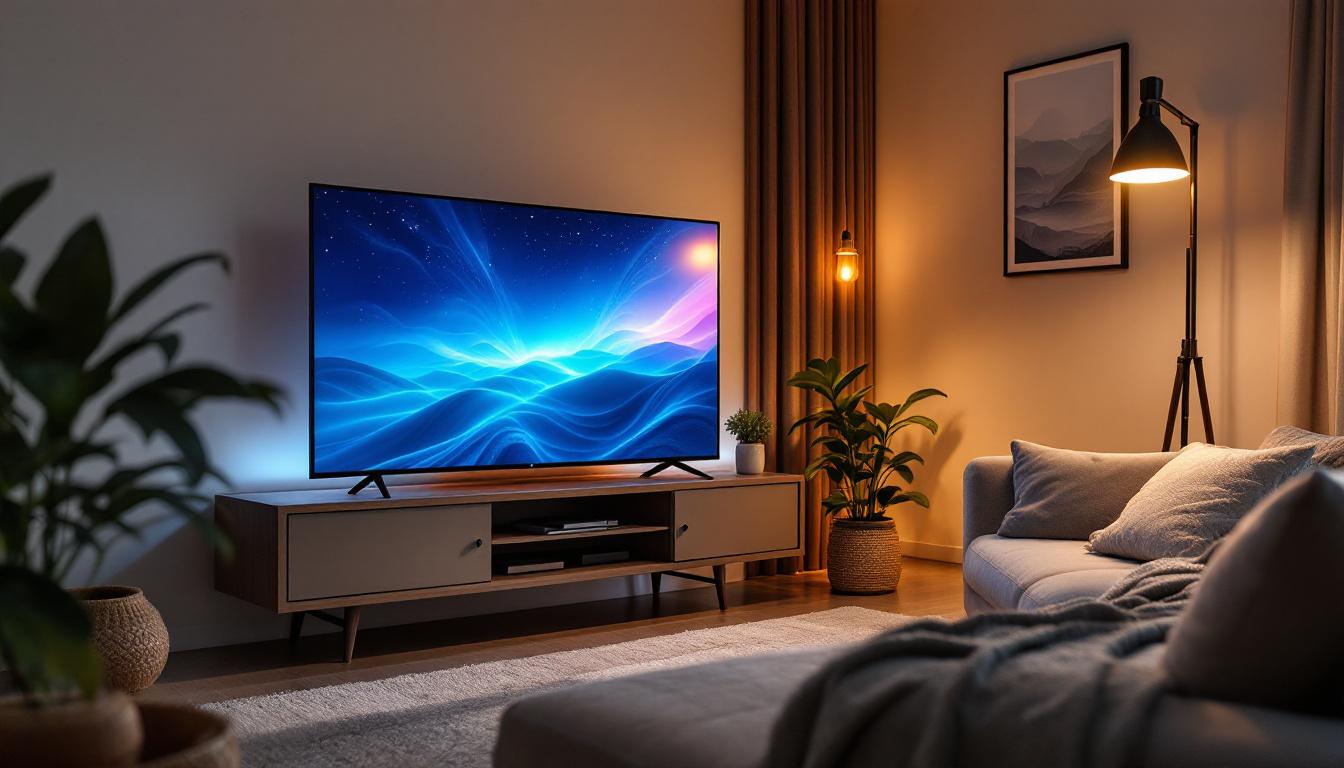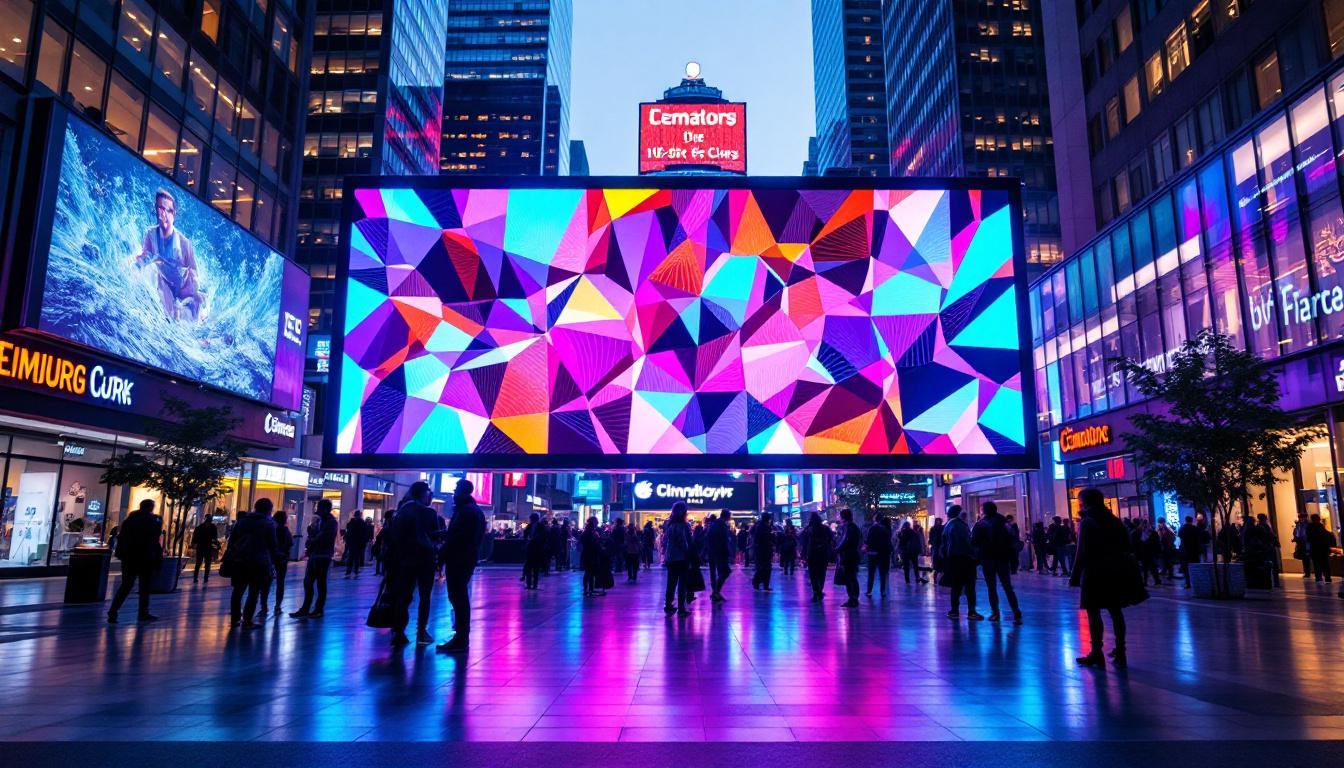
In the landscape of modern American construction, walls serve as more than just structural elements; they are integral to aesthetics, insulation, and even technological integration. One of the most intriguing advancements in this realm is the incorporation of LED displays into walls, transforming static surfaces into dynamic, interactive canvases. This article delves into the traditional materials used in American walls and explores how LED display technology is reshaping the concept of walls in residential, commercial, and public spaces.
Traditional Wall Materials in America
Common Construction Materials
Walls in America have historically been constructed using a variety of materials depending on the region, climate, and building type. The most prevalent materials include wood framing, drywall, brick, concrete, and stone. Wood framing combined with drywall is the dominant method in residential construction due to its cost-effectiveness, ease of installation, and flexibility.
According to the U.S. Census Bureau, about 90% of new single-family homes built in the United States use wood framing. This method typically involves a skeleton of wooden studs spaced 16 or 24 inches apart, covered by drywall panels. Drywall, also known as gypsum board, provides a smooth surface that can be painted or wallpapered.
Brick and Masonry
Brick and masonry walls are more common in commercial buildings and older homes. These materials offer superior durability, fire resistance, and thermal mass, which helps regulate indoor temperatures. Brick walls are often used as load-bearing structures or as veneers over wood framing to enhance aesthetic appeal and weather resistance.
Concrete walls, including poured concrete and concrete blocks, are also prevalent in commercial and industrial construction. They provide excellent structural strength and sound insulation but require more labor and materials, making them less common in typical residential projects.
Insulation and Interior Finishes
Behind the visible surface of walls lies insulation, which is critical for energy efficiency. Fiberglass batts, spray foam, and rigid foam boards are common insulation materials. These help maintain comfortable indoor temperatures and reduce energy consumption, aligning with increasing environmental standards and codes.
Interior finishes vary widely, from traditional paint and wallpaper to more modern options like textured plasters and paneling. These finishes contribute to the overall ambiance and style of a space but do not impact the fundamental structure of the wall.
The Rise of LED Displays in Wall Construction
What Are LED Displays?
LED (Light Emitting Diode) displays are screens made up of numerous tiny LEDs that emit light when electrically charged. These displays are known for their brightness, energy efficiency, and long lifespan. Traditionally used in billboards, televisions, and digital signage, LED technology has recently been adapted for integration into architectural elements, including walls.
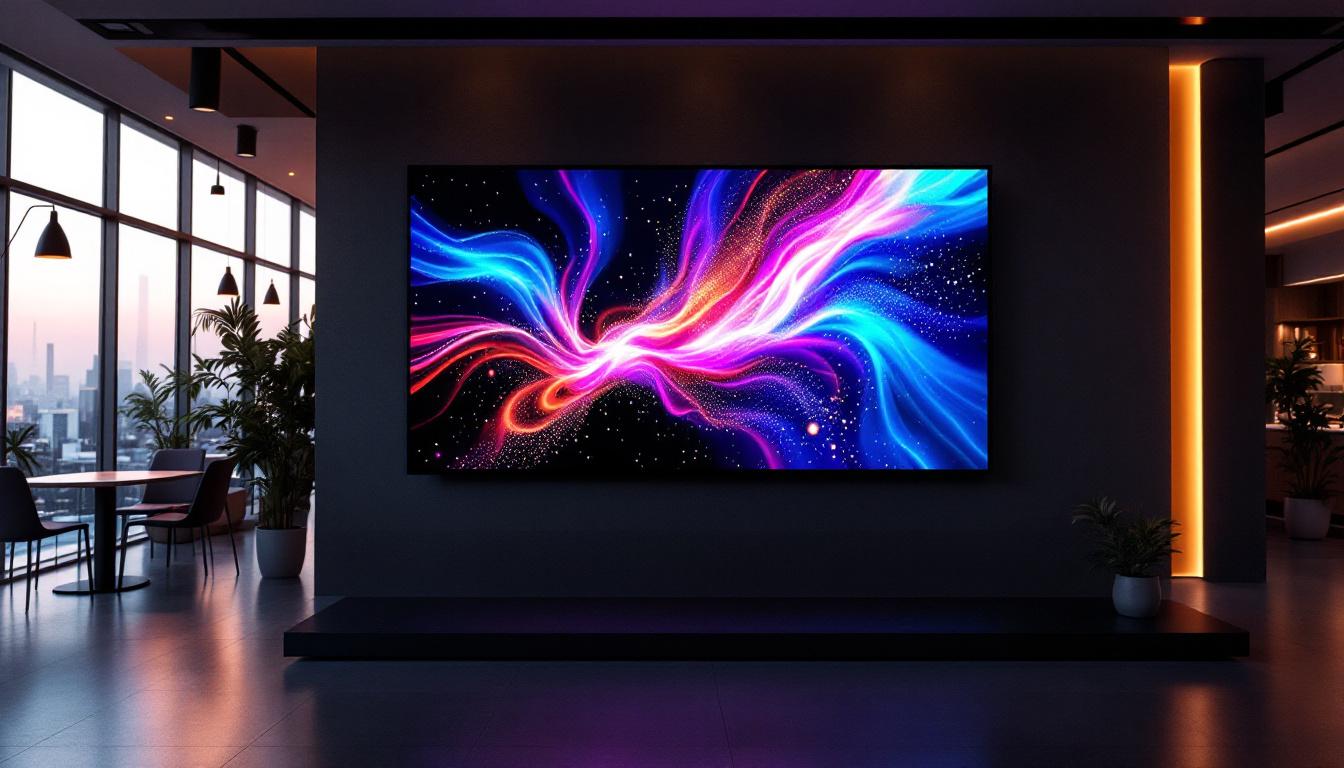
LED displays in walls can range from simple backlit panels to fully interactive video walls capable of showing high-resolution images and videos. This innovation allows walls to become dynamic surfaces that can change appearance or function based on the needs of the space.
Applications of LED Walls in America
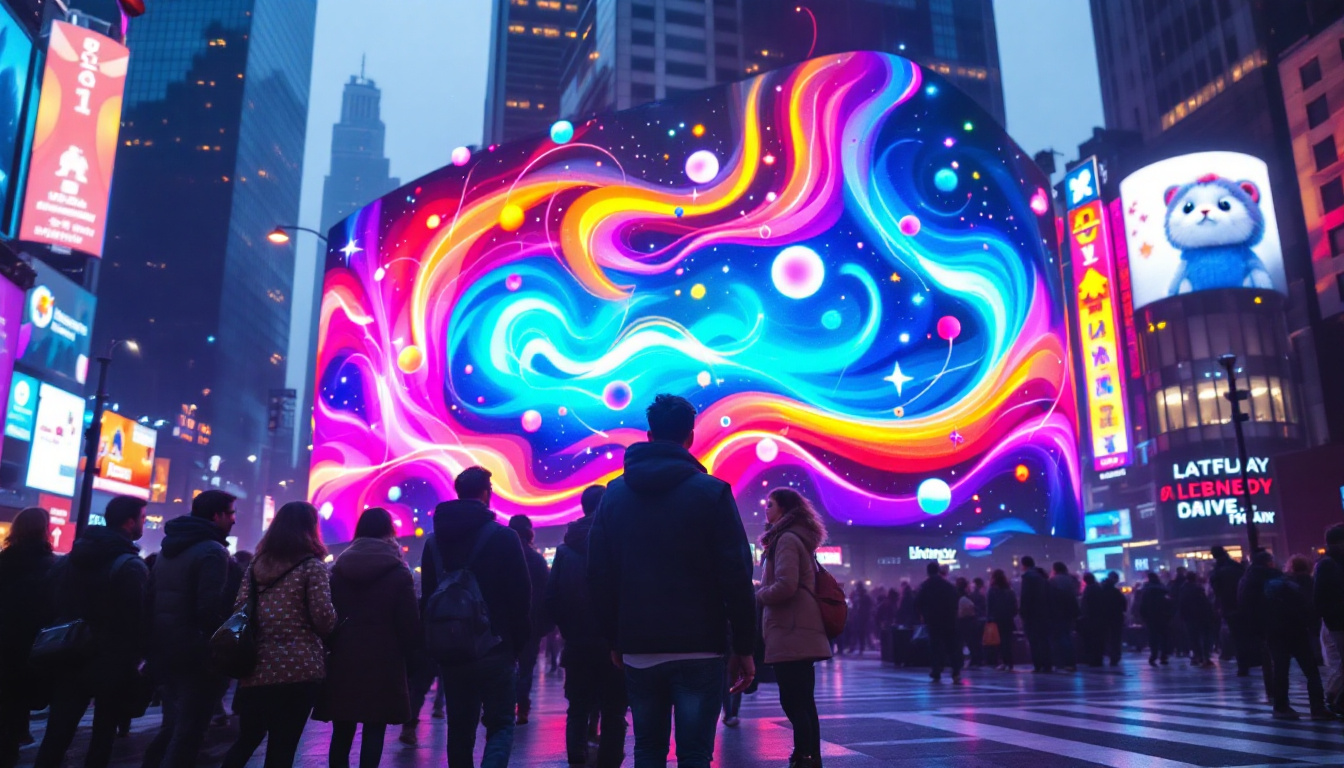
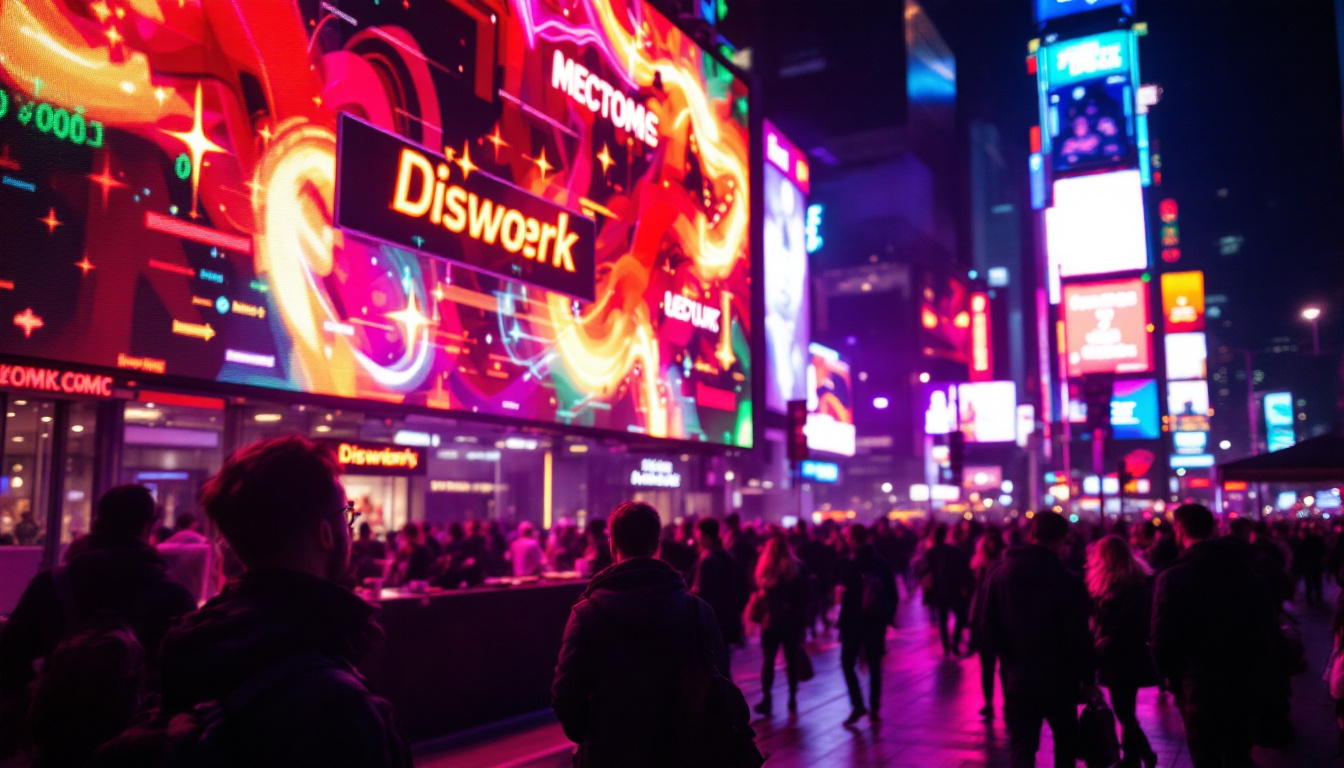
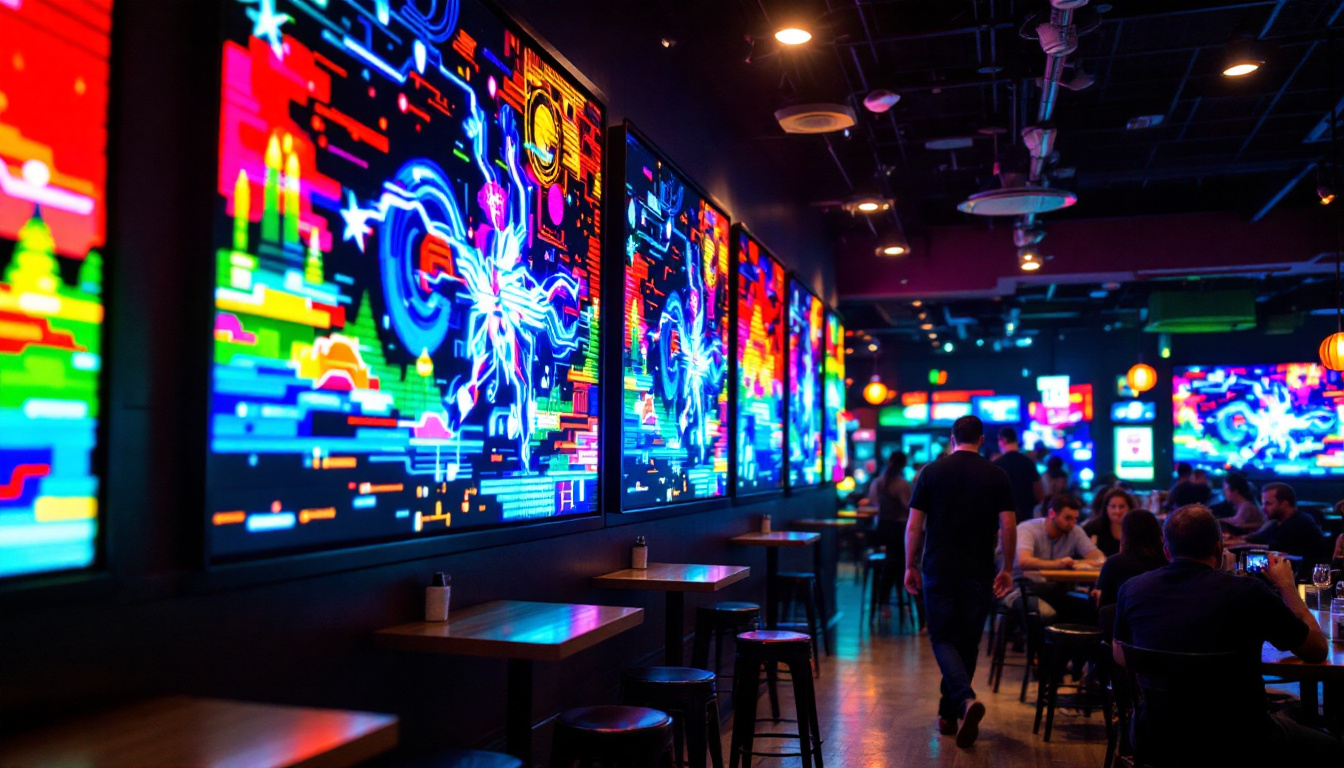
In commercial settings, LED walls are transforming retail stores, corporate lobbies, and entertainment venues. For example, flagship stores of major brands use LED walls to create immersive shopping experiences, showcasing products and promotions with vibrant visuals.
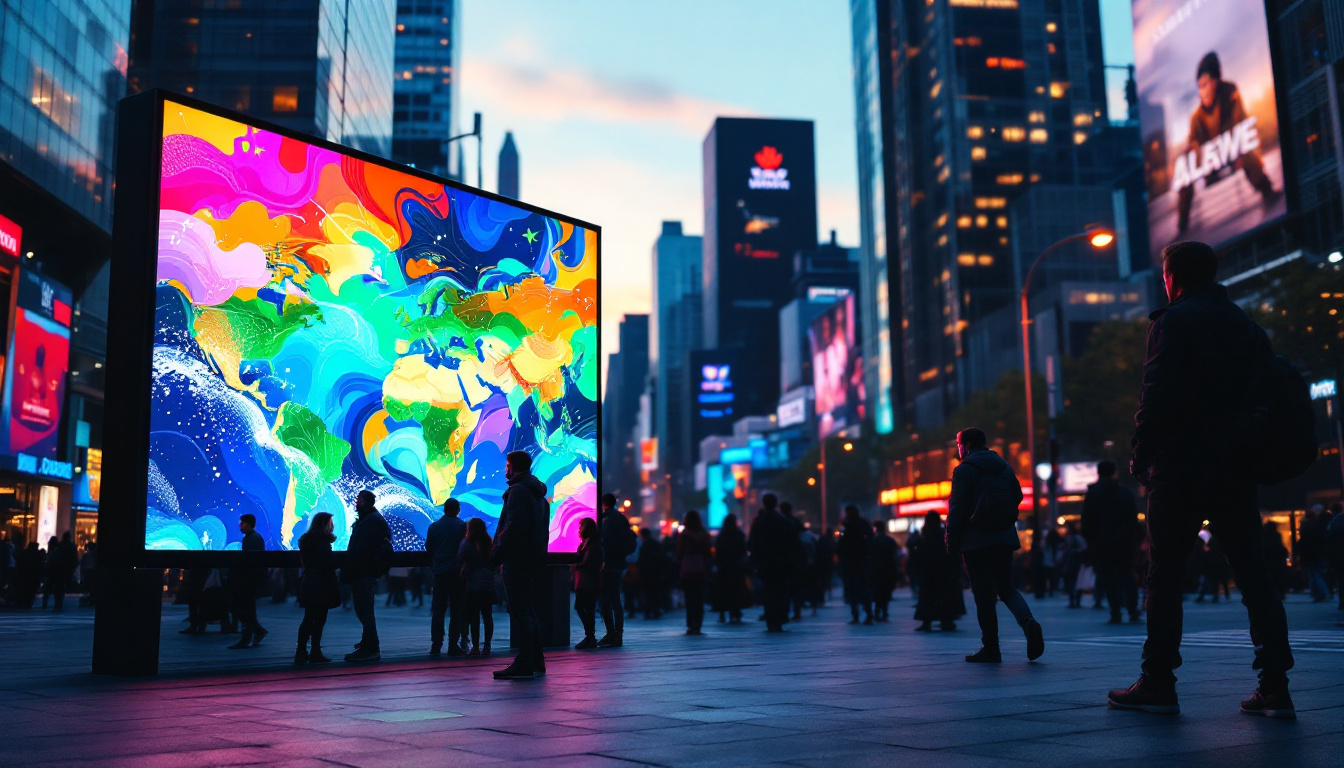
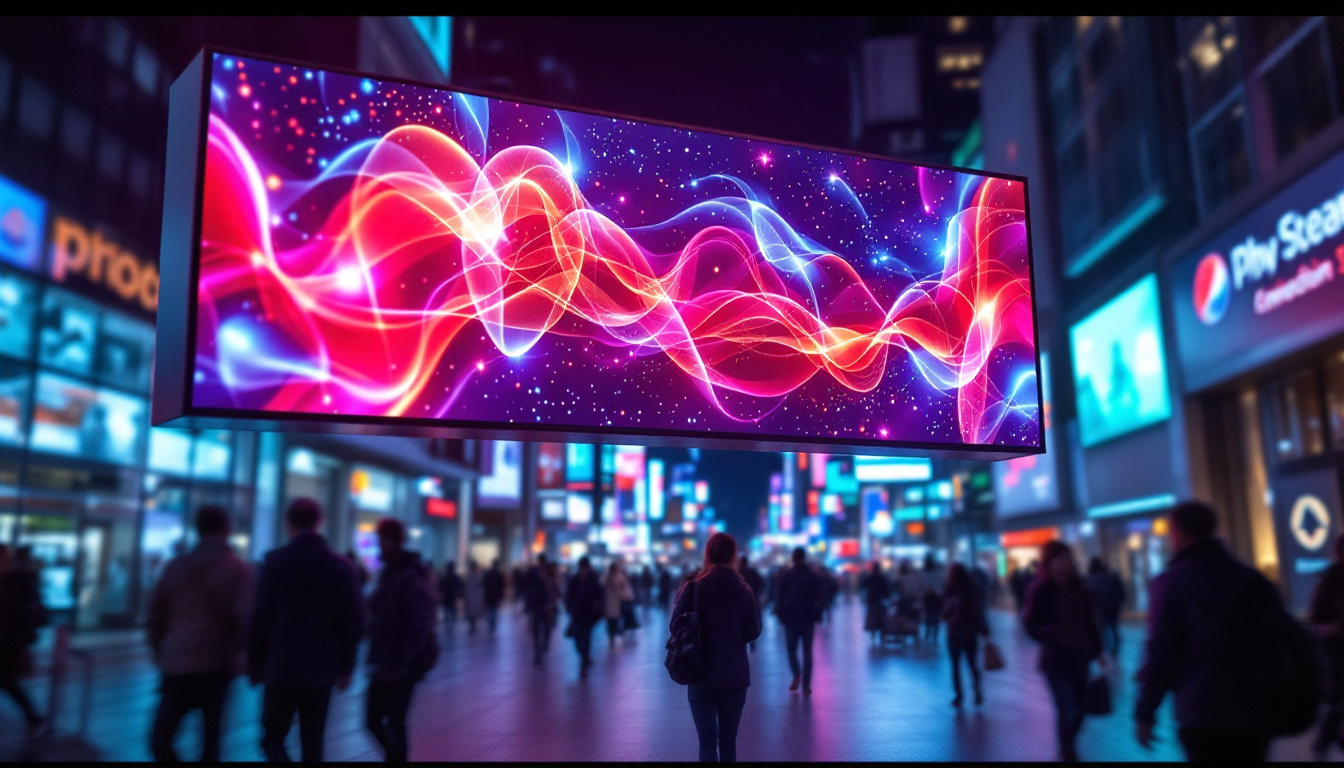
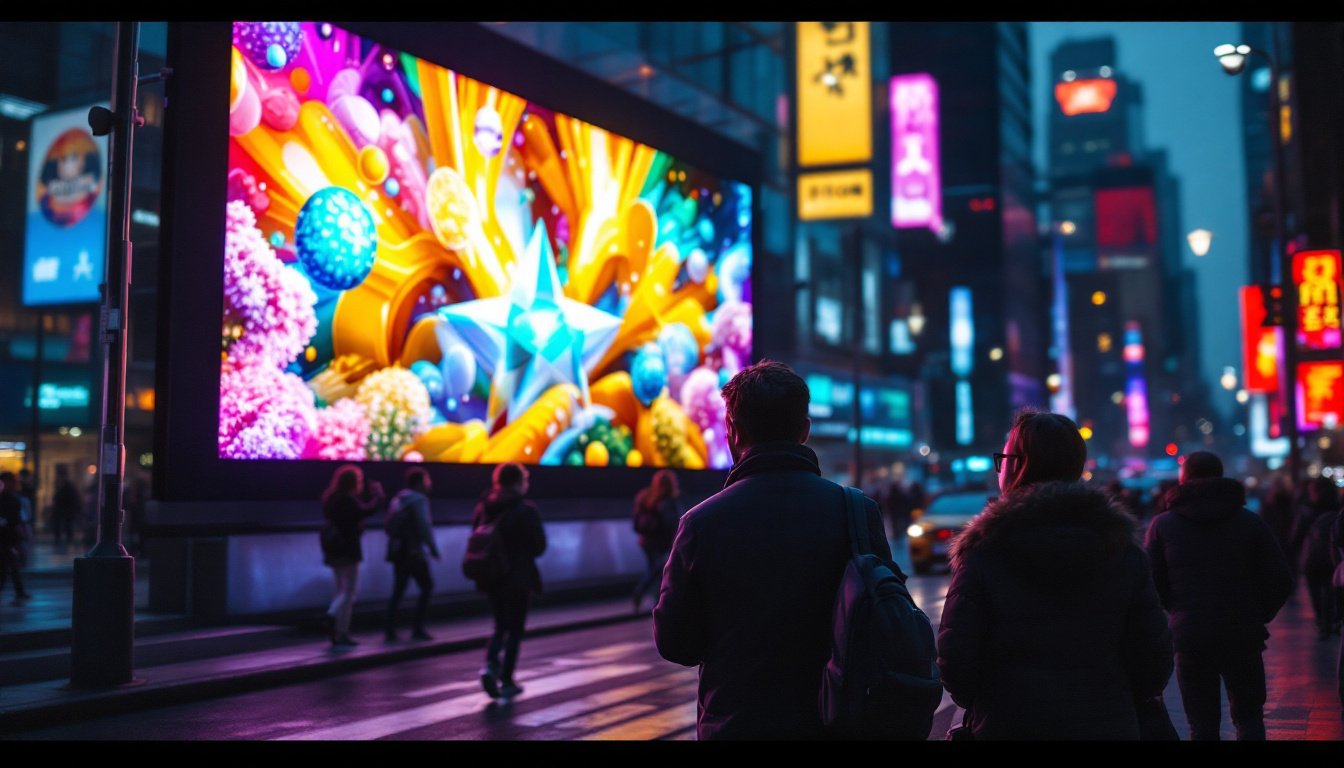
Public spaces such as airports, museums, and sports arenas utilize large-scale LED walls for wayfinding, advertising, and live event broadcasting. These installations often feature modular panels that can be customized in size and shape to fit architectural constraints.
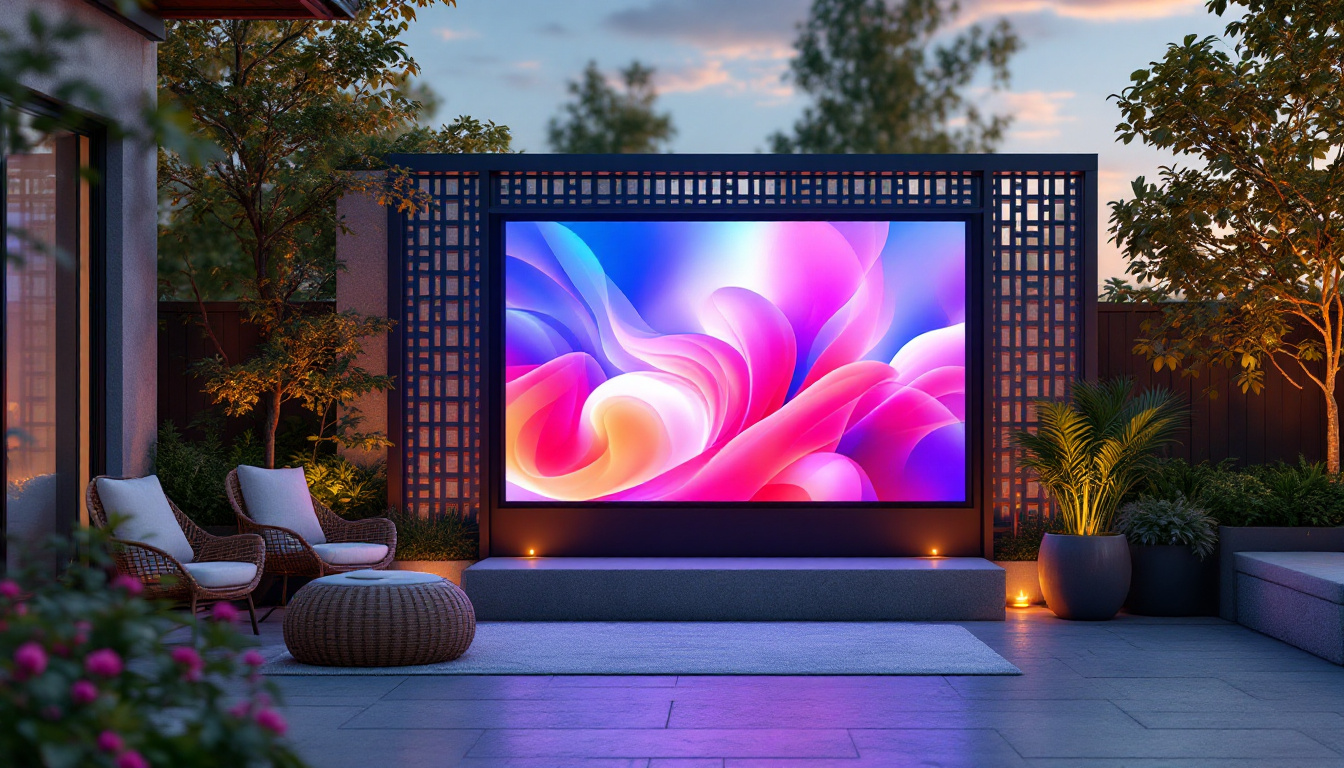
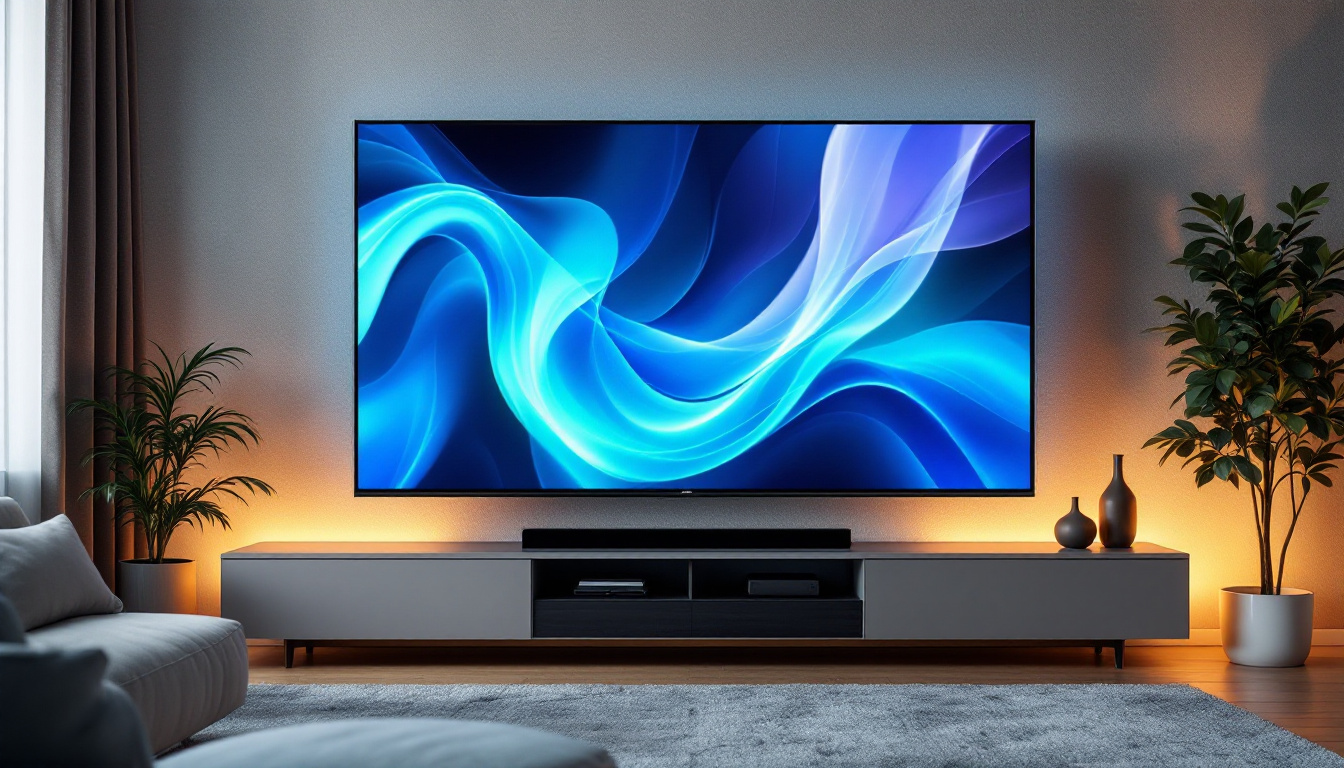
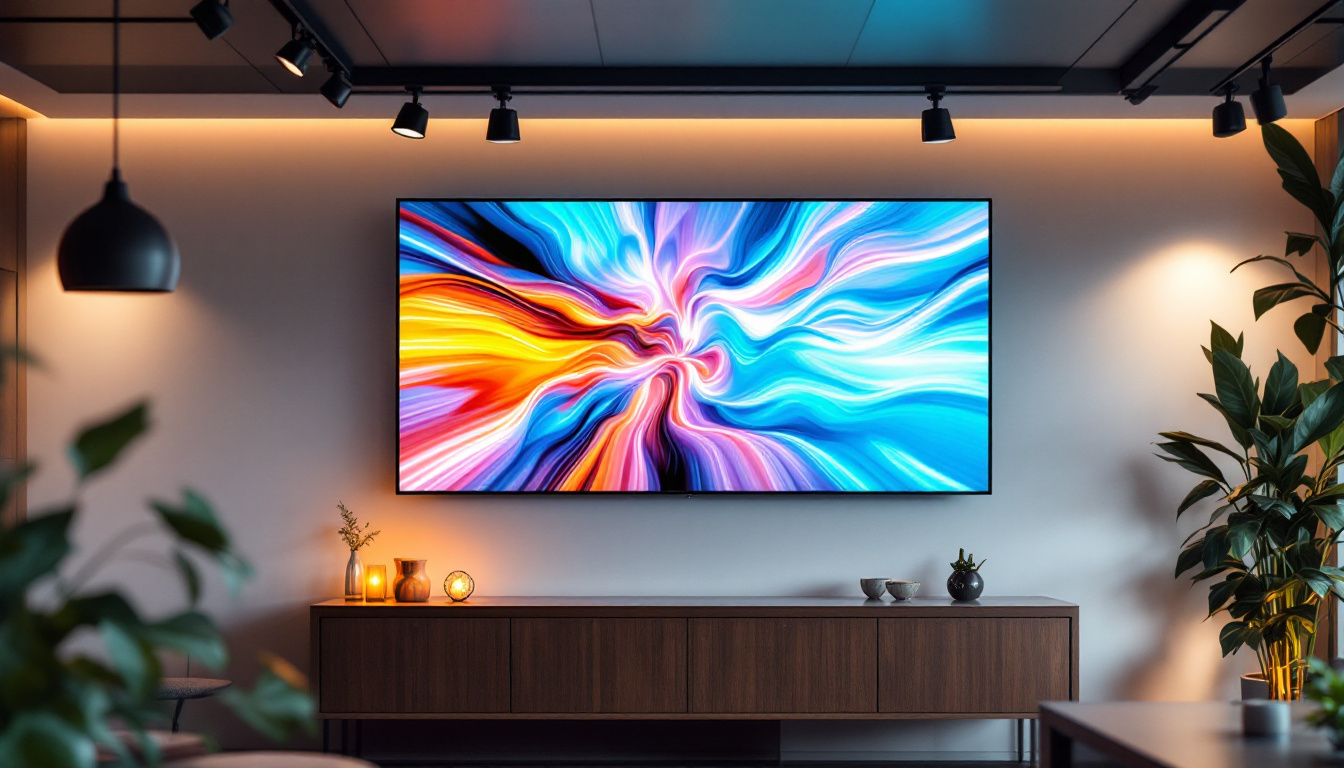
In residential construction, LED walls are emerging as luxury features in smart homes. Homeowners can install LED panels that serve as digital art displays, ambient lighting, or even interactive control centers for home automation systems.
How LED Displays Are Integrated Into Walls
Structural Considerations
Integrating LED displays into walls requires careful planning to accommodate electrical wiring, ventilation, and support structures. Unlike traditional walls, LED walls need a stable framework that can hold the weight of the display panels and allow for maintenance access.
Typically, LED panels are mounted onto metal frames attached to the building’s structural elements. These frames must be engineered to handle the load and ensure alignment for seamless visual output. Additionally, cable management systems are essential to keep power and data lines organized and hidden.
Power and Connectivity
LED walls demand a reliable power supply and data connections to operate effectively. Power requirements vary based on the size and brightness of the display, but modern LED technology has significantly reduced energy consumption compared to older lighting systems.
Connectivity is usually managed through Ethernet or fiber optic cables, enabling high-speed data transmission for video and interactive content. Wireless options are emerging but are less common due to potential latency and reliability issues.
Thermal Management
LED panels generate heat during operation, which must be dissipated to prevent damage and maintain performance. Ventilation systems or integrated cooling solutions are incorporated into the wall design to manage thermal loads. This is especially important in enclosed or climate-controlled environments.
Benefits of LED Walls Over Traditional Wall Surfaces
Dynamic Aesthetics and Flexibility
One of the most compelling advantages of LED walls is their ability to change appearance instantly. Unlike static paint or wallpaper, LED walls can display a wide range of colors, patterns, and images. This flexibility allows spaces to be customized for different events, moods, or branding needs without physical renovations.
For businesses, this means advertising and messaging can be updated in real-time, increasing engagement and relevance. For homeowners, it offers unprecedented personalization options, from displaying family photos to ambient lighting effects that adjust throughout the day.
Enhanced Functionality
LED walls can serve multiple functions beyond decoration. In corporate environments, they can be used for presentations, video conferencing, and data visualization. In public venues, they provide real-time information, entertainment, and interactive experiences that enhance visitor engagement.
The integration of touch-sensitive technology further expands the possibilities, enabling users to interact directly with the wall for navigation, product selection, or educational purposes.
Energy Efficiency and Sustainability
Modern LED technology is highly energy-efficient compared to traditional lighting and display methods. LEDs consume less power and have longer lifespans, reducing maintenance and replacement costs. This aligns with growing sustainability goals in the construction industry, where energy consumption and environmental impact are critical considerations.
Moreover, LED walls can contribute to smart building initiatives by integrating with sensors and automation systems to adjust brightness and content based on ambient conditions and occupancy, further optimizing energy use.
Challenges and Considerations When Using LED Walls
Cost Implications
Despite their benefits, LED walls come with higher upfront costs compared to traditional wall finishes. The expense includes the display panels, installation, electrical work, and ongoing maintenance. For many projects, especially residential, this can be a significant investment.
However, as technology advances and production scales, prices are gradually decreasing, making LED walls more accessible. Additionally, the potential for advertising revenue or enhanced user experience can offset initial costs in commercial applications.
Technical Expertise and Maintenance
Installing and maintaining LED walls requires specialized knowledge. Proper calibration, software updates, and repairs must be handled by trained professionals to ensure optimal performance. This adds complexity compared to conventional wall materials, which typically require minimal upkeep.
Building owners must also consider the lifespan of electronic components and plan for eventual upgrades or replacements, which differ from the longevity expectations of traditional construction materials.
Design and Integration Challenges
Incorporating LED walls into existing structures or architectural designs can be challenging. Designers and engineers must collaborate closely to ensure that the technology complements the building’s aesthetics and functionality without compromising structural integrity.
Additionally, considerations such as glare, viewing angles, and ambient lighting conditions must be addressed to maximize the visual impact of LED walls.
The Future of Walls in America: Blending Tradition with Technology
Hybrid Wall Systems
The future of wall construction in America is likely to feature hybrid systems that combine traditional materials with embedded LED technology. For example, drywall panels with integrated LED backlighting or brick veneers with embedded digital displays could offer a balance between durability and dynamic functionality.
This approach allows builders and designers to retain the benefits of conventional materials while introducing new capabilities that enhance user experience and building performance.
Smart Homes and Connected Buildings
As smart home technology continues to evolve, LED walls will play a key role in creating connected living environments. Walls may become interactive hubs that control lighting, climate, security, and entertainment systems through intuitive visual interfaces.
In commercial and public buildings, LED walls will integrate with IoT (Internet of Things) devices to provide real-time data, environmental monitoring, and adaptive content, improving operational efficiency and occupant comfort.
Environmental Impact and Sustainability
With increasing emphasis on sustainable building practices, LED walls offer opportunities to reduce energy consumption and material waste. Advances in recyclable materials, energy harvesting, and modular design will make LED walls more eco-friendly and easier to upgrade or repurpose.
Building codes and standards are also evolving to encourage the adoption of energy-efficient technologies, positioning LED walls as a forward-thinking choice for new construction and renovations.
Conclusion
Walls in America have traditionally been constructed from materials like wood, drywall, brick, and concrete, each serving essential structural and aesthetic functions. However, the integration of LED display technology is revolutionizing the concept of walls, transforming them into versatile, dynamic surfaces that enhance both form and function.
While challenges such as cost, technical complexity, and design integration remain, the benefits of LED walls—including energy efficiency, customization, and interactivity—are driving their adoption across residential, commercial, and public sectors. As technology advances and sustainability becomes a priority, LED walls are poised to become a defining feature of American architecture, blending tradition with innovation to create spaces that are as intelligent as they are beautiful.
Illuminate Your Space with LumenMatrix
Ready to elevate your environment with the dynamic beauty of LED walls? LumenMatrix is at the forefront of LED display innovation, offering an extensive range of solutions tailored to your needs. From captivating Indoor and Outdoor LED Wall Displays to specialized applications like Vehicle, Sports, and Floor LED Displays, we have the technology to transform your space. Discover the endless possibilities with our Custom, All-in-One, and Transparent LED Displays, and join the revolution in visual communication. Check out LumenMatrix LED Display Solutions today and experience the power of advanced LED technology.