In today’s technology-driven world, LED displays have become ubiquitous, from the smartphones in our pockets to massive digital billboards lighting up cityscapes. But what exactly does the term “LED” stand for, and how do these displays work? This article will explore the meaning behind LED, the technology that powers LED displays, and why they have become a cornerstone of modern visual communication.
Understanding the Basics: What Does LED Stand For?
LED stands for Light Emitting Diode. A diode is a semiconductor device that allows current to flow in one direction. When current passes through this diode, it emits light—a phenomenon known as electroluminescence. This simple yet powerful technology is the foundation of LED displays.
The significance of LEDs lies in their efficiency and longevity compared to traditional lighting and display technologies. Unlike incandescent bulbs, which generate light by heating a filament, LEDs produce light through the movement of electrons in a semiconductor material, resulting in much less wasted energy and heat. This efficiency not only translates to lower electricity bills for consumers but also contributes to a significant reduction in greenhouse gas emissions, making LEDs a more environmentally friendly option.
The Invention and Evolution of LEDs
The first practical visible-spectrum LED was developed in the early 1960s. Initially, LEDs emitted only red light and were primarily used as indicator lights on electronic devices. Over the decades, advances in semiconductor materials and manufacturing techniques have expanded the color range to include green, blue, and white LEDs, enabling their use in full-color displays. The breakthrough in blue LED technology in the 1990s by Shuji Nakamura, Isamu Akasaki, and Hiroshi Amano was particularly transformative, as it paved the way for the development of white LEDs, which combine red, green, and blue light to create a broad spectrum of colors.
Today, LEDs are integral to a wide array of applications, from simple indicator lights to complex, high-resolution displays used in televisions, smartphones, and outdoor advertising. Their versatility extends beyond just lighting; they are also used in automotive lighting, medical devices, and even horticulture, where specific wavelengths can promote plant growth. As technology continues to advance, the potential for LEDs to innovate further in various fields seems limitless, making them a cornerstone of modern technology.
How LED Displays Work: The Technology Behind the Glow
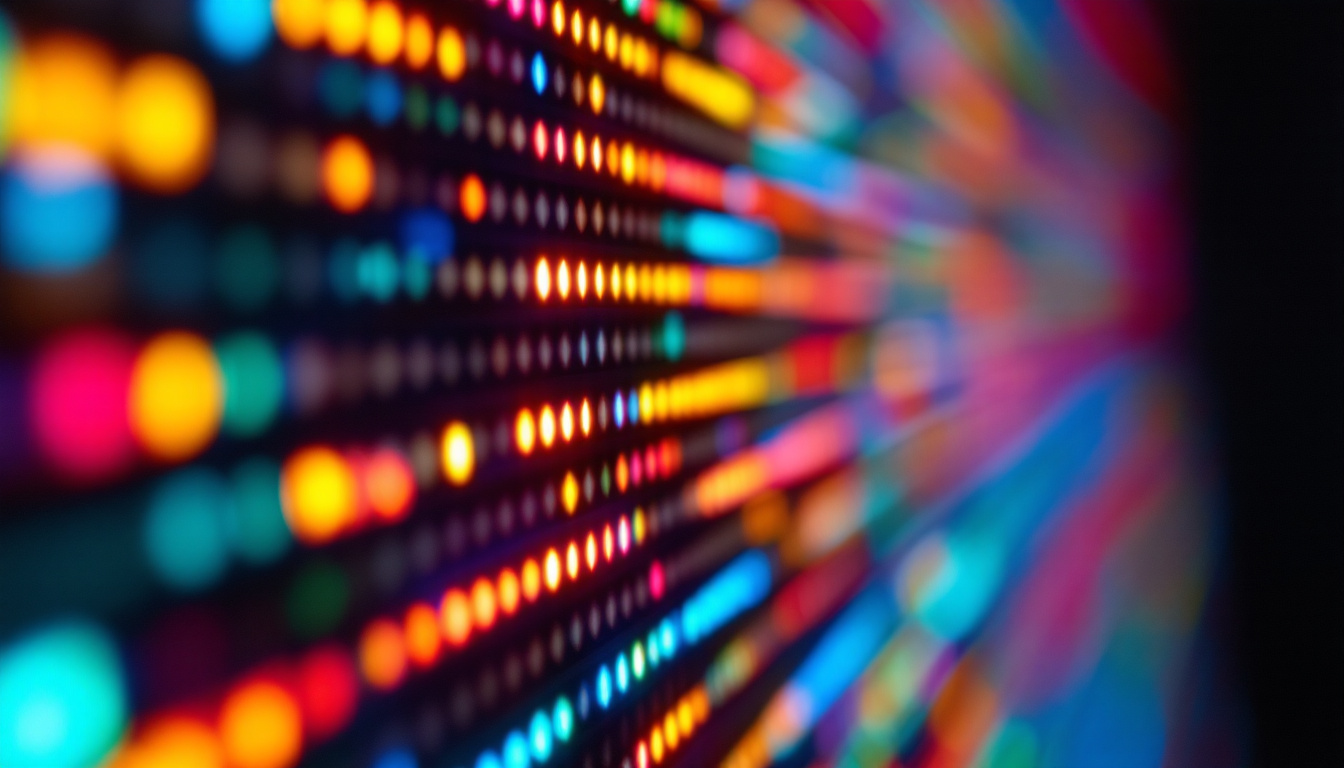
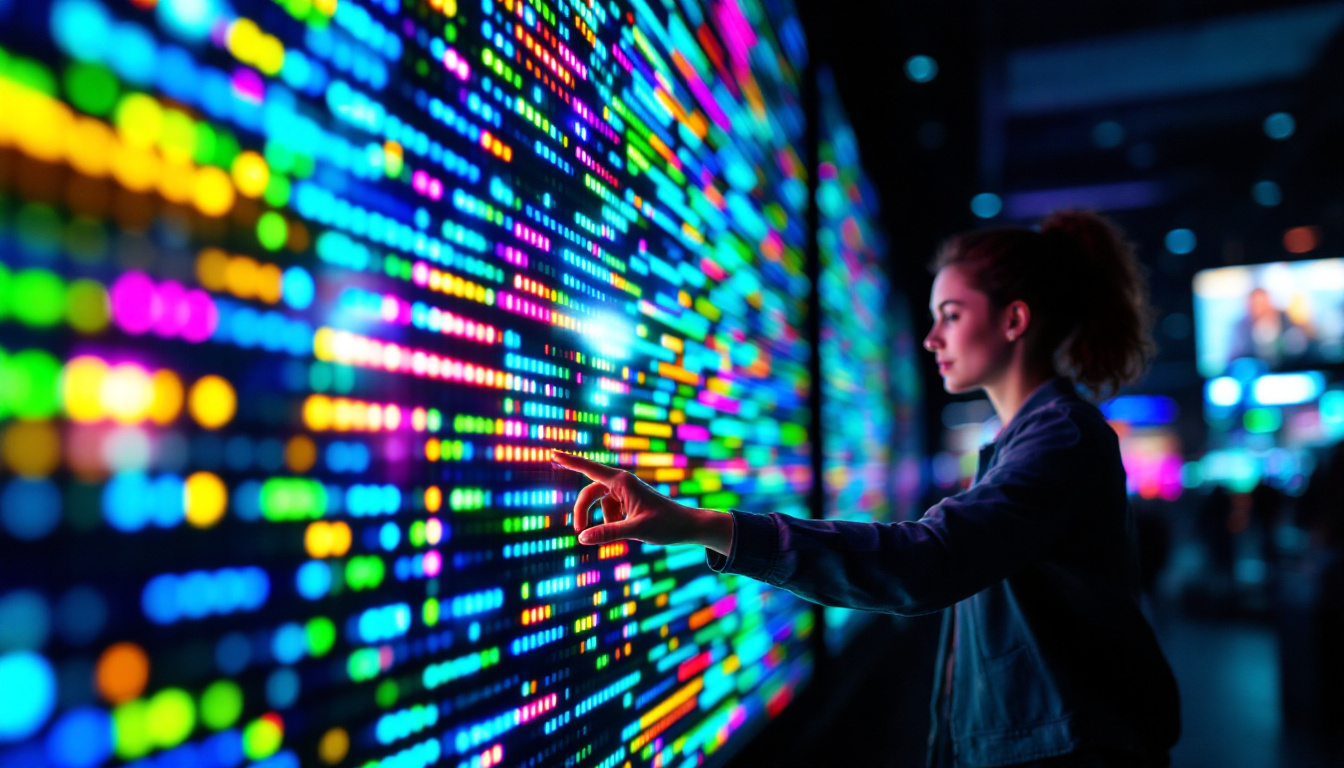
LED displays operate by controlling thousands or even millions of individual LEDs arranged in a matrix. Each LED acts as a tiny pixel that can emit light of a specific color and intensity. By adjusting these parameters, the display can render images, videos, and text with remarkable clarity and brightness.
Types of LED Displays
There are several types of LED displays, each suited to different applications:
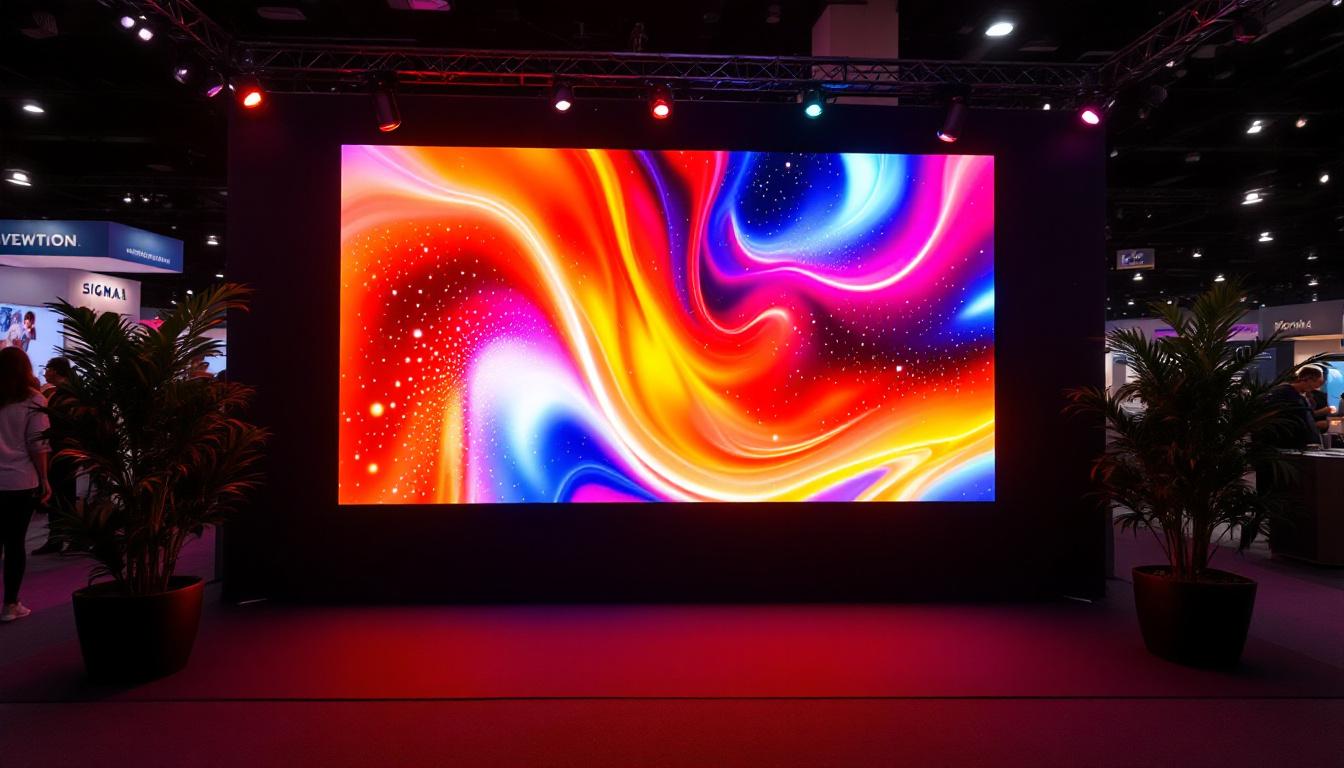
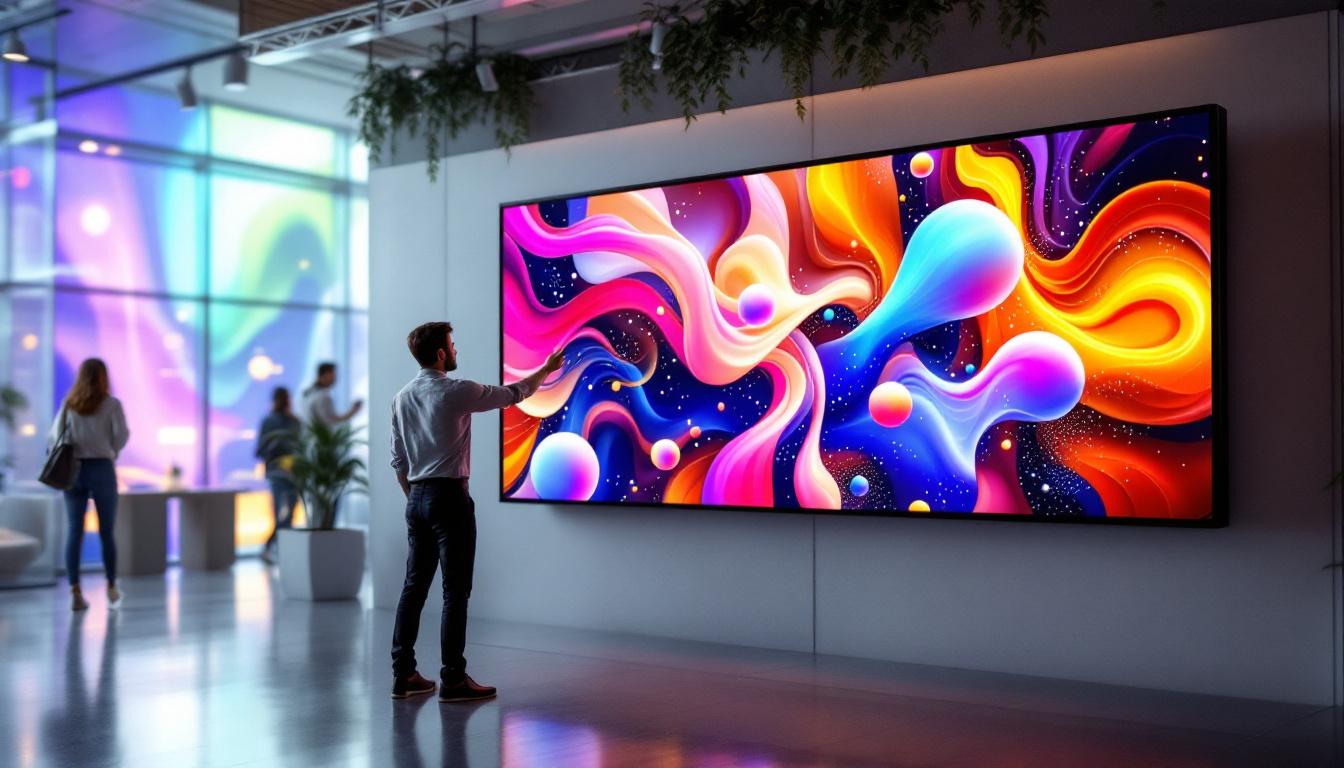
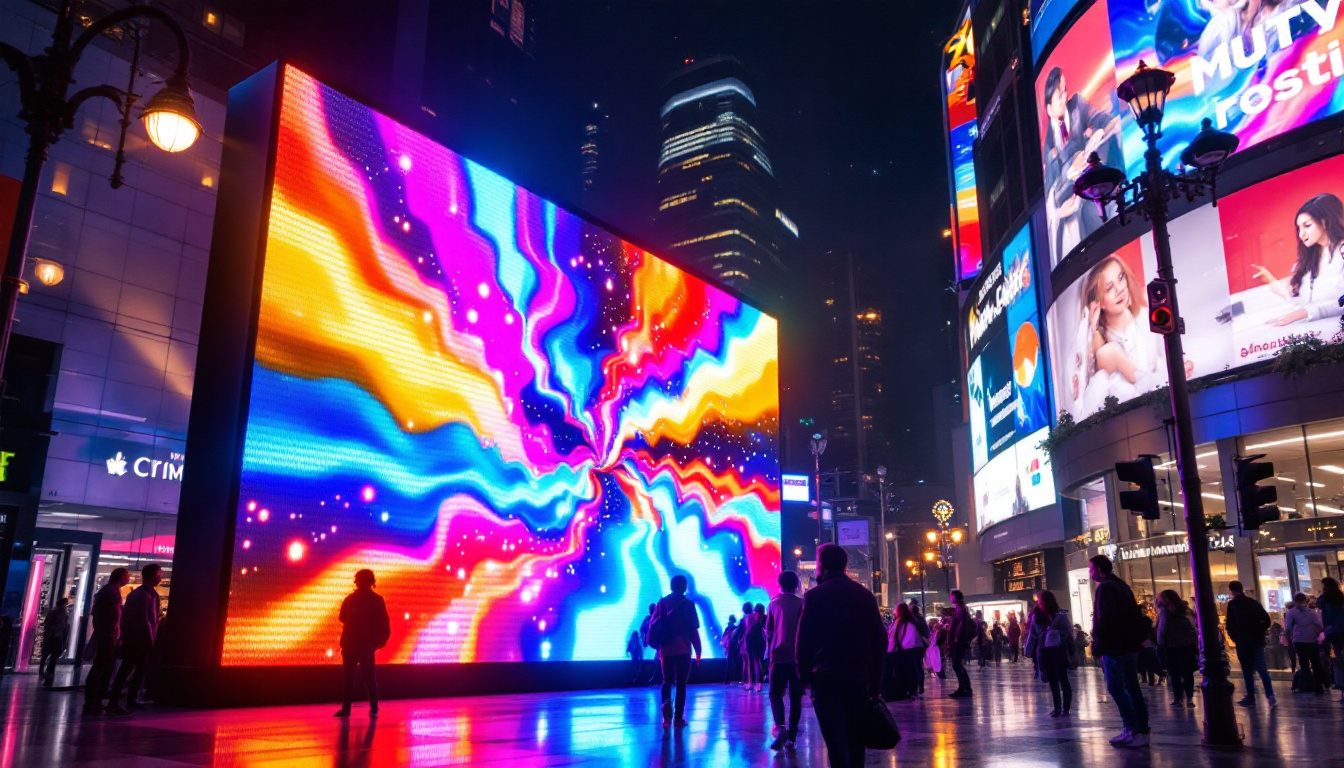
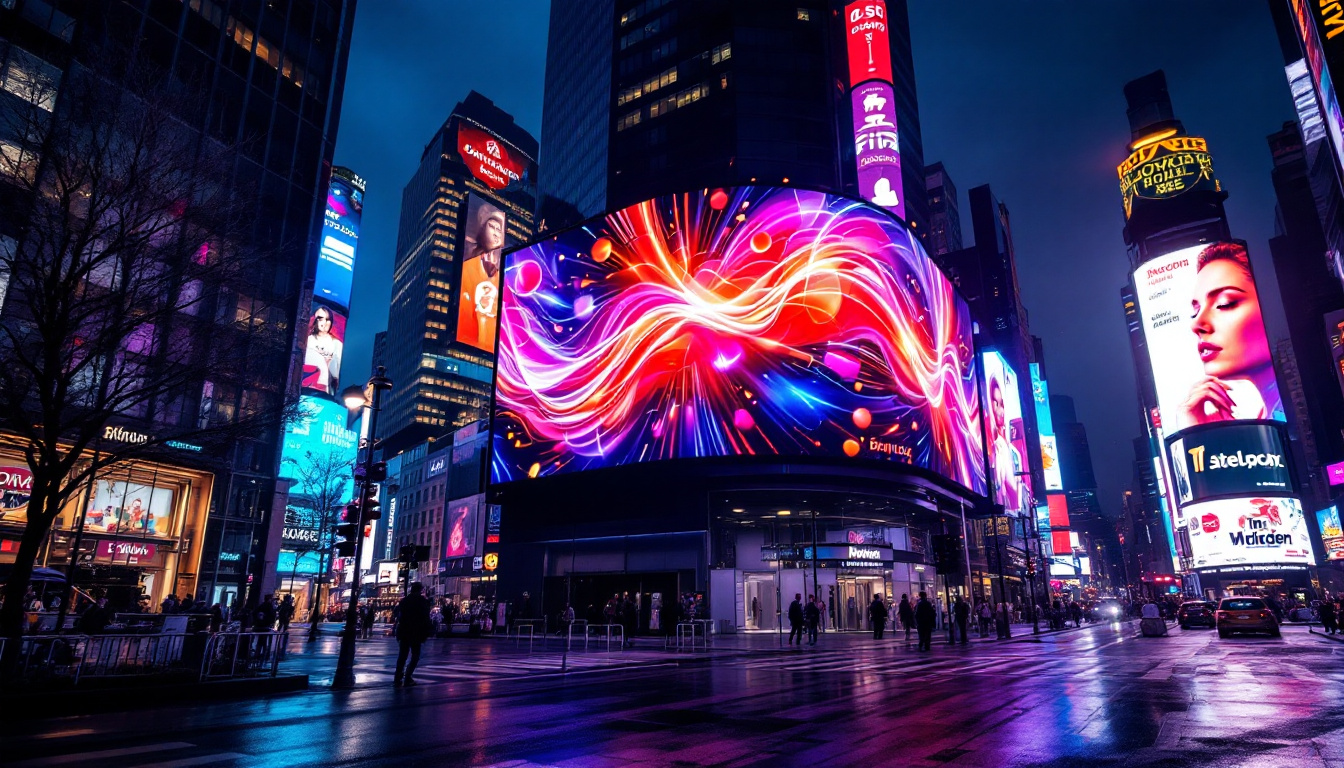
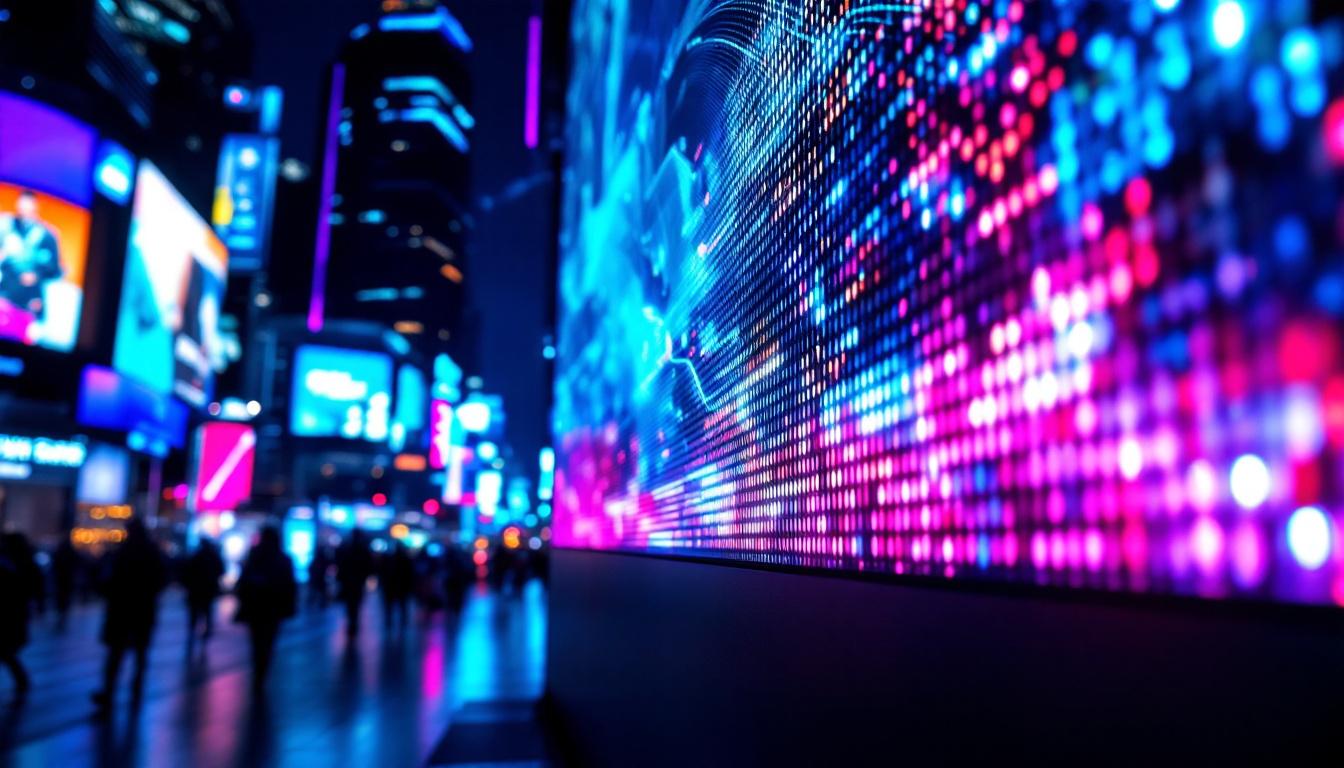
- Direct View LED Displays: These are composed of individual LEDs that form the image directly. They are commonly used in large-scale outdoor screens, stadium displays, and digital billboards due to their brightness and visibility in sunlight.
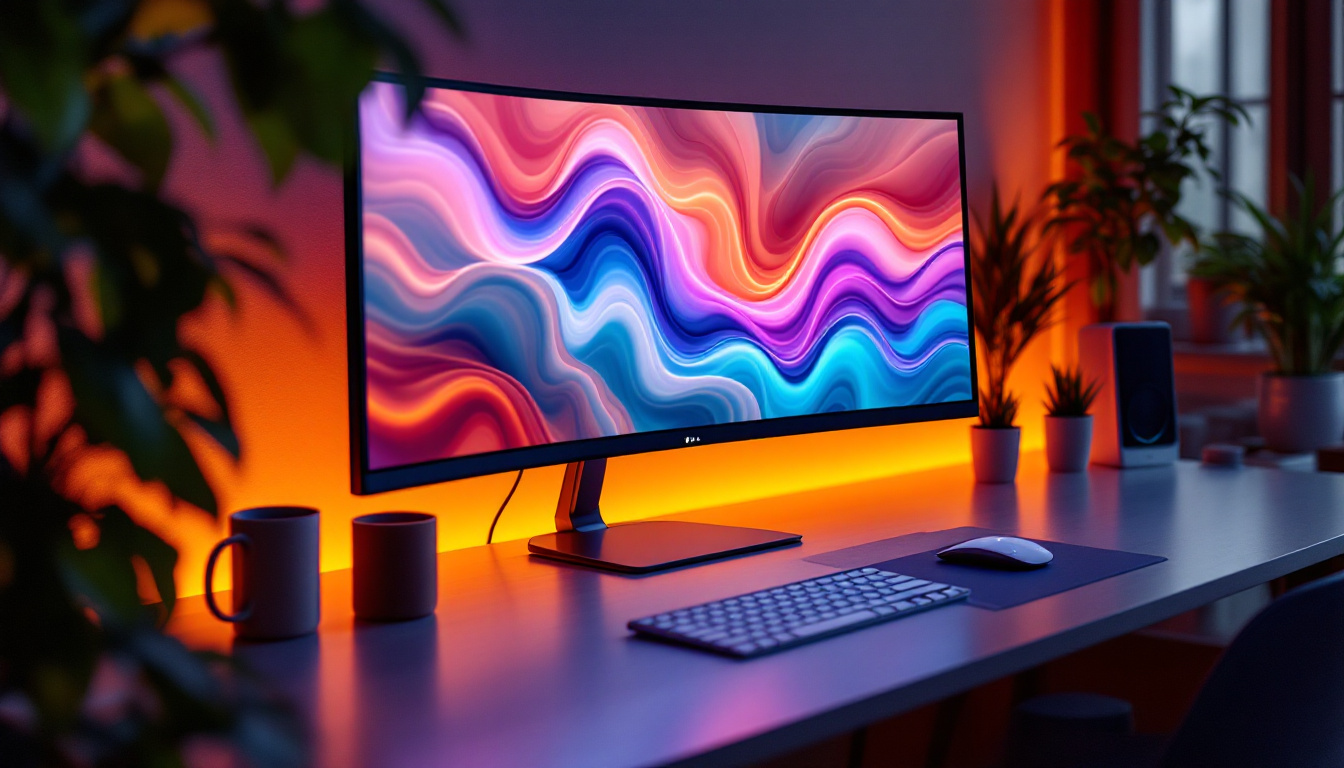
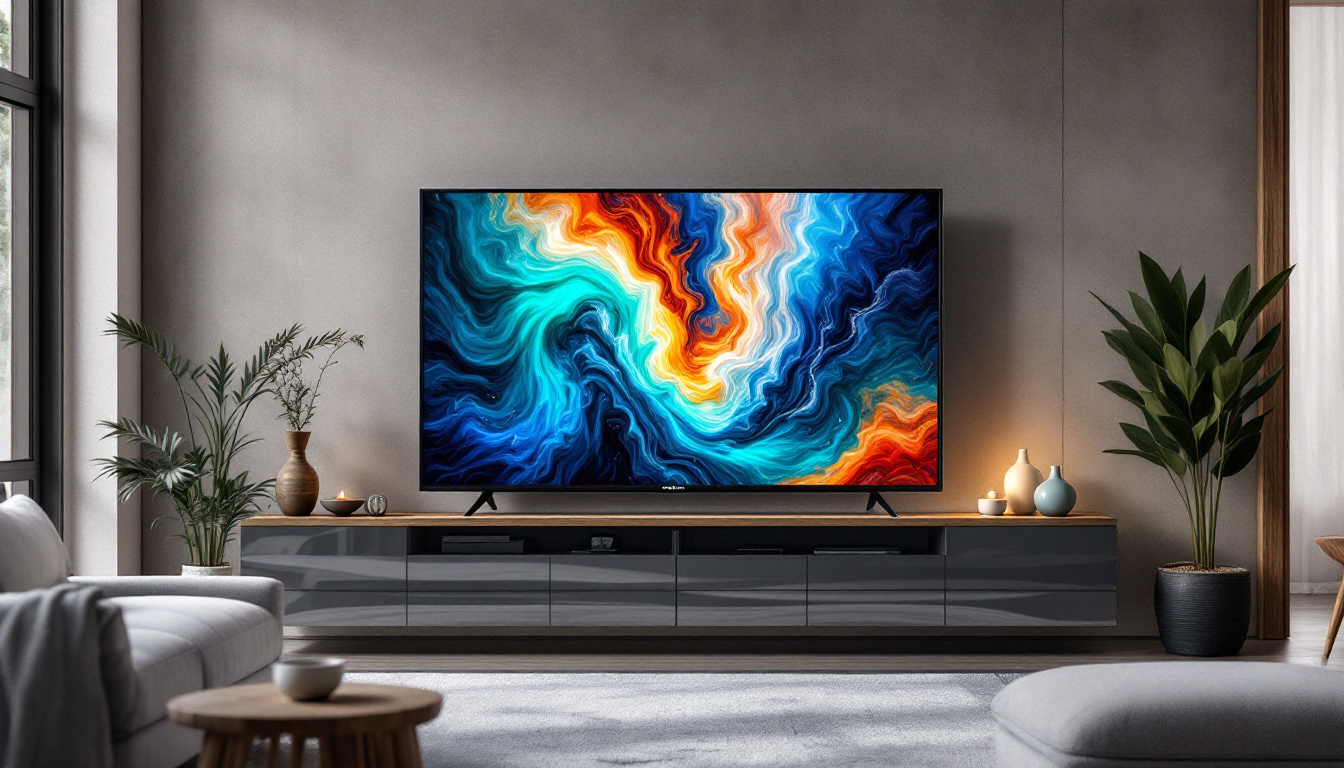
- LED-backlit LCD Displays: These use LEDs as a backlight source behind an LCD panel. This technology is prevalent in televisions, computer monitors, and smartphones, offering improved contrast and energy efficiency compared to older CCFL backlighting.
- OLED Displays: Organic LEDs are a different technology where each pixel emits its own light, allowing for thinner, flexible displays with superior contrast ratios. While OLEDs are related to LEDs, they use organic compounds and are generally considered a distinct category.
Pixel Composition and Color Production
In full-color LED displays, each pixel typically consists of three sub-pixels: red, green, and blue LEDs. By varying the intensity of each sub-pixel, the display can produce a wide spectrum of colors through additive color mixing. This RGB model is fundamental to how digital images are rendered across all modern display technologies.
High-quality LED displays often use tiny LEDs called “mini-LEDs” or “micro-LEDs” to achieve higher resolution and better color accuracy. These smaller LEDs allow for more pixels in the same area, resulting in sharper images and smoother gradients.
Moreover, the advancements in LED technology have led to innovations such as HDR (High Dynamic Range) capabilities, which enhance the contrast and color range of displays. HDR content can reveal details in both the darkest shadows and the brightest highlights, creating a more immersive viewing experience. This technology is particularly beneficial in applications such as gaming and cinematic experiences, where visual fidelity is paramount.
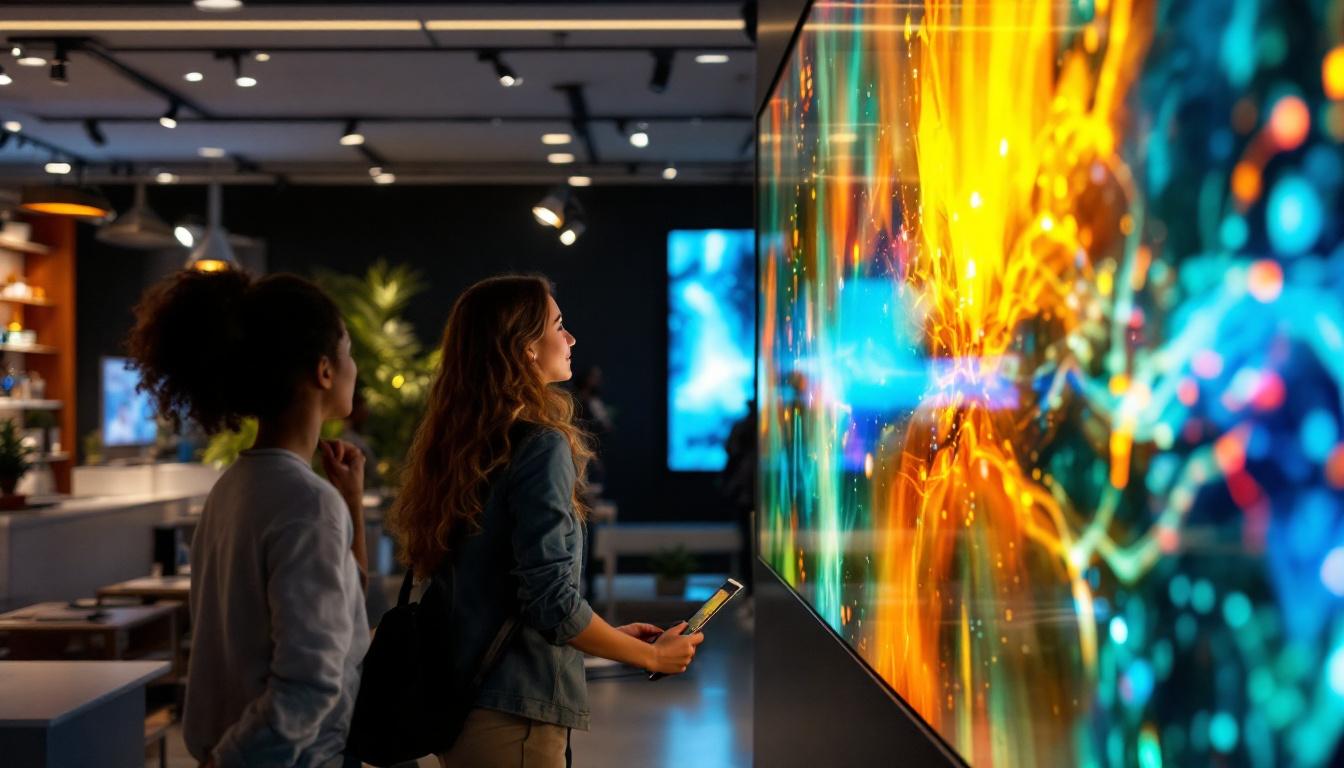
Additionally, the integration of smart technology into LED displays has transformed how we interact with them. Features such as touch sensitivity, voice control, and connectivity with other smart devices have made LED displays not only a medium for visual content but also an interactive platform. This evolution has opened up new avenues in advertising, education, and entertainment, allowing for dynamic content that can be tailored to specific audiences and contexts.
Why LED Displays Are Preferred: Advantages and Applications
LED displays have become the standard choice for many applications due to their distinct advantages over other display technologies. Understanding these benefits helps explain their widespread adoption across industries.
Energy Efficiency and Longevity
One of the most significant advantages of LED technology is its energy efficiency. LEDs consume up to 80% less energy than traditional incandescent bulbs and significantly less than fluorescent lighting. This efficiency translates into lower operating costs, especially important for large-scale displays that run continuously.
Additionally, LEDs boast an impressive lifespan, often exceeding 50,000 hours of operation. This durability reduces maintenance costs and downtime, making LED displays a cost-effective solution for both indoor and outdoor use. The long lifespan of LEDs also means that they contribute to sustainability efforts, as fewer replacements lead to reduced waste and less environmental impact. As businesses and organizations increasingly prioritize eco-friendly practices, the longevity of LED displays aligns perfectly with these goals.
Brightness and Visibility
LED displays are renowned for their brightness, which can reach several thousand nits (a unit of luminance). This high brightness ensures visibility even in direct sunlight, a critical feature for outdoor advertising, traffic signs, and public information displays.
Moreover, LEDs can be turned on and off almost instantly without warm-up time, enabling dynamic content changes and real-time updates that are essential for digital signage and live event displays. This capability allows for engaging and interactive experiences, where content can be tailored to specific audiences or events, enhancing viewer engagement. The ability to display vibrant colors and sharp images further elevates the impact of the message being conveyed, making LED displays a powerful tool in communication strategies.
Design Flexibility and Scalability
LED technology offers remarkable flexibility in design. Displays can be created in various shapes and sizes, from small wearable devices to massive video walls spanning entire building facades. The modular nature of LED panels allows for easy scalability and customization based on the intended application.
This adaptability has led to innovative uses such as curved displays, transparent LED screens, and flexible panels integrated into clothing or architectural elements. The creative possibilities with LED technology are virtually limitless, allowing designers to push the boundaries of traditional display formats. This versatility not only enhances aesthetic appeal but also opens new avenues for artistic expression in public spaces, exhibitions, and commercial environments, making LED displays a favorite among architects and designers alike.
Wide Range of Applications
LED displays are used across numerous sectors, including:
- Advertising and Marketing: Digital billboards and signage leverage LED displays for high-impact visual communication.
- Consumer Electronics: Smartphones, televisions, and monitors commonly use LED-backlit LCD or OLED technology.
- Transportation: LED displays provide real-time information on buses, trains, and airports.
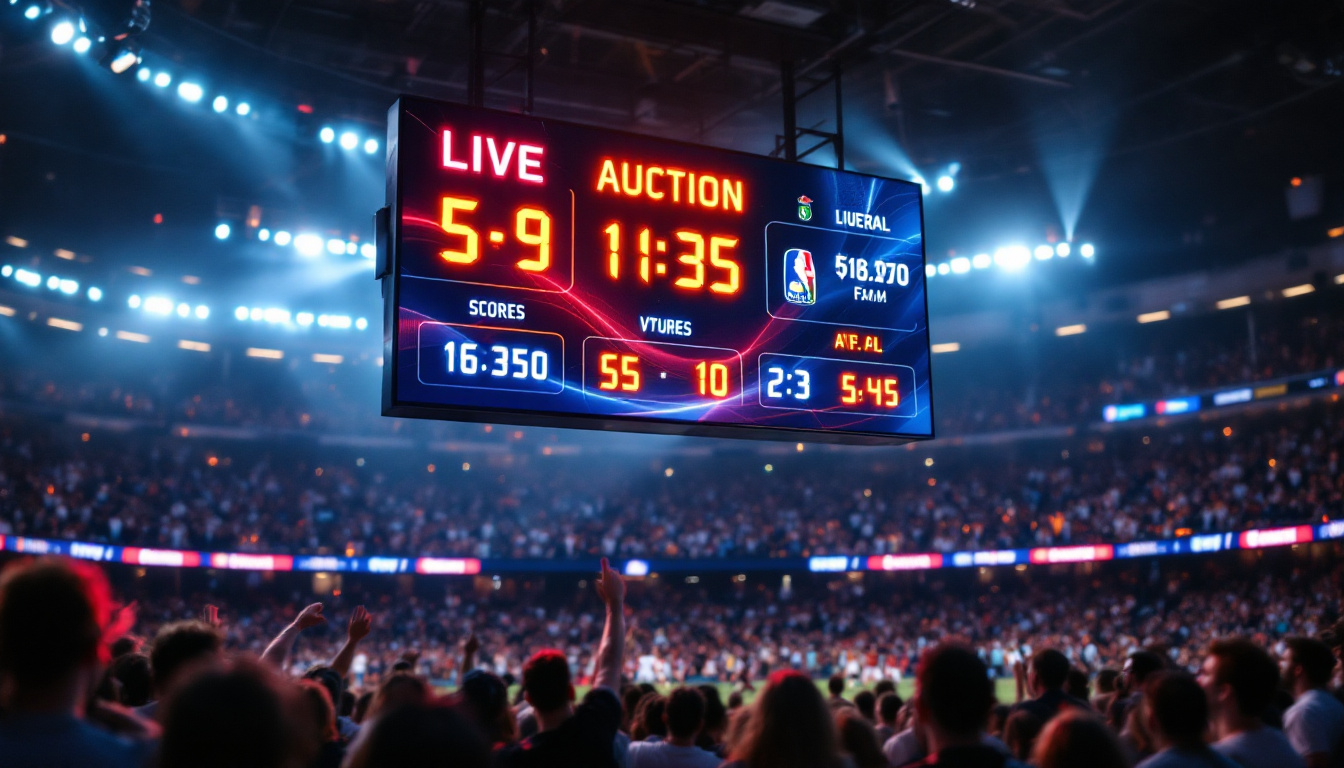
- Entertainment and Sports: Stadium screens and concert displays rely on LED technology for vibrant visuals.
- Industrial and Medical: LED displays are used in control panels, diagnostic equipment, and more.
In addition to these applications, LED displays are increasingly being utilized in smart city initiatives, where they serve as integral components of urban infrastructure. From smart traffic signals that adapt to real-time traffic conditions to public information displays that provide citizens with timely updates on events or emergencies, the role of LED technology in enhancing urban living is becoming more pronounced. Furthermore, as the Internet of Things (IoT) continues to evolve, the integration of LED displays with smart technologies promises to create even more interactive and responsive environments, paving the way for future innovations in urban design and functionality.
Emerging Trends and Future of LED Displays
As LED technology continues to evolve, new innovations promise to expand the capabilities and applications of LED displays even further.
Micro-LED and Mini-LED Technologies
Micro-LED displays represent the next frontier in LED technology. By using microscopic LEDs as individual pixels, these displays offer exceptional brightness, contrast, and energy efficiency without the burn-in issues associated with OLEDs. Although still emerging, micro-LEDs are expected to revolutionize high-end displays in smartphones, televisions, and augmented reality devices.
Mini-LEDs, which are larger than micro-LEDs but smaller than traditional LEDs, have already been adopted in premium monitors and TVs. They provide improved local dimming capabilities for better contrast and color accuracy.
Flexible and Transparent LED Displays
Research into flexible and transparent LED displays is opening new possibilities for integrating screens into everyday environments. Transparent LED panels can be used in store windows or vehicle windshields, while flexible displays enable curved or foldable devices that enhance portability and user experience.
Energy Harvesting and Smart Integration
Future LED displays may incorporate energy-harvesting technologies to reduce power consumption further. Coupled with smart sensors and AI-driven content management, LED displays will become more interactive and responsive to their environments, enhancing user engagement and operational efficiency.
Conclusion: The Impact of LED Technology on Modern Displays
LED, or Light Emitting Diode, technology has fundamentally transformed how information and entertainment are visually communicated. Its efficiency, brightness, and versatility have made LED displays the preferred choice across countless applications worldwide.
From the humble beginnings of simple indicator lights to the dazzling, high-resolution screens that dominate today’s digital landscape, LED technology continues to evolve. As innovations like micro-LED and flexible displays emerge, the future promises even more exciting developments that will shape the way we see and interact with the world.
Understanding what LED stands for and how LED displays work provides valuable insight into one of the most influential technologies of our time—one that lights up our devices, our cities, and our lives.
Illuminate Your Space with LumenMatrix
As you’ve seen, LED technology is reshaping the future of visual displays with its unparalleled efficiency, brightness, and versatility. If you’re inspired to bring this innovative technology into your own space, look no further than LumenMatrix. As a leader in LED display technology, LumenMatrix offers a wide range of solutions, from Indoor and Outdoor LED Wall Displays to specialized options like Vehicle, Sports, and Floor LED Displays. Whether you’re looking to enhance brand visibility, create immersive environments, or deliver dynamic content with clarity, LumenMatrix has the expertise to bring your vision to life. Check out LumenMatrix LED Display Solutions today and take the first step towards revolutionizing your visual communication.