In the world of digital displays, the term “pixel” is fundamental, yet it often remains misunderstood outside of technical circles. Whether you’re watching a high-definition television, browsing on a smartphone, or viewing an enormous outdoor billboard, pixels are the tiny building blocks that create the images you see. This article dives deep into what a pixel is, specifically within the context of LED displays, and explains how these tiny elements combine to deliver vivid, bright, and dynamic visuals.
Understanding the Pixel: The Basic Unit of Digital Images
A pixel, short for “picture element,” is the smallest unit of a digital image or display. Think of it as a tiny dot of color that, when combined with millions of others, forms the images on your screen. Each pixel can display a specific color, and the collective arrangement of these pixels determines the clarity, detail, and color richness of the image.
In digital images, pixels are arranged in a grid, with each pixel assigned a specific color value. The resolution of a display—often expressed as width × height (e.g., 1920×1080)—indicates how many pixels are present horizontally and vertically. The higher the resolution, the more pixels there are, which usually translates to sharper and more detailed images. This is particularly important in fields such as photography and graphic design, where precision and detail can significantly impact the final output. As technology advances, we are seeing an increasing trend towards higher resolutions, such as 4K and even 8K, which offer an astonishing level of detail that was previously unimaginable.
Pixels in Different Display Technologies
Pixels are a universal concept across various display technologies, including LCD (Liquid Crystal Display), OLED (Organic Light Emitting Diode), and LED (Light Emitting Diode) displays. However, the way pixels are constructed and illuminated differs. For example, LCD pixels rely on a backlight shining through liquid crystals, while OLED pixels emit their own light. LED displays, which are the focus of this article, use tiny LEDs as individual pixels or subpixels. The arrangement and functioning of these pixels can greatly influence the viewing experience. For instance, OLED technology allows for deeper blacks and more vibrant colors due to its ability to turn off individual pixels completely, resulting in a higher contrast ratio compared to traditional LCDs.
Moreover, the evolution of pixel technology has led to innovations such as microLED and miniLED displays, which promise even greater efficiency and color accuracy. MicroLED technology utilizes microscopic LEDs that can produce light and color independently, offering the potential for brighter displays with lower power consumption. This advancement not only enhances the visual experience but also contributes to longer battery life in portable devices. As we venture further into the realm of augmented reality (AR) and virtual reality (VR), the role of pixels becomes even more critical, as these technologies require high pixel densities to create immersive environments that feel lifelike. The continuous improvement in pixel technology is paving the way for a future where digital images are indistinguishable from reality, transforming how we interact with screens and visual content.
What Makes Up a Pixel in an LED Display?
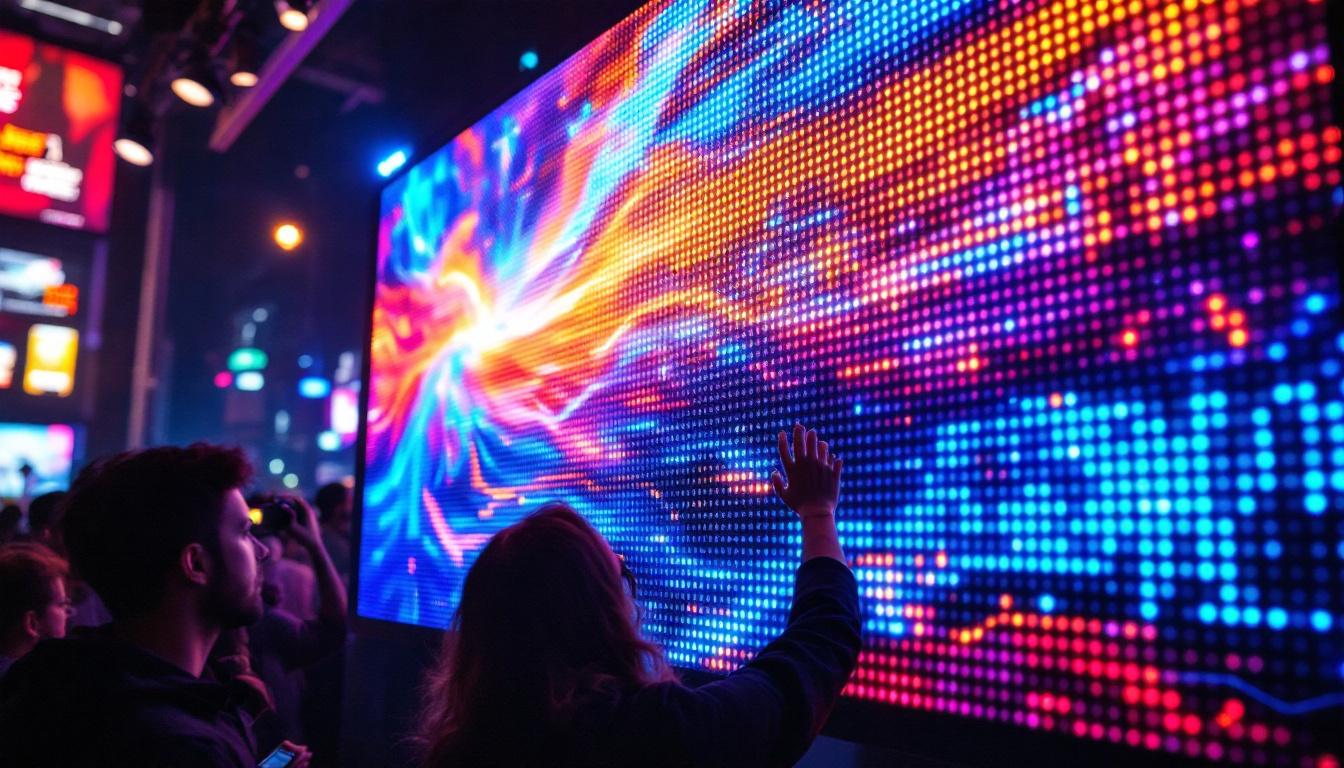
In LED displays, each pixel is typically composed of three smaller components called subpixels, which emit red, green, and blue light respectively. By varying the intensity of these three colors, the pixel can produce a broad spectrum of colors through a process known as additive color mixing.
For example, when the red, green, and blue subpixels are all lit at full intensity, the pixel appears white. When all are off, the pixel appears black. Adjusting the brightness of each subpixel allows the display to render millions of colors, enabling rich and vibrant images.
Types of LED Pixels: SMD vs. DIP
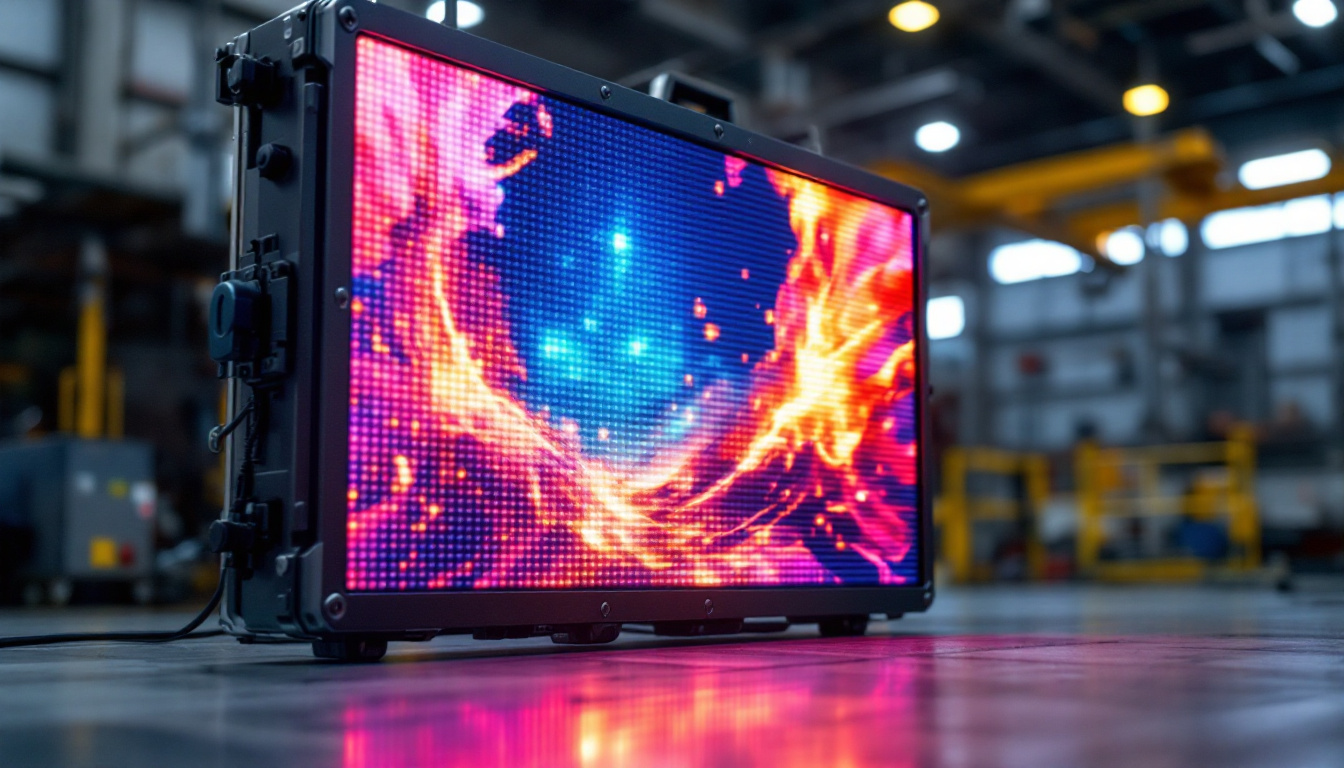
There are two primary types of LED pixels used in displays: Surface-Mounted Device (SMD) and Dual In-line Package (DIP). SMD LEDs are smaller and more compact, allowing for higher pixel density and better image resolution. These are commonly used in indoor LED displays and high-resolution screens.
DIP LEDs are larger and more robust, often used in outdoor displays where brightness and durability are critical. DIP pixels can produce extremely bright images visible even in direct sunlight, but typically have lower resolution compared to SMD displays.
Pixel Pitch: The Key to LED Display Clarity
One of the most important specifications when evaluating an LED display is the pixel pitch. Pixel pitch refers to the distance from the center of one pixel to the center of the adjacent pixel, usually measured in millimeters. This measurement directly impacts the display’s resolution and viewing distance.
A smaller pixel pitch means pixels are packed more closely together, resulting in higher resolution and finer image detail. This is especially important for indoor displays viewed at close range, such as digital signage in retail stores or control rooms. Conversely, larger pixel pitches are suitable for outdoor billboards and stadium screens, where viewers are typically farther away.
Why Pixel Pitch Matters
Choosing the right pixel pitch is crucial for optimizing the viewing experience and cost-efficiency. A display with too large a pixel pitch will appear pixelated and blurry when viewed up close, while a display with an extremely small pixel pitch can be unnecessarily expensive for applications where viewers are far away.
For example, a 1.2mm pixel pitch LED display is ideal for indoor environments requiring ultra-high resolution, such as broadcast studios or corporate lobbies. On the other hand, a 10mm pixel pitch display works well for outdoor advertising where the viewing distance is greater than 10 meters.
How LED Pixels Work Together to Form an Image
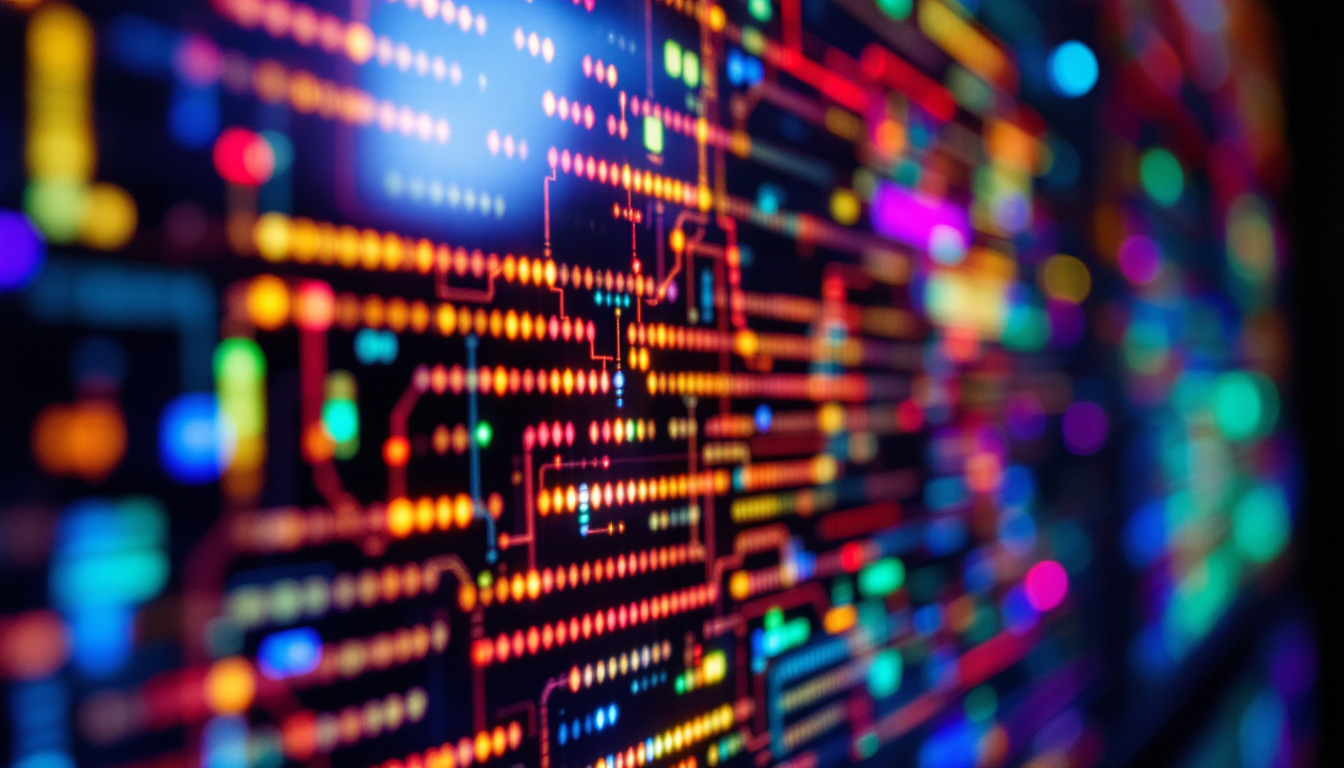
Each pixel in an LED display acts as a tiny light source, controlled electronically to emit specific colors and brightness levels. These pixels are arranged in a matrix, and the display’s control system sends signals to each pixel to create the desired image frame by frame.
The rapid switching of pixel colors and brightness allows LED displays to show dynamic content such as videos, animations, and live feeds. Thanks to the high refresh rates of modern LED displays, images appear smooth and flicker-free, even during fast motion scenes.
Brightness and Contrast in LED Pixels
LED pixels are known for their exceptional brightness and contrast capabilities. Unlike LCDs, which rely on backlighting, LEDs emit light directly, enabling deeper blacks and more vivid colors. This direct emission also allows LED displays to achieve brightness levels exceeding 5,000 nits, making them highly visible in bright environments.
Contrast ratio, the difference between the darkest black and the brightest white a display can produce, is another critical factor. High contrast ratios improve image depth and realism, which is why LED displays are preferred for applications demanding superior image quality.
Applications of LED Pixels in Modern Displays
LED displays have become ubiquitous across many industries due to their versatility, brightness, and durability. Understanding pixels and their role helps explain why LED technology is favored in various applications.
Outdoor Advertising and Billboards
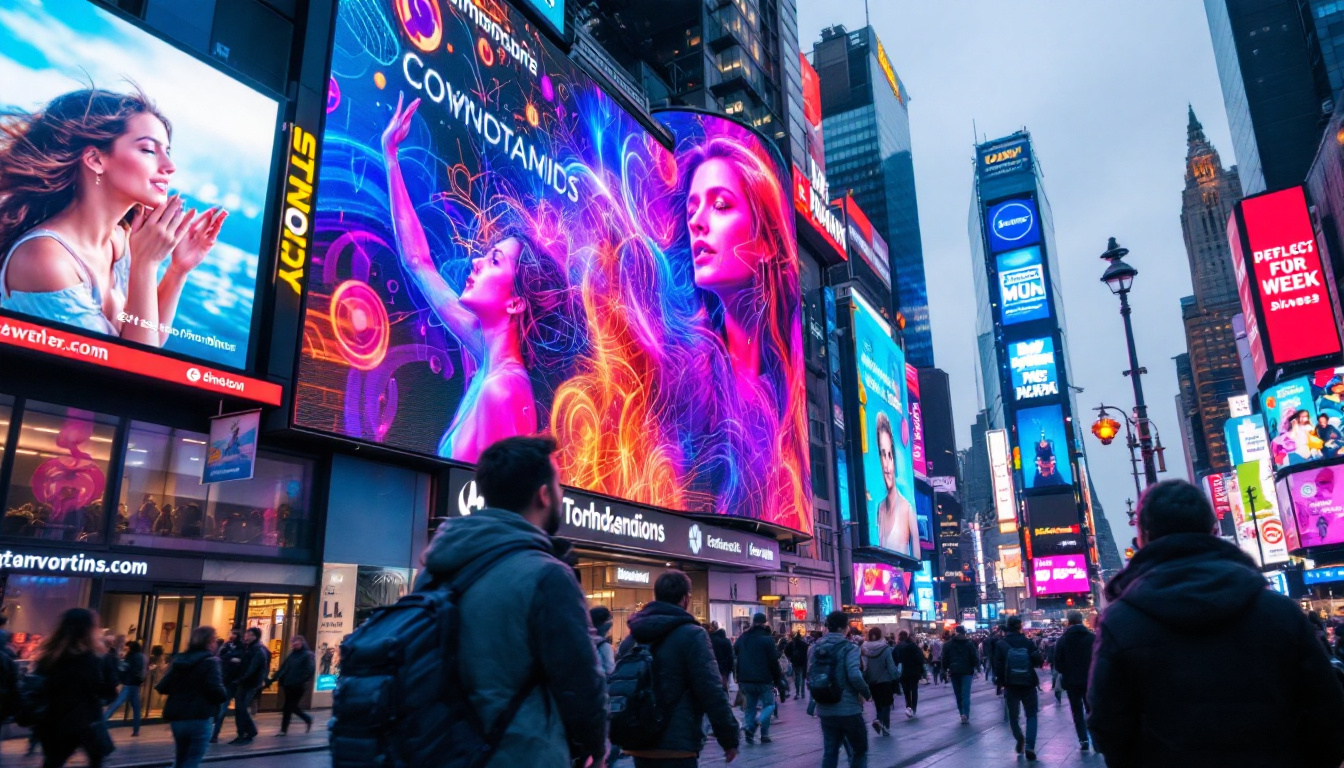
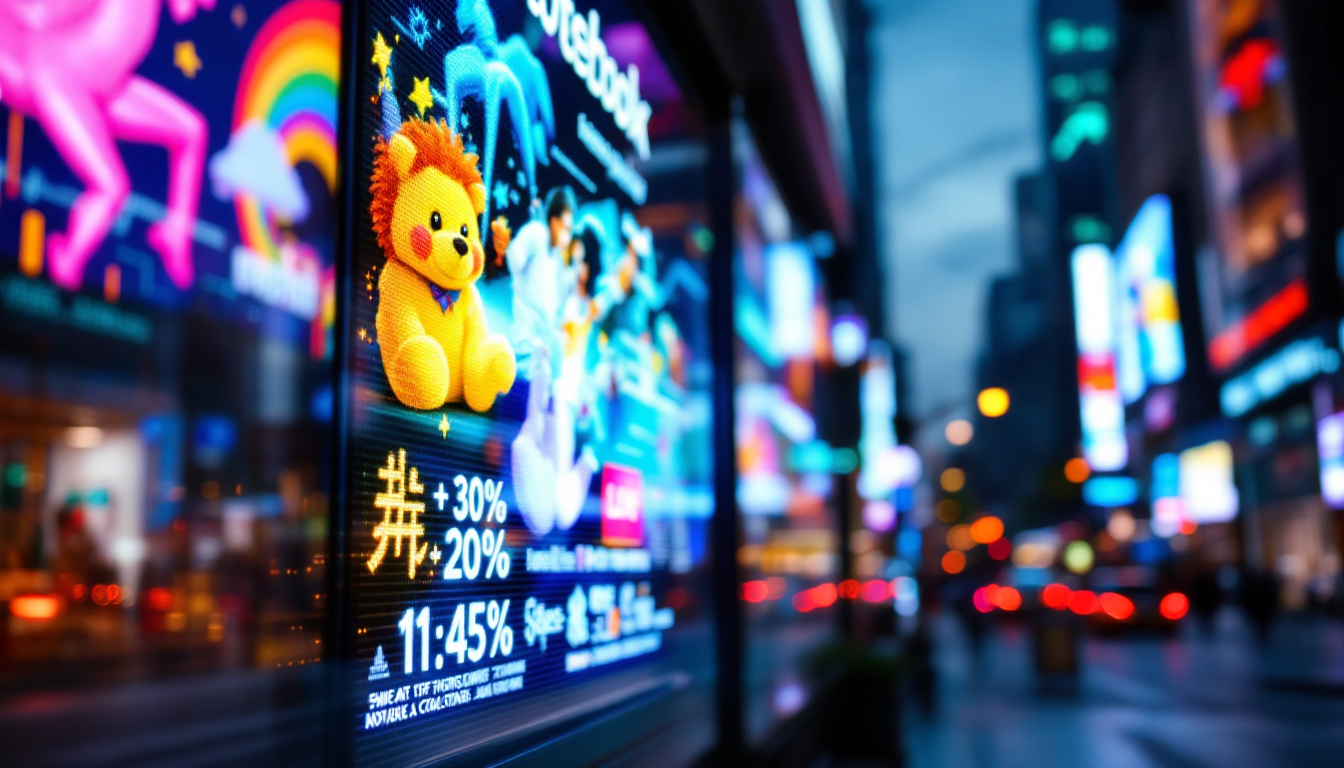
Large-scale LED billboards utilize pixels with larger pitch sizes to ensure visibility from hundreds of meters away. These displays must withstand harsh weather conditions while maintaining brightness and clarity. The modular nature of LED pixels allows for flexible screen sizes and shapes, making them ideal for outdoor advertising.
Indoor Digital Signage and Video Walls
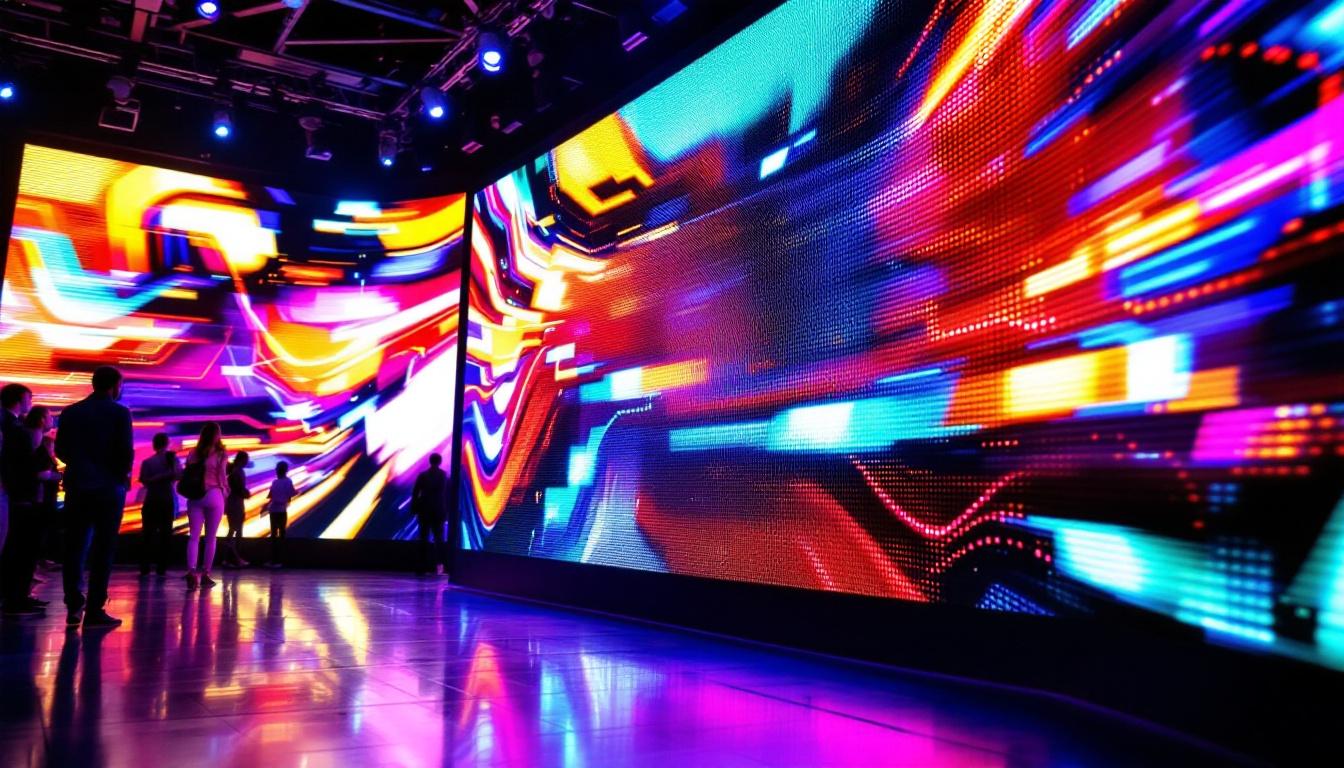
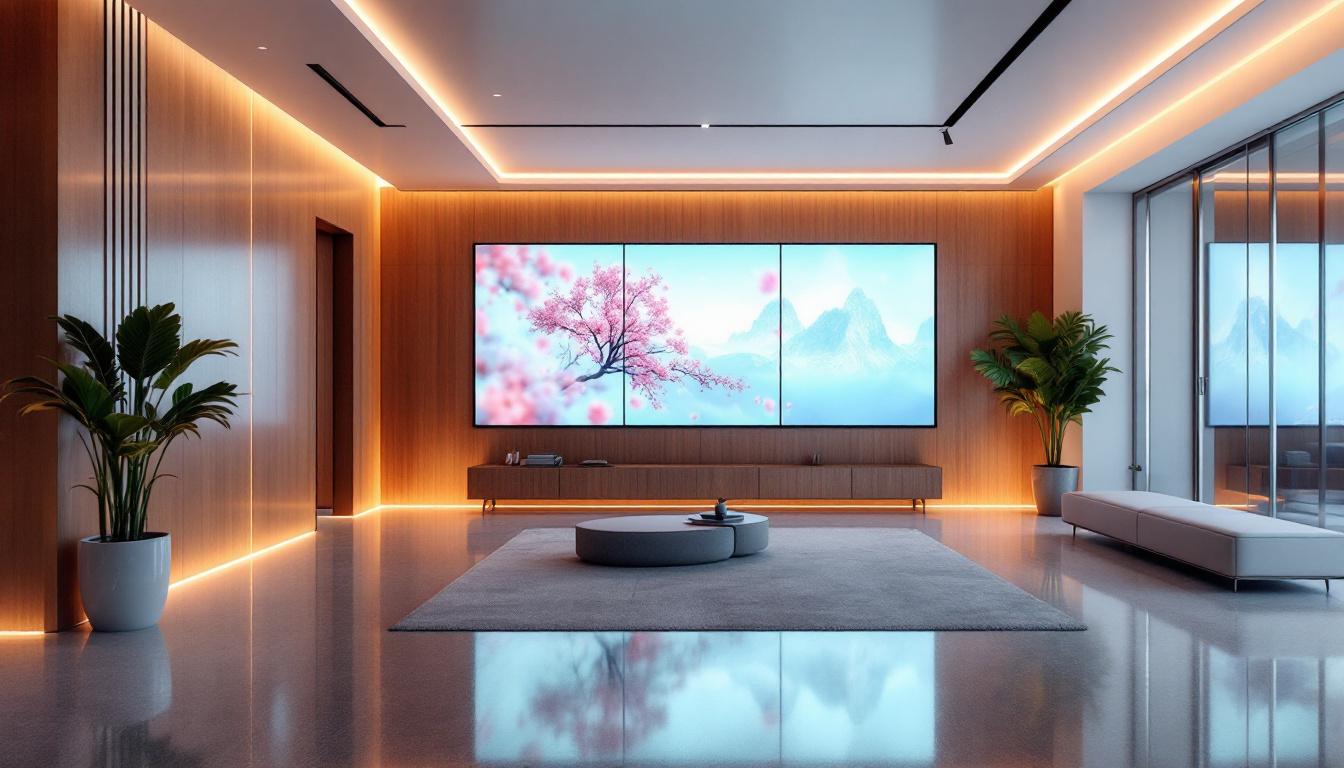
Indoor LED displays often use SMD pixels with small pixel pitches to deliver sharp images in retail stores, airports, and conference centers. Video walls composed of multiple LED panels can create immersive visual experiences, with seamless pixel integration ensuring uniform image quality across large surfaces.
Sports Arenas and Entertainment Venues
LED displays in stadiums and arenas rely on pixels that balance brightness and resolution to provide clear visuals to spectators at varying distances. These displays often incorporate advanced pixel calibration techniques to maintain color accuracy and brightness uniformity across the entire screen.
Future Trends in LED Pixel Technology
As display technology continues to evolve, LED pixels are becoming smaller, more efficient, and more capable. Advances in microLED technology, which uses microscopic LEDs as individual pixels, promise even higher resolutions, better energy efficiency, and longer lifespans compared to traditional LEDs.
Additionally, innovations in pixel control algorithms and materials are enhancing color accuracy and brightness, enabling LED displays to compete with OLED and other emerging technologies in image quality.
MicroLED: The Next Generation of Pixels
MicroLED technology shrinks LED pixels to microscopic sizes, allowing for ultra-high-resolution displays with excellent brightness and contrast. Unlike OLEDs, microLEDs do not suffer from burn-in issues and can achieve higher peak brightness, making them ideal for both indoor and outdoor applications.
While still in the early stages of commercial adoption, microLED displays are expected to revolutionize the market for televisions, smartphones, and large-format digital signage in the coming years.
Conclusion: Why Understanding Pixels Matters
Pixels are the fundamental units that make up every digital image on LED displays. By understanding what a pixel is and how LED pixels function, consumers and professionals alike can make more informed decisions when selecting displays for various applications. Factors such as pixel pitch, pixel type, and color capabilities directly influence the visual quality and suitability of an LED display.
Whether it’s a massive outdoor billboard or a high-resolution indoor video wall, the quality and arrangement of pixels determine the clarity, brightness, and overall impact of the displayed content. As LED technology advances, the role of pixels will only grow more significant in shaping the future of digital visual experiences.
Discover the Future of Visuals with LumenMatrix
Now that you understand the vital role pixels play in crafting high-quality digital imagery, it’s time to see how LumenMatrix is pushing the boundaries of LED display technology. From vibrant indoor video walls to expansive outdoor billboards, LumenMatrix offers a wide array of innovative LED display solutions tailored to your needs. Elevate your visual communication and engage your audience like never before. Check out LumenMatrix LED Display Solutions today and step into the future of digital displays.