What Is LCD Screen: LED Display Explained
In today’s digital world, screens are everywhere — from smartphones and laptops to televisions and digital billboards. Among the various types of display technologies, LCD and LED screens are the most prevalent. Yet, many people use these terms interchangeably without fully understanding what they mean or how they differ. This article aims to clarify what an LCD screen is, explain the role of LED displays, and explore how these technologies work together to deliver the vibrant images we see daily.
Understanding LCD Technology
LCD stands for Liquid Crystal Display. It is a flat-panel display technology that uses liquid crystals combined with a backlight to produce images. Unlike older cathode ray tube (CRT) monitors, LCDs are much thinner, lighter, and consume less power, which has made them the dominant technology for screens in modern electronics. The evolution of LCD technology has been remarkable, leading to its widespread adoption in devices such as televisions, computer monitors, and smartphones. As technology continues to advance, we see improvements in resolution, color accuracy, and response times, enhancing the user experience across various applications.
How Does an LCD Screen Work?
At the heart of an LCD screen are liquid crystals — substances that flow like a liquid but have some properties of solid crystals. These crystals don’t emit light themselves. Instead, they manipulate light passing through them to create images. The unique properties of liquid crystals allow them to change their orientation in response to electric currents, which is crucial for the display’s functionality. This characteristic enables the precise control of light and color at each pixel, resulting in sharp and vibrant images that are essential for everything from gaming to graphic design.
The basic structure of an LCD panel includes two polarized glass layers with liquid crystals sandwiched between them. When an electric current passes through, the crystals align in a way that either blocks or allows light to pass through. By controlling the orientation of these crystals at each pixel, the screen can display different colors and images. Additionally, advancements in technology have led to the development of various types of LCDs, such as Twisted Nematic (TN), In-Plane Switching (IPS), and Vertical Alignment (VA) panels, each offering distinct advantages in terms of viewing angles, color reproduction, and response times, catering to different user needs.
The Role of the Backlight
Since liquid crystals don’t emit light, LCD screens require a backlight to illuminate the display. This backlight shines through the liquid crystal layer, and the crystals control how much light reaches the viewer’s eyes. Early LCDs used cold cathode fluorescent lamps (CCFLs) for backlighting, but modern screens primarily use LED backlights due to their efficiency and superior performance. LED backlighting not only allows for thinner displays but also provides better brightness control and contrast ratios, enhancing the overall image quality.
Moreover, the introduction of technologies such as edge-lit and full-array local dimming has further improved the performance of LCD screens. Edge-lit LED displays use LEDs positioned along the edges of the screen to provide illumination, while full-array local dimming features a grid of LEDs behind the screen that can be turned on or off independently. This results in deeper blacks and more vibrant colors, making LCDs increasingly competitive with other display technologies like OLED. As a result, consumers benefit from a wider range of options that cater to various preferences and viewing environments, whether for casual watching or professional use.
What Is an LED Display?
LED stands for Light Emitting Diode. Unlike LCDs, which manipulate light, LEDs are tiny semiconductor devices that emit light when an electric current passes through them. The term “LED display” can sometimes cause confusion because it’s used in two different contexts: as a backlight source for LCD screens and as a standalone display technology.
LED as Backlighting for LCD Screens
Most modern LCD screens use LED backlighting instead of CCFLs. This combination is often called an “LED display” in marketing, but technically, it’s still an LCD screen with LED backlighting. The LEDs provide several advantages:
- Energy Efficiency: LEDs consume less power than CCFLs, extending battery life in portable devices.
- Better Brightness and Contrast: LED backlights can produce brighter images and deeper blacks, improving overall picture quality.
- Thinner Panels: LEDs are smaller and more flexible, allowing for slimmer and lighter screen designs.
- Longer Lifespan: LEDs tend to last longer and degrade less over time compared to CCFLs.
True LED Displays
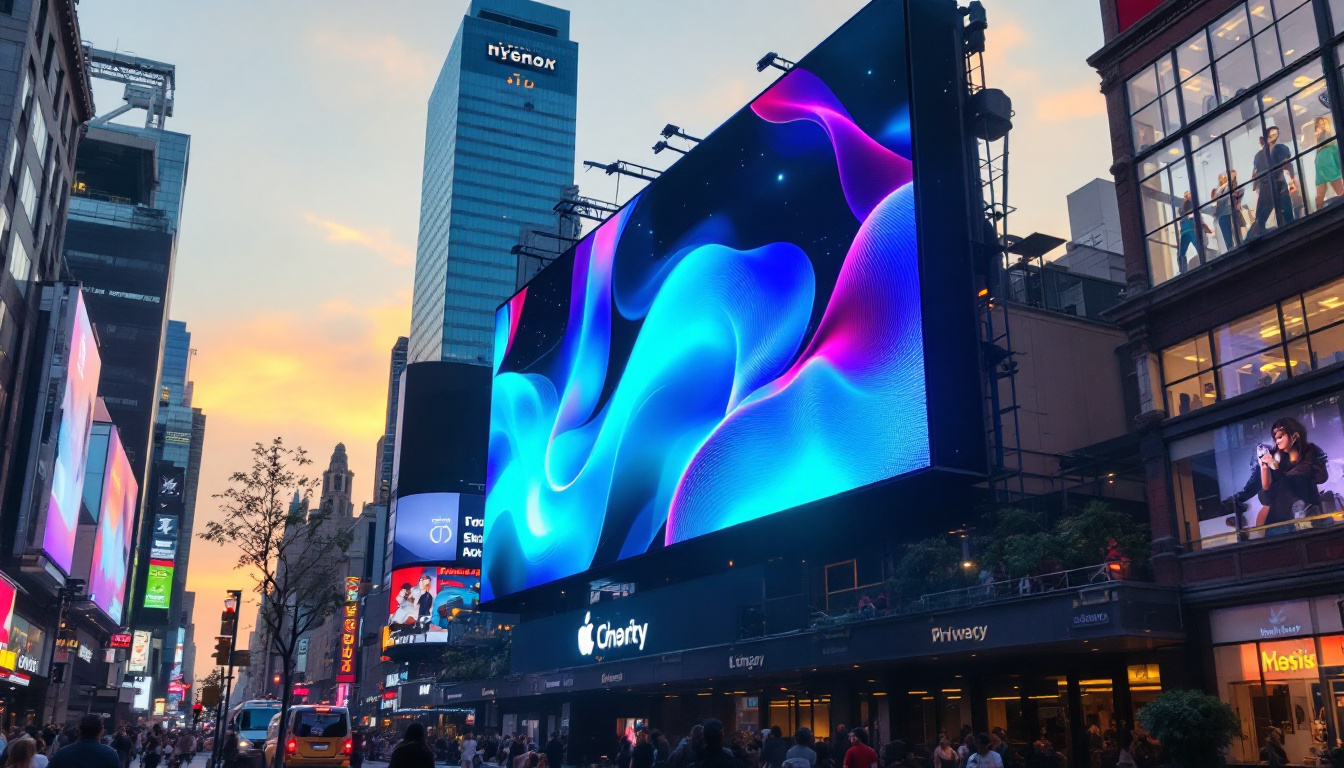
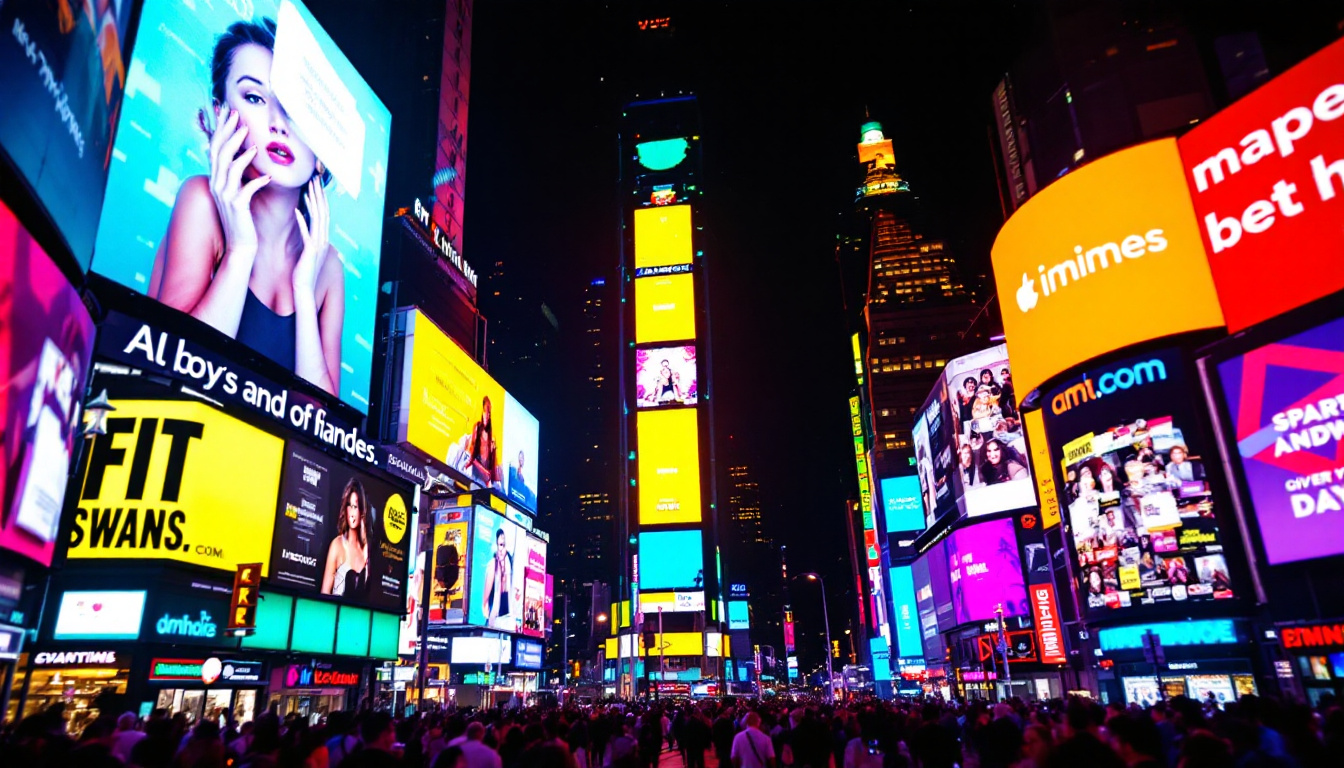
In contrast to LCDs with LED backlighting, true LED displays use arrays of individual LEDs as pixels themselves. These are commonly found in large-scale applications, such as outdoor billboards, stadium screens, and some high-end televisions.
True LED displays can be subdivided into two categories:
- Direct View LED (DVLED): Each pixel is a tiny LED or group of LEDs that emit light directly, without the need for a backlight.
- MicroLED: A newer technology featuring microscopic LEDs that offer superior brightness, contrast, and color accuracy, potentially surpassing OLED displays.
Comparing LCD and LED Displays
Understanding the distinctions between LCD and LED displays is essential for consumers, manufacturers, and professionals in the technology sector. While the terms are often used interchangeably, the differences impact performance, cost, and application.
Image Quality and Color Accuracy
Traditional LCD screens with LED backlighting offer excellent image quality for everyday use. However, because the backlight is uniform across the screen, achieving perfect black levels and infinite contrast is challenging. This can result in some light bleed or less vibrant colors in dark scenes.
True LED displays, especially MicroLEDs, can turn off individual pixels completely, producing true blacks and outstanding contrast ratios. This capability makes them ideal for high-end displays where image quality is paramount.
Energy Consumption
LED-backlit LCDs are generally more energy-efficient than older CCFL-backlit models. However, true LED displays can be even more efficient because they only light the pixels needed for the image, reducing power consumption in darker scenes.
Cost and Availability
LCD screens with LED backlighting are widely available and affordable, making them the standard for most consumer electronics. True LED displays, particularly MicroLEDs, are still emerging technologies and tend to be more expensive due to complex manufacturing processes.
Applications of LCD and LED Technologies
Both LCD and LED technologies have found their niches across a wide range of devices and industries. Understanding where each excels can help in selecting the right display for a specific need.
Consumer Electronics
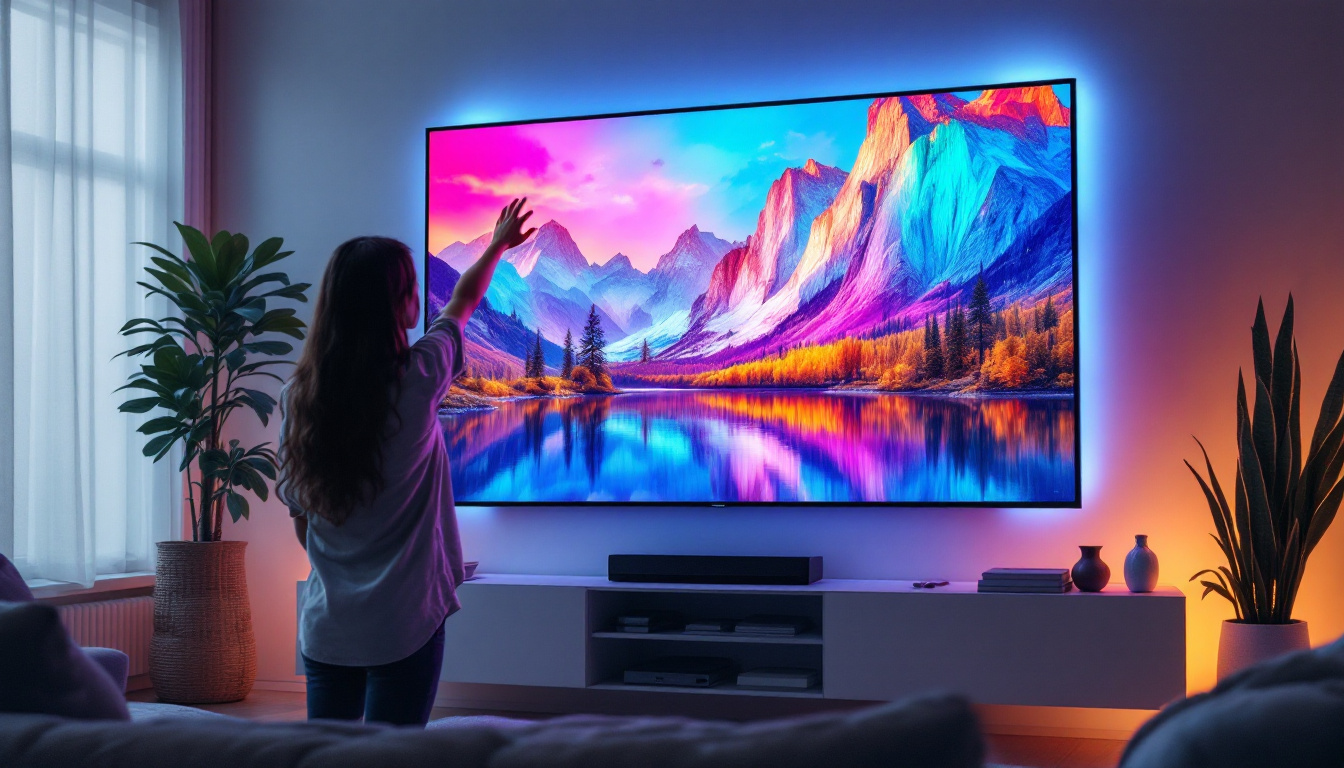
LCD screens with LED backlighting dominate the consumer market, powering smartphones, laptops, tablets, televisions, and monitors. Their balance of image quality, cost, and energy efficiency makes them ideal for everyday use.
LED-backlit LCDs have also enabled the development of ultra-thin and lightweight devices, contributing to the portability and sleek designs consumers expect today.
Large-Scale Displays
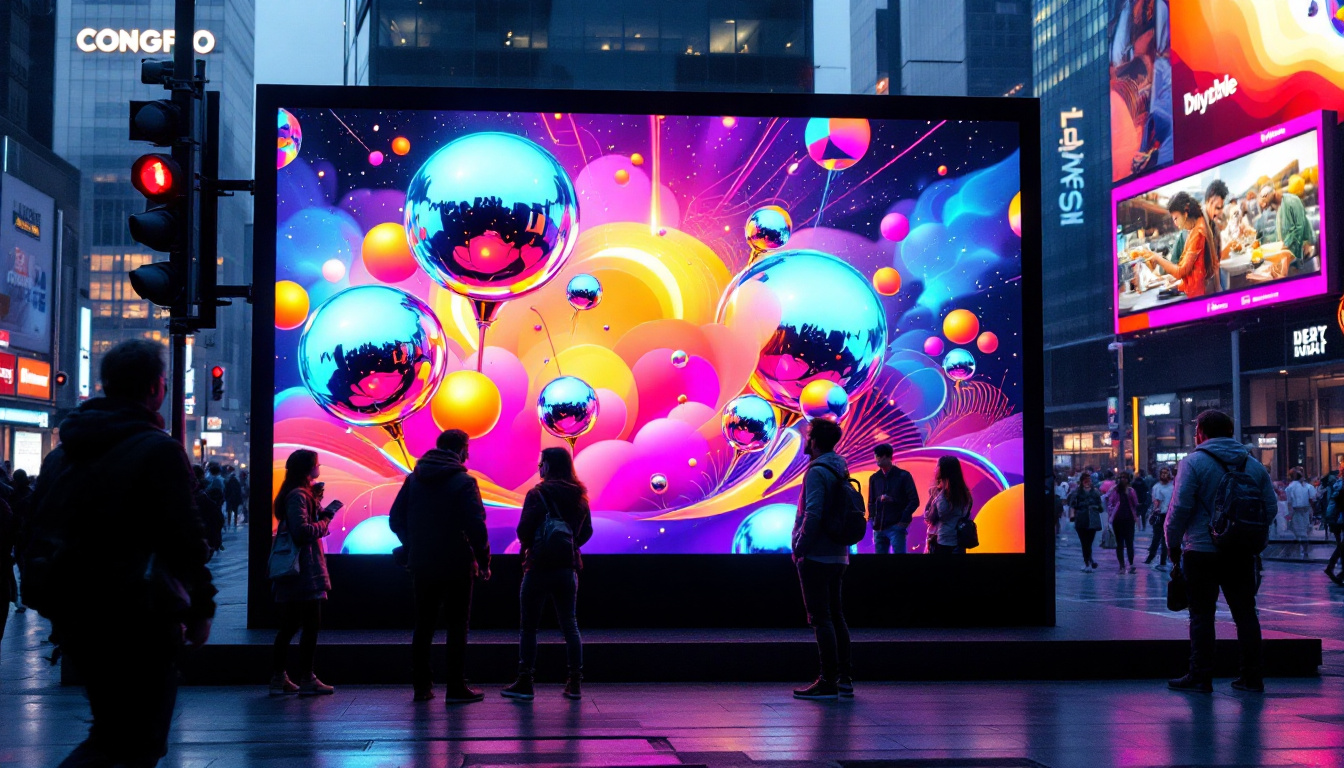
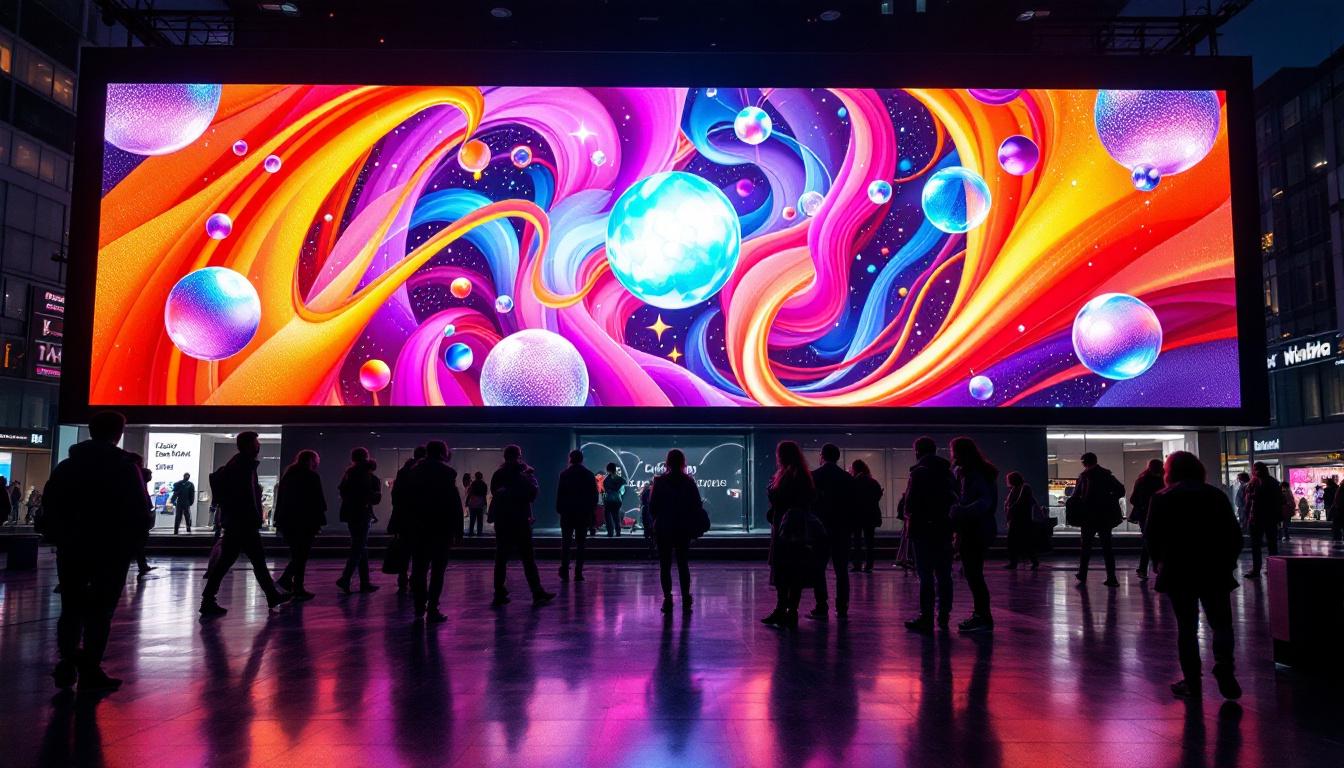
True LED displays are the go-to choice for large-scale installations such as digital billboards, sports arenas, and concert stages. Their brightness allows visibility even in direct sunlight, and their modular design supports massive screen sizes.
Emerging Technologies
MicroLED technology is gaining traction as a potential game-changer in the display industry. It promises the best of both worlds: the brightness and durability of LEDs with the pixel-level control and color accuracy of OLEDs. While still in early stages, MicroLEDs may soon revolutionize displays in premium TVs, augmented reality devices, and more.
Common Misconceptions About LCD and LED Screens
Despite their prevalence, misconceptions about LCD and LED technologies persist, often fueled by marketing jargon and technical complexity.
“LED TVs” Are Not True LED Displays
Many consumers believe that “LED TVs” use LED pixels to create images. In reality, most LED TVs are LCD screens with LED backlighting. This distinction is crucial for understanding the capabilities and limitations of the device.
LCD and LED Are Not Competing Technologies
Since LED backlighting is a component of most modern LCD screens, the two technologies complement rather than compete with each other. LED refers to the light source, while LCD refers to the method of image creation.
OLED vs. LED/LCD
Organic Light Emitting Diode (OLED) displays differ fundamentally from LCD and LED technologies. OLED pixels emit their own light, allowing for perfect blacks and flexible displays. However, OLEDs typically have shorter lifespans and higher production costs compared to LED-backlit LCDs.
The Future of Display Technology
The display industry continues to evolve rapidly, driven by consumer demand for higher resolution, better color accuracy, thinner form factors, and energy efficiency.
Advancements in LED and LCD Technologies
Manufacturers are refining LED backlighting techniques, such as local dimming, which allows sections of the backlight to dim independently, improving contrast and black levels on LCD screens. Quantum dot technology is also enhancing color reproduction by adding nanocrystals that emit precise wavelengths of light when illuminated by LEDs.
MicroLED and Beyond
MicroLED technology holds the promise of combining the best features of existing displays. Its self-emissive nature allows for incredible brightness and contrast, while its inorganic composition offers durability and longevity. As production costs decrease, MicroLED could become mainstream in the next decade.
Flexible and Transparent Displays
Innovations in LCD and LED materials are enabling flexible, foldable, and even transparent displays. These advancements open new possibilities for wearable devices, automotive dashboards, and interactive surfaces.
Conclusion
Understanding what an LCD screen is and how LED displays fit into the picture is essential for making informed decisions about technology purchases and appreciating the devices used daily. LCD technology, combined with LED backlighting, has revolutionized the display industry by offering efficient, high-quality images in a slim form factor.
True LED displays, including emerging MicroLED technology, are pushing the boundaries of brightness, contrast, and durability, particularly in large-scale and premium applications. As display technologies continue to advance, consumers and professionals alike can expect more immersive, vibrant, and energy-efficient screens in the years to come.
Discover Cutting-Edge LED Displays with LumenMatrix
As you consider the advancements and future of display technology, LumenMatrix invites you to experience the pinnacle of LED innovation. Our extensive range of LED display solutions, from Indoor and Outdoor LED Walls to specialized options like Vehicle and Sports Displays, is designed to bring your visual communications to life. Whether you’re looking to enhance brand visibility or create immersive experiences, LumenMatrix is at the forefront of revolutionizing the industry. Check out LumenMatrix LED Display Solutions today and see how our state-of-the-art products can transform your space and captivate your audience.