In today’s digital age, LED displays have become an integral part of how information is shared and visuals are presented. From smartphones and televisions to massive outdoor billboards and stadium screens, LED technology powers a vast array of display devices. But what does LED stand for, and what makes these displays so widely used? This article explores the fundamentals of LED technology, its applications, advantages, and the innovations driving its future.
Understanding LED: What Does LED Stand For?
LED stands for Light Emitting Diode. It is a semiconductor device that emits light when an electric current passes through it. Unlike traditional incandescent bulbs that generate light by heating a filament, LEDs produce light through electroluminescence — a process where electrons recombine with electron holes within the device, releasing energy in the form of photons.
This fundamental difference in how light is produced gives LEDs several advantages, including higher efficiency, longer lifespan, and greater durability. In fact, LEDs can last up to 25 times longer than traditional incandescent bulbs, making them a more sustainable choice for both residential and commercial lighting applications. Additionally, their energy efficiency translates to lower electricity bills, which is a significant consideration for consumers and businesses alike.
The Science Behind LEDs
At the core of an LED is a chip made from semiconductor materials such as gallium arsenide or gallium phosphide. When voltage is applied, electrons move across the junction between two layers of semiconductor material, releasing energy as light. The color of the light depends on the materials used, allowing LEDs to emit a wide spectrum of colors without the need for filters. This versatility has led to the development of RGB (red, green, blue) LEDs, which can produce millions of colors by varying the intensity of each individual light source.
This precise control over light emission is what makes LEDs ideal for display technologies, where color accuracy and brightness are crucial. Furthermore, the compact size of LEDs allows for innovative designs in lighting fixtures and displays, enabling everything from ultra-thin screens to intricate architectural lighting. As technology advances, we are also witnessing the integration of smart features in LED lighting, such as connectivity to smart home systems, allowing users to control lighting remotely and customize their environments with ease.
What Is an LED Display?
An LED display is a flat panel display that uses an array of light-emitting diodes as pixels to create images. These displays can range from small indicator lights to large-scale video walls used in advertising and entertainment venues.
The term “LED display” often refers to two main types of technologies: direct-view LED displays and LED-backlit LCD displays. Understanding the distinction between these types is essential for grasping the full scope of LED applications.
Direct-View LED Displays
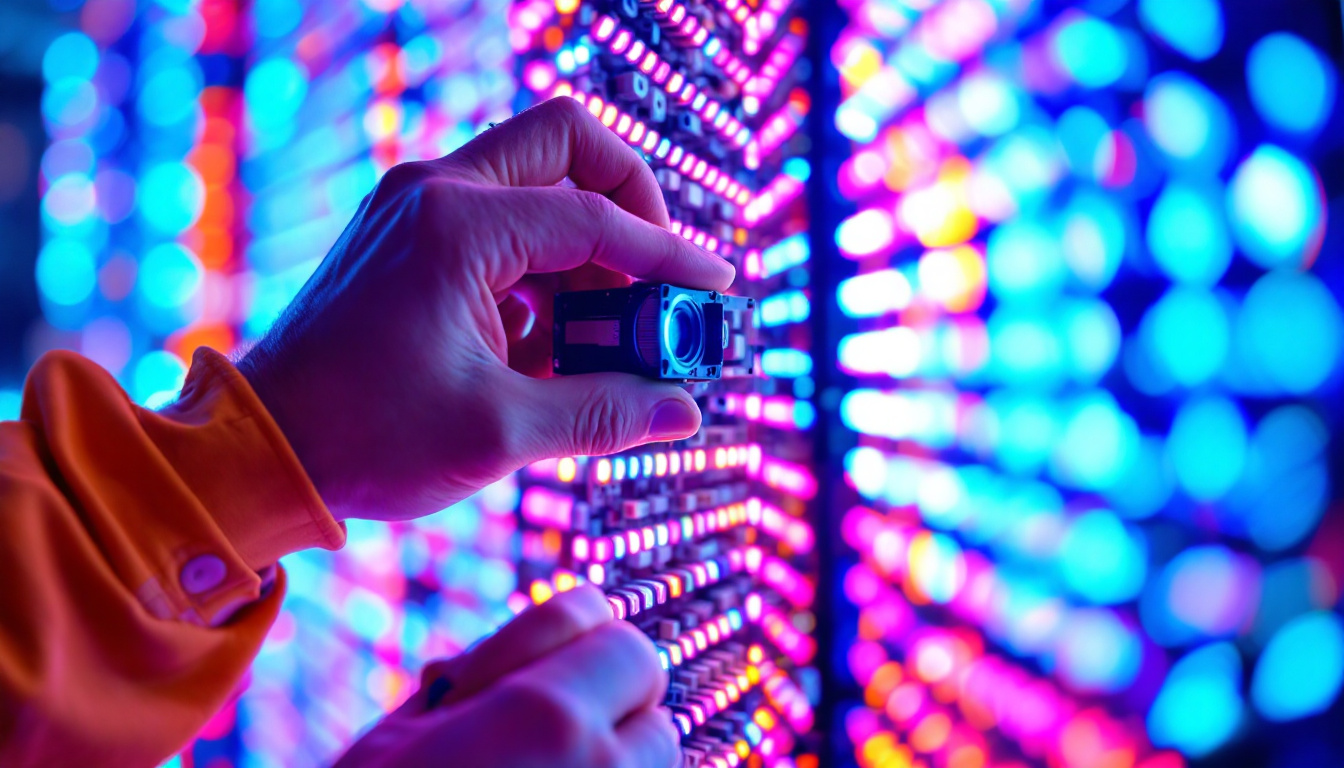
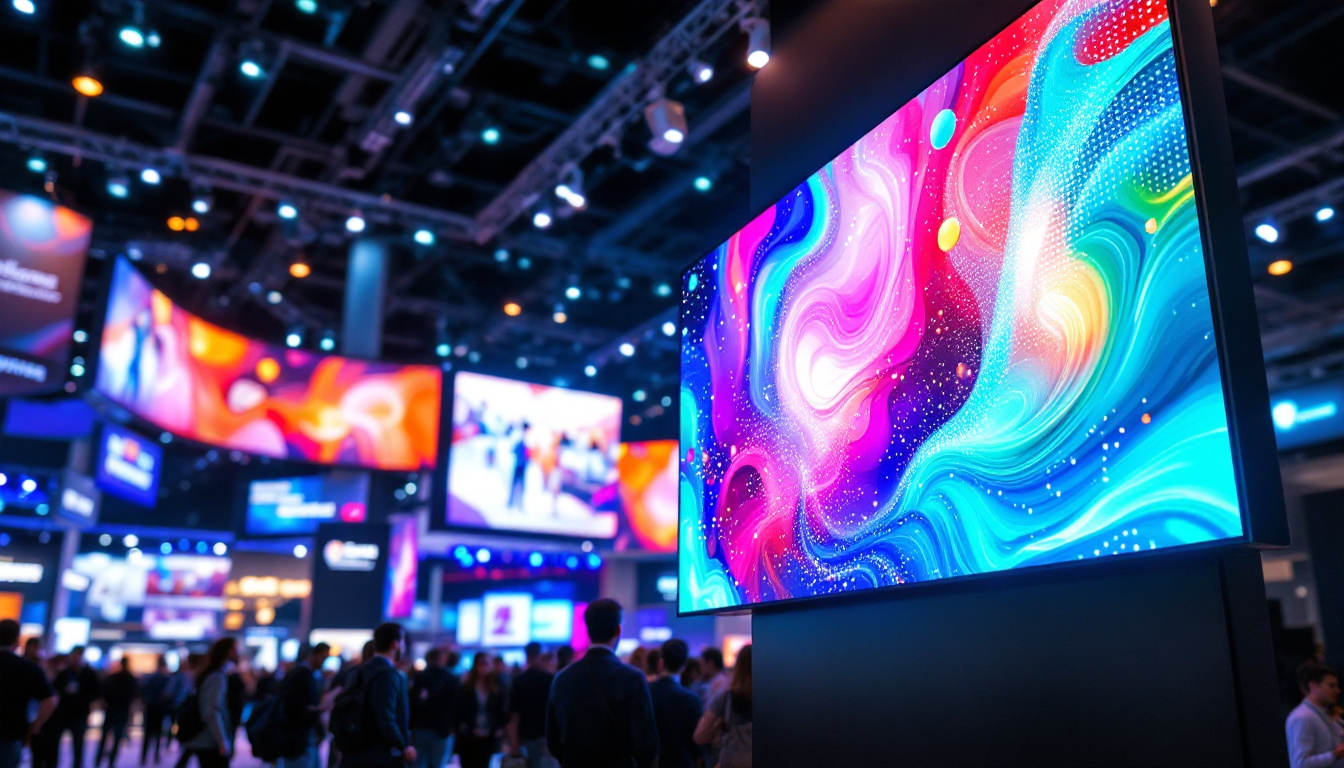
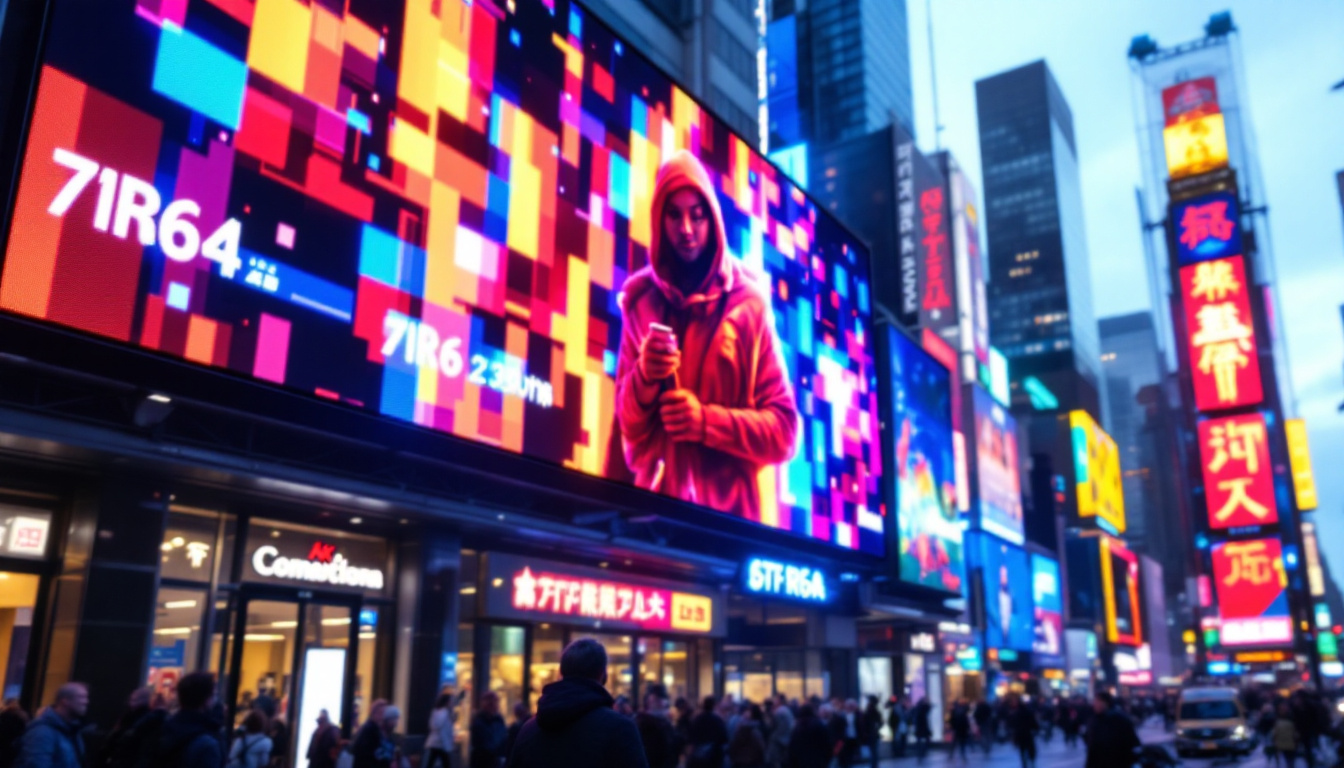
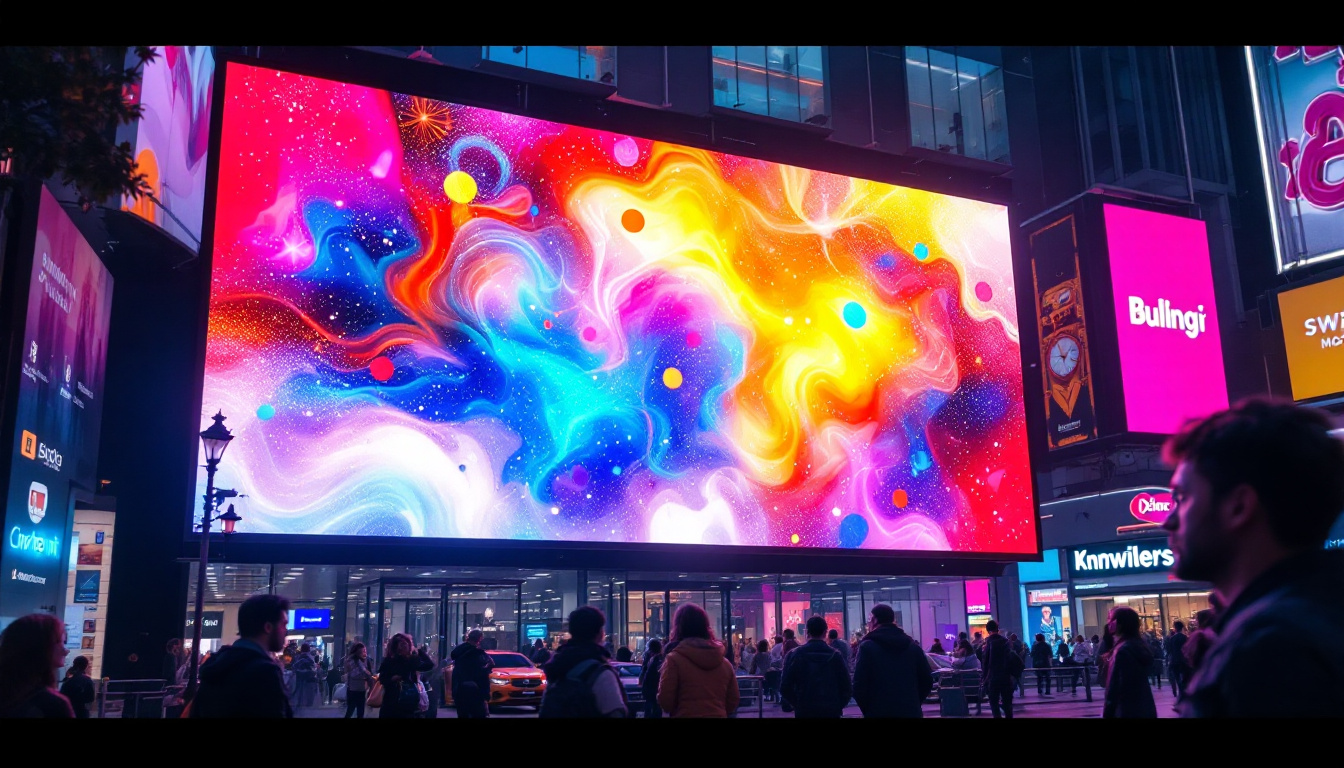
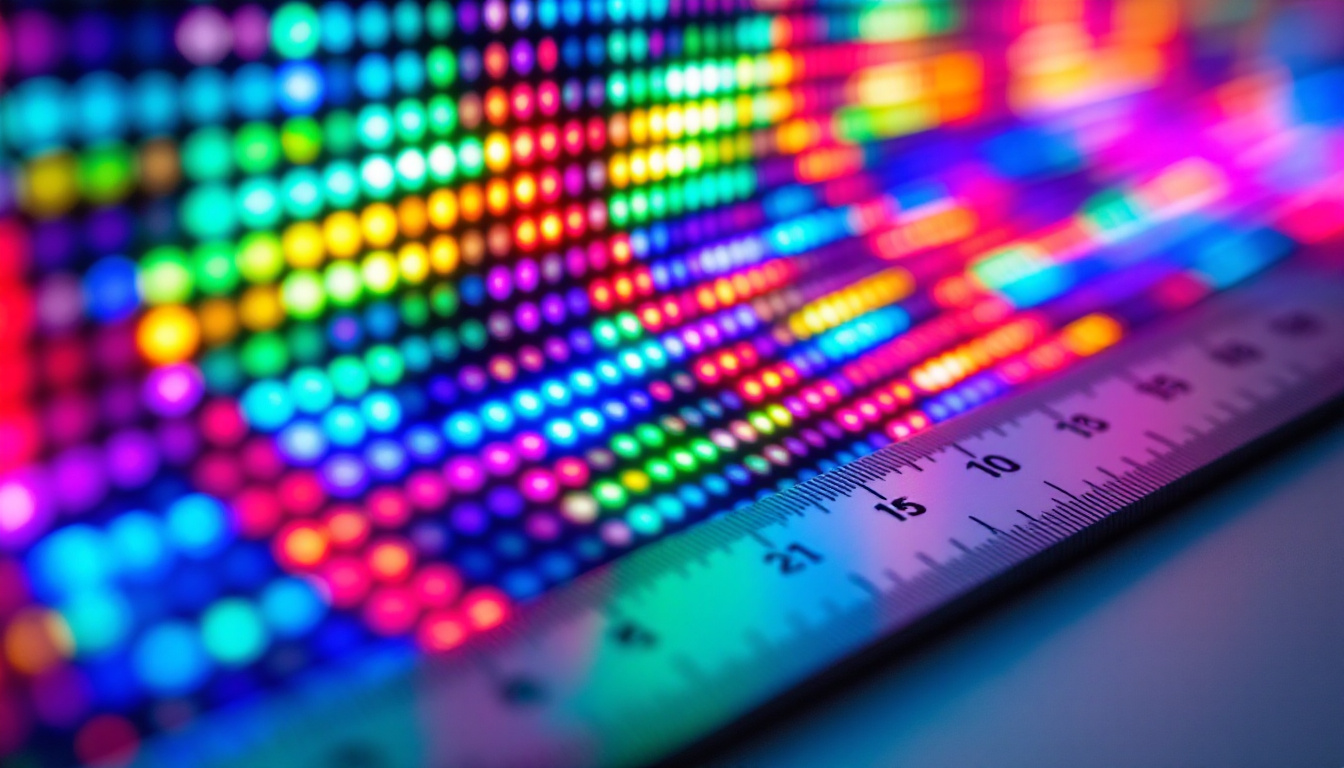
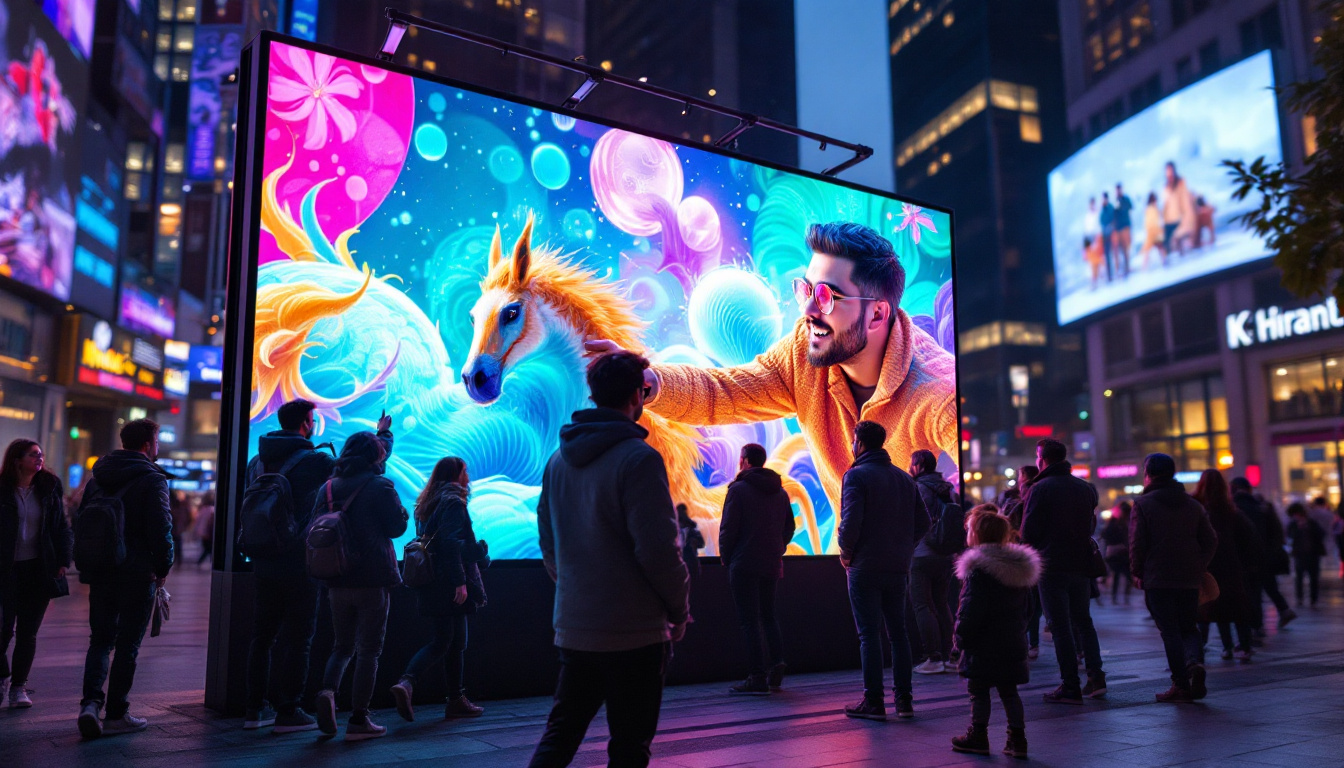
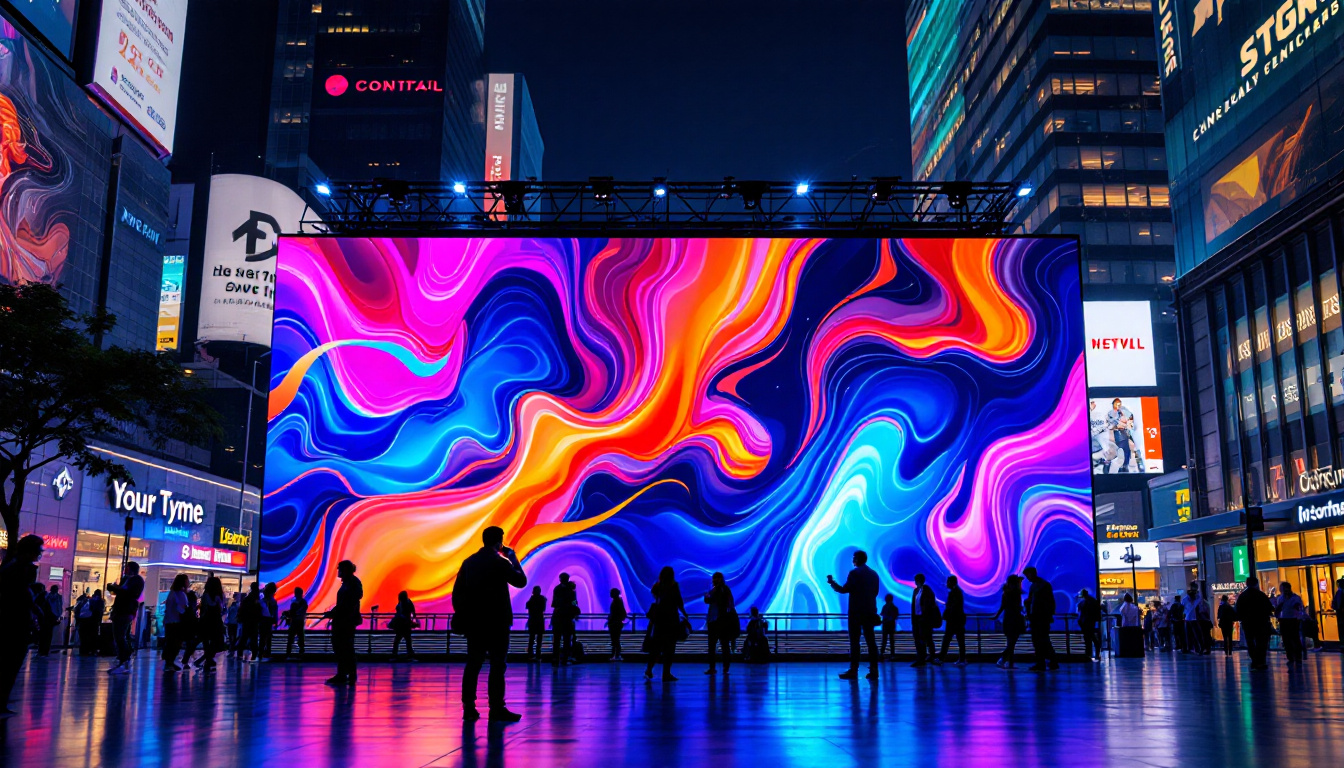
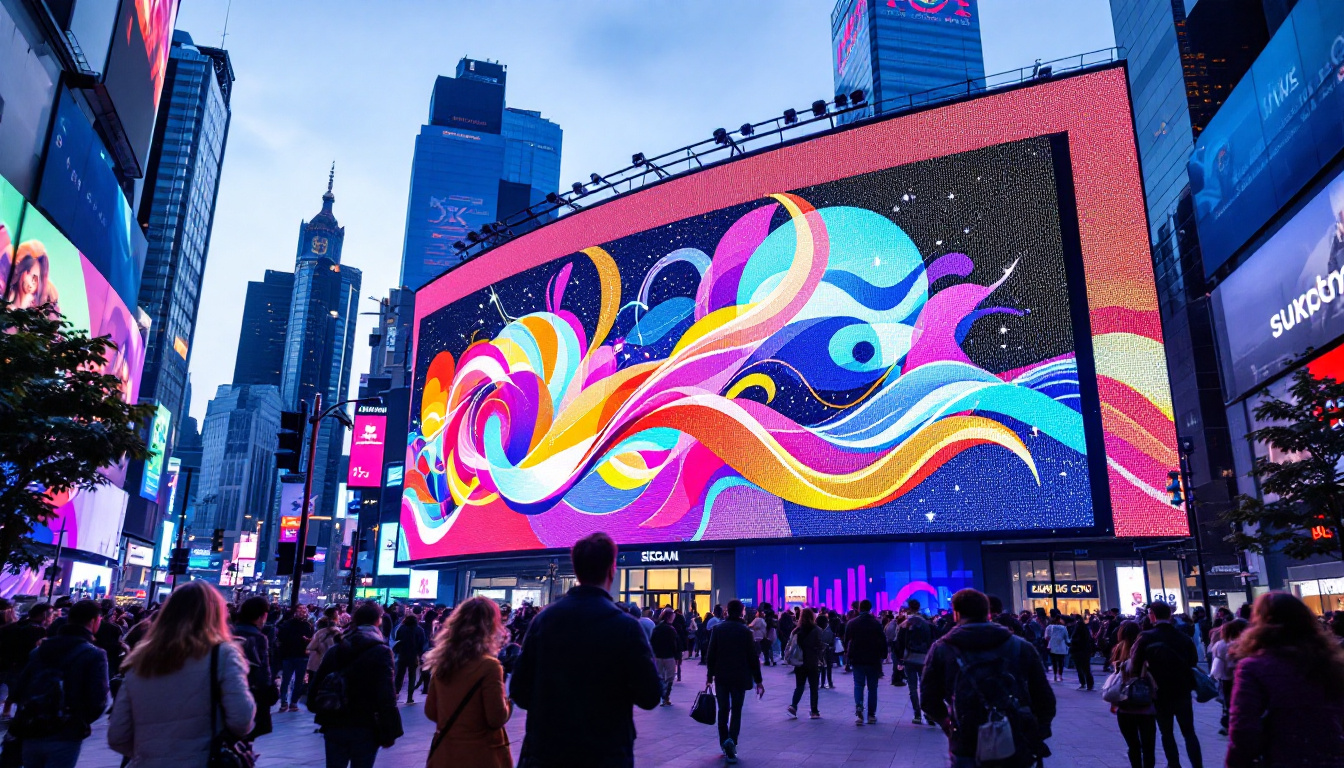
Direct-view LED displays consist of thousands to millions of tiny LEDs arranged in a grid. Each LED acts as an individual pixel capable of emitting its own light. This technology is commonly used in large outdoor screens, stadium scoreboards, and digital billboards.
Because each pixel emits light independently, direct-view LED displays offer exceptional brightness and contrast, making them visible even in direct sunlight. They also support high refresh rates and wide viewing angles, enhancing the viewing experience in dynamic environments.
LED-Backlit LCD Displays
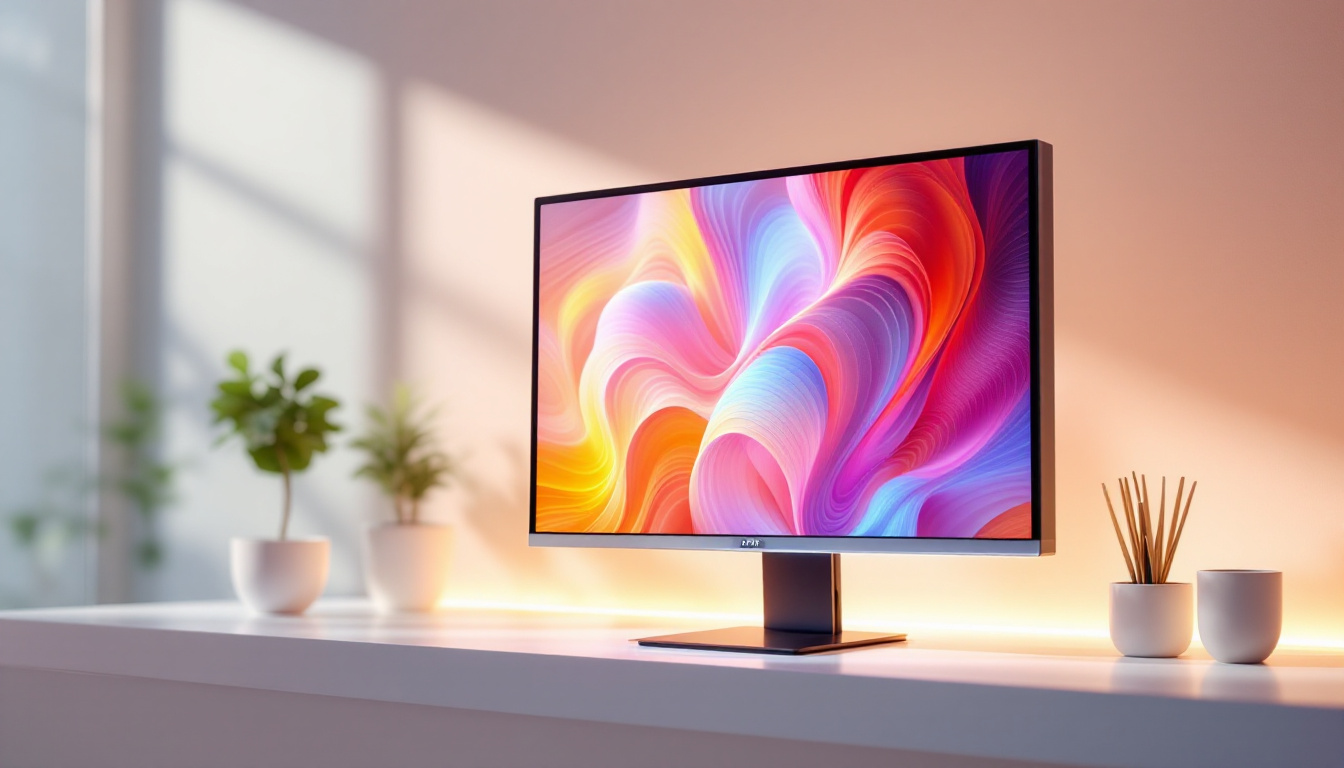
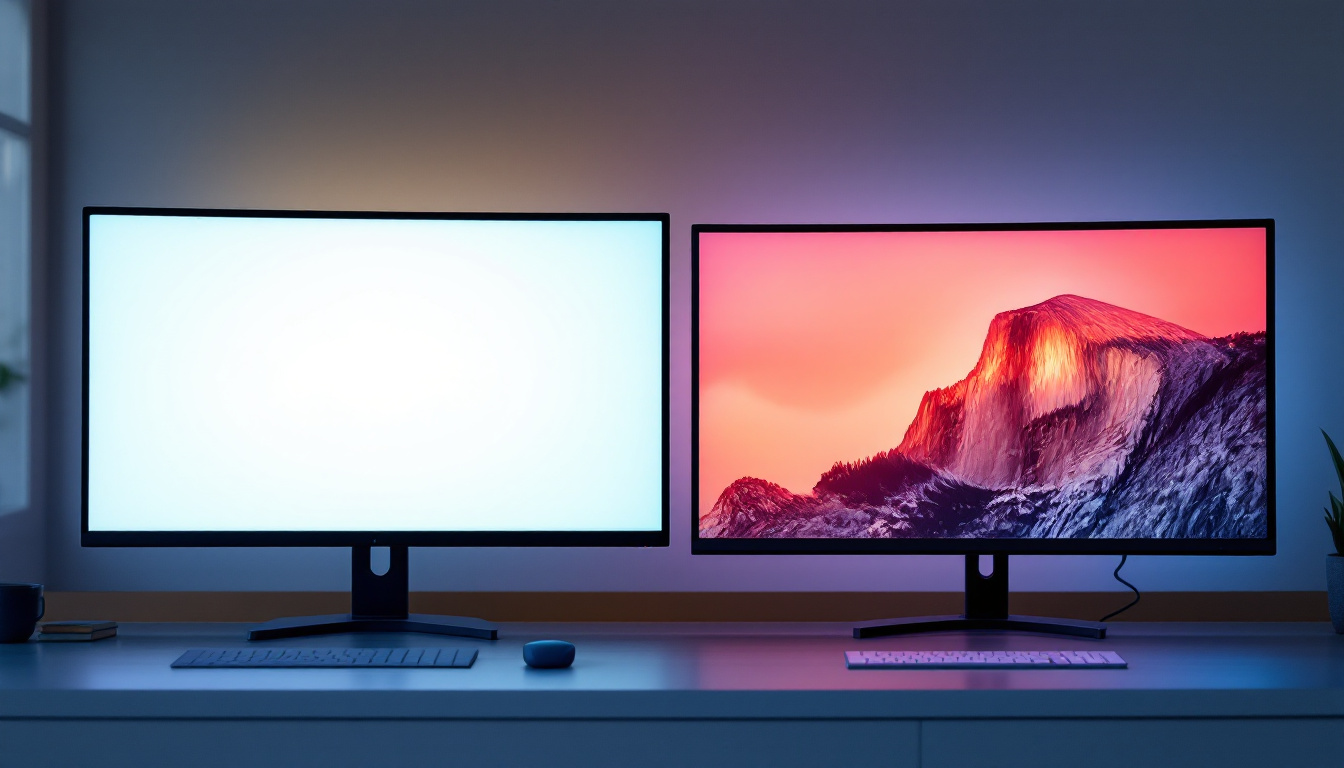
In contrast, LED-backlit LCD displays use LEDs as a backlight source behind a liquid crystal display (LCD) panel. The LCD layer controls the passage of light to form images, while the LEDs provide uniform illumination. This technology is prevalent in televisions, computer monitors, and smartphone screens.
LED-backlit LCDs offer improved energy efficiency and thinner profiles compared to older CCFL-backlit LCDs, but they do not achieve the same contrast levels as direct-view LEDs because the pixels themselves do not emit light.
Applications of LED Displays
LED displays have revolutionized many industries by providing versatile, bright, and energy-efficient visual solutions. Their adaptability allows them to serve a broad spectrum of uses, from consumer electronics to large-scale public installations.
Consumer Electronics
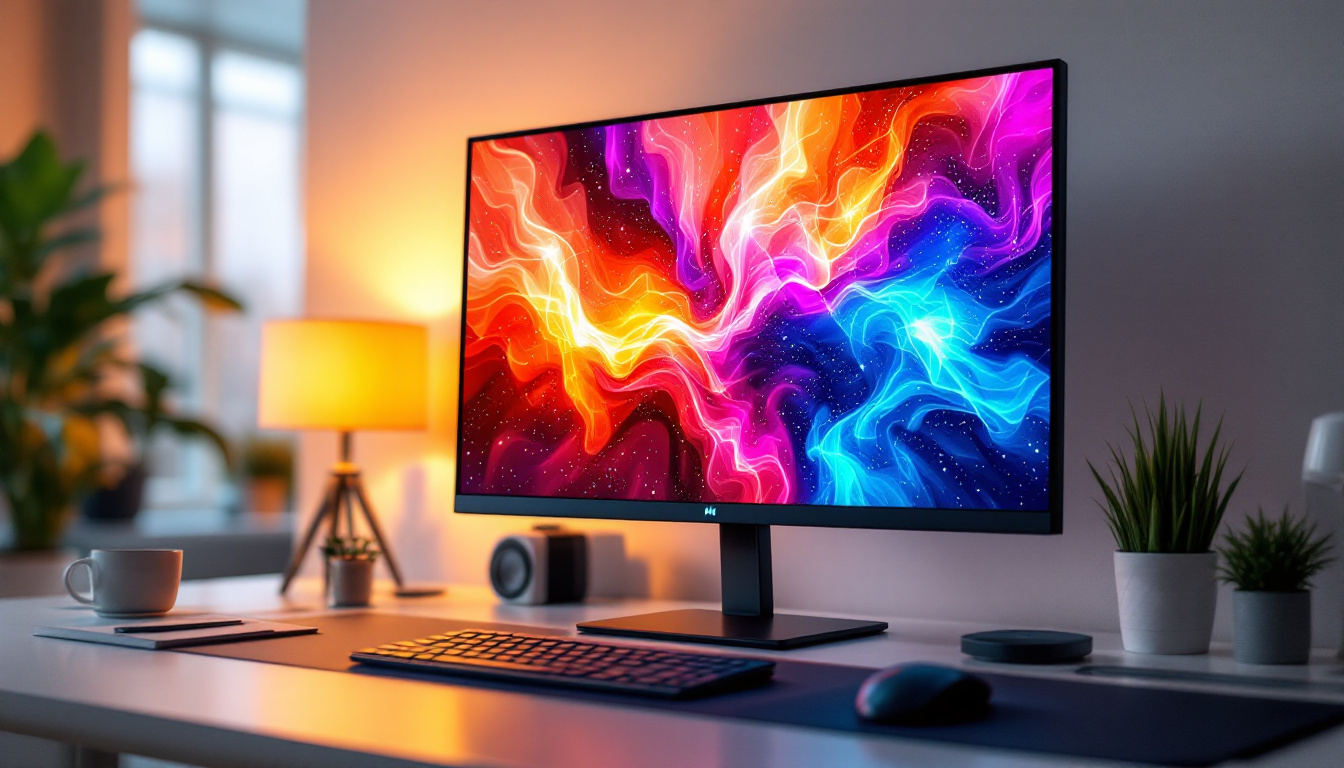
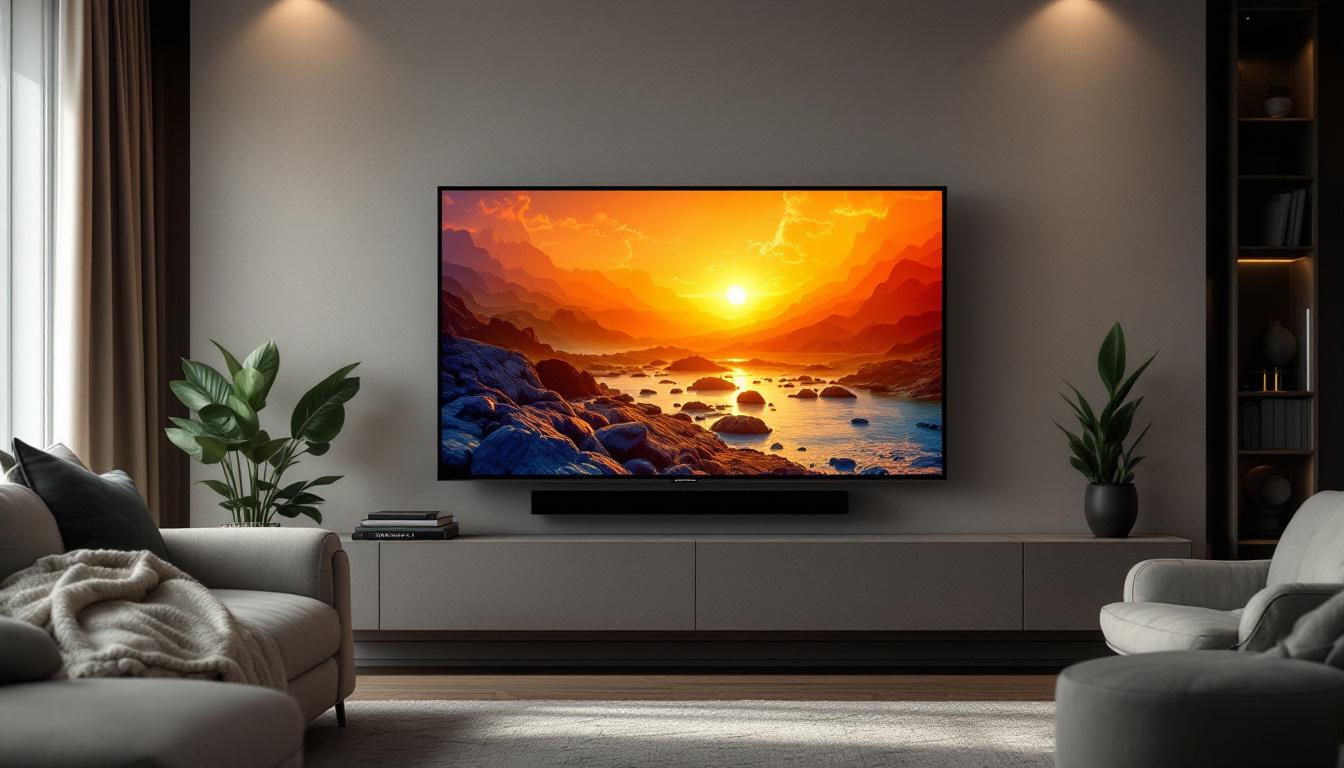
Most modern smartphones, televisions, and computer monitors utilize LED technology in some form. OLED (Organic LED) displays, a variant of LED technology, have become popular in high-end devices due to their superior color accuracy and contrast ratios.
LED-backlit LCDs remain the most common display type for consumer electronics, balancing cost and performance effectively. The widespread adoption of LED technology in these devices has contributed to enhanced image quality and reduced power consumption.
Advertising and Digital Signage
Outdoor advertising has been transformed by large-scale direct-view LED displays. Digital billboards can display dynamic content that changes in real-time, attracting more attention than static posters. According to a 2023 report by the Digital Signage Federation, LED digital signage revenue in the United States alone exceeded $3 billion, highlighting its growing market impact.
LED displays are also used extensively in retail environments for promotional messaging, interactive kiosks, and wayfinding solutions, offering businesses flexible and engaging communication tools.
Sports and Entertainment Venues
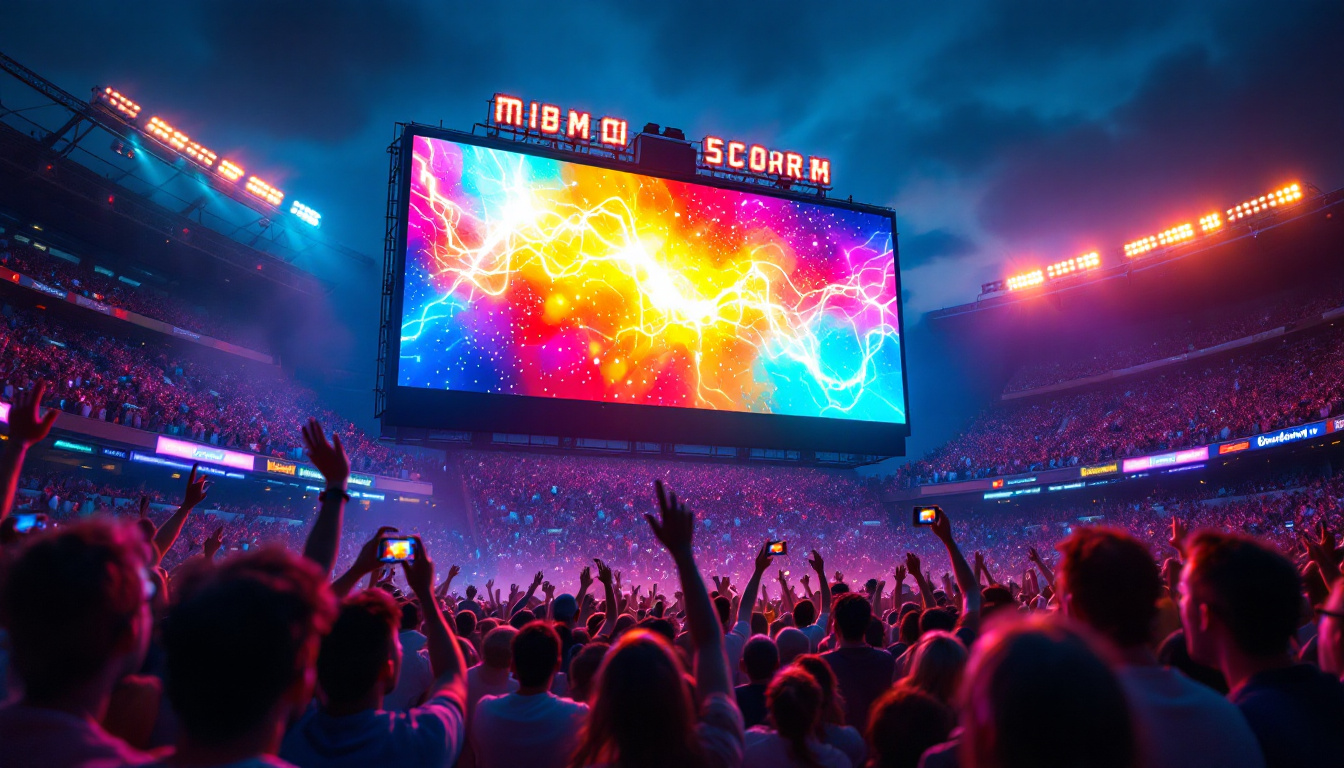
Stadiums and arenas rely heavily on LED displays for scoreboards, video replays, and advertising. The high brightness and durability of direct-view LED screens make them ideal for outdoor and large indoor venues.
Concerts and live events use LED walls and panels to create immersive visual experiences, often integrating with lighting and special effects to enhance audience engagement.
Transportation and Public Information
LED displays are widely used in transportation hubs such as airports, train stations, and bus terminals to provide real-time information. Their clarity and visibility ensure that travelers can easily access schedules, alerts, and directions.
Traffic signals and variable message signs on highways also utilize LED technology for reliability and energy efficiency.
Advantages of LED Displays
The rise of LED displays across multiple sectors is driven by several key advantages that make them superior to older display technologies.
Energy Efficiency
LEDs consume significantly less power than traditional incandescent or fluorescent lighting. For example, an LED display can use up to 75% less energy than comparable LCD or plasma screens. This efficiency translates into lower operational costs and reduced environmental impact, which is increasingly important for businesses and municipalities aiming to meet sustainability goals.
Brightness and Visibility
One of the standout features of LED displays is their ability to produce extremely bright images. This brightness ensures visibility even under direct sunlight or in brightly lit environments, a critical factor for outdoor advertising and public information displays.
High brightness also improves contrast and color vibrancy, making images more engaging and easier to read from a distance.
Durability and Longevity
LEDs are solid-state devices with no fragile filaments or glass tubes, making them more resistant to shock, vibration, and external impacts. This durability extends the lifespan of LED displays, often exceeding 50,000 hours of operation.
Compared to older technologies, this longevity reduces maintenance costs and downtime, particularly important for large-scale installations.
Flexibility and Scalability
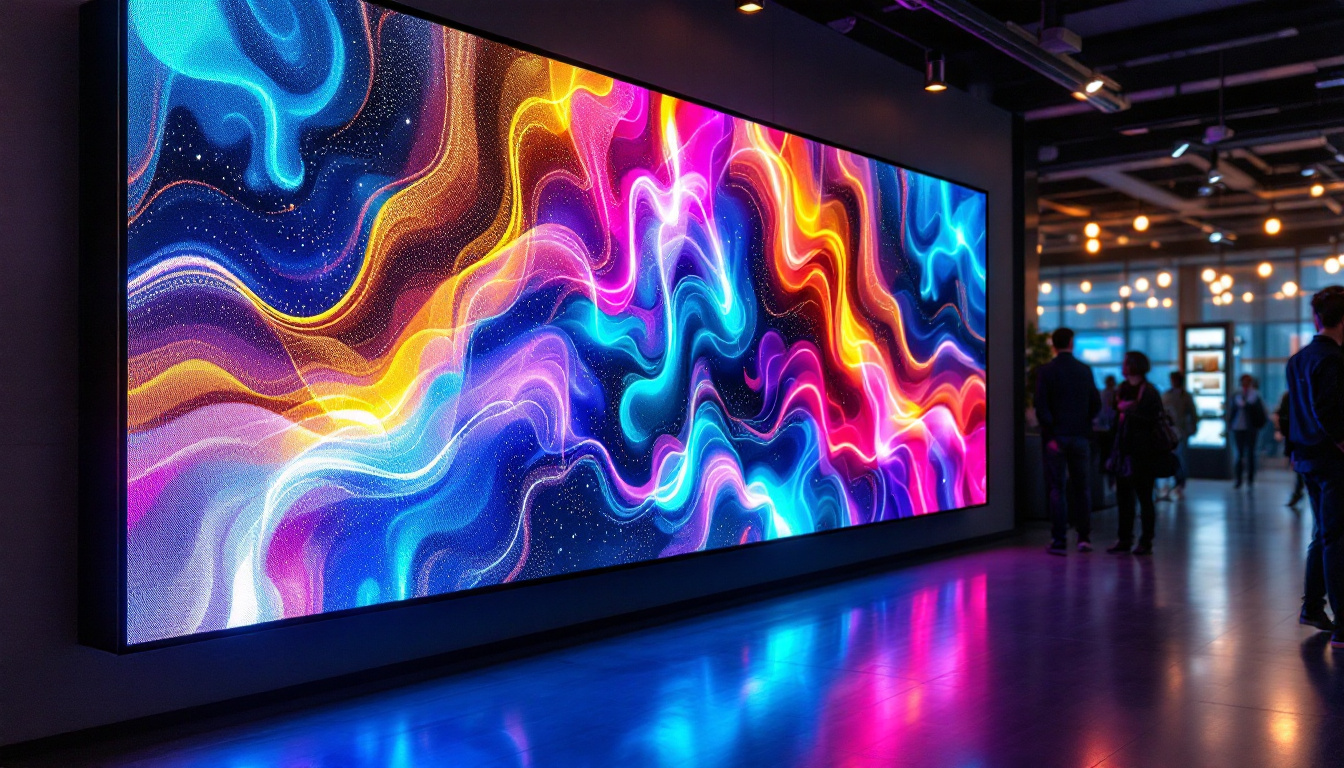
LED displays can be manufactured in a variety of sizes and shapes, from tiny indicator lights to massive video walls spanning thousands of square feet. Modular design allows for easy scalability and customization to fit specific use cases.
This flexibility enables creative applications in architecture, events, and advertising, where unique display configurations can enhance visual impact.
Recent Innovations in LED Display Technology
The LED display market continues to evolve rapidly, driven by advancements in materials, manufacturing processes, and integration with digital technologies.
Mini-LED and Micro-LED
Mini-LED and Micro-LED technologies represent the next generation of LED displays. Mini-LEDs use thousands of tiny LEDs as backlights in LCD panels, improving contrast and color accuracy beyond traditional LED-backlit LCDs.
Micro-LED displays take this further by using microscopic LEDs as individual pixels, combining the benefits of OLED’s self-emissive properties with the durability and brightness of inorganic LEDs. Although still emerging, Micro-LED displays promise exceptional image quality, energy efficiency, and lifespan.
Flexible and Transparent LED Displays
Innovations in flexible substrates have led to bendable and even rollable LED displays, opening new possibilities for wearable technology, curved screens, and dynamic architectural installations.
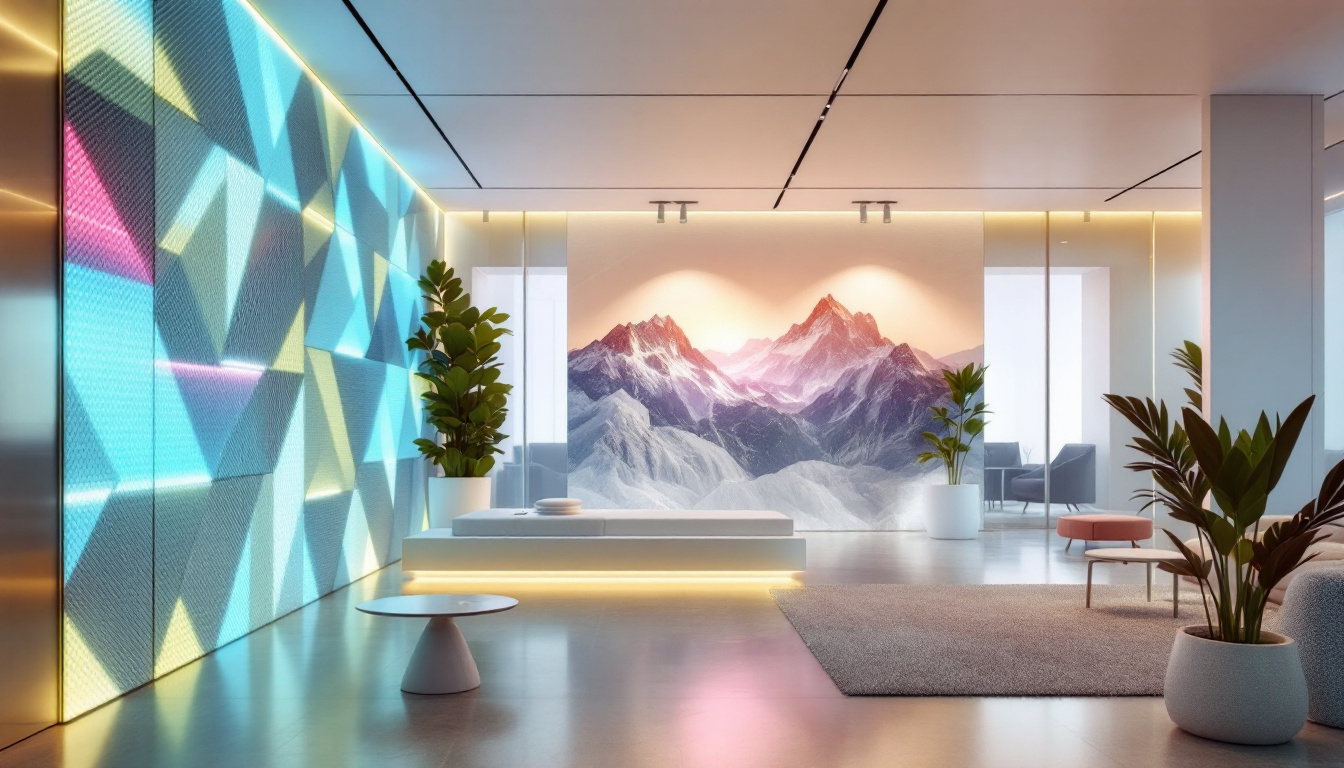
Transparent LED displays allow images to be shown on glass surfaces without obstructing the view, ideal for retail windows, automotive applications, and augmented reality experiences.
Integration with Smart Technologies
Modern LED displays increasingly incorporate sensors, cameras, and connectivity features, enabling interactive and adaptive content. Smart LED signage can adjust brightness based on ambient light, display targeted advertisements, and collect data for analytics.
This integration enhances user engagement and provides valuable insights for marketers and operators.
Choosing the Right LED Display
With the variety of LED display types and technologies available, selecting the right solution depends on several factors including application, environment, budget, and desired visual performance.
Consider the Viewing Environment
Outdoor displays require high brightness and weather resistance, while indoor displays prioritize resolution and color accuracy. Understanding the lighting conditions and viewing distances is essential for optimal performance.
Resolution and Pixel Pitch
Pixel pitch, the distance between individual LEDs, determines the resolution and viewing distance of a display. Smaller pixel pitches provide higher resolution suitable for close viewing, while larger pitches are cost-effective for distant viewing scenarios.
Budget and Maintenance
Initial cost, energy consumption, and maintenance requirements should all be factored into the decision-making process. While direct-view LED displays may have higher upfront costs, their longevity and energy savings often justify the investment.
Conclusion
LED stands for Light Emitting Diode, a technology that has transformed the way displays are designed and used across industries. Whether in consumer electronics, advertising, sports, or public information, LED displays offer unmatched brightness, energy efficiency, and versatility.
As innovations like Mini-LED, Micro-LED, and flexible displays continue to mature, the future of LED technology promises even more vibrant, durable, and interactive visual experiences. Understanding the fundamentals of LED displays helps businesses and consumers make informed choices, ensuring they leverage the best technology for their needs.
Discover LumenMatrix’s Advanced LED Display Solutions
As you consider the remarkable advantages and future possibilities of LED display technology, LumenMatrix invites you to explore our comprehensive range of innovative LED solutions. With our commitment to revolutionizing visual communication, we offer Indoor LED Wall Display, Outdoor LED Wall Display, Vehicle LED Display, and more, all designed to elevate your brand’s presence and captivate your audience. Experience the pinnacle of LED display technology and let LumenMatrix help you create unforgettable visual experiences. Check out LumenMatrix LED Display Solutions today and see your vision come to life.