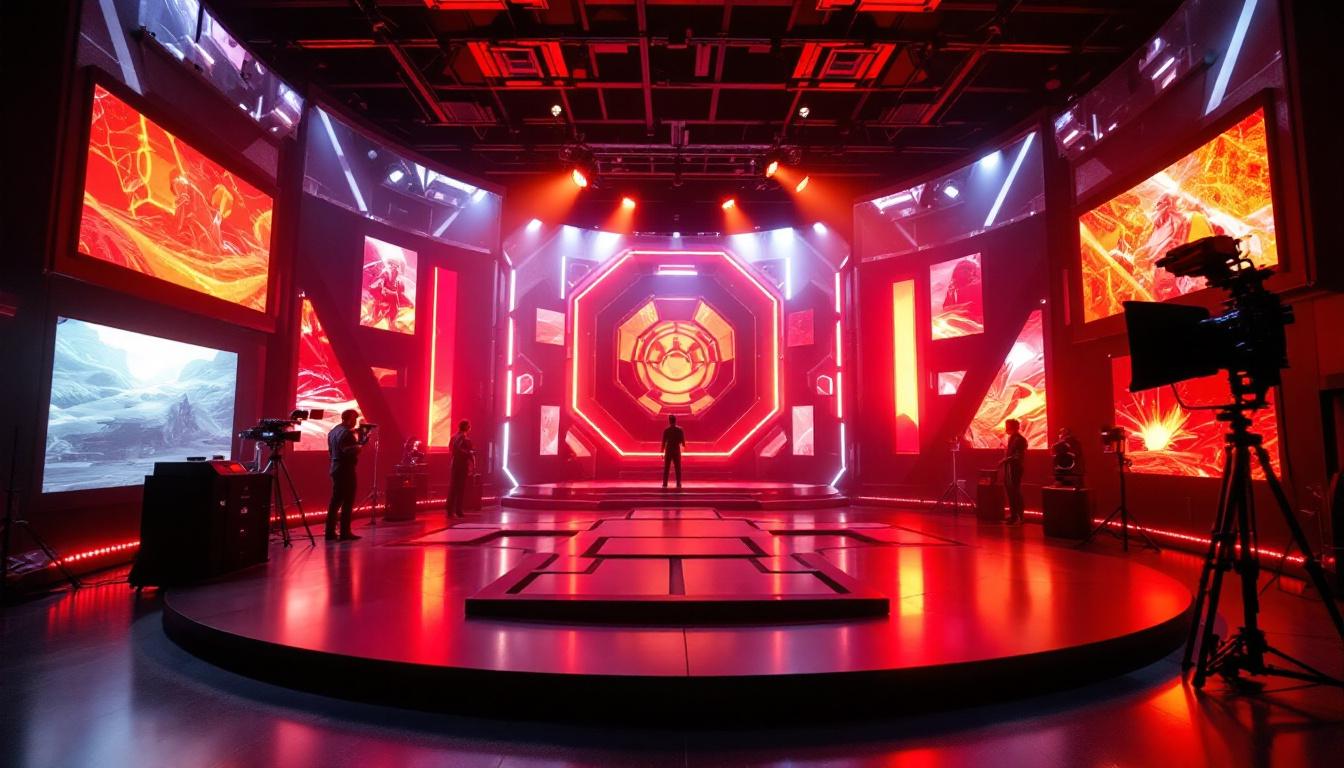
The Mandalorian, the groundbreaking Star Wars series launched on Disney+, has captivated audiences worldwide with its cinematic visuals and immersive storytelling. One of the most talked-about aspects of the show is its revolutionary filming technique, which blends traditional production methods with cutting-edge technology. This article explores where The Mandalorian was filmed and delves into the innovative use of LED display technology that transformed the way television shows and movies are made.
The Primary Filming Location: Manhattan Beach Studios
The Mandalorian was primarily filmed at Manhattan Beach Studios, located in California. This facility became the epicenter of a new era in visual effects filmmaking, largely due to the integration of the groundbreaking StageCraft technology. Unlike traditional green screen techniques, the studio was equipped with a massive LED volume that allowed the cast and crew to shoot scenes with real-time, high-resolution backgrounds projected around them.
Manhattan Beach Studios was chosen for its size and versatility. The studio’s StageCraft volume spans approximately 75 feet wide and 30 feet tall, providing an expansive canvas for creating diverse environments. This space allowed the production team to simulate a variety of planets and landscapes from the Star Wars universe without ever leaving the studio, saving time and resources while enhancing creative control.
Why Manhattan Beach Studios?
Manhattan Beach Studios offered the perfect combination of space, technical infrastructure, and proximity to Hollywood talent and resources. The studio’s commitment to innovation aligned with Lucasfilm’s vision for The Mandalorian, making it an ideal partner. Additionally, the controlled environment reduced the challenges associated with on-location shoots, such as unpredictable weather and logistical complications.
Moreover, the use of StageCraft technology not only revolutionized the way scenes were filmed but also allowed for a more immersive experience for the actors. With the backgrounds being rendered in real-time, performers could react to their surroundings in a way that felt natural and authentic, enhancing the overall quality of their performances. This innovative approach has set a new standard in the industry, inspiring other productions to explore similar technologies in their filmmaking processes.
Furthermore, Manhattan Beach Studios has a rich history in the entertainment industry, having hosted numerous high-profile projects before The Mandalorian. This legacy of excellence contributed to the studio’s reputation as a premier filming location. The combination of experienced crew members and cutting-edge technology created a collaborative atmosphere that fostered creativity and experimentation, allowing the team to push the boundaries of storytelling within the beloved Star Wars franchise.
Introducing StageCraft: The LED Volume Technology
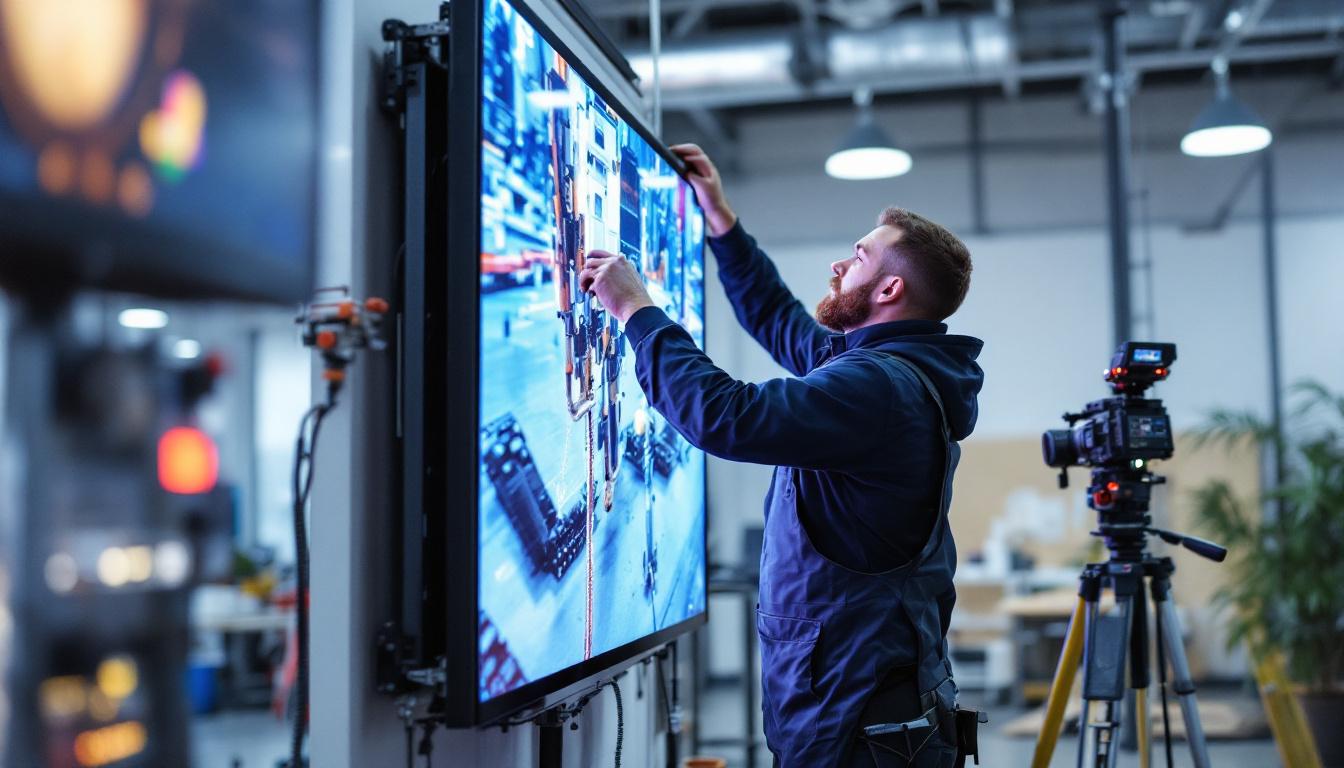
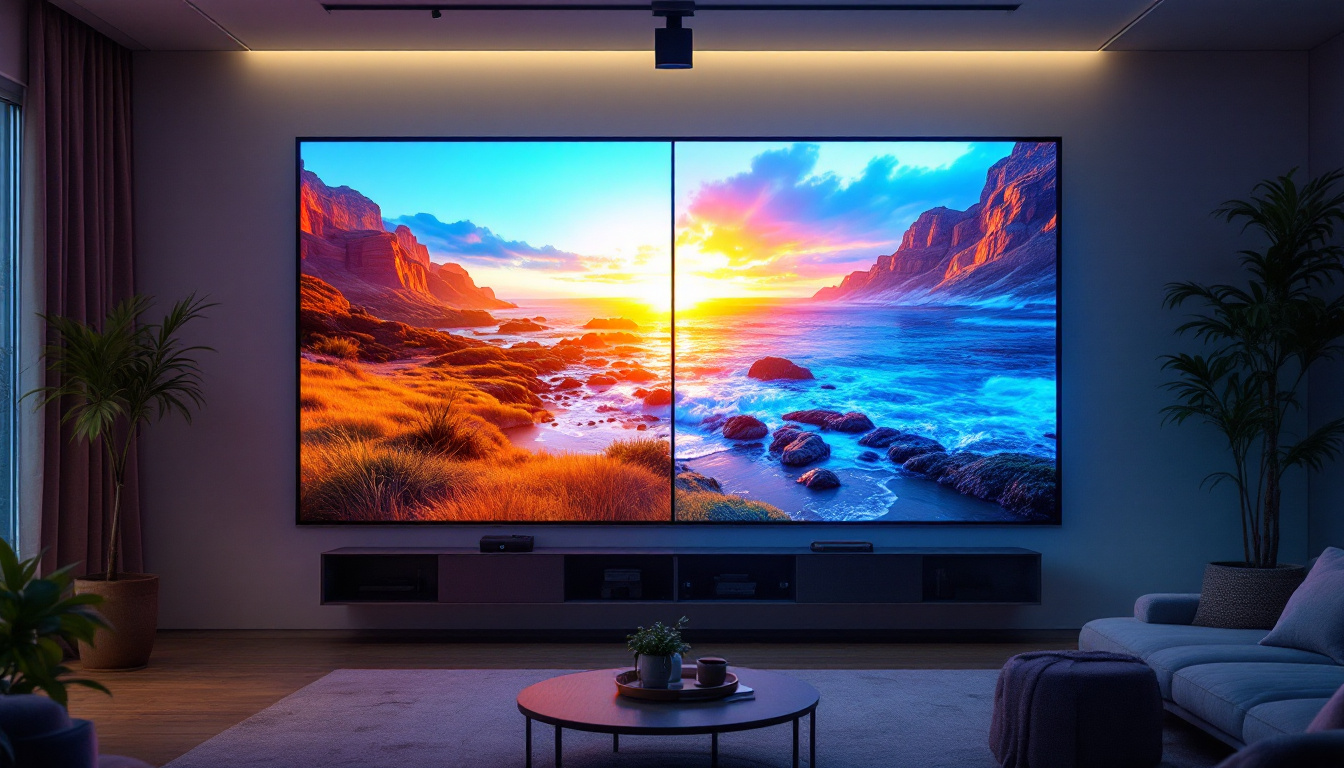
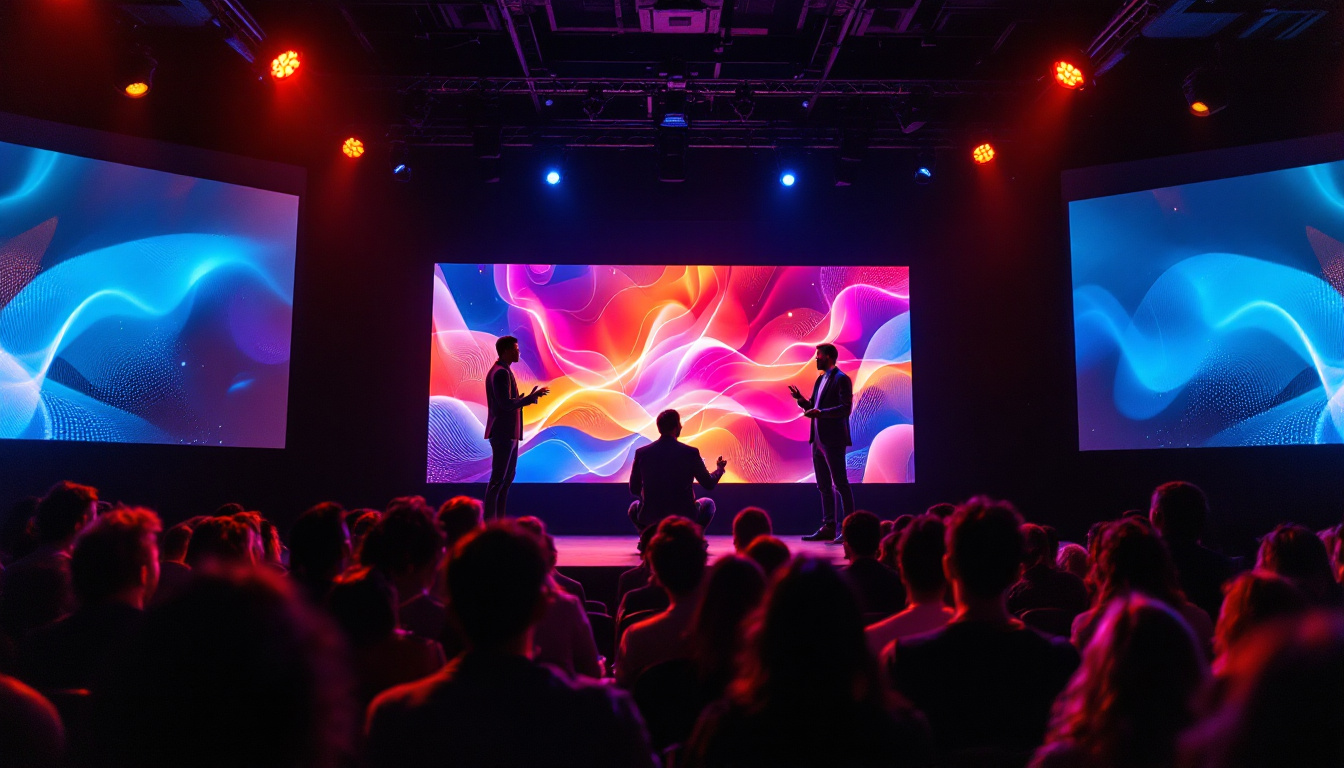
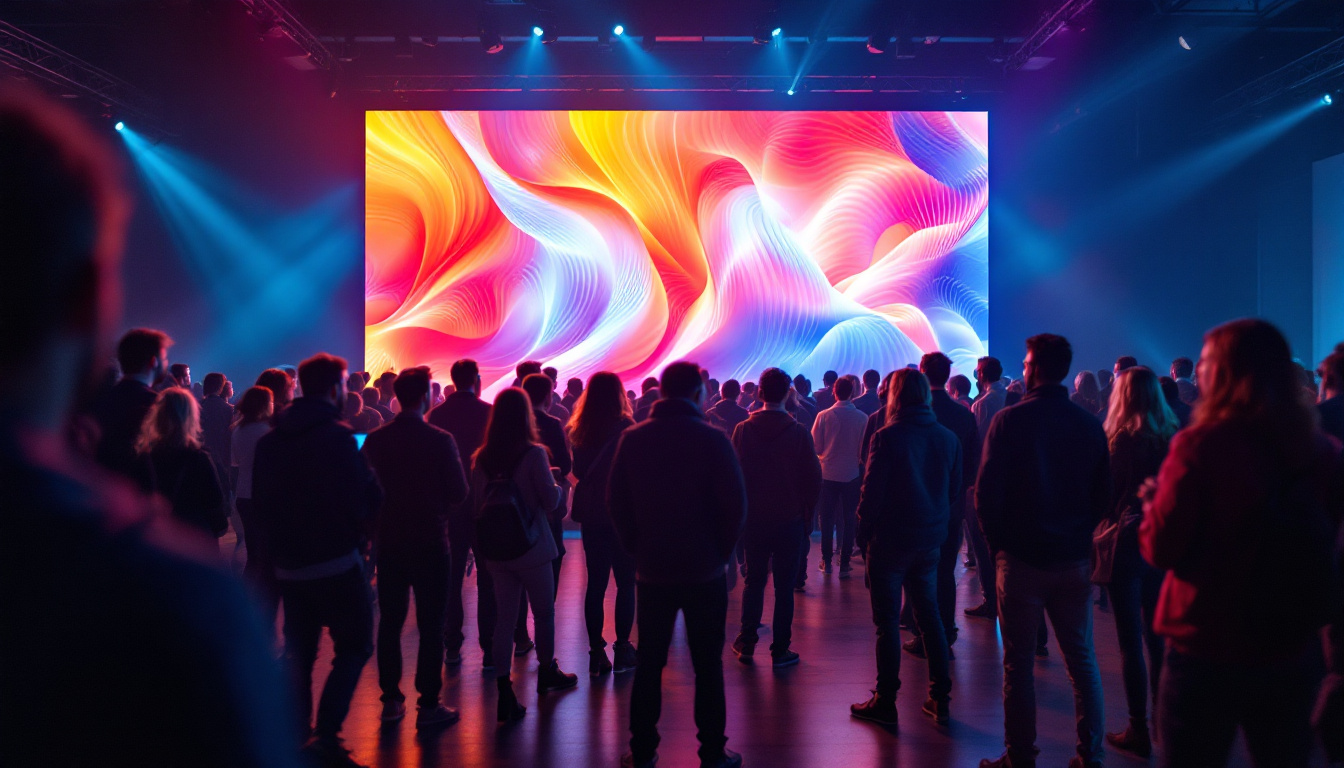
At the heart of The Mandalorian’s production is StageCraft, a technology developed by Industrial Light & Magic (ILM), Lucasfilm’s visual effects division. StageCraft uses massive LED screens arranged in a curved, semi-enclosed volume to display photorealistic, computer-generated backgrounds in real-time. This setup replaces traditional green screens and allows actors to perform within a dynamic environment that reacts naturally to lighting and camera movement.
The LED volume is composed of hundreds of high-definition LED panels that wrap around the set, creating a seamless 360-degree background. This immersive environment is powered by advanced game engines, such as Unreal Engine, which render the digital environments instantaneously based on the camera’s perspective. As the camera moves, the background shifts accordingly, maintaining accurate parallax and perspective, which enhances realism.
Benefits Over Traditional Green Screen
Traditional green screen filming requires actors to imagine their surroundings, often leading to challenges in performance and lighting. Post-production teams then replace the green background with digital environments, which can be time-consuming and costly. StageCraft’s LED volume addresses these issues by providing a live background that actors can interact with, improving performances and reducing guesswork.
Moreover, the LED screens emit natural light that matches the background, illuminating actors and props in a way that integrates them seamlessly into the scene. This eliminates the need for extensive post-production lighting corrections and significantly speeds up the production timeline.
How StageCraft Transformed The Mandalorian’s Visual Storytelling
The use of StageCraft technology allowed The Mandalorian to achieve cinematic quality visuals on a television budget and schedule. The ability to render complex alien worlds in real-time enabled directors and cinematographers to experiment with camera angles and lighting in ways previously impossible on a TV set.
For example, the desert planet of Arvala-7, where the series’ titular character first encounters “The Child” (popularly known as Baby Yoda), was created entirely within the LED volume. The dynamic lighting and realistic backgrounds contributed to the immersive atmosphere, making the fictional world feel tangible and alive.
Case Study: The Ice Planet Maldo Kreis
Another standout example is the icy planet Maldo Kreis, featured in the second season. The LED volume displayed a panoramic frozen landscape complete with swirling snowstorms and distant mountain ranges. The production team was able to adjust the environment’s lighting and weather conditions on the fly, tailoring the scene’s mood and tone without waiting for weather changes on location.
This flexibility not only enhanced the visual storytelling but also improved safety and comfort for the cast and crew, who would have otherwise faced harsh outdoor conditions.
Technical Specifications of the LED Display System
The LED volume used in The Mandalorian is a marvel of engineering. It consists of approximately 2,500 LED panels, each measuring about 55 inches diagonally, arranged in a curved formation around the set. The total surface area of the LED screens is roughly 2,500 square feet, providing a wide field of view for the camera.
The panels boast a pixel pitch of around 2.5 millimeters, delivering crisp and detailed images even at close range. The brightness levels are calibrated to match natural daylight, ensuring that the backgrounds appear vivid and lifelike under various lighting conditions.
Integration With Real-Time Rendering Engines
One of the key innovations enabling the LED volume’s effectiveness is its integration with Unreal Engine, a real-time 3D creation tool originally developed for video games. Unreal Engine processes the digital environments and renders them instantaneously, adjusting the perspective based on camera tracking data.
Camera tracking is achieved through a combination of sensors and software that monitor the camera’s position and orientation within the volume. This data feeds into Unreal Engine, which recalculates the background imagery to maintain accurate perspective shifts and parallax effects, creating a seamless illusion of depth.
The Impact on the Film and Television Industry
The Mandalorian’s success with LED volume technology has sparked widespread interest across the entertainment industry. Studios and filmmakers are recognizing the potential of virtual production to reduce costs, increase creative flexibility, and improve actor performances.
Since The Mandalorian’s debut, several high-profile productions have adopted similar LED volume setups, including feature films and other television series. The technology is especially valuable for projects requiring complex visual effects and diverse environments, as it minimizes the need for location shoots and extensive post-production work.
Environmental and Economic Benefits
Virtual production using LED volumes also offers environmental advantages by reducing the carbon footprint associated with travel and on-location filming. Fewer location shoots mean less transportation of equipment and personnel, which contributes to sustainability efforts within the industry.
Economically, the upfront investment in LED volume technology is offset by savings in travel, set construction, and post-production. Productions can achieve higher-quality visuals with tighter schedules, making this approach attractive for both big-budget and mid-tier projects.
Challenges and Limitations of LED Volume Filming
Despite its many advantages, LED volume technology is not without challenges. The initial setup and calibration require significant technical expertise and resources. The LED panels and associated hardware represent a substantial financial investment, which may be prohibitive for smaller productions.
Additionally, certain types of scenes—such as those requiring extensive physical movement beyond the volume’s boundaries or complex practical effects—may still necessitate traditional filming methods. Lighting can also be tricky to balance, as the LED screens emit light that must harmonize with practical lighting on set.
Addressing Technical Hurdles
To overcome these challenges, productions often combine LED volume filming with traditional techniques. For example, some scenes are shot partially on location or with practical effects, then augmented with LED backgrounds. Continuous advancements in LED technology and software are also improving the resolution, brightness, and color accuracy of the displays.
Training and collaboration between visual effects artists, cinematographers, and directors are essential to maximize the technology’s potential and ensure seamless integration into the production workflow.
The Future of Virtual Production Post-Mandalorian
The Mandalorian’s pioneering use of LED volume technology has set a new standard for virtual production. As the technology becomes more accessible and affordable, it is expected to become a staple in studios worldwide. Innovations such as higher-resolution panels, improved real-time rendering engines, and enhanced camera tracking systems will continue to push the boundaries of what is possible.
Moreover, virtual production opens doors for more diverse storytelling, enabling creators to visualize fantastical worlds and complex scenes without the constraints of physical locations. This democratization of high-quality visual effects could lead to a surge in creative content across genres and formats.
Educational and Training Implications
Film schools and training programs are increasingly incorporating virtual production techniques into their curricula. Understanding LED volume technology and real-time rendering is becoming essential for the next generation of filmmakers, visual effects artists, and cinematographers.
Workshops and collaborative projects centered around virtual production are fostering innovation and experimentation, ensuring that the industry continues to evolve in exciting directions.
Conclusion
The Mandalorian’s filming at Manhattan Beach Studios using the revolutionary LED volume technology represents a paradigm shift in how visual storytelling is approached. By blending physical sets with real-time digital environments, the production achieved unparalleled realism and creative flexibility. This innovation not only enhanced the series’ aesthetic but also influenced the broader film and television industry, heralding a new era of virtual production.
As technology continues to advance, the lessons learned from The Mandalorian’s groundbreaking approach will inform future projects, inspiring filmmakers to push the limits of imagination and craft immersive worlds that captivate audiences like never before.
Explore Cutting-Edge LED Technology with LumenMatrix
As you’ve seen with The Mandalorian’s innovative use of LED volume technology, the future of visual storytelling is here. LumenMatrix stands at the forefront of this revolution, offering a wide array of LED display solutions that bring narratives to life. Whether you’re looking to enhance brand visibility or create immersive visual experiences, LumenMatrix has the tools to transform your vision into reality. From Indoor and Outdoor LED Wall Displays to Custom and All-in-One LED solutions, the possibilities are endless. Check out LumenMatrix LED Display Solutions today and take the first step towards redefining the way you communicate visually.