In today’s fast-paced digital world, LED displays have become an integral part of how information is shared, advertisements are showcased, and environments are transformed. From towering billboards in Times Square to the vibrant screens in stadiums and retail stores, LED technology is everywhere. But what exactly is an LED display, how does it work, and why has it become the preferred choice for so many applications? This article delves deep into the world of LED displays, explaining their technology, types, benefits, and future trends.
Understanding LED Display Technology
LED stands for Light Emitting Diode, a semiconductor device that emits light when an electric current passes through it. Unlike traditional display technologies such as LCD or plasma, LED displays use these tiny diodes as individual pixels to create images and videos with exceptional brightness and clarity. The versatility of LED technology has made it a popular choice across various industries, from advertising to entertainment, and even in architectural lighting, showcasing its ability to adapt to different environments and requirements.
Each LED pixel can emit red, green, and blue light, combining these primary colors at varying intensities to produce a full spectrum of colors. This RGB model is the foundation of LED displays, allowing them to render vibrant visuals that can be seen clearly even in direct sunlight. The ability to mix these colors with precision not only enhances the viewing experience but also enables the display to reproduce a wide range of hues, making it ideal for applications that require high color accuracy, such as digital art exhibitions and photography displays.
How LED Displays Work
LED displays are composed of thousands to millions of these tiny diodes arranged in a grid. When electricity flows through the diodes, they light up to form images. The brightness and color of each pixel are controlled by adjusting the electrical current, enabling dynamic and high-resolution content. This technology allows for rapid refresh rates, which is crucial for displaying fast-moving images, such as in sports broadcasts or video games, where clarity and responsiveness are paramount.
The display’s controller processes video signals and translates them into instructions for each pixel. This precise control over each diode allows for high contrast ratios, deep blacks, and vivid colors, making LED displays ideal for both indoor and outdoor environments. Moreover, the modular nature of LED displays means they can be easily scaled and configured to fit various sizes and shapes, allowing for creative installations that can transform spaces and captivate audiences.
Types of LED Displays
LED displays come in various forms, each suited for specific applications:
- Direct View LED (DVLED): This type uses LEDs as the actual pixels visible to the viewer. It’s commonly used in large outdoor billboards, stadium screens, and indoor video walls. The durability and weather resistance of DVLEDs make them particularly effective for outdoor advertising, where they can withstand harsh environmental conditions while delivering stunning visuals.
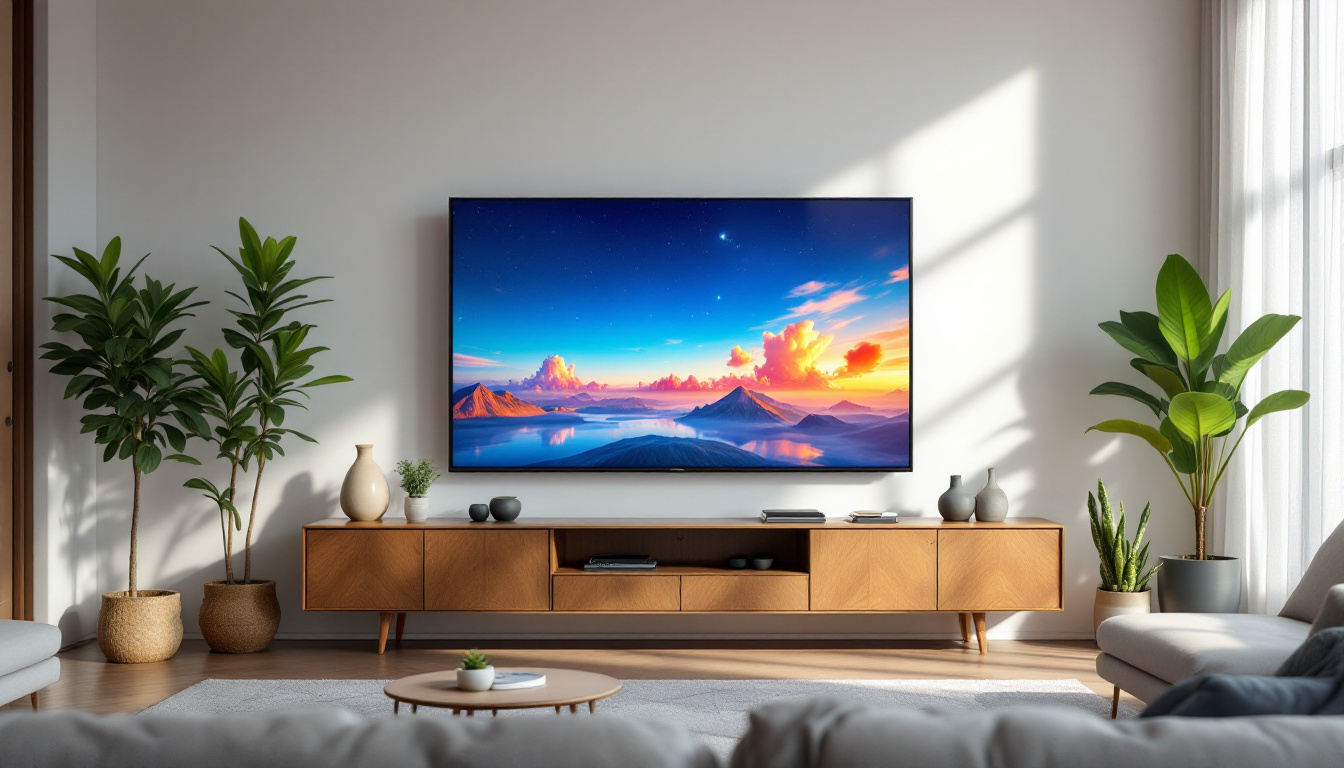
- LED-backlit LCD: Here, LEDs serve as the backlight for an LCD panel, improving brightness and energy efficiency. This technology is prevalent in televisions, computer monitors, and smartphones. The use of LED backlighting not only enhances color reproduction but also allows for thinner and lighter display designs, making it easier to create sleek and modern devices.
- MicroLED: An emerging technology where microscopic LEDs form the pixels, offering superior brightness, contrast, and energy efficiency compared to traditional OLED and LCD displays. MicroLED technology holds the promise of even greater flexibility in design, potentially leading to foldable or rollable displays that could revolutionize how we interact with screens.
Applications of LED Displays
LED displays have revolutionized how information and advertising content are presented across various industries. Their versatility, durability, and visual impact make them a popular choice worldwide.
Outdoor Advertising and Digital Billboards
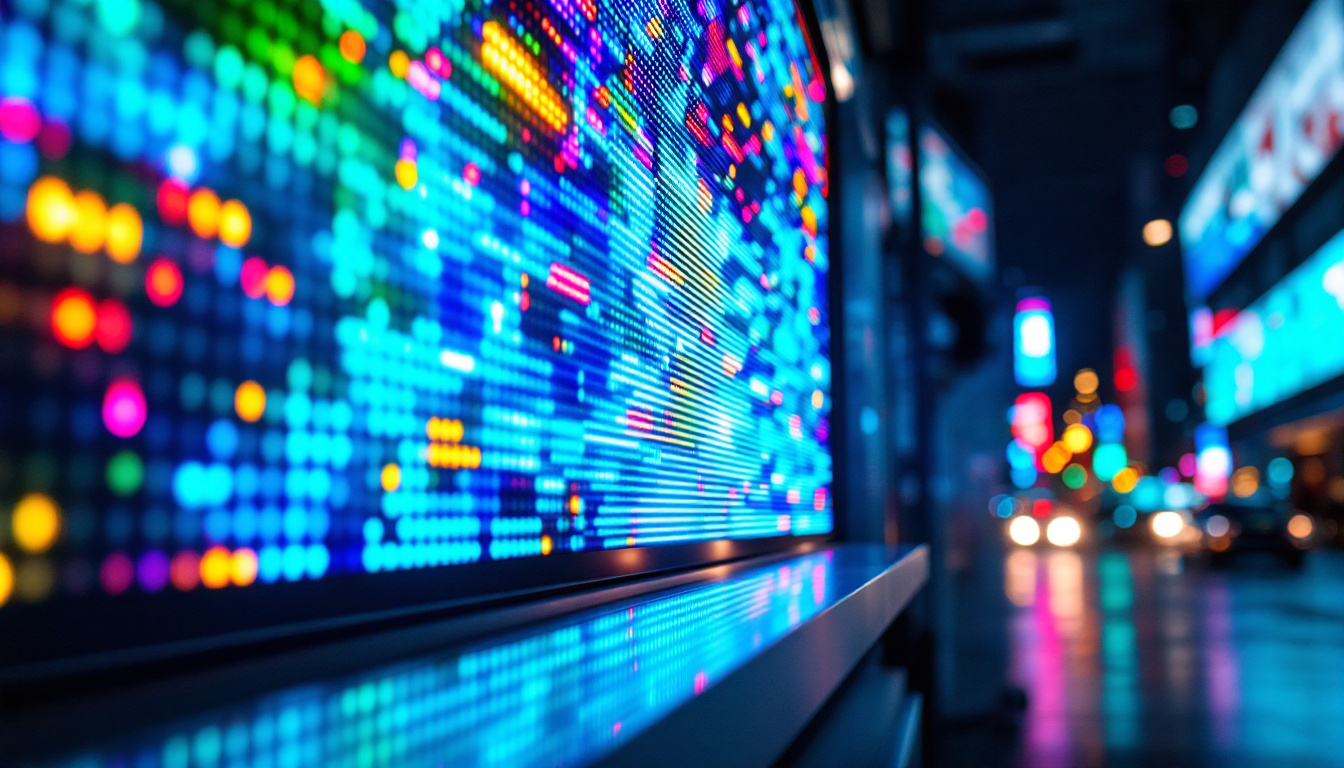
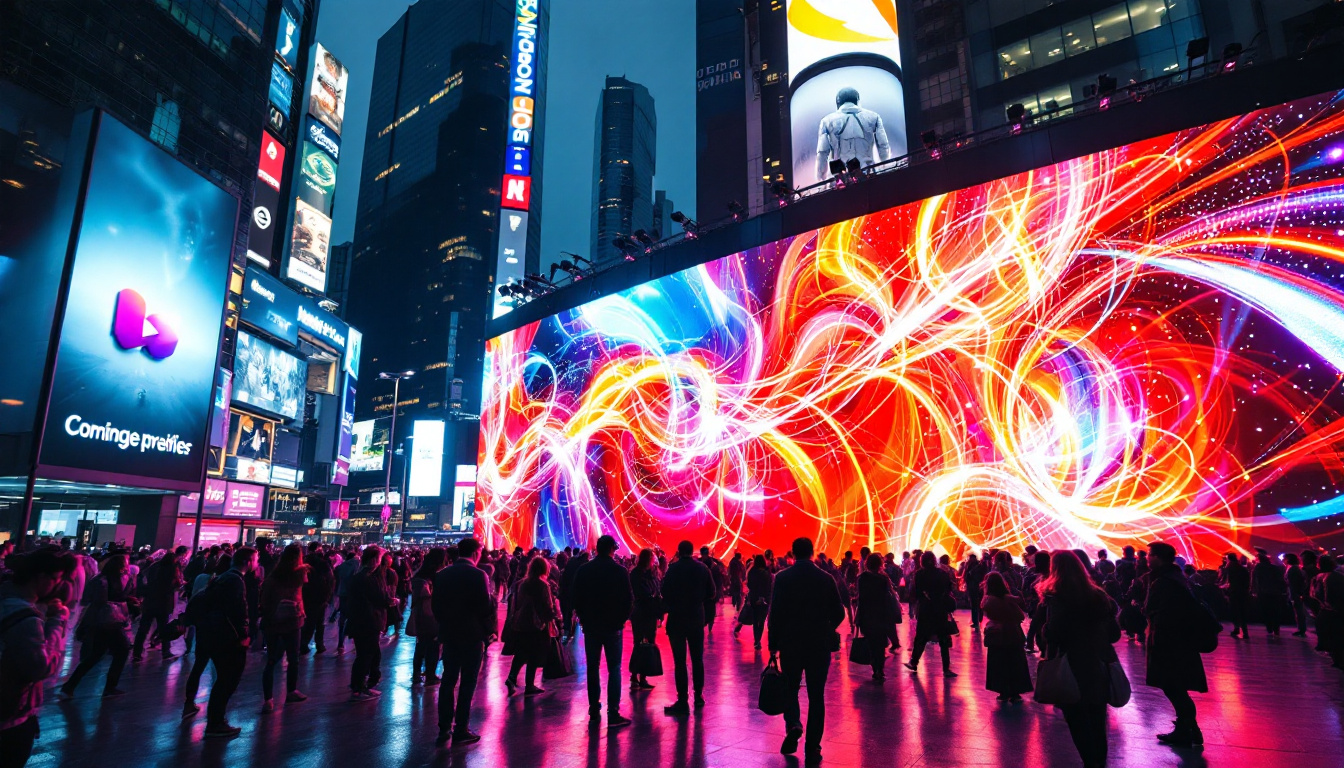
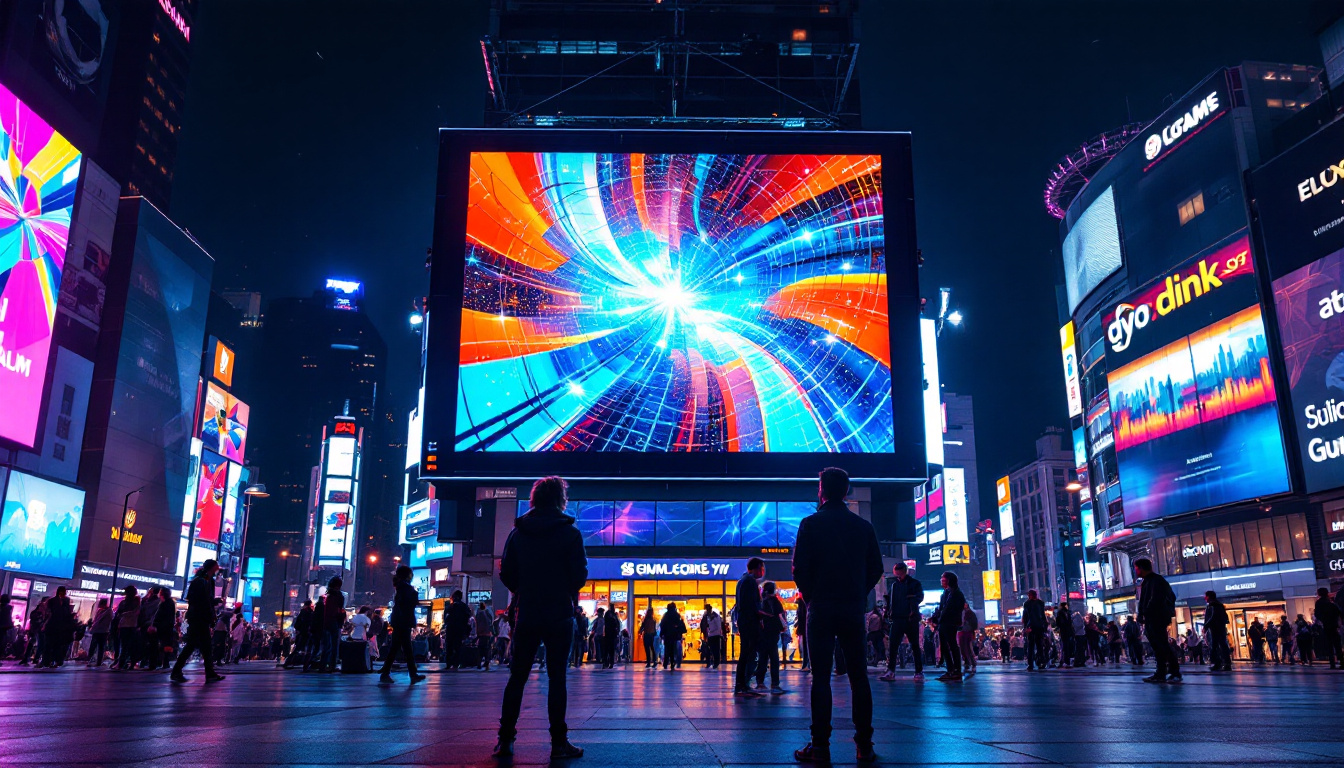
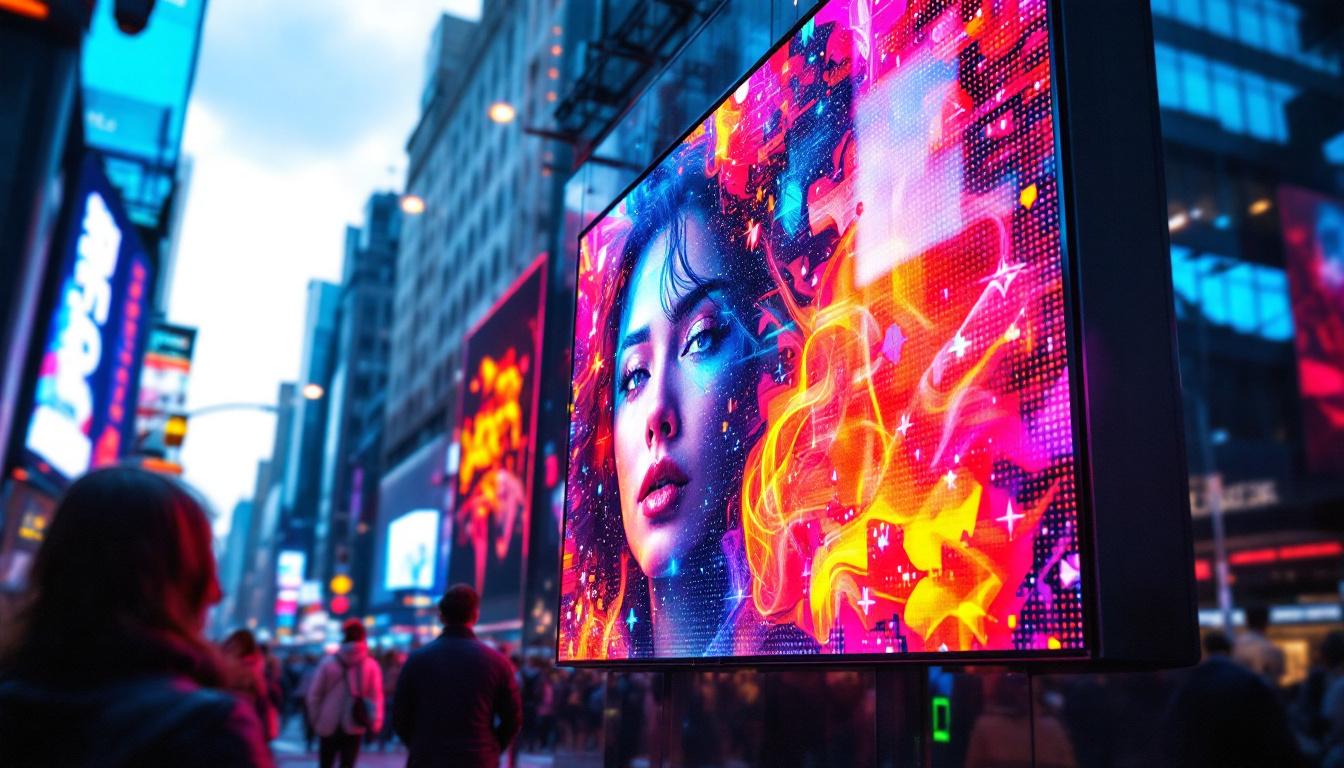
One of the most visible uses of LED displays is in outdoor advertising. Digital billboards equipped with LED technology can display dynamic content that changes throughout the day, capturing the attention of passersby more effectively than static signs.
According to a 2023 report by the Outdoor Advertising Association of America, digital billboards have increased consumer engagement by over 30% compared to traditional billboards. Their ability to display vibrant colors and high brightness ensures visibility even in challenging weather conditions.
Sports and Entertainment Venues
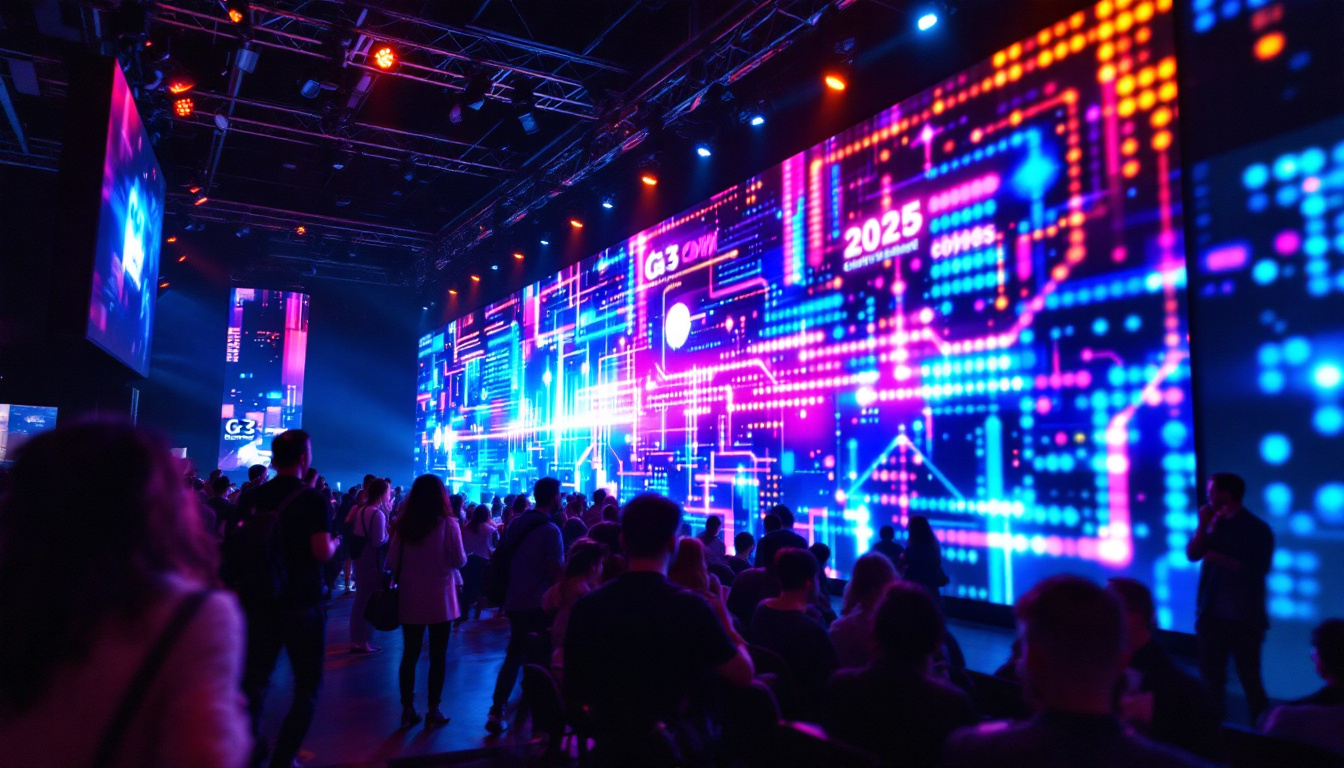
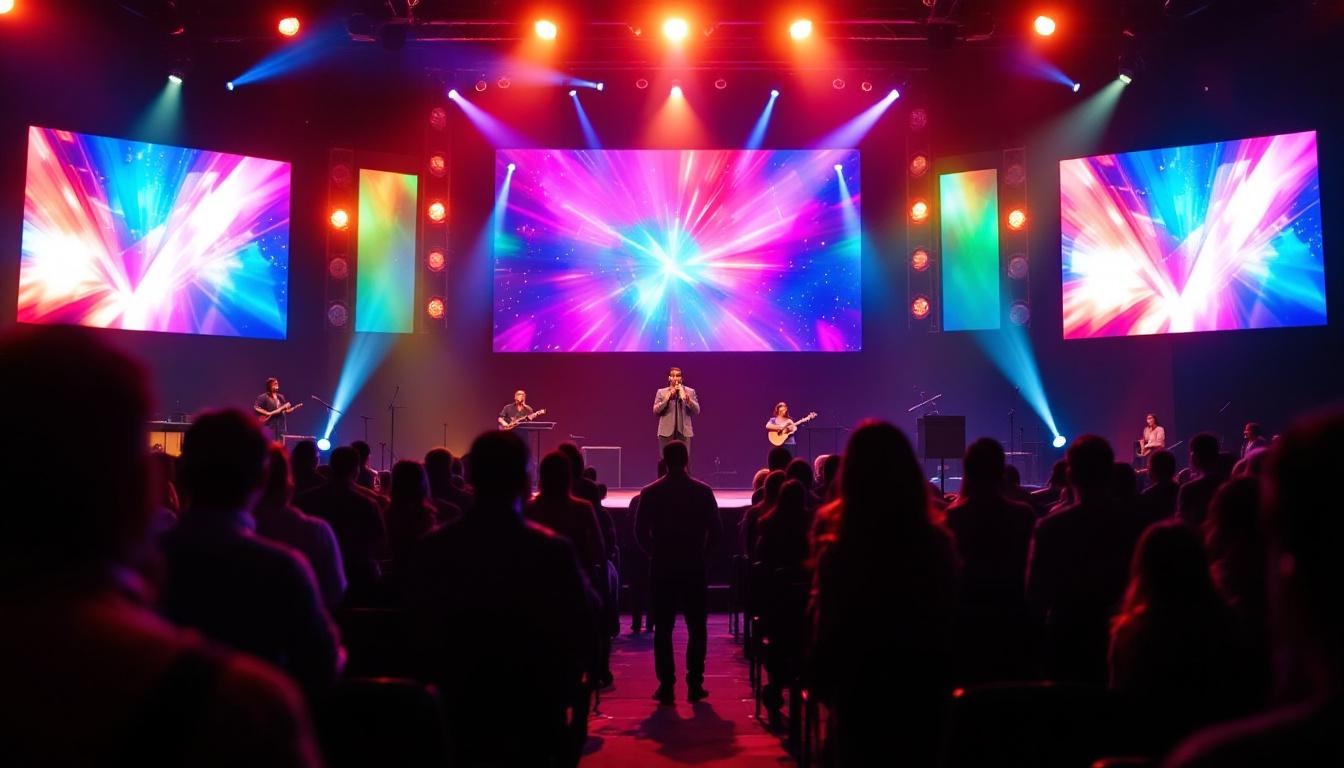
LED displays are a staple in stadiums, arenas, and concert venues. They provide real-time scores, replays, advertisements, and immersive visual effects that enhance the fan experience. The large size and high resolution of LED screens allow audiences to view content clearly from any seat.
For example, the AT&T Stadium in Texas features one of the largest LED video boards in the world, measuring over 160 feet wide and 72 feet tall, delivering stunning visuals that captivate millions of visitors annually.
Retail and Commercial Spaces
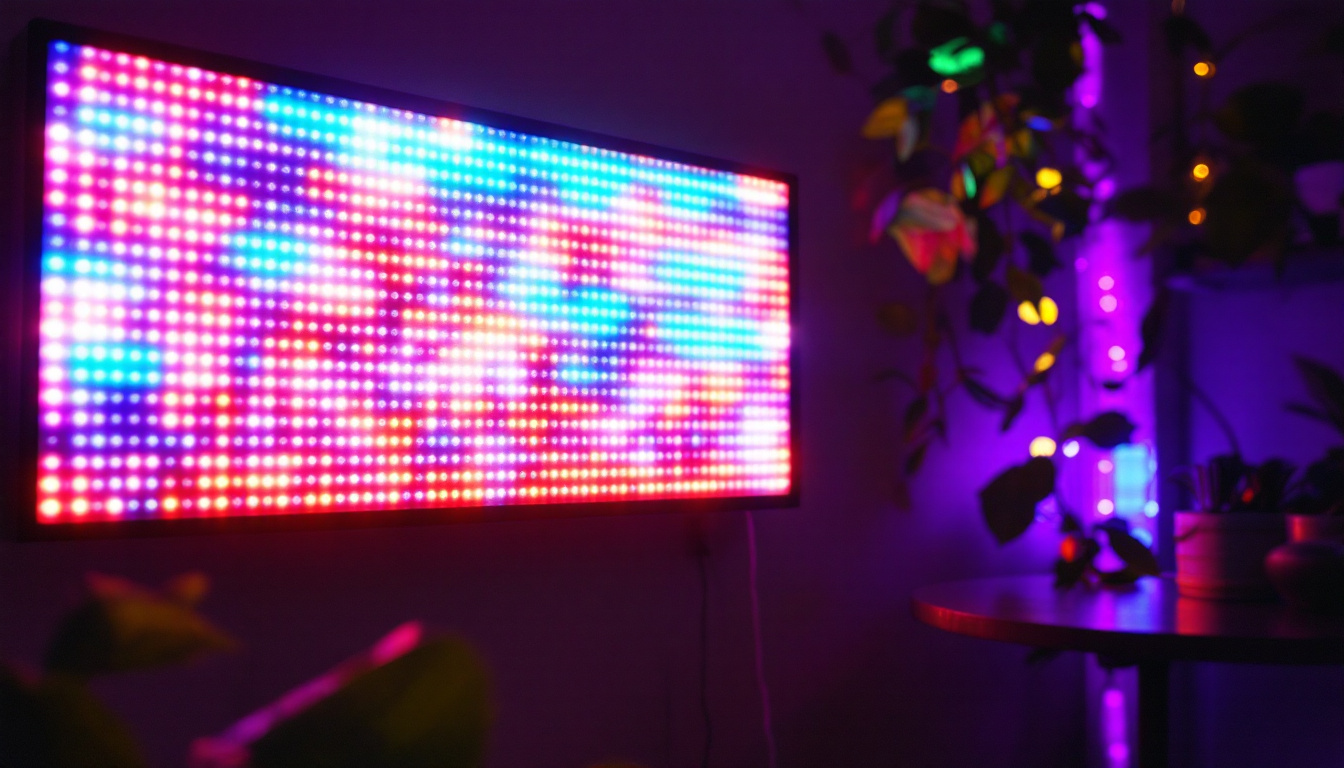
In retail environments, LED displays are used to attract customers, promote products, and create engaging atmospheres. From digital signage to interactive video walls, LED technology offers flexibility in design and content delivery.
Retailers report that stores using digital signage with LED displays see up to a 20% increase in sales due to enhanced customer engagement and targeted promotions.
Transportation and Public Information
LED displays are widely used in airports, train stations, and bus terminals to provide real-time information such as schedules, alerts, and directions. Their high visibility and reliability make them essential for managing large crowds and improving passenger experience.
Advantages of LED Displays Over Other Technologies
LED displays offer several key benefits that have driven their widespread adoption across multiple sectors.
Brightness and Visibility
One of the standout features of LED displays is their exceptional brightness. Unlike LCD or plasma screens, LEDs can achieve brightness levels exceeding 5,000 nits, making them easily visible even in direct sunlight. This makes them ideal for outdoor applications where ambient light can be a challenge.
Energy Efficiency
LED technology is inherently energy-efficient because it converts most of the electrical energy into light rather than heat. Compared to traditional lighting and display technologies, LEDs consume significantly less power, reducing operational costs and environmental impact.
Durability and Longevity
LED displays are known for their robust construction and long lifespan. High-quality LED modules can last over 100,000 hours, which translates to more than 11 years of continuous use. Their solid-state nature also makes them resistant to shock, vibration, and temperature fluctuations.
Flexibility and Scalability
LED displays can be manufactured in various sizes and shapes, from small indoor panels to massive outdoor video walls. They can be curved, flexible, or even transparent, allowing innovative architectural integrations and creative installations.
High Refresh Rates and Color Accuracy
Modern LED displays support refresh rates of 1,000 Hz or higher, eliminating flicker and providing smooth motion rendering. This is particularly important for live broadcasts, sports events, and interactive applications. Additionally, advanced calibration techniques ensure accurate color reproduction, enhancing visual appeal.
Challenges and Considerations When Choosing LED Displays
Despite their many advantages, selecting and deploying LED displays requires careful consideration of several factors to ensure optimal performance and return on investment.
Initial Cost and Installation
LED displays, especially large-scale direct-view models, can have a high upfront cost due to the complexity of the technology and the quality of components required. Installation also demands specialized expertise to ensure proper alignment, power supply, and ventilation.
However, the long-term benefits such as lower maintenance and energy savings often offset the initial investment.
Pixel Pitch and Resolution
Pixel pitch refers to the distance between the centers of two adjacent pixels and directly affects display resolution and viewing distance. A smaller pixel pitch means higher resolution and better image clarity, but it also increases cost.
Choosing the right pixel pitch depends on the intended viewing distance. For example, a pixel pitch of 1.5 mm is suitable for indoor displays viewed up close, while 10 mm or more is common for large outdoor billboards viewed from afar.
Environmental Factors
Outdoor LED displays must be designed to withstand weather conditions such as rain, wind, dust, and temperature extremes. Proper IP (Ingress Protection) ratings and cooling systems are essential to maintain performance and longevity.
Content Management and Software
Effective use of LED displays requires robust content management systems (CMS) that allow easy scheduling, updating, and monitoring of displayed content. Integration with other digital platforms and real-time data feeds can enhance the value of the display.
The Future of LED Display Technology
As LED technology continues to evolve, several trends and innovations are shaping the future landscape of digital displays.
MicroLED and MiniLED Advances
MicroLED and MiniLED technologies promise even higher brightness, better contrast, and improved energy efficiency. MicroLED displays, with their microscopic LEDs, offer the potential for ultra-thin, flexible, and highly durable screens that could surpass OLED in performance.
Transparent and Flexible Displays
Transparent LED displays are gaining traction in retail and architectural applications, allowing screens to be integrated into windows and glass surfaces without obstructing views. Flexible LED panels enable curved and foldable displays, opening new creative possibilities.
Integration with AI and IoT
Smart LED displays integrated with artificial intelligence (AI) and Internet of Things (IoT) technologies can deliver personalized content based on audience demographics, weather, or real-time events. This dynamic interaction enhances engagement and effectiveness.
Sustainability and Eco-Friendly Designs
Manufacturers are increasingly focusing on reducing the environmental impact of LED displays by using recyclable materials, improving energy efficiency, and developing modular designs that simplify repairs and upgrades.
Conclusion
LED displays have transformed the way businesses, governments, and entertainment venues communicate with their audiences. Their superior brightness, energy efficiency, and versatility make them an indispensable tool in the digital age. Understanding the technology behind LED displays, their applications, benefits, and challenges is essential for making informed decisions when investing in this powerful medium.
As innovations continue to emerge, LED displays will become even more immersive, interactive, and sustainable, shaping the future of visual communication for years to come.
Discover the Future of LED Displays with LumenMatrix
As you’ve seen, LED displays are reshaping the landscape of digital communication, offering unparalleled brightness, energy efficiency, and versatility. If you’re ready to elevate your visual engagement and captivate your audience like never before, LumenMatrix is your partner in innovation. With a comprehensive range of solutions including Indoor and Outdoor LED Wall Displays, Vehicle LED Displays, and more, LumenMatrix is committed to revolutionizing visual communication. Check out LumenMatrix LED Display Solutions today and step into the future of immersive, interactive display technology.