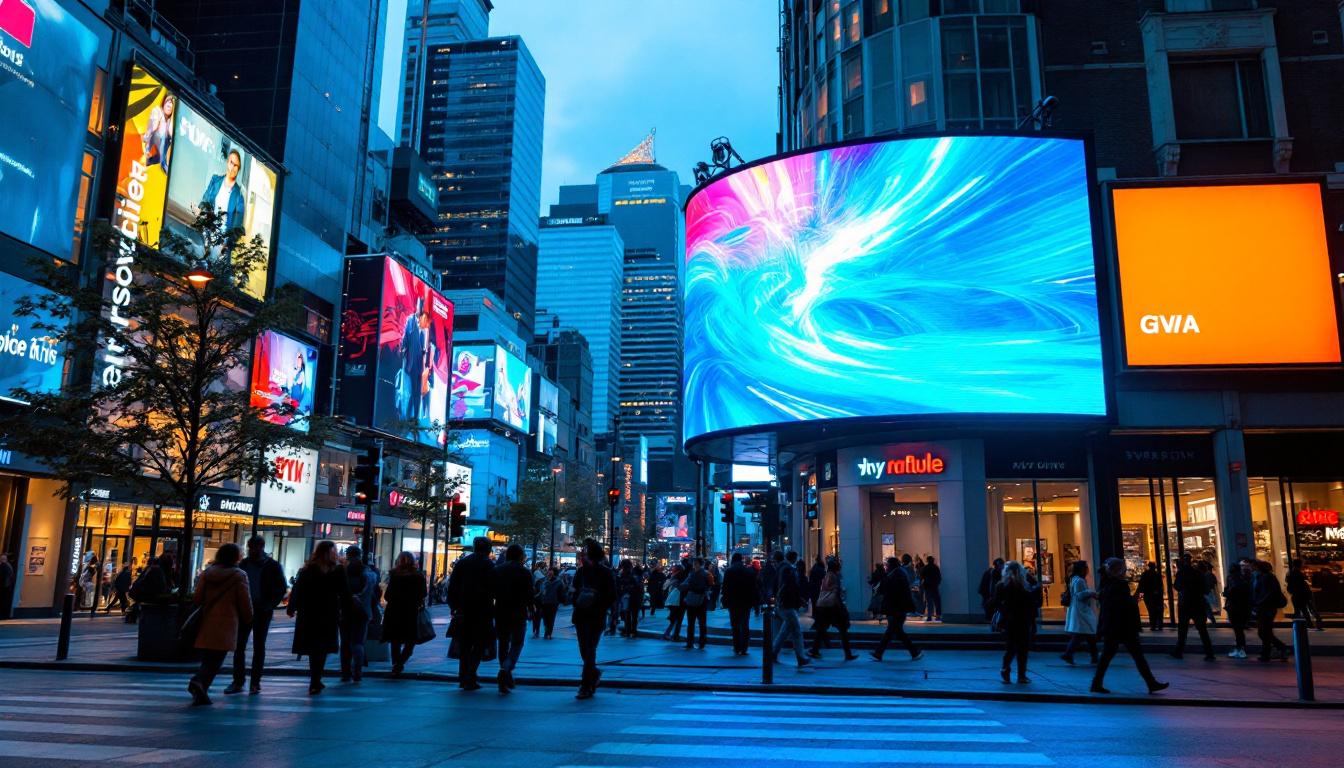
In the bustling urban landscape, grabbing the attention of passersby has become an art form—and technology is at its forefront. Street advertising screens, particularly those utilizing LED display technology, have revolutionized outdoor marketing by offering dynamic, vibrant, and highly visible content. This article explores the fundamentals of LED street advertising screens, their advantages, technological components, and their growing impact on urban advertising strategies.
Understanding LED Display Technology
What Are LED Displays?
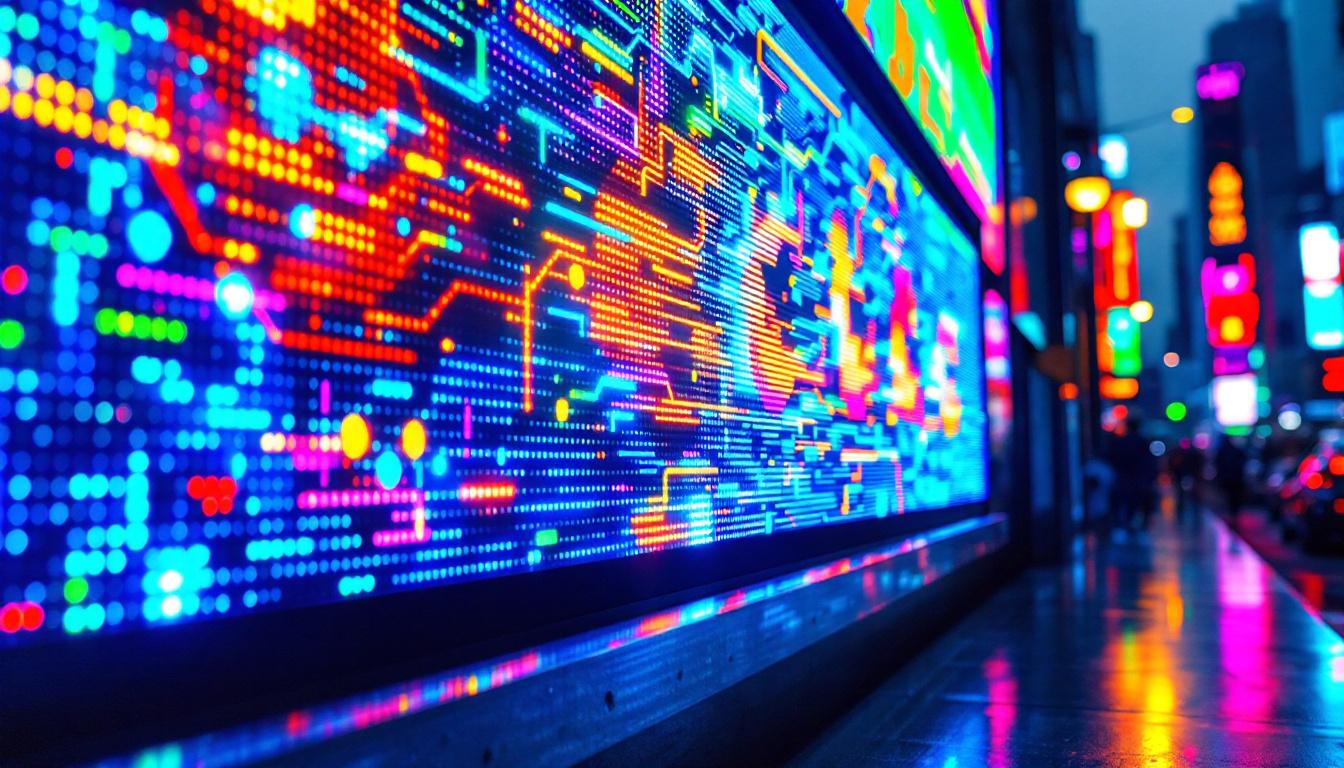
LED stands for Light Emitting Diode, a semiconductor device that emits light when an electric current passes through it. LED displays are composed of numerous tiny LEDs arranged in a grid to form pixels. These pixels collectively produce images, videos, or text that can be seen clearly even from long distances. Unlike traditional billboard advertising, LED displays are dynamic, allowing advertisers to change content frequently and tailor messages to different times of the day or audience segments.
The evolution of LED technology has led to displays that are brighter, more energy-efficient, and more durable than earlier iterations. Modern street advertising screens often utilize full-color LEDs capable of producing millions of colors, enhancing the visual appeal and effectiveness of advertisements. Furthermore, advancements in LED technology have resulted in displays that not only consume less power but also have a longer lifespan, making them a cost-effective solution for businesses looking to maximize their advertising impact.
Types of LED Displays Used in Street Advertising
There are several types of LED displays commonly used in street advertising, each with unique characteristics suited to different environments and purposes:
- Indoor LED Displays: Typically used in malls or transit stations, these have higher pixel density for close viewing distances but lower brightness compared to outdoor screens. Their vibrant colors and sharp images make them perfect for engaging customers in retail settings, where capturing attention is crucial.
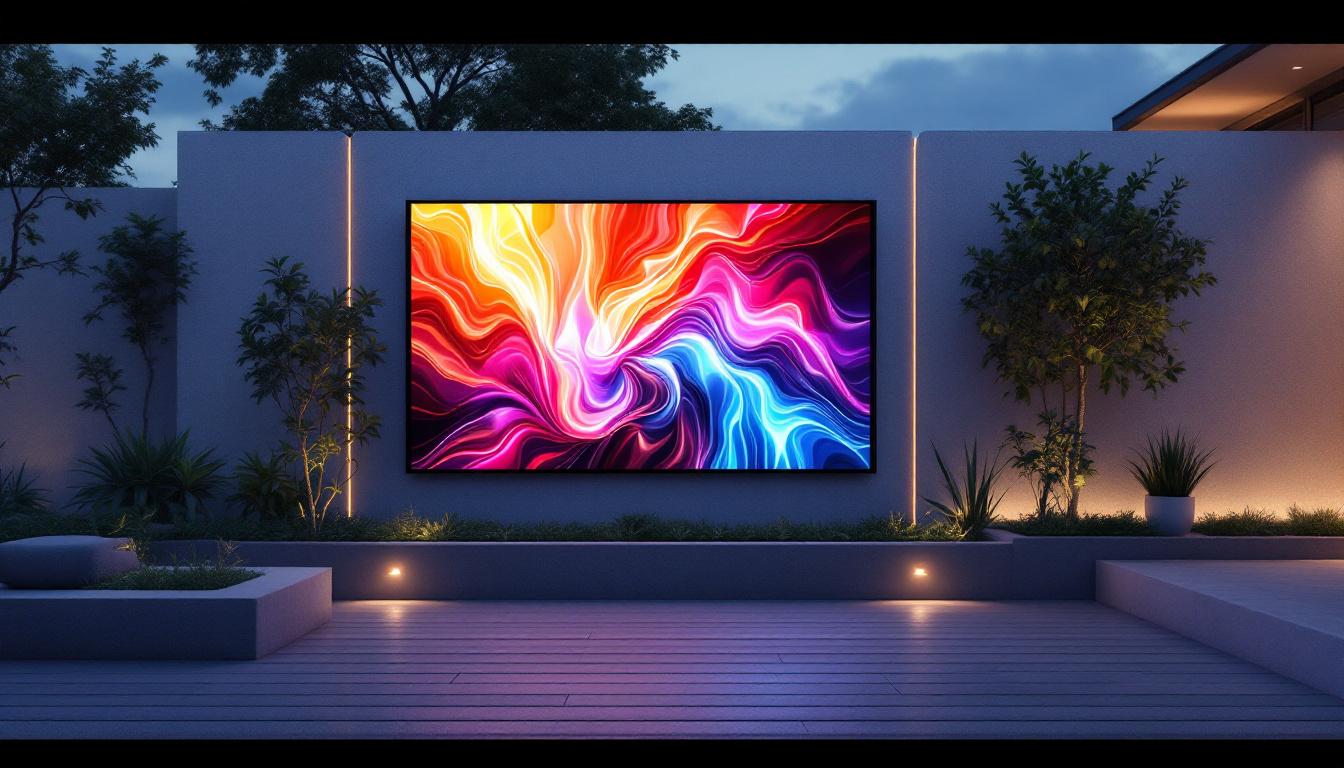
- Outdoor LED Displays: Designed to withstand harsh weather conditions, these screens have higher brightness levels (often exceeding 5,000 nits) to remain visible in direct sunlight and feature robust protective casings. Their durability ensures that they can operate effectively in various environments, from bustling city streets to remote locations.
- Transparent LED Screens: These innovative displays allow light to pass through, making them ideal for storefront windows where visibility inside the store is still desired. This unique feature not only enhances the aesthetic appeal of the storefront but also allows businesses to showcase their products while still maintaining a connection with the outside world.
In addition to these common types, there are also specialized LED displays such as curved or flexible screens that can adapt to various shapes and surfaces. These displays are particularly advantageous for creating immersive advertising experiences, allowing brands to engage customers in unique and memorable ways. Moreover, advancements in technology have led to the integration of smart features, enabling LED displays to collect data on viewer engagement and optimize content in real-time, ensuring that advertising remains relevant and impactful.
As the demand for innovative advertising solutions continues to grow, the versatility of LED displays makes them an increasingly popular choice among marketers. With their ability to convey messages dynamically and attractively, LED displays are not just a trend but a significant advancement in the way brands communicate with consumers. The ongoing developments in LED technology promise even more exciting possibilities for the future of advertising, as businesses look to leverage these tools to stand out in a crowded marketplace.
Advantages of LED Street Advertising Screens
High Visibility and Impact
One of the primary reasons LED displays dominate street advertising is their unparalleled visibility. With brightness levels far exceeding traditional billboards, LED screens can capture attention day and night, regardless of weather conditions. According to a study by Nielsen, digital out-of-home advertising, including LED screens, can increase brand recall by up to 47% compared to static ads.
The dynamic nature of LED displays allows advertisers to use motion graphics, video, and vibrant colors, which are proven to engage viewers more effectively than static images. This leads to higher engagement rates and better return on investment for advertisers.
Flexibility and Real-Time Content Updates
Unlike printed billboards, LED advertising screens can be updated remotely and instantly. This flexibility enables advertisers to tailor campaigns based on time of day, weather, or special events. For example, a coffee shop can promote hot beverages in the morning and iced drinks in the afternoon without any physical changes to the display.
Moreover, real-time data integration is becoming increasingly popular. Some LED screens display live social media feeds, weather updates, or news headlines alongside advertisements, creating a more interactive and relevant experience for viewers.
Energy Efficiency and Sustainability
Modern LED technology is remarkably energy-efficient compared to older lighting methods such as neon or incandescent bulbs. LEDs consume less power while providing higher brightness, which reduces the overall energy footprint of outdoor advertising installations.
Many cities and companies are prioritizing sustainability in their advertising strategies. LED screens contribute to these goals by lowering energy consumption and often being recyclable at the end of their lifecycle. Additionally, the ability to update content digitally reduces the waste associated with printing and disposing of traditional billboards.
Technical Components of LED Street Advertising Screens
Pixel Pitch and Resolution
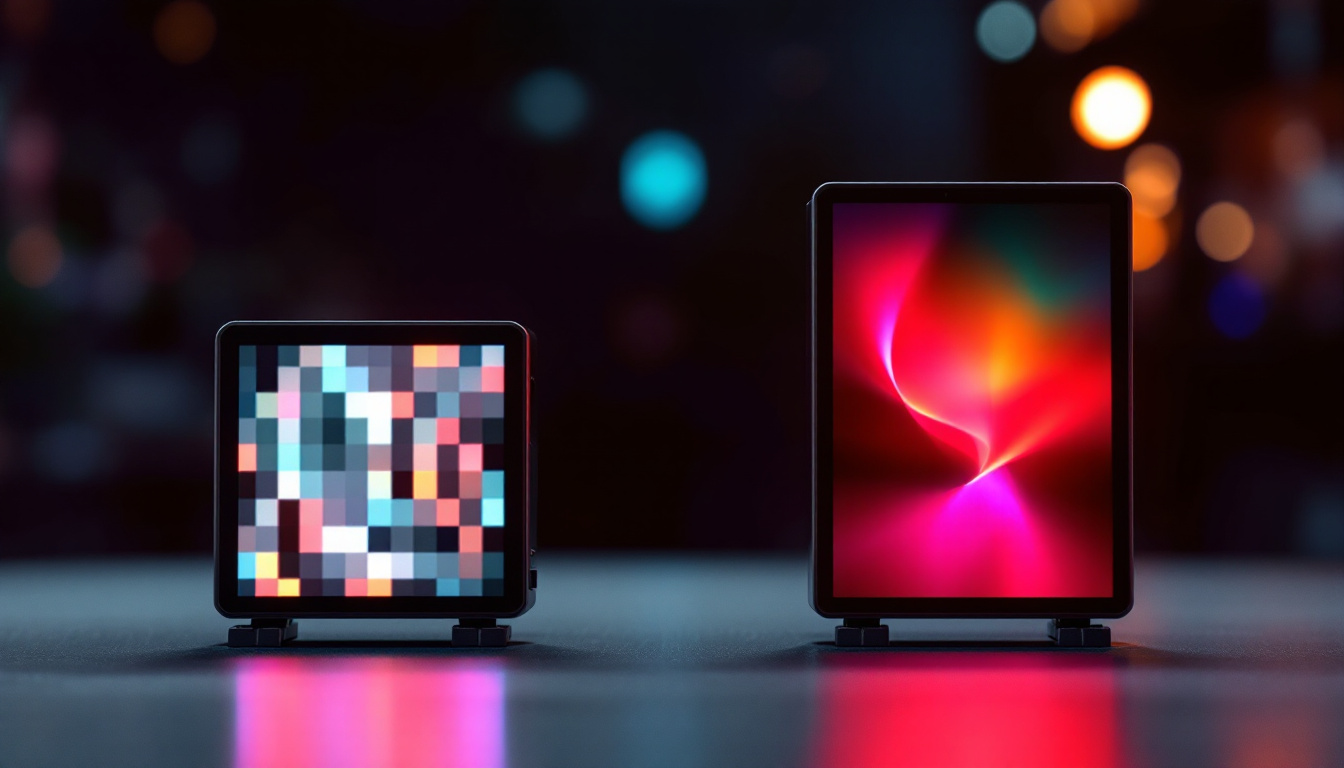
Pixel pitch refers to the distance between the centers of two adjacent pixels on an LED display and is measured in millimeters. A smaller pixel pitch means higher resolution and sharper images, which is crucial for displays viewed at close range. For street advertising screens, pixel pitch typically ranges from 4mm to 20mm, depending on the intended viewing distance.
For example, a screen with a 10mm pixel pitch is ideal for viewers standing 10 to 20 meters away, providing clear and crisp visuals without unnecessary cost. Choosing the right pixel pitch balances image quality with budget and installation requirements.
Brightness and Contrast Ratio
Brightness is measured in nits (candela per square meter) and determines how well the display can be seen in various lighting conditions. Outdoor LED screens often require brightness levels of 5,000 to 8,000 nits to remain visible in direct sunlight. Contrast ratio, the difference between the darkest black and the brightest white the screen can produce, also affects image clarity and vibrancy.
Advanced LED screens employ technologies such as automatic brightness adjustment sensors that optimize screen brightness based on ambient light, enhancing visibility while conserving energy.
Durability and Weather Resistance
Street advertising screens must endure exposure to rain, wind, dust, and temperature fluctuations. To address these challenges, LED displays are built with protective enclosures rated with an IP (Ingress Protection) code. For outdoor use, an IP65 rating or higher is common, indicating the screen is dust-tight and protected against water jets.
Additionally, high-quality LED modules are designed to operate reliably in temperatures ranging from -20°C to 50°C (-4°F to 122°F), ensuring consistent performance in diverse climates.
Applications and Trends in Street Advertising Screens
Urban Advertising and Smart Cities
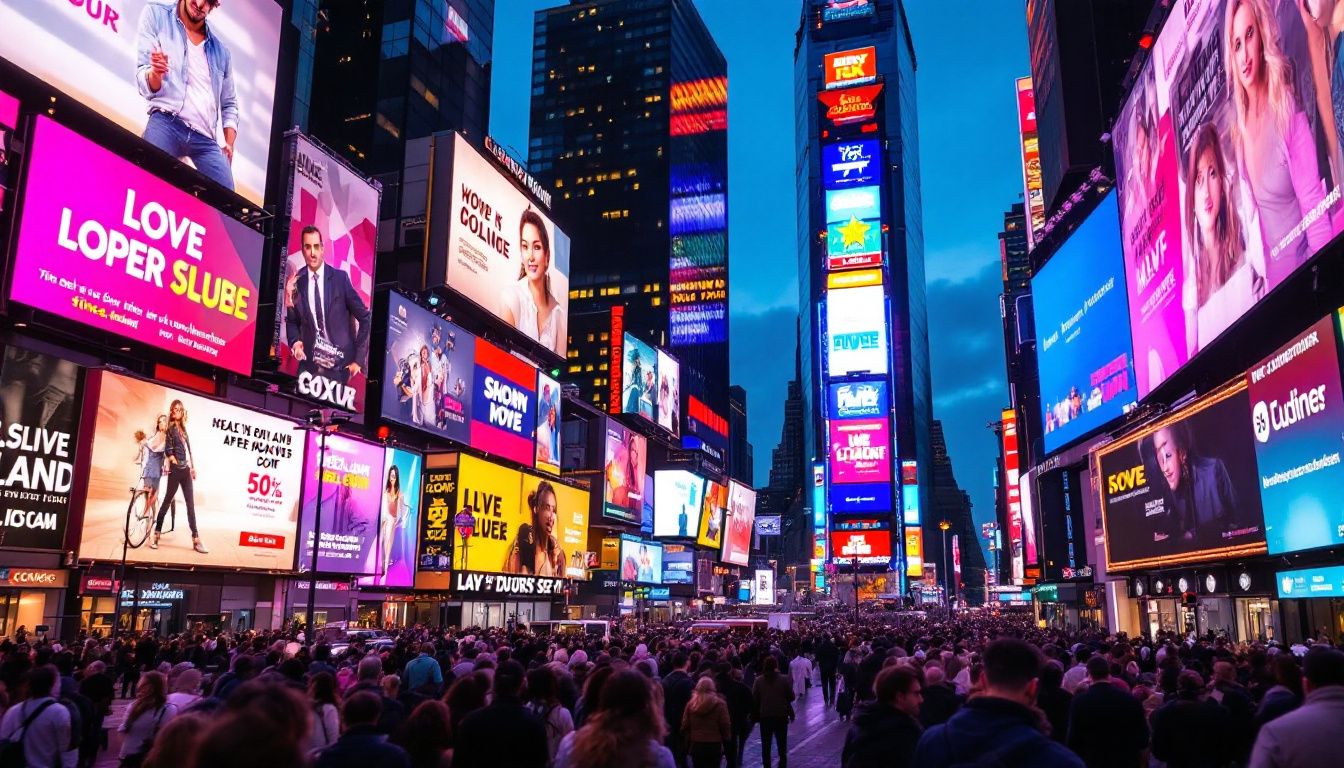
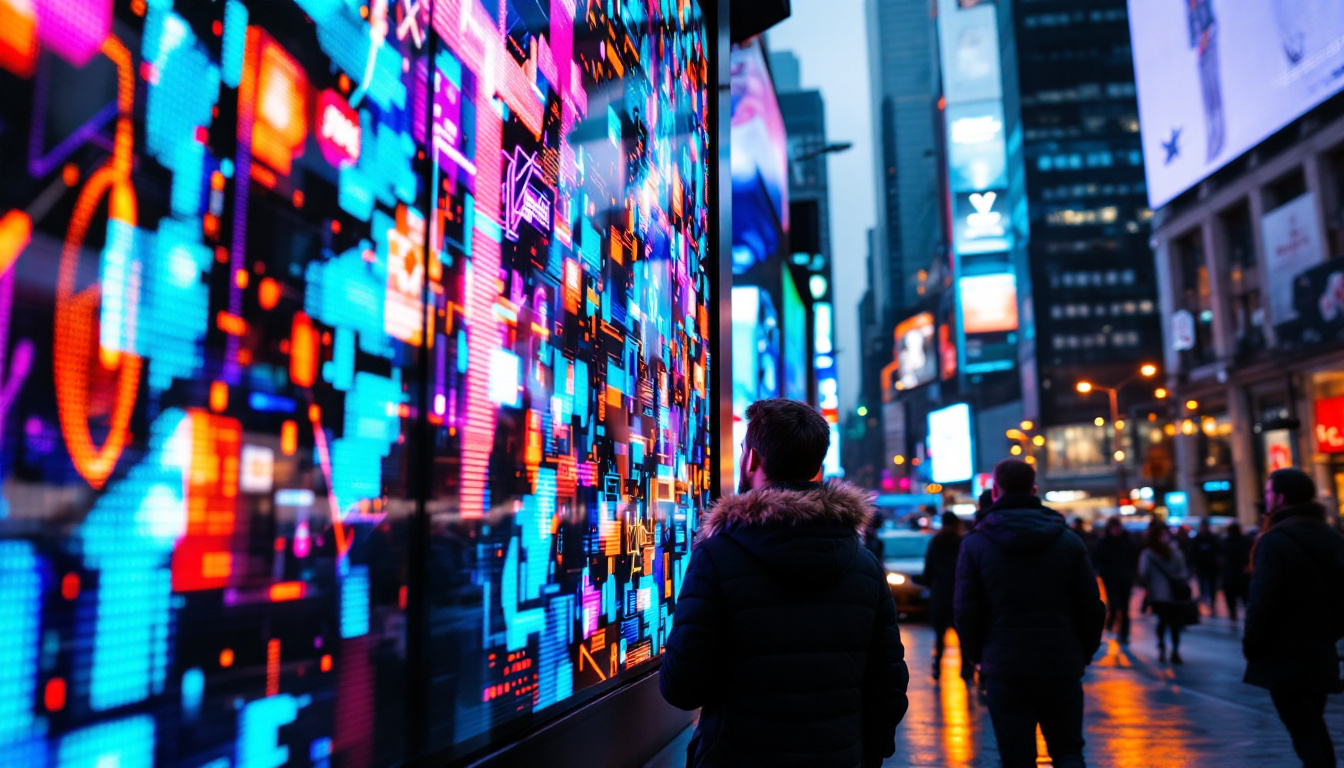
LED street advertising screens have become integral to urban environments worldwide. Iconic locations like Times Square in New York City and Piccadilly Circus in London showcase how dynamic LED billboards can transform cityscapes into vibrant advertising hubs.
Beyond commercial advertising, many cities are integrating LED screens into smart city initiatives. These displays can provide public service announcements, emergency alerts, and real-time transit information, enhancing urban communication and safety.
Interactive and Programmatic Advertising
The future of street advertising is increasingly interactive. Touch-enabled LED screens and integration with mobile devices allow consumers to engage directly with advertisements, leading to personalized experiences and data collection opportunities for marketers.
Programmatic advertising, where digital ad space is bought and sold automatically based on audience data, is also gaining traction in outdoor LED displays. This technology enables advertisers to target specific demographics and optimize campaigns in real time, maximizing effectiveness and efficiency.
Case Study: LED Advertising Impact in Retail
A leading retail chain implemented LED street advertising screens outside their flagship stores in major cities. By rotating promotional content throughout the day and incorporating interactive elements such as QR codes and social media hashtags, the retailer reported a 30% increase in foot traffic and a 20% boost in sales over six months.
This example highlights how LED street advertising can directly influence consumer behavior and drive measurable business outcomes.
Challenges and Considerations
Cost and Maintenance
While LED street advertising screens offer numerous benefits, they require a significant upfront investment. High-quality LED modules, installation, and ongoing maintenance can be costly. However, the long-term advantages of flexibility, durability, and energy efficiency often justify these expenses.
Regular maintenance is essential to ensure optimal performance. This includes cleaning, software updates, and timely repairs of any malfunctioning LEDs or components. Partnering with experienced service providers can help mitigate downtime and extend the lifespan of the screens.
Light Pollution and Regulatory Compliance
As LED screens become more prevalent, concerns about light pollution have emerged, especially in residential areas. Excessive brightness or poorly timed advertisements can disturb local communities and wildlife. Many municipalities have enacted regulations governing the brightness, operating hours, and content of outdoor digital displays.
Advertisers and screen operators must stay informed about local laws and adopt responsible practices, such as dimming screens at night and avoiding flashing or overly bright animations, to maintain community goodwill and compliance.
Conclusion: The Future of Street Advertising Screens
LED display technology has transformed street advertising into a dynamic, engaging, and highly effective medium. Its ability to deliver vivid, adaptable content in real time positions it as a cornerstone of modern urban marketing strategies. As cities evolve and technology advances, LED street advertising screens will continue to integrate with smart infrastructure, offering new opportunities for interaction, personalization, and sustainability.
Advertisers who leverage the strengths of LED technology while navigating its challenges thoughtfully will find themselves at the forefront of a rapidly changing advertising landscape—capturing attention, driving engagement, and delivering measurable results in the heart of the city.
Illuminate Your Brand with LumenMatrix
As the future of street advertising continues to brighten, LumenMatrix stands at the forefront, ready to illuminate your brand’s message with our comprehensive range of LED display solutions. From the bustling city streets to the most intimate of indoor settings, our innovative displays are designed to captivate and engage audiences, ensuring your message resonates with clarity and impact. Discover how LumenMatrix can transform your advertising strategy and bring your vision to life. Check out LumenMatrix LED Display Solutions today and step into the future of visual communication.