In the fast-paced world of e-commerce, online stores are constantly seeking innovative ways to capture consumer attention and enhance user experience. One technology that has revolutionized digital marketing and product showcasing is the LED display. From vibrant product advertisements to dynamic storefronts, LED displays are becoming an essential tool for online retailers aiming to stand out in a crowded marketplace.
This article delves into the world of LED displays, exploring their technology, applications in online retail, benefits, and future trends. Whether you are a retailer considering LED displays or a consumer curious about how these vibrant screens influence your shopping experience, this comprehensive guide will illuminate the subject.
Understanding LED Display Technology
What is an LED Display?
LED stands for Light Emitting Diode, a semiconductor device that emits light when an electric current passes through it. An LED display is a flat panel display that uses an array of light-emitting diodes as pixels to create images, videos, or text. These displays are known for their brightness, energy efficiency, and long lifespan.
Unlike traditional LCD or OLED screens, LED displays use individual diodes to produce light, allowing for high contrast ratios and vibrant colors. This makes them particularly suitable for environments where visibility is crucial, such as storefronts, billboards, and event venues. The ability to produce deep blacks and bright whites simultaneously enhances the overall viewing experience, making LED displays a popular choice for both commercial and residential applications. Additionally, the rapid response time of LEDs means that they can display fast-moving images without blurring, which is essential for dynamic content like sports broadcasts or promotional videos.
Types of LED Displays
LED displays come in various forms, each suited to different applications:
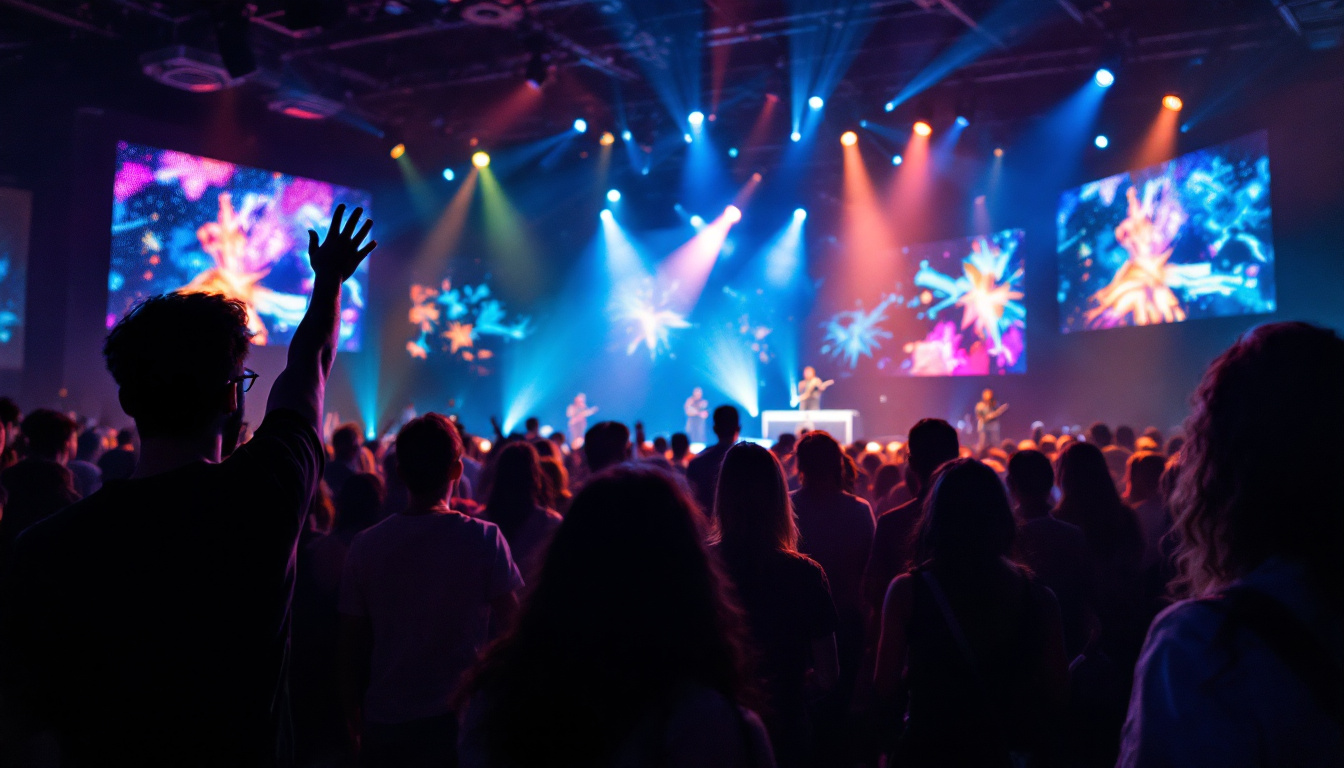
- Indoor LED Displays: Designed for close viewing distances, these displays have a high pixel density and offer crisp, detailed images. They are commonly used inside stores for digital signage and product promotions. The versatility of indoor LED displays allows them to be used in various settings, from corporate environments for presentations to entertainment venues for concerts and events.
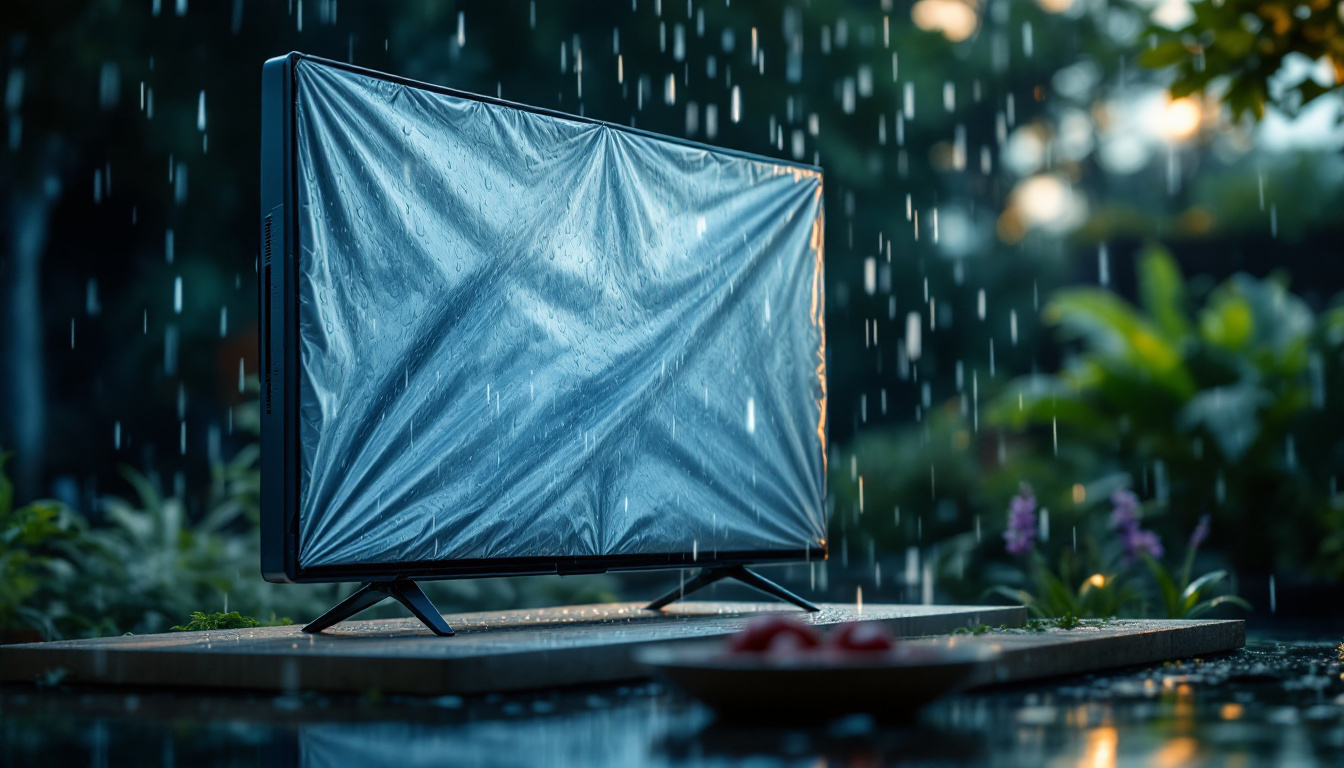
- Outdoor LED Displays: Built to withstand weather conditions, these displays are brighter to combat sunlight glare. They are often used for outdoor advertising, event screens, and large-scale digital billboards. Outdoor LED displays are engineered with protective coatings and robust casings to ensure durability against rain, wind, and extreme temperatures, making them a reliable option for long-term use in public spaces.
- Flexible and Transparent LED Displays: Emerging technologies allow LED panels to be curved or made transparent, enabling innovative design possibilities for retail environments. Flexible LED displays can be shaped to fit unique architectural designs, while transparent displays offer a futuristic aesthetic that can blend seamlessly with glass storefronts, allowing customers to see products behind the screen while still showcasing vibrant advertisements.
In addition to these types, LED technology continues to evolve, with advancements in pixel pitch, color accuracy, and energy consumption. This evolution is paving the way for even more applications, such as augmented reality displays and interactive installations that engage users in new and exciting ways. As industries seek to enhance customer experiences and create immersive environments, the demand for high-quality LED displays is expected to grow significantly in the coming years.
Applications of LED Displays in Online Retail
Enhancing Product Presentation
Online stores leverage LED displays to showcase their products in visually compelling ways. High-resolution LED screens can display product images, promotional videos, and interactive content that engage customers more effectively than static images.
For example, pop-up stores or physical showrooms linked to online retailers often use LED displays to create immersive brand experiences. This integration of digital and physical retail channels helps bridge the gap between online browsing and in-person shopping. The vivid colors and sharp details of LED technology can bring products to life, allowing customers to appreciate textures and features that might be lost in traditional photography. Furthermore, these displays can be programmed to change based on the time of day or the season, ensuring that the presentation remains fresh and relevant, which can significantly enhance customer interest and retention.
Dynamic Digital Signage for Promotions
LED displays enable online retailers to run dynamic promotions that can be updated in real-time. Whether highlighting flash sales, new arrivals, or seasonal discounts, digital signage on LED screens captures attention and drives urgency.
According to a study by the Digital Signage Federation, digital signage can increase customer engagement by up to 47%, making it a powerful marketing tool for online stores with physical touchpoints. Moreover, these displays can be synchronized with social media feeds, allowing retailers to showcase user-generated content or trending products, which can create a sense of community and encourage more interaction. The ability to display live updates, such as inventory levels or customer reviews, adds another layer of engagement, making shoppers feel more informed and connected to the brand.
Interactive Customer Engagement
Interactive LED displays equipped with touch capabilities allow customers to explore product catalogs, customize items, or access detailed information. This interactivity enhances the shopping experience and can lead to higher conversion rates.
Some online retailers use LED walls in their flagship stores to enable virtual try-ons or augmented reality experiences, blending technology with retail to create memorable customer journeys. These innovative displays not only attract attention but also serve as a platform for storytelling, where brands can convey their values and mission through engaging visual narratives. Additionally, the use of gamification elements, such as quizzes or contests displayed on LED screens, can further enhance customer participation, making the shopping experience not just a transaction but an enjoyable activity that encourages repeat visits and brand loyalty.
Benefits of LED Displays for Online Stores
High Visibility and Impact
LED displays are renowned for their brightness and clarity, ensuring content is visible even in bright environments. This high visibility helps online stores attract foot traffic and maintain customer interest in physical locations or hybrid retail setups.
The vibrant colors and motion capabilities of LED screens also make advertisements more eye-catching compared to traditional print media, increasing the likelihood of customer engagement.
Energy Efficiency and Longevity
LED technology is energy-efficient, consuming significantly less power than conventional lighting and display technologies. This efficiency translates into lower operational costs for retailers, especially those running large or multiple displays.
Moreover, LED displays have a long operational lifespan, often exceeding 100,000 hours. This durability reduces maintenance costs and downtime, making them a cost-effective investment for online stores expanding into physical or hybrid retail spaces.
Flexibility and Customization
LED displays offer unparalleled flexibility in terms of size, shape, and content. Retailers can customize displays to fit unique store layouts or branding requirements, from small shelf-edge screens to massive video walls.
Content can be updated remotely and instantly, allowing online stores to tailor messaging to specific audiences or events without the need for physical signage changes.
Challenges and Considerations When Using LED Displays
Initial Investment and Installation
While LED displays offer long-term benefits, the initial cost of purchasing and installing high-quality LED screens can be significant. Retailers must carefully evaluate their budget and expected return on investment before committing to large-scale deployments.
Installation may also require professional expertise, especially for complex or outdoor setups, adding to upfront costs and project timelines.
Content Management and Strategy
Effective use of LED displays depends heavily on content quality and relevance. Retailers need to develop a robust content management strategy to ensure displays remain engaging and aligned with marketing goals.
Without regular updates and creative content, LED screens risk becoming background noise rather than attention-grabbing assets.
Technical Maintenance
Although LED displays are durable, they require periodic maintenance to ensure optimal performance. Issues such as dead pixels, color calibration, or software glitches can impact display quality and customer perception.
Retailers should plan for ongoing technical support and maintenance to maximize the lifespan and effectiveness of their LED installations.
Future Trends in LED Displays for Online Retail
Integration with Artificial Intelligence
Artificial intelligence (AI) is poised to transform LED display usage in retail. AI-powered analytics can tailor content in real-time based on customer demographics, behavior, or environmental factors, creating highly personalized shopping experiences.
For example, AI can adjust promotional messages on LED screens depending on the time of day, weather, or even the mood of the audience, optimizing engagement and sales opportunities.
Advancements in MicroLED Technology
MicroLED, a next-generation display technology, promises even greater brightness, energy efficiency, and pixel density than traditional LEDs. This advancement could lead to ultra-thin, flexible, and more vibrant displays that further enhance retail environments.
As MicroLED technology becomes more affordable, online stores may adopt it to create futuristic storefronts and immersive product showcases.
Expanded Use of Interactive and Augmented Reality Displays
The convergence of LED displays with augmented reality (AR) and interactive technologies is set to redefine customer engagement. Future LED installations may allow shoppers to interact with virtual products, visualize items in real-world settings, or participate in gamified promotions.
Such innovations will help online retailers create seamless omnichannel experiences that blend digital convenience with tactile interaction.
Conclusion
LED displays have emerged as a powerful medium for online stores seeking to enhance visibility, engagement, and customer experience. Their brightness, flexibility, and dynamic capabilities make them ideal for showcasing products and promotions in both physical and hybrid retail contexts.
While challenges such as initial costs and content management exist, the long-term benefits of LED technology—including energy efficiency, durability, and adaptability—make it a worthwhile investment. Looking ahead, innovations like AI integration and MicroLED promise to unlock even greater potential for LED displays in the retail sector.
For online retailers aiming to stay competitive and connect with customers in meaningful ways, embracing LED display technology is not just an option—it’s becoming a necessity.
Illuminate Your Retail Space with LumenMatrix
Ready to elevate your online store to new heights of customer engagement and visual appeal? Discover the transformative power of LED display technology with LumenMatrix. Our extensive range of solutions, from Indoor and Outdoor LED Wall Displays to innovative Transparent and Custom LED Displays, is designed to captivate your audience and amplify your brand’s message. Embrace the future of retail with our cutting-edge displays that promise energy efficiency, durability, and unparalleled visual impact. Check out LumenMatrix LED Display Solutions today and light up your business with brilliance.