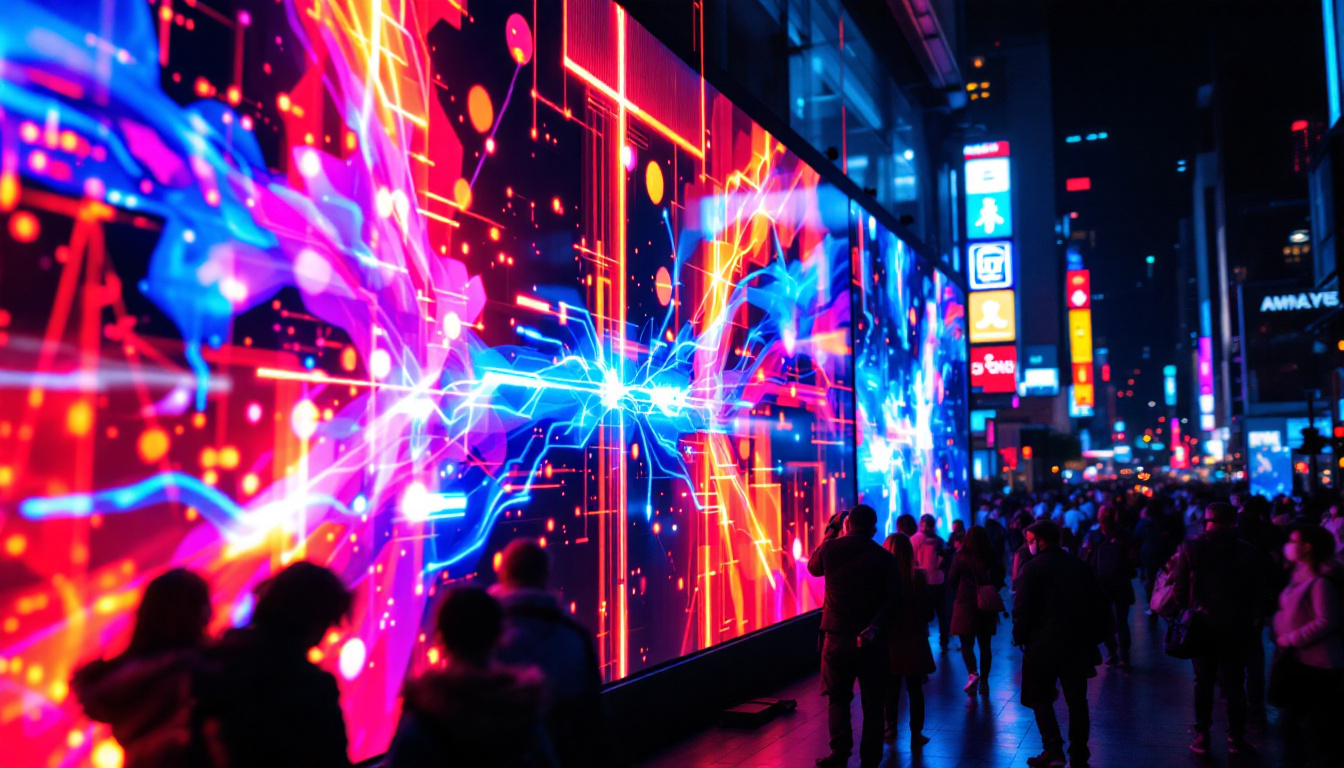
The Mandalorian Effect has revolutionized the way filmmakers and content creators approach visual storytelling, largely due to the innovative use of LED display technology. This groundbreaking technique, showcased prominently in the hit Star Wars series The Mandalorian, has transformed traditional green screen methods, offering unprecedented realism and immersion. But what exactly is the Mandalorian Effect, and how do LED displays play a pivotal role in this cinematic breakthrough? This article delves into the technology behind the effect, its advantages, and its implications for the future of film and television production.
Understanding the Mandalorian Effect
The Mandalorian Effect refers to the use of large-scale LED video walls, combined with real-time rendering engines, to create dynamic, immersive backgrounds during live-action filming. Instead of relying on green screens, actors perform in front of these vibrant LED panels that display photorealistic environments, which are synchronized with the camera’s perspective.
This technique was pioneered by Industrial Light & Magic (ILM) in collaboration with Epic Games, utilizing their Unreal Engine to render complex 3D backgrounds in real time. The LED walls replace traditional post-production compositing, allowing directors, actors, and cinematographers to see the final environment as scenes are being shot.
From Green Screen to LED Walls
Traditional green screen technology requires actors to perform in front of a monochromatic backdrop, which is later replaced with digital environments during post-production. While effective, this method often leads to challenges such as mismatched lighting, lack of interactive reflections, and difficulties in visualizing the final scene on set.
The Mandalorian Effect addresses these issues by projecting the environment directly onto LED screens surrounding the set. This creates natural lighting and reflections on actors and props, enhancing realism. Additionally, the camera tracking system adjusts the background perspective in real time, maintaining correct parallax and depth cues as the camera moves.
One of the most significant advantages of this technology is its ability to foster a more collaborative and creative environment on set. Directors can make real-time adjustments to the backgrounds, allowing for spontaneous creative decisions that can enhance storytelling. Actors benefit from the immersive experience, as they can interact with their surroundings in a way that feels authentic, leading to more genuine performances. This immediacy not only streamlines the production process but also opens up new possibilities for visual storytelling, as filmmakers can experiment with lighting, atmosphere, and even weather effects on the fly.
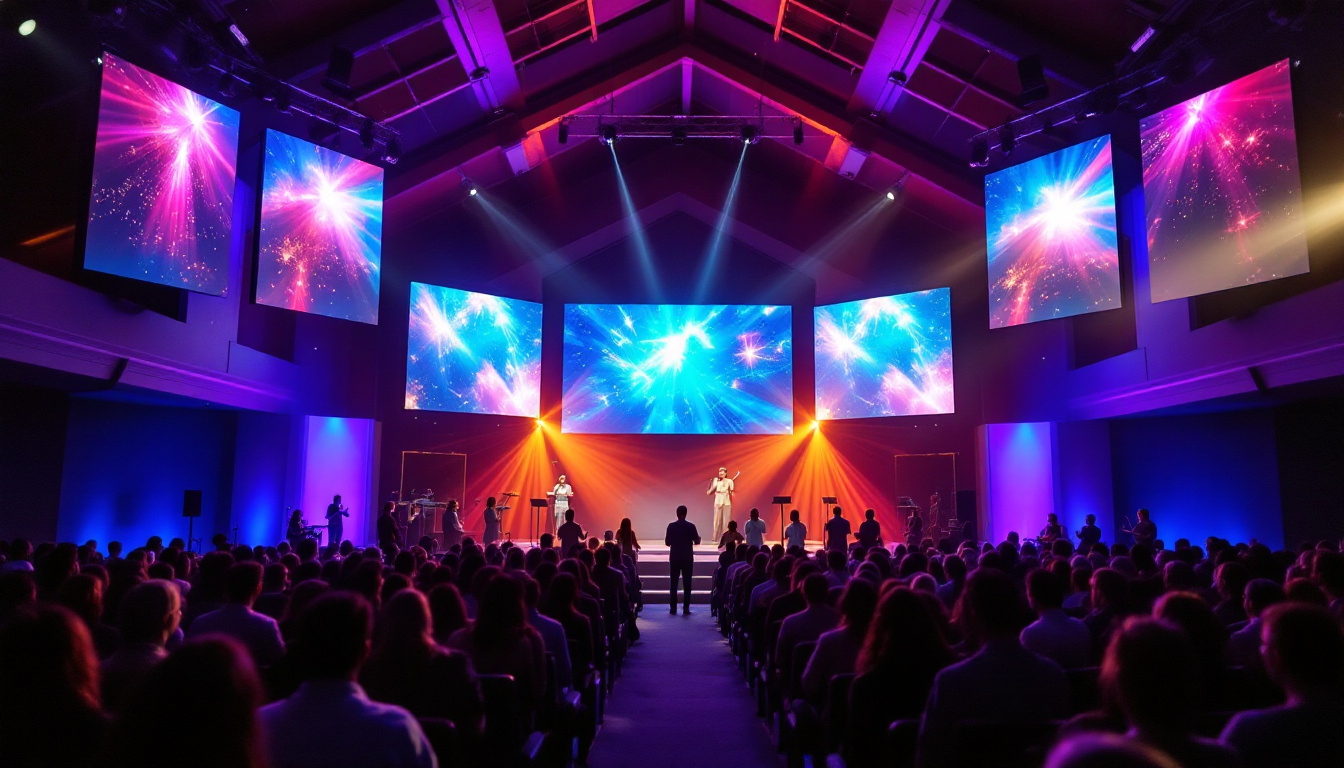
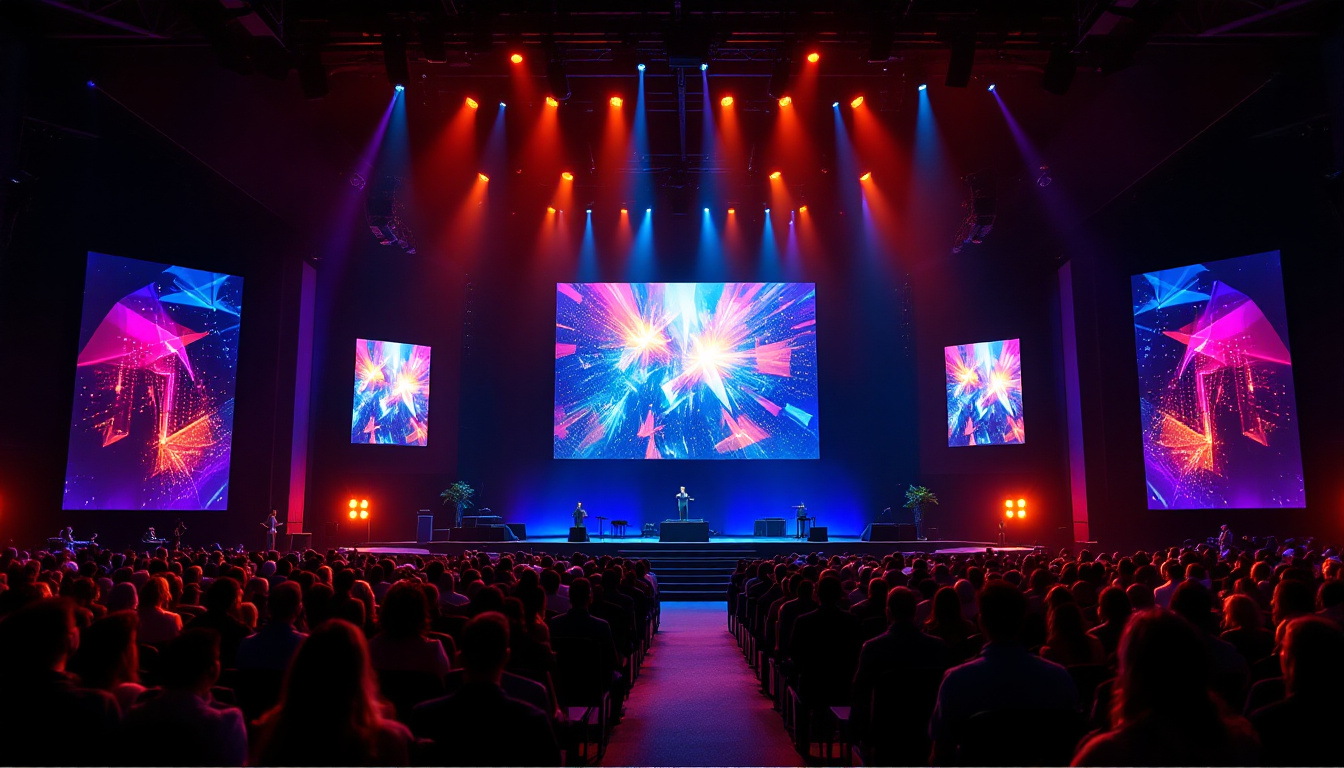
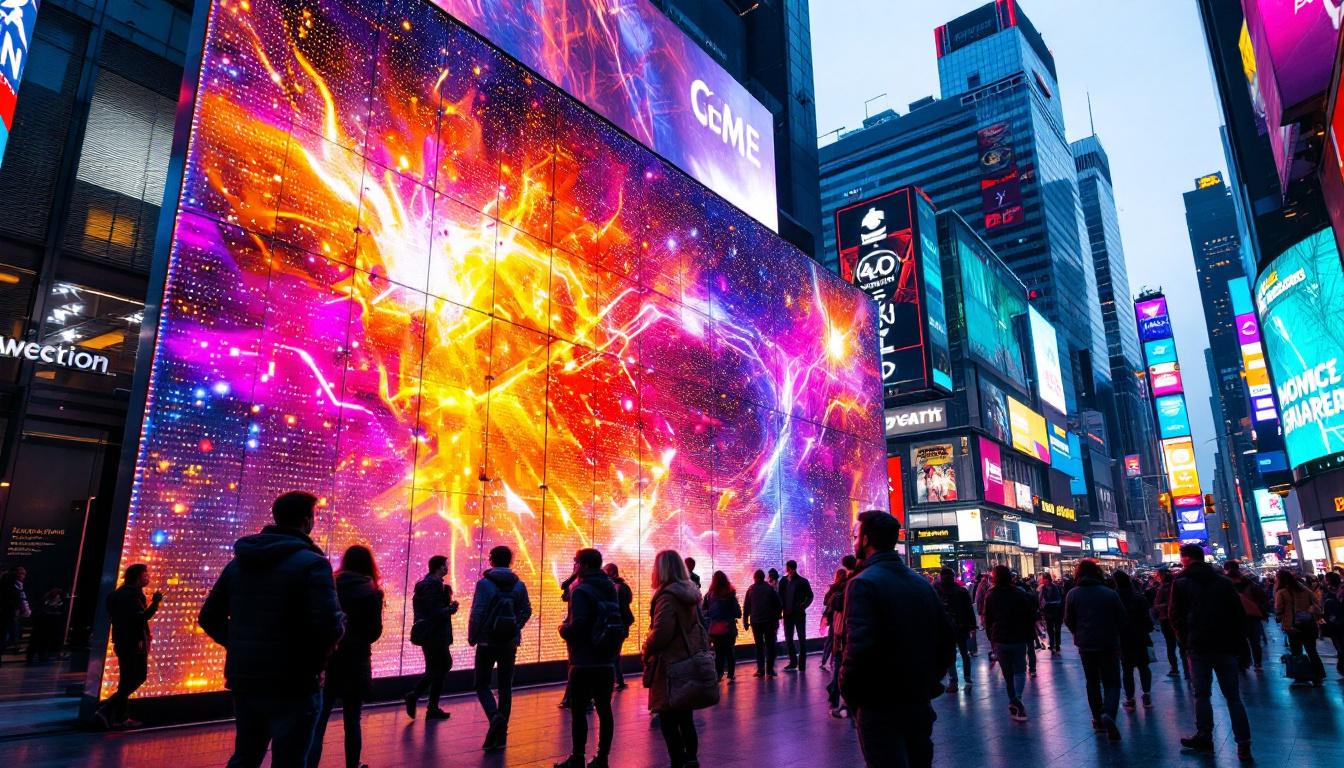
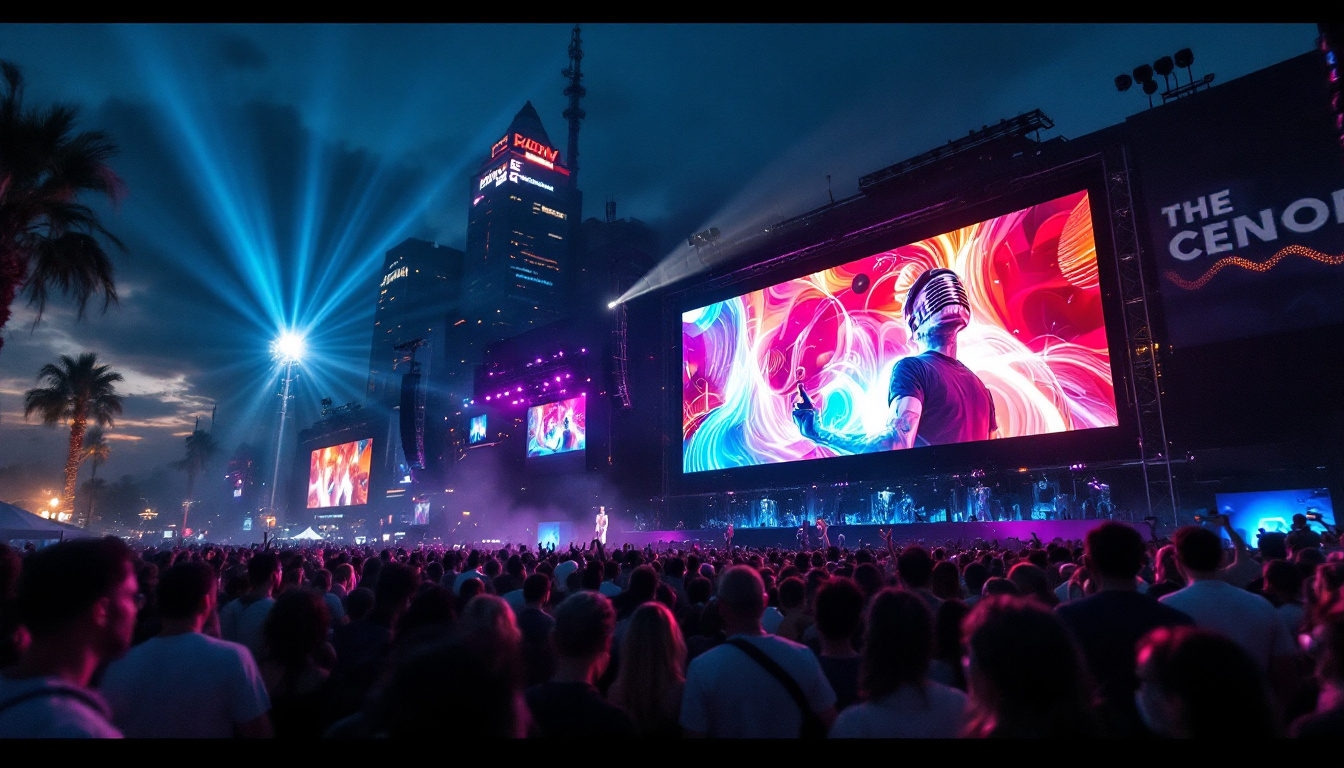
Moreover, the Mandalorian Effect has implications beyond just film and television. The technology is being explored for use in live events, virtual concerts, and even video games, where immersive environments can enhance audience engagement. As this innovative approach continues to evolve, it could redefine how we think about visual effects and set design, blurring the lines between reality and digital artistry in ways previously thought impossible.
The Technology Behind LED Displays in Filmmaking
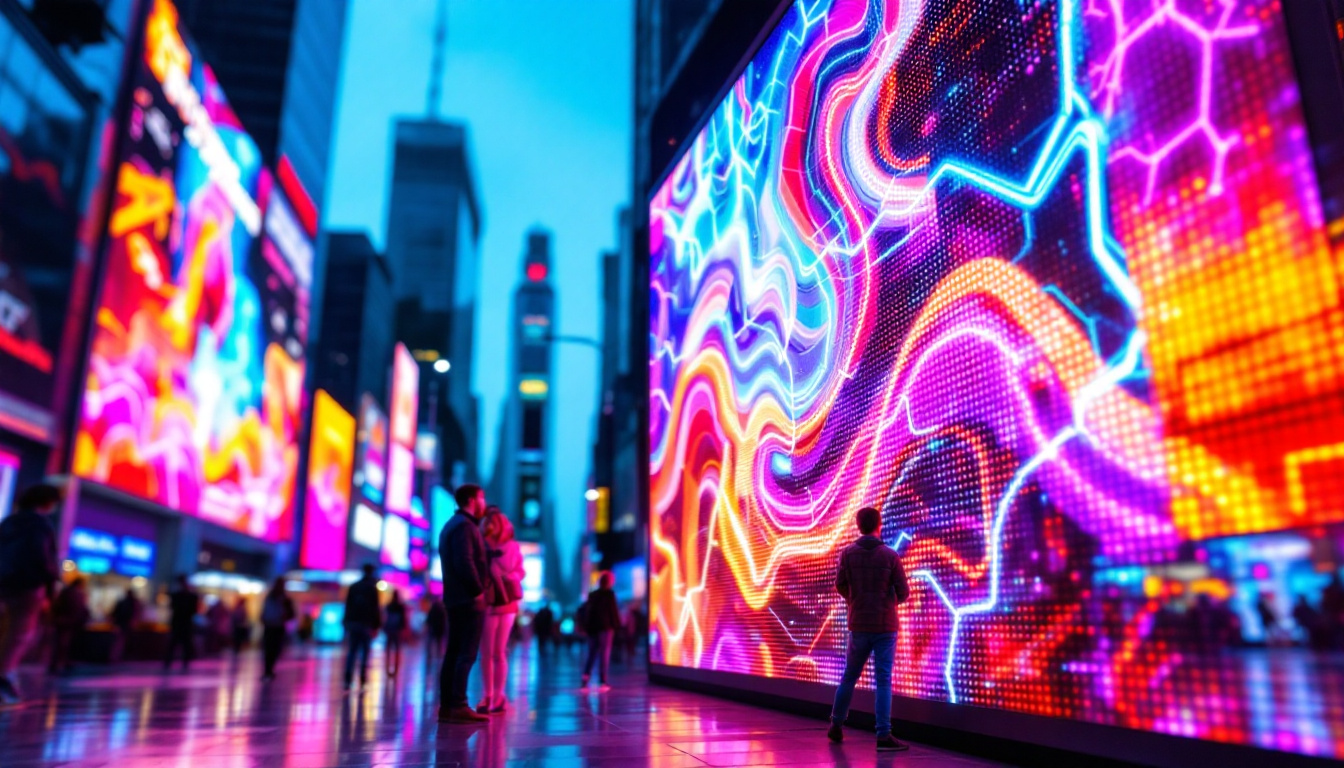
At the heart of the Mandalorian Effect is the LED display technology, which must meet demanding criteria to deliver cinematic-quality visuals. These displays are not typical consumer LED screens but are custom-built for high resolution, color accuracy, and brightness suitable for professional film production.
High-Resolution LED Panels
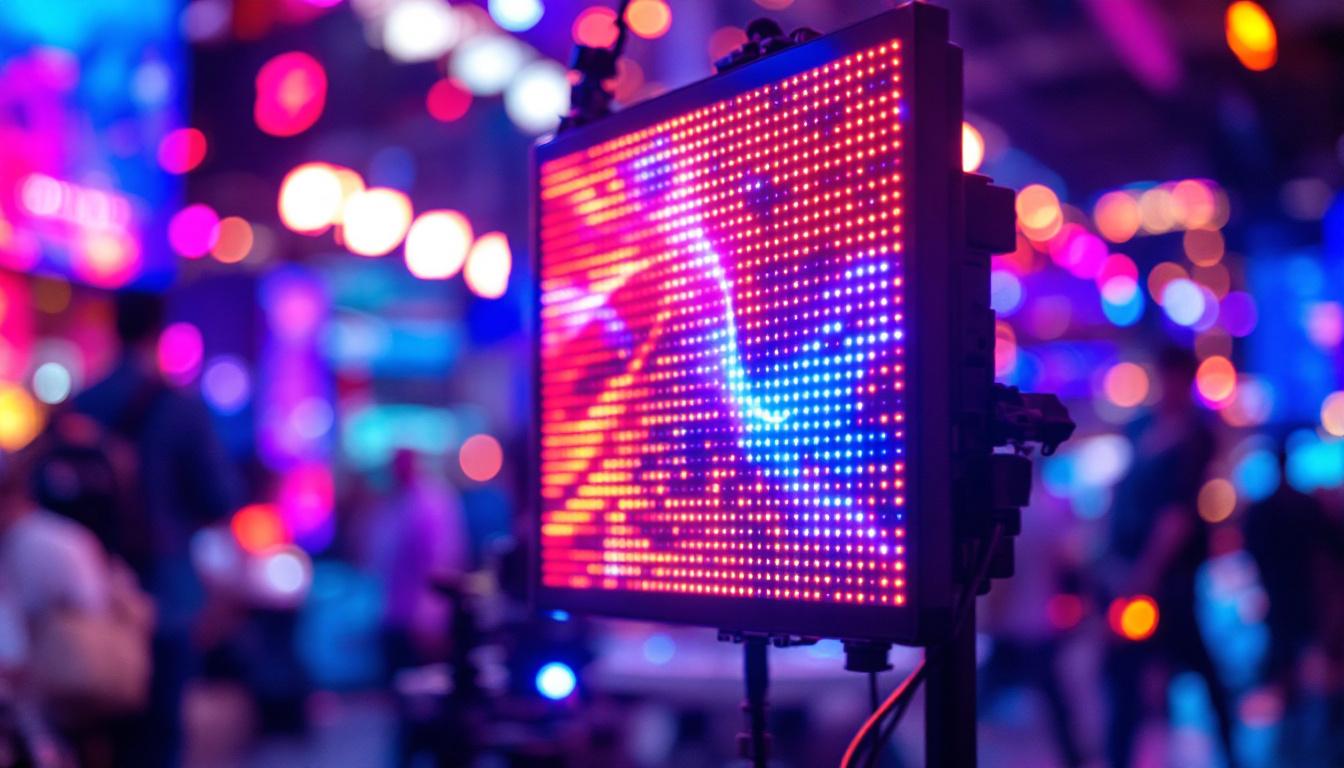
The LED panels used in these setups often feature pixel pitches as fine as 1.2 to 1.5 millimeters, allowing for extremely detailed images even when viewed up close by cameras. This level of resolution is crucial to avoid the “screen door effect,” where individual pixels become visible and detract from the illusion of reality.
Moreover, these panels are modular, enabling the construction of curved or irregularly shaped walls that can envelop the set, providing a seamless panoramic background. The flexibility in design allows for creative freedom in scene composition and camera movement.
Color Accuracy and Brightness
LED displays used in production must deliver a wide color gamut and high dynamic range to replicate natural lighting conditions accurately. The brightness levels are carefully calibrated to match the intensity of studio lighting, ensuring that the LED walls neither overpower nor under-illuminate the scene.
Color calibration is performed regularly to maintain consistency across panels, which is vital for maintaining the illusion of a continuous environment. Advanced calibration tools and software help technicians achieve precise color matching, even as the displays age or environmental conditions change.
Real-Time Rendering and Camera Tracking
The LED walls are driven by powerful computers running real-time rendering engines, such as Unreal Engine, which generate photorealistic 3D environments dynamically. The system integrates with camera tracking technology that monitors the position and orientation of the camera in real time.
As the camera moves, the rendered background adjusts accordingly, maintaining accurate perspective and parallax. This synchronization is essential to prevent visual discrepancies that could break the illusion of depth and space. The result is a seamless blend of live-action and digital elements captured in-camera.
Advantages of Using LED Displays in Production
The Mandalorian Effect and its LED display technology offer numerous benefits over traditional filmmaking techniques, impacting everything from production efficiency to creative possibilities.
Enhanced Realism and Immersion
By illuminating actors and sets with dynamic, environment-specific lighting, LED walls create a natural integration between physical and digital elements. This results in more convincing visuals, as reflections, shadows, and color tones respond authentically to the surroundings.
Actors also benefit from performing in a more immersive environment, which can improve their engagement and performance quality. Instead of imagining the scene against a blank green screen, they interact with a vivid, responsive backdrop that enhances emotional authenticity.
Reduced Post-Production Time and Costs
Since the backgrounds are captured in-camera, the need for extensive post-production compositing is significantly reduced. This accelerates the overall production timeline and lowers costs associated with visual effects editing.
Directors and cinematographers can make creative decisions on set with immediate visual feedback, minimizing costly reshoots or adjustments later. This streamlined workflow has proven invaluable in fast-paced productions with tight schedules.
Environmental and Logistical Benefits
LED volume stages reduce the need for location shoots, which can be expensive and logistically challenging. Complex or hazardous environments can be simulated safely and efficiently within a controlled studio setting.
This approach is also more environmentally friendly, cutting down on travel, transportation, and the associated carbon footprint. As sustainability becomes a priority in the entertainment industry, LED volume technology offers a compelling alternative to traditional location filming.
Challenges and Limitations of the Mandalorian Effect
Despite its many advantages, the Mandalorian Effect is not without challenges. Understanding these limitations is crucial for filmmakers considering this technology.
High Initial Investment
Setting up an LED volume stage requires substantial upfront costs. The LED panels, computing hardware, camera tracking systems, and software licenses represent a significant financial investment.
While these costs can be offset over multiple productions, smaller studios or independent filmmakers may find the technology prohibitive. However, as the technology matures and becomes more widespread, prices are expected to decrease.
Technical Complexity
Operating an LED volume stage demands specialized expertise in hardware setup, color calibration, real-time rendering, and camera tracking. The integration of these components requires a skilled technical team to ensure smooth operation during filming.
Any misalignment or latency in the system can disrupt the visual continuity, necessitating rigorous testing and maintenance. This complexity can introduce new challenges compared to traditional green screen workflows.
Limitations in Scene Scale and Flexibility
While LED walls can create expansive environments, they are physically limited by the size of the studio space and the LED volume. Extremely large or open outdoor scenes may still require traditional location shooting or green screen techniques.
Additionally, certain visual effects that involve complex interactions with digital elements—such as particles or volumetric effects—may still require post-production enhancements beyond what the LED walls can display in real time.
The Future of LED Display Technology in Film and Beyond
The success of the Mandalorian Effect has sparked widespread interest in LED volume technology across the entertainment industry and beyond. Its potential applications extend into advertising, live events, virtual production, and even architectural visualization.
Expanding Virtual Production Capabilities
As real-time rendering engines continue to evolve, the fidelity and complexity of virtual environments will increase. Future LED volumes may incorporate higher resolution panels, improved color reproduction, and enhanced interactivity with physical props and performers.
Integration with augmented reality (AR) and artificial intelligence (AI) technologies could further blur the lines between physical and digital worlds, enabling more immersive storytelling experiences.
Adoption in Other Industries
Beyond filmmaking, LED display technology is gaining traction in sectors such as corporate events, broadcast studios, and simulation training. For example, automotive companies use LED volumes to showcase vehicles in dynamic virtual environments during product launches.
In education and research, immersive LED displays provide engaging platforms for interactive learning and data visualization, highlighting the versatility of this technology.
Driving Sustainability in Production
With growing awareness of environmental impacts, LED volume stages offer a sustainable alternative to traditional filmmaking practices. Reducing the need for travel and physical set construction aligns with industry goals for carbon footprint reduction.
As studios adopt greener production methods, LED display technology will likely play a central role in balancing creative ambition with ecological responsibility.
Conclusion
The Mandalorian Effect, powered by advanced LED display technology, represents a paradigm shift in visual storytelling. By merging real-time digital environments with live-action footage, it delivers unparalleled realism, efficiency, and creative freedom.
While challenges remain in terms of cost and technical complexity, the benefits for filmmakers and audiences alike are profound. As the technology continues to evolve and become more accessible, LED volume production is poised to become a standard tool in the cinematic and entertainment toolkit, shaping the future of immersive storytelling.
Explore the Future of Visual Storytelling with LumenMatrix
Ready to step into the next era of visual engagement? LumenMatrix is at the forefront of the LED display revolution, offering a wide array of innovative solutions that bring your creative visions to life. From immersive Indoor and Outdoor LED Wall Displays to dynamic Vehicle and Sports LED Displays, our technology is designed to captivate and inspire. Discover the transformative power of our LED Poster, Floor, Custom, All-in-One, and Transparent Displays. Embrace the cutting-edge capabilities that LumenMatrix provides and elevate your visual storytelling to unprecedented heights. Check out LumenMatrix LED Display Solutions and see how we can illuminate your world with clarity and impact.