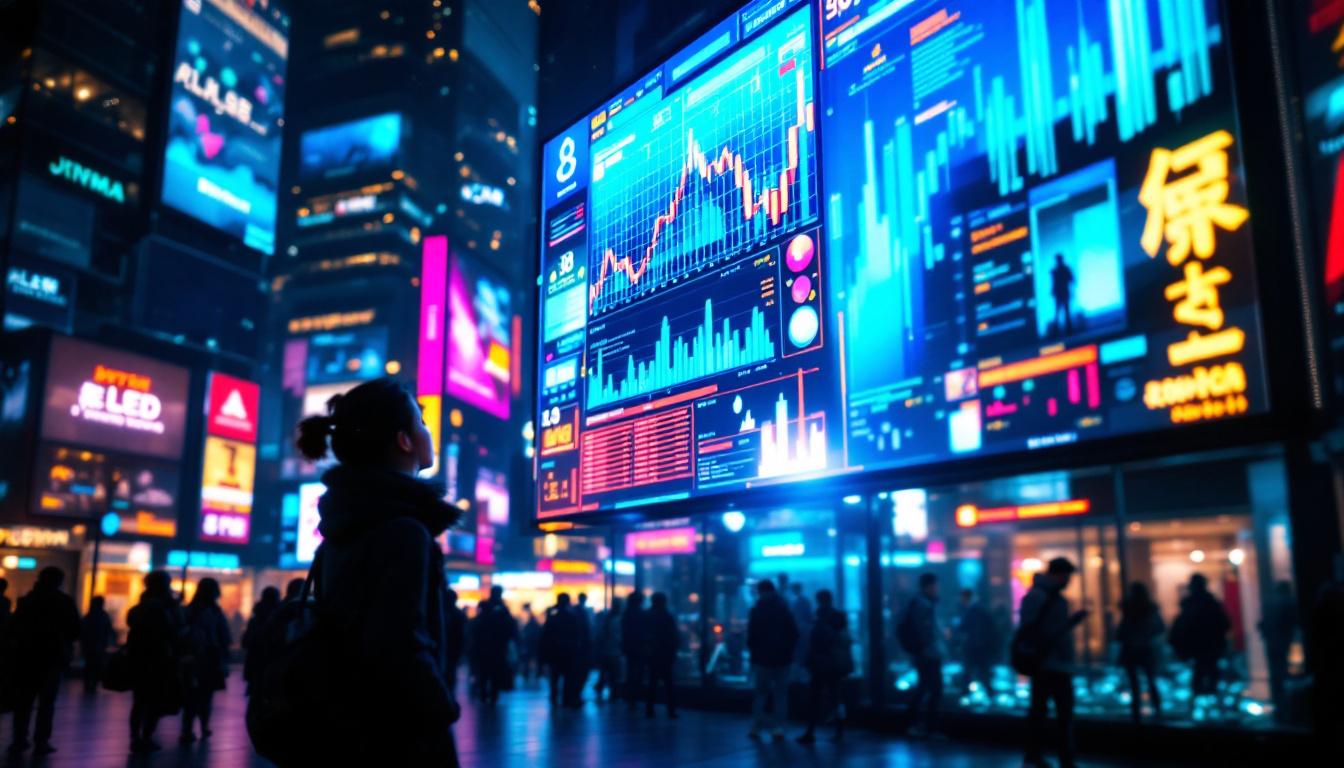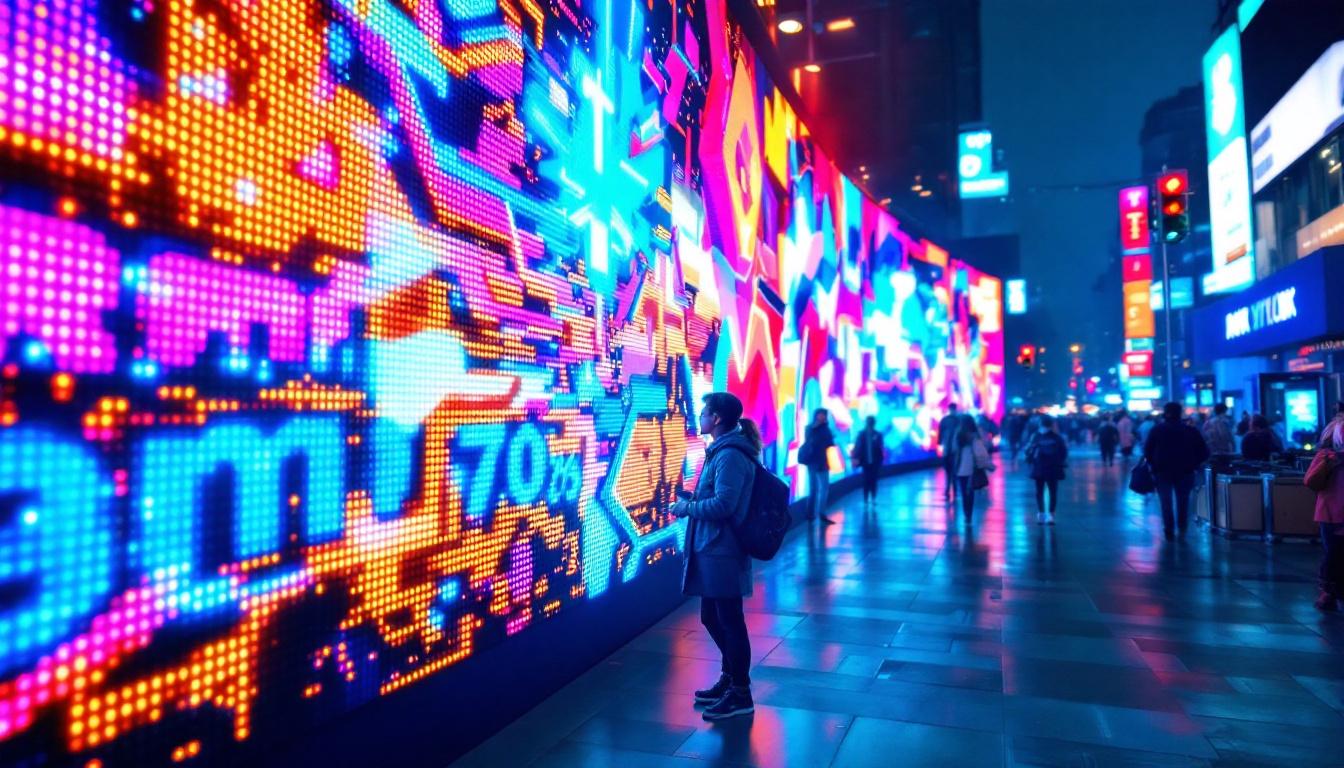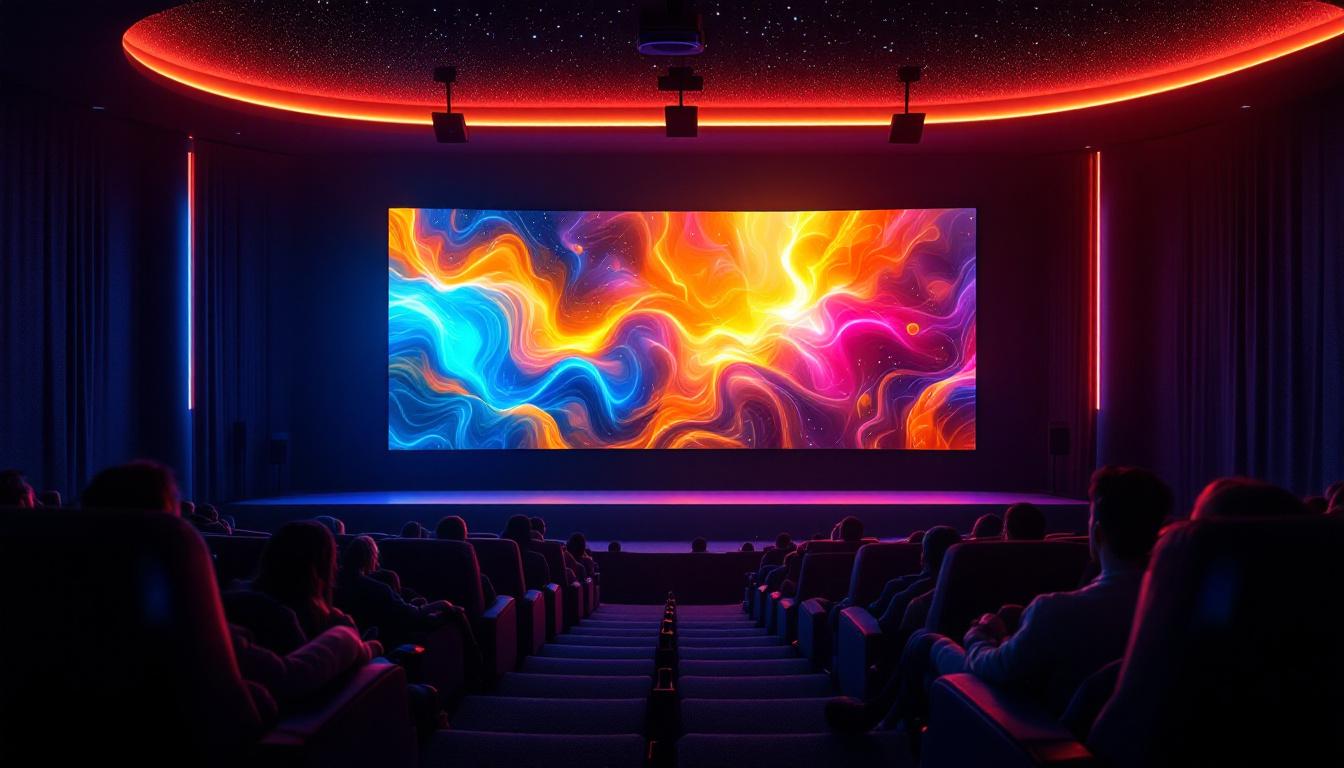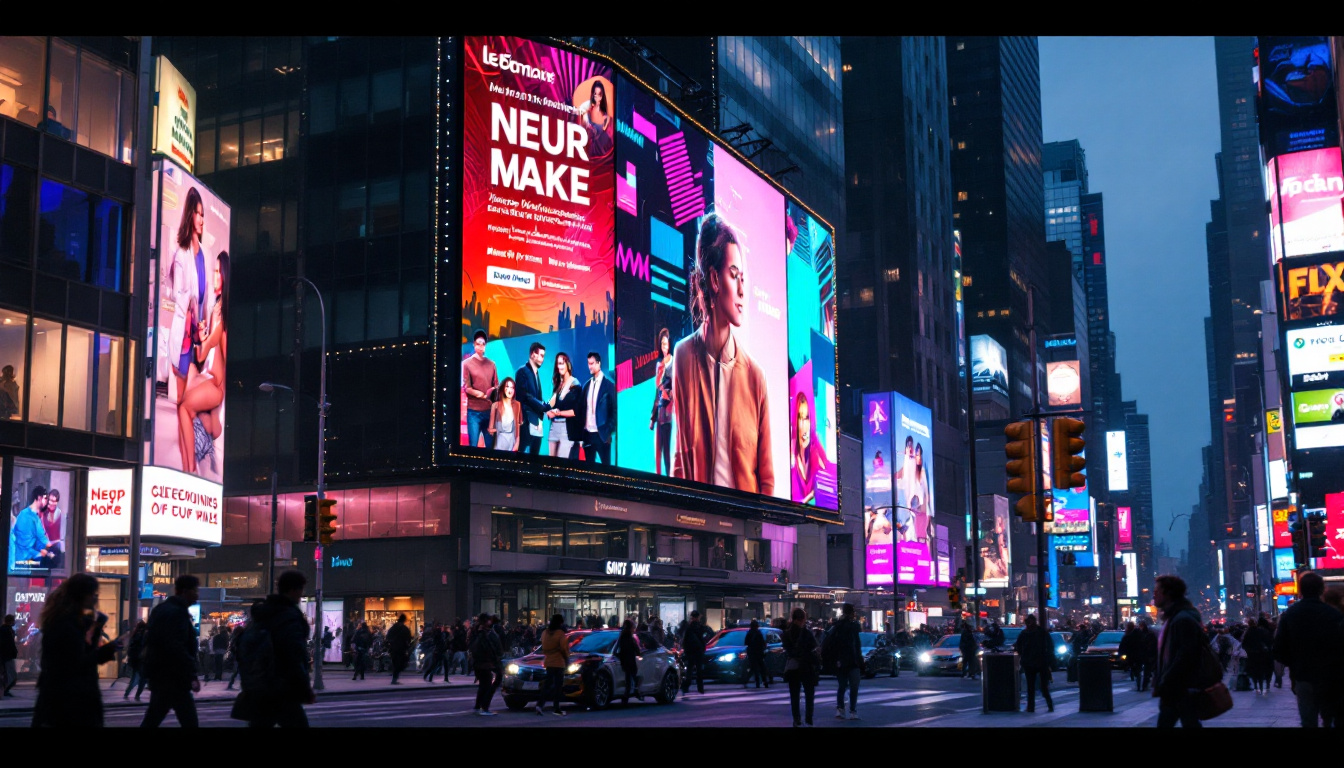
In today’s digital age, LED displays have become an integral part of communication, advertising, and entertainment. From towering billboards in bustling city centers to vibrant screens at sports arenas and even the subtle displays on consumer electronics, LED technology powers much of what we see. Understanding how LED displays work, their types, advantages, and applications can provide valuable insight into why this technology dominates the visual display market.
What is an LED Display?
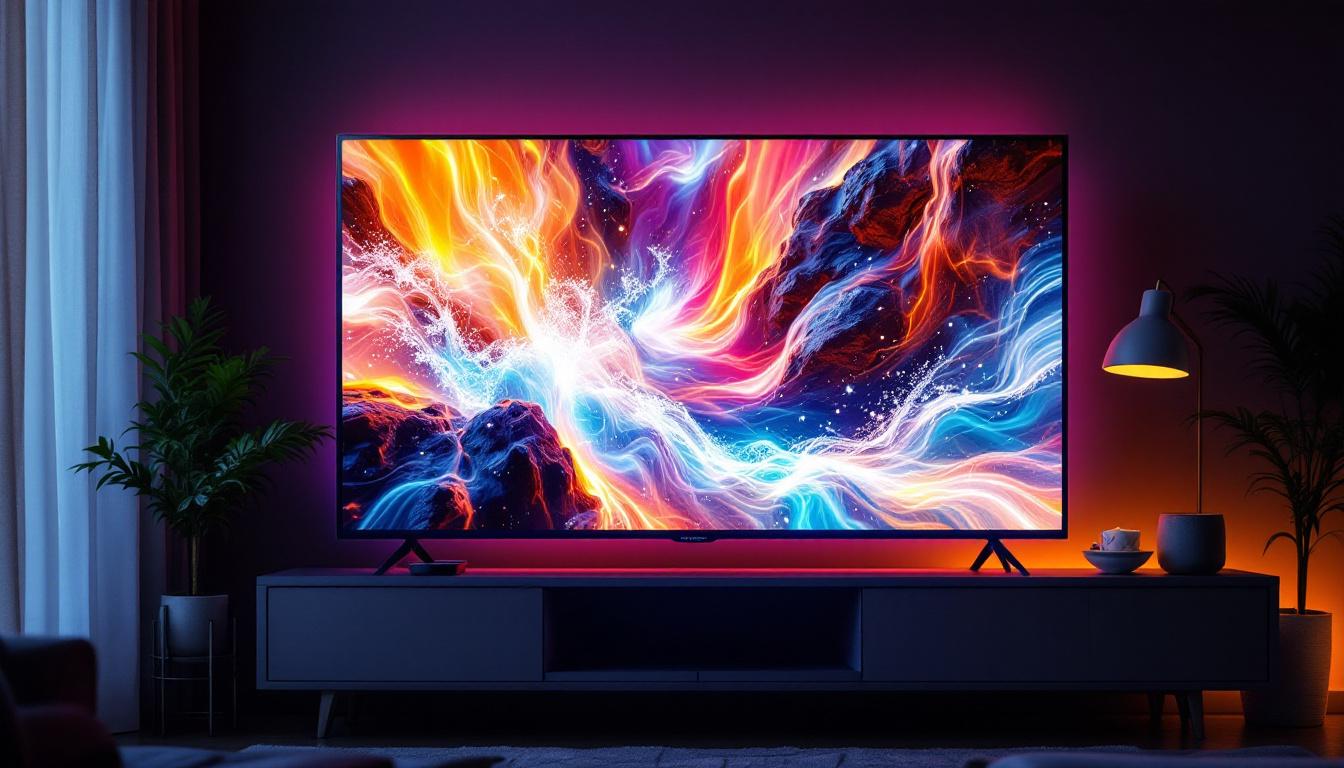
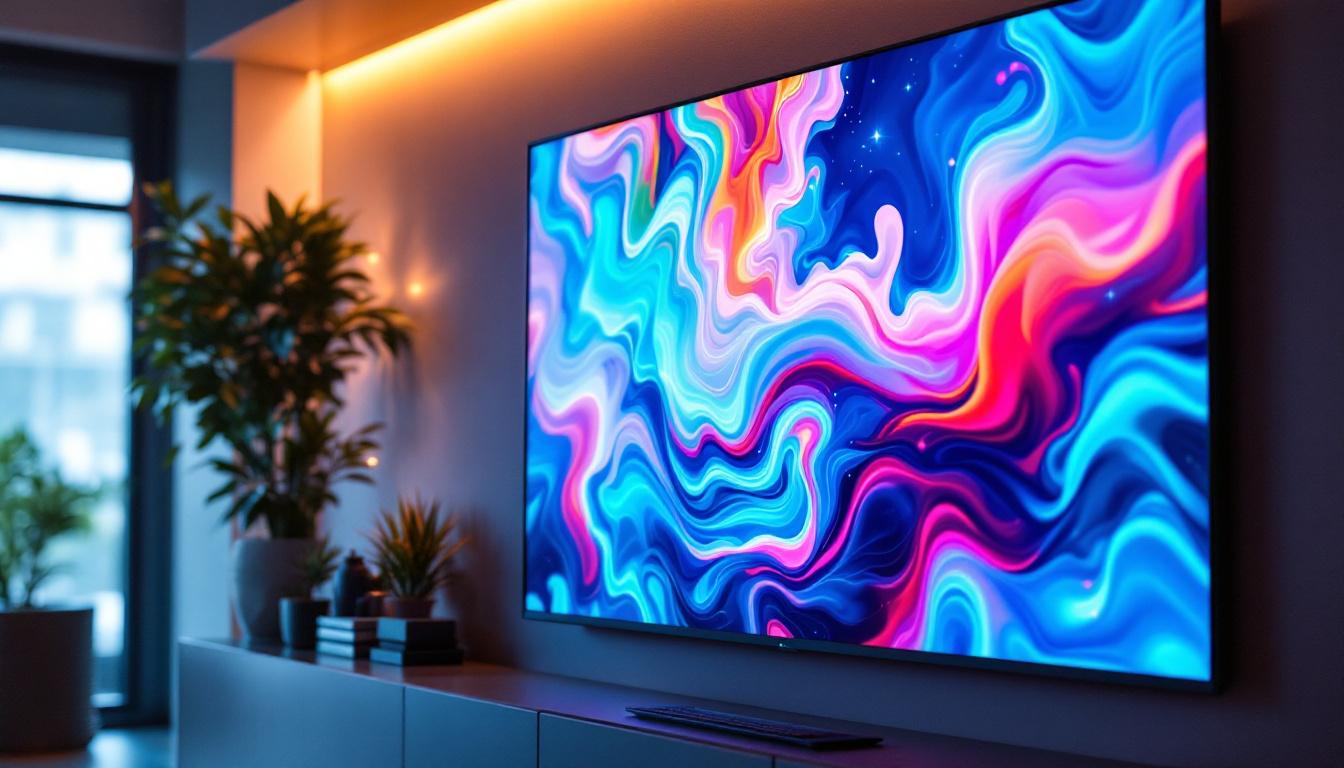
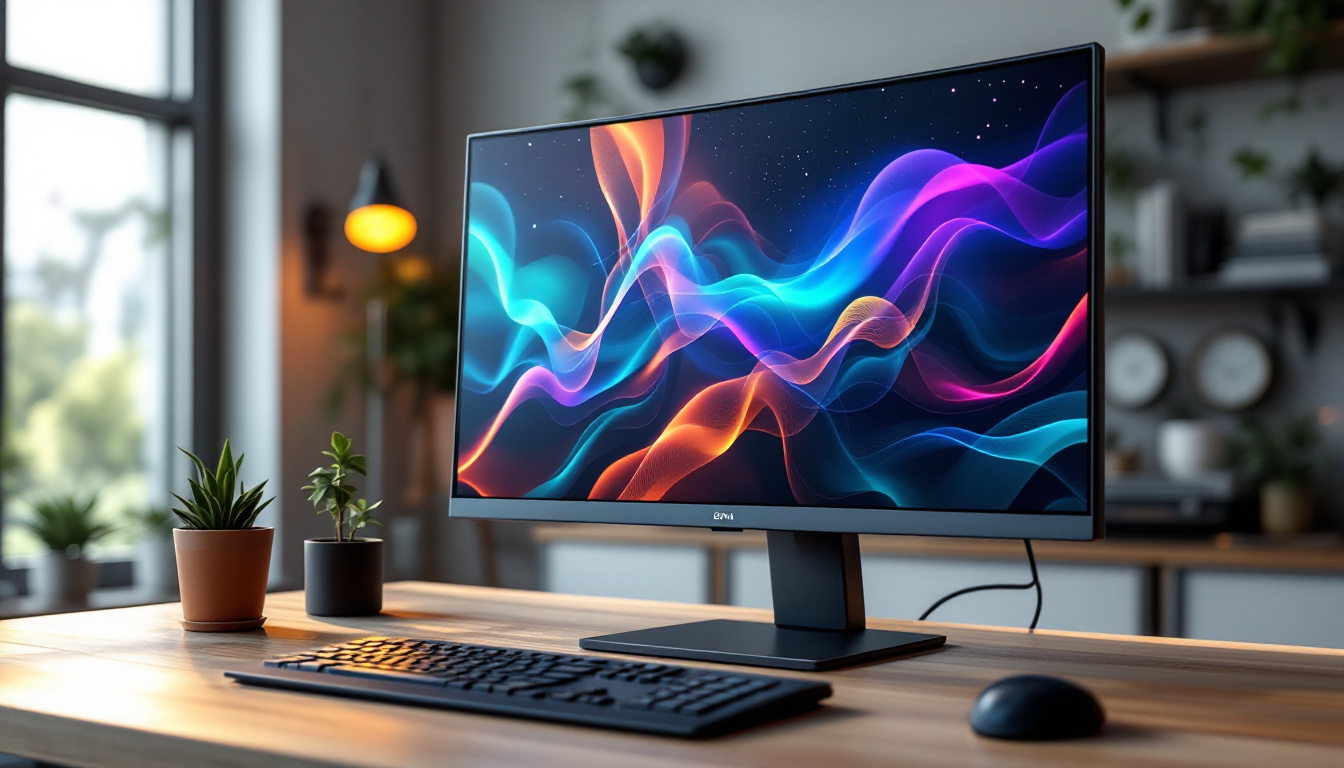
LED stands for Light Emitting Diode, a semiconductor device that emits light when an electric current passes through it. An LED display is a flat panel display that uses an array of LEDs as pixels to create images, videos, or text. Unlike traditional LCD or plasma screens, LED displays rely on these tiny light sources to produce bright, colorful, and energy-efficient visuals.
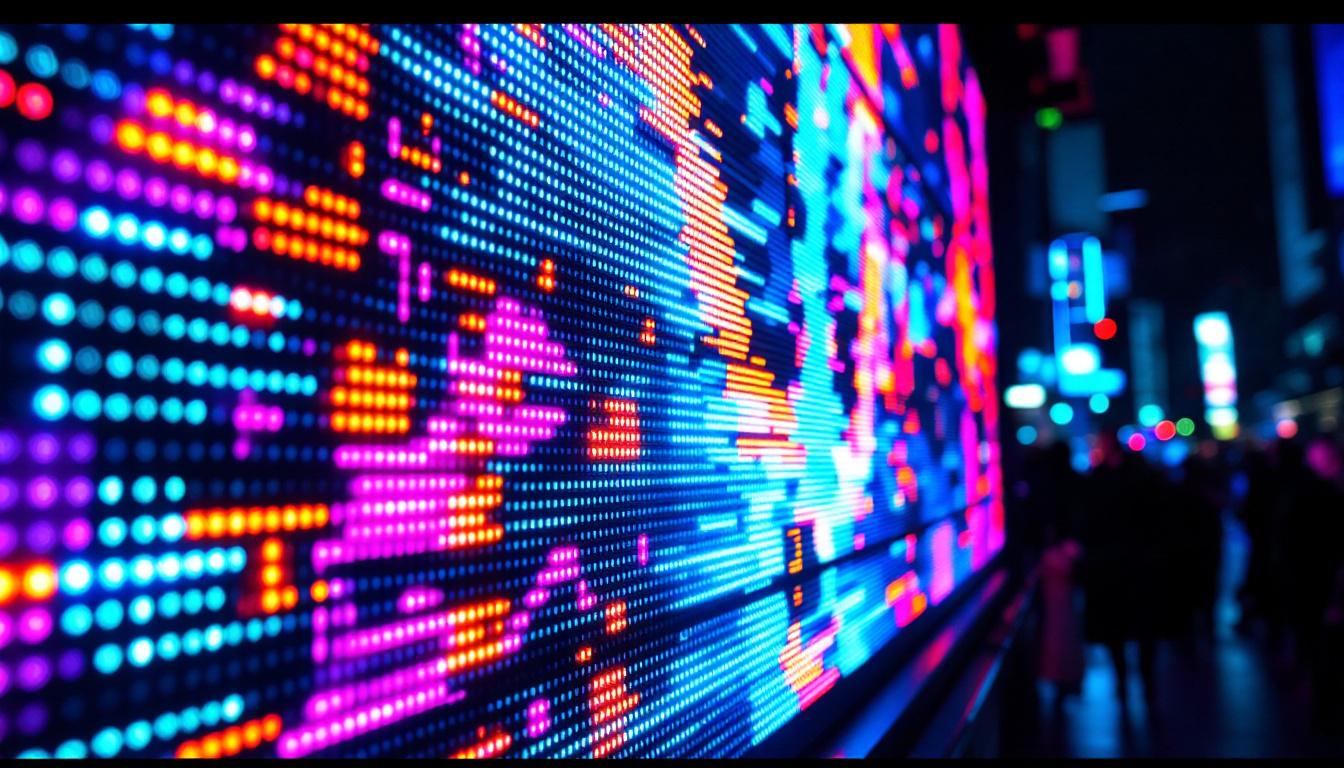
The fundamental principle behind LED displays is simple: thousands, sometimes millions, of individual LEDs are arranged in a grid. Each LED can be controlled independently to emit different colors and brightness levels, allowing the display to form complex images. The technology has evolved significantly since its inception, enabling screens of various sizes, resolutions, and applications.
How LED Displays Work
Each LED in the display is a tiny light source that can emit red, green, or blue light. By combining these three primary colors at varying intensities, the display can produce a full spectrum of colors. This process is known as additive color mixing. The LEDs are controlled by a driver circuit that adjusts their brightness and color based on the input signal.
Modern LED displays often use surface-mounted device (SMD) technology, where the red, green, and blue diodes are packaged together in a single LED unit. This design allows for higher pixel density and better color accuracy, making SMD LED displays popular for indoor environments.
Types of LED Displays
LED displays come in various types, each suited for different environments and purposes. Understanding these types helps in selecting the right display for specific needs.
1. Indoor LED Displays
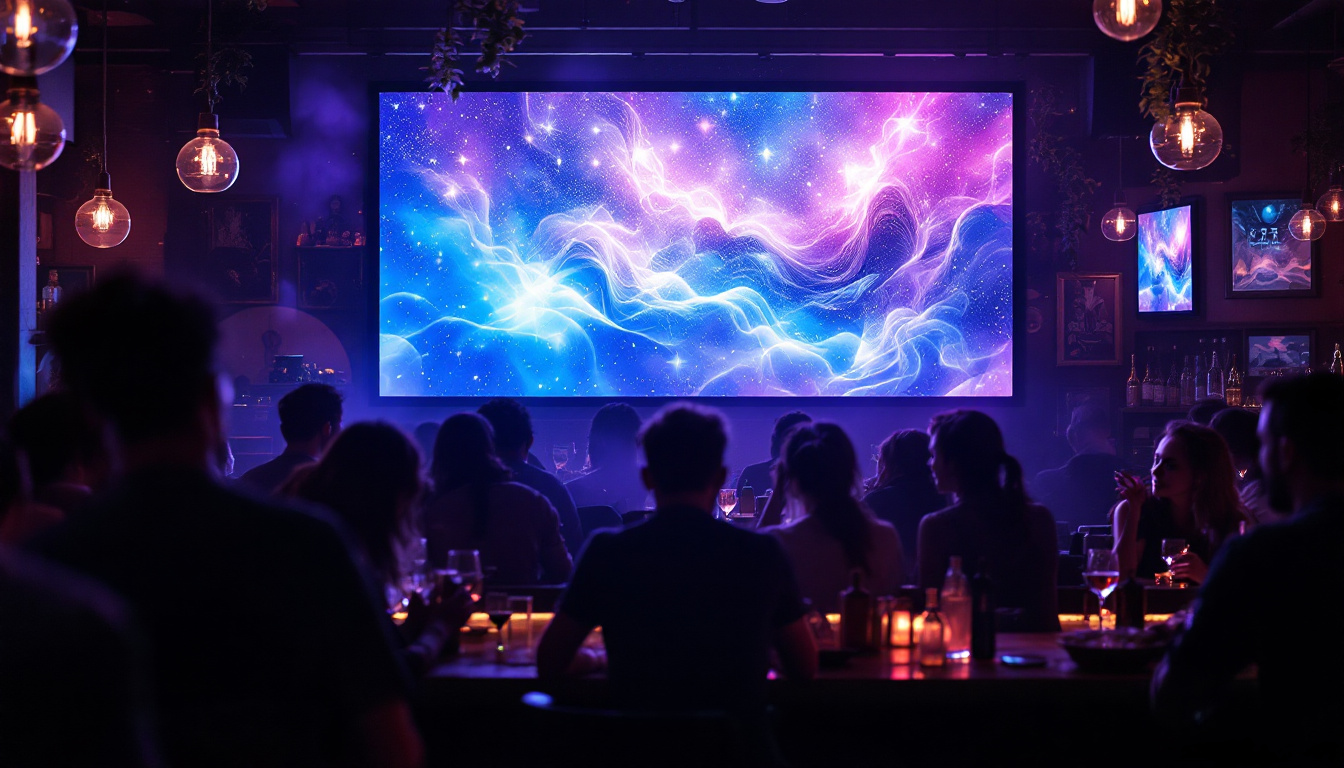
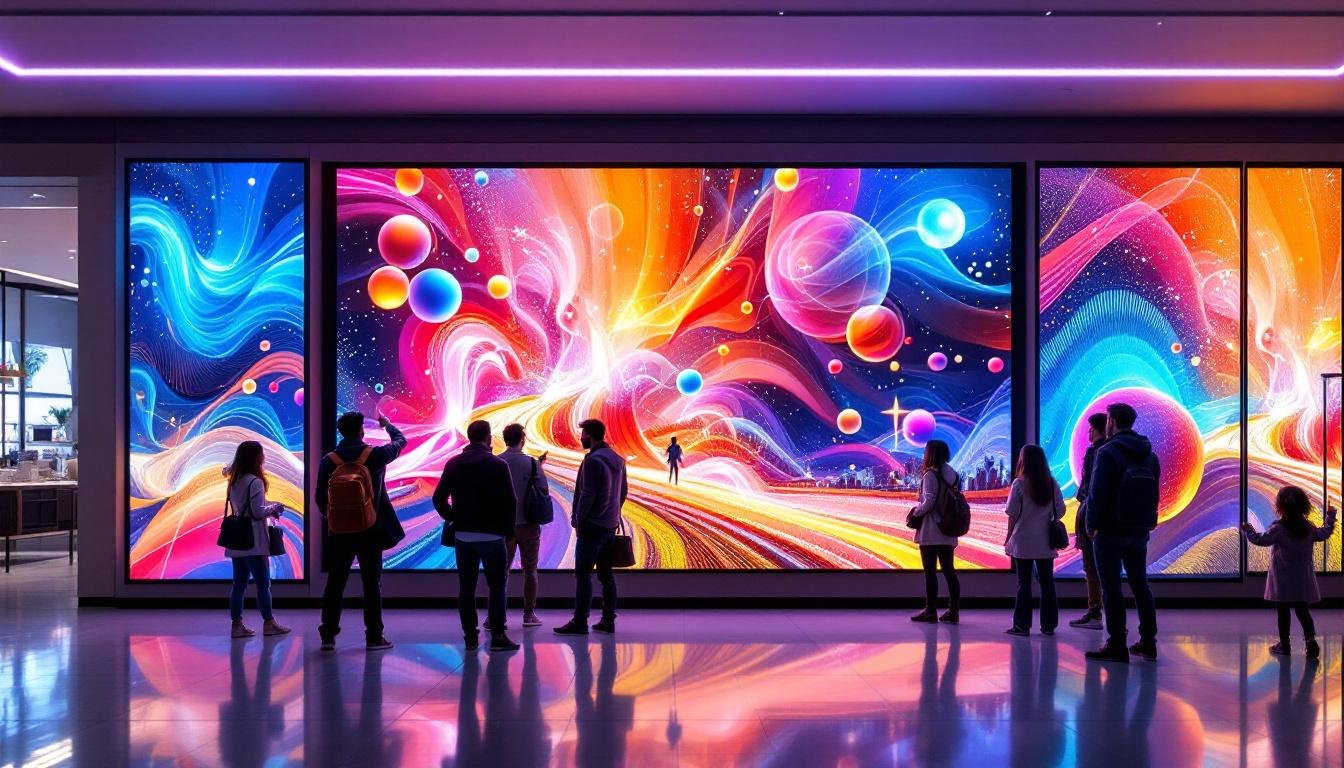
Indoor LED displays are designed for use inside buildings where ambient light levels are controlled. These displays typically have a higher pixel density, meaning the LEDs are packed closely together to provide sharper images at close viewing distances. Common applications include retail signage, conference rooms, shopping malls, and indoor sports arenas.
Because of the controlled lighting environment, indoor LED displays usually have brightness levels ranging from 800 to 1,500 nits, which is sufficient to produce vivid images without causing eye strain.
2. Outdoor LED Displays
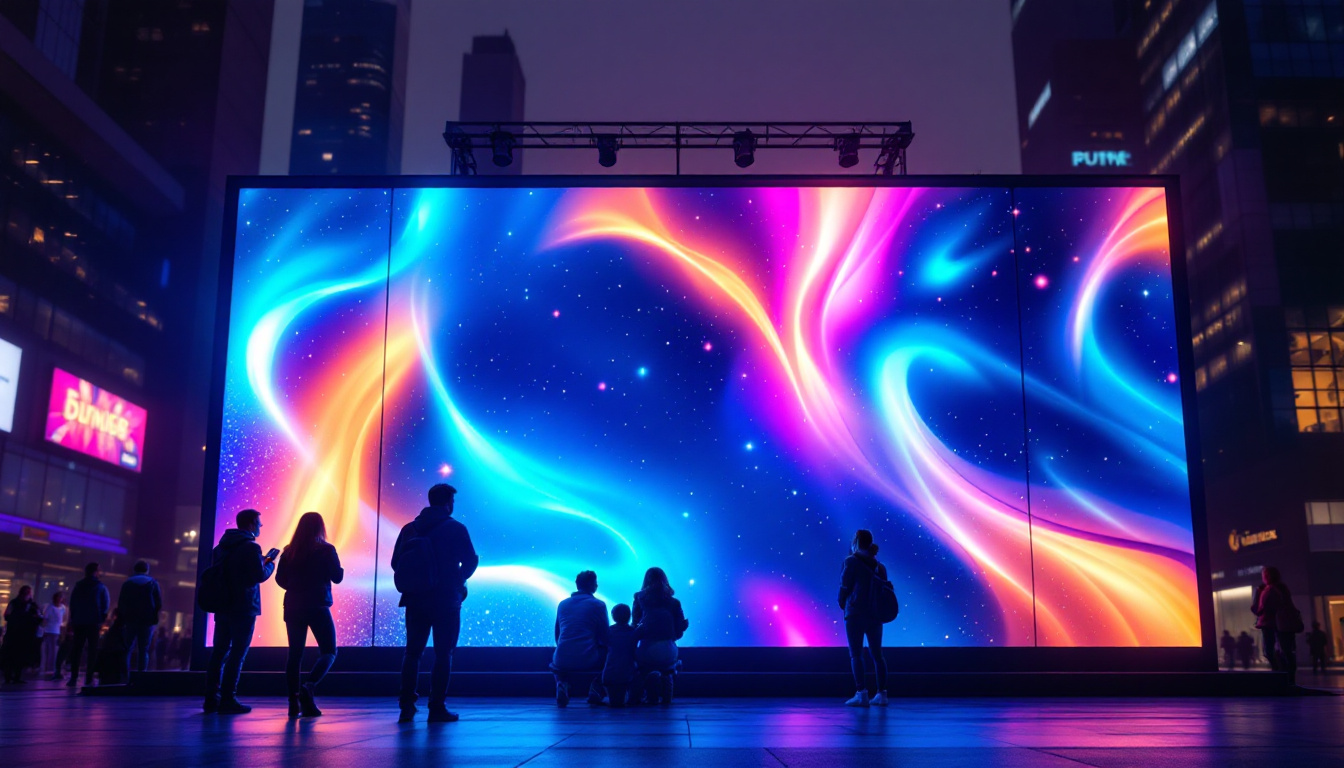
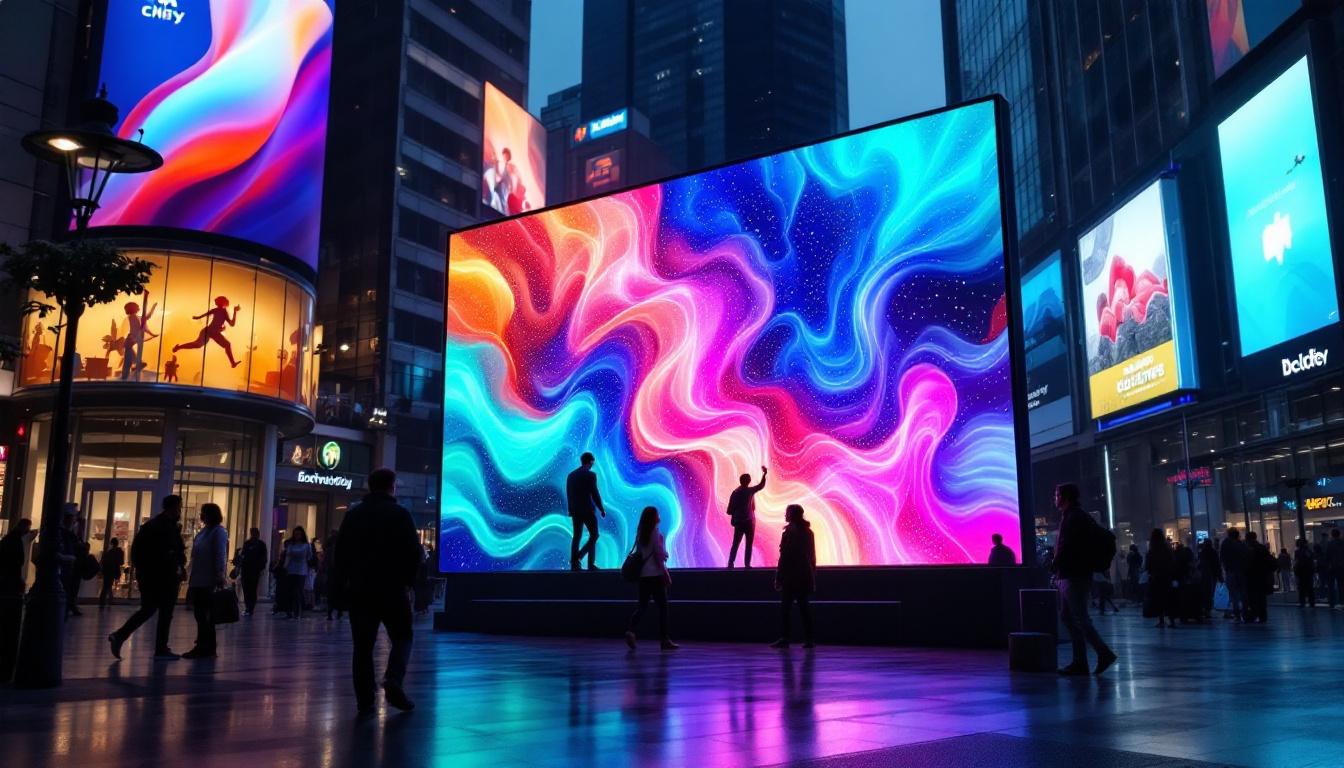
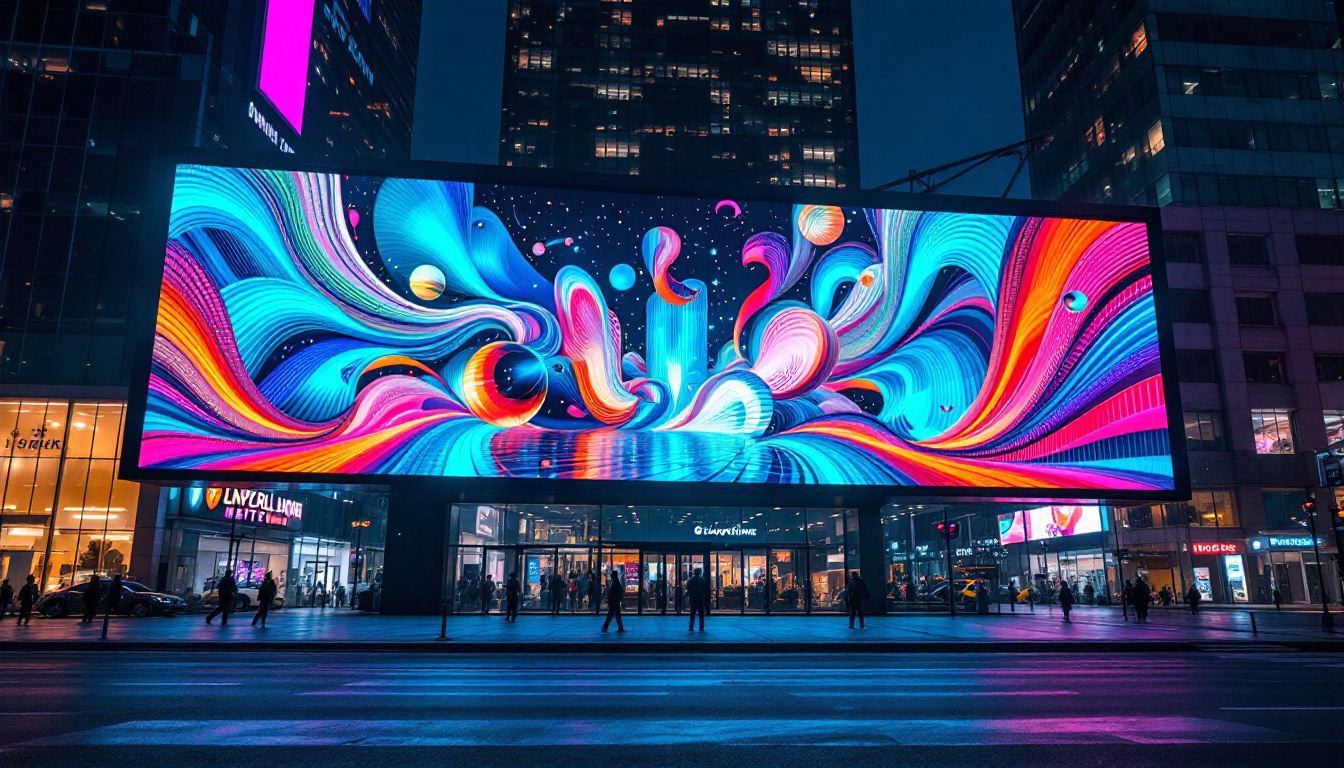
Outdoor LED displays are built to withstand harsh weather conditions such as rain, wind, and extreme temperatures. They are generally brighter than indoor displays, often exceeding 5,000 nits, to ensure visibility even in direct sunlight. These displays are commonly used for billboards, stadium screens, transportation hubs, and public information boards.
Durability and waterproofing are critical features of outdoor LED displays, along with anti-glare coatings to improve readability. The pixel pitch—the distance between individual LEDs—is usually larger than indoor displays, as viewers tend to see these screens from greater distances.
3. Transparent LED Displays
Transparent LED displays are an innovative type of screen that allows light to pass through them, making them ideal for use on glass surfaces such as storefront windows or building facades. These displays combine visibility with digital content, enabling advertisers to showcase dynamic content without obstructing views.
The technology uses a mesh of LEDs with gaps that maintain transparency. While the pixel density and brightness might be lower than traditional LED displays, their unique aesthetic and functional advantages make them increasingly popular in retail and architectural applications.
4. Flexible LED Displays
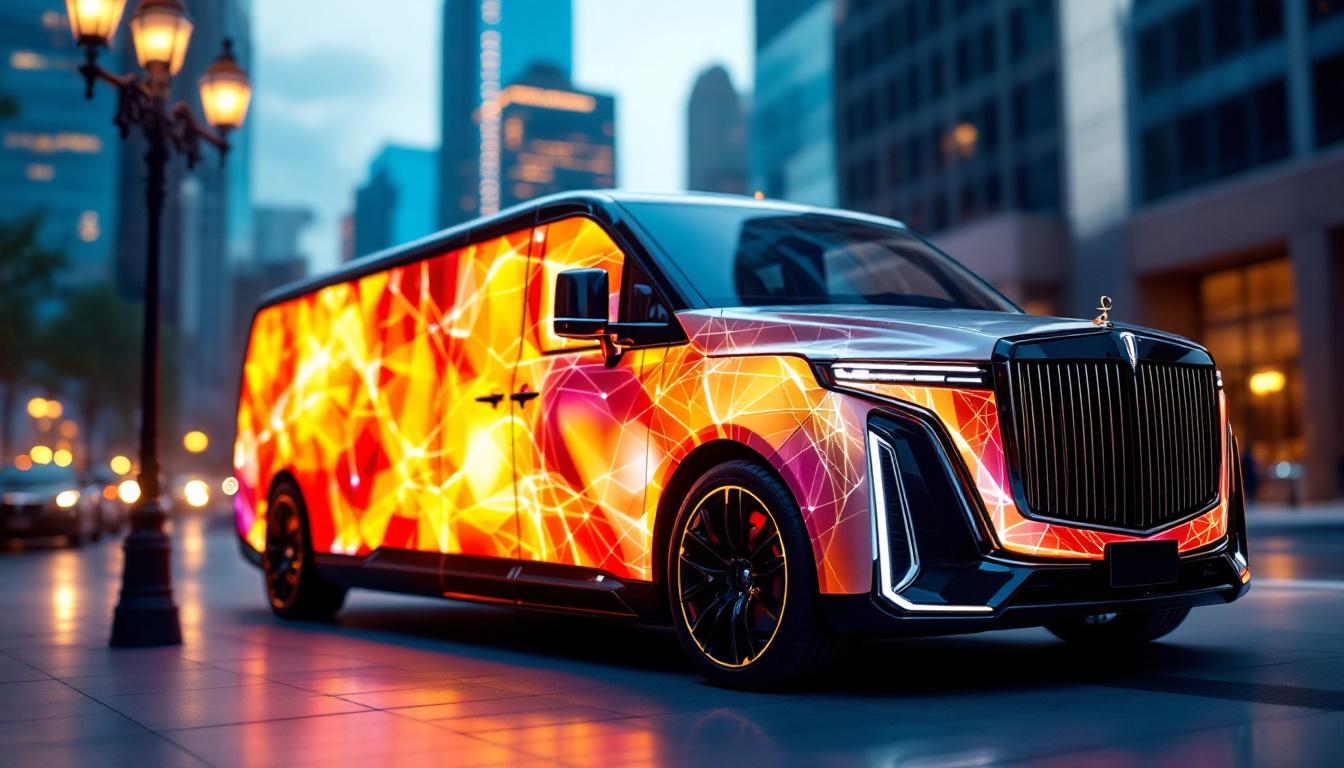
Flexible LED displays utilize bendable substrates, allowing the screen to curve or wrap around surfaces. This flexibility opens up creative possibilities for designers and advertisers, enabling displays on curved walls, columns, and even wearable devices.
While still emerging, flexible LED technology is gaining traction due to advancements in materials science and manufacturing processes. These displays maintain brightness and color quality while adapting to unconventional shapes.
Key Advantages of LED Displays
LED displays offer numerous benefits over other display technologies, which explains their widespread adoption across industries.
Superior Brightness and Visibility
One of the primary advantages of LED displays is their exceptional brightness. With the ability to reach thousands of nits, LED screens remain visible in bright daylight conditions where LCD or projection screens would wash out. This makes them ideal for outdoor advertising and public information displays.
Energy Efficiency and Longevity
LEDs are inherently energy-efficient, consuming less power than traditional lighting and display technologies. This efficiency translates into lower operating costs, especially for large-scale installations that run continuously. Additionally, LEDs have a long lifespan, often exceeding 100,000 hours, reducing maintenance and replacement expenses.
High Contrast and Color Accuracy
LED displays can achieve deep blacks and vibrant colors due to their ability to turn off individual pixels completely. This capability results in higher contrast ratios and more vivid images, enhancing the viewer’s experience whether watching a video or reading text.
Scalability and Customization
LED displays are highly scalable, ranging from small panels to massive video walls covering entire building facades. Their modular design allows for customization in size, shape, and resolution, catering to diverse applications from retail signage to large-scale event screens.
Applications of LED Displays
The versatility of LED displays has led to their adoption in a wide array of sectors. Below are some of the most prominent applications.
Advertising and Marketing
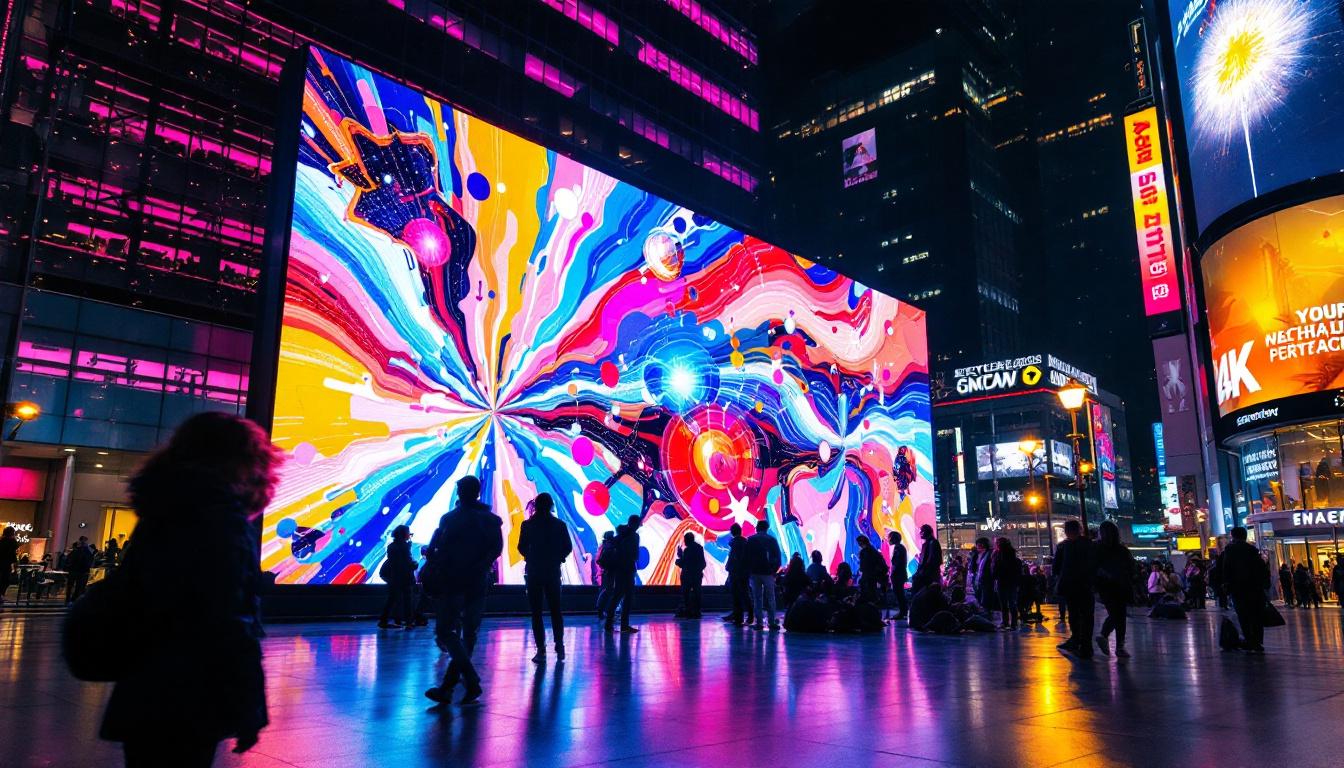
Digital signage powered by LED displays has revolutionized advertising. Brands can deliver dynamic, eye-catching content that captures attention more effectively than static billboards. The ability to update content remotely and in real-time adds flexibility and responsiveness to marketing campaigns.
According to a 2023 report by Grand View Research, the global digital signage market is expected to grow at a compound annual growth rate (CAGR) of 8.5% through 2030, driven largely by advancements in LED technology and demand for engaging advertising solutions.
Sports and Entertainment Venues
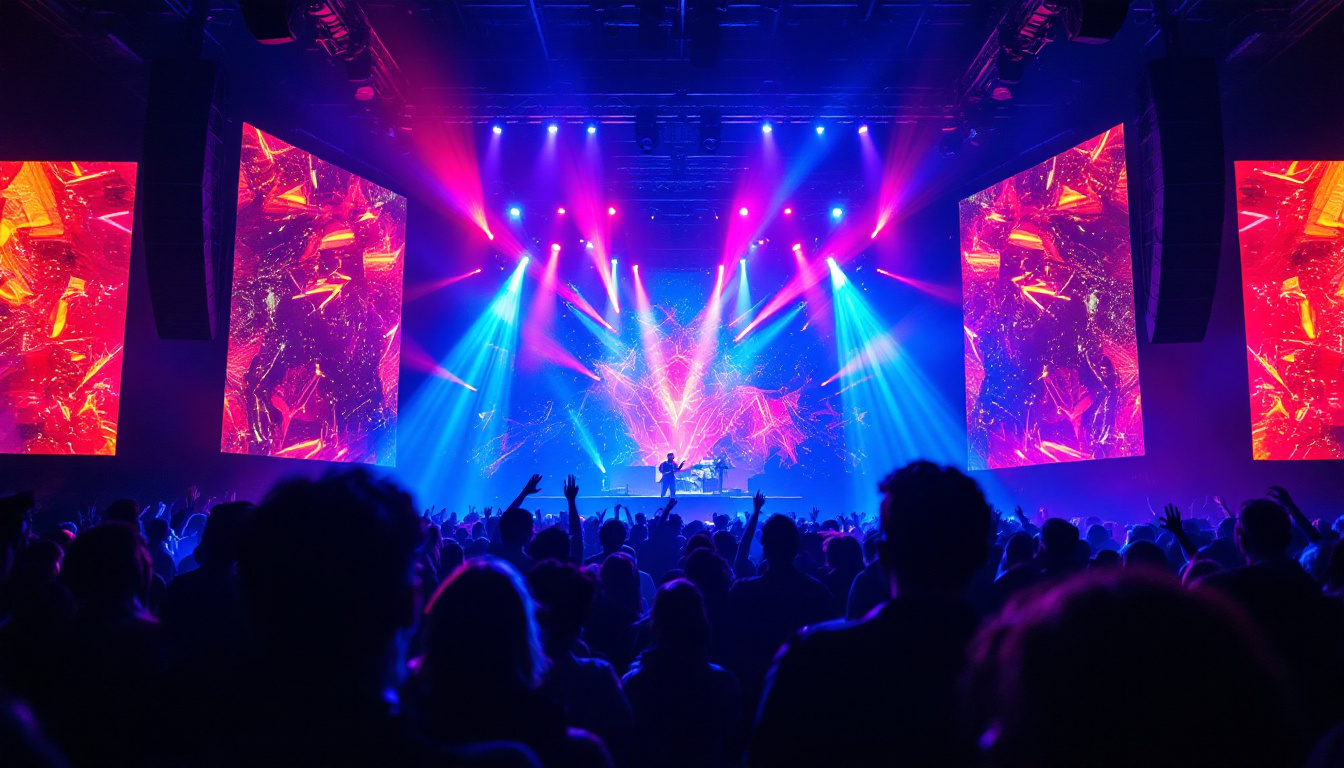
LED displays are ubiquitous in stadiums, arenas, and concert venues. They provide live video feeds, replays, scores, and advertisements, enhancing the spectator experience. Their large size and brightness ensure visibility from all seating areas, even under challenging lighting conditions.
Transportation and Public Information
Airports, train stations, and bus terminals use LED displays to provide real-time information such as schedules, arrivals, departures, and alerts. The clarity and brightness of LED screens ensure passengers can easily access critical information.
Retail and Hospitality
Retailers use LED displays for promotional messaging, product information, and interactive experiences. In hospitality, LED screens enhance ambiance and provide guests with information and entertainment.
Corporate and Educational Settings
In offices and educational institutions, LED displays serve as presentation tools, video conferencing screens, and digital notice boards. Their clarity and adaptability improve communication and engagement.
Technical Considerations When Choosing an LED Display
Selecting the right LED display involves evaluating several technical factors to ensure optimal performance and return on investment.
Pixel Pitch
Pixel pitch refers to the distance between the centers of two adjacent pixels. A smaller pixel pitch means higher resolution and sharper images, especially important for close viewing distances. For example, indoor displays often have pixel pitches as low as 1.2mm, while outdoor displays may have pitches of 10mm or more.
Brightness and Contrast
Brightness is measured in nits and determines how well the display performs under various lighting conditions. Outdoor displays require higher brightness levels to combat sunlight, while indoor displays need less brightness but benefit from higher contrast ratios for image clarity.
Viewing Angle
The viewing angle defines the range from which the display can be seen clearly without color distortion or brightness loss. Wider viewing angles are crucial for public displays where audiences view from multiple directions.
Refresh Rate
The refresh rate, measured in Hertz (Hz), indicates how many times per second the image is updated. Higher refresh rates reduce flicker and improve the quality of video playback, which is especially important for broadcasting and live events.
Durability and Environmental Protection
For outdoor installations, displays must have robust enclosures with protection ratings such as IP65 or higher to resist dust and water ingress. Additionally, temperature control systems help maintain performance in extreme weather.
Future Trends in LED Display Technology
The LED display industry continues to innovate, driven by demand for better performance, flexibility, and new applications.
MicroLED and MiniLED
MicroLED technology uses microscopic LEDs to create displays with exceptional brightness, contrast, and energy efficiency. It promises to combine the best features of OLED and traditional LED displays without issues like burn-in. MiniLED, a related technology, uses smaller LEDs to improve backlighting in LCD panels, enhancing contrast and color accuracy.
Higher Resolutions and HDR Support
As content quality improves, LED displays are evolving to support 4K and even 8K resolutions, along with High Dynamic Range (HDR) for richer colors and deeper blacks. These advancements enable more immersive viewing experiences for consumers and audiences.
Integration with AI and IoT
Smart LED displays integrated with artificial intelligence (AI) and the Internet of Things (IoT) enable personalized content delivery, interactive features, and remote diagnostics. This integration enhances operational efficiency and user engagement.
Eco-Friendly Materials and Energy Savings
Manufacturers are focusing on sustainability by using eco-friendly materials and improving energy efficiency. Innovations aim to reduce the carbon footprint of LED display production and operation, aligning with global environmental goals.
Conclusion
LED displays have transformed the way information and entertainment are presented across multiple industries. Their superior brightness, energy efficiency, and versatility make them the preferred choice for indoor and outdoor applications alike. As technology advances, LED displays will continue to evolve, offering higher resolutions, smarter features, and more sustainable solutions.
For businesses and organizations looking to invest in display technology, understanding the nuances of LED displays—from pixel pitch to environmental durability—is essential for making informed decisions that maximize impact and value.
Whether it’s captivating advertising, enhancing live events, or delivering critical information, LED displays stand at the forefront of visual communication, illuminating the future with vibrant possibilities.
Illuminate Your Space with LumenMatrix
Ready to elevate your visual presence and captivate your audience with unparalleled clarity? Discover LumenMatrix’s innovative LED display solutions, where cutting-edge technology meets creative design. From vibrant Indoor LED Walls to dynamic Outdoor Displays and beyond, LumenMatrix tailors to every environment, ensuring your message shines bright. Don’t just communicate—mesmerize. Check out LumenMatrix LED Display Solutions today and transform your space into a beacon of engagement.