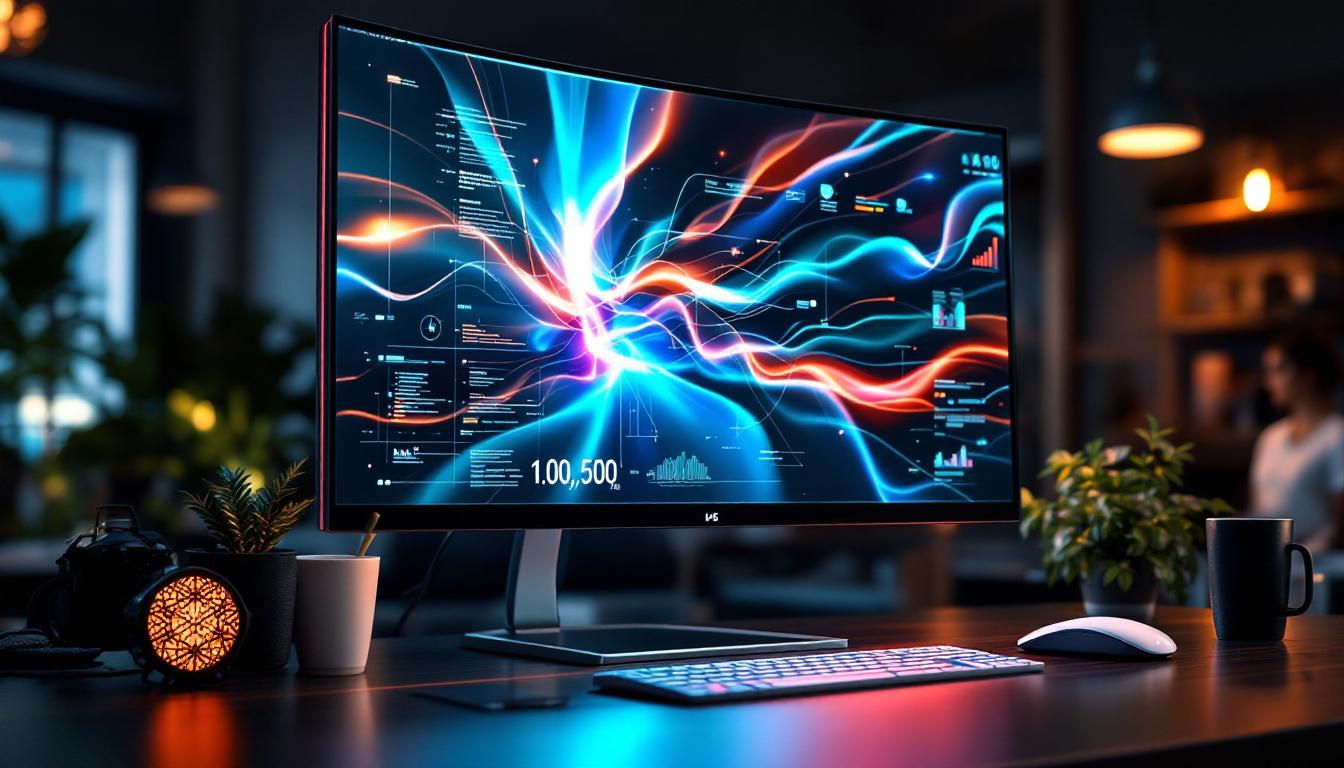
In today’s fast-evolving digital landscape, LED displays have become a cornerstone technology for advertising, information dissemination, and entertainment. From massive stadium screens to intricate architectural installations, LED displays offer unparalleled brightness, versatility, and energy efficiency. For professionals in design, engineering, and construction, understanding the nuances of LED technology is essential—especially when leveraging Autodesk software solutions to design, simulate, and manage these displays.
This article explores LED displays in depth, focusing on their technology, applications, and the role Autodesk resellers play in providing comprehensive solutions. Whether you are an architect, engineer, or project manager, this guide will help you grasp the critical elements of LED displays and how Autodesk tools can streamline your projects.
Understanding LED Display Technology
LED, or Light Emitting Diode, displays consist of numerous tiny light sources that combine to form images or videos. Unlike traditional display technologies such as LCD or plasma, LEDs emit light directly, resulting in higher brightness and better contrast ratios. This intrinsic property makes LED displays ideal for both indoor and outdoor environments. The energy efficiency of LED technology also contributes to its growing popularity, as it consumes less power compared to other display types, leading to lower operational costs and a reduced carbon footprint.
How LED Displays Work
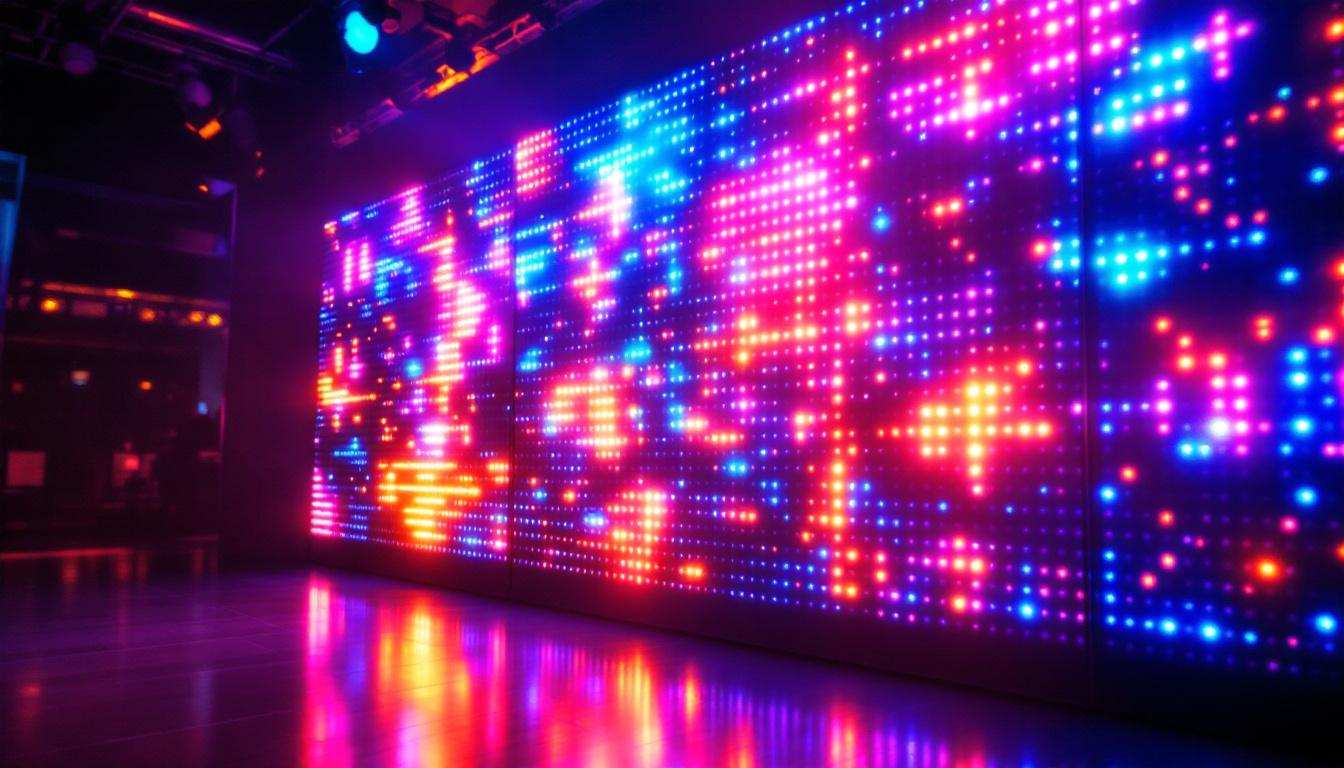
Each LED display is composed of an array of pixels, with each pixel typically containing three sub-pixels: red, green, and blue. By varying the intensity of these sub-pixels, the display can produce a wide spectrum of colors. The control system modulates these intensities rapidly to create dynamic images and videos. Advanced technologies, such as pulse-width modulation, enhance the display’s ability to produce smooth gradients and vibrant colors, making them particularly effective for video playback and high-definition content.
The modular design of LED panels allows them to be assembled into virtually any size or shape. This scalability is a significant advantage for architects and designers who require custom installations that fit unique spatial constraints. Furthermore, the lightweight nature of LED panels facilitates easier installation and maintenance, enabling creative applications in places like concert stages, sports arenas, and even art installations, where traditional displays may not be feasible.
Types of LED Displays
There are several types of LED displays, each suited to different applications:
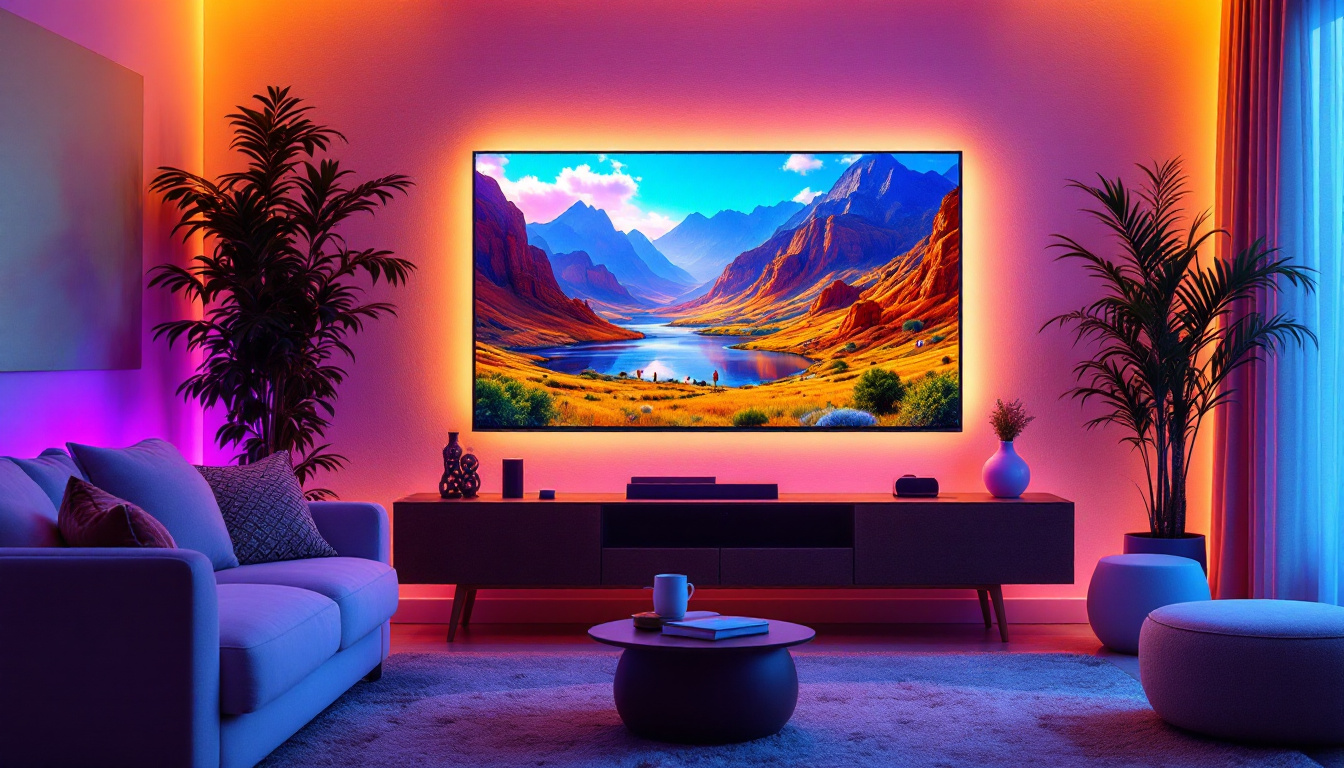
- Indoor LED Displays: Designed for environments with controlled lighting, these displays have higher pixel density for sharper images at close viewing distances. They are commonly used in retail environments, conference rooms, and entertainment venues, where clarity and detail are paramount.
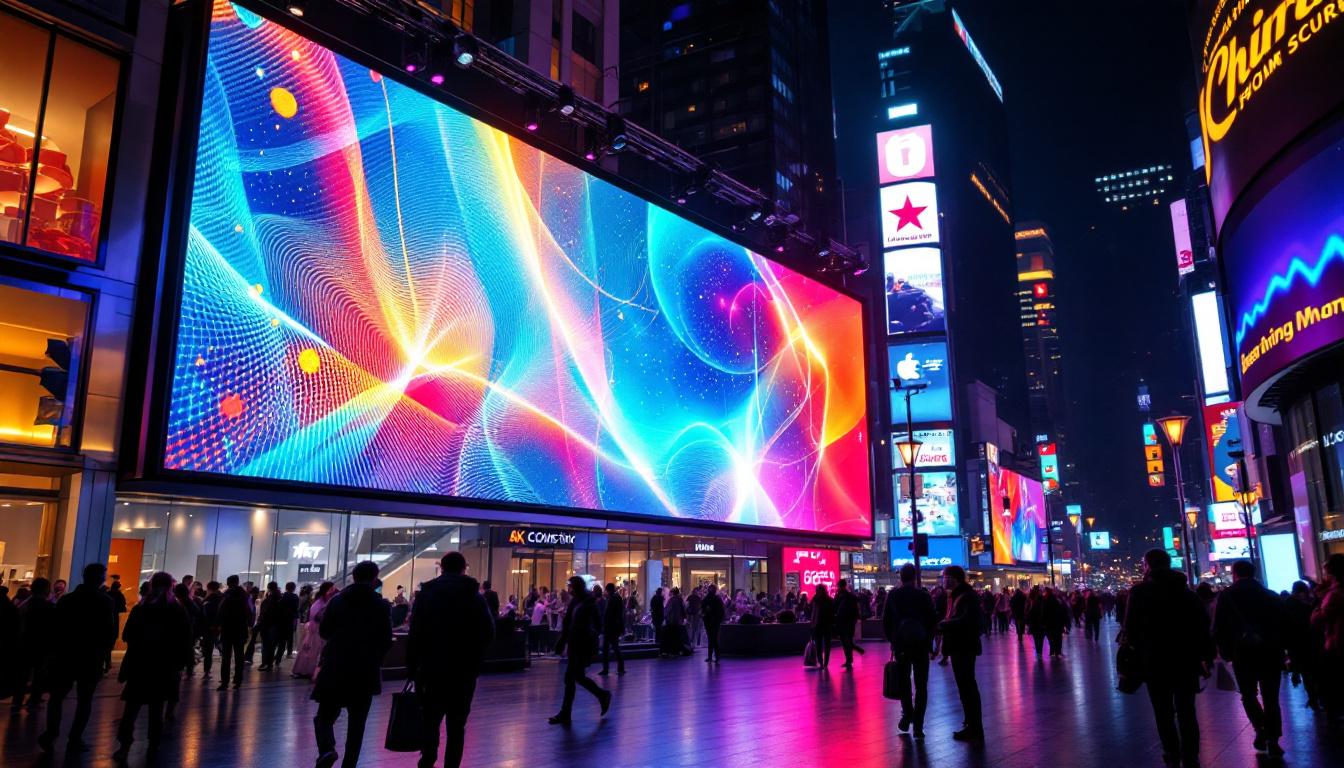
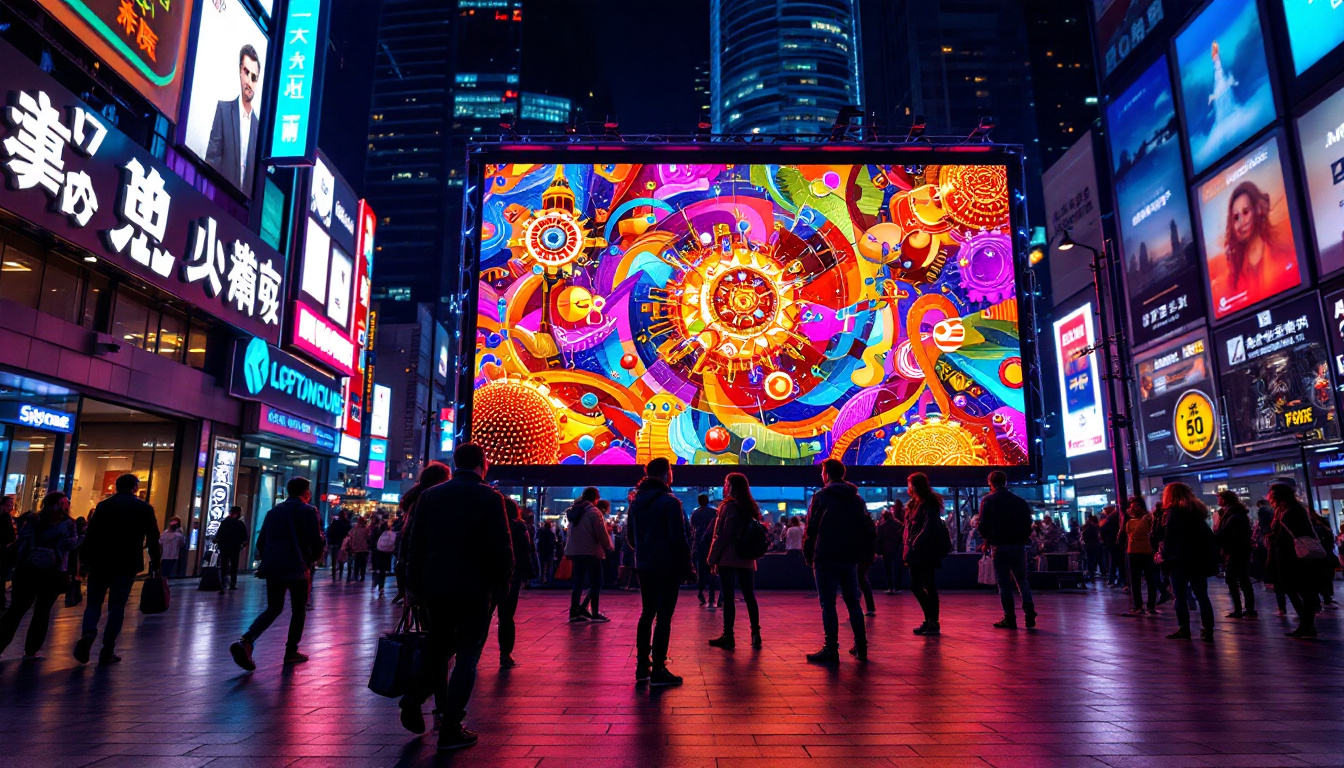
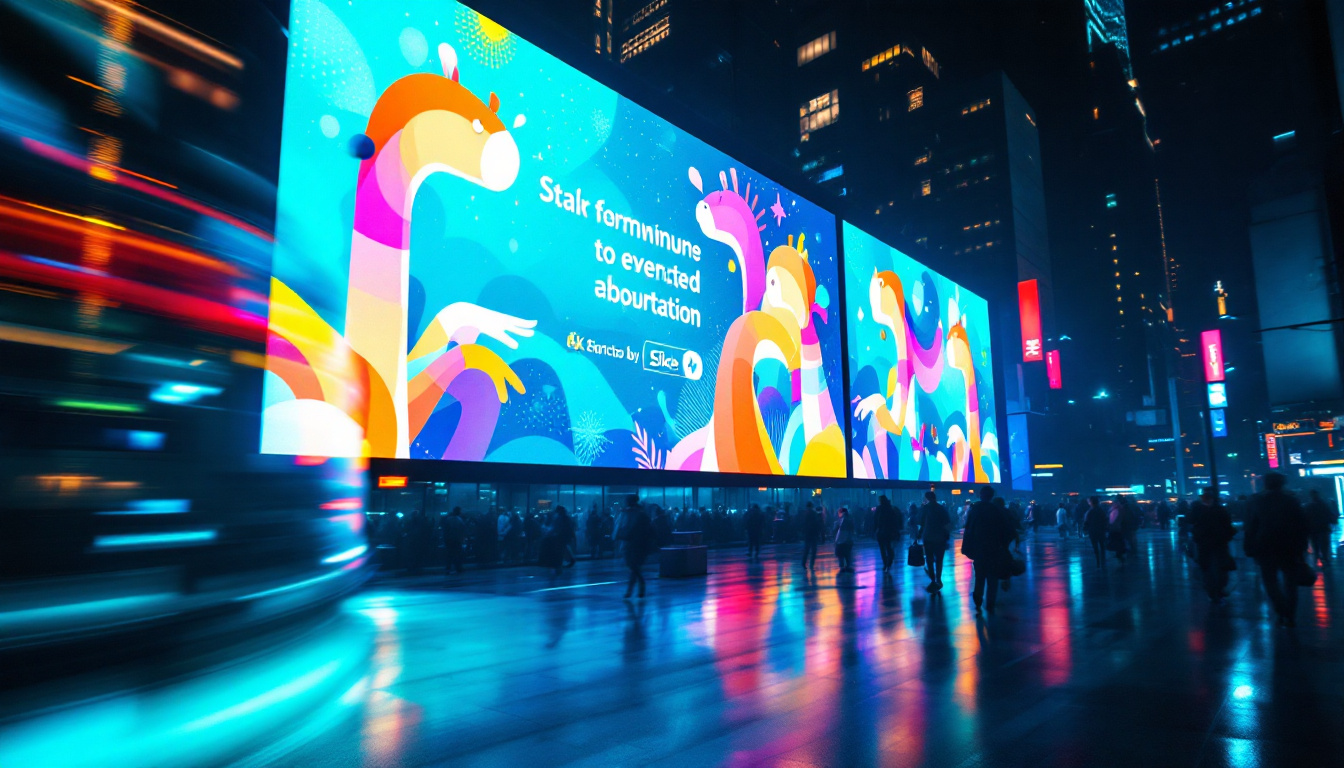
- Outdoor LED Displays: Built to withstand weather conditions, these displays feature higher brightness levels and rugged enclosures. They are often utilized for billboards, public announcements, and event promotions, ensuring visibility even in direct sunlight.
- Transparent LED Displays: These innovative displays allow light to pass through, making them ideal for storefronts and glass facades without obstructing views. They enable businesses to showcase products while maintaining an open and inviting atmosphere, merging digital advertising with physical space.
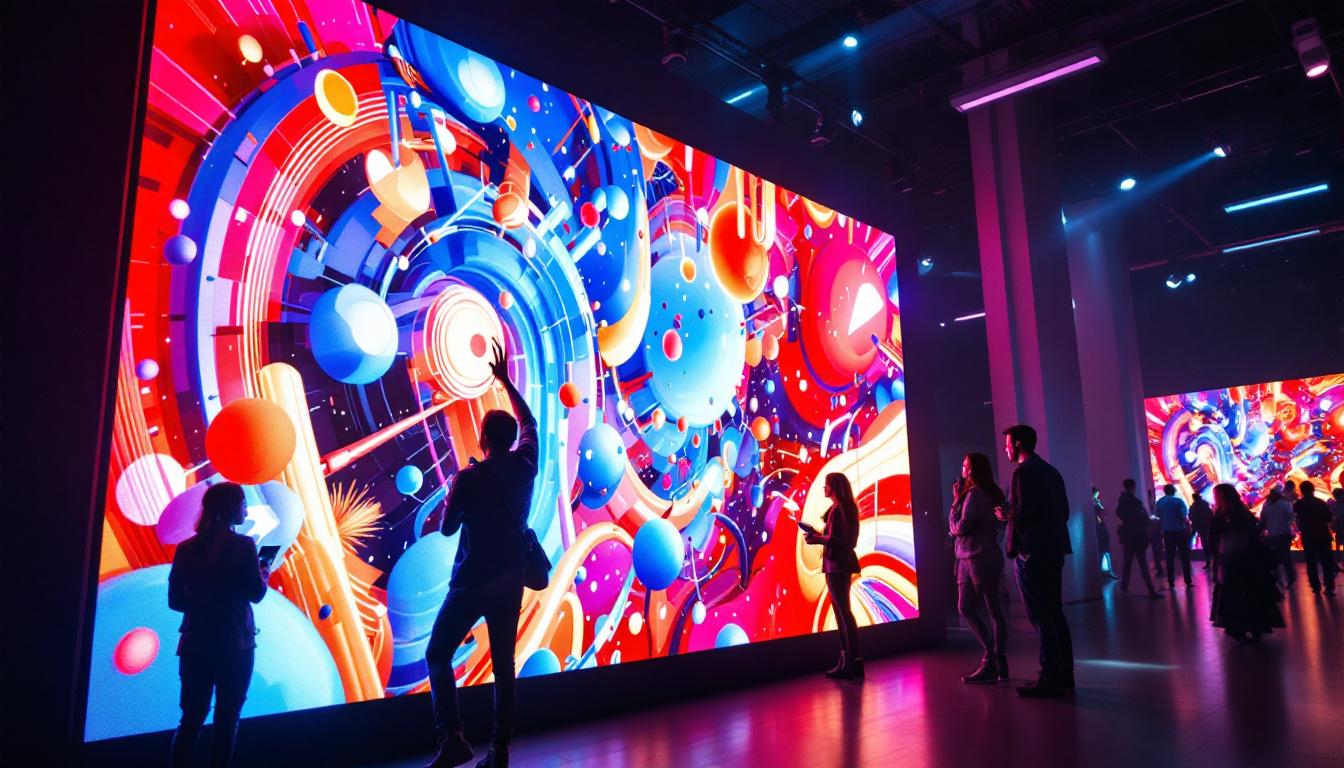
- Flexible LED Displays: Utilizing bendable panels, these displays can conform to curved surfaces, expanding creative possibilities. This flexibility opens up new avenues for design, allowing for unique installations in museums, exhibitions, and immersive environments that engage viewers in novel ways.
In addition to these types, LED technology continues to evolve, with advancements such as MicroLED and MiniLED displays gaining traction. MicroLED technology, for instance, offers even smaller individual light sources, resulting in enhanced color accuracy and energy efficiency. Meanwhile, MiniLED displays utilize a greater number of smaller LEDs for backlighting, providing improved contrast ratios and deeper blacks in LCD screens. As these technologies develop, they promise to further enhance the capabilities and applications of LED displays across various industries.
Applications of LED Displays in Various Industries
LED displays have permeated numerous sectors, transforming how information is presented and consumed. Their versatility and visual impact make them indispensable tools for communication and branding.
Advertising and Marketing
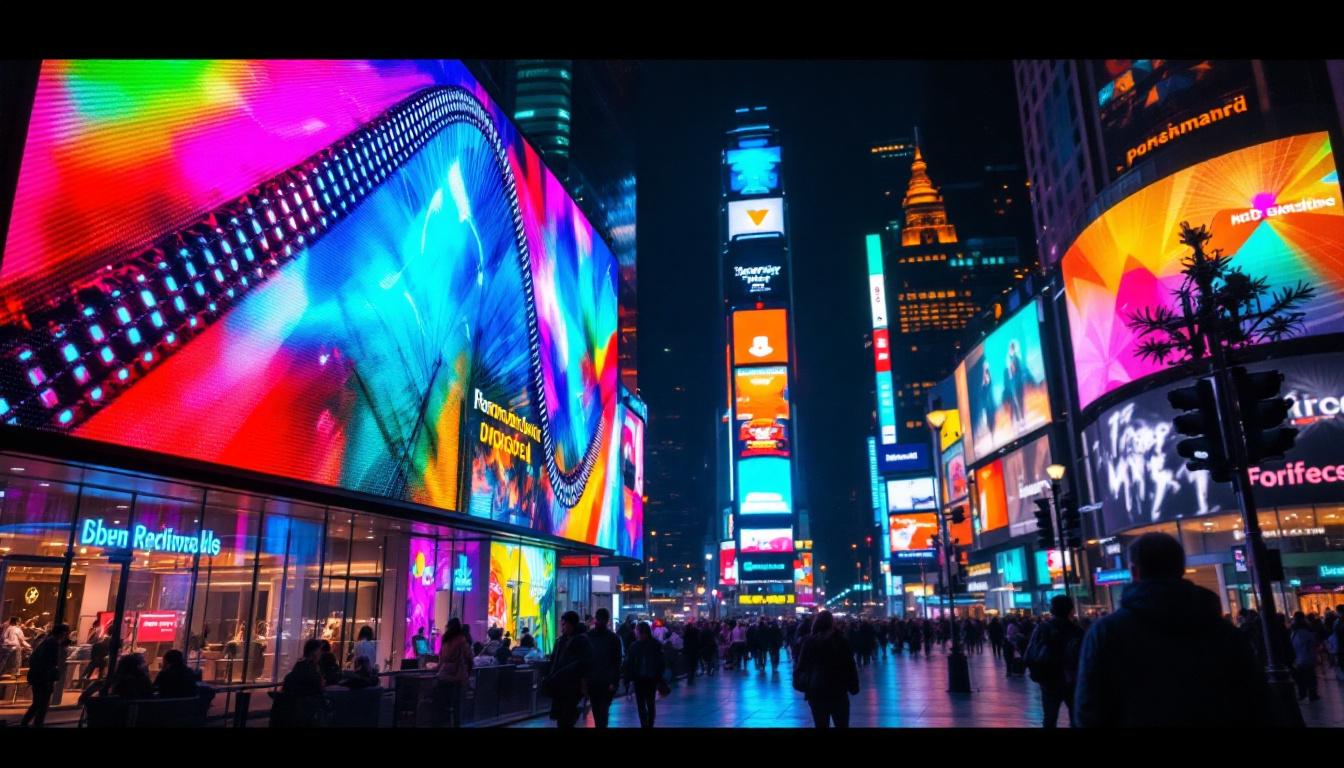
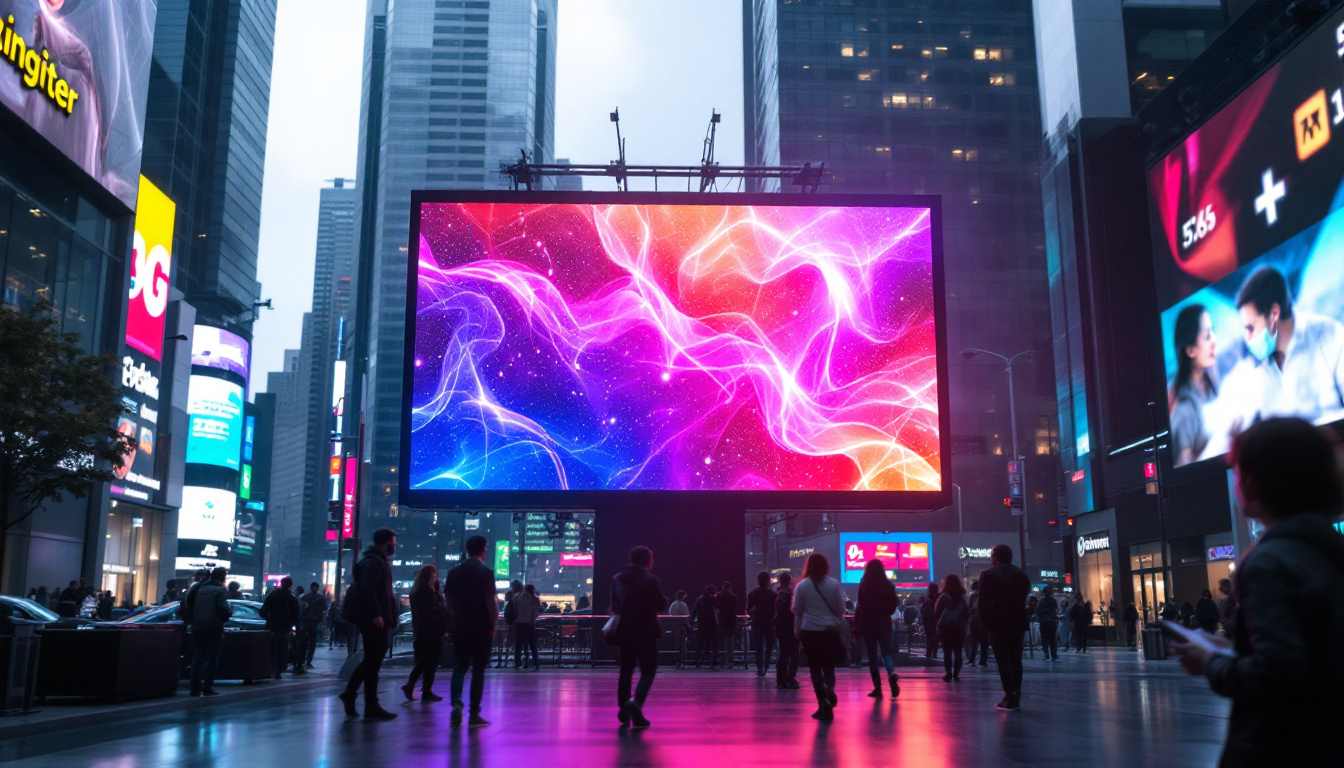
Outdoor billboards and digital signage are among the most common LED display applications. According to a 2023 report by Grand View Research, the global digital signage market is projected to reach $32.84 billion by 2028, growing at a CAGR of 7.5%. LED displays dominate this market due to their visibility in bright sunlight and ability to display dynamic content.
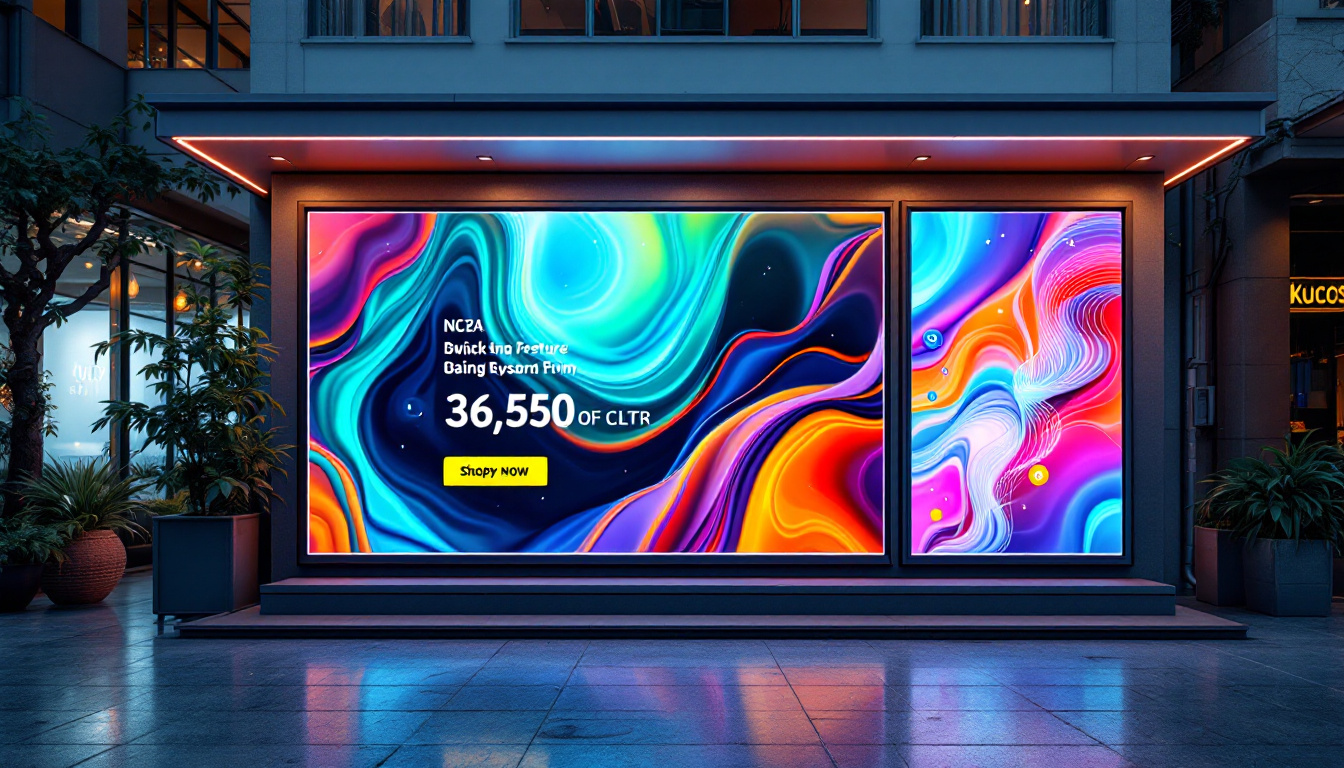
Retailers use LED displays to attract customers with vibrant promotions and interactive content. The ability to update messaging remotely and instantly is a game-changer for marketing campaigns, enabling real-time engagement and responsiveness.
Sports and Entertainment Venues
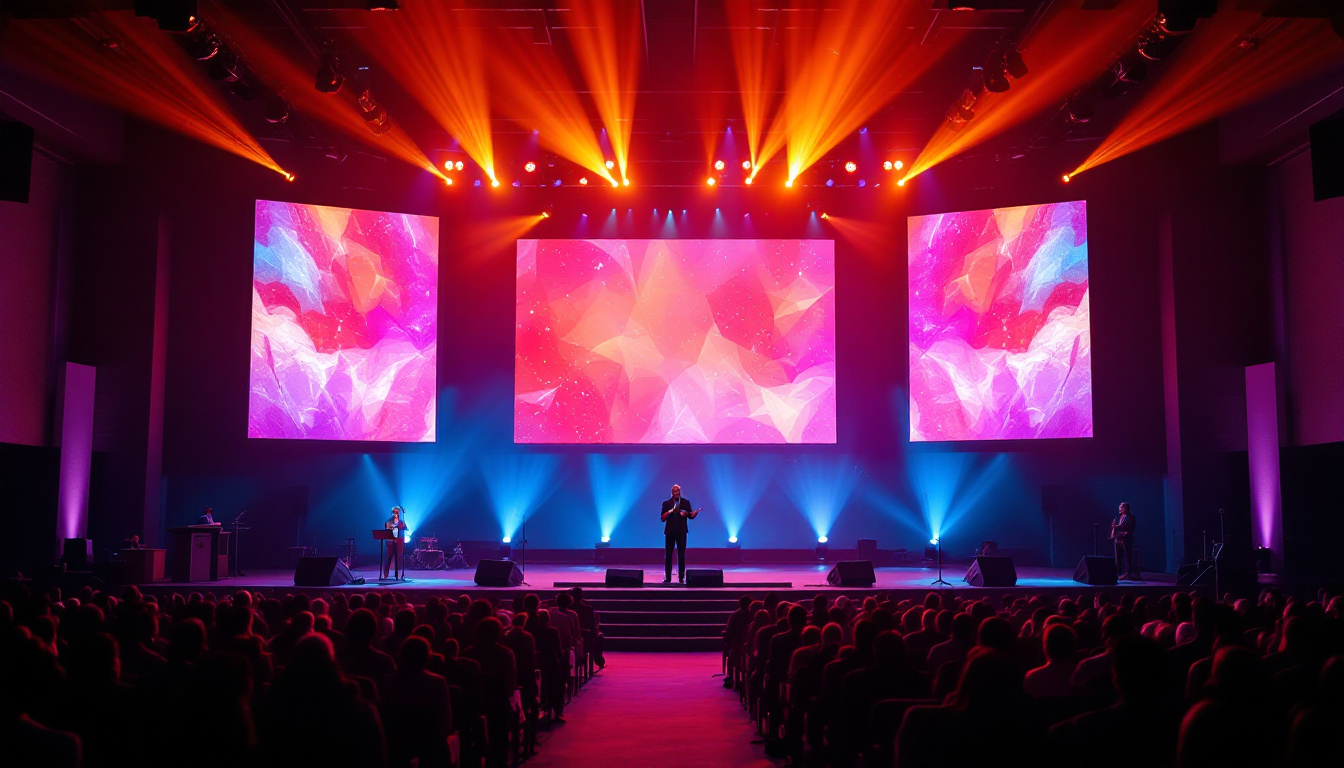
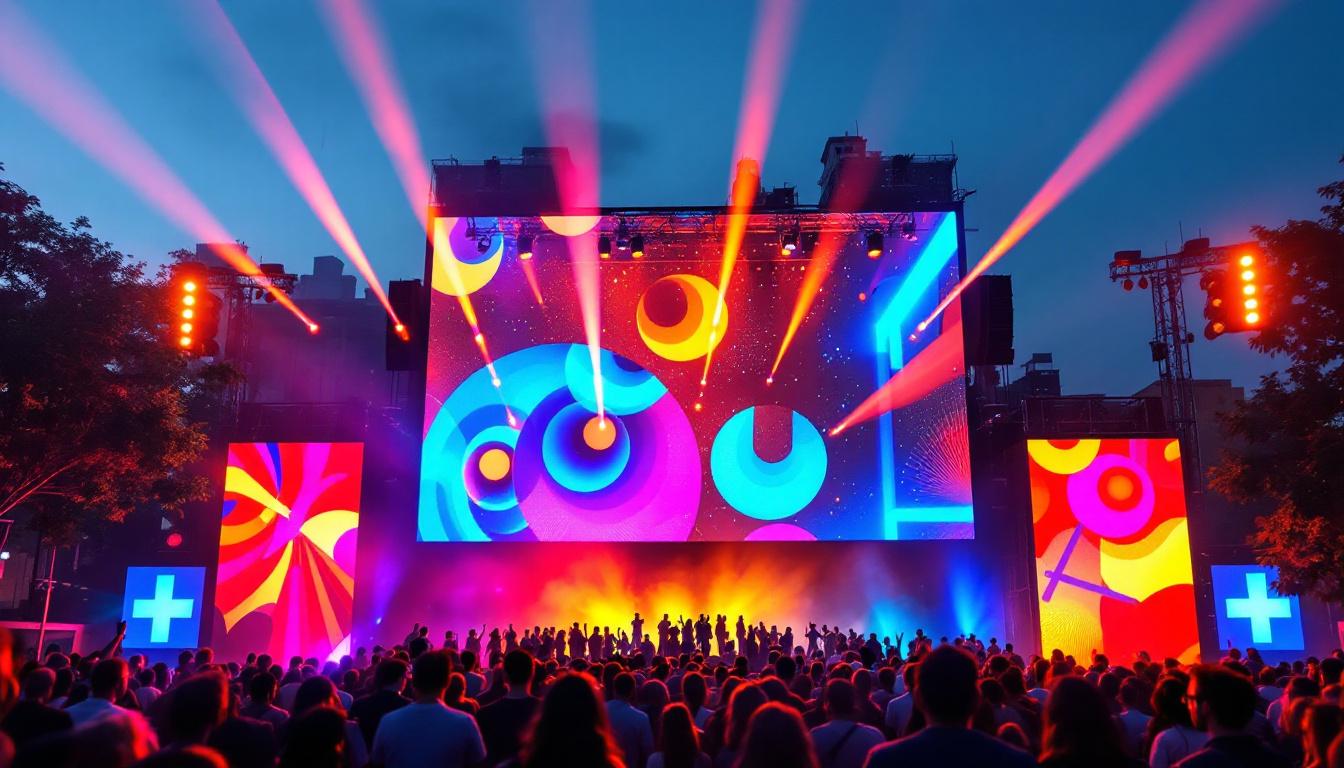
Stadiums and arenas utilize massive LED screens to enhance the spectator experience. These displays provide live game footage, instant replays, and interactive content, increasing fan engagement. The modular nature of LED panels allows for custom configurations that fit unique architectural designs.
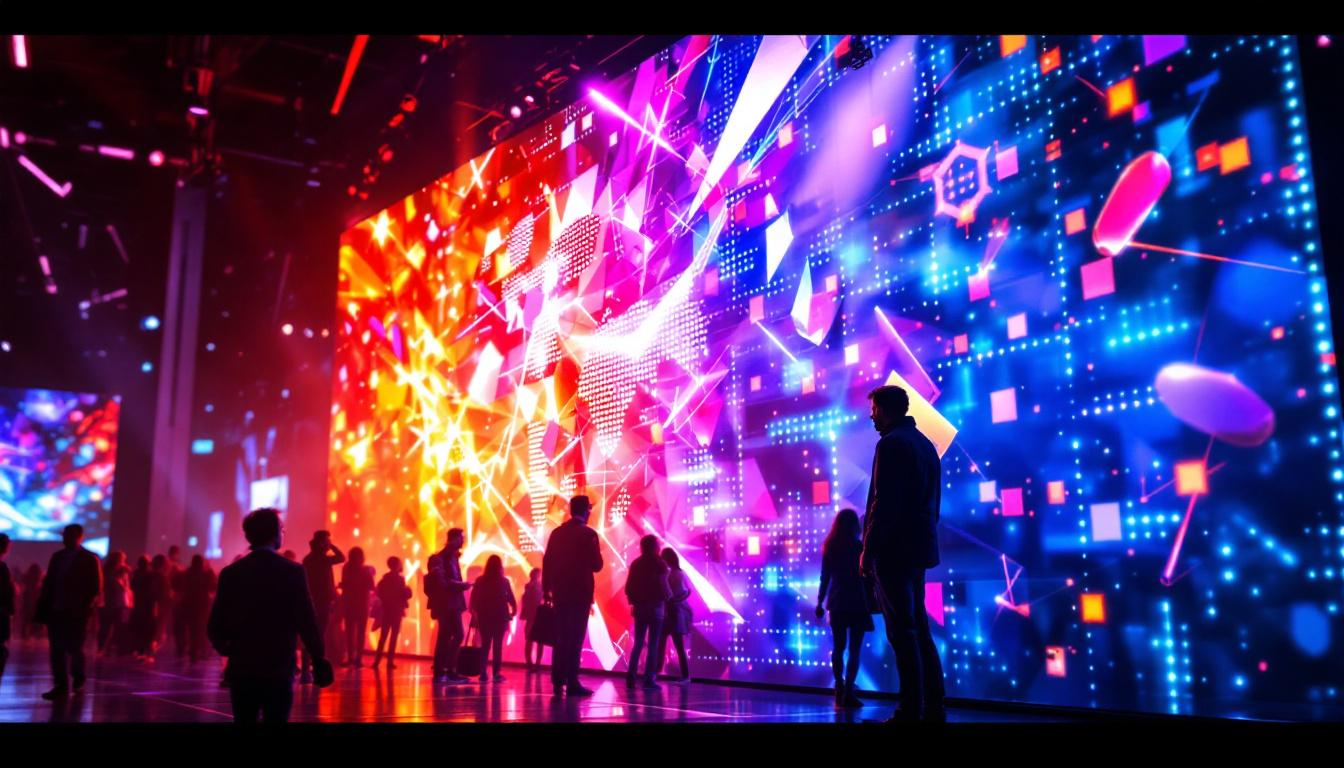
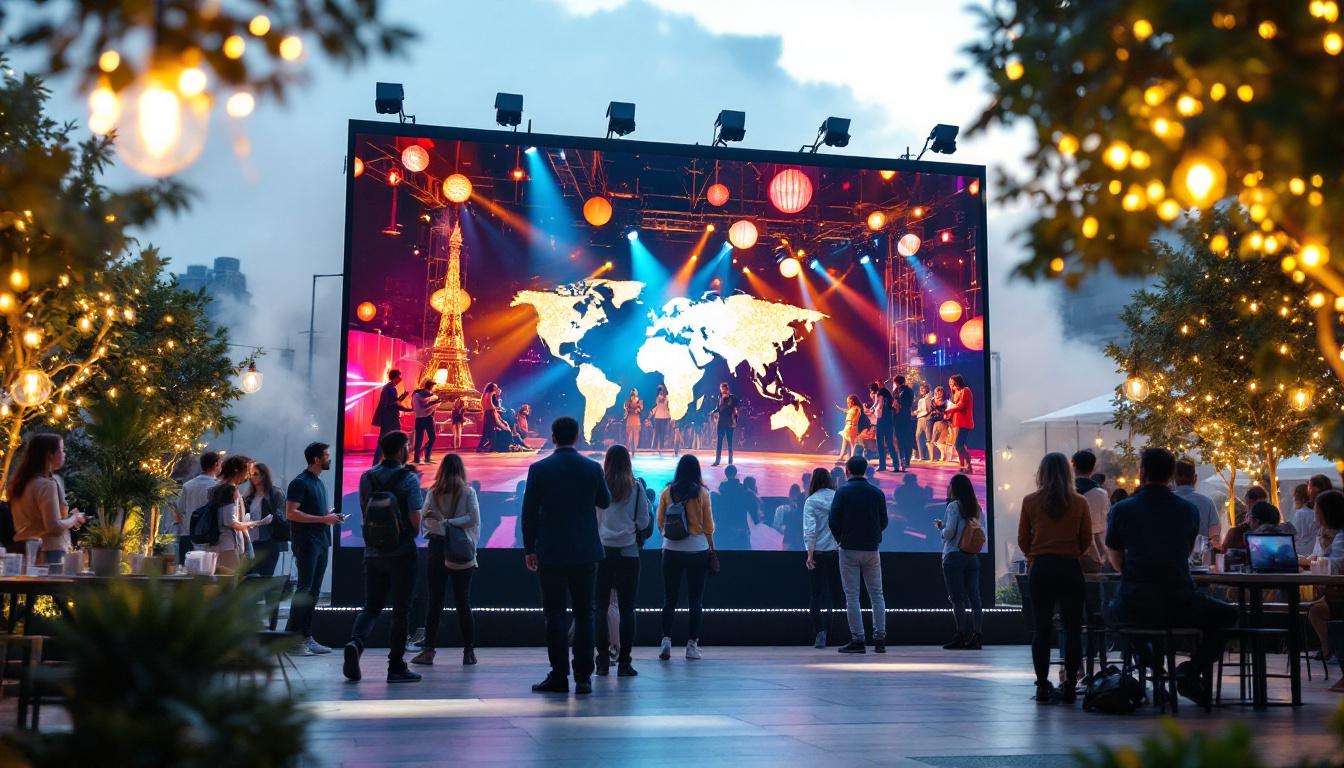
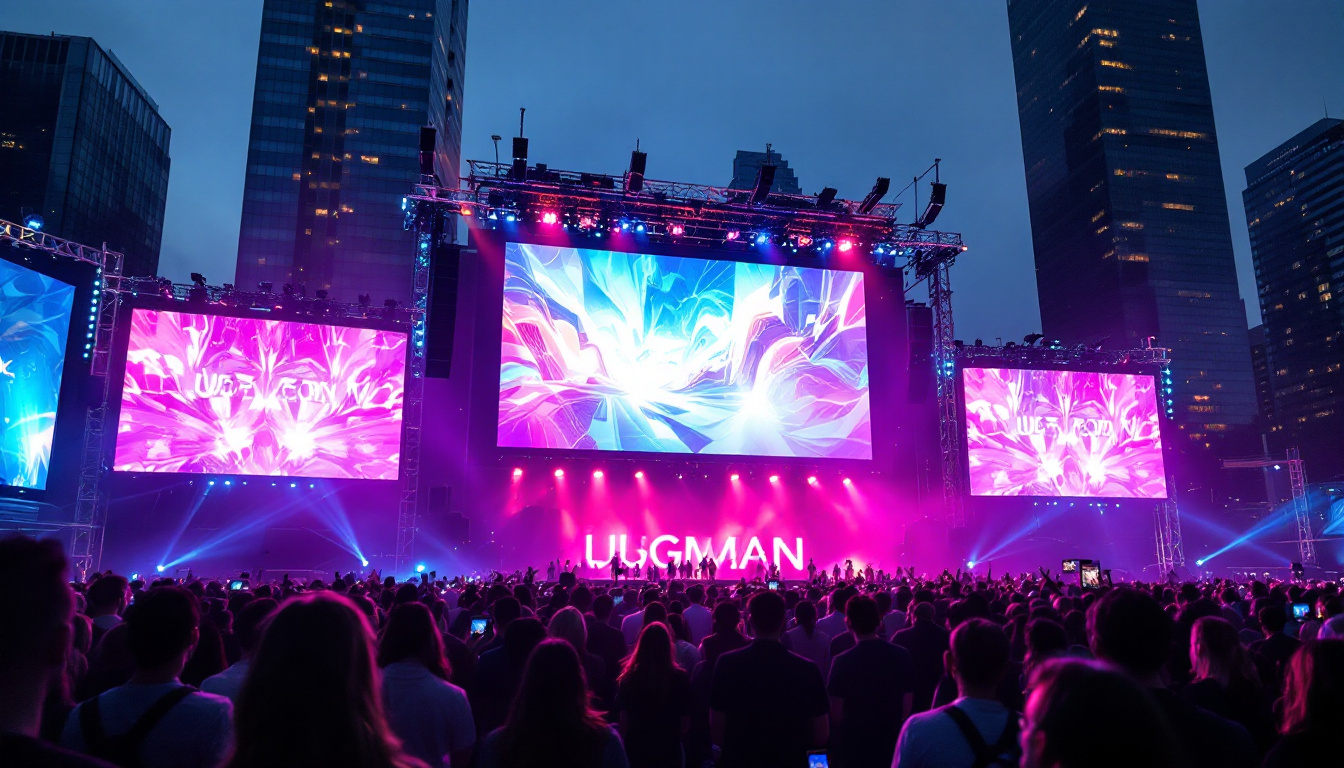
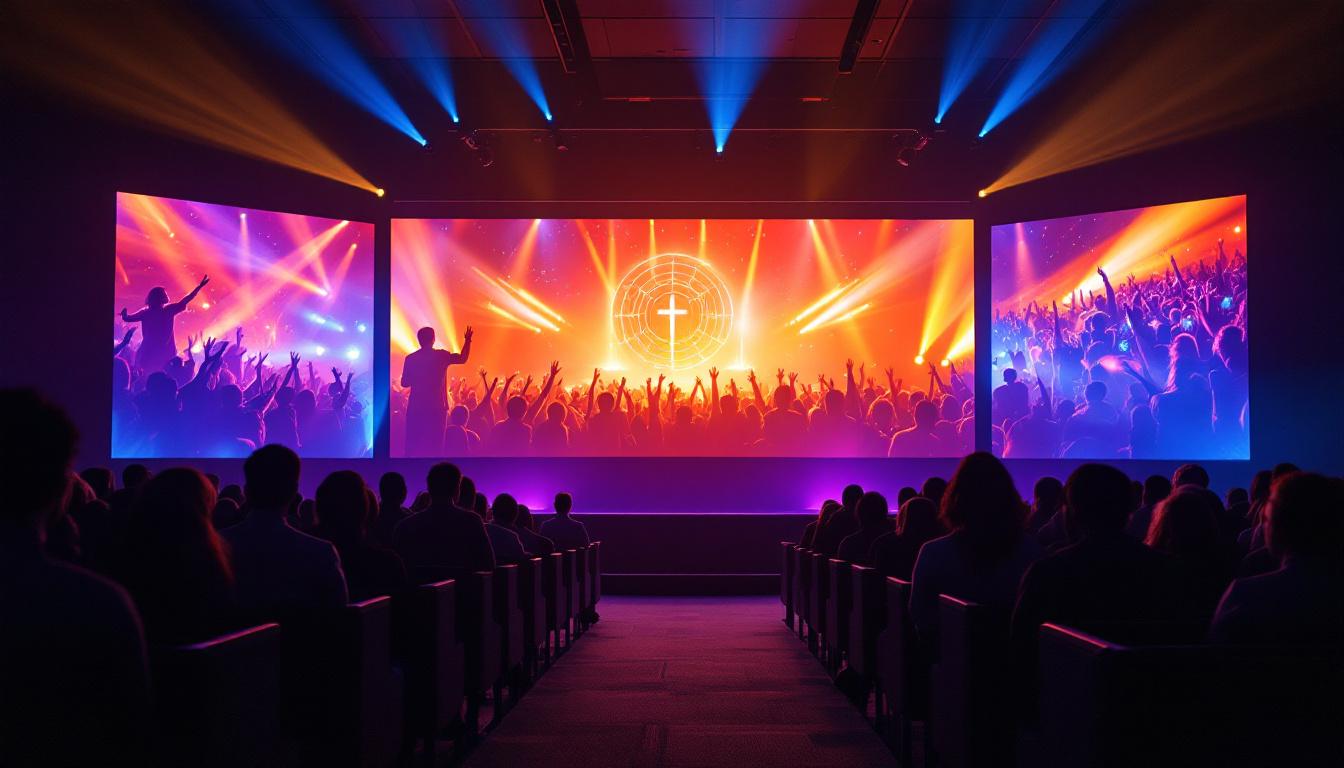
Concerts and events also benefit from LED walls and floors, which create immersive environments. The high refresh rates and color accuracy of LED technology ensure that visuals remain crisp and vibrant even under intense lighting conditions.
Architecture and Urban Design
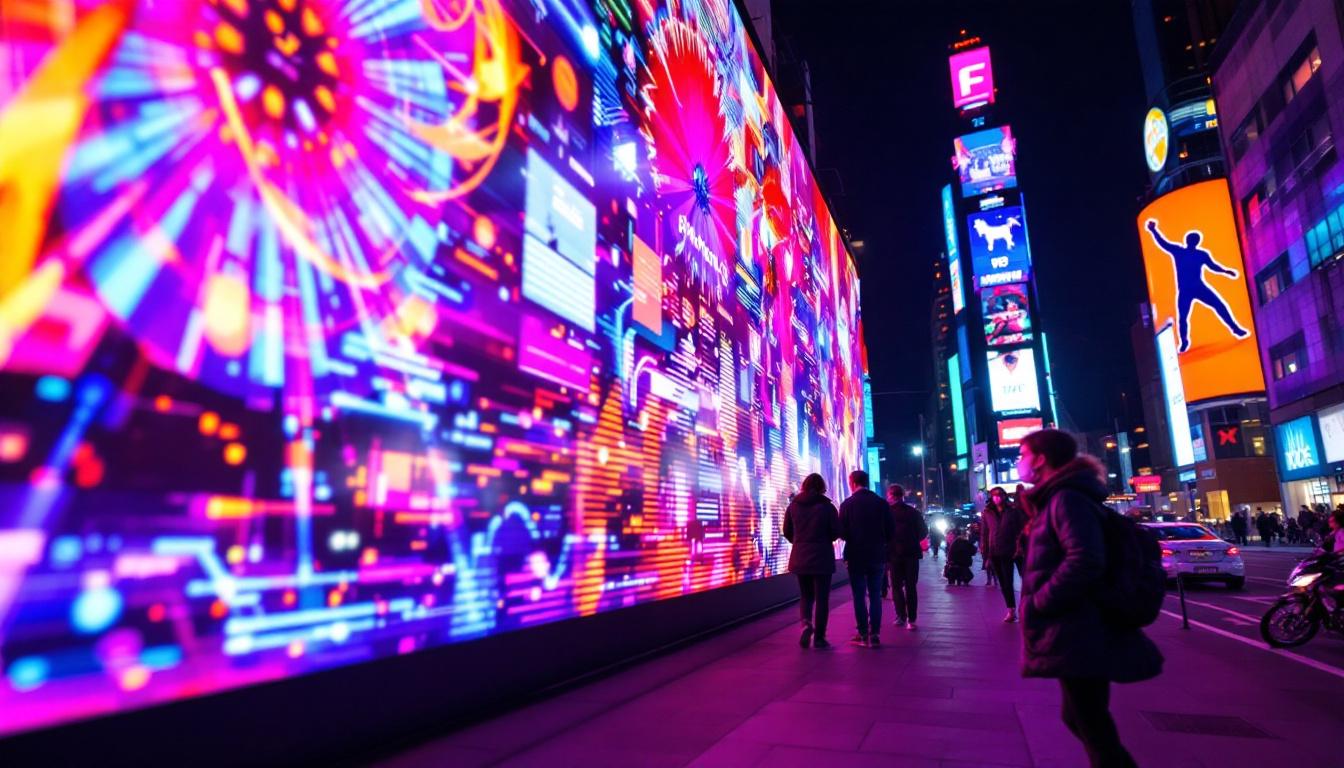
LED displays are increasingly integrated into building facades and urban infrastructure. Transparent and flexible LED technologies enable architects to incorporate dynamic lighting and messaging without compromising aesthetics or natural light.
Smart cities leverage LED displays for public information systems, traffic management, and emergency alerts. Their energy efficiency and long lifespan make them sustainable choices for municipal projects.
The Role of Autodesk Resellers in LED Display Projects
Autodesk, a leader in design and engineering software, offers powerful tools that support the planning, visualization, and management of LED display projects. Autodesk resellers play a critical role in bridging the gap between software capabilities and real-world applications.
Consultation and Needs Assessment
Resellers often begin by understanding the specific requirements of a project. Whether it involves designing a custom LED installation or integrating displays into a larger architectural plan, resellers provide expert advice on the best Autodesk solutions to use.
For example, Autodesk Revit enables detailed 3D modeling of building elements, including LED display mounts and enclosures, ensuring seamless integration. Autodesk 3ds Max and Maya offer advanced visualization tools to simulate how displays will look and perform under various lighting conditions.
Software Licensing and Support
Autodesk resellers facilitate the procurement of software licenses tailored to project needs and budgets. They also provide ongoing technical support, training, and updates, ensuring that teams can maximize software potential throughout the project lifecycle.
With the increasing complexity of LED display projects, having access to knowledgeable support helps avoid costly delays and design errors.
Integration with BIM and Project Management
Building Information Modeling (BIM) is essential for coordinating multidisciplinary teams and managing construction workflows. Autodesk’s BIM 360 platform allows stakeholders to collaborate in real time, track progress, and resolve issues efficiently.
LED display components can be modeled within BIM environments to verify structural compatibility, electrical requirements, and maintenance access. Resellers assist clients in setting up these workflows, ensuring that LED installations align with overall project goals.
Design Considerations for LED Display Projects Using Autodesk Tools
Designing LED displays requires careful attention to technical and aesthetic factors. Autodesk software provides robust capabilities to address these challenges from concept to completion.
Pixel Pitch and Resolution Planning
Pixel pitch—the distance between individual LEDs—directly affects display resolution and viewing distance. Autodesk tools enable precise modeling of pixel arrangements, helping designers optimize image quality for intended audiences.
For example, a retail store window display viewed up close might require a pixel pitch of 2-3mm, while a large outdoor billboard could use 10mm or more. Simulating these scenarios in Autodesk software helps avoid costly miscalculations.
Structural and Environmental Analysis
LED displays must withstand environmental stresses such as wind, rain, and temperature fluctuations. Autodesk Inventor and Fusion 360 offer simulation features to test structural integrity and thermal performance of display enclosures and mounting systems.
These analyses ensure compliance with safety standards and extend the lifespan of installations.
Lighting and Visibility Simulation
Accurate lighting simulation is crucial for assessing display visibility under different ambient conditions. Autodesk 3ds Max, combined with rendering engines like Arnold, can simulate daylight, artificial lighting, and reflections to predict how displays will perform in situ.
This capability allows designers to adjust brightness, contrast, and positioning before physical installation, reducing trial-and-error costs.
Future Trends in LED Displays and Autodesk Integration
The LED display industry continues to innovate rapidly, driven by advances in materials, electronics, and software. Autodesk resellers are pivotal in helping clients stay ahead of these trends.
MicroLED and MiniLED Technologies
Emerging MicroLED and MiniLED technologies promise even higher resolution and energy efficiency. These displays use smaller LEDs to achieve finer pixel pitches, enabling ultra-high-definition visuals on larger surfaces.
Autodesk software is evolving to support the design complexities associated with these technologies, including intricate circuit layouts and thermal management.
Augmented Reality (AR) and Virtual Reality (VR) Integration
AR and VR are transforming how LED display projects are visualized and presented to clients. Autodesk’s integration with platforms like Autodesk VRED and Revit Live allows immersive walkthroughs of proposed installations, enhancing stakeholder engagement and decision-making.
Such immersive experiences reduce misunderstandings and accelerate project approvals.
Sustainability and Energy Efficiency
With increasing emphasis on green building practices, LED displays are being designed for minimal environmental impact. Autodesk tools assist in lifecycle analysis, energy modeling, and material optimization to support sustainable design goals.
Resellers help clients implement these practices, aligning LED projects with broader corporate social responsibility initiatives.
Conclusion
LED displays are a dynamic and impactful medium that continues to reshape communication and design across industries. For professionals involved in their creation and deployment, a deep understanding of LED technology combined with powerful design tools is essential.
Autodesk resellers provide invaluable support by offering expert guidance, software solutions, and integration services tailored to LED display projects. Leveraging Autodesk’s comprehensive suite of design, simulation, and project management tools ensures that LED installations are not only visually stunning but also technically sound and sustainable.
As LED technology advances and market demands evolve, partnering with knowledgeable Autodesk resellers will remain a strategic advantage for successful LED display projects.
Explore Cutting-Edge LED Display Solutions with LumenMatrix
Ready to elevate your projects with the latest in LED display technology? Discover LumenMatrix’s innovative solutions, from Indoor and Outdoor LED Wall Displays to specialized options like Vehicle, Sports, and Floor LED Displays. Our mission is to transform visual communication with digital signage that captivates and engages. Whether you’re looking to create custom LED displays or seeking an All-in-One solution, LumenMatrix is here to enhance your brand’s visibility and impact. Check out LumenMatrix LED Display Solutions today and see the difference cutting-edge technology can make.