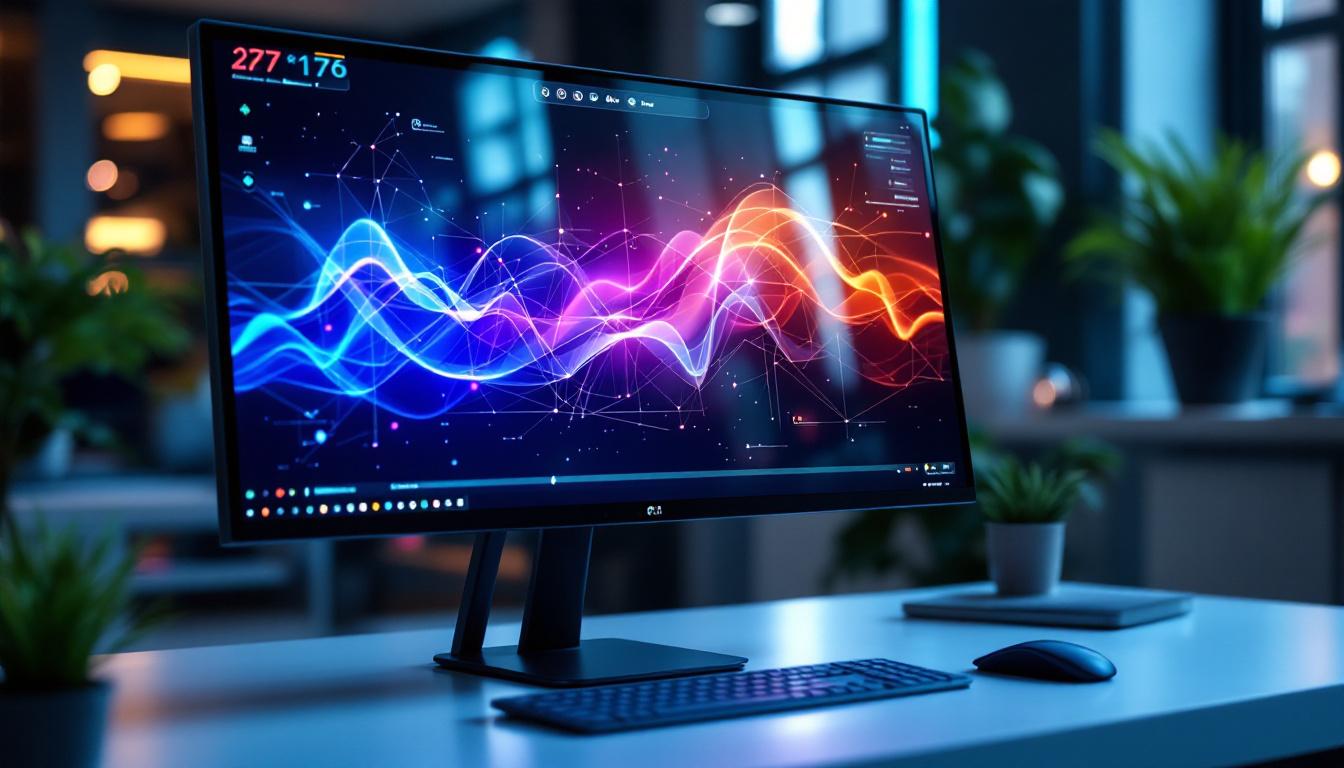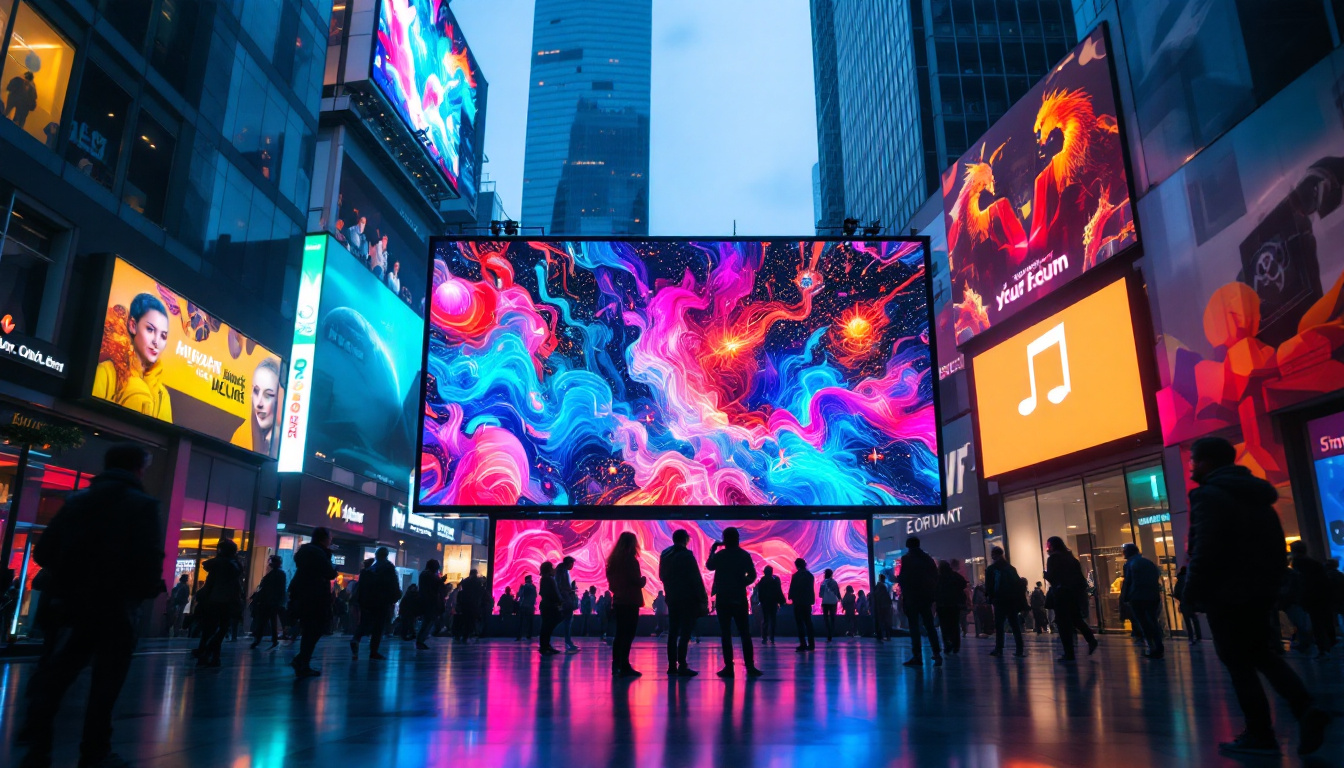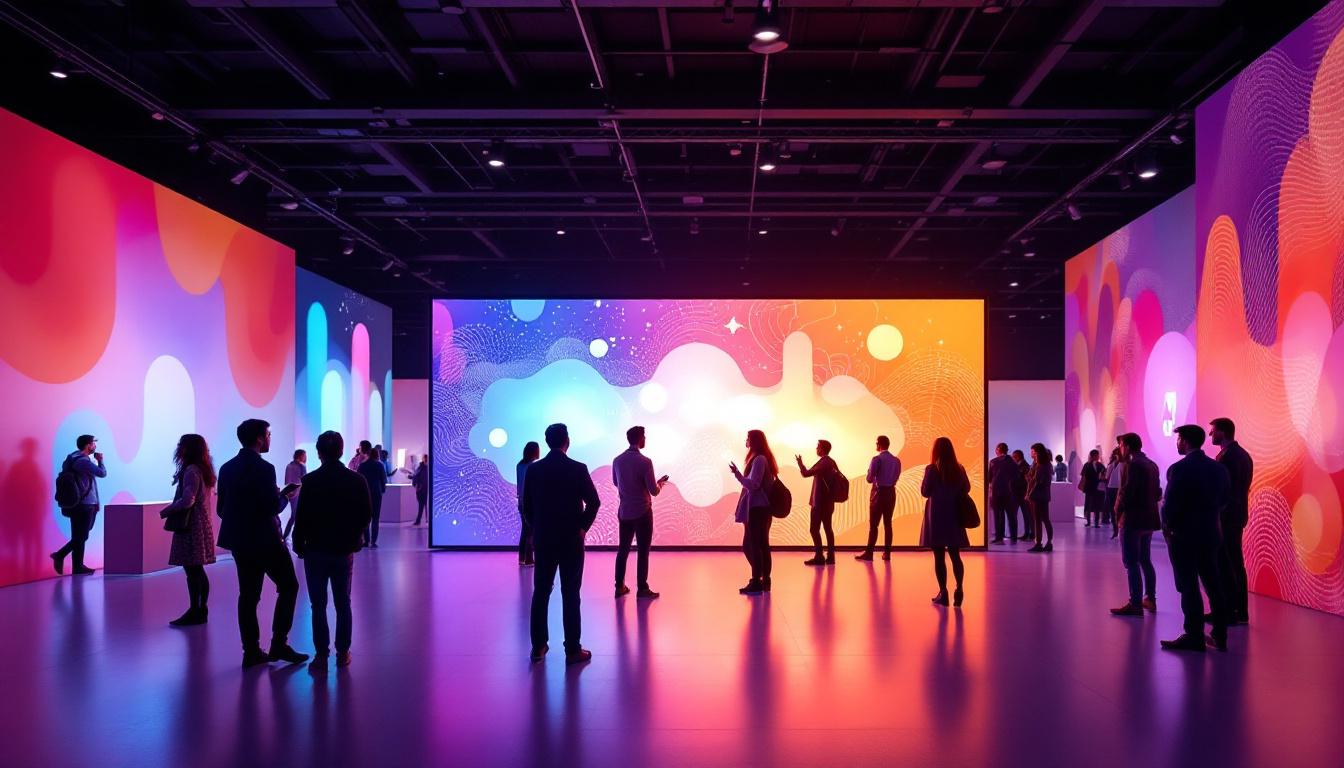
In the world of digital displays, achieving a true pitch black background has long been a challenge, especially when combined with high resolution and vibrant colors. LED displays have revolutionized visual technology, offering unprecedented levels of brightness, contrast, and color accuracy. This article delves into the science and technology behind high resolution pitch black backgrounds on LED displays, explaining how they work, why they matter, and what innovations are shaping the future of display technology.
Understanding Pitch Black Backgrounds in LED Displays
Pitch black backgrounds are essential for creating contrast and enhancing the overall viewing experience. A pitch black background means that the display emits no light from those pixels, resulting in true black rather than a dark gray or washed-out shade. This is particularly important for applications such as cinema screens, professional photo editing, gaming, and high-end advertising where image quality is paramount.
Traditional LCD screens rely on backlighting, which can cause light bleed and prevent pixels from achieving true black. LEDs, particularly OLED and MicroLED technologies, address this by allowing individual pixels to be turned off completely, thus producing genuine black and dramatically improving contrast ratios.
The Importance of True Black in Visual Media
True black backgrounds are more than just an aesthetic preference—they influence the viewer’s perception of depth, color vibrancy, and detail clarity. For instance, in HDR (High Dynamic Range) content, the difference between the darkest blacks and the brightest whites defines the dynamic range. A display that can render pitch black backgrounds accurately can showcase HDR content as intended by creators, preserving shadows and subtle details that would otherwise be lost.
Additionally, true black backgrounds reduce eye strain during prolonged viewing sessions, especially in low-light environments. This makes them highly desirable for devices like smartphones, tablets, and televisions. The ability to display true blacks can also enhance the emotional impact of visual storytelling, allowing viewers to immerse themselves more fully in the narrative without distractions from unwanted light artifacts.
Moreover, the technological advancements in display technologies have led to a wider adoption of pitch black backgrounds across various platforms. For instance, streaming services have begun to optimize their content for OLED displays, ensuring that their films and series leverage the full potential of true black. This not only elevates the viewing experience but also encourages filmmakers and content creators to experiment with darker themes and richer color palettes, knowing that their work will be presented in the best possible light.
In gaming, the significance of pitch black backgrounds is even more pronounced. Gamers often rely on the contrast provided by true blacks to spot enemies lurking in shadows or to appreciate the intricate details of expansive game worlds. The immersive experience is heightened when players can see every nuance of light and dark, creating a more engaging and thrilling gameplay environment. As a result, many high-end gaming monitors prioritize OLED or MicroLED technologies to cater to this demand, pushing the boundaries of visual fidelity even further.
How LED Technology Achieves High Resolution and Pitch Black
LED displays come in several varieties, each with unique methods for producing high resolution and pitch black backgrounds. The most prominent technologies include OLED, MicroLED, and MiniLED.
OLED: Organic Light Emitting Diodes
OLED displays consist of organic compounds that emit light when an electric current passes through them. Each pixel in an OLED screen is self-emissive, meaning it can be turned on or off independently. When a pixel is off, it emits no light, resulting in a perfect pitch black.
This self-emissive property allows OLEDs to achieve infinite contrast ratios and exceptional color accuracy. OLED displays are widely used in smartphones, high-end TVs, and professional monitors. However, they can suffer from burn-in and have a limited lifespan compared to other technologies. The rich colors and deep blacks produced by OLED screens make them particularly appealing for cinematic experiences, where every detail matters. As a result, many filmmakers and content creators prefer to master their works on OLED displays to ensure that their vision is accurately represented.
MicroLED: The Next Generation
MicroLED technology uses microscopic LEDs to form each pixel. Like OLEDs, MicroLEDs are self-emissive, enabling pixels to be turned off completely for true black backgrounds. Unlike OLEDs, MicroLEDs use inorganic materials, which offer greater brightness, longer lifespan, and no risk of burn-in.
MicroLED displays are still emerging but show great promise for large-scale, high-resolution displays such as digital billboards, stadium screens, and premium televisions. Their ability to deliver pitch black backgrounds at high brightness levels makes them ideal for outdoor and high ambient light environments. Additionally, MicroLED technology allows for modular designs, enabling manufacturers to create screens of virtually any size or shape, which opens up exciting possibilities for innovative display solutions in both commercial and residential settings.
MiniLED: Enhanced Backlighting for LCDs
MiniLED technology improves traditional LCDs by using thousands of tiny LEDs as a backlight source. These LEDs can be dimmed in zones, allowing for better control over brightness and contrast. While MiniLEDs cannot achieve true pixel-level black like OLED or MicroLED, they significantly reduce halo effects and light bleed, producing deeper blacks and improved contrast compared to standard LCDs.
MiniLEDs are becoming popular in gaming monitors, laptops, and mid-range TVs, offering a balance between cost and performance. With the gaming industry booming, the demand for displays that can handle fast-paced action without compromising visual quality has surged. MiniLED technology addresses this need by providing quicker response times and enhanced color accuracy, making it a favorite among gamers who seek immersive experiences. Furthermore, as manufacturers continue to innovate, we can expect MiniLED technology to evolve, potentially incorporating features like local dimming and HDR support to further elevate the viewing experience.
High Resolution: Why It Matters for Pitch Black Backgrounds
Resolution refers to the number of pixels displayed on the screen, typically measured in width × height (e.g., 3840×2160 for 4K). Higher resolution means more pixels, which translates to finer detail and sharper images. When combined with pitch black backgrounds, high resolution enhances the overall image quality dramatically.
Detail Preservation in Dark Scenes
High resolution is crucial for preserving details in dark scenes, where subtle gradients and textures can be lost if the pixels are not finely defined. For example, in a night scene in a movie, the ability to distinguish between different shades of black and dark gray adds realism and immersion.
Without sufficient resolution, dark areas can appear muddy or pixelated, detracting from the viewing experience. High-resolution LED displays ensure that even the smallest details in shadows are visible without compromising the pitch black background. This is particularly important in genres like horror or thriller films, where the atmosphere is often built on tension and subtle visual cues, making high resolution a vital component in storytelling.
Applications Benefiting from High Resolution and Pitch Black
Several industries rely heavily on the combination of high resolution and pitch black backgrounds:
- Film and Television Production: Editors and colorists require displays that accurately reproduce blacks and fine details to ensure the final product looks as intended.
- Gaming: Gamers demand immersive visuals with deep blacks and crisp details to enhance gameplay and realism.
- Medical Imaging: Accurate display of dark areas in scans can be critical for diagnosis.
- Advertising and Digital Signage: High contrast and resolution capture attention and convey messages more effectively.
In addition to these industries, the realm of photography also greatly benefits from high-resolution displays with pitch black backgrounds. Photographers often work with images that contain a wide dynamic range, where the interplay between light and shadow is essential for creating depth and interest. A high-resolution monitor allows photographers to edit their work with precision, ensuring that every detail in the shadows is preserved and enhanced. Furthermore, in the world of virtual reality (VR), the combination of high resolution and pitch black backgrounds creates an immersive experience that can transport users to entirely new worlds, where the depth of field and clarity of dark scenes can significantly affect the realism of the simulation.
Challenges and Innovations in Achieving Pitch Black on LED Displays
Despite the advances in LED technology, achieving perfect pitch black backgrounds in all conditions remains challenging. Several factors influence performance, including ambient light, display calibration, and manufacturing limitations.
Ambient Light and Reflection
Even if a display can produce true black pixels, ambient light reflecting off the screen can reduce perceived contrast. Anti-reflective coatings and matte screen finishes help mitigate this, but ambient conditions still play a significant role in the viewing experience.
Calibration and Color Accuracy
Proper calibration ensures that the display renders blacks and colors as intended. Professional calibration tools and software are essential for high-end displays used in creative industries. Without calibration, blacks may appear washed out or colors may shift, diminishing the benefits of pitch black backgrounds.
Manufacturing and Cost Considerations
Producing high resolution displays with pitch black capabilities requires precise manufacturing processes. OLED and MicroLED panels are complex and expensive to produce, limiting their widespread adoption. However, ongoing research and economies of scale are gradually reducing costs.
Emerging Technologies and Future Trends
Research into new materials and display architectures continues to push the boundaries. Quantum dot-enhanced OLEDs (QD-OLEDs) combine the best features of quantum dots and OLED technology to improve brightness and color volume while maintaining pitch black backgrounds.
Additionally, flexible and transparent LED displays are opening new possibilities for design and application, promising high resolution and deep blacks in innovative form factors.
Conclusion: The Impact of High Resolution Pitch Black Backgrounds on LED Displays
High resolution pitch black backgrounds represent a significant leap forward in display technology, enhancing visual quality across a wide range of applications. By enabling true black pixels and fine detail reproduction, LED displays such as OLED, MicroLED, and MiniLED offer superior contrast, color accuracy, and immersive experiences.
As technology advances and costs decrease, these displays are becoming more accessible, transforming how content is created, viewed, and experienced. Whether for professional use, entertainment, or advertising, understanding the science behind pitch black backgrounds and high resolution LED displays is essential for making informed decisions in today’s visually driven world.
Discover the Future of Visuals with LumenMatrix
Ready to elevate your visual experience with the cutting-edge technology of high resolution pitch black backgrounds? LumenMatrix is at the forefront of LED display innovation, offering a diverse range of solutions tailored to meet your needs. From captivating Indoor and Outdoor LED Wall Displays to dynamic Vehicle and Sports LED Displays, and even customizable options like Floor and Transparent LED Displays, LumenMatrix has the perfect solution to bring your vision to life. Experience the transformative power of LED displays and join the visual revolution. Check out LumenMatrix LED Display Solutions and see the difference for yourself.