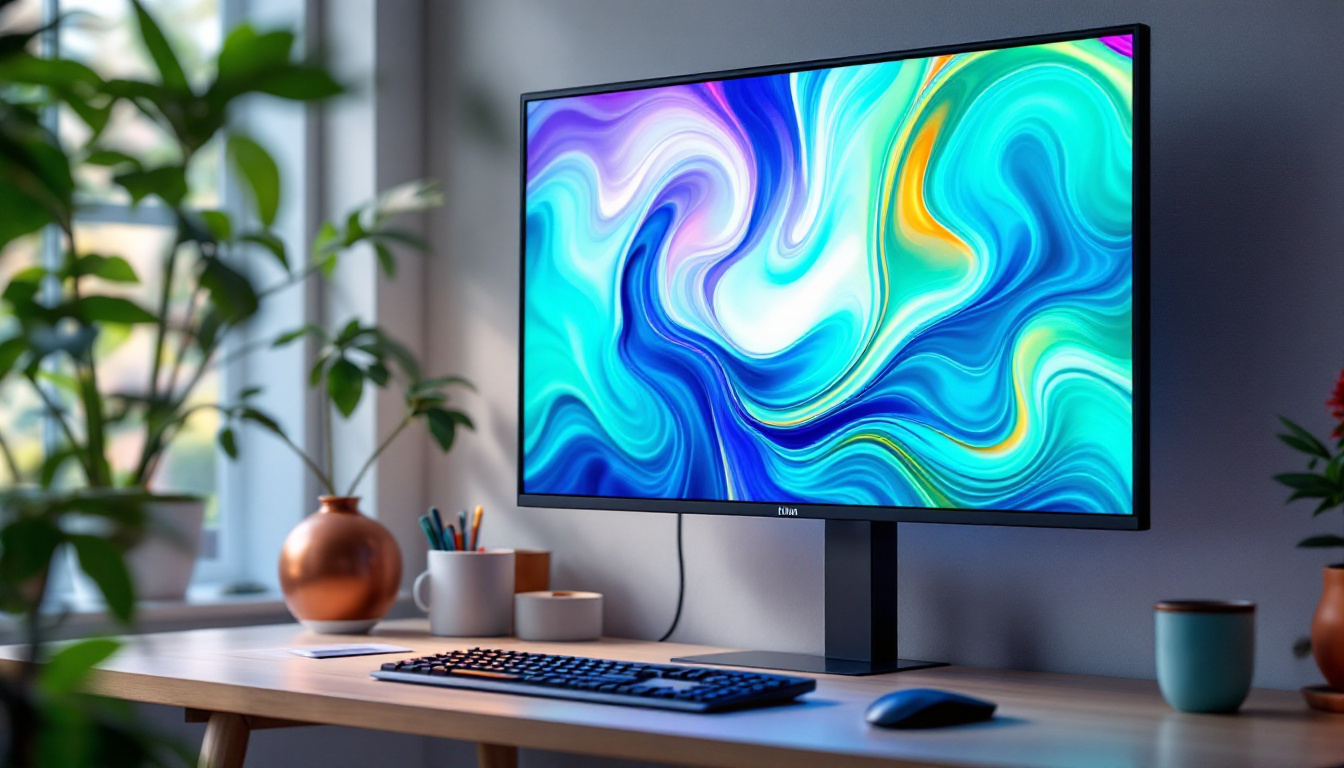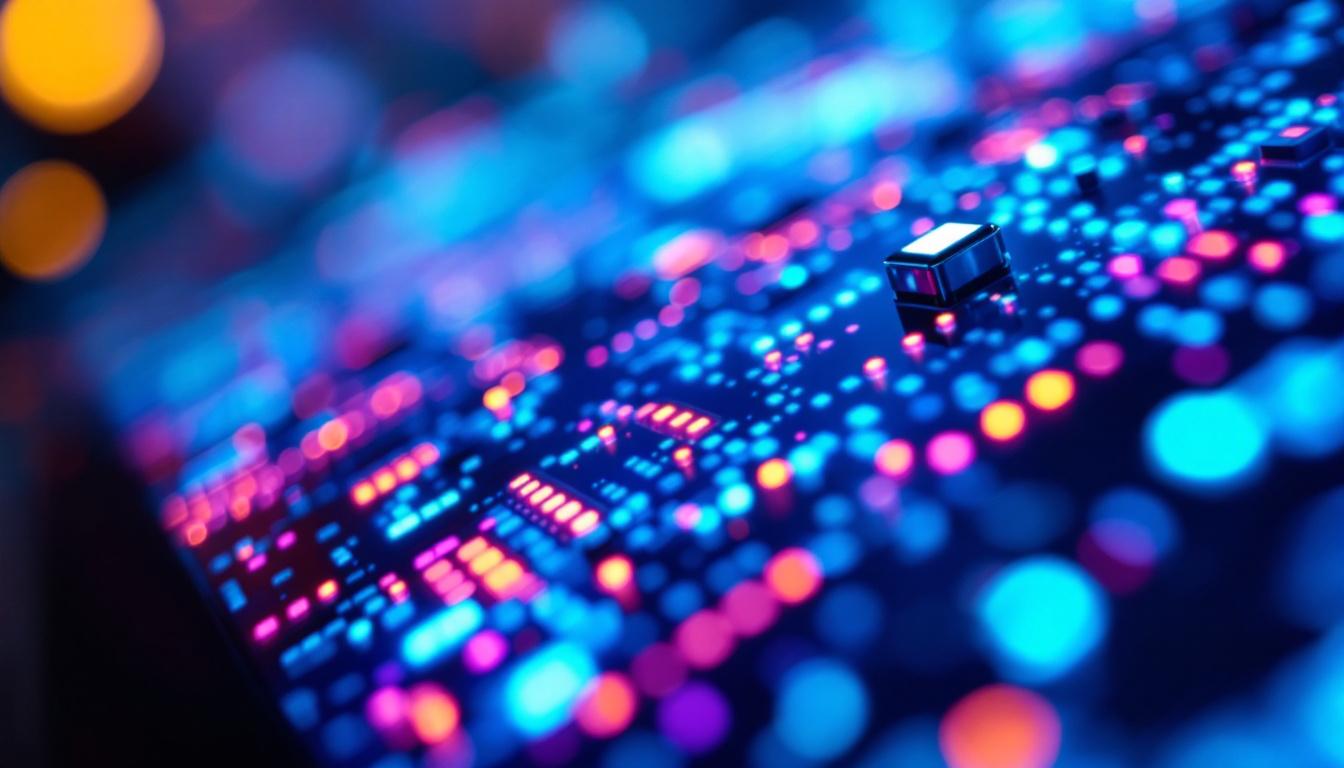
In the rapidly evolving world of display technology, Micro-LEDs have emerged as a promising innovation poised to redefine how we experience screens. From smartphones and televisions to augmented reality devices and large-scale digital signage, Micro-LED technology offers a combination of brightness, efficiency, and durability that outperforms many existing display types. This article delves into the fundamentals of Micro-LED displays, exploring their structure, advantages, current applications, and the challenges that lie ahead.
What Are Micro-LEDs?
Micro-LEDs are tiny light-emitting diodes, each measuring less than 100 micrometers in size. Unlike traditional LEDs used in large displays or indicator lights, Micro-LEDs are small enough to be integrated directly into high-resolution display panels. Each Micro-LED acts as an individual pixel or subpixel, emitting its own light without the need for a backlight, which is a significant departure from LCD technology.
The term “Micro-LED” refers to the scale of the LEDs rather than a fundamentally different material. These LEDs are typically made from gallium nitride (GaN), the same semiconductor material used in blue and green LEDs, but fabricated with extreme precision to achieve the microscopic dimensions required for display applications. This precision not only enables the creation of vivid colors and sharp images but also allows for innovative designs that were previously unattainable with larger LED technologies.
Micro-LED technology is gaining traction in various sectors, particularly in consumer electronics, where manufacturers are exploring its potential for next-generation televisions and smartphones. The ability to create displays that are thinner, lighter, and more flexible than their predecessors opens up new possibilities for design and functionality. For instance, Micro-LEDs can be arranged in various configurations, allowing for curved or even foldable screens that adapt to user preferences and environments.
How Micro-LEDs Differ from Other Display Technologies
To understand the significance of Micro-LEDs, it is helpful to compare them with other popular display technologies: LCD, OLED, and traditional LED displays.
- LCD (Liquid Crystal Display): LCDs rely on a backlight shining through liquid crystals that modulate light to form images. While LCDs are cost-effective and widely used, they suffer from limited contrast ratios and less vibrant colors due to the reliance on backlighting.
- OLED (Organic Light Emitting Diode): OLED displays use organic compounds that emit light when electrically stimulated. They offer excellent contrast, deep blacks, and wide viewing angles but can suffer from burn-in and have shorter lifespans compared to LEDs.
- Traditional LED Displays: These are typically large-scale displays made of LEDs that are visible from a distance, such as stadium screens or billboards. They lack the resolution and pixel density required for close-up viewing.
Micro-LEDs combine the best of these technologies by providing self-emissive pixels like OLEDs but with greater brightness, energy efficiency, and longevity. This makes them highly suitable for applications requiring high resolution and brightness, such as outdoor displays and wearable devices. Furthermore, the modular nature of Micro-LED technology allows for easy scalability, enabling manufacturers to create displays of various sizes without compromising on quality. This adaptability is particularly appealing for industries such as automotive, where customizable dashboard displays can enhance user experience and safety.
Additionally, Micro-LEDs are also being explored for augmented reality (AR) and virtual reality (VR) applications. Their small size and high pixel density make them ideal for creating immersive environments that require detailed visuals without the bulkiness of traditional display technologies. As the demand for more sophisticated AR and VR experiences grows, Micro-LEDs could play a pivotal role in shaping the future of these technologies, providing users with sharper and more realistic visuals that enhance overall engagement.
The Structure and Manufacturing of Micro-LED Displays
Creating a Micro-LED display involves intricate manufacturing processes that differ significantly from those used for LCD or OLED panels. The complexity lies in producing and assembling millions of microscopic LEDs onto a substrate with extreme precision.
Micro-LED Pixel Architecture
Each pixel in a Micro-LED display consists of three subpixels—red, green, and blue Micro-LEDs—that combine to create the full color spectrum. The LEDs themselves are tiny semiconductor chips, and their size allows for incredibly high pixel densities, enabling ultra-sharp images and smooth video playback.
Because Micro-LEDs emit light individually, they do not require a backlight or color filters, which reduces thickness and improves energy efficiency. The direct emission also allows for superior contrast ratios, as pixels can be turned completely off to produce true blacks.
Manufacturing Challenges
One of the greatest hurdles in Micro-LED production is the mass transfer process—transferring millions of tiny LEDs from their growth wafer to the display substrate without damaging them or misaligning pixels. This step is critical to achieving high yields and maintaining display quality.
Several techniques are under development to address this challenge, including:
- Pick-and-place methods: Using robotic systems to pick individual Micro-LEDs and place them onto the substrate. While precise, this method can be time-consuming and costly for large displays.
- Stamp transfer: Transferring arrays of Micro-LEDs in batches to speed up the process.
- Laser lift-off: A technique to separate Micro-LEDs from the growth wafer using laser pulses, facilitating transfer.
Moreover, achieving uniform color and brightness across the display requires meticulous calibration and quality control. Variations in LED size or material quality can lead to inconsistencies that degrade image quality.
Advantages of Micro-LED Displays
Micro-LED technology offers several compelling benefits that make it attractive for a wide range of applications. These advantages stem from the fundamental properties of Micro-LEDs as self-emissive, inorganic light sources.
Superior Brightness and Contrast
Micro-LED displays can achieve peak brightness levels exceeding 1,000 nits, with some prototypes reaching up to 10,000 nits. This is significantly higher than typical OLED displays, which generally max out around 600-800 nits. The high brightness makes Micro-LEDs ideal for outdoor use and environments with strong ambient light.
Additionally, because each pixel emits light independently and can be completely turned off, Micro-LED displays offer exceptional contrast ratios and true black levels, surpassing LCDs and rivaling OLEDs.
Energy Efficiency and Longevity
Micro-LEDs are more energy-efficient than OLEDs because they do not require power to generate black pixels and have lower power consumption at high brightness levels. This efficiency translates into longer battery life for portable devices and reduced energy costs for larger displays.
Inorganic materials used in Micro-LEDs are also more stable than the organic compounds in OLEDs, resulting in longer lifespans and less susceptibility to burn-in or degradation over time.
Thin and Flexible Form Factors
Without the need for backlighting or thick layers, Micro-LED displays can be made thinner and lighter. This opens up possibilities for flexible and curved displays, wearable technology, and even transparent screens.
Current and Emerging Applications
While Micro-LED technology is still maturing, several industries are already exploring or adopting it to leverage its unique advantages.
Consumer Electronics
High-end smartphones, smartwatches, and AR/VR headsets are prime candidates for Micro-LED displays. The technology’s brightness and efficiency are particularly beneficial for wearable devices, where battery life and outdoor visibility are critical.
For example, some leading manufacturers have showcased Micro-LED prototypes for smartwatches that offer brighter displays with better color accuracy and longer battery life compared to OLED counterparts.
Television and Large-Format Displays
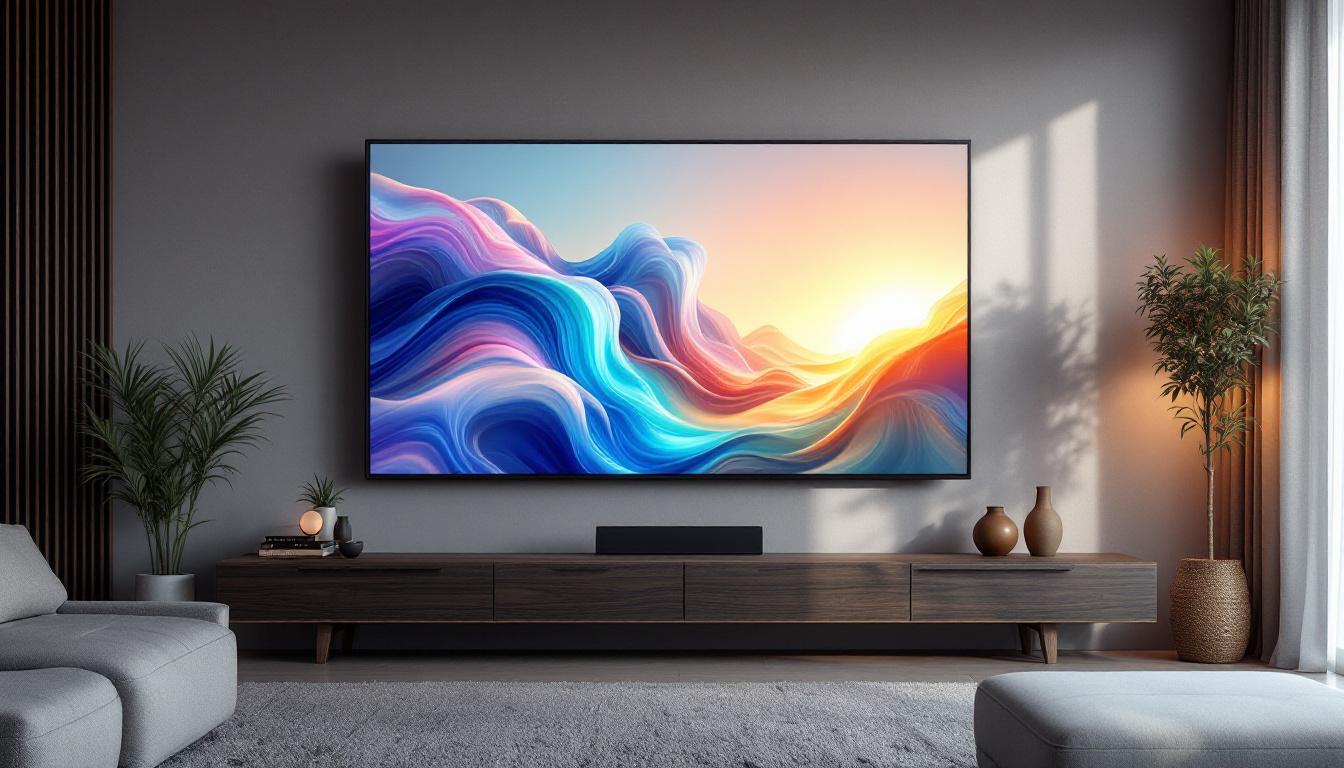
Micro-LED TVs promise unparalleled picture quality with perfect blacks, high brightness, and wide color gamuts. Several companies have demonstrated large Micro-LED TVs with modular designs that can be scaled to various sizes, from 75 inches to over 200 inches.
These displays are especially attractive for luxury home theaters and commercial applications where image quality and durability justify the premium price.
Augmented Reality and Heads-Up Displays
The compact size and efficiency of Micro-LEDs make them ideal for AR glasses and heads-up displays in vehicles. Their ability to produce bright, vivid images in various lighting conditions enhances the usability and safety of these emerging technologies.
Digital Signage and Outdoor Displays
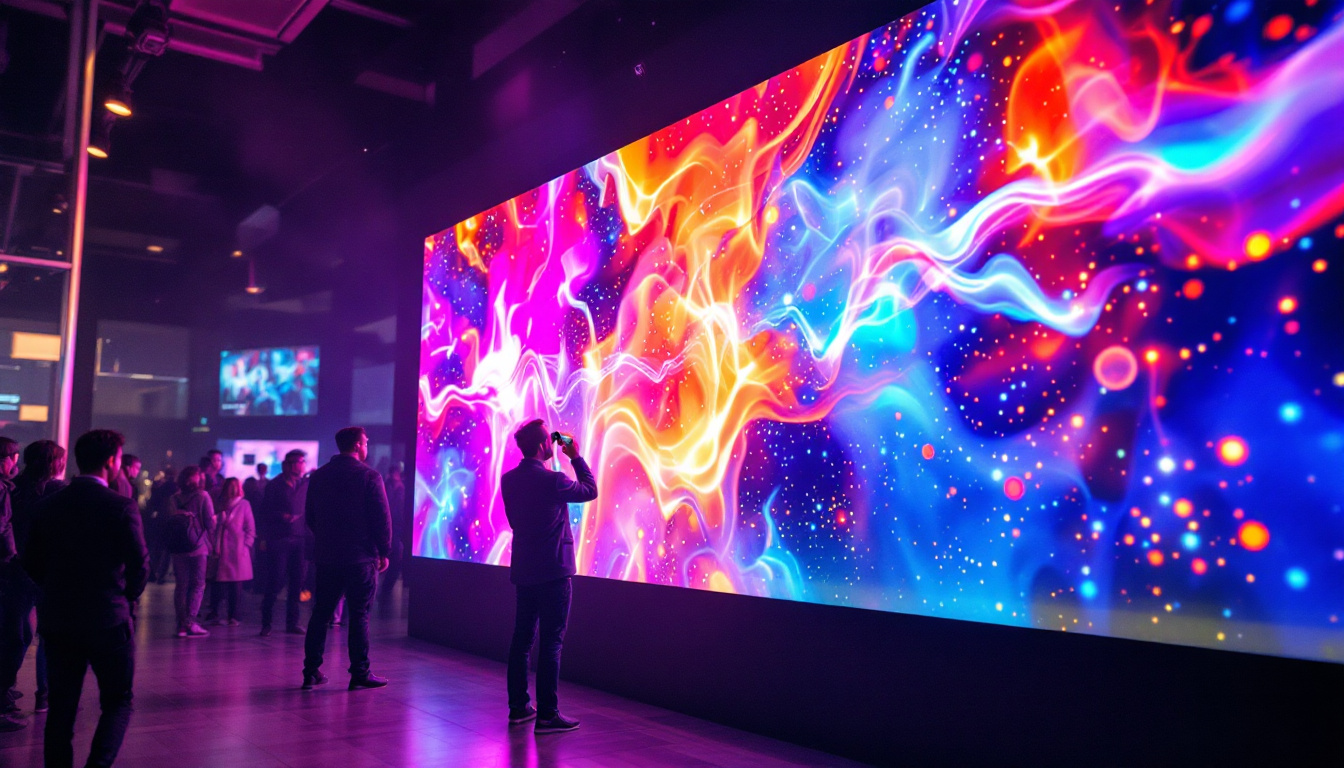
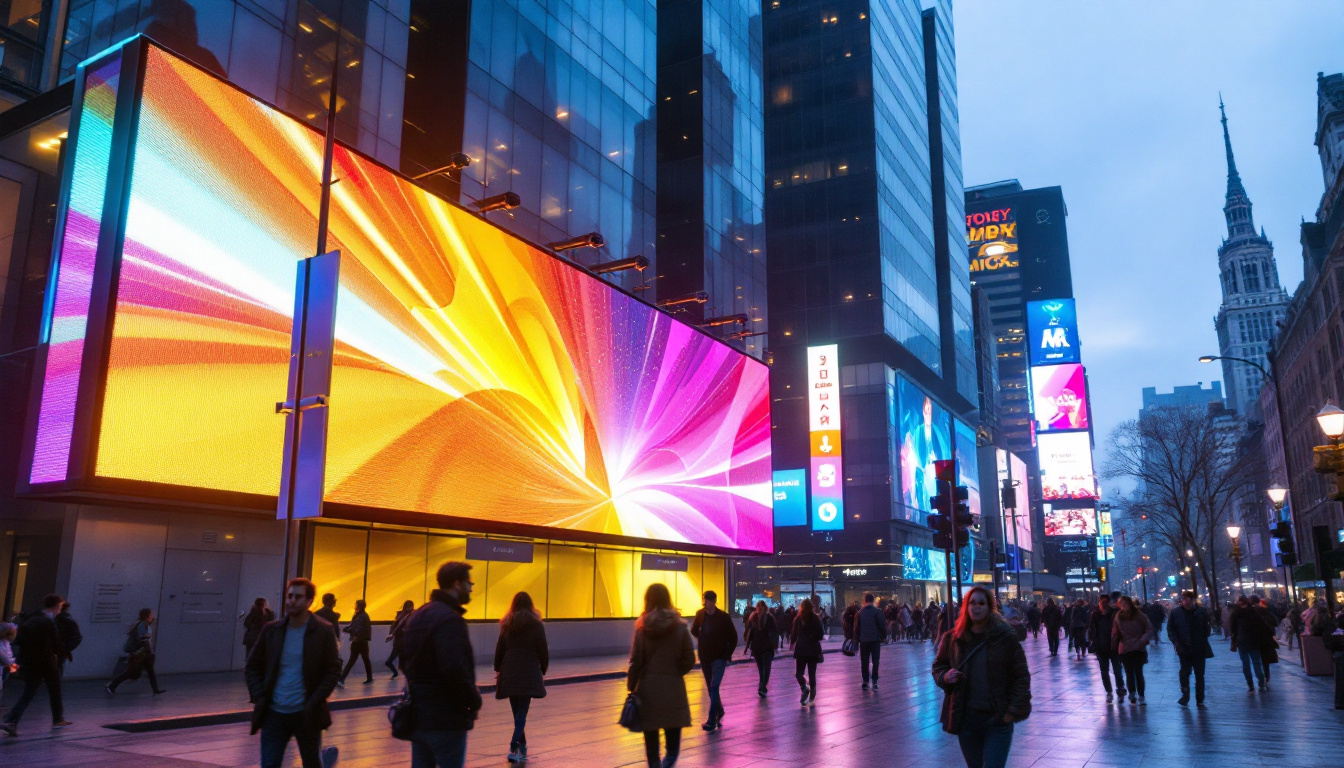
Thanks to their high brightness and durability, Micro-LEDs are well-suited for outdoor advertising, stadium screens, and public information displays. Their energy efficiency also reduces operational costs for large installations.
Challenges and Future Outlook
Despite their promise, Micro-LED displays face several technical and economic challenges before widespread adoption can occur.
Manufacturing Scalability and Cost
The complexity of producing and assembling millions of microscopic LEDs at high yield remains a significant barrier. Current manufacturing processes are expensive and slow compared to mature OLED and LCD production lines.
However, ongoing research into more efficient transfer techniques and automation is expected to reduce costs over the next several years, making Micro-LEDs more commercially viable.
Color Conversion and Uniformity
Producing efficient red Micro-LEDs remains challenging, as gallium nitride-based LEDs naturally emit blue or green light. To achieve red pixels, manufacturers often use phosphor or quantum dot color conversion layers, which can introduce efficiency losses and complicate manufacturing.
Ensuring uniform brightness and color consistency across large displays is another hurdle that requires advanced calibration and quality control methods.
Market Competition and Adoption Pace
OLED technology continues to improve and dominate premium display markets, benefiting from established supply chains and economies of scale. Micro-LEDs will need to demonstrate clear advantages in cost, performance, or new form factors to displace OLEDs in consumer devices.
Nevertheless, Micro-LEDs are expected to carve out niches in applications where their unique properties provide compelling benefits, such as outdoor displays, AR devices, and ultra-large TVs.
Conclusion
Micro-LED technology represents a significant leap forward in display innovation, combining the brightness, efficiency, and durability of inorganic LEDs with the pixel-level control of modern displays. While manufacturing challenges remain, the potential benefits for consumer electronics, large-format displays, and emerging technologies like augmented reality are substantial.
As production techniques improve and costs decline, Micro-LEDs are poised to become a key player in the future of display technology, delivering richer, more vibrant visual experiences across a wide range of applications.
Discover the Future of LED Displays with LumenMatrix
Ready to experience the next generation of display technology? LumenMatrix is at the forefront, offering a wide array of LED display solutions that bring your visual communications to life. Whether you’re looking for an Indoor LED Wall Display, a vibrant Outdoor LED Wall Display, or specialized options like Vehicle LED Displays and LED Sports Displays, LumenMatrix has the cutting-edge technology to transform your space. Immerse your audience with our LED Poster Displays, Floor LED Displays, and revolutionary LED Transparent Displays. Elevate your brand’s presence and captivate your audience with displays that embody clarity and impact. Check out LumenMatrix LED Display Solutions today and step into the future of vibrant visual storytelling.