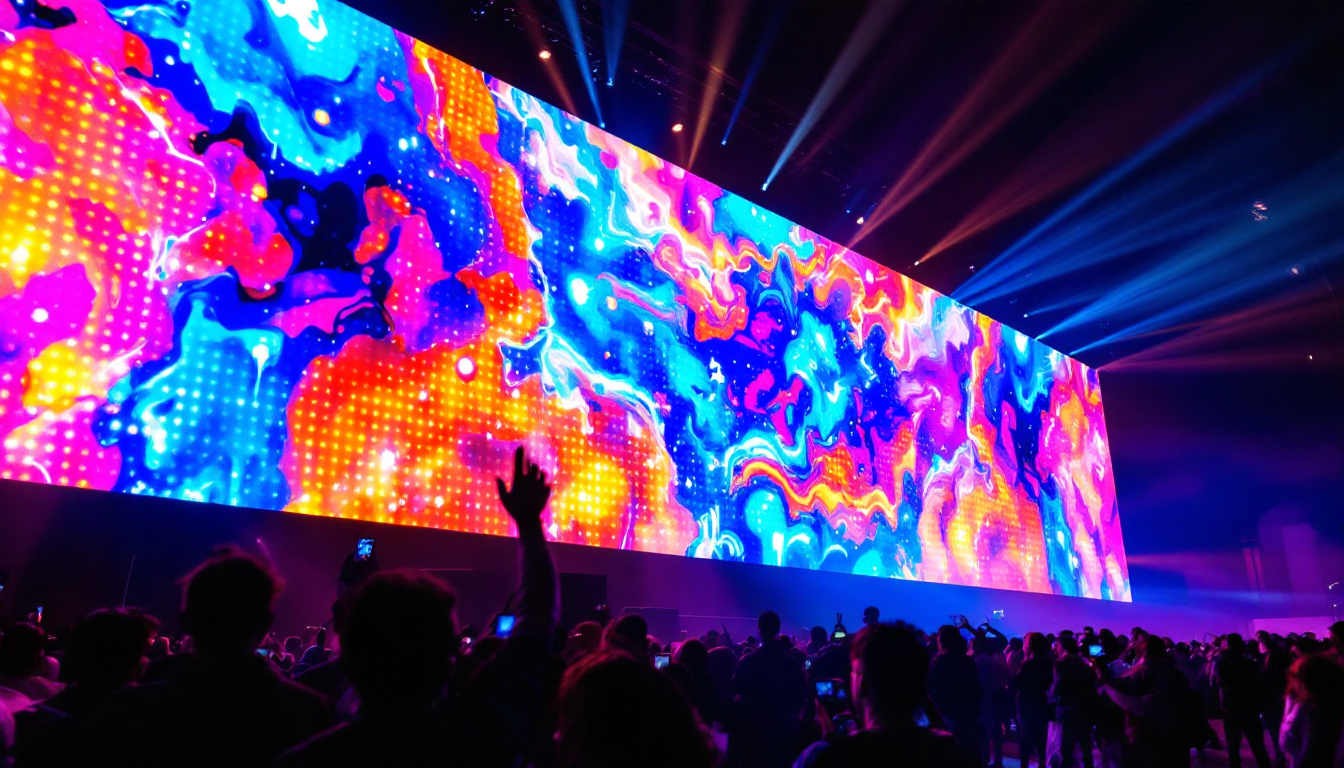
In the rapidly evolving world of digital signage, LED displays have emerged as a dominant technology, transforming how businesses, cities, and event organizers communicate visually. The term “Digital Wall” often refers to large-scale LED display installations that create immersive, dynamic visual experiences. This article delves into the intricacies of LED displays, exploring their technology, applications, benefits, and future trends, providing a comprehensive understanding for professionals, marketers, and tech enthusiasts alike.
Understanding LED Display Technology
What is an LED Display?
LED stands for Light Emitting Diode, a semiconductor device that emits light when an electric current passes through it. LED displays are composed of thousands, or even millions, of these tiny diodes arranged in a grid to form images and videos. Unlike traditional LCD or projection screens, LED displays produce their own light, resulting in brighter, more vibrant visuals with better contrast ratios. This self-illuminating feature allows for deeper blacks and a wider color gamut, making LED displays particularly appealing for applications where image quality is paramount.
Digital walls utilize these LED panels seamlessly tiled together to create expansive screens that can span entire building facades or indoor walls. The modular nature of LED panels allows for flexible sizing and shapes, making them ideal for large-scale digital installations. This adaptability has led to their widespread use in various sectors, including advertising, entertainment, and even art installations, where creativity knows no bounds. Furthermore, the integration of smart technology into LED displays has opened up new possibilities for interactivity, allowing viewers to engage with content in real-time.
Types of LED Displays
LED displays come in various forms, each suited for different environments and purposes:
- Indoor LED Displays: Designed for controlled lighting environments, these displays have a higher pixel density (smaller pixel pitch) to provide sharp images at close viewing distances. Typical pixel pitches range from 0.9mm to 4mm. They are commonly used in venues such as theaters, conference rooms, and retail spaces, where clarity and detail are essential.
- Outdoor LED Displays: Built to withstand harsh weather conditions, these have larger pixel pitches (usually 4mm to 20mm) since viewers typically observe them from farther away. They are also brighter, often exceeding 5,000 nits, to combat sunlight glare. Outdoor LED displays are frequently seen in stadiums, public squares, and along highways, delivering high-impact advertising and information to large audiences.
- Transparent LED Displays: These innovative screens allow light to pass through, making them perfect for storefront windows or glass walls, blending digital content with the physical environment. This technology not only enhances the aesthetic appeal of a space but also provides businesses with a unique way to showcase products without obstructing visibility.
- Flexible and Curved LED Displays: Utilizing bendable panels, these displays can wrap around columns or create immersive curved surfaces, enhancing the spatial experience. Their versatility has made them popular in modern architecture and exhibition design, where they can transform ordinary spaces into captivating environments.
Pixel Pitch and Resolution
Pixel pitch is a critical specification in LED displays, referring to the distance between the centers of two adjacent pixels. It directly affects the resolution and viewing distance of the display. A smaller pixel pitch means higher resolution and sharper images but typically comes at a higher cost. This is particularly important in applications where detail is crucial, such as in broadcast studios or high-end retail displays.
For example, a digital wall with a 1.5mm pixel pitch is ideal for indoor environments where viewers are close, such as control rooms or retail spaces. Conversely, a 10mm pixel pitch display suits outdoor billboards where viewers are tens of meters away. Additionally, advancements in technology have led to the development of ultra-high-definition (UHD) LED displays, which offer even greater pixel density and clarity, making them suitable for applications that require exceptional image quality, such as medical imaging and high-resolution video production. The evolution of pixel pitch continues to push the boundaries of what is possible in display technology, catering to an ever-growing demand for immersive visual experiences.
Applications of Digital Walls with LED Displays
Advertising and Marketing
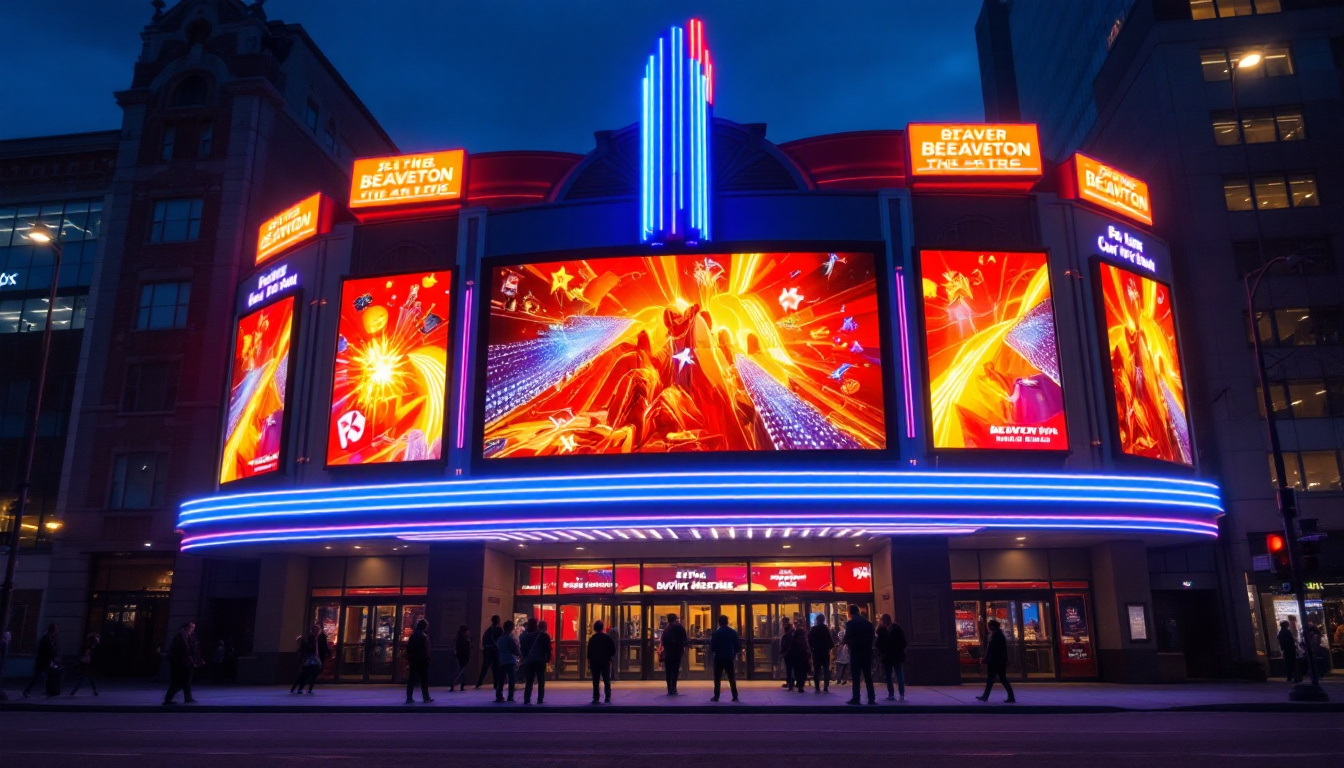
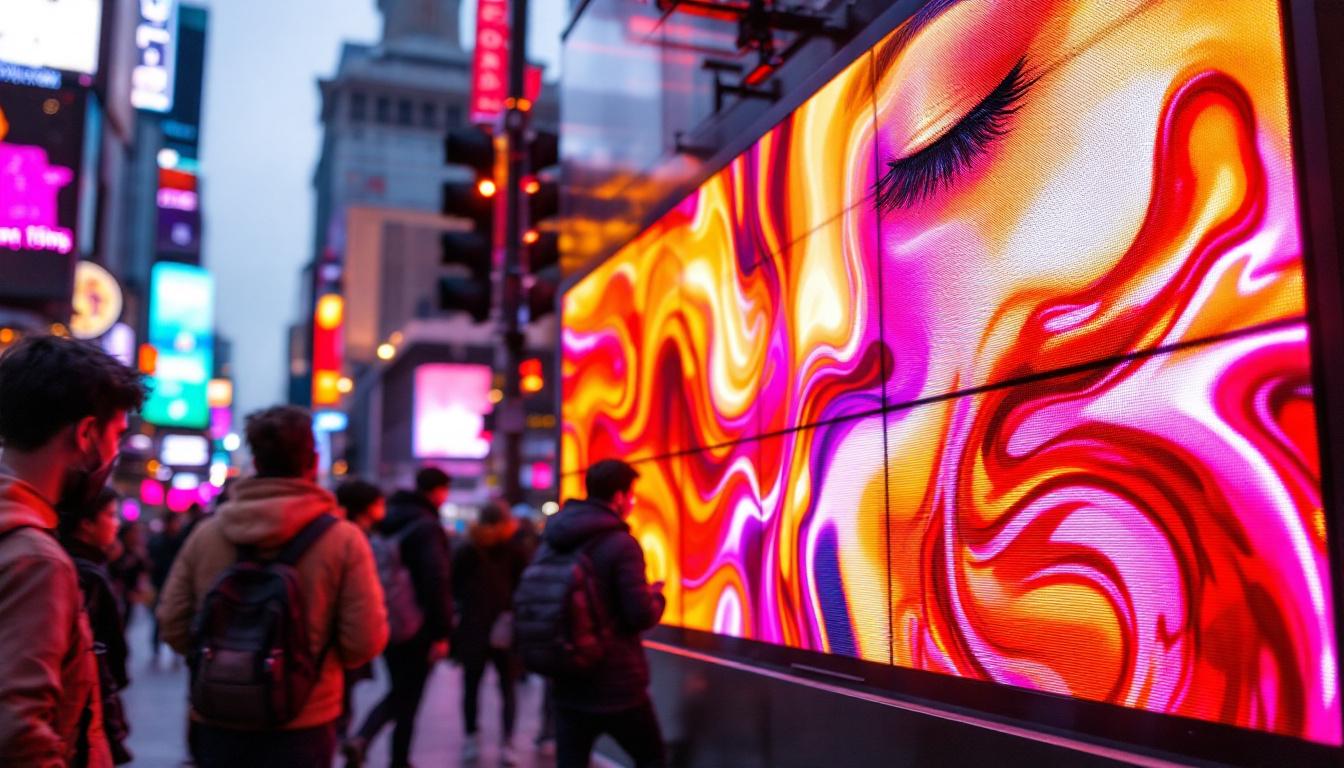
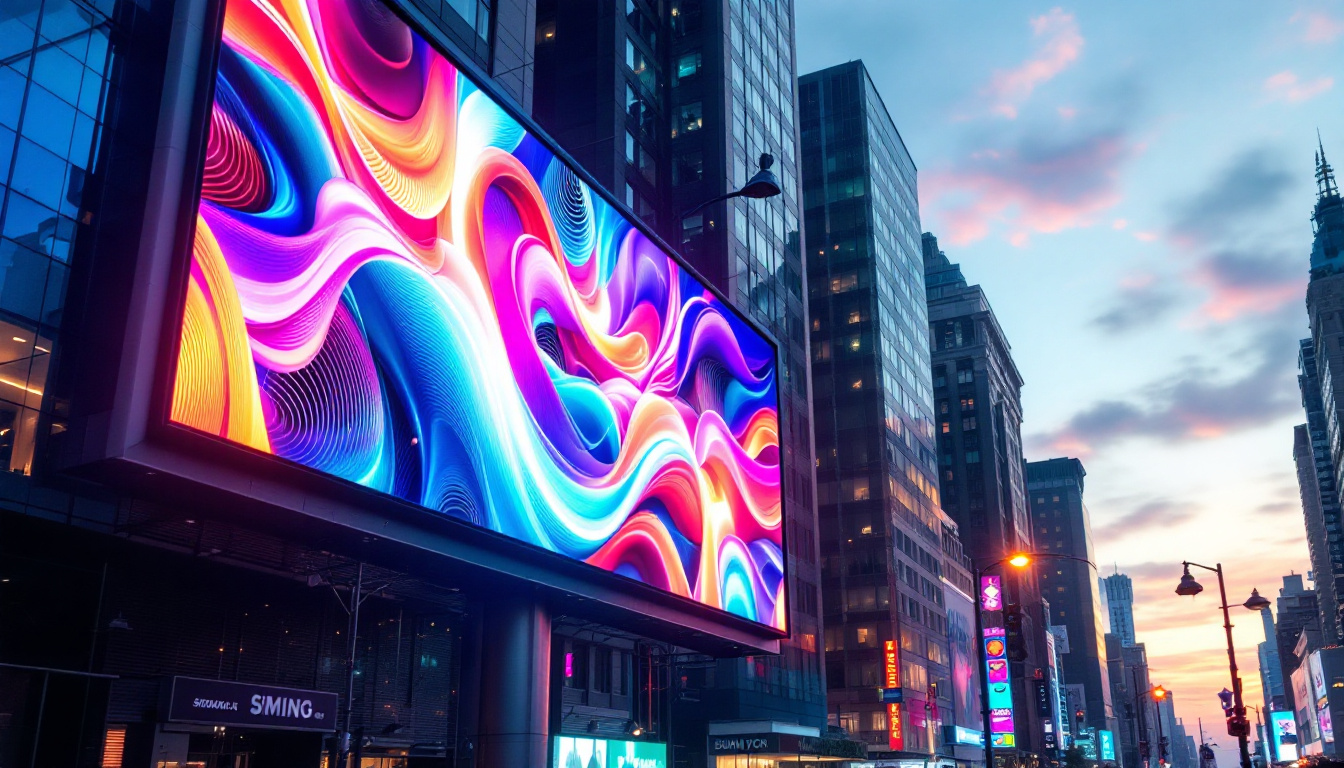
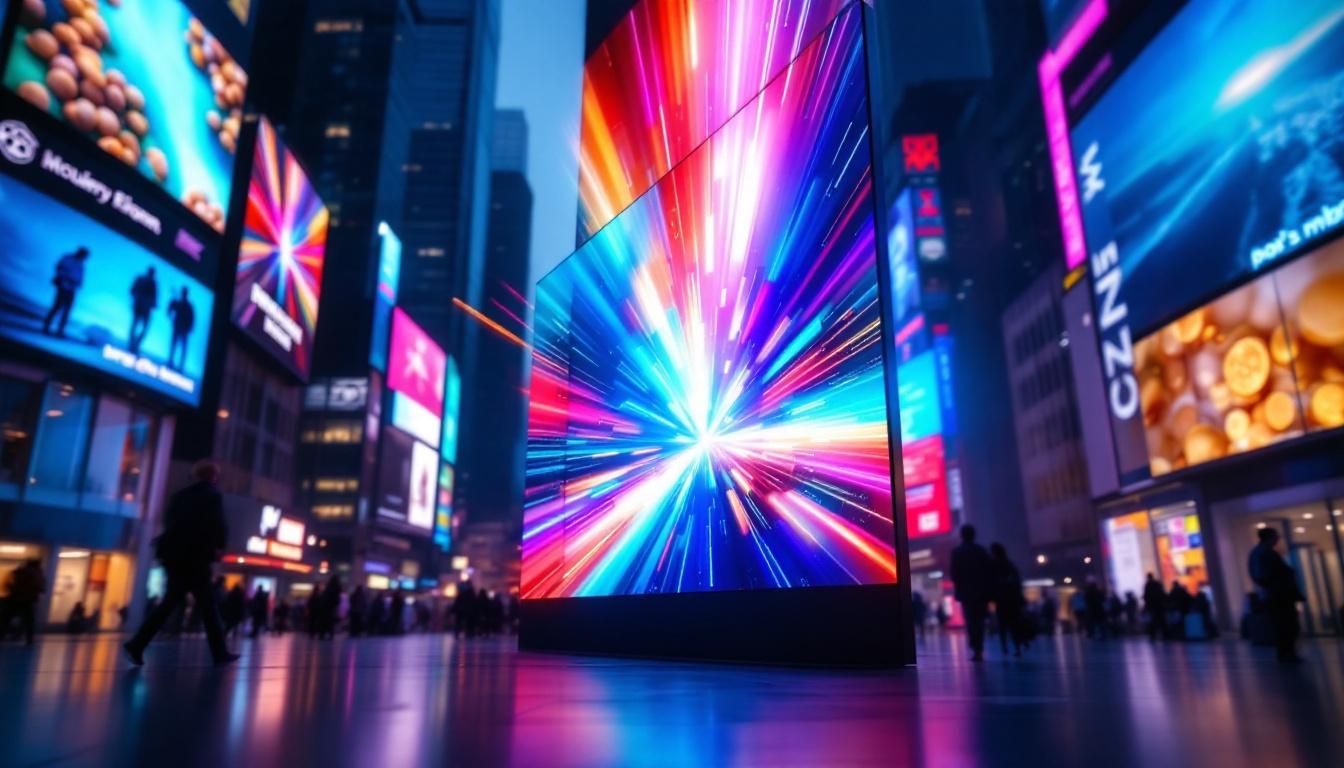
One of the most prominent uses of LED digital walls is in advertising. From Times Square in New York to Piccadilly Circus in London, massive LED billboards captivate audiences with dynamic, high-resolution content. These displays allow advertisers to update campaigns instantly, tailor messaging based on time of day or audience demographics, and incorporate interactive elements.
According to a 2023 study by the Digital Signage Federation, digital out-of-home (DOOH) advertising, which includes LED displays, is expected to grow at a compound annual growth rate (CAGR) of 15% over the next five years, underscoring the medium’s increasing importance.
Corporate and Control Room Environments
Digital walls are essential tools in corporate settings, particularly in control rooms for utilities, transportation, and emergency services. These environments require real-time data visualization across multiple sources, and LED walls provide the clarity and scale needed for rapid decision-making.
For instance, transportation hubs use LED walls to display live updates on schedules, delays, and security alerts, enhancing operational efficiency and passenger experience.
Entertainment and Events
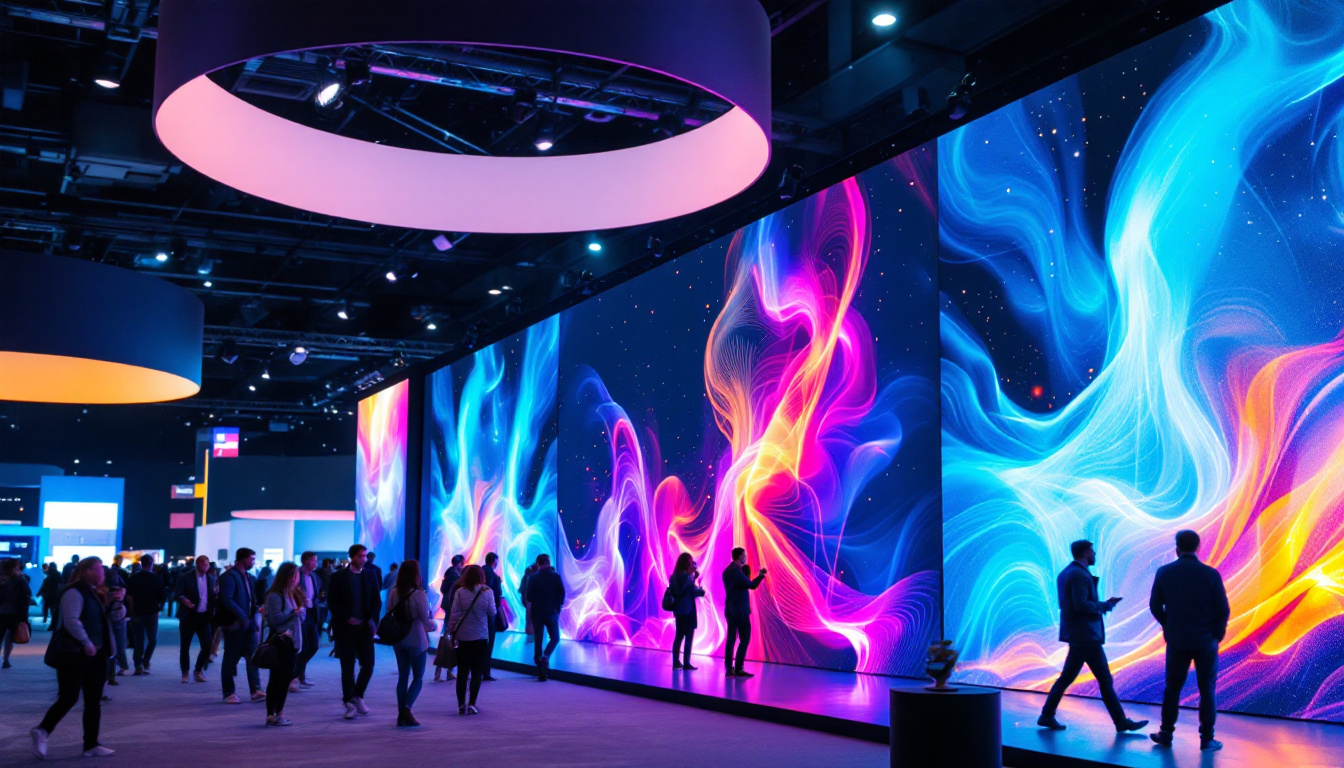
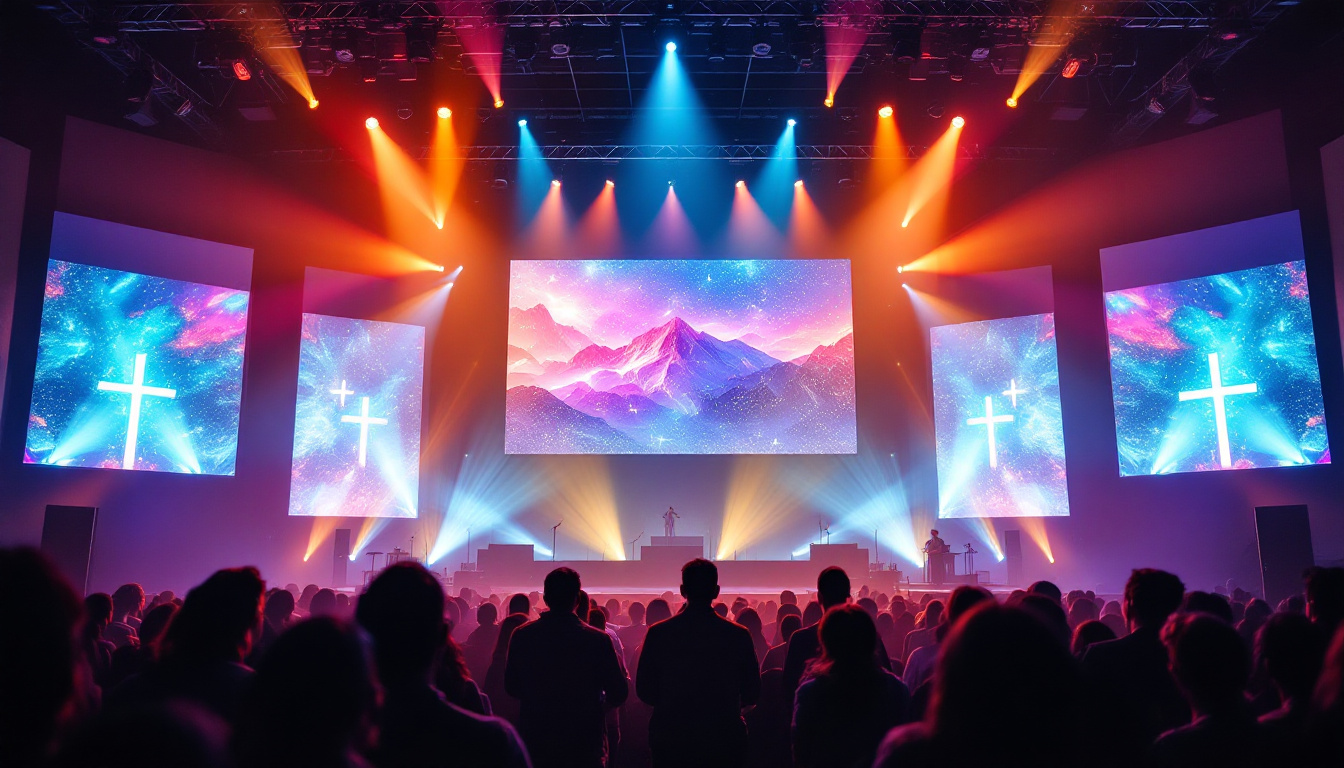
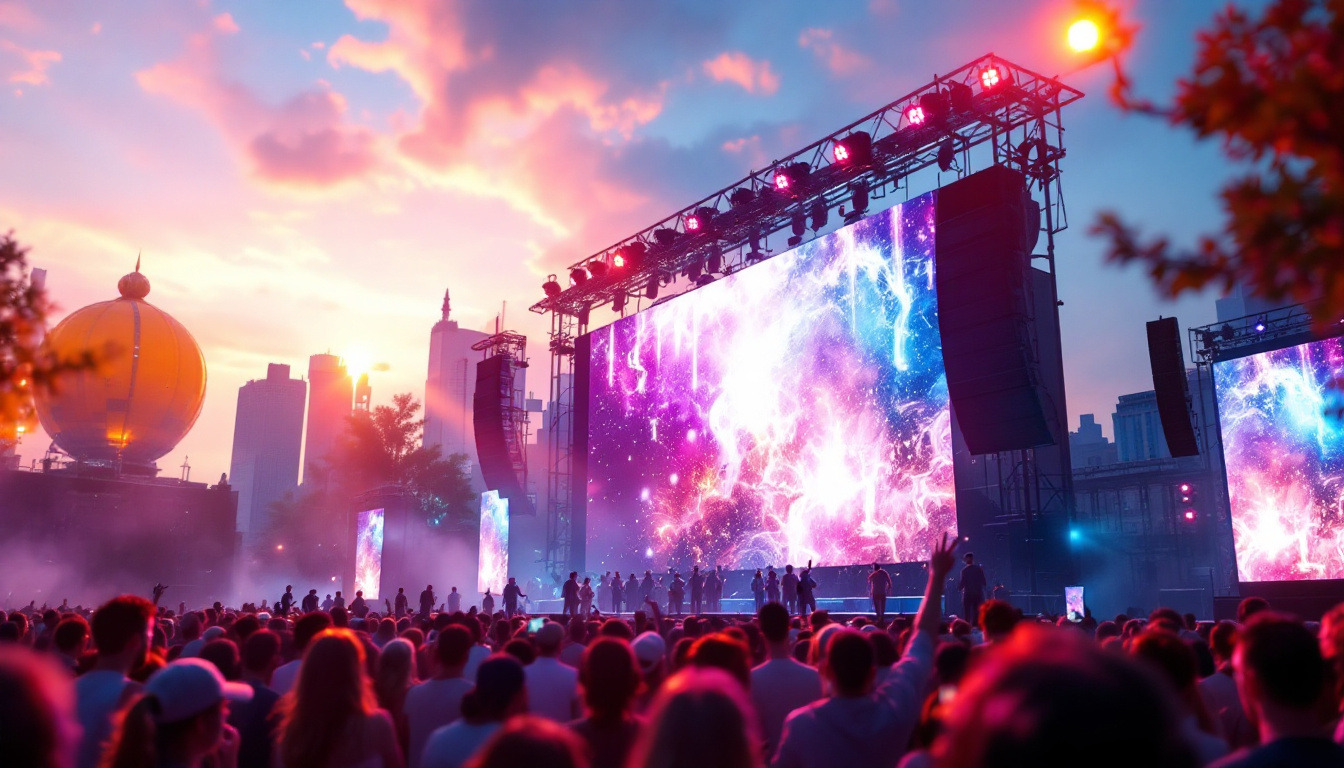
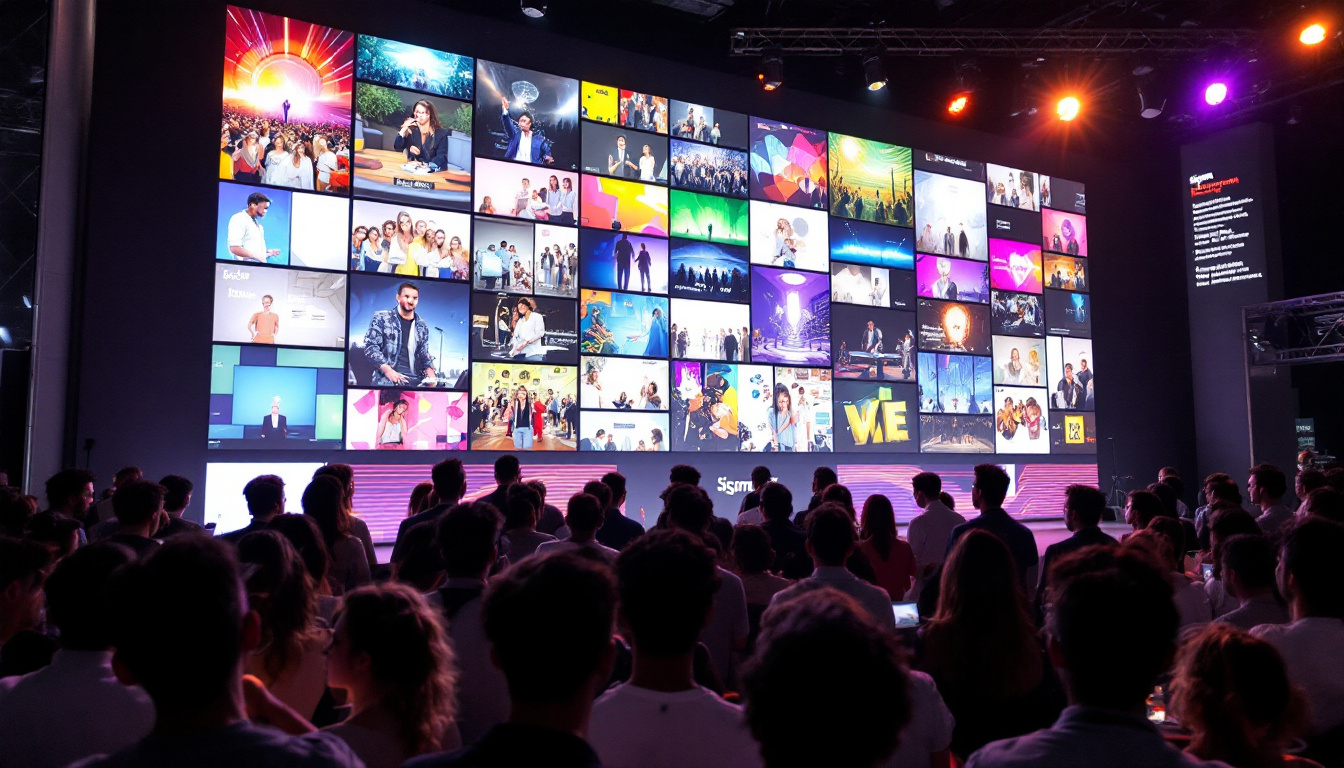
Concerts, sports arenas, and exhibitions frequently employ LED digital walls to create immersive environments. These displays can cover entire stages or stadium walls, delivering high-impact visuals that engage audiences. The ability to customize content dynamically during events adds a layer of excitement and interactivity.
Major events like the Super Bowl and the Olympics showcase LED walls as central elements of their visual production, demonstrating the technology’s versatility and reliability.
Architectural and Public Spaces
LED digital walls are increasingly integrated into architectural designs, turning buildings into canvases for art and information. Cities use these installations for public art projects, wayfinding, and community engagement. The combination of transparency and flexibility in LED technology allows for creative implementations that blend digital and physical spaces.
Advantages of LED Digital Walls
Brightness and Visibility
LED displays excel in brightness, often reaching levels that surpass 5,000 nits outdoors, ensuring visibility even in direct sunlight. This capability makes them superior to LCD and projection technologies, which struggle with glare and ambient light.
Energy Efficiency and Longevity
Modern LED technology is energy-efficient compared to other display types. Advances in semiconductor materials and power management have reduced energy consumption, making LED walls more sustainable. Additionally, LEDs have long lifespans, often exceeding 100,000 hours, reducing maintenance and replacement costs.
Color Accuracy and Contrast
Because LEDs emit light directly, they offer excellent color accuracy and deep blacks, resulting in high contrast ratios. This makes content more vivid and engaging, critical for advertising and entertainment applications.
Scalability and Flexibility
The modular design of LED panels allows for virtually unlimited scalability. Whether creating a small video wall in a retail store or a massive digital facade on a skyscraper, LED technology adapts seamlessly. Flexible and transparent options further expand creative possibilities.
Durability and Weather Resistance
Outdoor LED walls are engineered to withstand rain, dust, extreme temperatures, and UV exposure. This durability ensures consistent performance in diverse environments, a key factor for long-term installations.
Challenges and Considerations
Initial Investment and Cost
While LED technology has become more affordable over the years, the upfront cost for high-resolution digital walls can be significant. This includes not only the LED panels themselves but also installation, content management systems, and ongoing maintenance.
However, the return on investment often justifies the expense, especially in advertising and corporate settings where impactful communication drives revenue and operational efficiency.
Content Management and Software
Managing content on large LED walls requires sophisticated software platforms capable of handling multiple inputs, scheduling, and real-time updates. Ensuring compatibility and ease of use is crucial for maximizing the display’s potential.
Viewing Distance and Pixel Pitch Optimization
Choosing the appropriate pixel pitch relative to the expected viewing distance is essential to avoid pixelation or unnecessary costs. A mismatch can result in poor image quality or overspending on resolution that viewers cannot appreciate.
Environmental Impact and Light Pollution
Large outdoor LED walls can contribute to light pollution, affecting nearby residents and wildlife. Responsible design and operation, including brightness controls and curfews, help mitigate these concerns.
Future Trends in LED Digital Walls
Mini-LED and Micro-LED Technologies
Emerging technologies such as Mini-LED and Micro-LED promise even greater brightness, contrast, and energy efficiency. Micro-LED, in particular, offers pixel-level control, enabling ultra-high resolution and improved color fidelity. These advances will further expand the applications and capabilities of digital walls.
Integration with AI and Interactive Technologies
Artificial intelligence is increasingly integrated into digital signage for personalized content delivery, facial recognition, and interactive experiences. Coupled with LED walls, AI can transform static displays into engaging, adaptive communication platforms.
Environmental Sustainability
Manufacturers are focusing on eco-friendly materials and energy-saving designs to reduce the environmental footprint of LED displays. Recycling programs and longer-lasting components contribute to the sustainability of digital walls.
Augmented Reality and Mixed Reality Synergies
Combining LED digital walls with augmented reality (AR) and mixed reality (MR) technologies opens new horizons for immersive experiences in retail, education, and entertainment. These integrations will redefine how audiences interact with digital content in physical spaces.
Conclusion
LED digital walls represent a convergence of cutting-edge technology, creative expression, and practical communication. Their versatility, brightness, and scalability make them indispensable in today’s digital landscape, from advertising and corporate environments to public art and entertainment.
As LED technology continues to advance, the potential for more immersive, interactive, and sustainable digital walls will only grow, offering exciting opportunities for businesses and communities worldwide. Understanding the fundamentals of LED displays and their applications equips decision-makers to harness this powerful medium effectively.
Explore the Future of Visual Communication with LumenMatrix
Ready to elevate your visual engagement to new heights? Discover LumenMatrix’s innovative LED display solutions, where cutting-edge technology meets creative design. From vibrant Indoor and Outdoor LED Wall Displays to dynamic Vehicle and Sports LED Displays, LumenMatrix offers a wide array of options tailored to your needs. Immerse your audience with our LED Poster Displays, Floor LED Displays, and Custom LED solutions, or streamline your message with our All-in-One LED Displays. Experience the transformative power of LED Transparent Displays and revolutionize your brand’s visibility. Check out LumenMatrix LED Display Solutions and join the forefront of digital signage innovation.