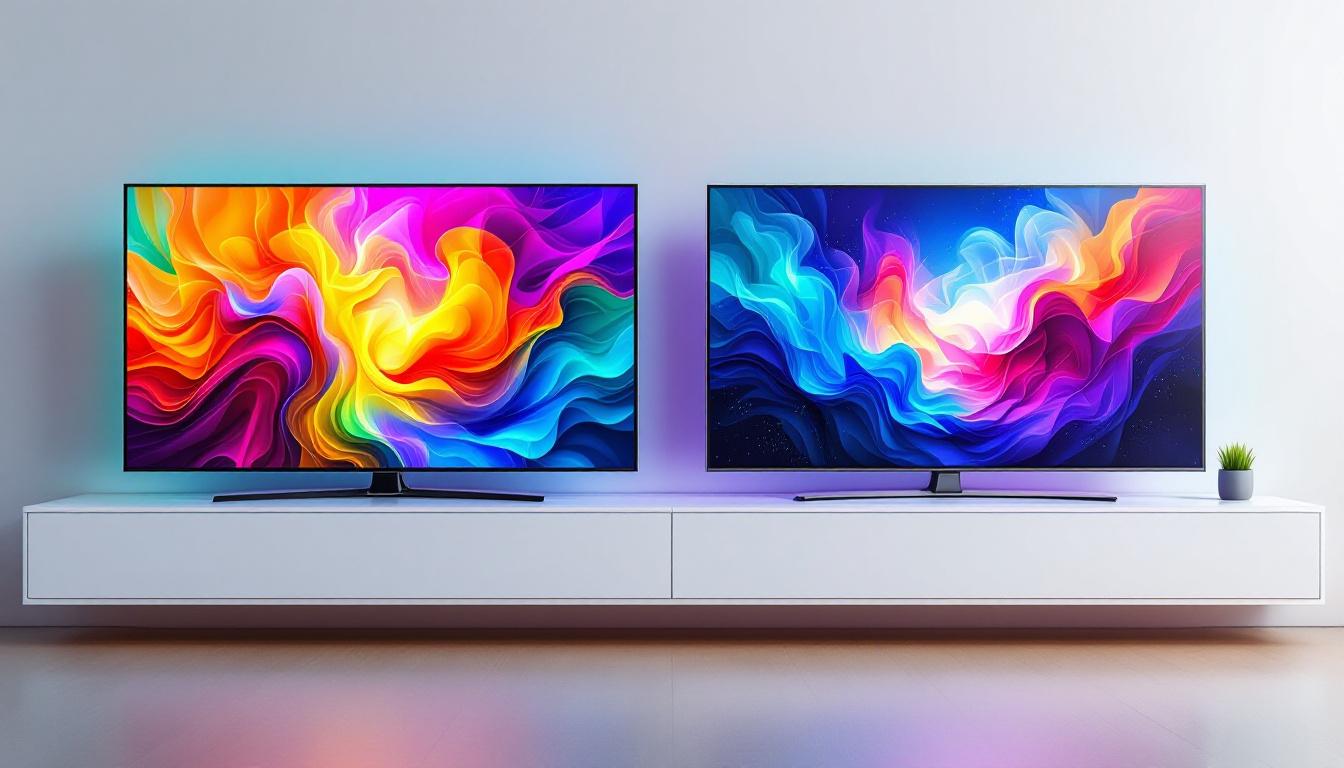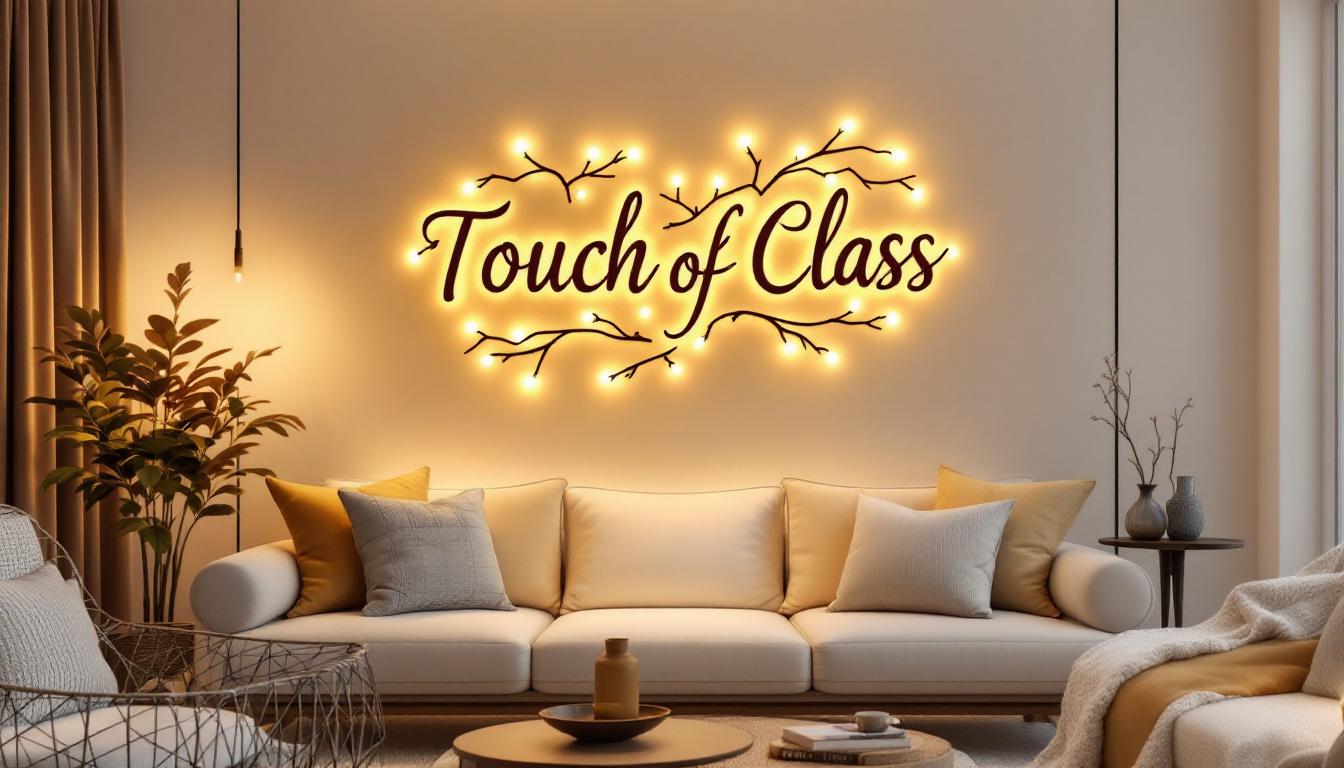
In the evolving world of interior design, wall decor has transcended traditional paintings and prints. LED displays have emerged as a sophisticated, dynamic, and customizable solution that brings a touch of class to any space. Whether in homes, offices, or commercial settings, LED wall decor offers a blend of technology and artistry that captivates and enhances ambiance.
This article delves into the essence of LED displays in wall decor, explaining their technology, benefits, design considerations, and practical applications. By understanding these aspects, homeowners, designers, and business owners can make informed decisions about incorporating LED displays into their environments.
Understanding LED Displays: The Technology Behind the Glow
What Is an LED Display?
LED, or Light Emitting Diode, displays are screens composed of tiny light-emitting diodes arranged in a matrix. These diodes emit light when an electric current passes through them, creating images, text, or videos visible to the naked eye. Unlike traditional backlit screens, LEDs produce their own light, resulting in brighter and more vibrant visuals. This self-illuminating property allows for deeper blacks and a wider color gamut, enhancing the overall viewing experience.
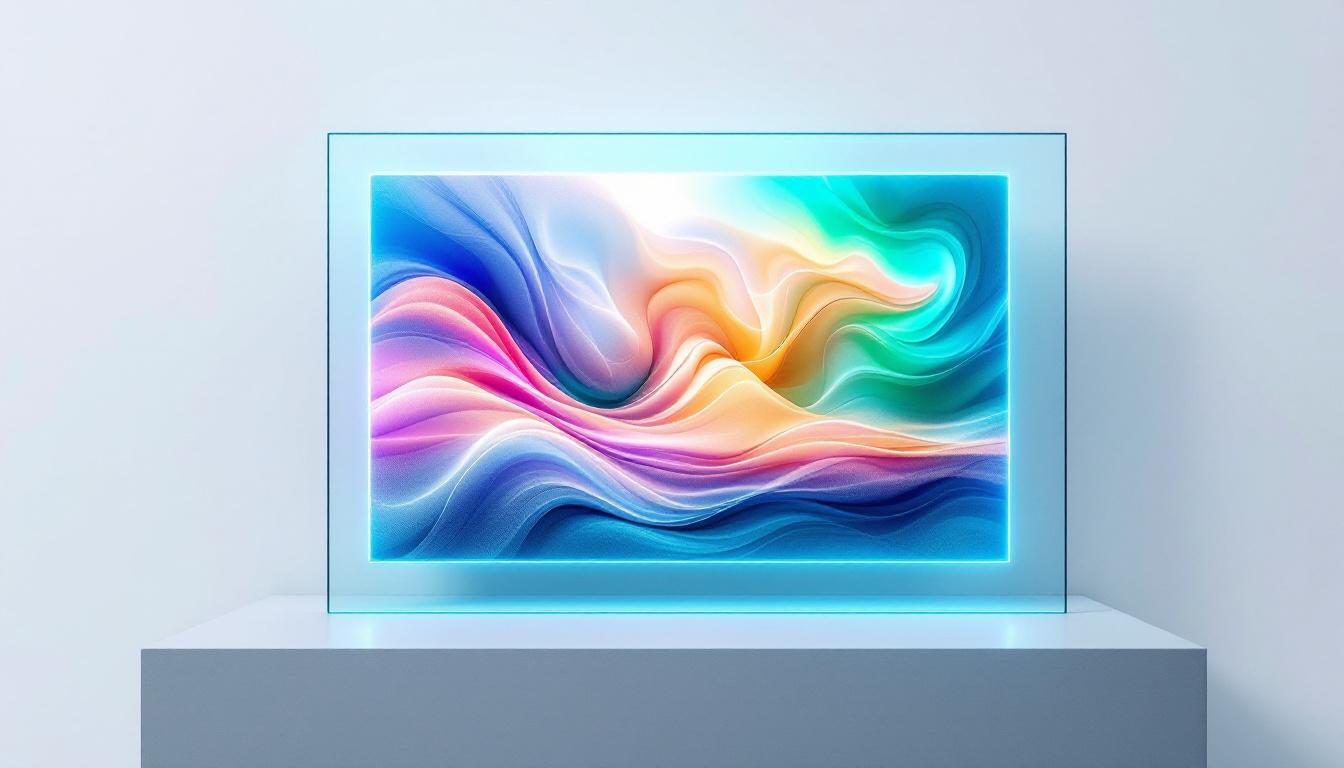
In wall decor, LED displays can range from simple panels showing static images or messages to complex, high-resolution screens capable of streaming dynamic content. Their versatility makes them suitable for various applications, from subtle ambient lighting to bold artistic statements. Furthermore, the energy efficiency of LED technology means that these displays consume less power than their traditional counterparts, making them an eco-friendly choice for modern decor.
Types of LED Displays Used in Wall Decor
There are several types of LED displays commonly used in wall decor:
- LED Light Panels: Thin, flat panels that emit uniform light, often used as backlighting or to create soft glows behind artwork.
- LED Matrix Displays: Composed of a grid of LEDs that can be individually controlled to display patterns, text, or animations.
- Flexible LED Strips: These strips can be bent or shaped to follow architectural lines or create custom designs on walls.
- OLED Displays: Although technically different, OLEDs (Organic LEDs) are sometimes integrated for ultra-thin, high-contrast panels in luxury decor.
Each type offers unique advantages depending on the desired aesthetic and functional needs. For instance, LED light panels are often favored in commercial spaces for their ability to create a clean, modern look while providing ample illumination. On the other hand, flexible LED strips are popular among DIY enthusiasts, as they can be easily installed in creative configurations, allowing for personalized lighting solutions that enhance the character of any room.
Moreover, the integration of smart technology with LED displays is revolutionizing wall decor. Many LED displays can now be controlled via smartphone apps, enabling users to change colors, adjust brightness, or even sync lighting with music or events. This interactivity not only adds a layer of personalization but also transforms static wall art into dynamic experiences that can adapt to different moods and occasions, making LED displays a truly innovative choice for modern interior design.
The Benefits of LED Wall Decor
Enhancing Ambiance and Aesthetic Appeal
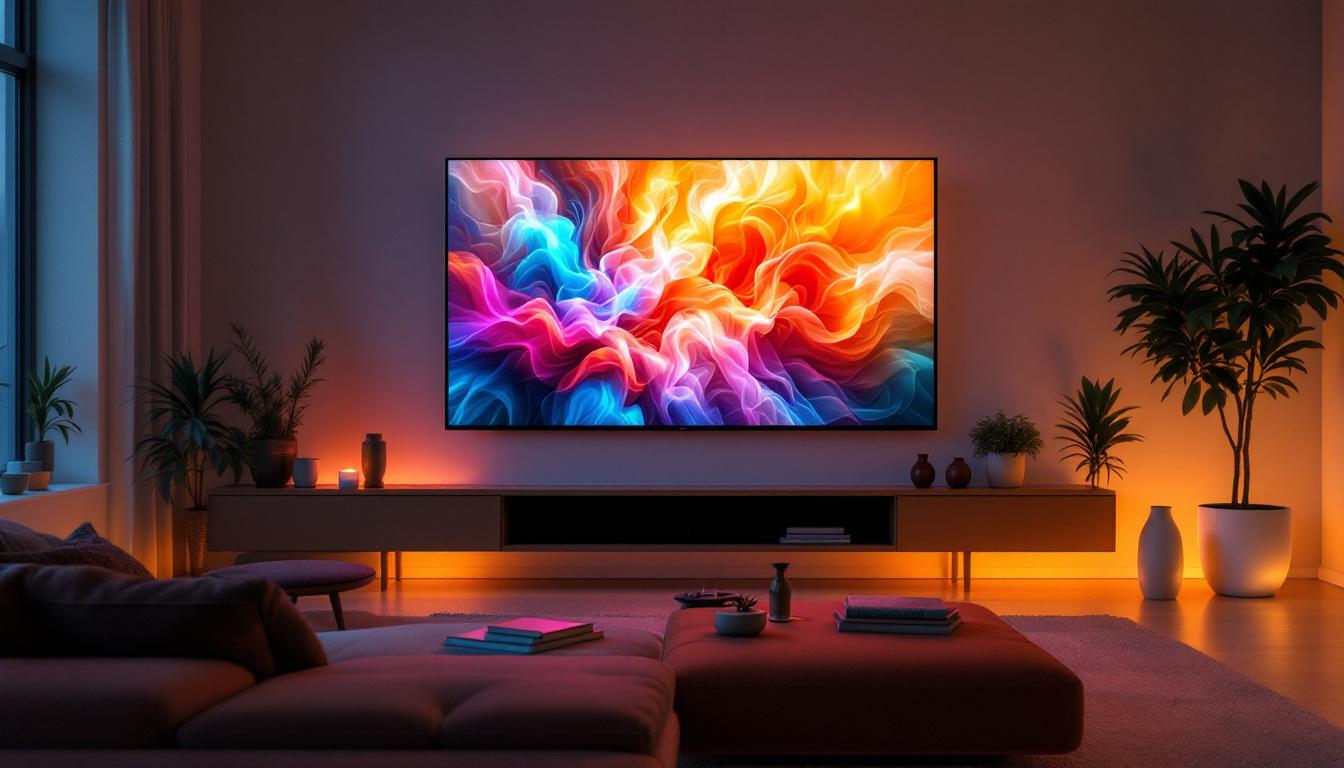
One of the primary reasons LED displays are gaining popularity in wall decor is their ability to transform the ambiance of a room. LEDs provide vibrant, customizable lighting that can enhance colors, textures, and architectural features. For example, a living room can be imbued with warm, soft hues during the evening or bright, energizing tones during the day, all controlled via smart devices.
Moreover, LED displays can showcase dynamic art or personalized messages, allowing users to express creativity and individuality. This adaptability makes LED wall decor a compelling choice for modern interiors seeking a blend of technology and elegance.
Energy Efficiency and Longevity
Compared to traditional incandescent or fluorescent lighting, LEDs consume significantly less energy. According to the U.S. Department of Energy, LEDs use at least 75% less energy and last 25 times longer than incandescent lighting. This efficiency translates into lower electricity bills and reduced environmental impact, an important consideration for eco-conscious consumers.
Furthermore, the long lifespan of LEDs—often exceeding 50,000 hours—means less frequent replacements and maintenance, making them a cost-effective investment over time.
Customization and Control
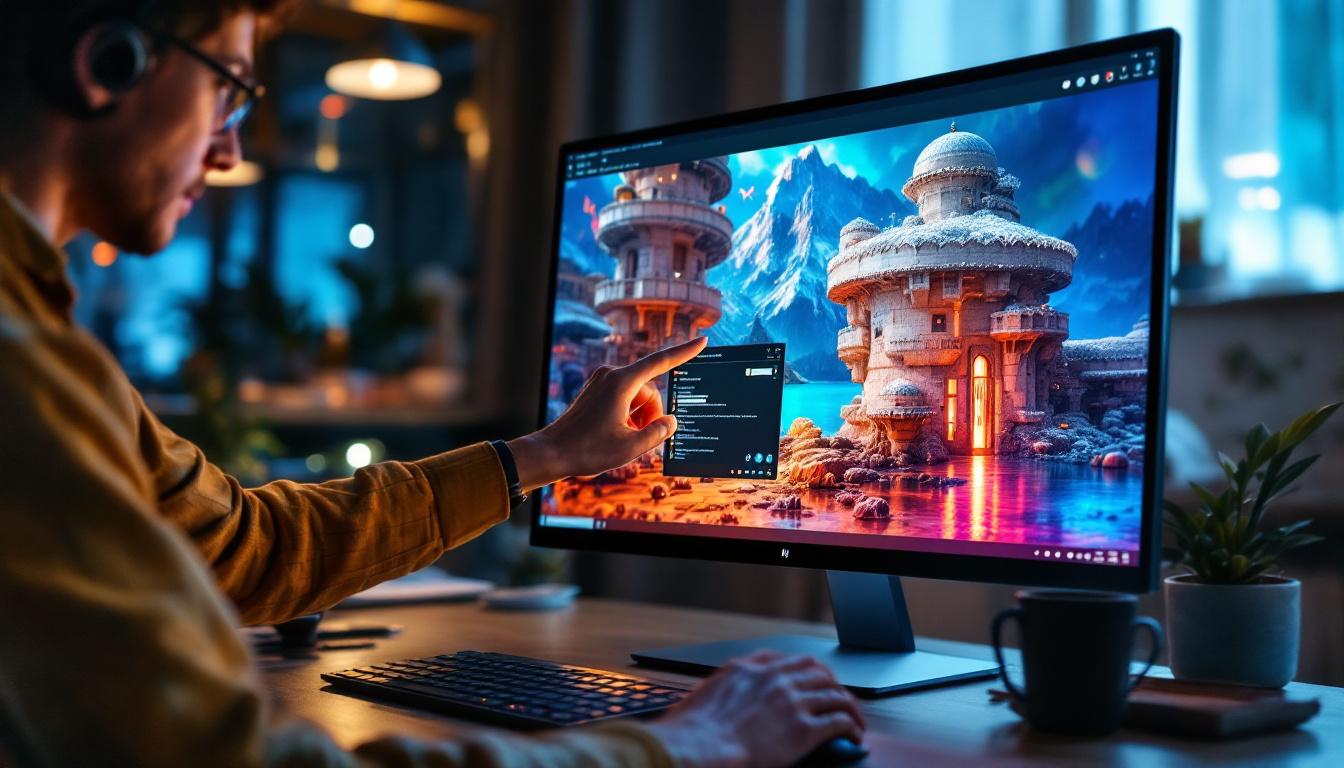
Modern LED wall displays are often integrated with smart home systems or dedicated control apps. This connectivity allows users to adjust brightness, colors, patterns, and even schedule changes based on time of day or mood. For commercial spaces, this flexibility can be used to display branding, promotions, or event-specific content, enhancing customer engagement.
The ability to tailor LED displays to specific preferences or occasions adds a layer of sophistication and personalization that traditional wall decor cannot match.
Design Considerations for Incorporating LED Displays
Choosing the Right Size and Resolution
The impact of an LED wall display depends heavily on its size and resolution. Larger displays with higher pixel density offer sharper images and more detailed content, ideal for spaces where the display will be viewed up close. Conversely, smaller or lower-resolution panels may suffice for ambient lighting or distant viewing.
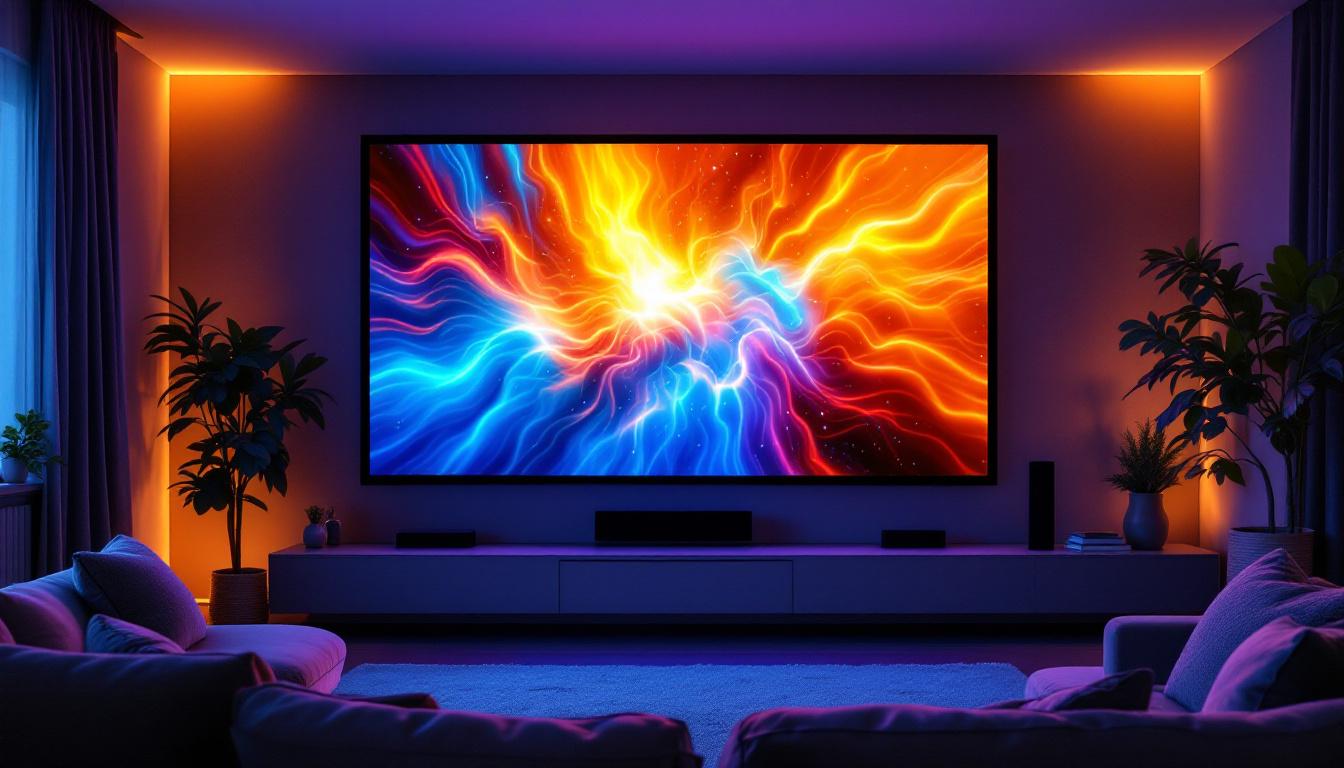
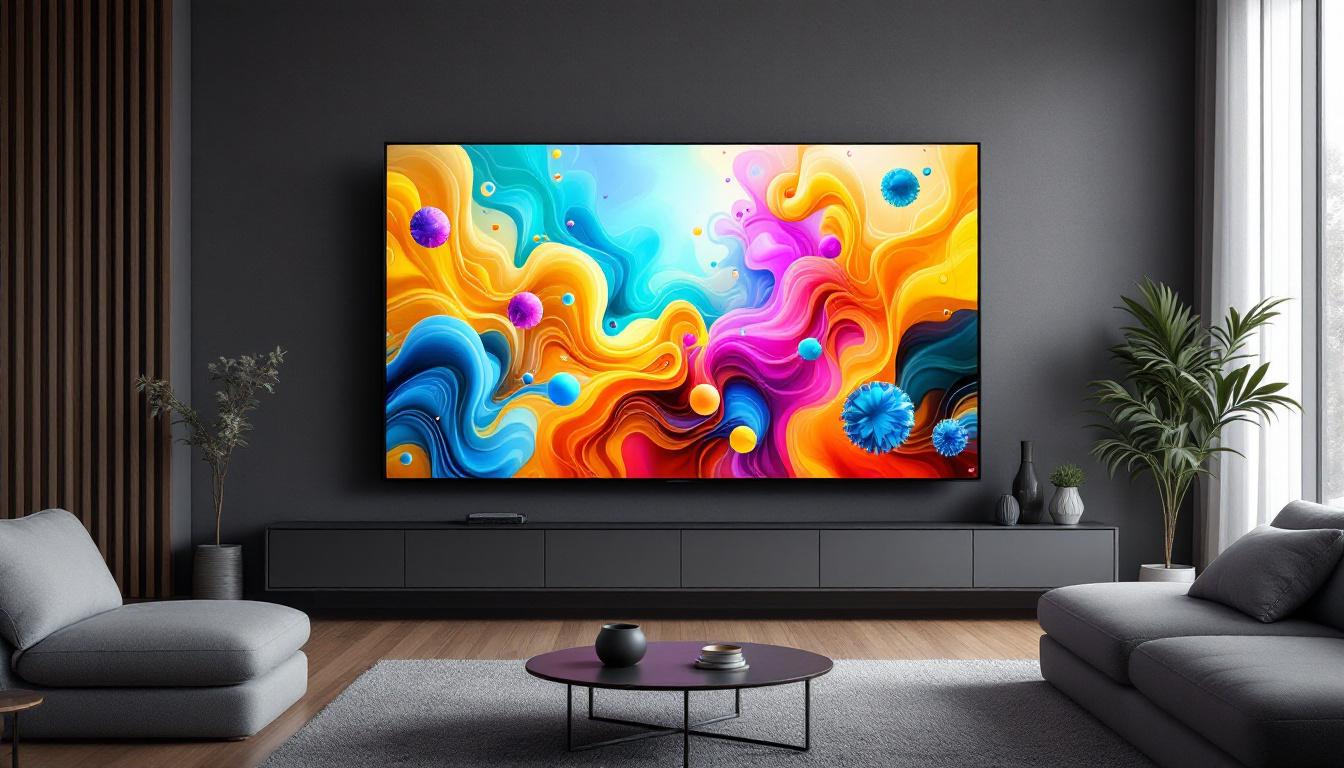
Designers must balance the desired visual impact with practical constraints such as wall space, viewing distance, and budget. For example, a 4K resolution LED panel might be perfect for a high-end home theater wall, while a simple LED matrix could serve well in a minimalist office lobby.
Integration with Existing Decor
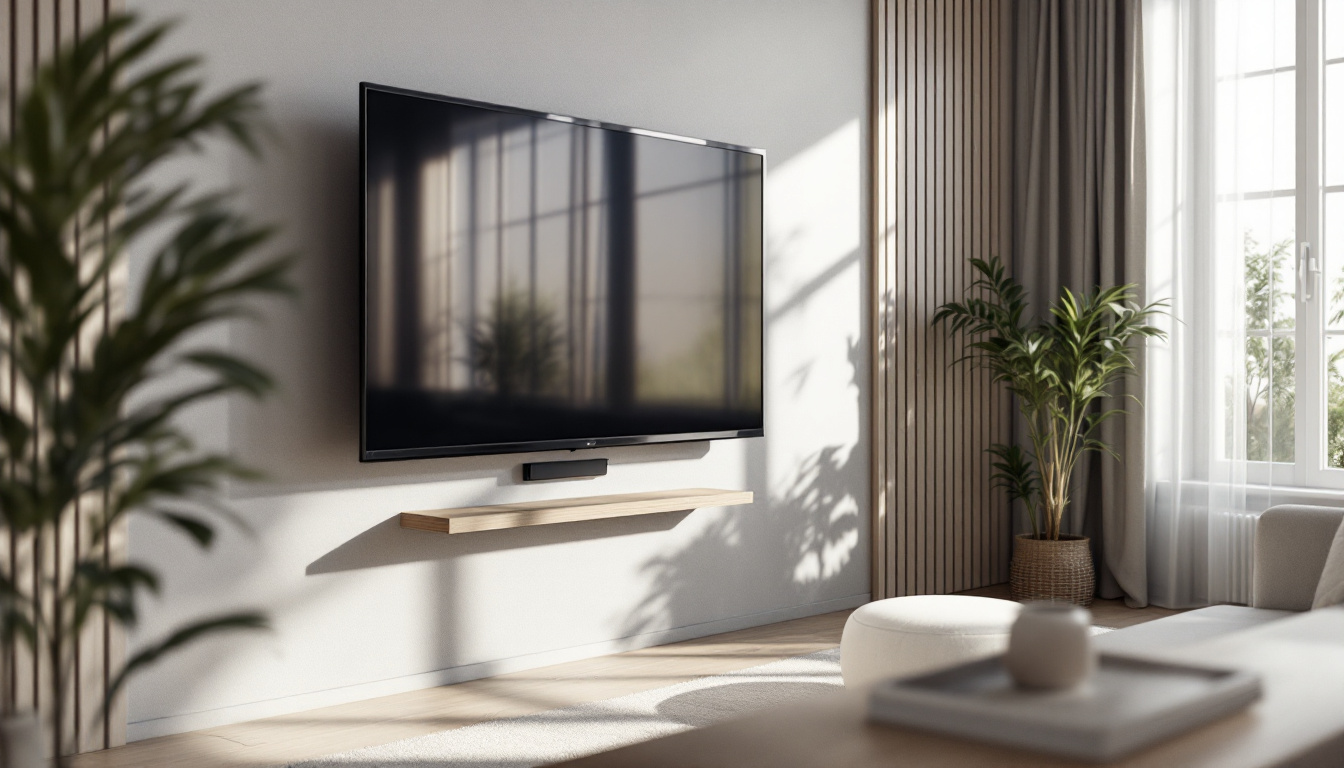
Seamless integration is key to maintaining a “touch of class” aesthetic. LED displays should complement, not overpower, the existing decor. This can be achieved by selecting frames, mounts, or casings that match furniture and architectural elements.
Additionally, the content displayed should align with the room’s purpose and style. For instance, abstract digital art might suit a contemporary living room, while subtle color gradients could enhance a professional workspace.
Installation and Maintenance
Proper installation ensures the longevity and optimal performance of LED wall decor. It is advisable to work with professional installers who understand electrical safety, mounting techniques, and calibration of displays.
Maintenance is generally minimal but includes periodic cleaning of the surface to prevent dust buildup and software updates to ensure smooth operation. Considering these factors during the planning phase can prevent future complications.
Practical Applications of LED Wall Decor
Residential Spaces
In homes, LED displays offer a versatile decor element that adapts to different moods and occasions. Popular uses include:
- Digital Art Galleries: Rotating collections of artwork or photography displayed on high-resolution LED panels.
- Ambient Lighting: LED strips behind furniture or along walls create atmospheric lighting effects.
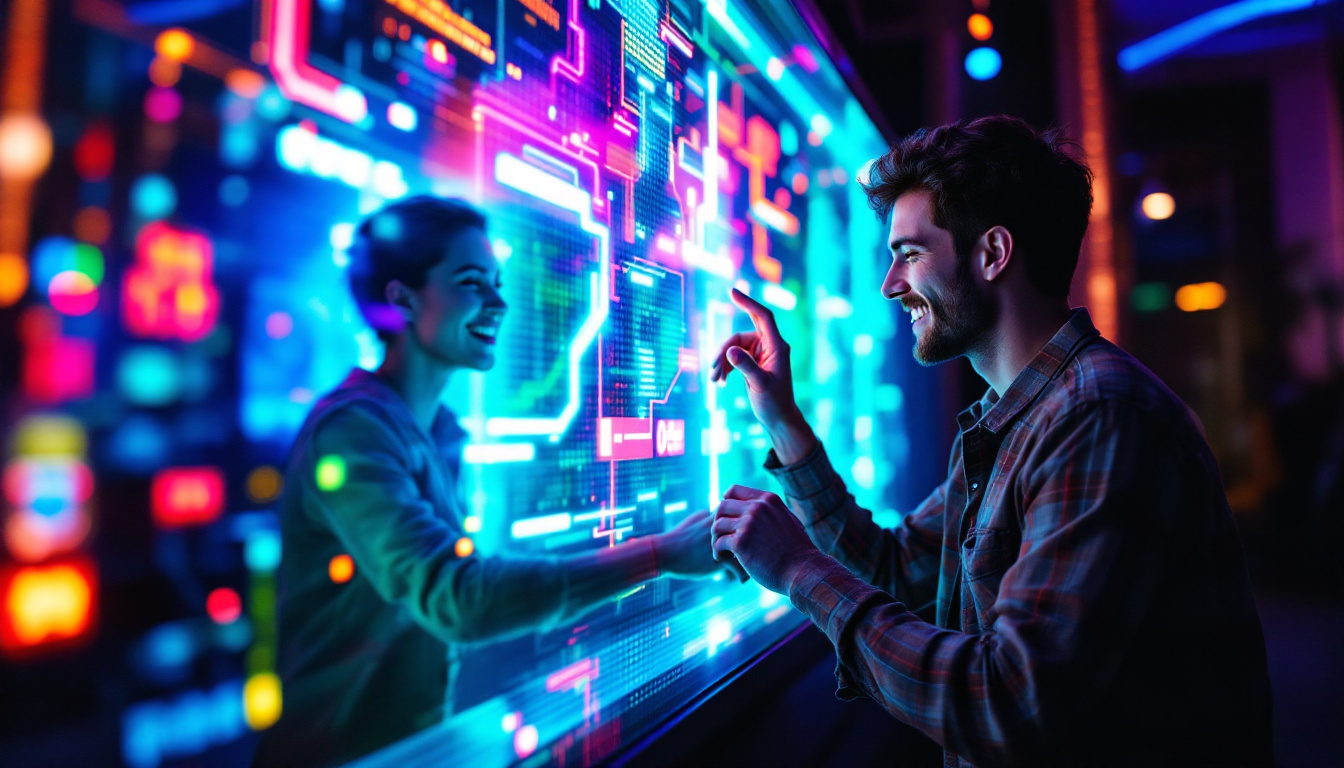
- Interactive Features: Touch-sensitive LED walls that respond to movement or sound, adding an engaging element to living spaces.
These applications not only elevate the visual appeal but also enhance the functionality of residential interiors.
Commercial and Hospitality Environments
Businesses increasingly leverage LED wall decor to attract attention and communicate brand identity. Examples include:
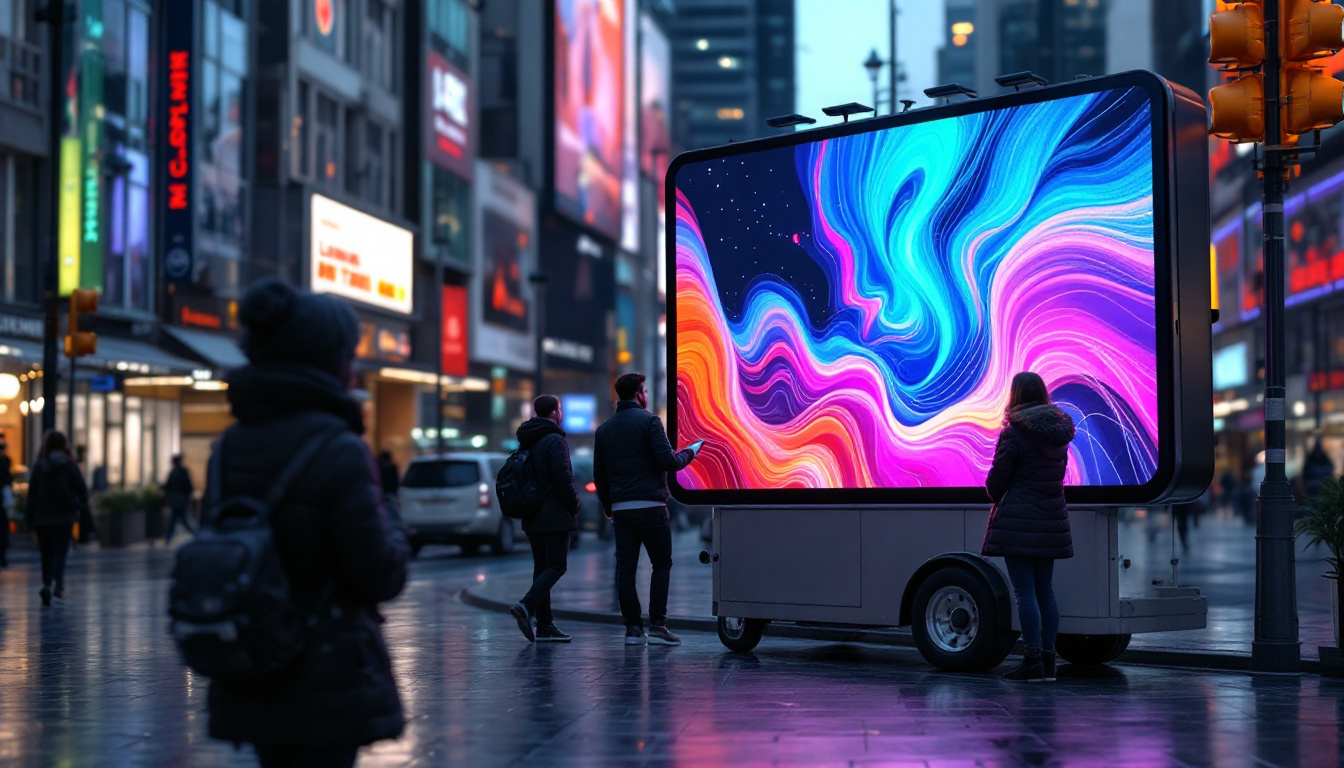
- Retail Displays: Dynamic signage and promotional content displayed on LED walls to entice customers.
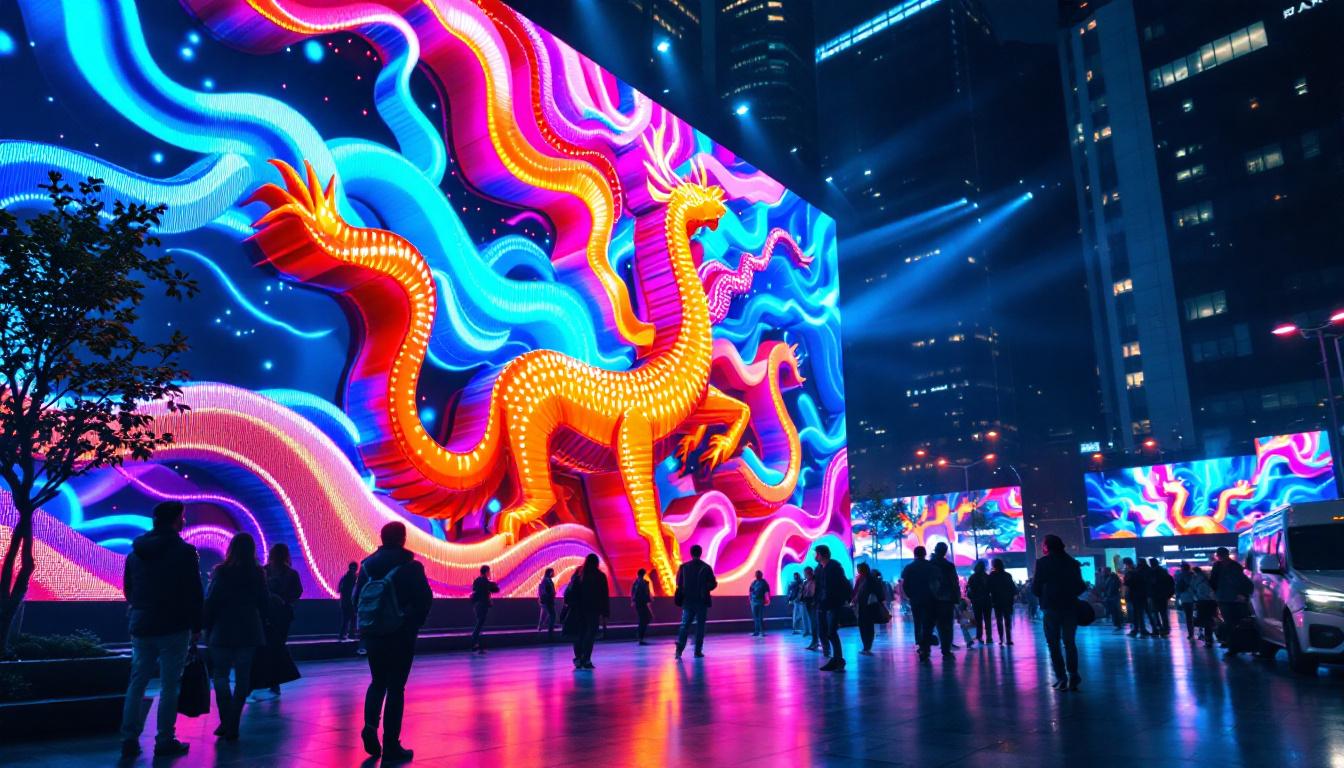
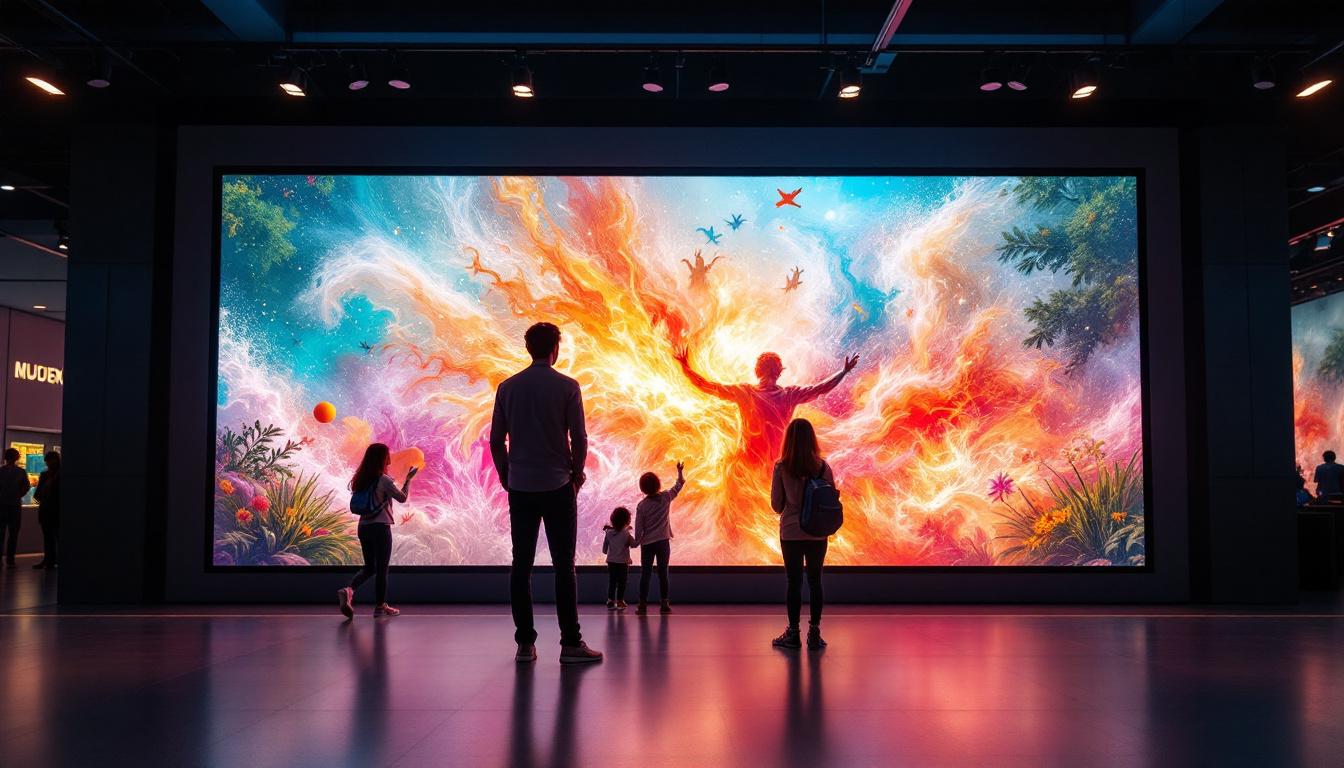
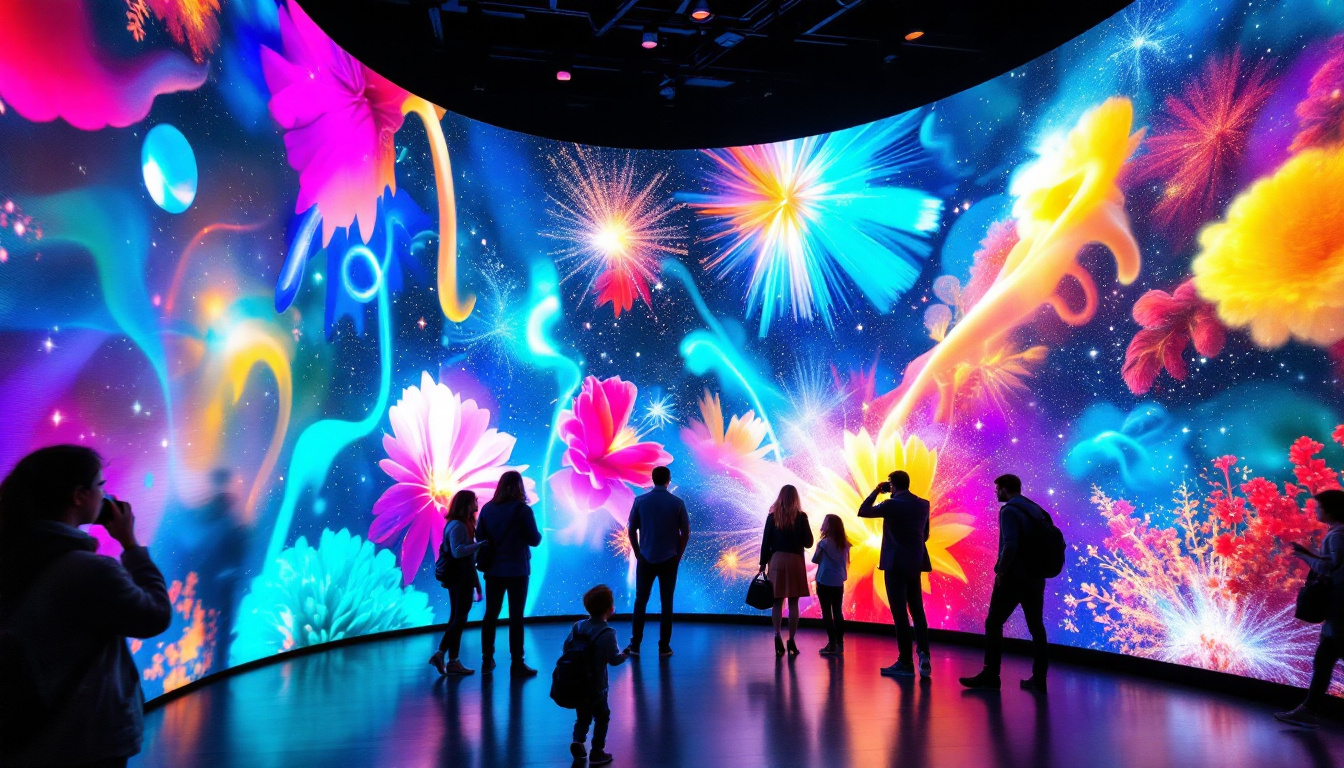
- Hotel Lobbies: Artistic LED installations that create memorable first impressions and set the tone for the guest experience.
- Restaurants and Bars: Mood lighting and thematic visuals that complement the culinary atmosphere.
These uses demonstrate how LED wall decor can be a strategic asset in enhancing customer engagement and brand perception.
Corporate and Office Settings
In professional environments, LED displays serve both aesthetic and functional roles. They can be used for:
- Information Boards: Displaying real-time data, announcements, or schedules in a visually appealing format.
- Brand Showcases: Highlighting company values, achievements, or multimedia presentations during meetings and events.
- Wellness and Productivity: Adjustable lighting that supports circadian rhythms and reduces eye strain, contributing to employee well-being.
Integrating LED wall decor in offices can improve communication while fostering a modern, innovative atmosphere.
Future Trends in LED Wall Decor
Advancements in Display Technology
The LED industry continues to innovate, with emerging technologies promising even more impressive wall decor options. MicroLED displays, for instance, offer higher brightness, better contrast, and longer lifespans than conventional LEDs. These ultra-thin, modular panels can create seamless, large-scale installations with stunning clarity.
Additionally, integration with augmented reality (AR) and artificial intelligence (AI) is on the horizon, enabling interactive and context-aware wall displays that respond intelligently to their environment and users.
Sustainability and Eco-Friendly Designs
As environmental concerns grow, manufacturers are focusing on sustainable materials and energy-efficient production methods for LED displays. Recyclable components, reduced hazardous substances, and lower power consumption are becoming standard features, aligning LED wall decor with green building certifications and eco-conscious design principles.
Personalization and Smart Home Integration
The trend toward personalized living spaces will drive demand for LED displays that integrate seamlessly with smart home ecosystems. Voice control, automated scene setting, and synchronization with music or other devices will make LED wall decor an interactive and intuitive part of daily life.
Conclusion
LED displays have revolutionized wall decor by combining cutting-edge technology with artistic expression. Their versatility, energy efficiency, and customizable nature make them an ideal choice for anyone seeking to add a touch of class to their interiors. From vibrant residential art installations to dynamic commercial signage, LED wall decor offers endless possibilities for enhancing ambiance and functionality.
As technology advances and design trends evolve, LED displays will continue to shape the future of interior aesthetics, offering innovative solutions that are both beautiful and practical. Embracing LED wall decor means investing not only in style but also in sustainability, personalization, and modern living.
Illuminate Your Space with LumenMatrix
Ready to elevate your environment with the elegance and innovation of LED wall decor? LumenMatrix is at the forefront of transforming spaces with our comprehensive range of LED display solutions. From the intimacy of indoor settings to the grandeur of outdoor displays, our technology is designed to captivate and engage. Discover the perfect LED display to reflect your unique style and message. Check out LumenMatrix LED Display Solutions and step into the future of sophisticated, personalized, and sustainable interior aesthetics.