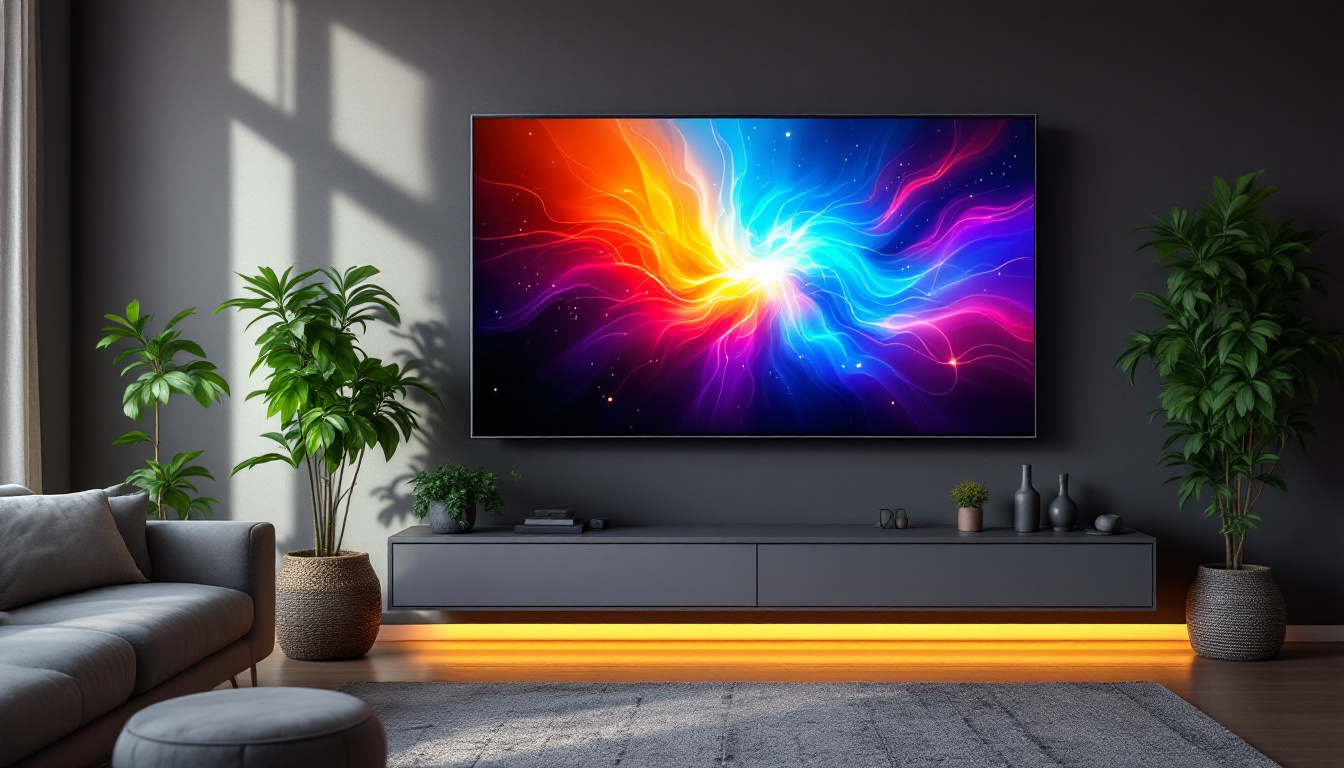
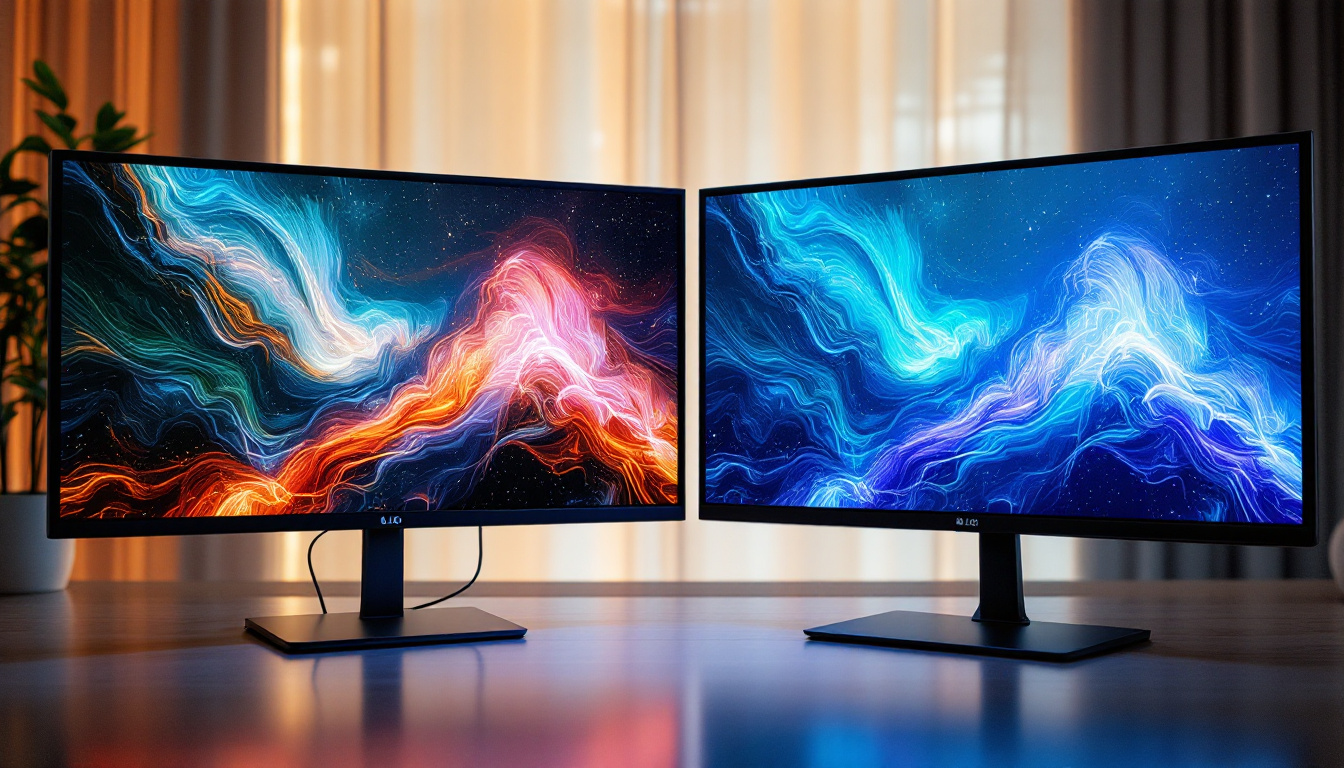
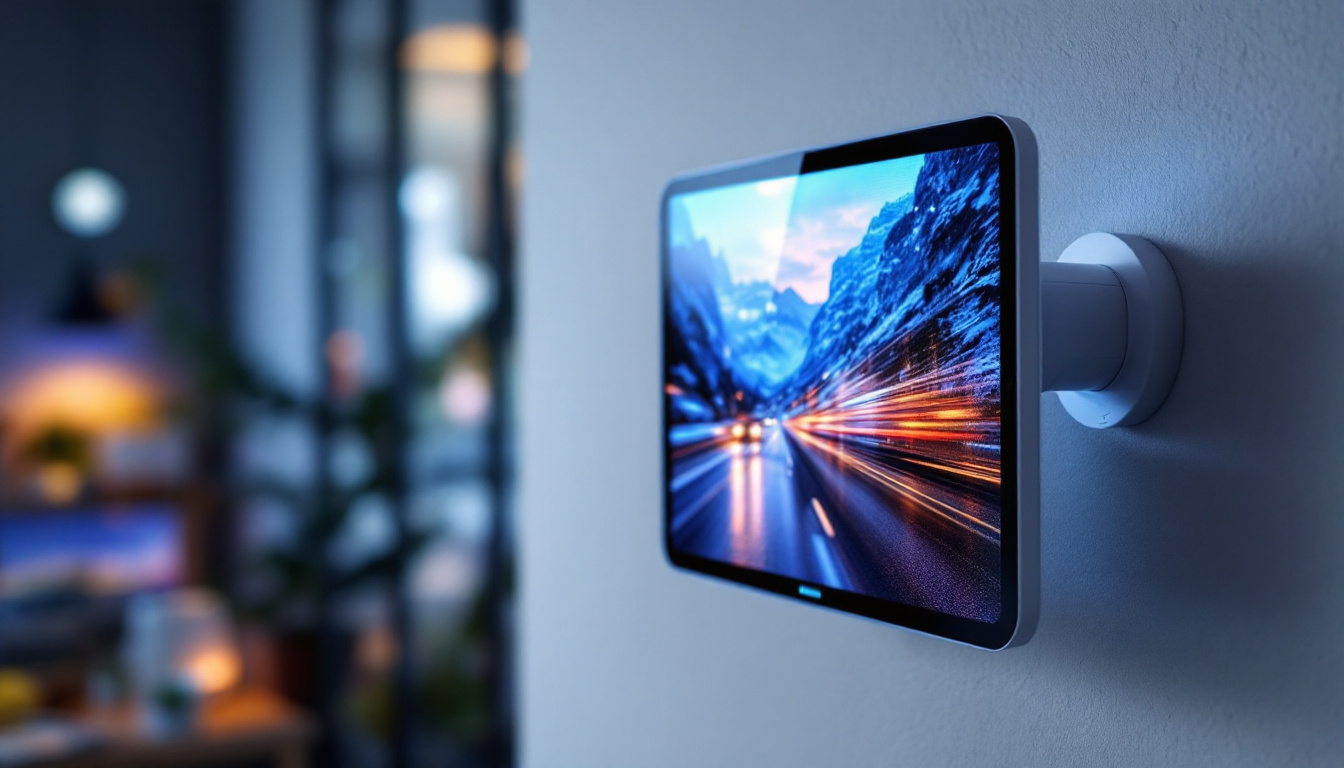
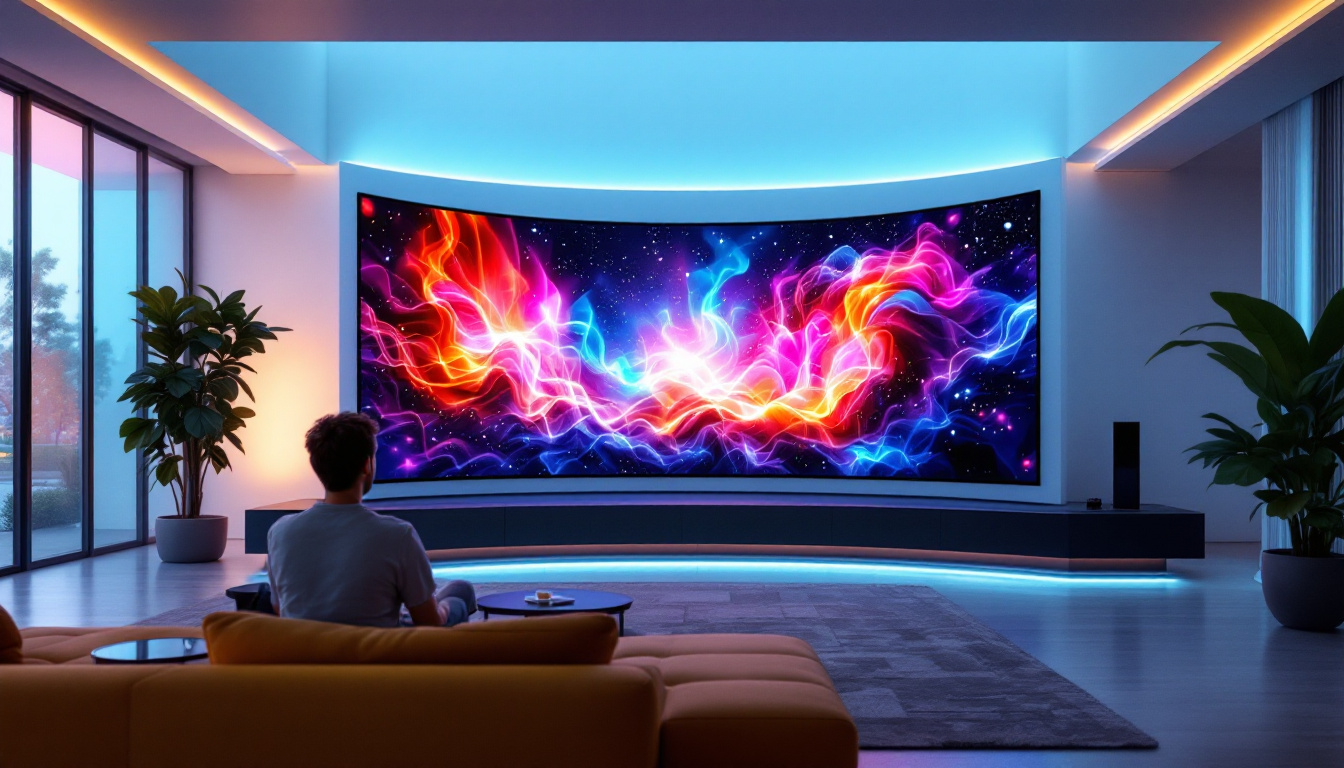
In today’s fast-paced digital world, touch screen monitors have become an essential tool across various industries, from retail and education to healthcare and corporate environments. Among the many options available, the 65-inch touch screen monitor stands out for its expansive display and interactive capabilities. This article delves into the technology behind 65-inch LED touch screen monitors, explaining their features, benefits, and practical applications to help you make an informed decision.
Understanding the Basics: What Is a 65 Touch Screen Monitor?
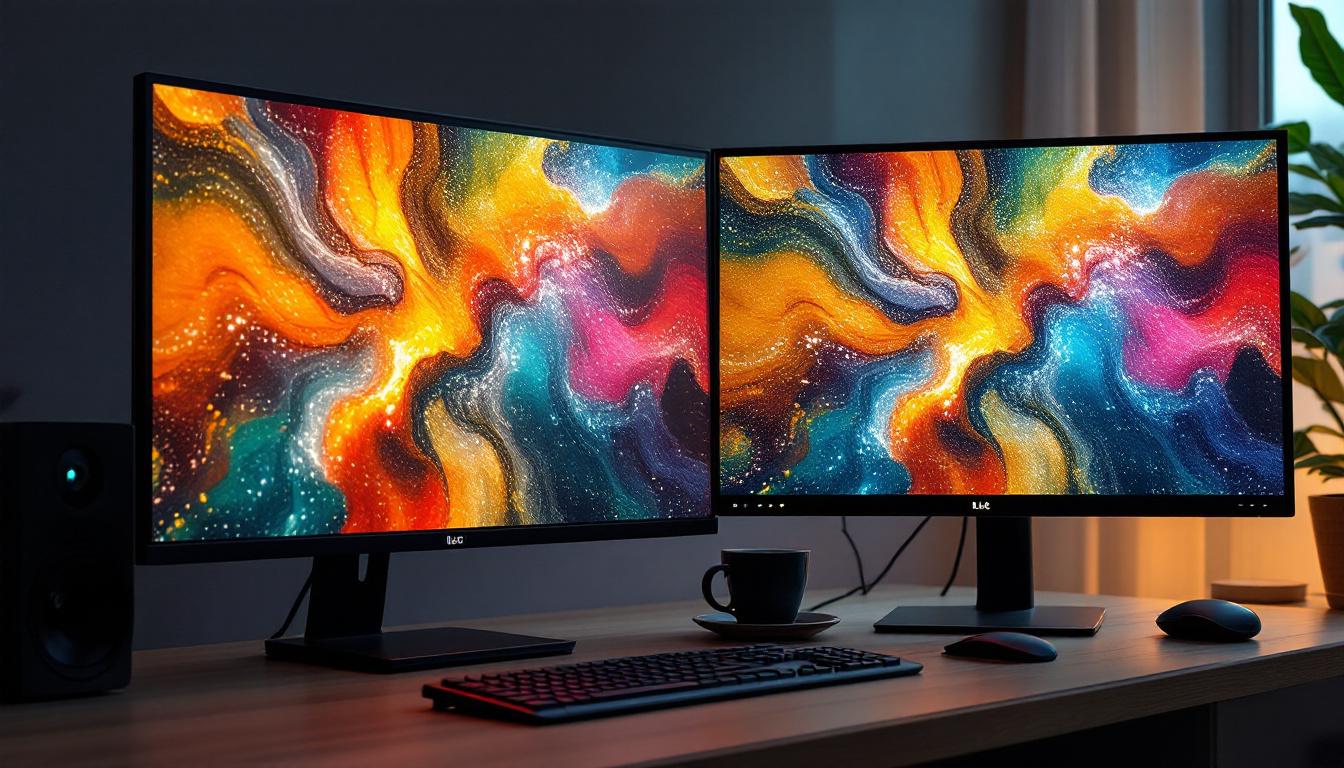
A 65 touch screen monitor is a large-format display measuring 65 inches diagonally, equipped with touch-sensitive technology that allows users to interact directly with the screen. Unlike traditional monitors, which rely on external input devices like a mouse or keyboard, touch screen monitors respond to finger touches or stylus inputs, making them intuitive and user-friendly.
These monitors typically use LED (Light Emitting Diode) technology for the display, which offers vibrant colors, high brightness, and energy efficiency. The combination of a large screen size and touch capabilities makes the 65-inch monitor ideal for collaborative environments, presentations, digital signage, and interactive kiosks. In educational settings, for instance, these monitors can transform the way lessons are delivered, allowing teachers to engage students with interactive content that encourages participation and collaboration.
Moreover, the versatility of a 65 touch screen monitor extends beyond just educational use. In corporate environments, they can be utilized for brainstorming sessions, where teams can gather around to share ideas and manipulate data in real-time. This fosters a more engaging atmosphere, as participants can physically interact with the content displayed, making discussions more dynamic and productive. Additionally, in retail spaces, these monitors can serve as interactive product displays, allowing customers to explore features and specifications at their own pace, enhancing the shopping experience.
Key Features of a 65 Touch Screen LED Monitor
Some of the standout features of a 65-inch touch screen LED monitor include:
- High Resolution: Most models support 4K UHD resolution (3840 x 2160 pixels), delivering crisp and clear images that enhance visual experience.
- Multi-Touch Support: These monitors often support 10-point or more multi-touch input, allowing multiple users to interact simultaneously.
- Durable Glass Surface: The touch layer is protected by tempered glass, which is scratch-resistant and capable of withstanding heavy daily use.
- Wide Viewing Angles: LED technology ensures consistent color and brightness even when viewed from different angles, crucial for group settings.
- Connectivity Options: HDMI, USB, DisplayPort, and sometimes wireless connectivity enable easy integration with various devices.
In addition to these features, many 65 touch screen monitors come equipped with built-in speakers and microphones, enhancing their functionality for video conferencing and interactive presentations. This all-in-one capability eliminates the need for additional equipment, streamlining setup and reducing clutter in workspaces. Furthermore, advanced software compatibility allows users to run various applications seamlessly, from educational programs to creative design software, making these monitors a powerful tool for both professional and personal use.
How LED Technology Enhances Touch Screen Monitors
LED technology has revolutionized display screens by offering superior brightness, color accuracy, and energy efficiency compared to older LCD or plasma technologies. Understanding how LED works in touch screen monitors can clarify why these devices perform so well in demanding environments.
The Role of LED in Display Quality
LED monitors use an array of light-emitting diodes as the backlight source for the LCD panel. This backlighting method provides several advantages:
- Improved Brightness and Contrast: LEDs can produce brighter light with deeper blacks, resulting in higher contrast ratios that make images and text more legible.
- Energy Efficiency: LEDs consume less power than traditional CCFL (Cold Cathode Fluorescent Lamp) backlights, reducing electricity costs and environmental impact.
- Thin and Lightweight Design: LED backlighting allows for slimmer monitor profiles, making installation and mobility easier.
- Longer Lifespan: LEDs generally last longer than other backlighting technologies, ensuring the monitor remains functional for years without significant degradation.
Touch Screen Integration with LED Displays
The touch functionality in these monitors is typically achieved through one of several technologies:
- Projected Capacitive (PCAP): The most common technology used in large touch screens, PCAP detects touch by measuring changes in electrical fields. It supports multi-touch and offers high accuracy and responsiveness.
- Infrared (IR): IR touchscreens use a grid of infrared light beams across the screen surface. When a finger or object interrupts these beams, the touch is registered. IR touchscreens are durable and work with any input device.
- Resistive: Less common in large displays, resistive touchscreens rely on pressure applied to the screen layers. They are less sensitive and do not support multi-touch as effectively as PCAP or IR.
Among these, PCAP is the preferred choice for 65-inch touch screen monitors due to its precision, multi-touch capability, and smooth gesture recognition.
Applications of 65-Inch Touch Screen LED Monitors
The versatility of 65-inch touch screen LED monitors makes them suitable for a wide range of applications. Their large size and interactive nature enable more engaging and efficient workflows in various sectors.
Corporate and Educational Use
In corporate environments, these monitors serve as interactive whiteboards for meetings, brainstorming sessions, and video conferences. The ability to annotate directly on presentations and collaborate in real-time enhances productivity and communication.
Educational institutions also benefit from these displays by creating immersive learning experiences. Teachers can use touch gestures to navigate content, draw diagrams, and engage students actively. The large screen ensures visibility for all participants in a classroom.
Retail and Hospitality
Retailers leverage 65-inch touch screen monitors for digital signage, interactive catalogs, and self-service kiosks. Customers can browse products, customize orders, or access information without staff assistance, improving customer experience and operational efficiency.
In the hospitality sector, these monitors are used at check-in desks, concierge stations, and conference rooms to streamline services and enhance guest interactions.
Healthcare and Medical Facilities
Healthcare providers use large touch screen monitors for patient check-in, medical imaging review, and collaborative diagnostics. The high resolution and touch capabilities allow for detailed examination of scans and easy navigation through patient records.
Creative and Design Industries
Graphic designers, architects, and video editors benefit from the precision and size of 65-inch touch screen monitors. The ability to interact directly with digital content speeds up workflows and allows for more natural manipulation of images and models.
Choosing the Right 65 Touch Screen Monitor: Factors to Consider
When selecting a 65-inch touch screen LED monitor, several factors should be evaluated to ensure it meets your specific needs and budget.
Resolution and Display Quality
Higher resolution monitors provide sharper images and more screen real estate for multitasking. For a 65-inch screen, 4K UHD resolution is recommended to avoid pixelation and maintain image clarity.
Touch Technology and Responsiveness
Ensure the monitor uses a reliable touch technology such as PCAP for accurate and responsive input. Consider the number of simultaneous touch points supported, especially for collaborative environments.
Connectivity and Compatibility
Check the available ports and wireless options to guarantee compatibility with your existing devices. USB ports for touch input, HDMI for video, and network connectivity for remote management are important features.
Durability and Build Quality
Since large touch screens are often used in public or high-traffic areas, durability is crucial. Look for monitors with tempered glass, anti-glare coatings, and robust casing to withstand frequent use.
Software and Integration
Some monitors come with built-in software for annotation, screen sharing, and device management. Compatibility with popular operating systems and third-party applications can enhance usability.
Installation and Maintenance Tips for 65-Inch Touch Screen Monitors
Proper installation and maintenance are key to maximizing the lifespan and performance of your 65-inch touch screen monitor.
Optimal Placement and Mounting
Mount the monitor at eye level for comfortable use and ensure it is securely fixed to prevent accidents. Consider the viewing distance; a 65-inch screen is best viewed from 3 to 6 feet away to avoid eye strain.
Calibrating Touch and Display Settings
Regular calibration of the touch input and display color settings ensures accuracy and visual quality. Many monitors include built-in calibration tools or software to assist with this process.
Cleaning and Care
Use a soft, lint-free cloth and appropriate cleaning solutions designed for screens to avoid damaging the touch surface. Avoid abrasive materials and excessive moisture, which can impair touch sensitivity.
Software Updates and Security
Keep the monitor’s firmware and software up to date to benefit from performance improvements and security patches. This is especially important if the monitor is connected to a network.
The Future of 65 Touch Screen LED Monitors
As technology advances, the capabilities of large touch screen monitors continue to evolve. Emerging trends include:
- Enhanced Interactivity: Integration with AI and gesture recognition will allow more natural and intuitive user interactions.
- Improved Energy Efficiency: Advances in LED technology will further reduce power consumption while increasing brightness and color accuracy.
- Flexible and Transparent Displays: Future monitors may feature flexible screens or transparent panels, expanding their use cases.
- Seamless Collaboration: Cloud-based software and wireless connectivity will enable real-time collaboration across multiple devices and locations.
These innovations will make 65-inch touch screen LED monitors even more versatile and indispensable in various professional and personal settings.
Conclusion
65 touch screen monitors with LED displays represent a powerful combination of size, clarity, and interactivity. Their ability to deliver high-resolution visuals alongside responsive touch input makes them a valuable asset in numerous industries, from education and healthcare to retail and corporate environments. Understanding the underlying LED technology, touch mechanisms, and practical applications helps users select the right monitor that fits their needs.
By considering factors such as resolution, touch technology, connectivity, and durability, organizations can invest in a 65-inch touch screen monitor that enhances productivity, engagement, and user experience. With ongoing technological advancements, these monitors are set to become even more integral to modern interactive workflows in the years ahead.
Discover LumenMatrix’s Advanced LED Display Solutions
Ready to elevate your interactive experiences with a 65-inch touch screen monitor? Look no further than LumenMatrix, a pioneer in LED display technology. Our comprehensive range of products, including Indoor and Outdoor LED Wall Displays, Vehicle LED Displays, and innovative solutions like LED Sports and Floor Displays, are designed to bring your content to life. Embrace the future of visual communication with our Custom, All-in-One, and Transparent LED Displays, crafted to captivate your audience and amplify your message. Check out LumenMatrix LED Display Solutions today and transform your space into a dynamic, engaging environment.