In the fast-paced world of outdoor advertising, capturing attention quickly and effectively is paramount. LED display screens have emerged as a revolutionary medium, transforming traditional billboards into dynamic, eye-catching canvases. This article delves into the technology behind LED displays, their advantages for outdoor advertising, and practical considerations for businesses looking to leverage this powerful tool.
Understanding LED Display Technology
What Is an LED Display Screen?
LED, or Light Emitting Diode, displays consist of numerous tiny light sources arranged in a grid to create images and videos. Unlike traditional LCD or projection screens, LED displays emit their own light, which makes them exceptionally bright and visible even in direct sunlight. This self-illumination property is a critical advantage for outdoor advertising where visibility is essential regardless of weather or time of day.
Modern outdoor LED screens are typically made up of modules containing clusters of LEDs, each representing a pixel. These pixels can be controlled individually to produce vibrant, high-resolution images and animations. The screens vary in size from small digital signs to massive billboards covering entire building facades. The flexibility in design allows for creative installations that can transform public spaces, making them more engaging and visually appealing. Furthermore, the longevity and durability of LED technology mean that these displays can withstand harsh environmental conditions, reducing maintenance costs and downtime.
Types of LED Displays Used Outdoors
Outdoor LED displays come in several types, primarily categorized by pixel pitch — the distance between the centers of two adjacent pixels. Common pixel pitches for outdoor use range from 4mm to 20mm. A smaller pixel pitch means higher resolution and sharper images but also higher cost. This trade-off is essential for businesses to consider when choosing the right display for their needs, as it can significantly impact the viewer’s experience and the effectiveness of the advertisement.
There are two main types of LED displays used outdoors:
- Surface-Mounted Device (SMD): SMD LEDs are compact and produce a wide viewing angle, making them ideal for high-resolution displays that viewers can see clearly from various positions. This technology allows for seamless color blending, resulting in stunning visuals that capture attention and convey messages effectively.
- Through-Hole LEDs: These are larger LEDs mounted through holes on the circuit board. They are more durable and brighter, suitable for large-scale displays where ultra-high resolution is less critical. Their robust construction makes them particularly effective in high-traffic areas where they are exposed to potential impacts and weather elements.
Additionally, outdoor LED displays can be further classified based on their application. For instance, some are designed specifically for advertising, while others may serve informational purposes, such as displaying public transport schedules or emergency alerts. The versatility of LED technology allows for dynamic content that can be updated in real-time, providing timely information and engaging visuals that resonate with viewers. This adaptability is a game-changer in the advertising landscape, enabling businesses to respond quickly to market trends and consumer interests.
Why Choose LED Display Screens for Outdoor Advertising?
Exceptional Visibility and Brightness
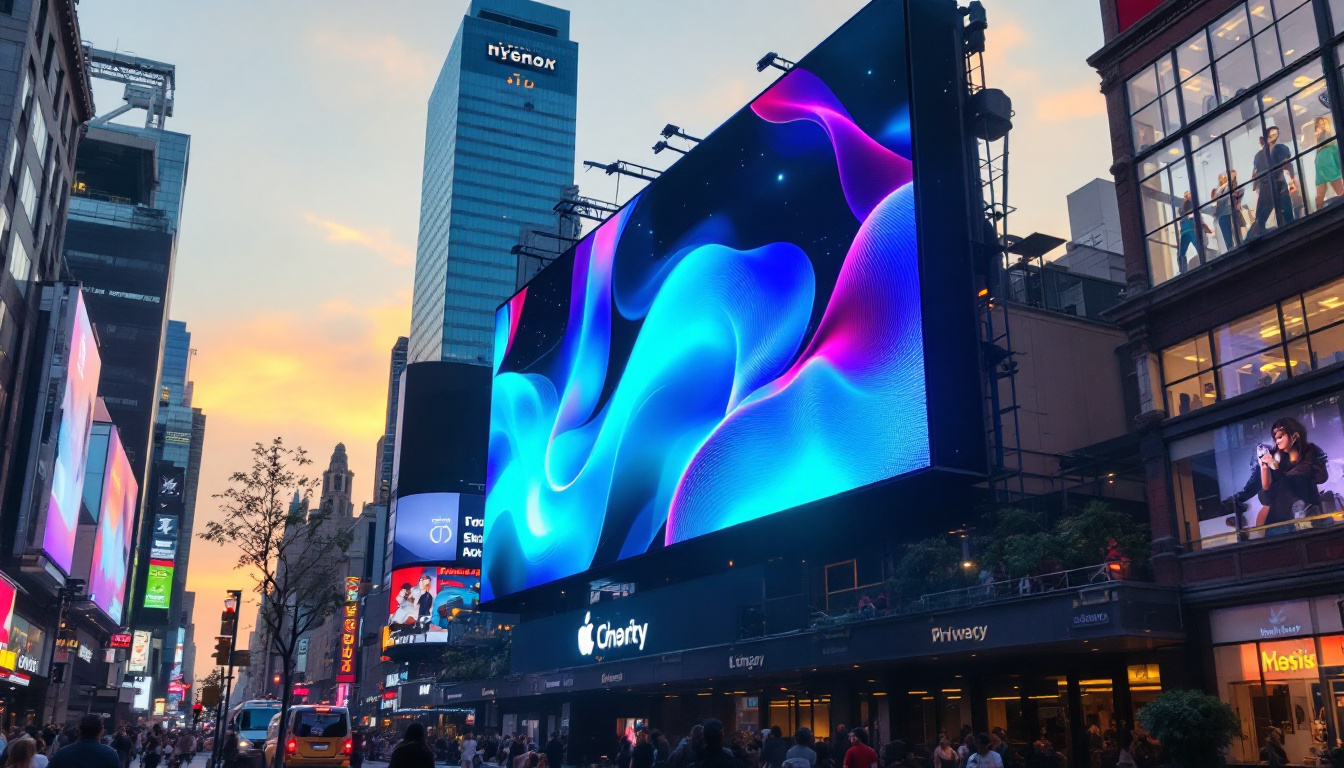
Outdoor advertising demands high visibility across different lighting conditions. LED screens excel because they can reach brightness levels of up to 5,000 nits or more, far surpassing traditional print billboards or LCD displays. This ensures the content remains vibrant and readable even under direct sunlight, a crucial factor for locations such as highways, city centers, and stadiums. The advanced technology behind LED displays also allows for superior contrast ratios, ensuring that colors pop and images stand out, even in challenging lighting environments. This level of visibility not only captures the attention of passersby but also enhances the overall effectiveness of the advertising campaign.
Dynamic and Engaging Content
Unlike static billboards, LED displays allow advertisers to present dynamic content — videos, animations, real-time updates, and interactive messages. This flexibility enables brands to tailor their messaging based on time of day, weather, or audience demographics, increasing engagement and recall. The ability to showcase multiple advertisements in a single location through a rotating schedule means that advertisers can reach a wider audience without the need for multiple physical installations.
For example, a restaurant could display breakfast specials in the morning and switch to dinner promotions in the evening without changing physical signage. This adaptability not only maximizes the return on investment but also keeps the advertising fresh and relevant. Additionally, the integration of social media feeds and user-generated content can further enhance interaction, allowing brands to create a two-way dialogue with their audience, fostering a sense of community and loyalty.
Cost-Effectiveness Over Time
While the initial investment in LED outdoor screens can be higher than traditional billboards, the long-term benefits often outweigh the costs. Digital content eliminates printing and installation expenses associated with static ads. Moreover, the ability to update content remotely and instantly reduces operational downtime and labor costs. This means that advertisers can respond quickly to market changes or promotional opportunities, ensuring that their messaging is always timely and relevant.
Additionally, LED displays have a long lifespan, often exceeding 100,000 hours of use, which translates to over 11 years of continuous operation. This durability, combined with energy-efficient technology, results in lower maintenance and electricity costs compared to older lighting technologies. The investment in LED technology not only pays off in terms of operational savings but also positions brands as forward-thinking and innovative, appealing to a modern audience that values sustainability and efficiency.
Environmental Benefits
LED technology is more energy-efficient than many traditional lighting and display methods. Outdoor LED screens consume significantly less power than neon or incandescent lighting, contributing to reduced carbon footprints for advertisers. Furthermore, the elimination of paper and vinyl waste from printed billboards aligns with growing environmental sustainability goals. By choosing LED displays, companies can demonstrate their commitment to eco-friendly practices, which is increasingly important to consumers today.
Moreover, many LED displays are now designed with recyclable components and materials, further enhancing their environmental appeal. As cities and municipalities push for greener initiatives, businesses that invest in LED technology can benefit from potential tax incentives and grants aimed at promoting sustainable practices. This not only helps in reducing operational costs but also enhances brand reputation, as consumers are more likely to support companies that prioritize environmental responsibility.
Key Features to Consider When Selecting an Outdoor LED Display
Resolution and Pixel Pitch
The choice of resolution and pixel pitch depends largely on the viewing distance and the type of content to be displayed. For locations where viewers are close to the screen, such as retail storefronts or transit stops, a smaller pixel pitch (e.g., 4mm to 8mm) is preferable to ensure crisp images.
Conversely, for large billboards viewed from afar, a larger pixel pitch (e.g., 10mm to 20mm) is sufficient and more cost-effective. Understanding the viewing environment helps optimize the balance between image quality and budget.
Brightness and Weather Resistance
Outdoor LED screens must withstand various weather conditions, including rain, wind, dust, and extreme temperatures. Look for displays with an IP65 or higher rating, indicating strong protection against water and dust ingress.
Brightness is another critical factor. Outdoor displays should offer adjustable brightness settings to adapt to changing ambient light, preventing glare at night and ensuring visibility during the day.
Control Systems and Content Management
Modern LED displays come with sophisticated control software that allows advertisers to manage content remotely via the internet. This capability is essential for multi-location campaigns or frequent content updates.
Some systems support scheduling, real-time data integration (e.g., weather updates, news feeds), and interactive features such as QR codes or touch capabilities, enhancing audience engagement and campaign effectiveness.
Applications of Outdoor LED Display Screens in Advertising
Retail and Shopping Centers
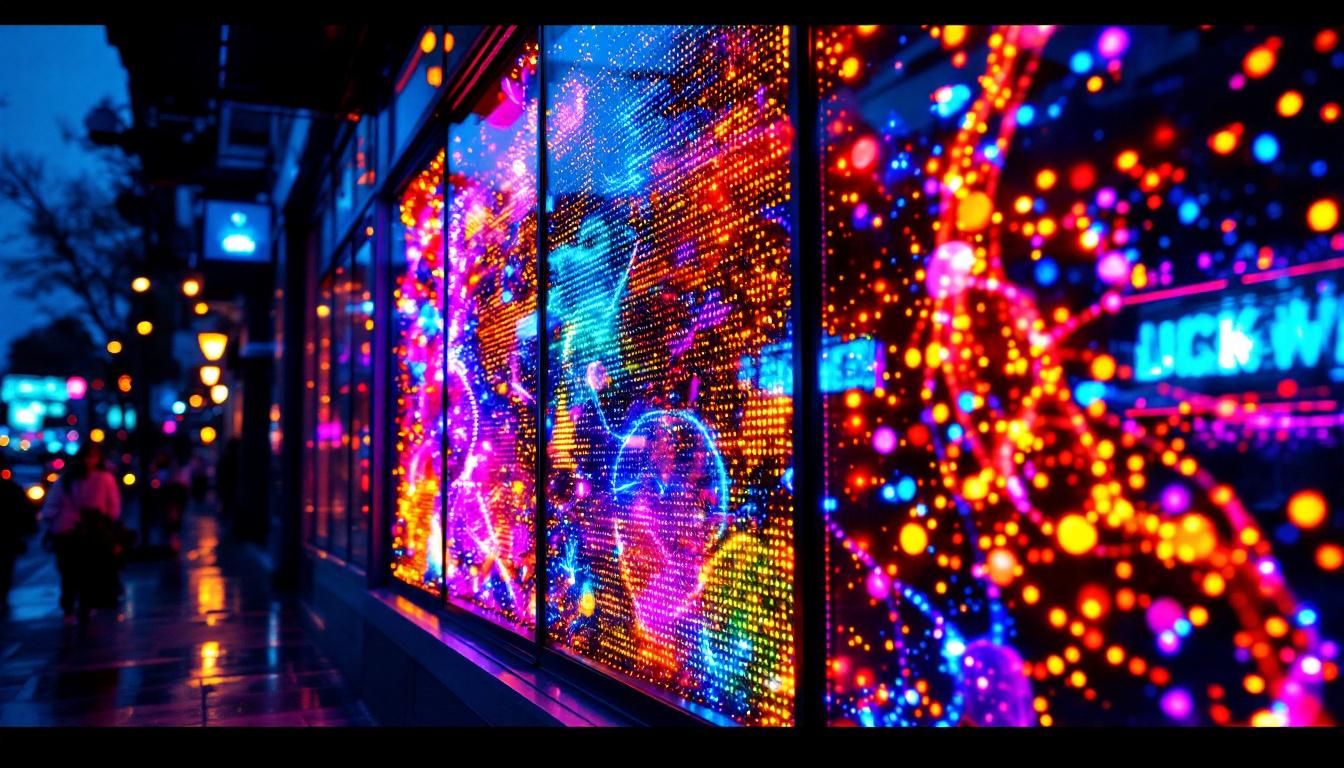
Retailers use outdoor LED displays to attract foot traffic by showcasing promotions, new arrivals, and brand messages. The dynamic nature of LED screens helps create an immersive shopping experience and encourages impulse purchases.
Transportation Hubs and Public Spaces
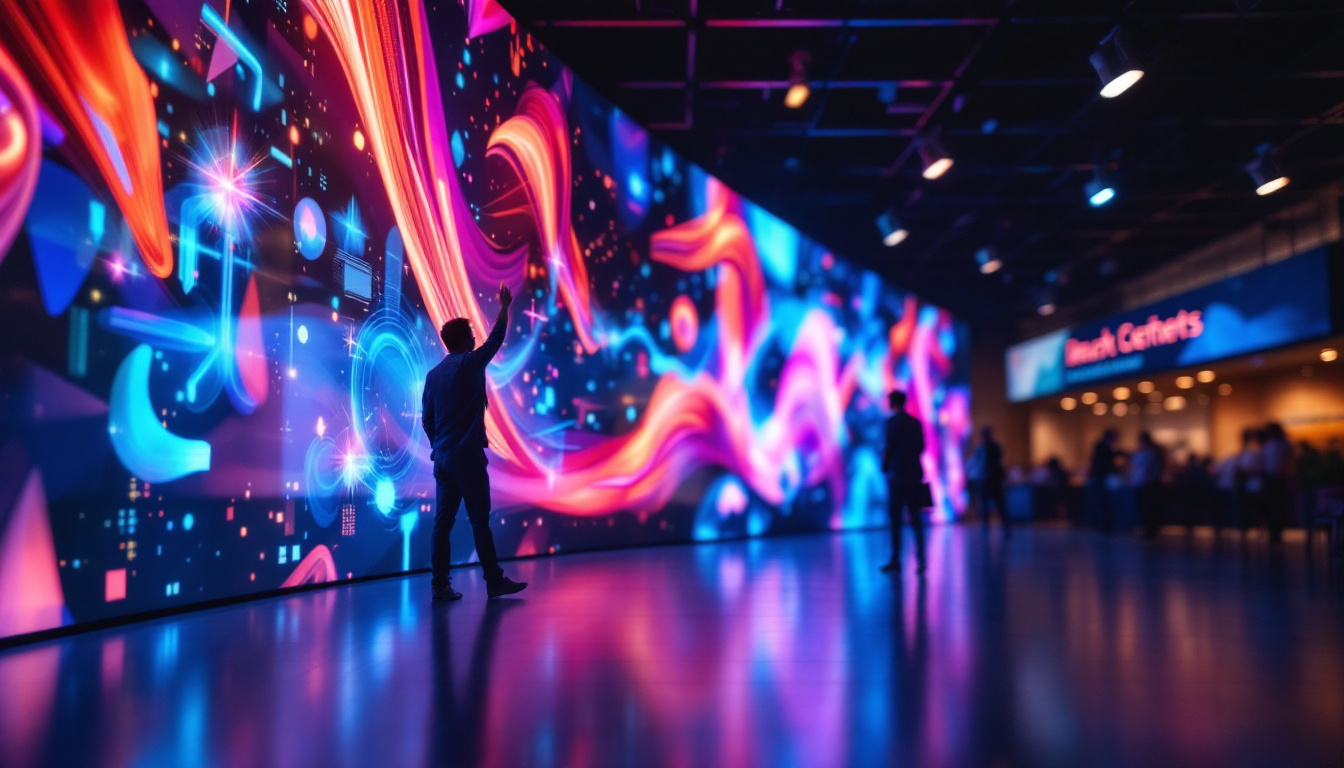
Airports, train stations, and bus terminals utilize LED displays for both advertising and informational purposes. The high visibility and adaptability of LED screens make them ideal for delivering timely messages to large, diverse audiences.
Sports and Entertainment Venues
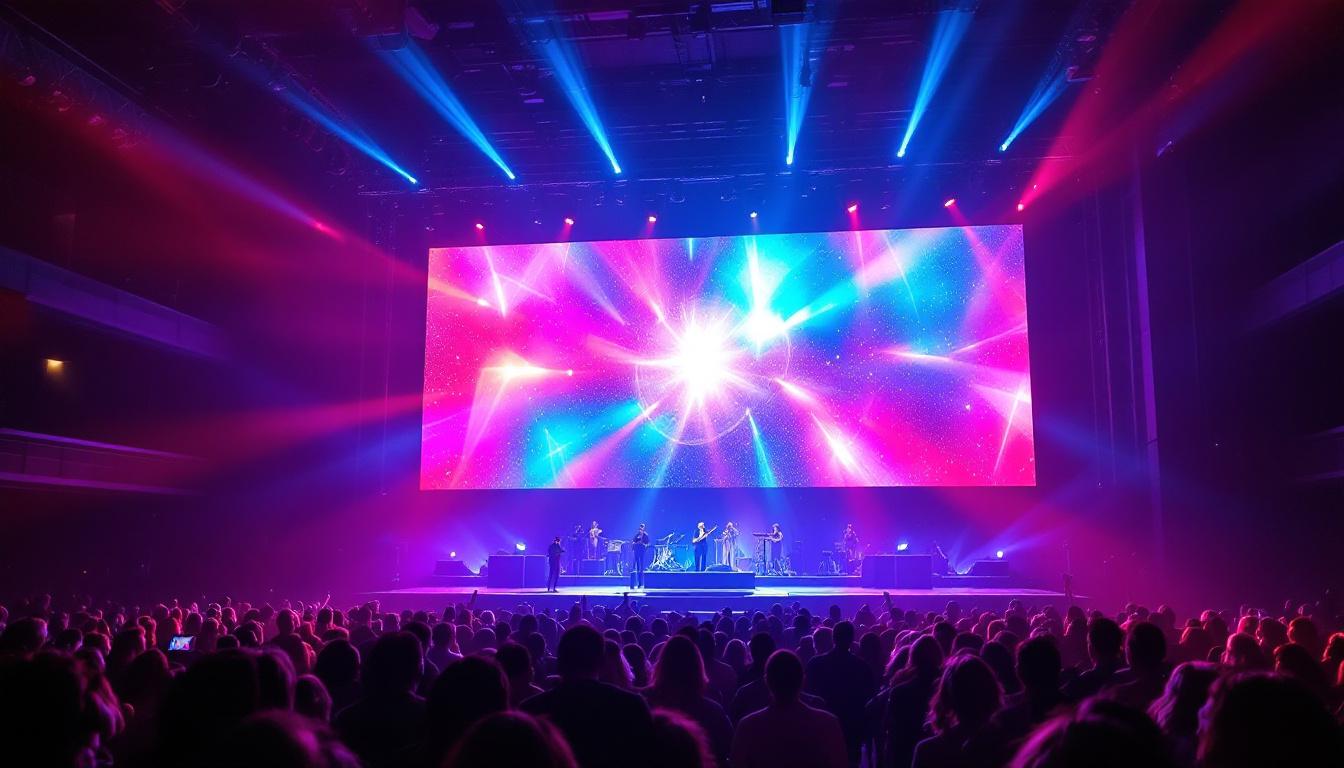
Stadiums and concert arenas often feature massive LED screens to display advertisements, live event footage, and interactive content. These displays not only enhance the spectator experience but also generate significant advertising revenue.
Roadside and Highway Advertising
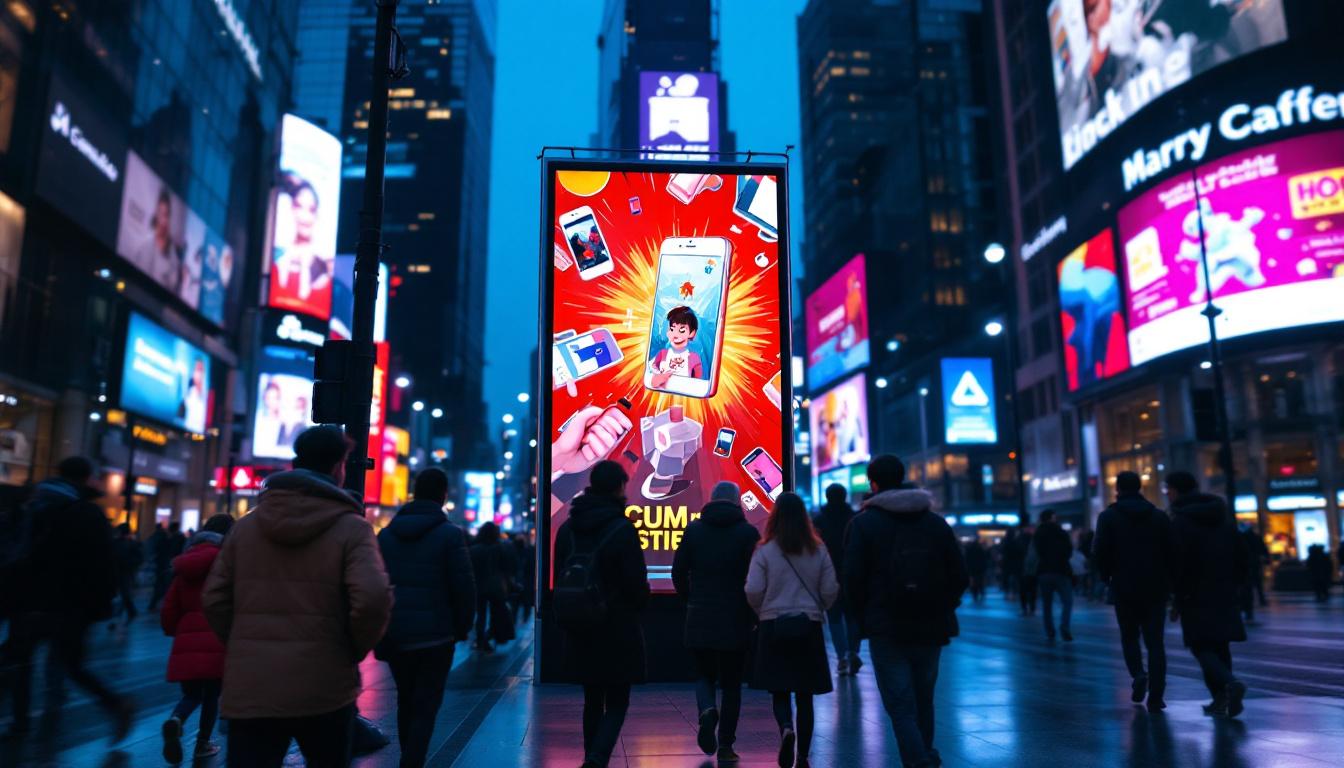
Highway billboards equipped with LED displays capture the attention of motorists with bright, changing visuals. Their ability to display multiple ads in rotation increases advertising inventory and revenue potential for operators.
Challenges and Considerations in Outdoor LED Advertising
Initial Investment and Installation
The upfront cost of purchasing and installing an outdoor LED display can be substantial. This includes expenses for the screen, mounting structures, electrical work, and control systems. However, careful planning and selecting the right specifications for the intended application can optimize costs.
Regulatory Compliance
Many cities and municipalities regulate outdoor digital signage to prevent light pollution, distraction to drivers, and visual clutter. Advertisers must ensure their LED displays comply with local ordinances regarding brightness limits, operating hours, and content restrictions.
Maintenance and Technical Support
Although LED displays are durable, they require routine maintenance to ensure optimal performance. This includes cleaning, software updates, and occasional repairs. Partnering with experienced suppliers who offer reliable technical support is essential to minimize downtime.
The Future of Outdoor LED Advertising
Integration with Smart Technologies
As the Internet of Things (IoT) and artificial intelligence (AI) technologies advance, outdoor LED displays are becoming smarter and more interactive. Future screens may leverage facial recognition, geolocation, and data analytics to deliver hyper-targeted advertising tailored to individual viewers.
Energy Efficiency and Sustainability
Innovations in LED technology continue to improve energy efficiency and reduce environmental impact. Solar-powered LED billboards and energy-harvesting systems are emerging trends that align advertising with sustainability goals.
Augmented Reality and Immersive Experiences
Combining LED displays with augmented reality (AR) and other immersive technologies offers new possibilities for engaging audiences. Interactive campaigns that blend physical and digital elements will likely become more prevalent, creating memorable brand experiences.
Conclusion
Outdoor LED display screens represent a powerful evolution in advertising, offering unparalleled visibility, flexibility, and engagement. By understanding the technology, selecting the right features, and considering operational factors, businesses can harness LED displays to elevate their brand presence and connect with audiences in vibrant, impactful ways.
As technology continues to advance, the role of LED displays in outdoor advertising will only grow, making them an essential component of modern marketing strategies.
Discover LumenMatrix LED Display Solutions
Ready to take your outdoor advertising to the next level? Explore LumenMatrix’s innovative LED display technologies, designed to captivate and engage your audience like never before. From vibrant Outdoor LED Wall Displays to dynamic Vehicle LED Displays and beyond, LumenMatrix offers a comprehensive range of solutions to meet your specific needs. Embrace the future of visual communication with our LED Sports Displays, LED Poster Displays, and cutting-edge Custom LED Display options. Experience the difference with LumenMatrix and transform your brand’s visibility today. Check out LumenMatrix LED Display Solutions and start creating unforgettable visual experiences.